


Apple WatchPremium
First Apple Watch launched by Apple in San Francisco in 2015; with watchOS operating system, S Series System-in-Package chips, and Always-On Retina display, it leads global smartwatch market share.
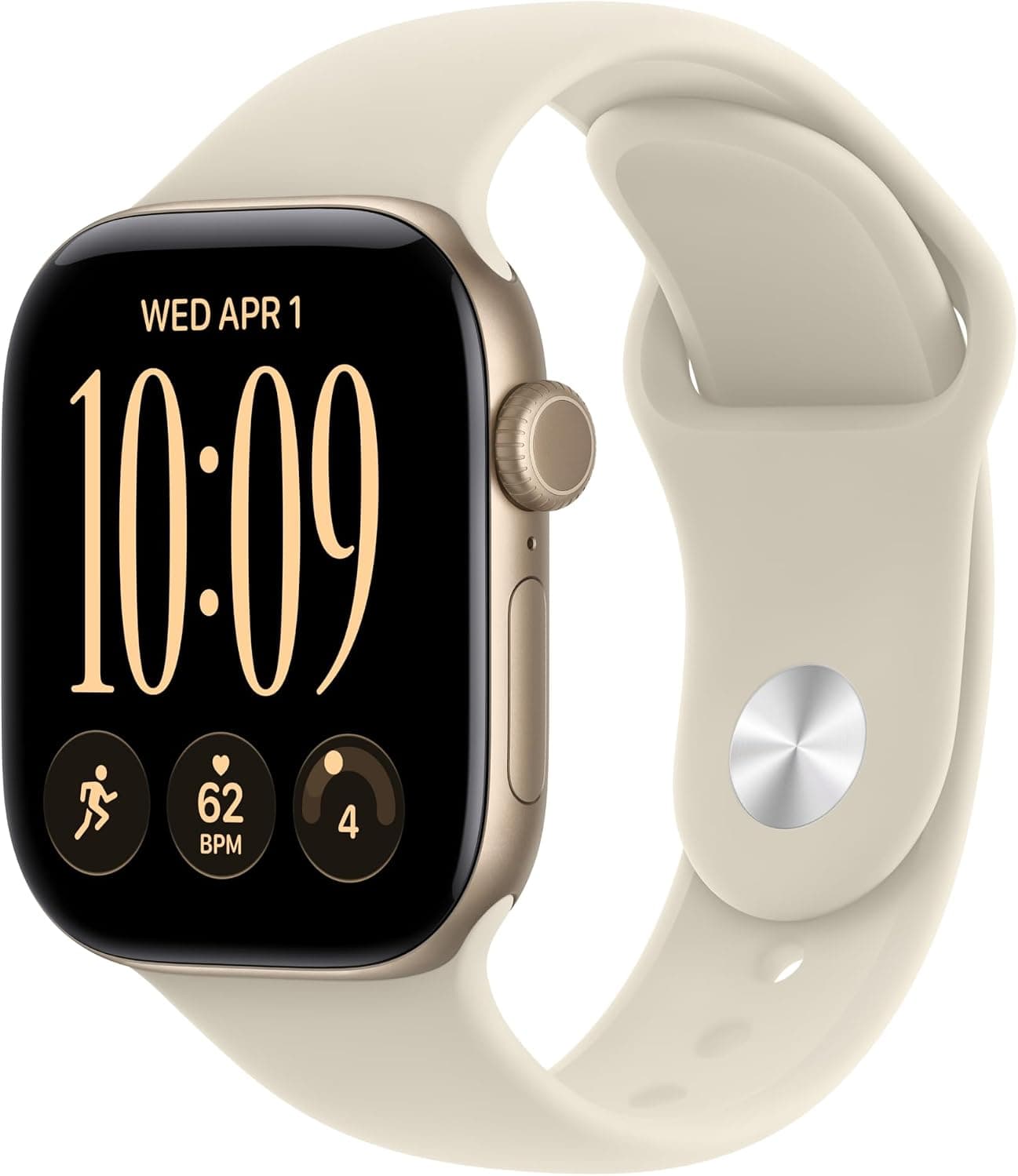
Apple Watch has defined the smartwatch category since 2015. Between the watchOS ecosystem, a deep stack of health sensors, and a three-tier lineup, the real question for any buyer is simply which generation to put on your wrist.
Apple Watch was first shown by Tim Cook in September 2014 and reached buyers on 24 April 2015, developed at Apple Inc.'s campus in Cupertino, California. The first generation arrived in 38mm and 42mm, with a range that ran from the entry-level aluminium Sport to an 18-karat gold Edition that opened at a frankly absurd $10,000. Apple abandoned that gold experiment quickly and reframed the watch less as a luxury object and more as a health and communication tool. Today it lives inside a closed watchOS ecosystem: it needs an iPhone to reach its full potential, which is both its greatest strength and the lock-in you should understand before buying.
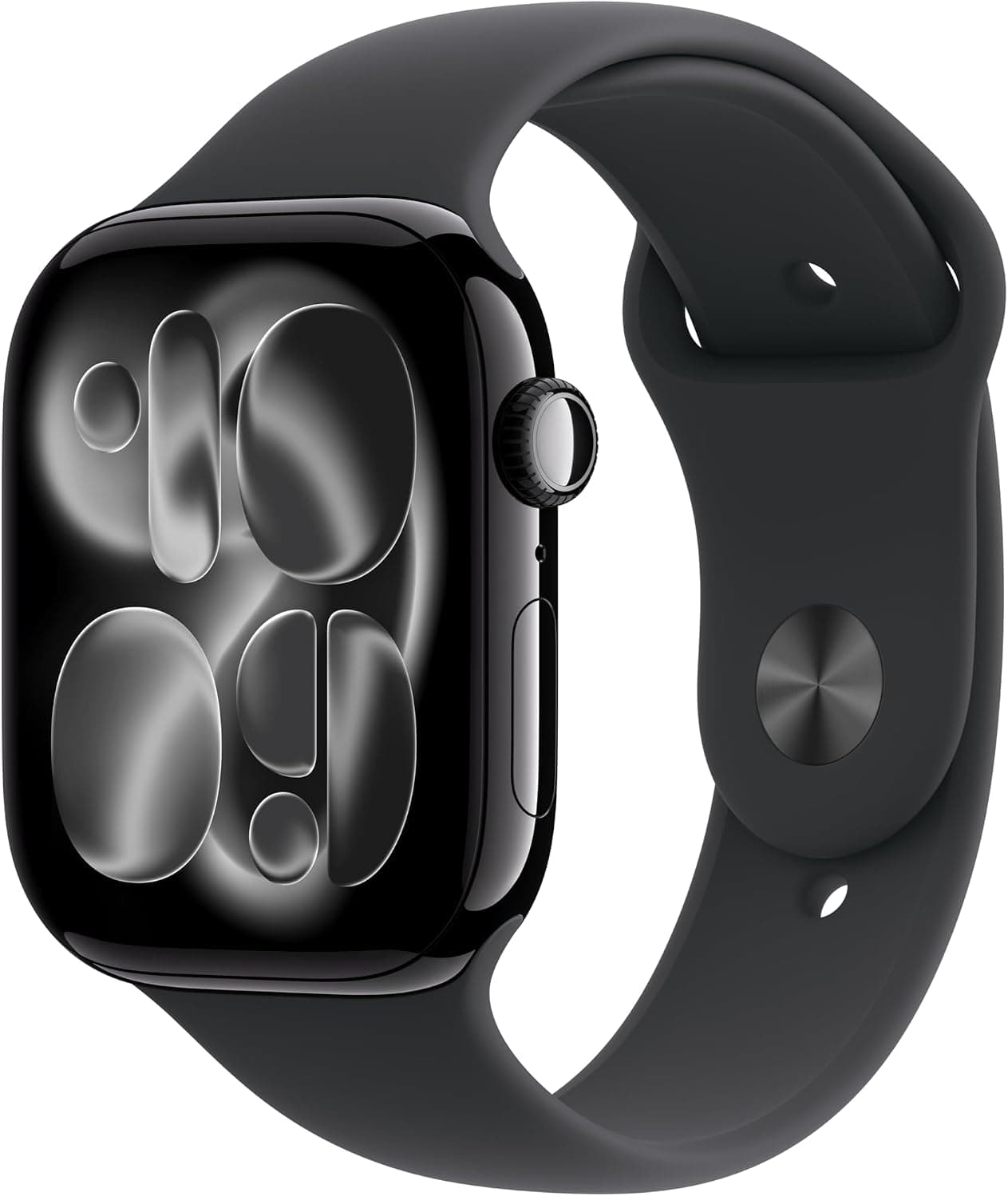
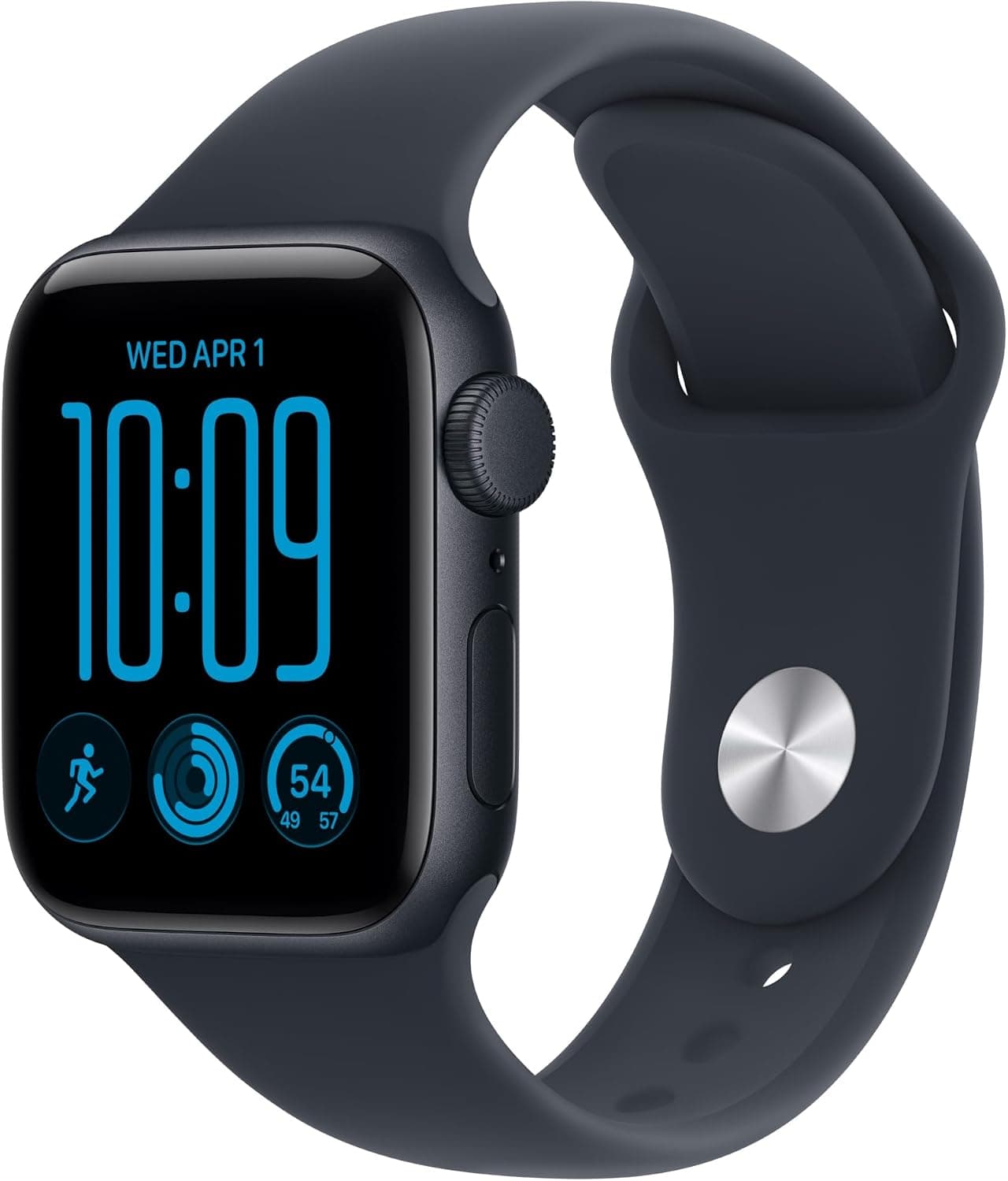
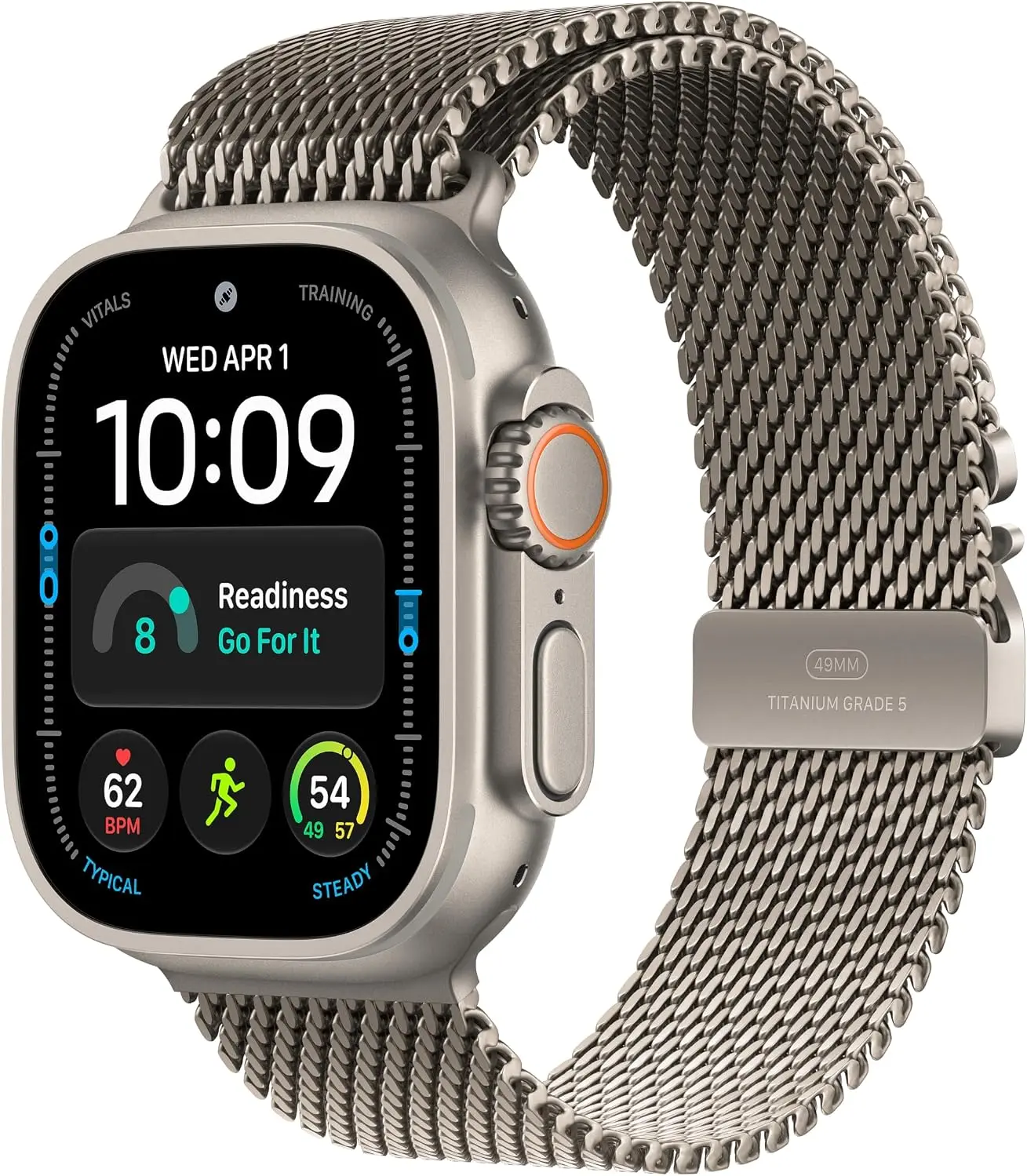
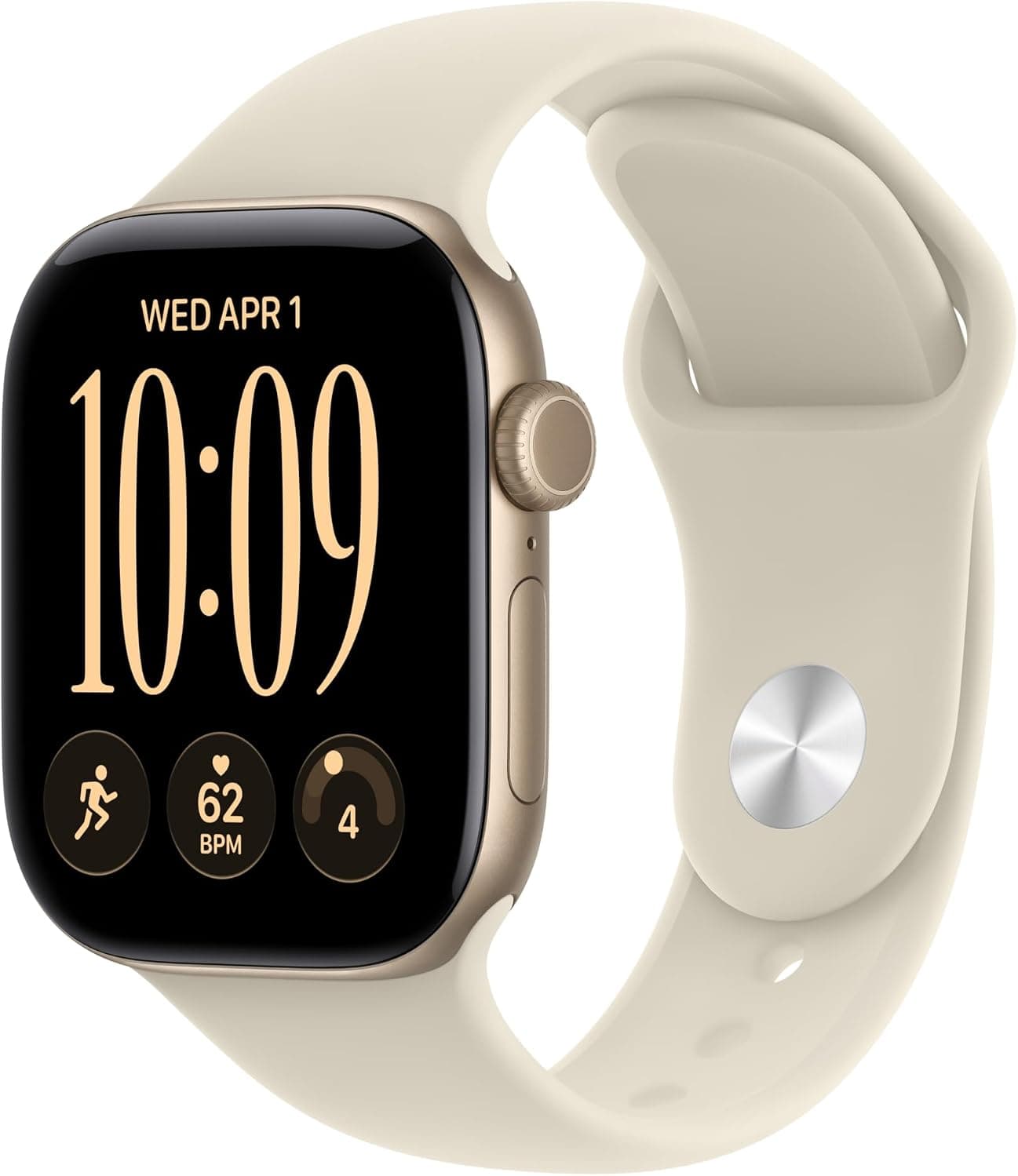
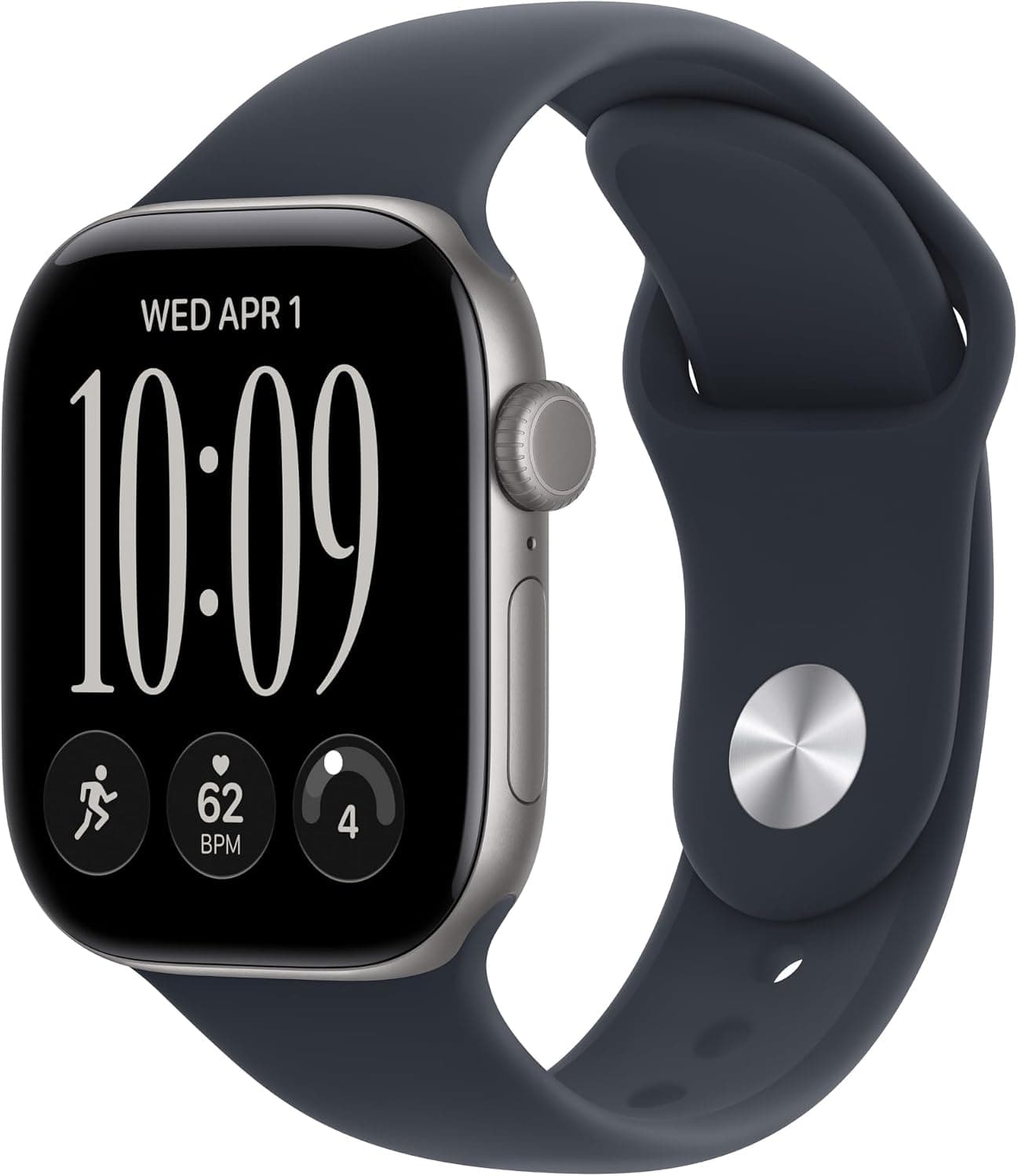
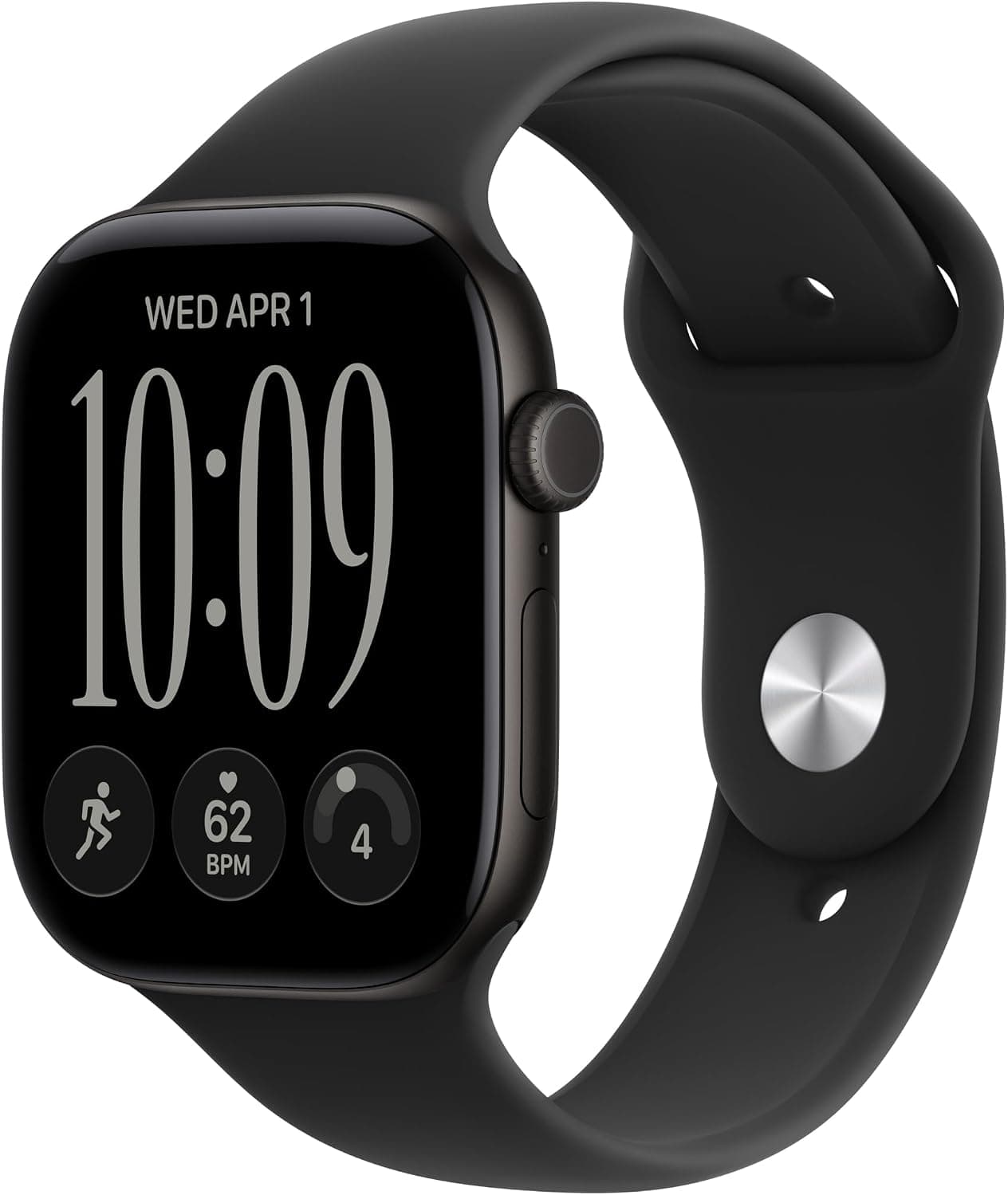
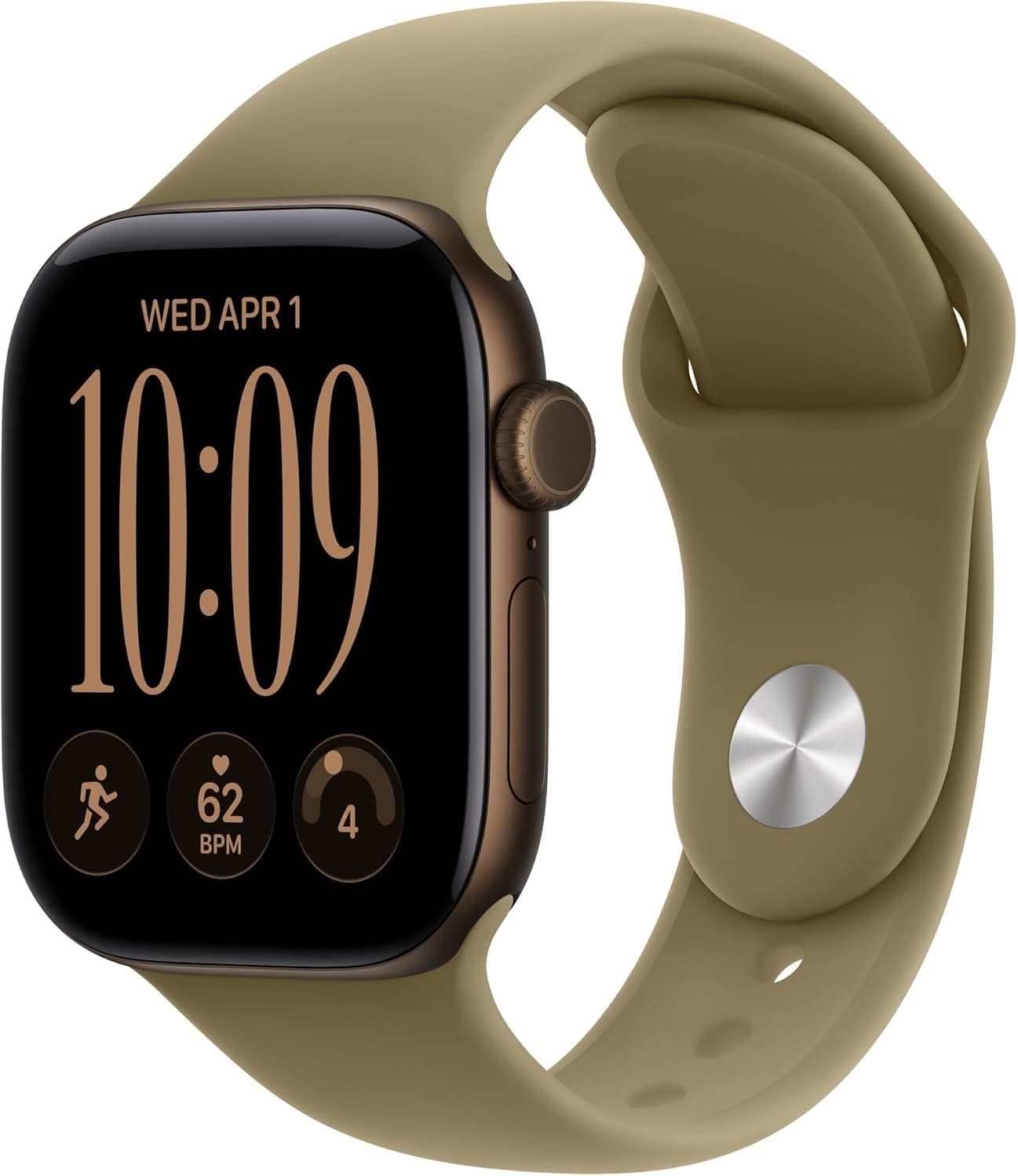
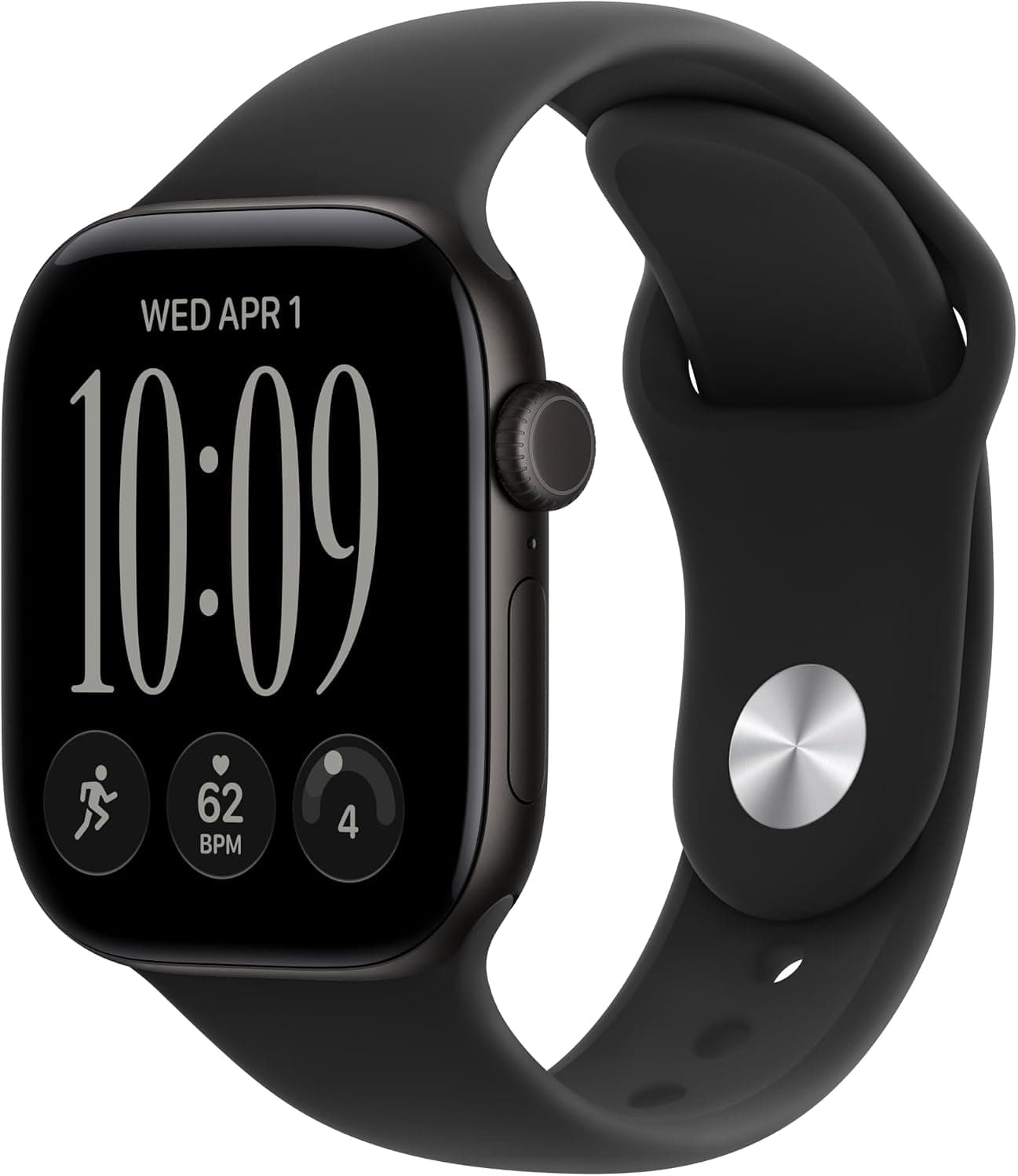
The current lineup was introduced on 9 September 2025 and splits into three clear tiers. The entry point is the SE 3 from around £219: it runs the S10 chip, comes in 40mm and 44mm, and finally brings an always-on display to the SE line along with sleep apnoea notifications, though it drops ECG and blood oxygen. In the middle sits Series 11, from roughly £369 in aluminium, with the titanium version around £699 and 5G included. Series 11 carries the S10 chip, 42mm and 46mm cases, the electrical heart sensor for ECG, hypertension notifications, and up to 24 hours of battery. At the top, Ultra 3 starts around £749: a 49mm grade 5 titanium case, satellite messaging and Emergency SOS, 100m water resistance, EN13319 dive certification, and up to 72 hours in Low Power Mode.
Approaching an Apple Watch like a mechanical watch is a mistake worth naming. This is consumer electronics, not an asset that holds its value on the secondary market. Within two or three years, watchOS updates leave older generations behind and the battery degrades. The decision that actually matters is which tier matches how you'll use it. For most people Series 11 is the correct middle ground; if you want the full health suite without stretching the budget, the SE 3 is surprisingly complete. The audience that genuinely earns the Ultra 3 is narrow: divers, ultramarathoners, people who go off-grid.
On the used market, stay alert. A prior generation like the Series 10 can be found refurbished from around £230 and is still more than capable for daily wear, but check the battery health and confirm whether you're buying a GPS or cellular model before you commit. Cellular models need their own carrier plan and won't finish setup without a paired iPhone. Apple's position is clear: maybe not unbeatable on hardware alone, but the combination of software, sensor accuracy, and long-term support keeps it at the centre of the category.
Apple Watch watches





Frequently asked questions
Which Apple Watch should I buy first?
For most people the Series 11 at around £369 is the right call: it includes ECG, hypertension notifications, and up to 24 hours of battery. On a tighter budget, the SE 3 near £219 is surprisingly capable, though you give up ECG and blood oxygen monitoring to hit that price.
Does an Apple Watch hold its value?
No. The Apple Watch is consumer electronics, not an asset that holds value like a mechanical watch. watchOS updates leave older generations behind within a few years, and the battery degrades over time, so resale value falls quickly after purchase.
What's the difference between Series 11 and Ultra 3?
Series 11 is the everyday choice: 42mm and 46mm cases with up to 24 hours of battery. The Ultra 3, from around £749, adds a 49mm titanium case, satellite messaging, dive certification, and up to 72 hours in Low Power Mode. Only divers and off-grid users truly need it.
Should I get cellular or GPS?
The GPS model does everything when your phone is nearby and costs less. The cellular model lets you call and text without your iPhone present, but it requires a separate carrier plan and a monthly fee. For most people, GPS is plenty.
Does the Apple Watch work without an iPhone?
No. A paired iPhone is required to complete setup, and the watch only reaches its full potential inside Apple's ecosystem. It is not compatible with Android phones, so factor that ecosystem lock-in into your decision before you buy.