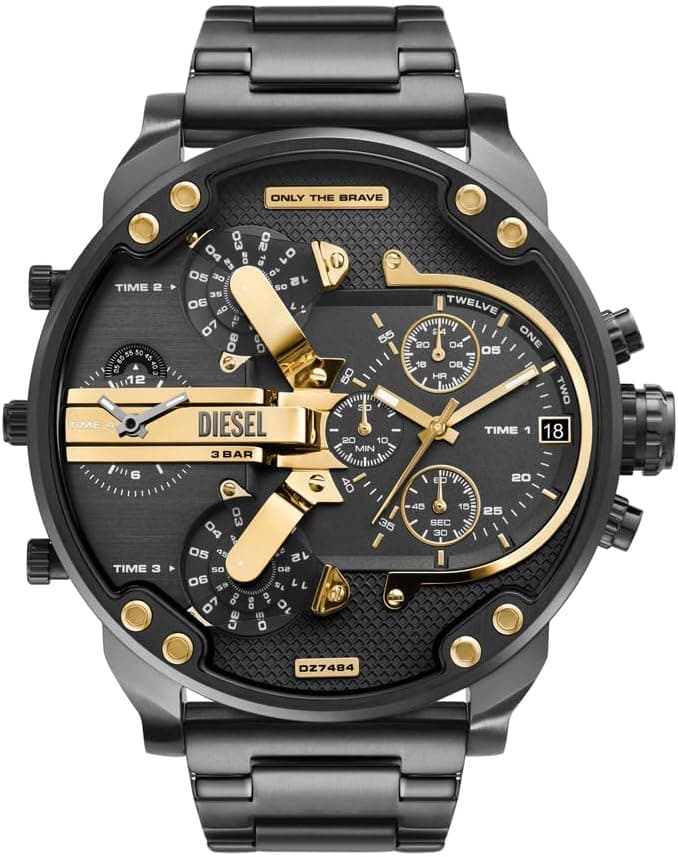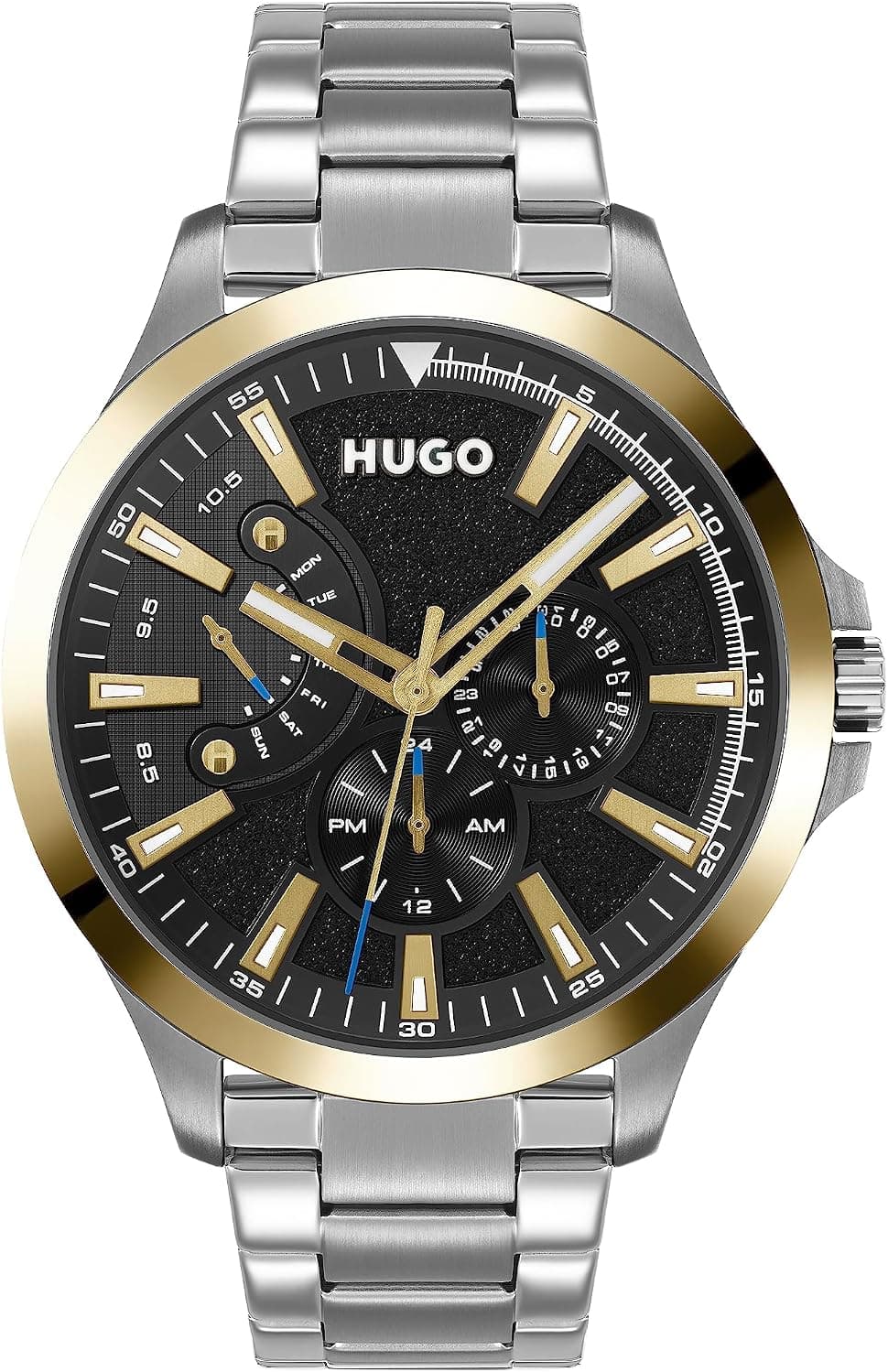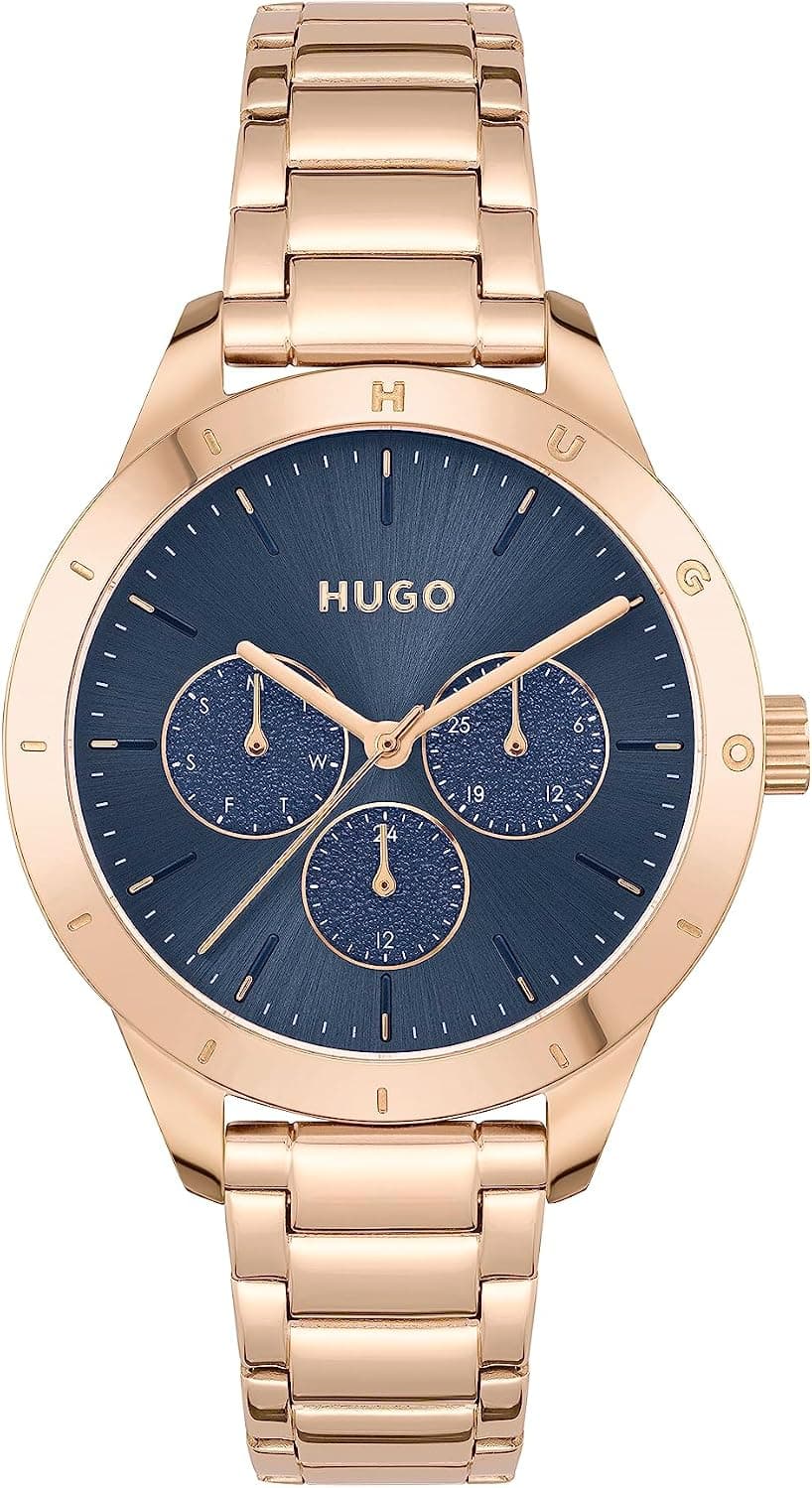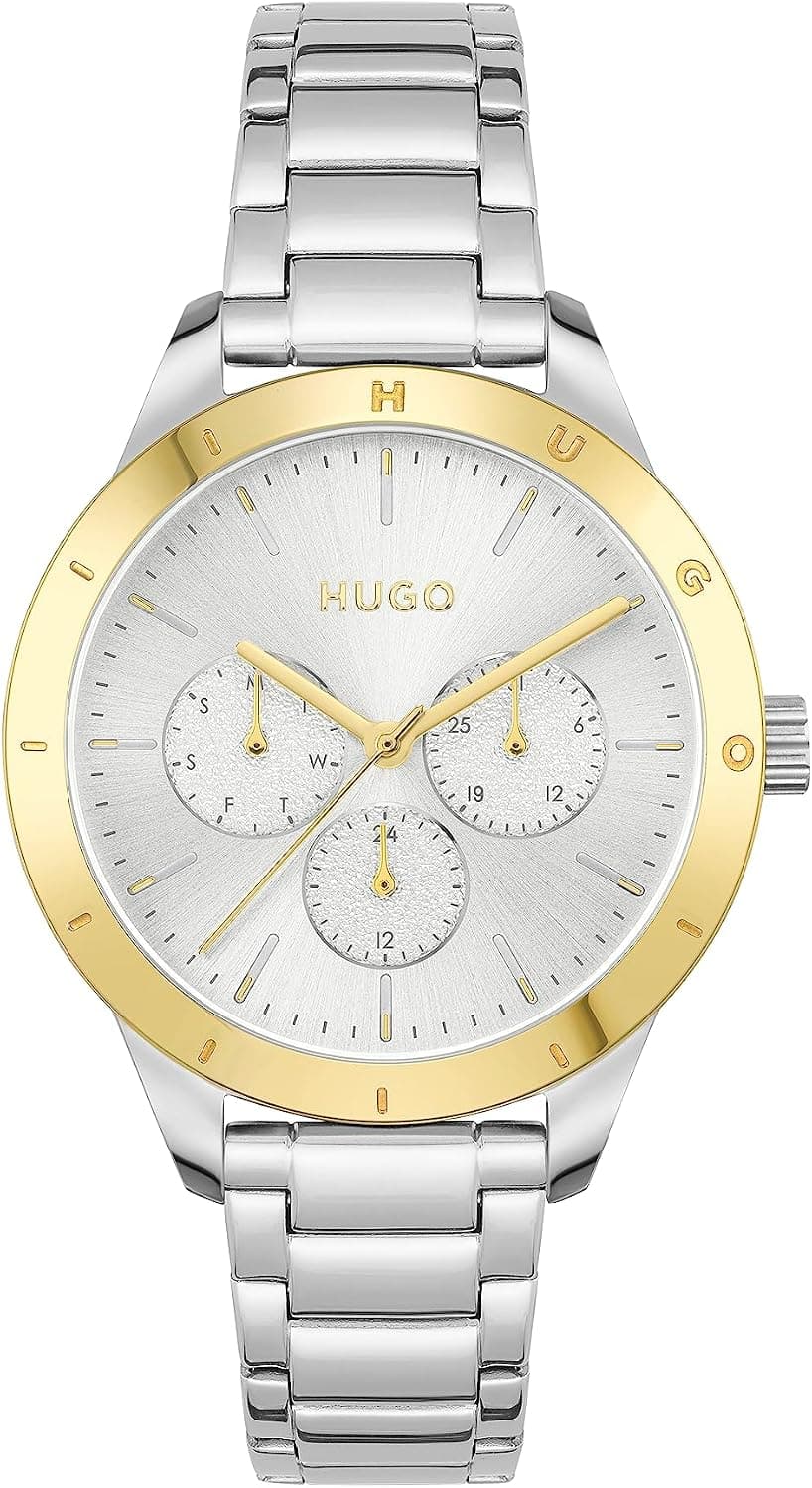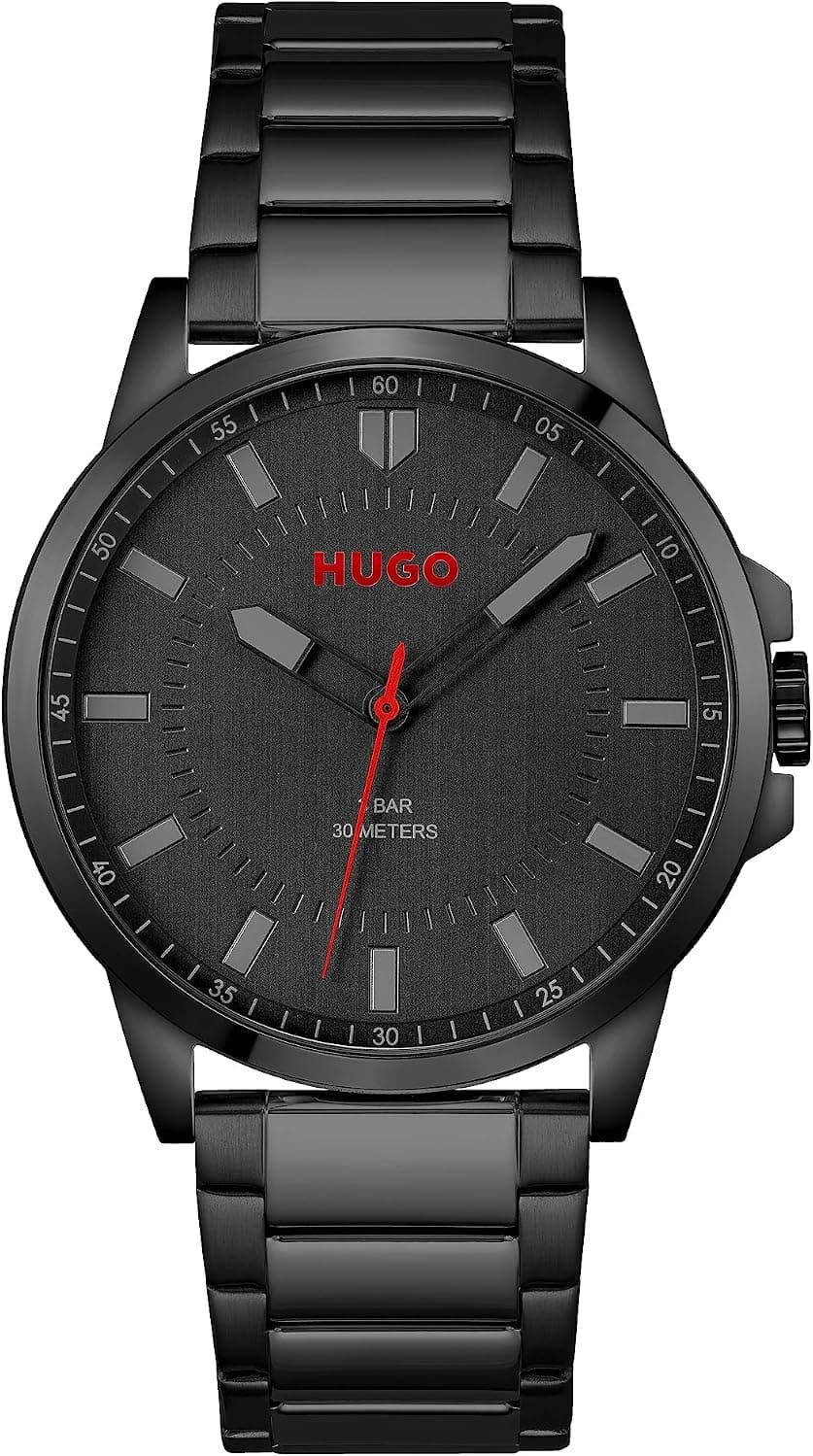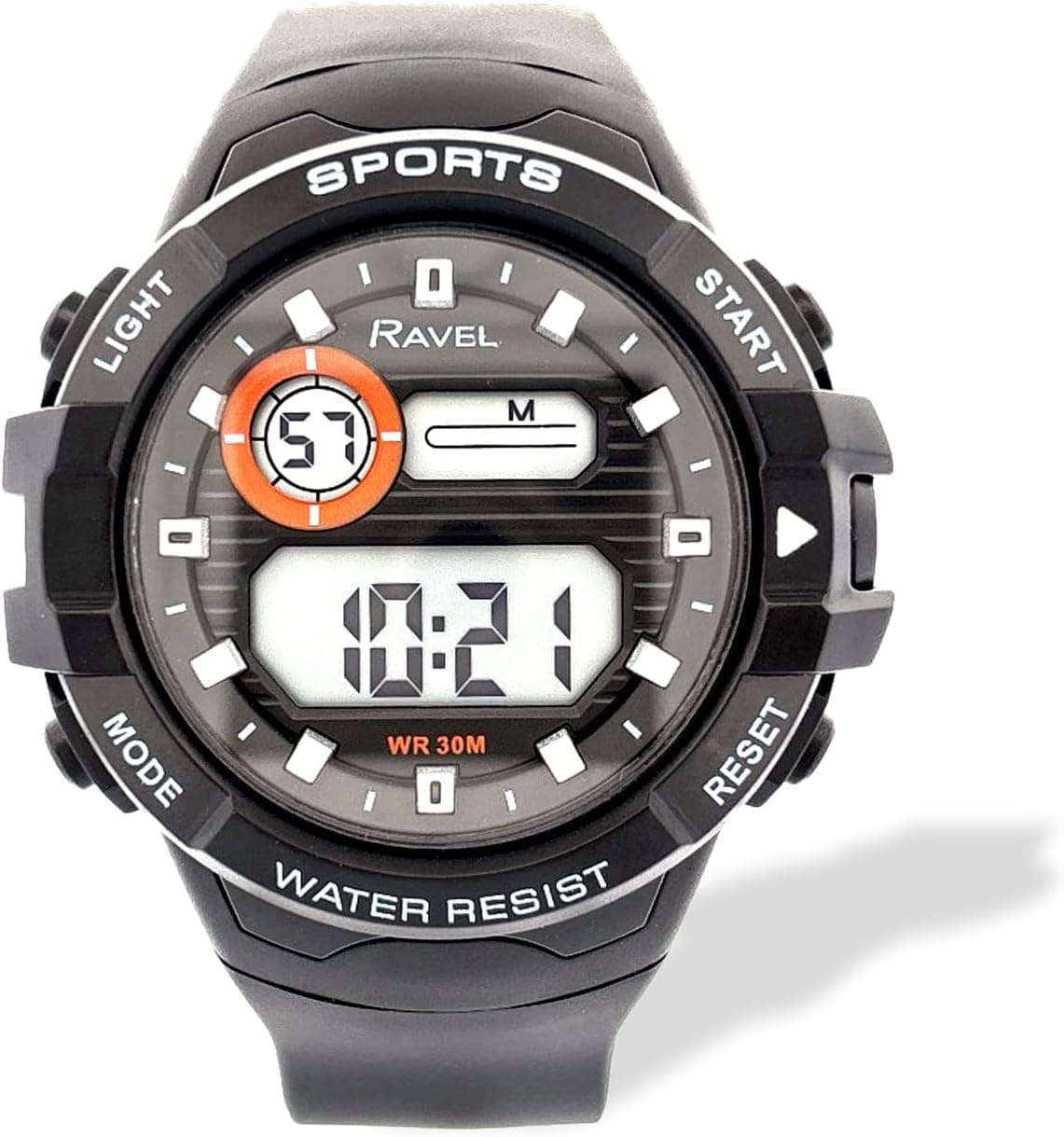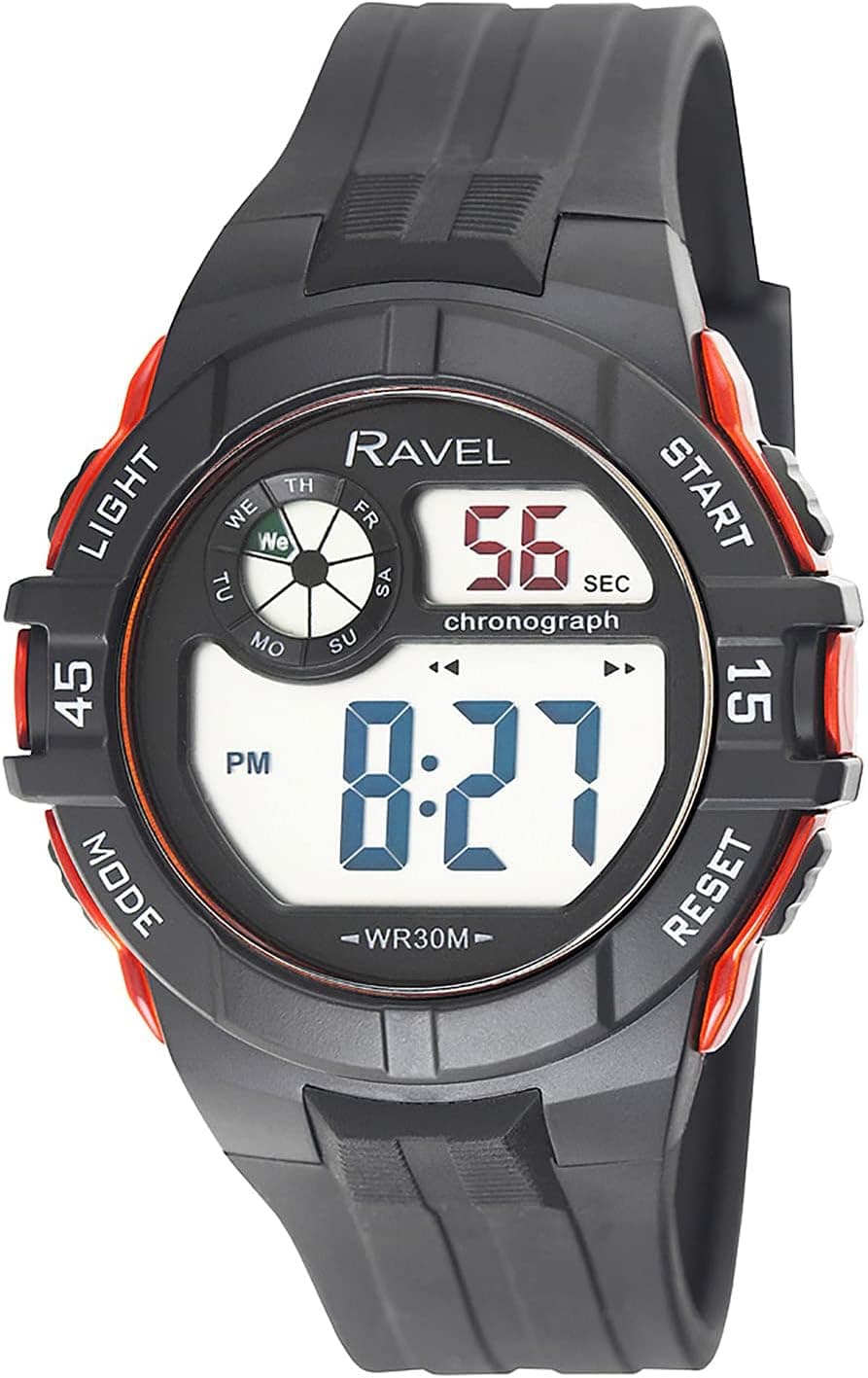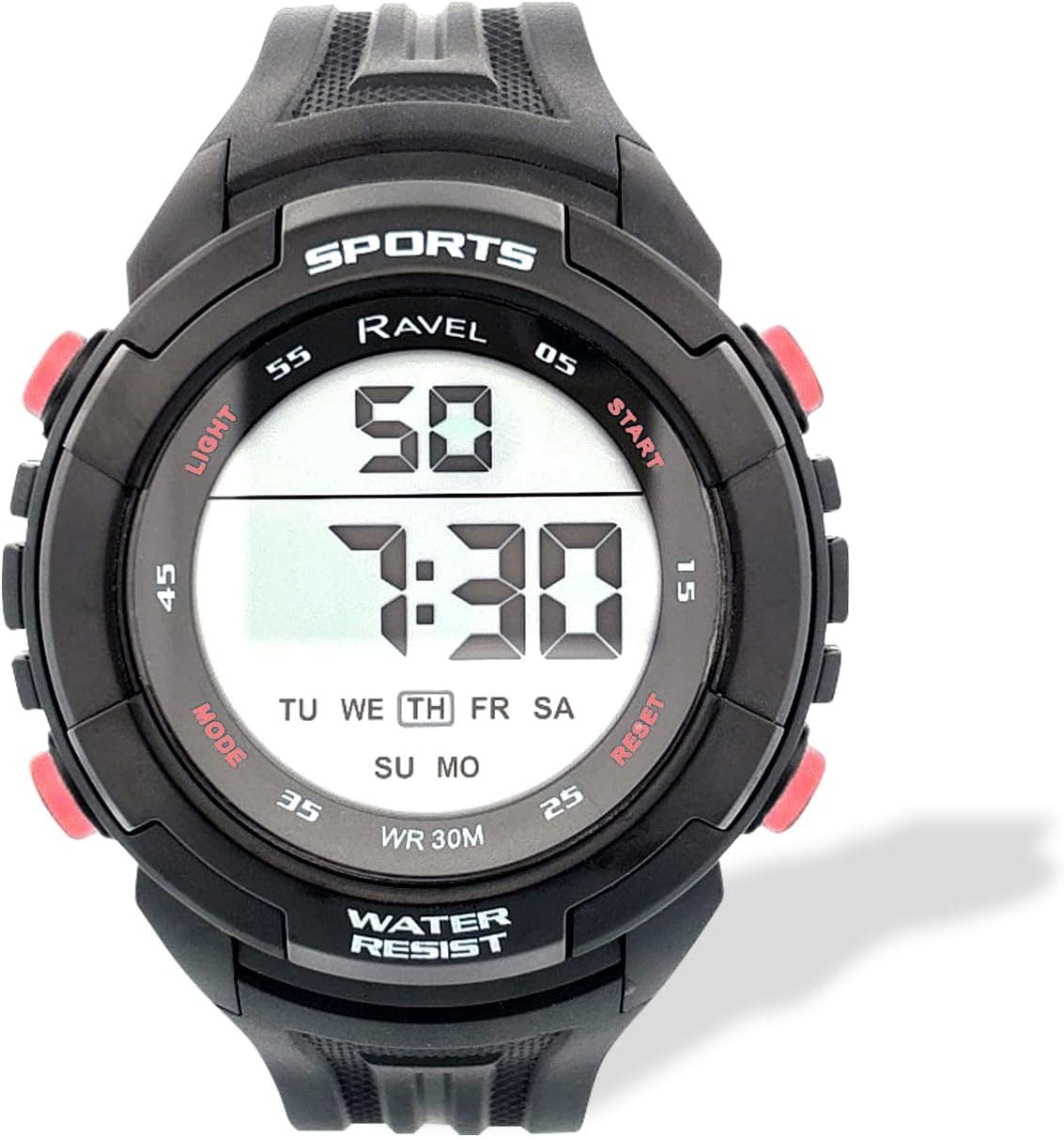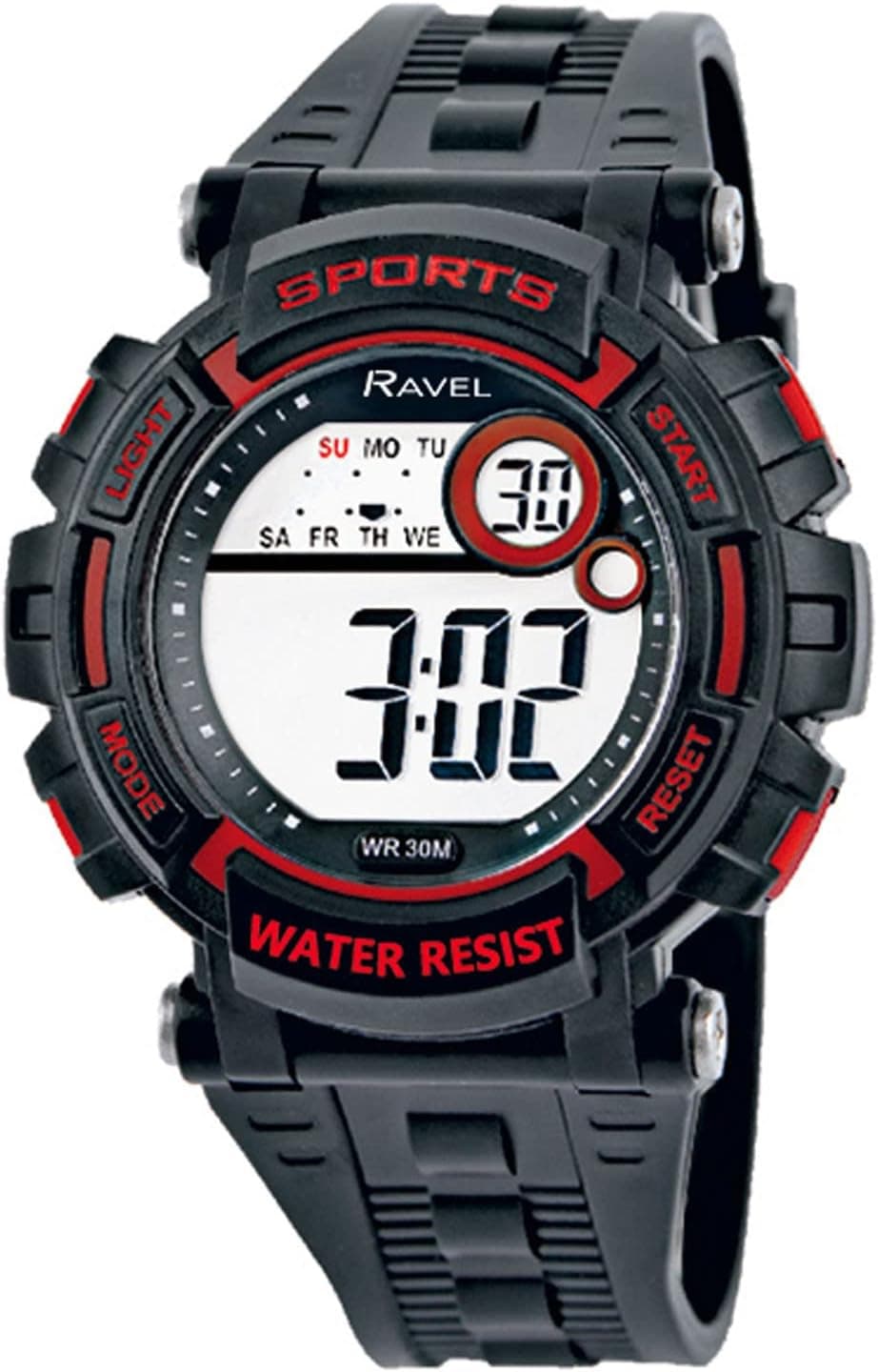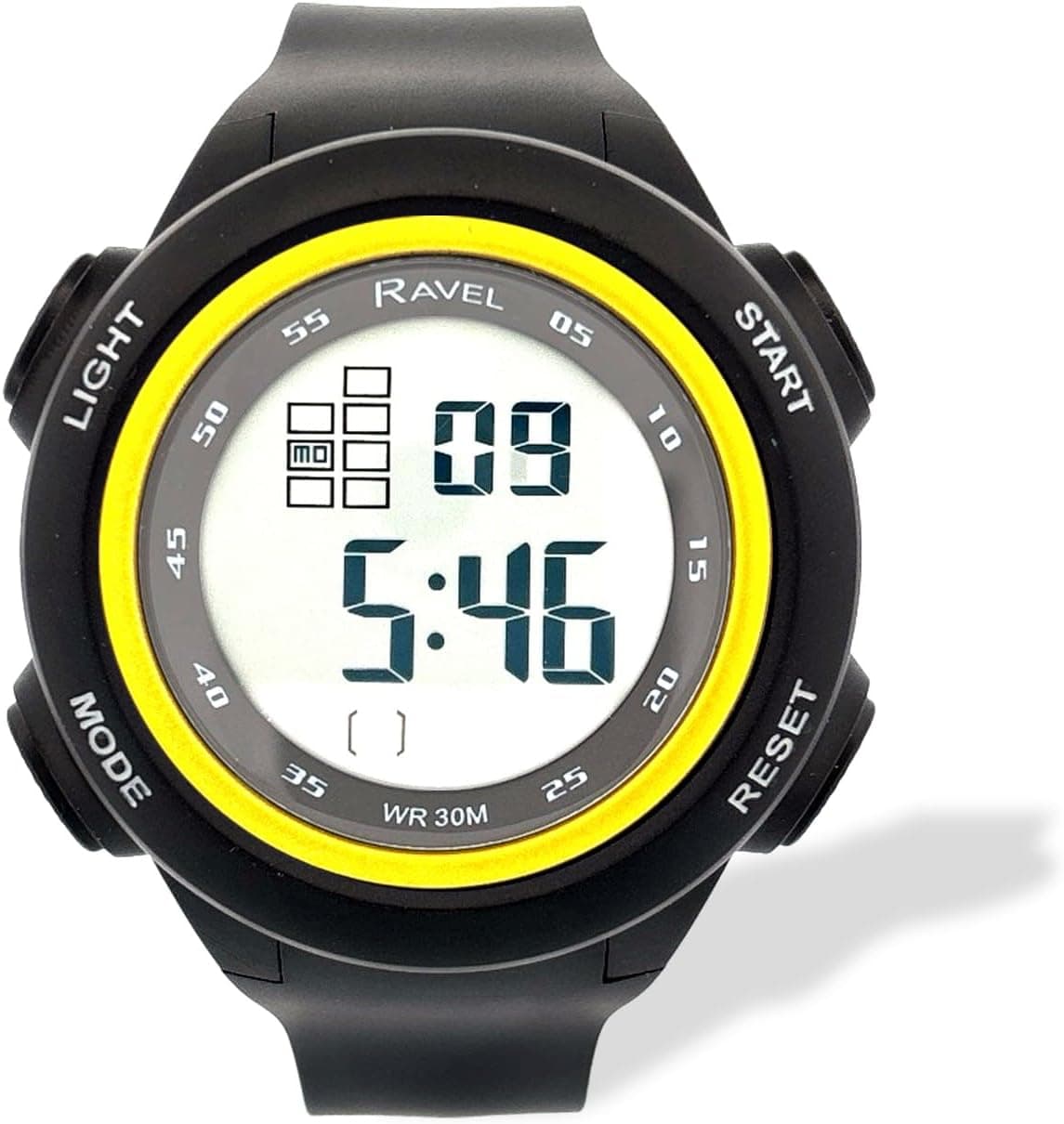
30m / 3 ATM are formalised in the industry through ISO 22810 (general water resistance) and ISO 6425 (dive watch). The numbers on the case come from a deep-pressure lab test, not real diving depth. 30m WR (3 ATM) covers only rain and hand washing, not swimming. No rating makes a watch safe for a hot shower, bath or sauna. 100m is the standard for swimming and snorkelling and covers recreational use. For scuba, choose an ISO 6425 diver's watch marked DIVER'S (at least 100 m).
The practical comparison shows up in the models. The Rolex Submariner 124060 is 300m WR and ISO 6425 certified, with a triple-sealed Triplock crown. The Tudor Pelagos 39 FXD is 200m WR on the Marine Nationale spec. The Omega Seamaster Diver 300m runs a sapphire-crystal case-back and METAS antimagnetic. The Casio MDV-106 'Marlin' at £50 honours its 200m WR — not certified but technically solid. The Patek Philippe Aquanaut at 120m WR sits between dress and sport; not a diver, but safe for swimming.
The crown is the critical part. A standard push-pull crown caps WR at 30-50m; for swimming the crown must always sit firmly pressed in. A screw-down crown (Rolex Triplock, Omega Liquidmetal seal, Seiko 4R36-screw) is standard above 100m. Gasket life is 2-5 years: the rubber dries with humidity and hot water. Professional service runs a vacuum test and swaps the gaskets at £80-160. Divers should test before each season; if you swim with the watch, ask for a pressure test whenever the battery is changed.