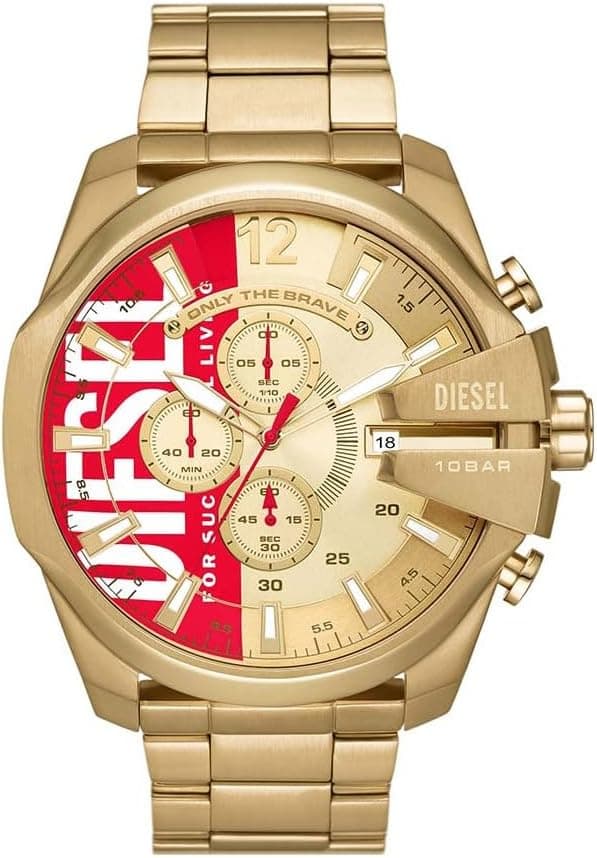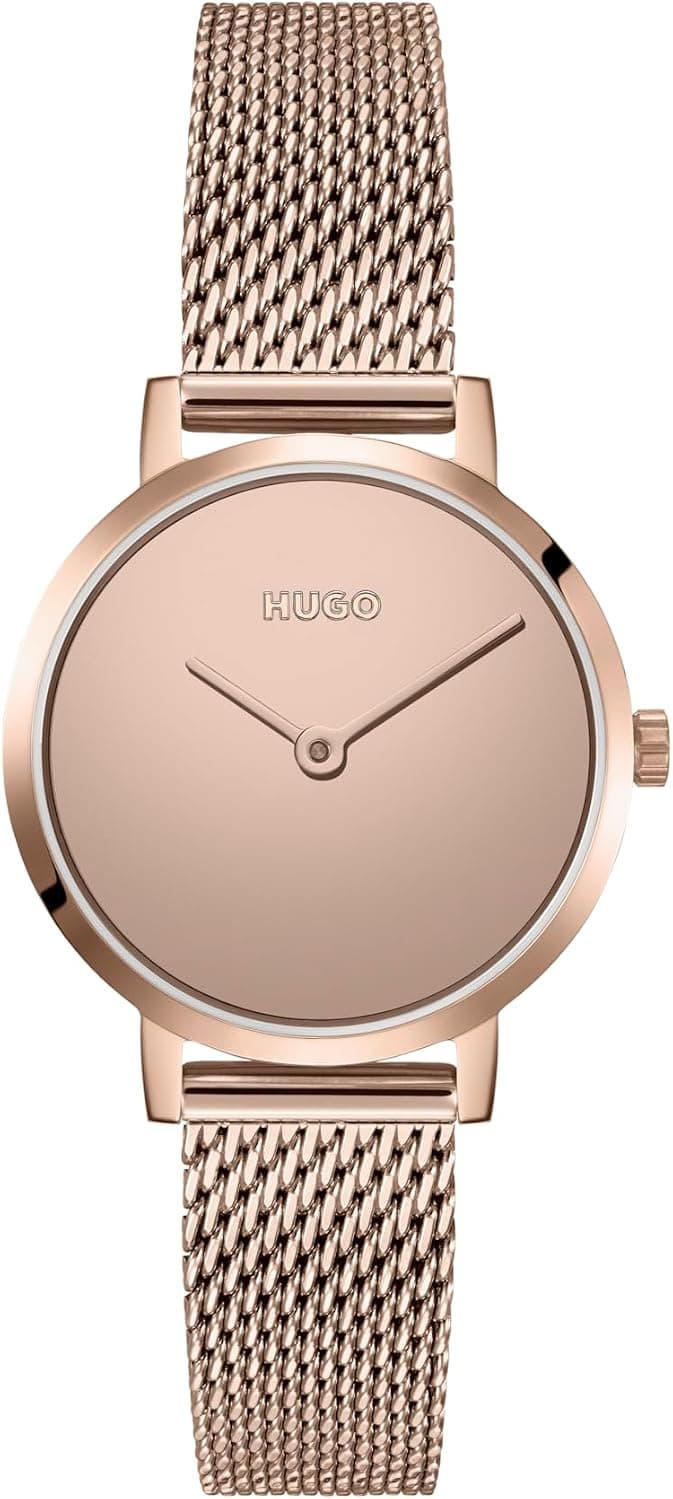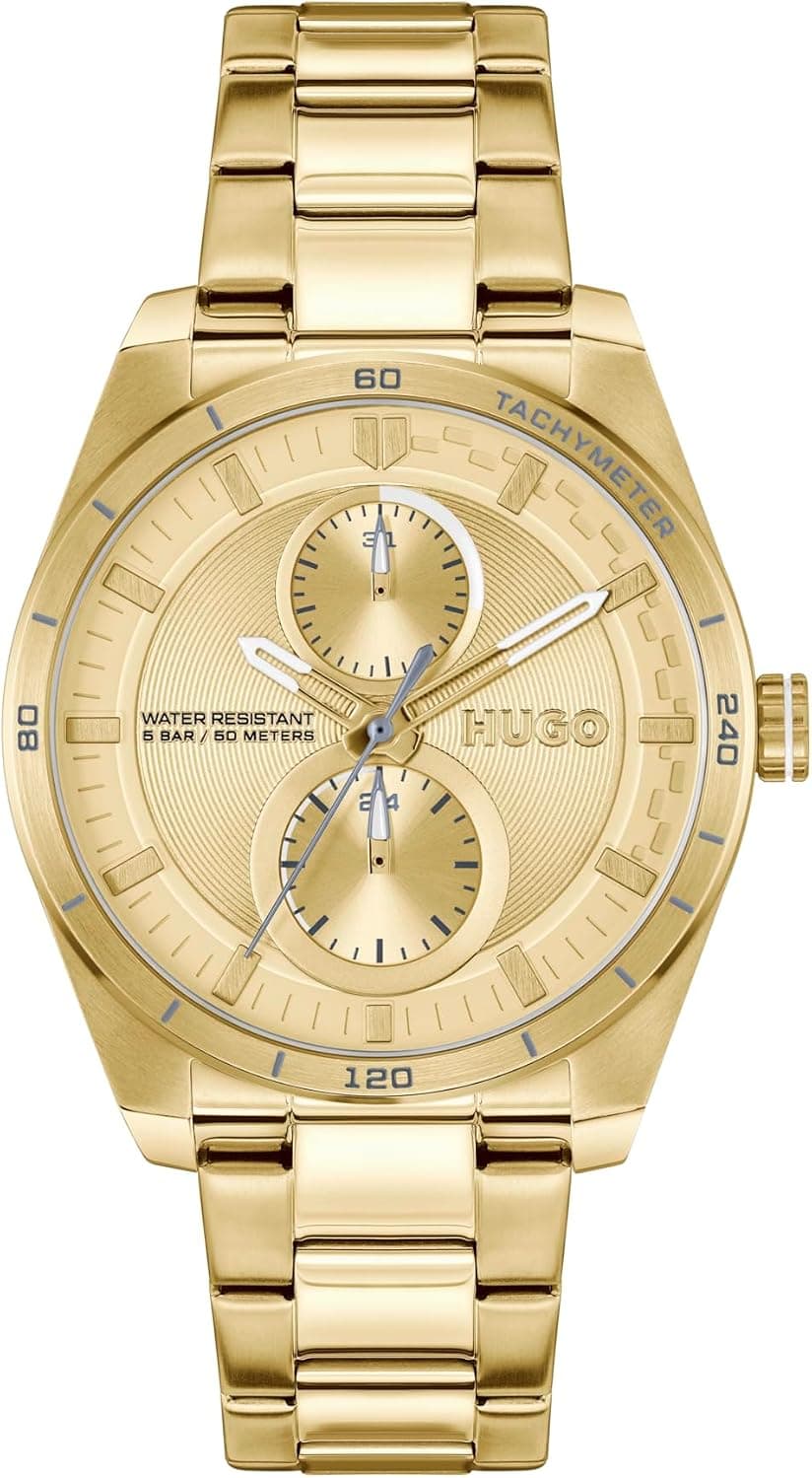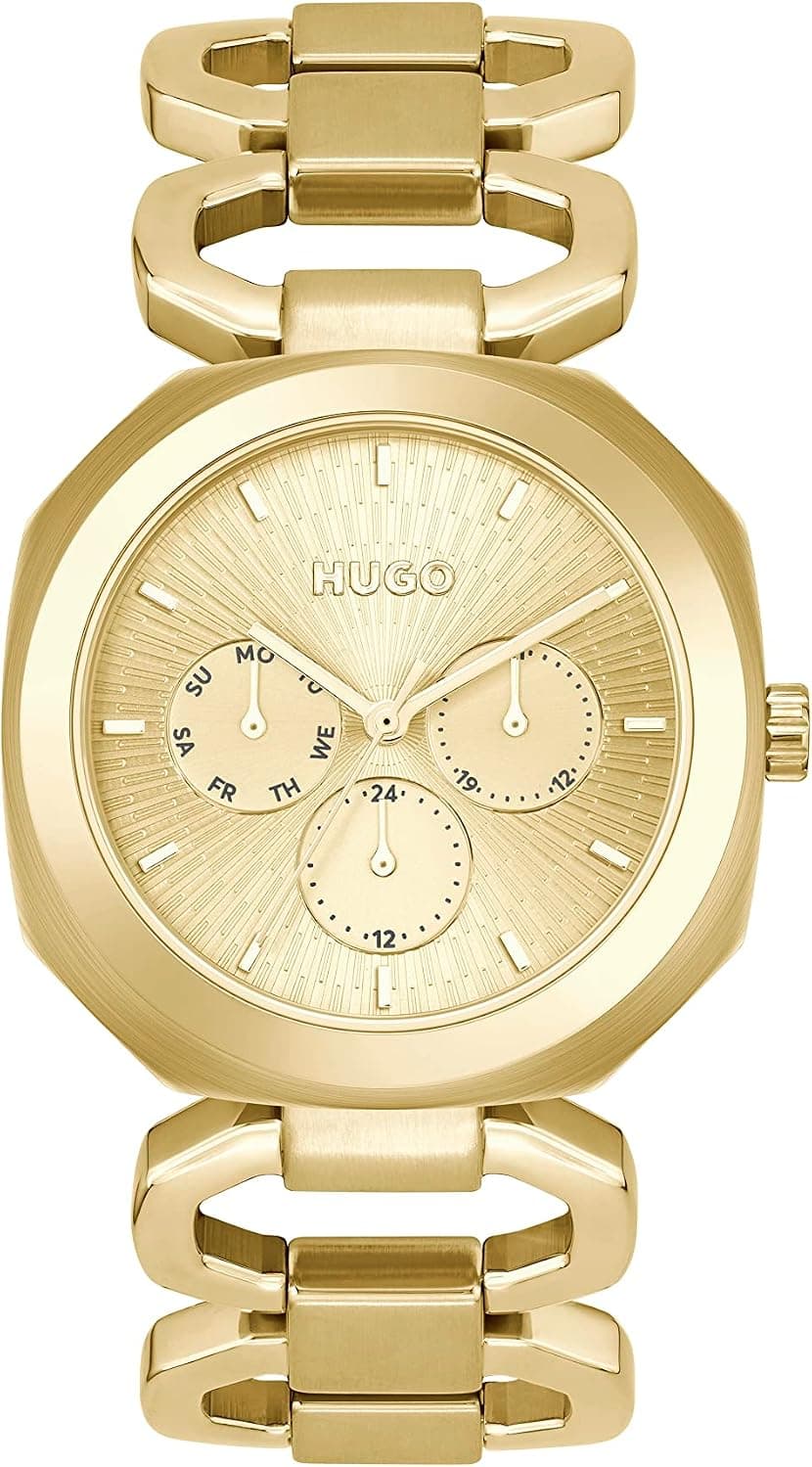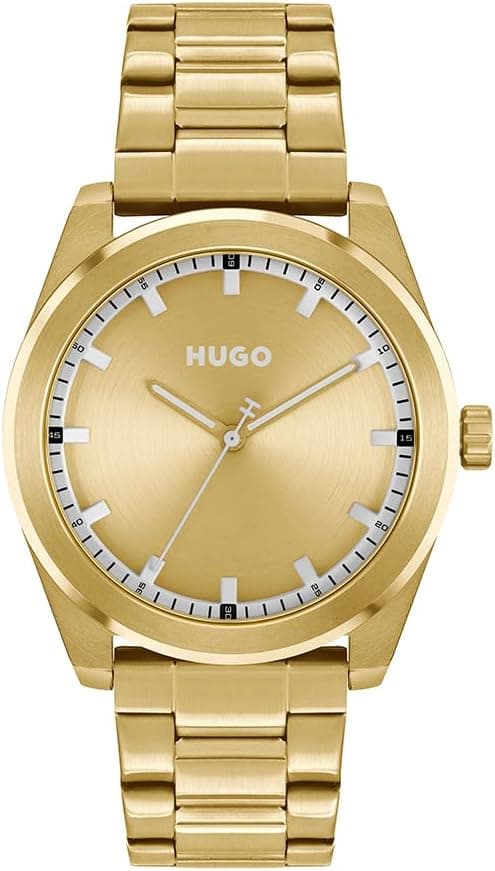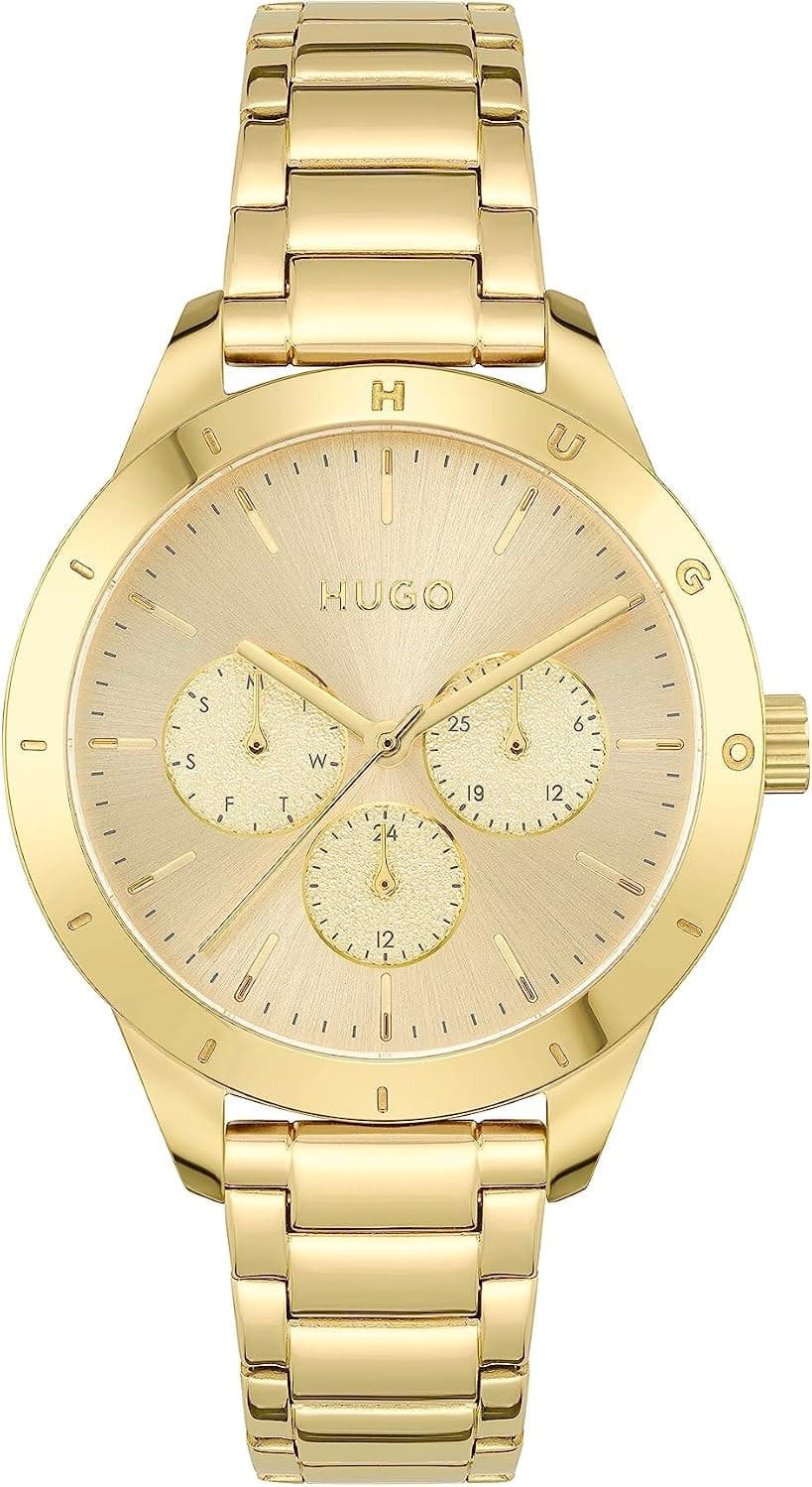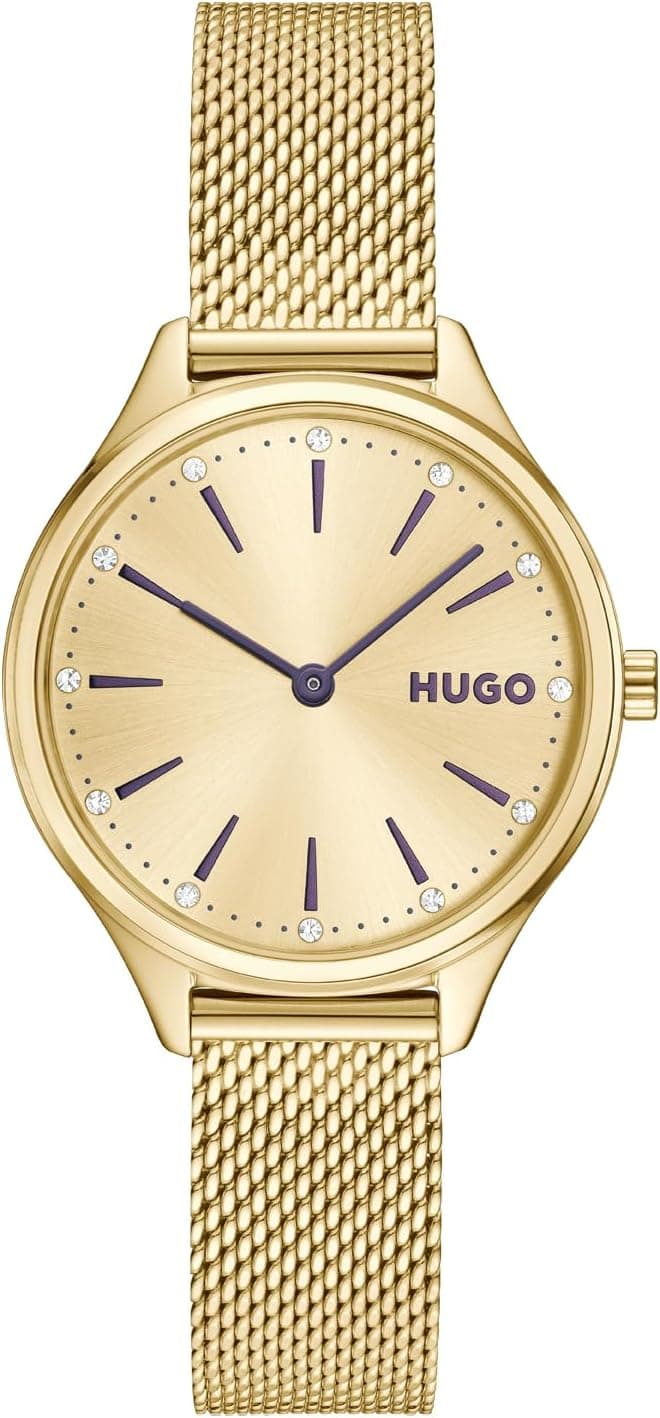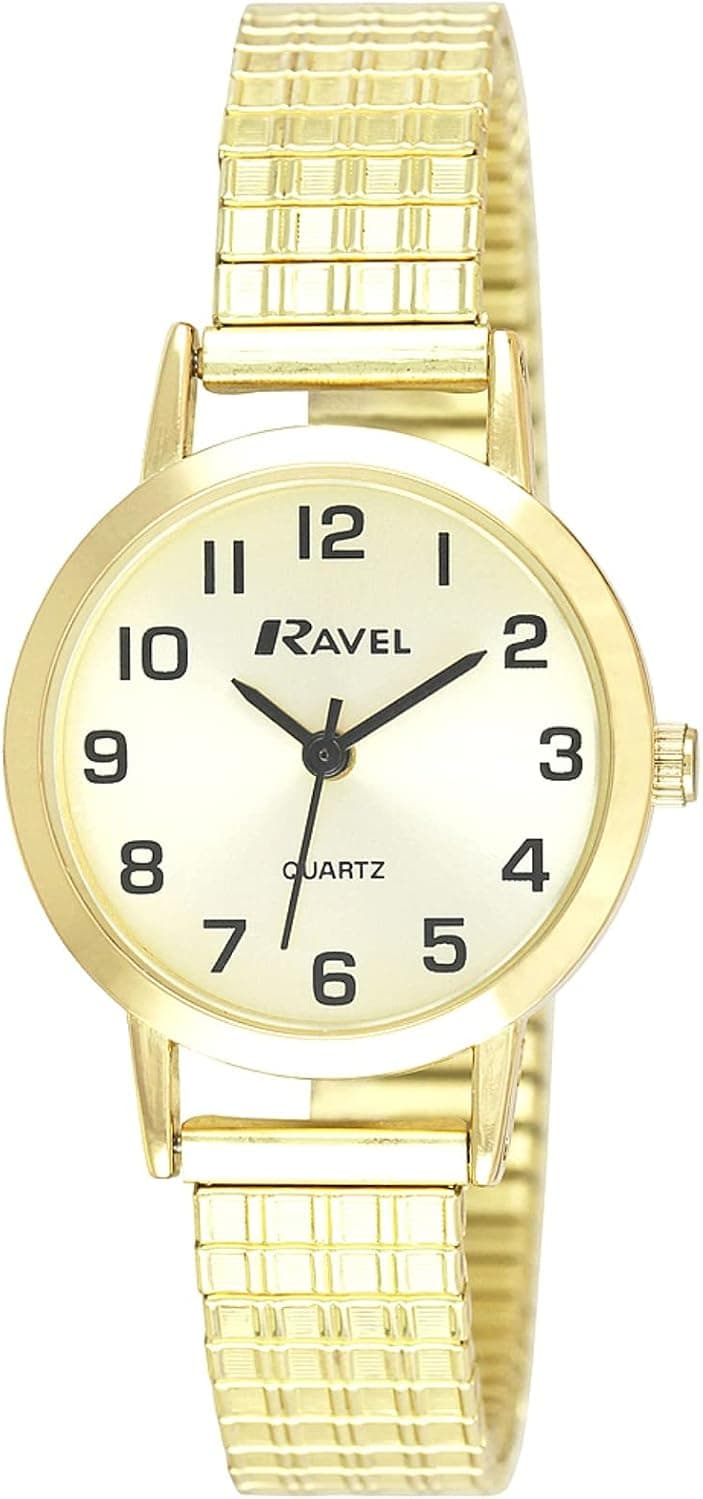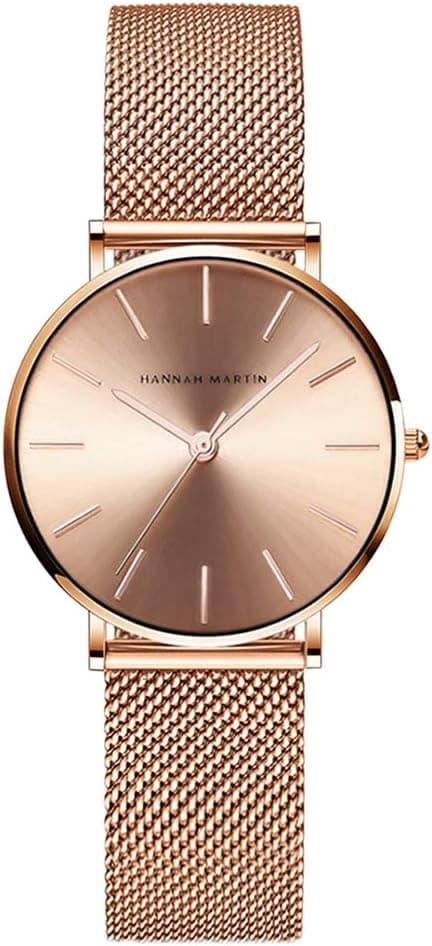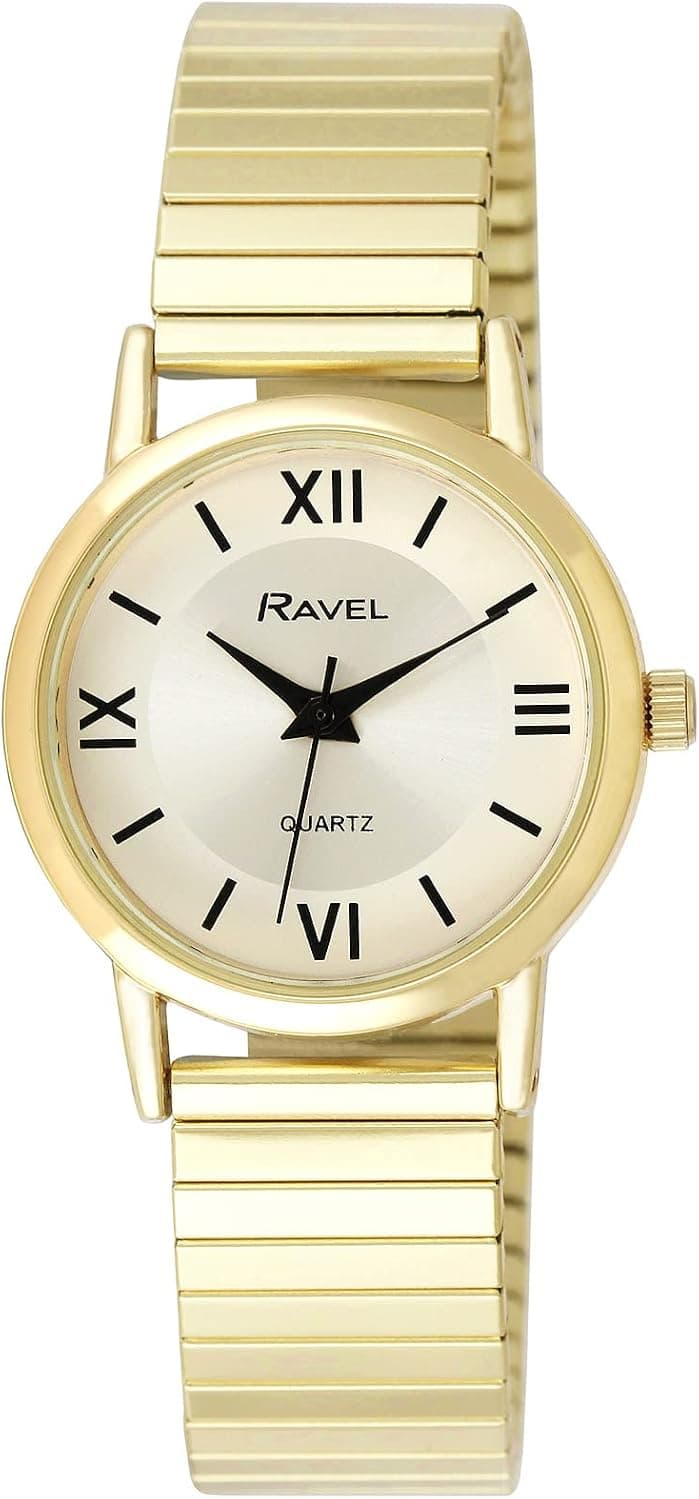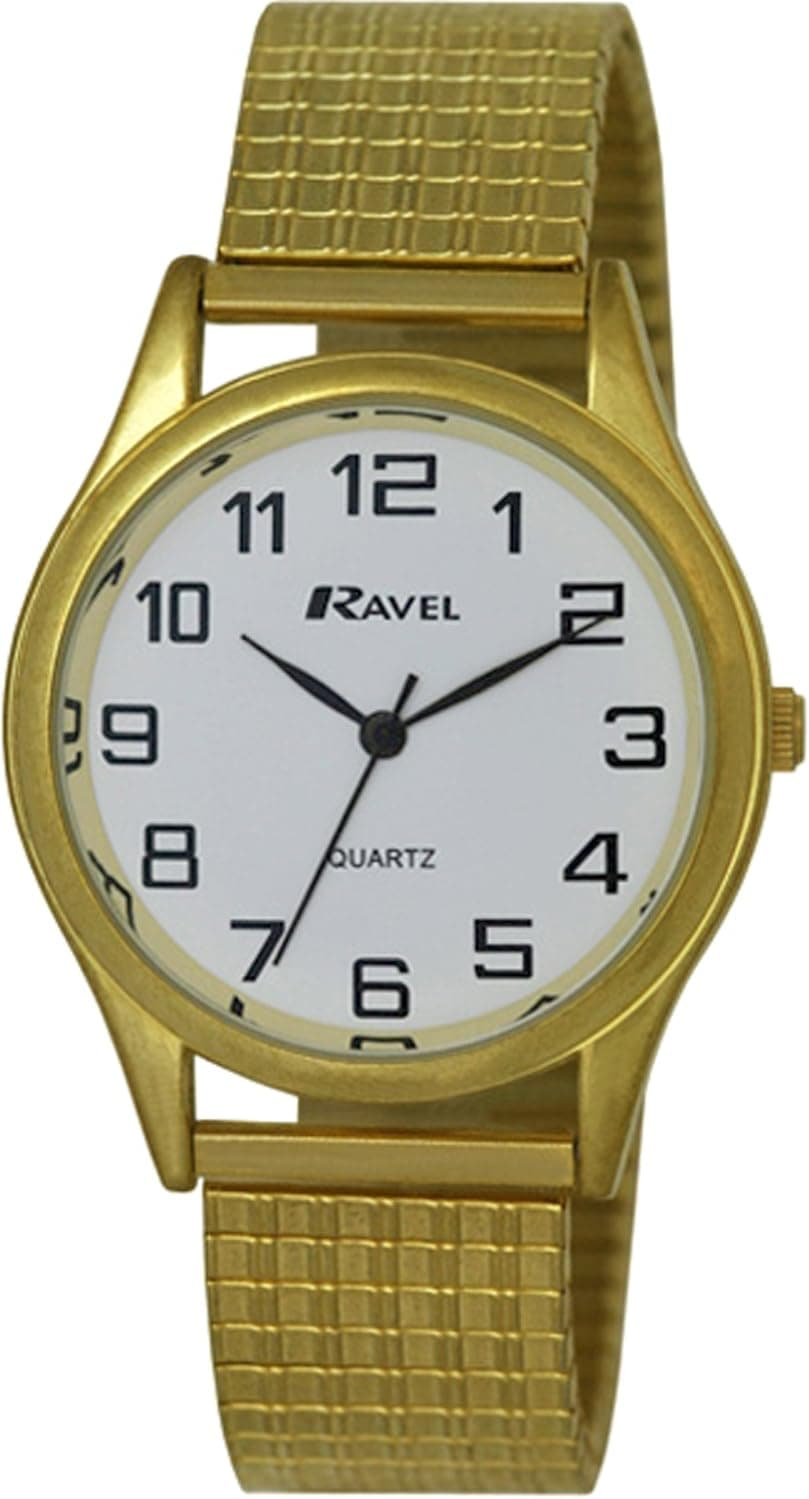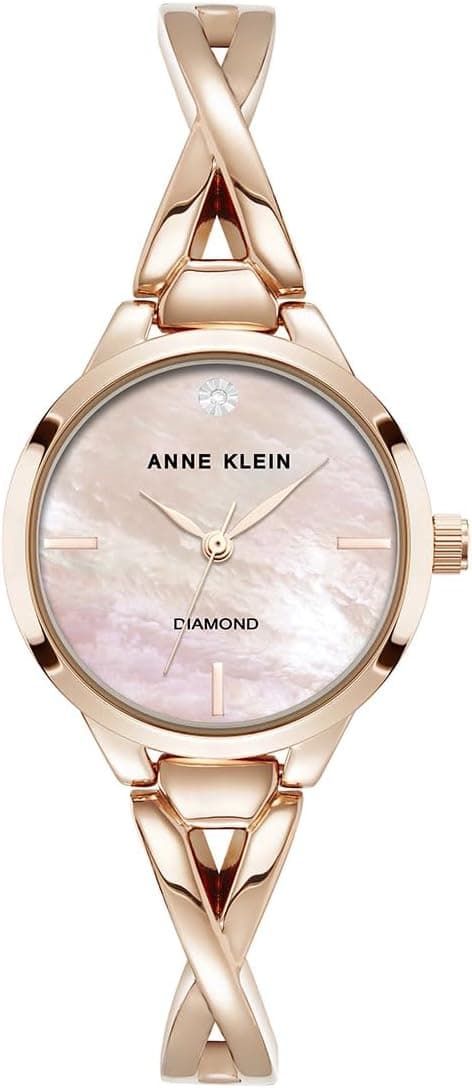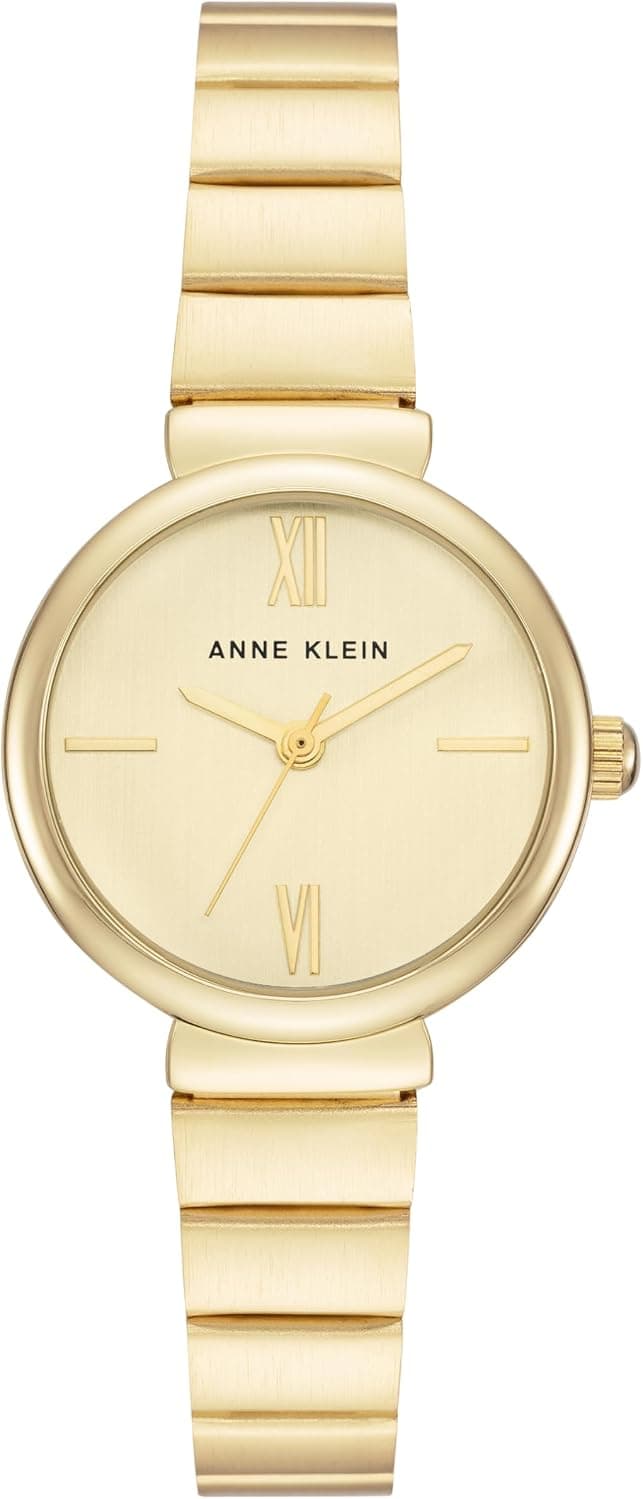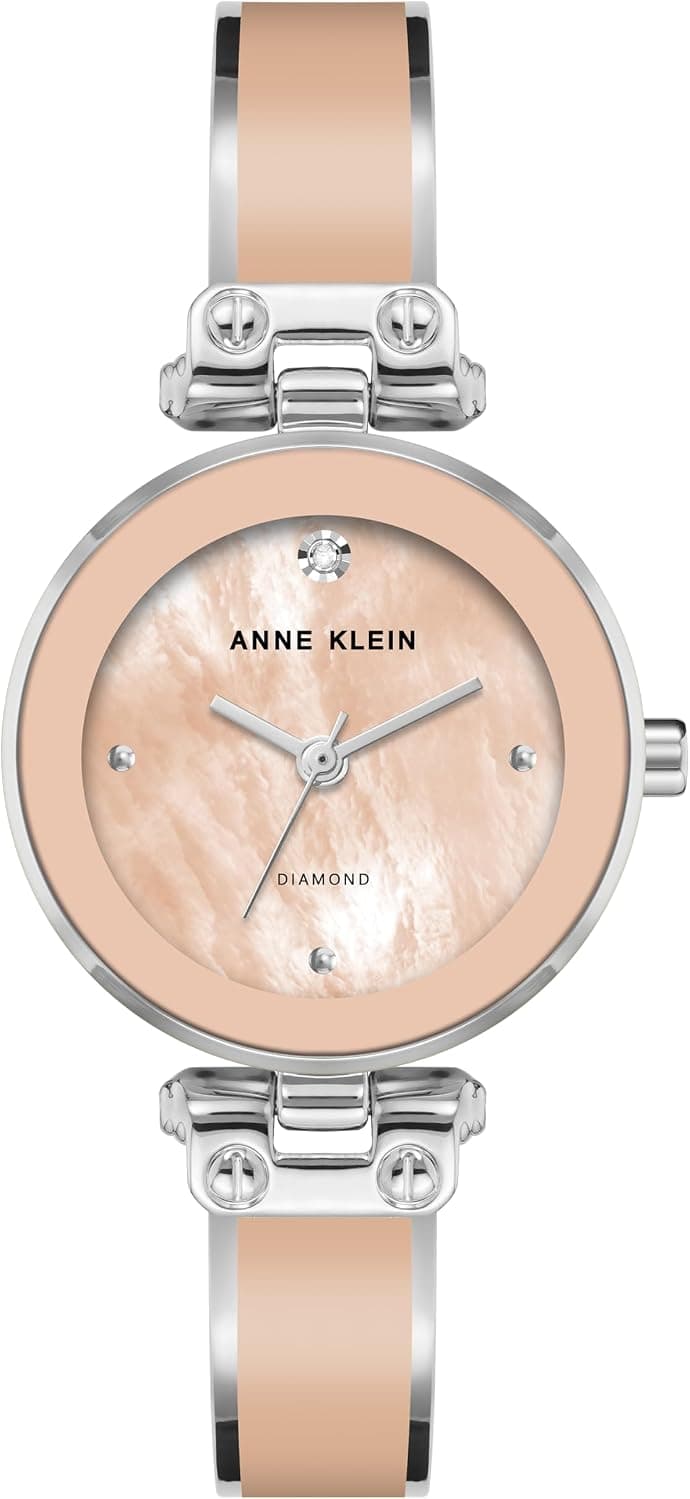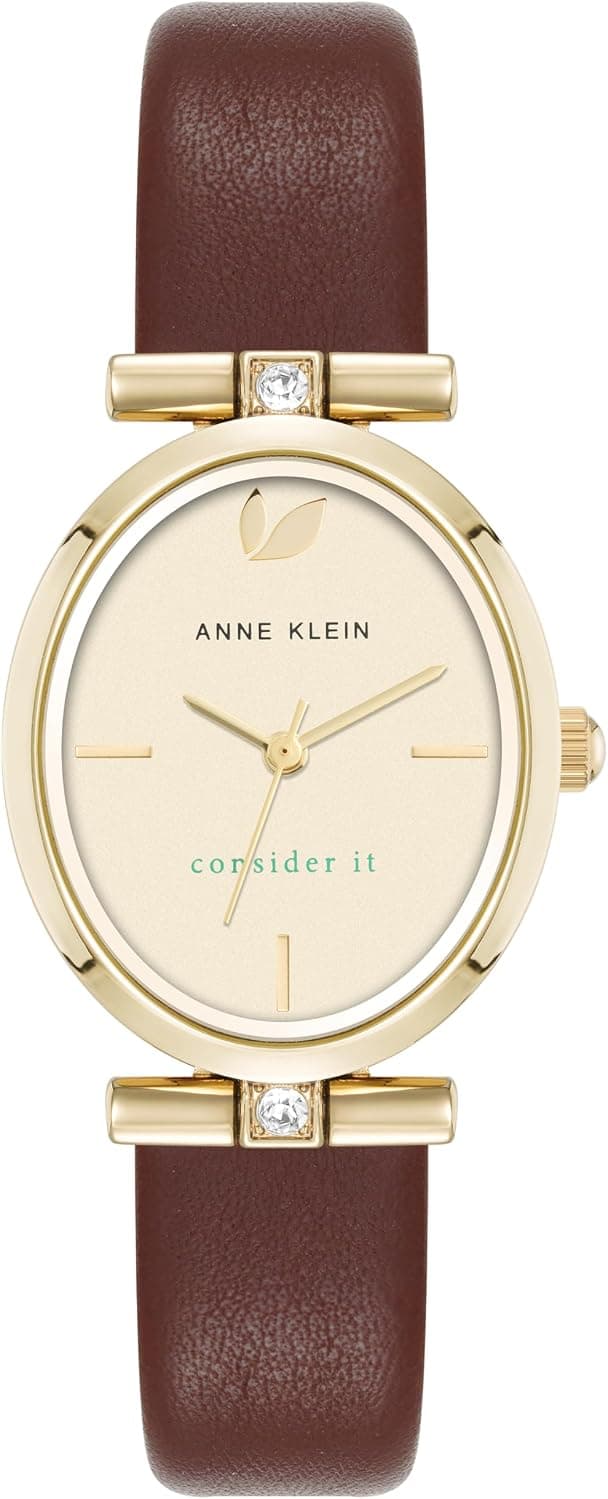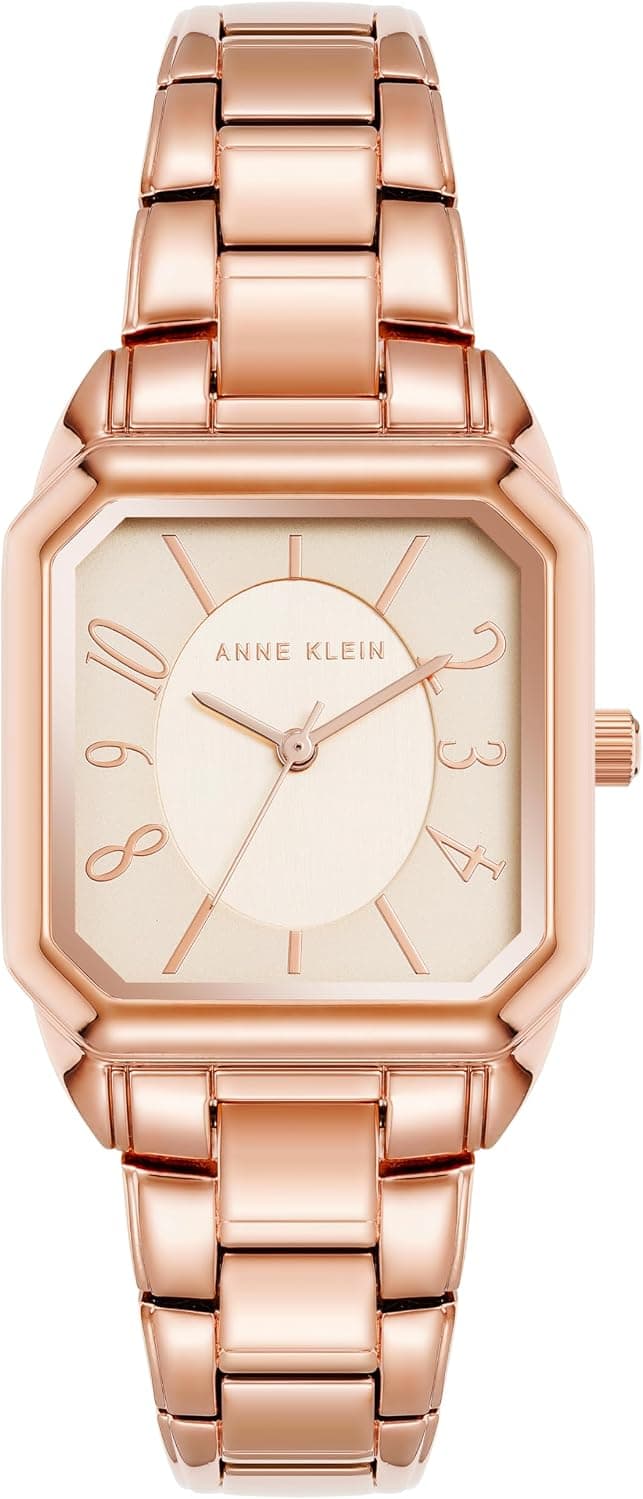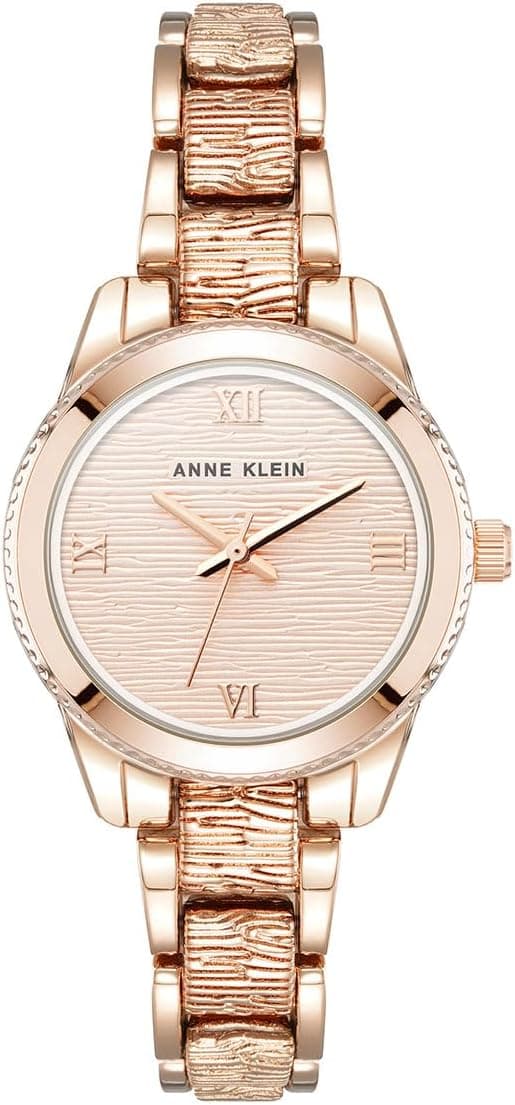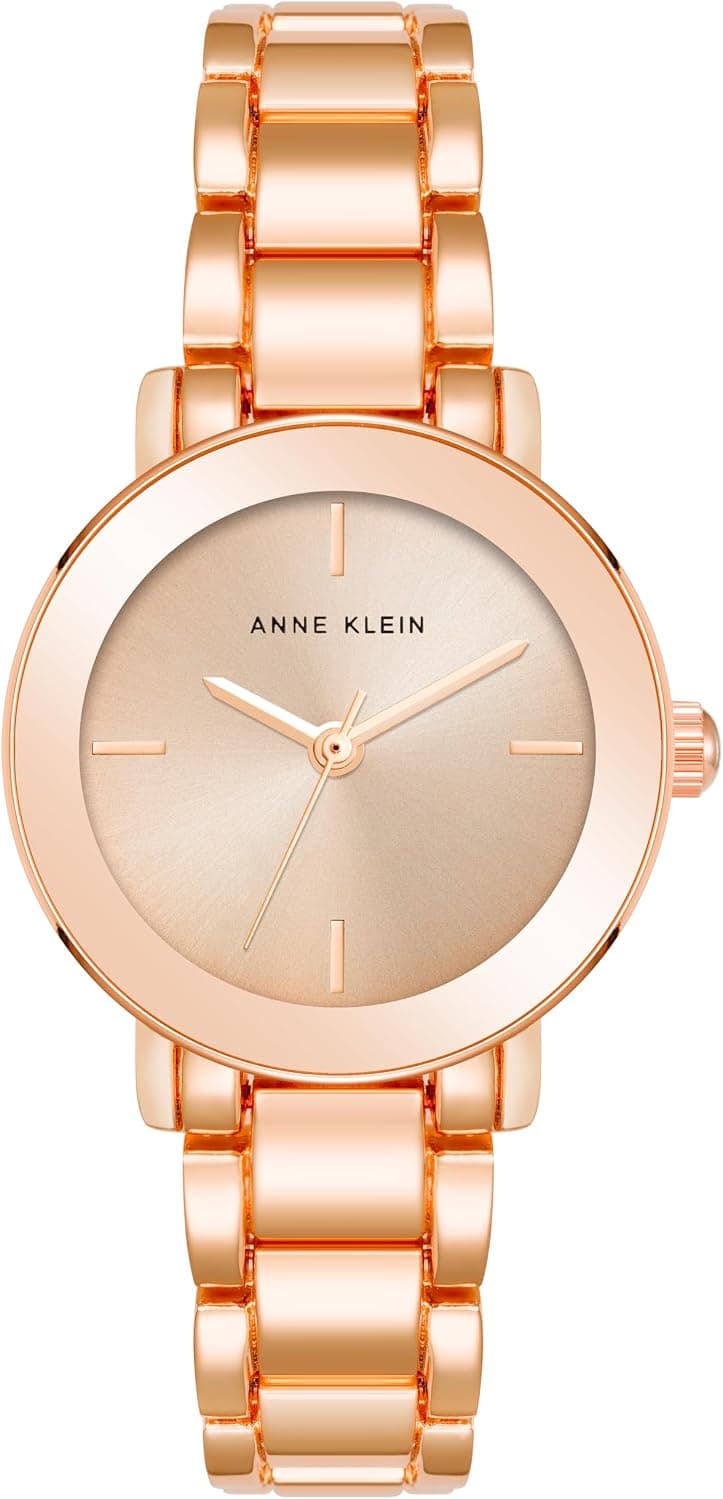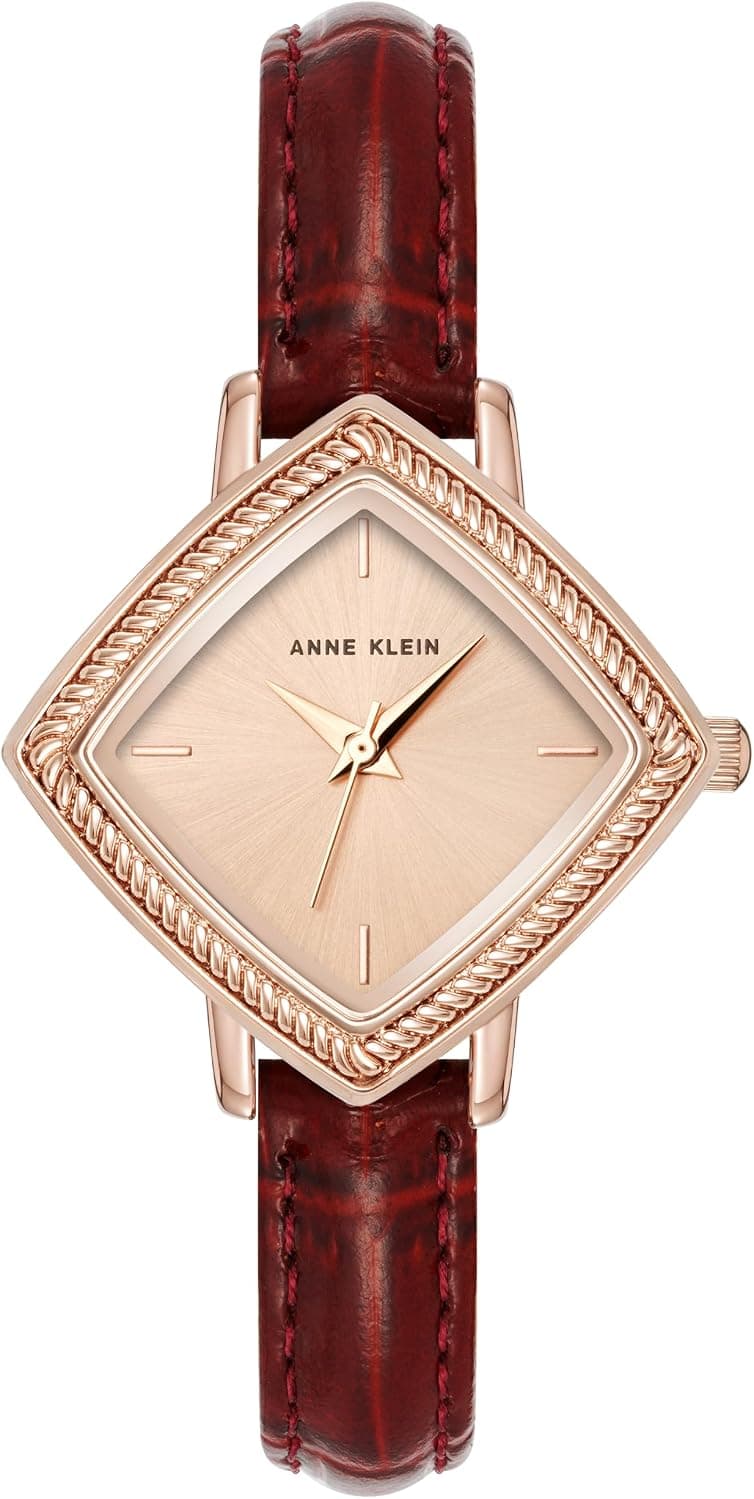
Gold / Champagne is a warm dial colour that lands between silver-white and full yellow gold. It takes its name from the soft golden hue of the wine, and is usually achieved with real gold electroplating or with a thin gold layer applied over silver by friction. Most champagne dials carry a sunray finish, brushed radially from the centre, which makes the surface come alive: cream from one angle, deep amber from another. That shift is what separates a true champagne dial from a flat gold-painted one, and it is why the colour remains the default choice for a traditional dress watch.
The obvious reference point is the Rolex Datejust. A Yellow Rolesor (Oystersteel and yellow gold) Datejust 36 ref 126233 with a champagne dial and fluted bezel runs around £15,500 new, and roughly £11,000 to £16,000 pre-owned. Higher up, the solid yellow gold Day-Date 40 ref 228238 in champagne lists near £40,000, with pre-owned examples closer to £33,000 to £44,000. For less money, the Grand Seiko SBGA373 (44GS case, Spring Drive, 40mm, launched around £5,700) and the Longines Spirit 37mm, whose sunray champagne dial sits near 2,250 CHF, are both strong. On the vintage side, champagne-dial Omega Seamasters can be found close to £650.
The first thing to check is how the dial reads against the case. Champagne looks natural in yellow gold and two-tone, but on a plain steel case the tone can fall flat, so try to see it in the metal rather than judging from a photo. The direction and liveliness of the sunray, plus the contrast between the markers, hands and the dial, tell you a lot about quality. On vintage pieces, learn to tell genuine champagne warmth from age-related oxidation. This is the tone that suits the collector who wants one watch that moves easily from the office to the evening without losing its dressiness.
Champagne itself comes in shades. A pale, cream-leaning champagne reads cooler and more modern, while a saturated sherry or sparkling-gold tone leans vintage. On busier dials such as GMTs and chronographs, a champagne base keeps the extra scales and subdials legible, which makes it a practical pick as well as a handsome one.