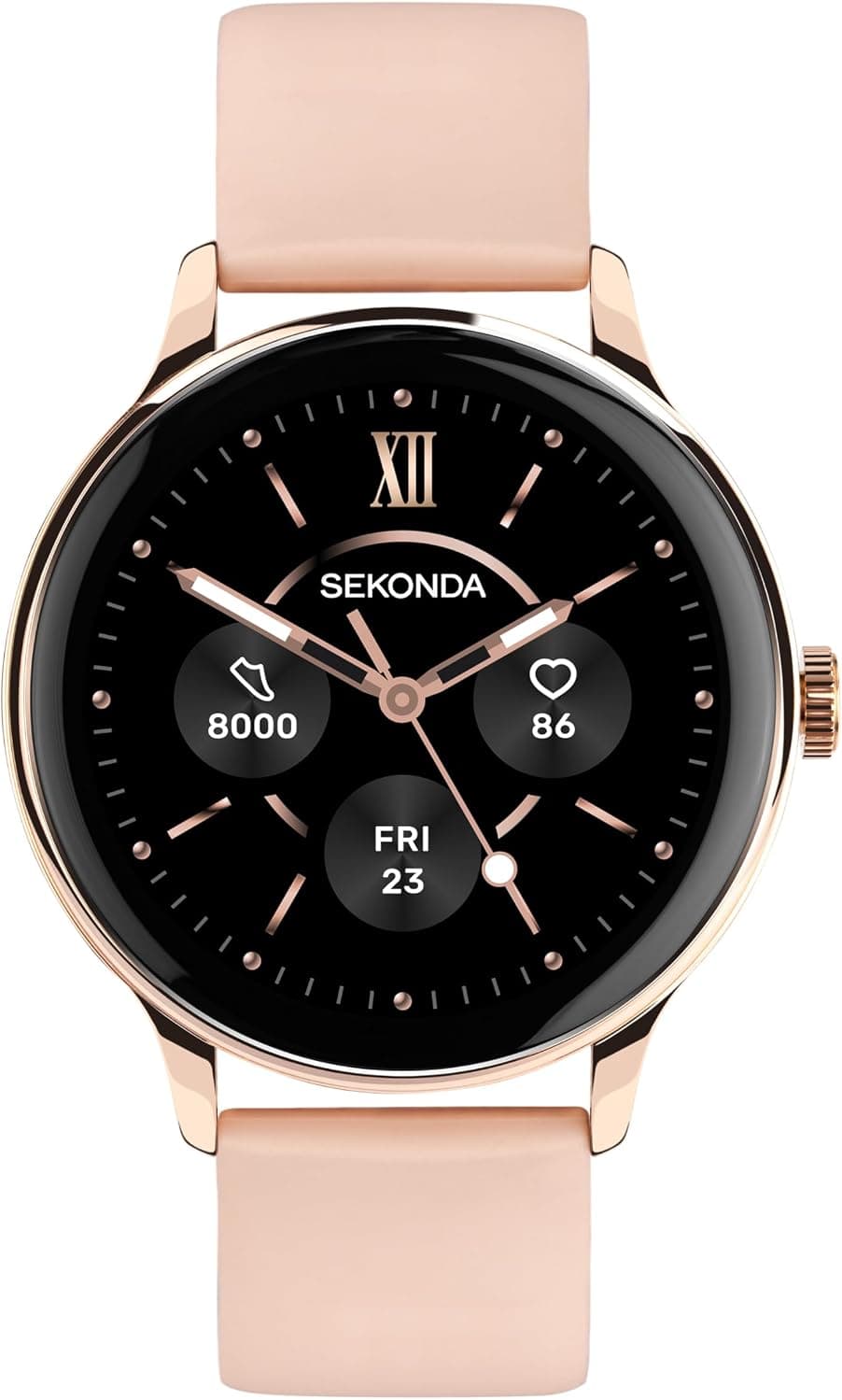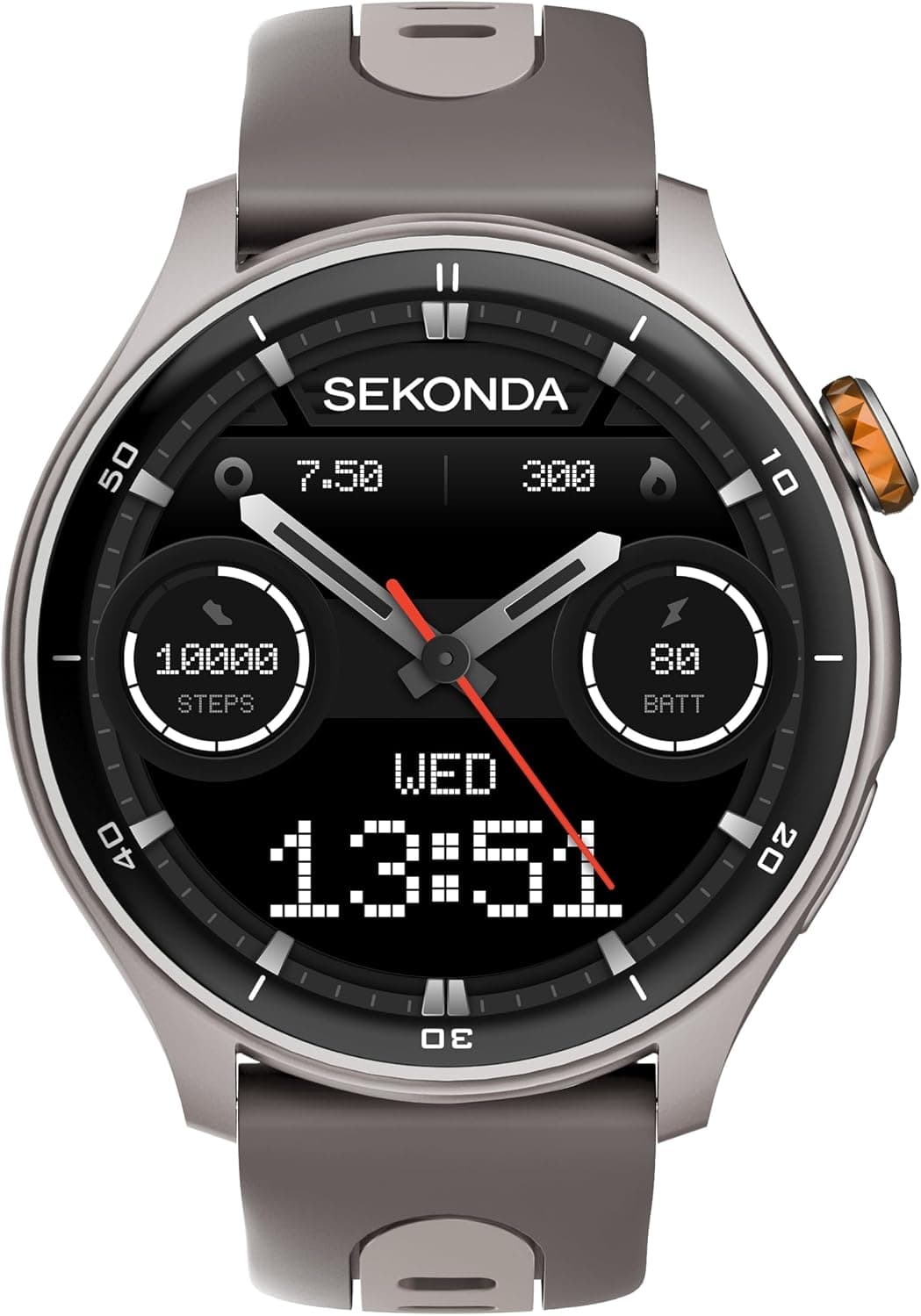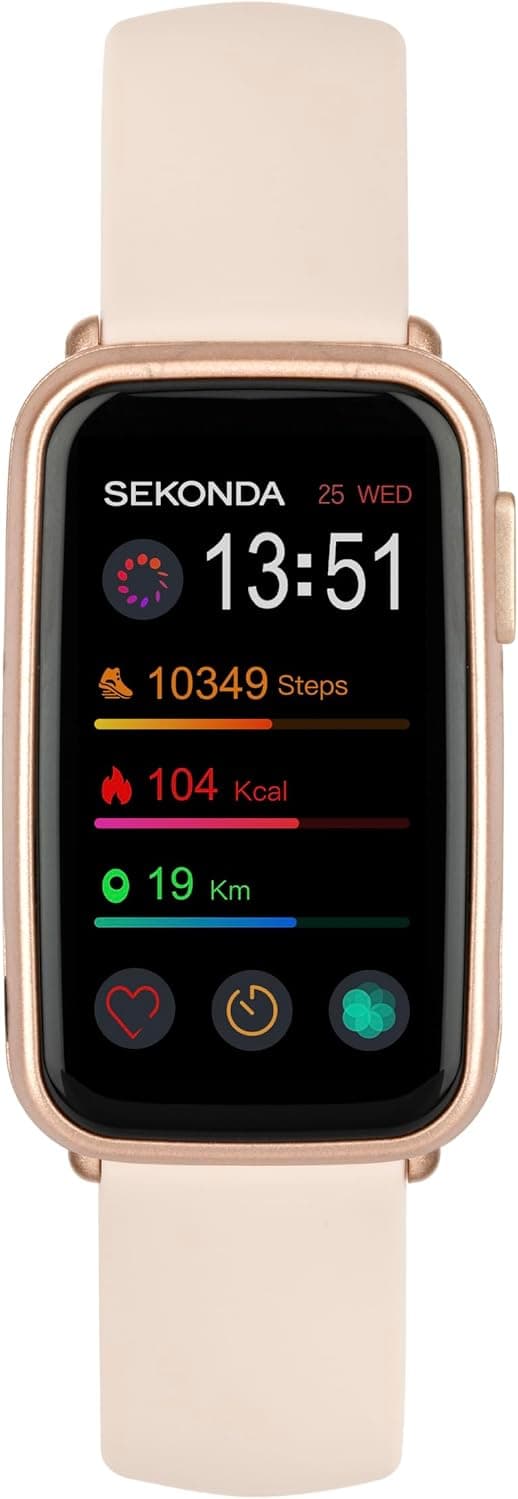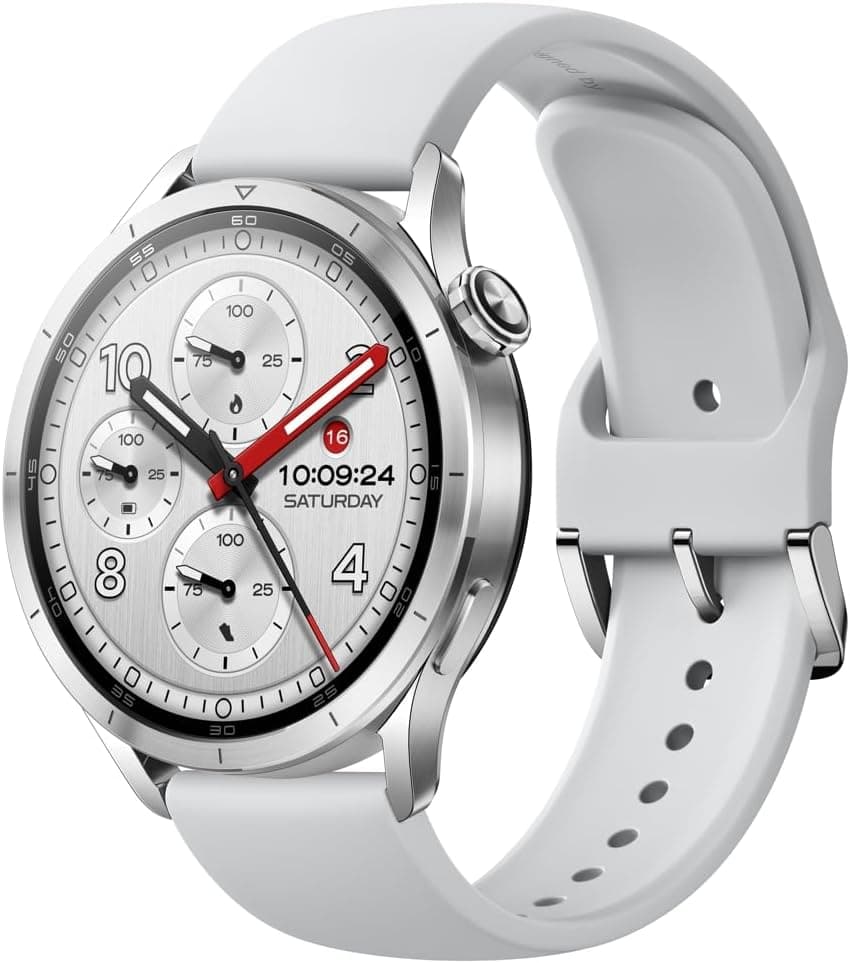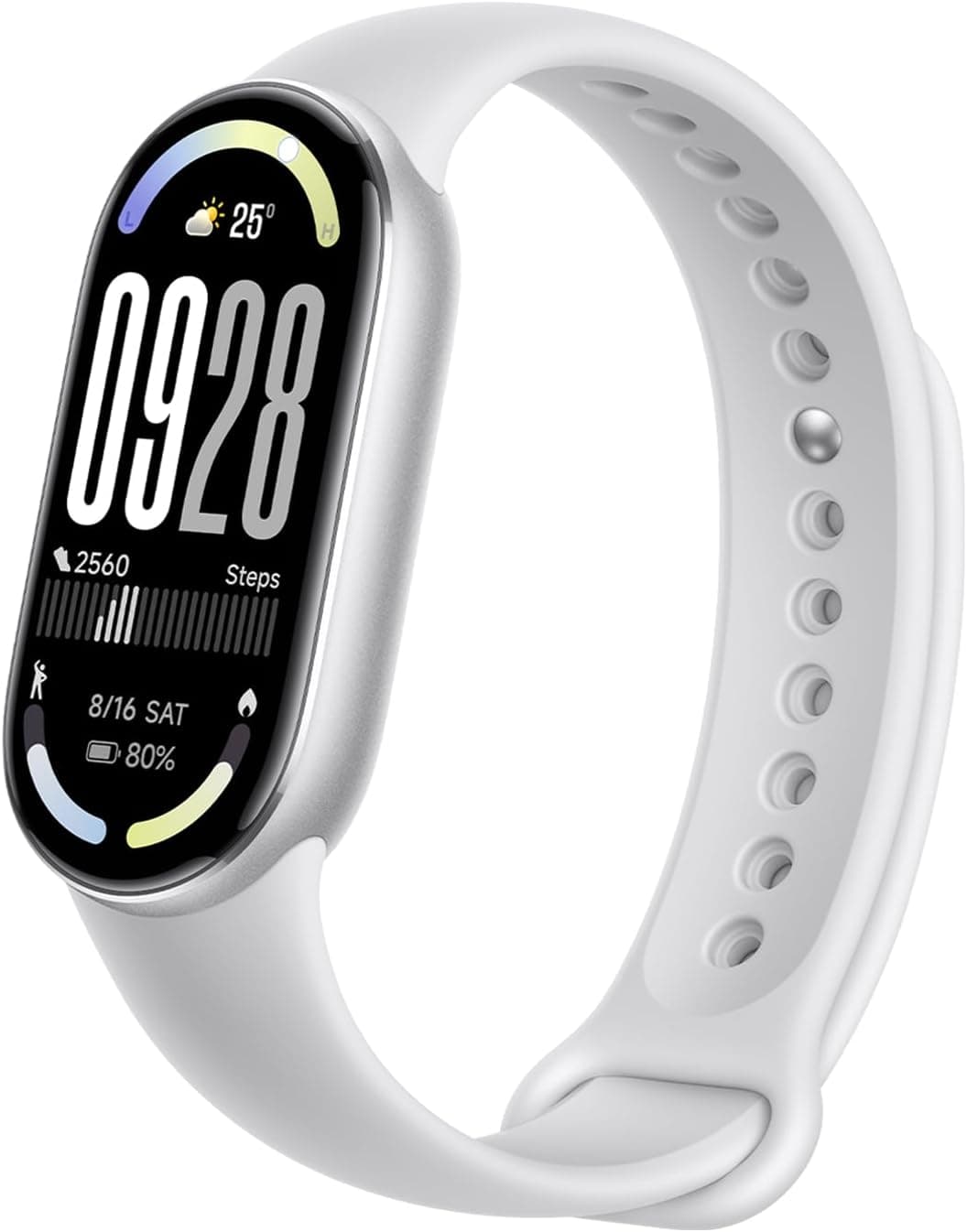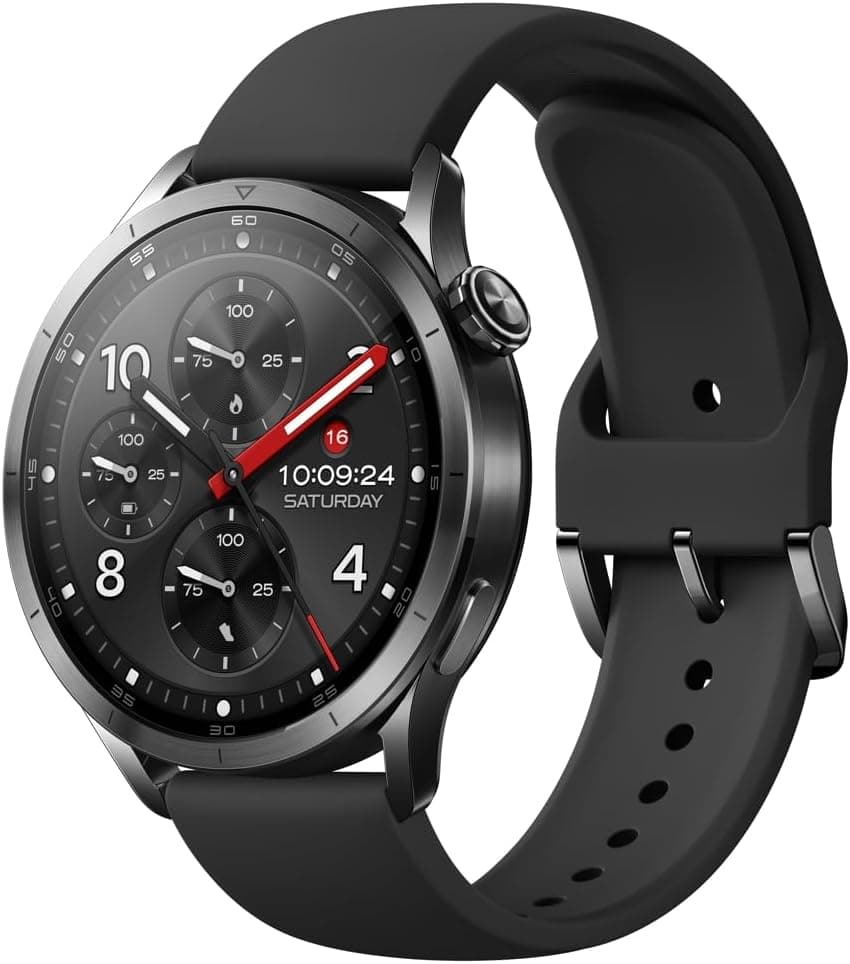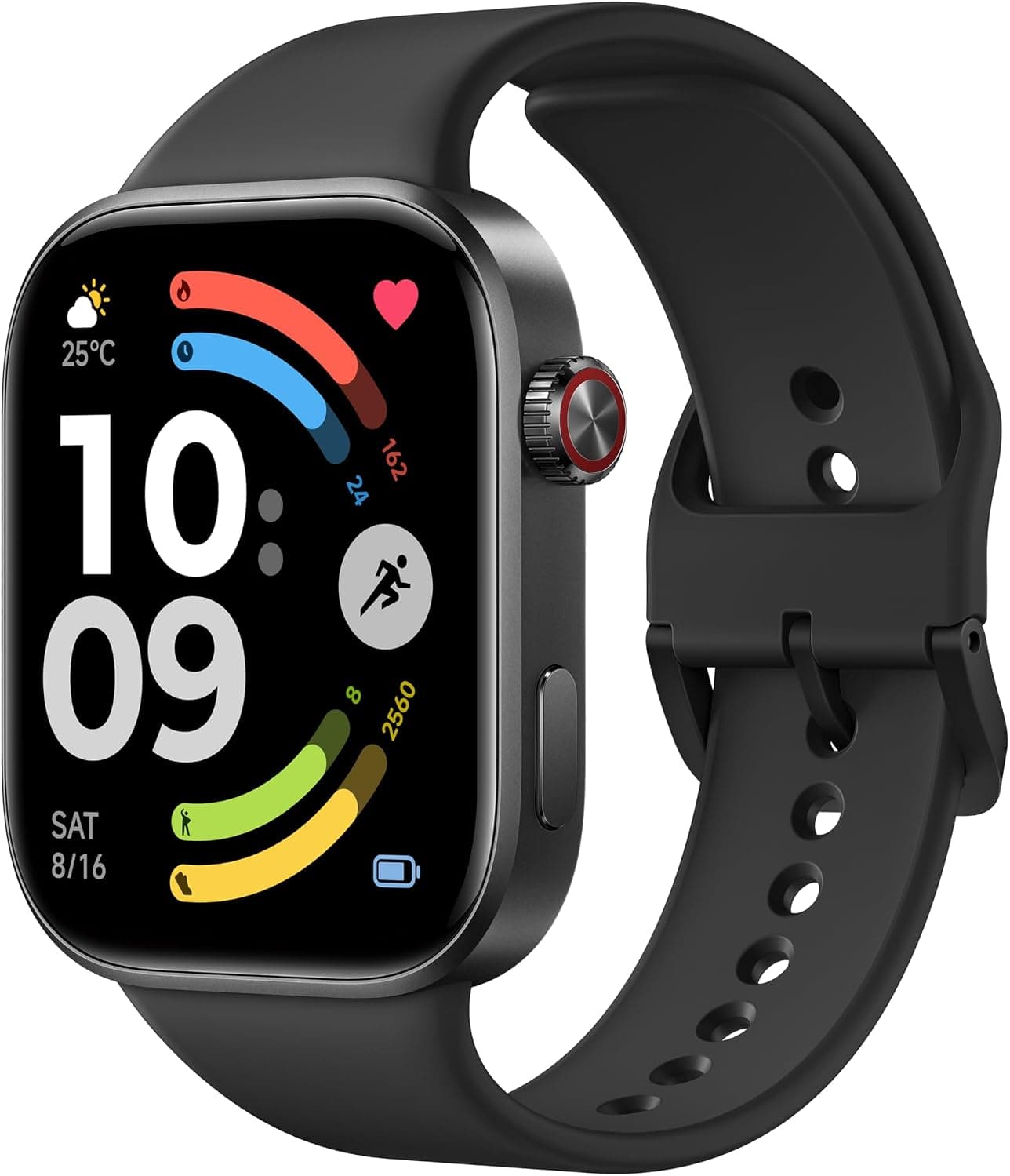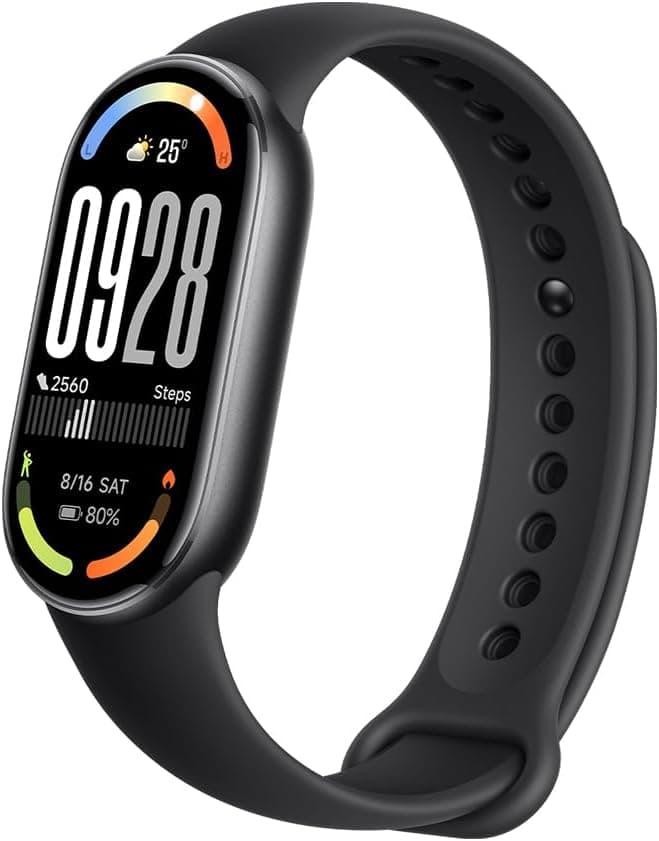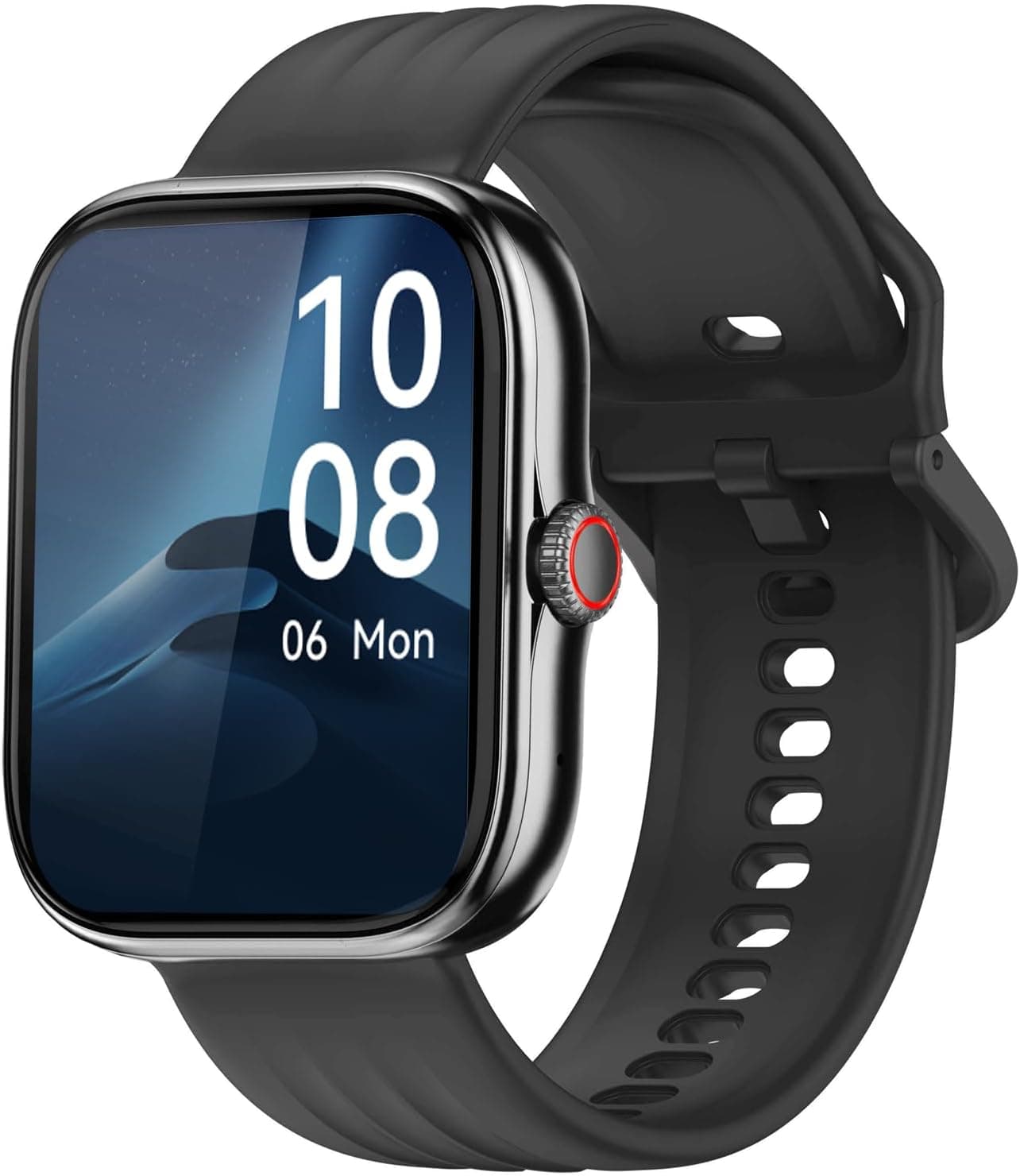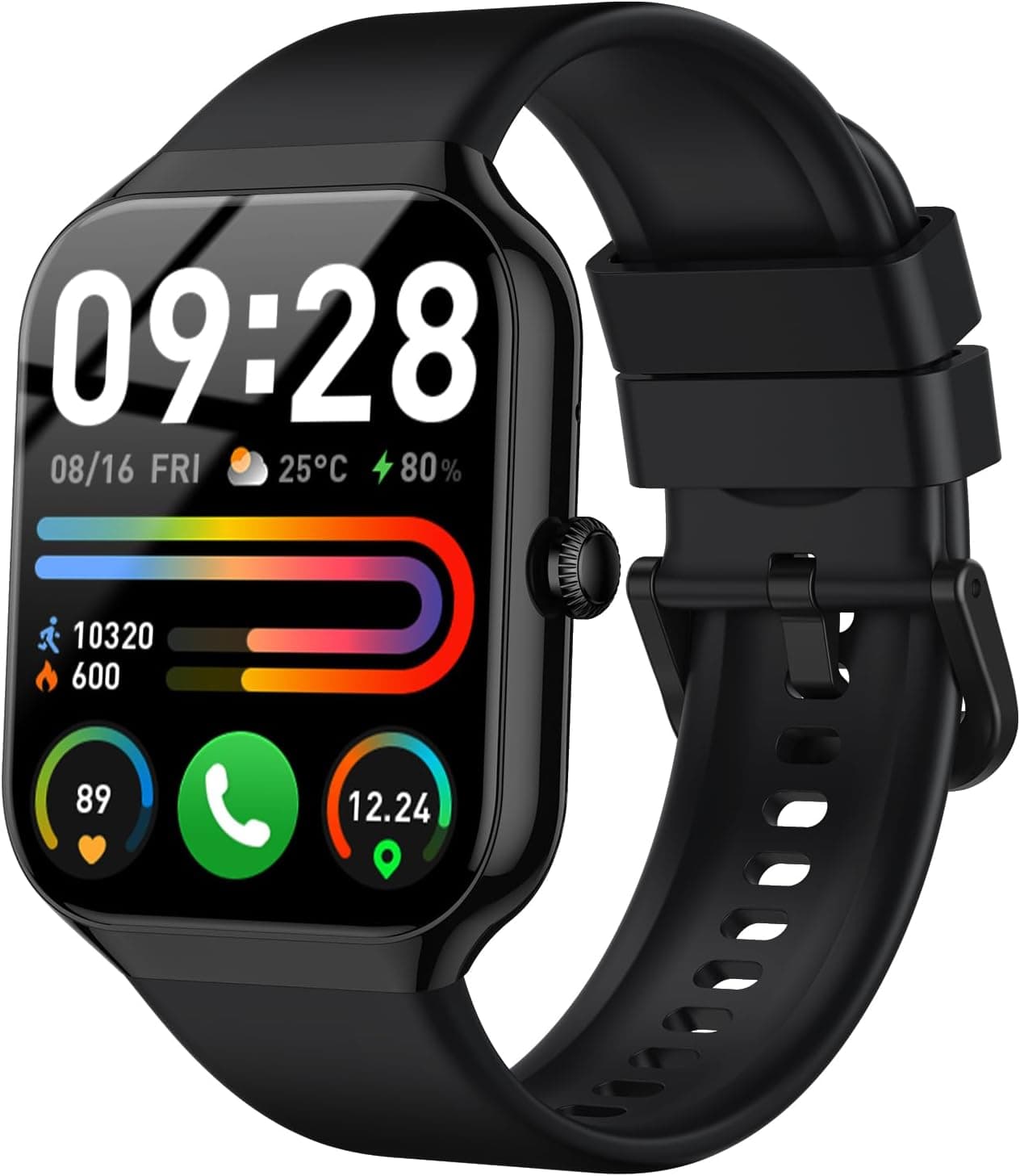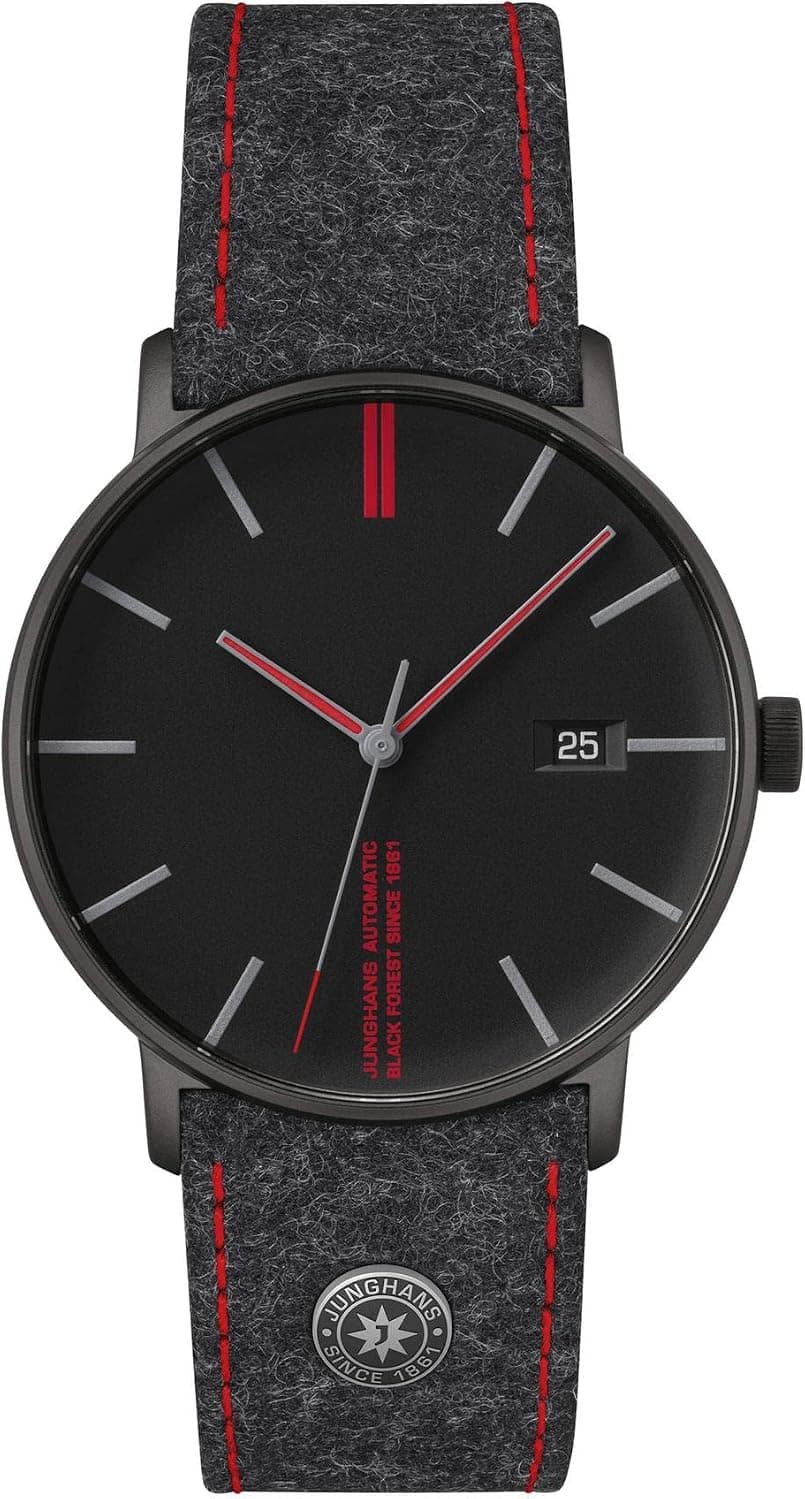
Smart Features is the complication family where electronic sensors slip quietly into a traditional watch, mechanical or quartz, without turning the wrist into a glowing computer. The idea is to keep an analogue dial and hide step counting, sleep tracking, heart-rate, ECG and phone notifications underneath it. Frederique Constant opened this door with its first Horological Smartwatch in 2015, then went further in 2018 with the Hybrid Manufacture, the first smartwatch built around a mechanical calibre. Alongside activity and sleep tracking, it even surfaced movement analytics like beat rate, amplitude and beat error, plus a service-health readout.
In practice the category spans a wide range. The Withings ScanWatch line is the serious health player: it earned FDA clearance on 12 October 2021 to record ECG and SpO2, detects signs of atrial fibrillation and sleep apnoea, takes a 30-second ECG, and runs up to 30 days on a charge. ScanWatch Light sits around £250, while ScanWatch 2 and the Nova land near £480. On the sport side, Garmin's Fenix 8 series starts near £800 and the MARQ Gen 2, in Grade-5 titanium with sapphire, runs roughly £1,500 to £2,500. At the fully connected end, the TAG Heuer Connected Calibre E4 runs Wear OS, starting near £1,450 in 42mm and climbing past £2,000 in titanium; Montblanc's Summit 2+ plays in that same luxury Wear OS lane.
When buying, the first question is whether you want an analogue face or a full touchscreen. Models like the ScanWatch and the Frederique Constant Hybrid keep real hands, hold a charge for weeks and disappear under a dress cuff, but you give up the rich app ecosystem and touch display. The TAG Heuer Connected and Garmin MARQ deliver GPS, payments, deep sport metrics and a colour screen, yet need charging every day or two. If health data matters, look for FDA or CE-cleared measurements; if you only want notifications and steps, a simpler hybrid makes more sense.
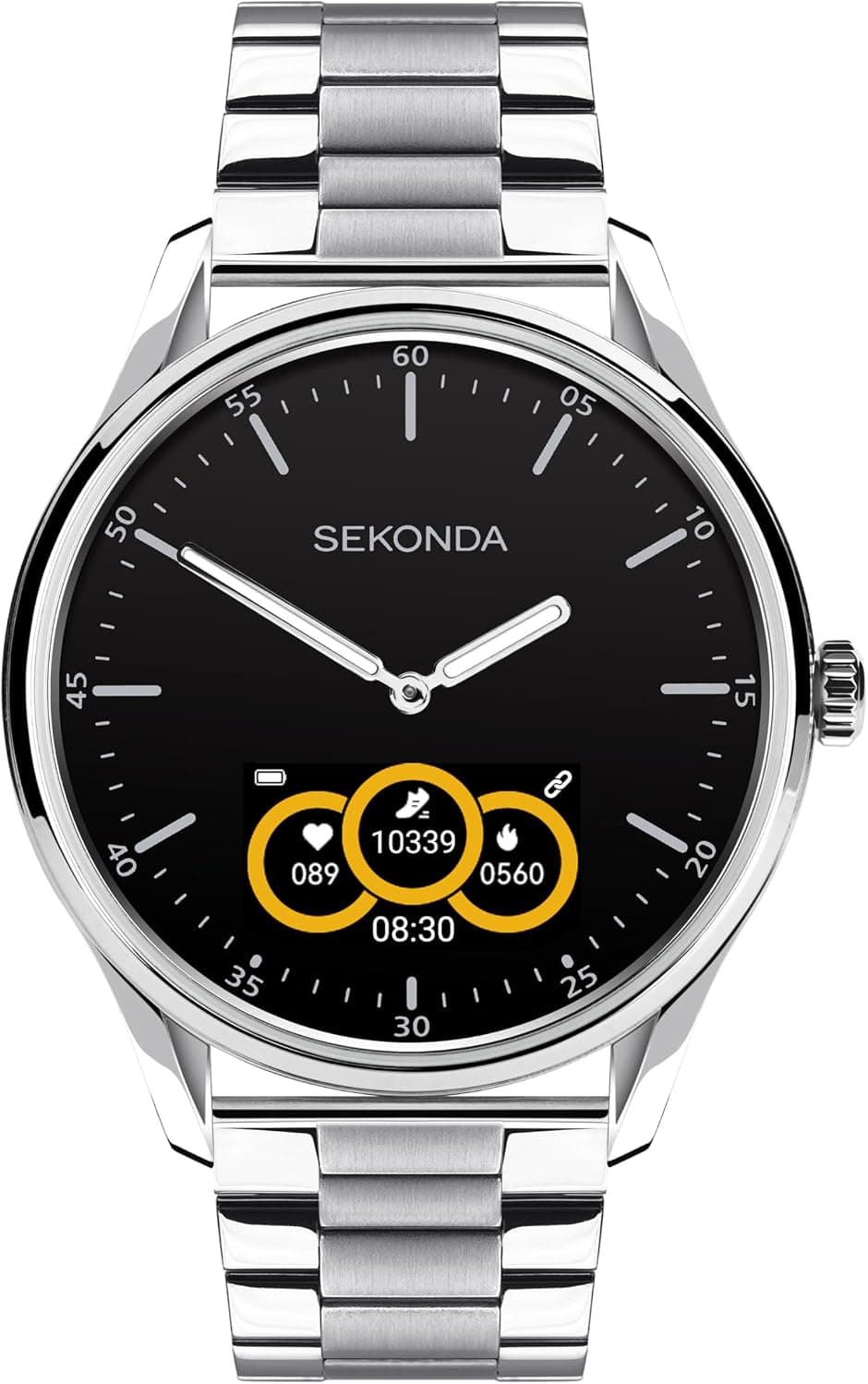
There are clear sub-types here. Hybrids keep an analogue dial and report data through a small sub-display or hand; connected luxury watches carry a full touchscreen and Wear OS; health-focused hybrids concentrate on medical-grade readings like ECG and SpO2. To my eye the most elegant answer is usually the hybrid: it adds modern function without breaking watchmaking aesthetics. Just remember that the technology dates quickly, and unlike a traditional mechanical piece, these watches rarely hold value on the secondhand market.