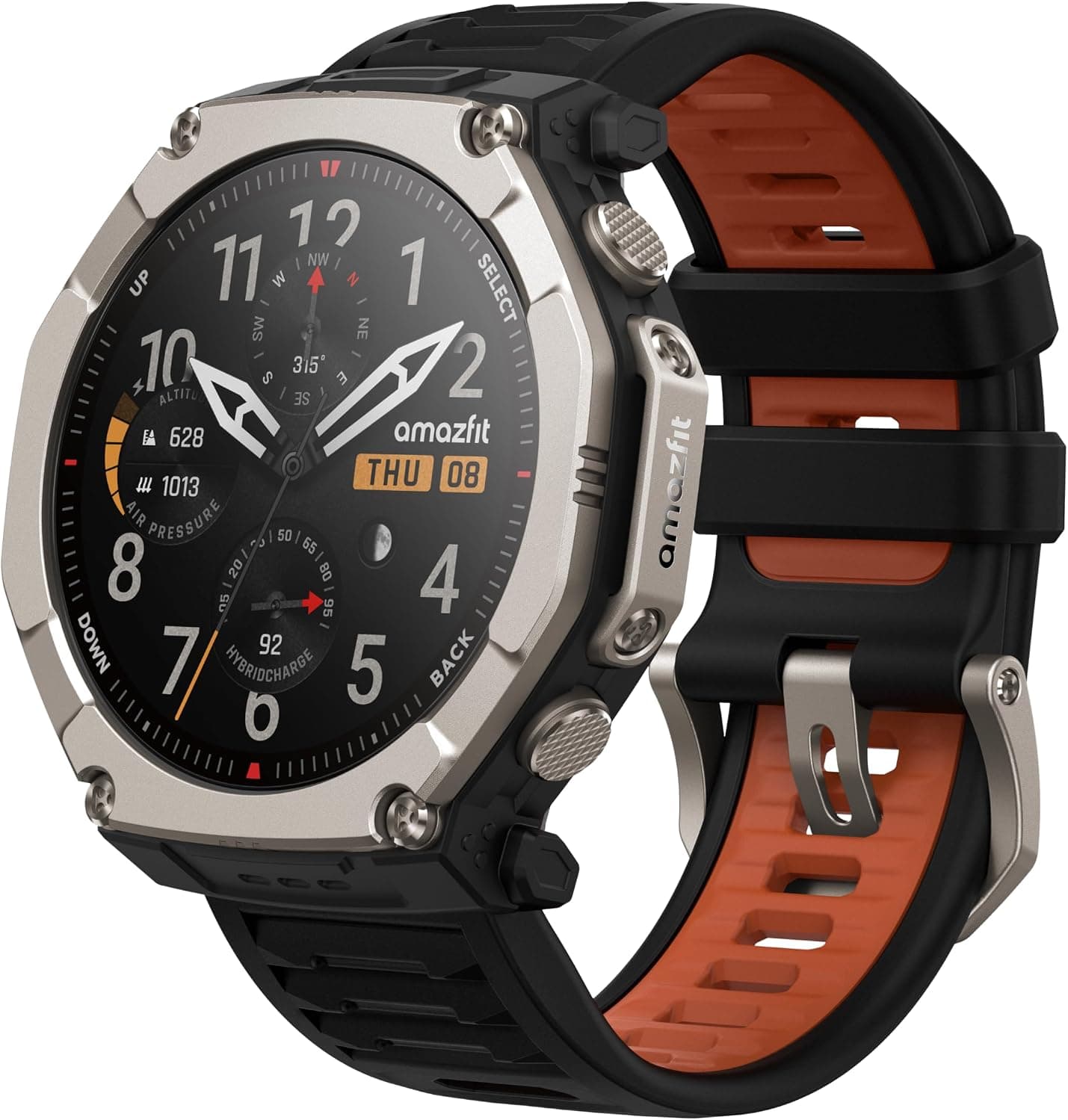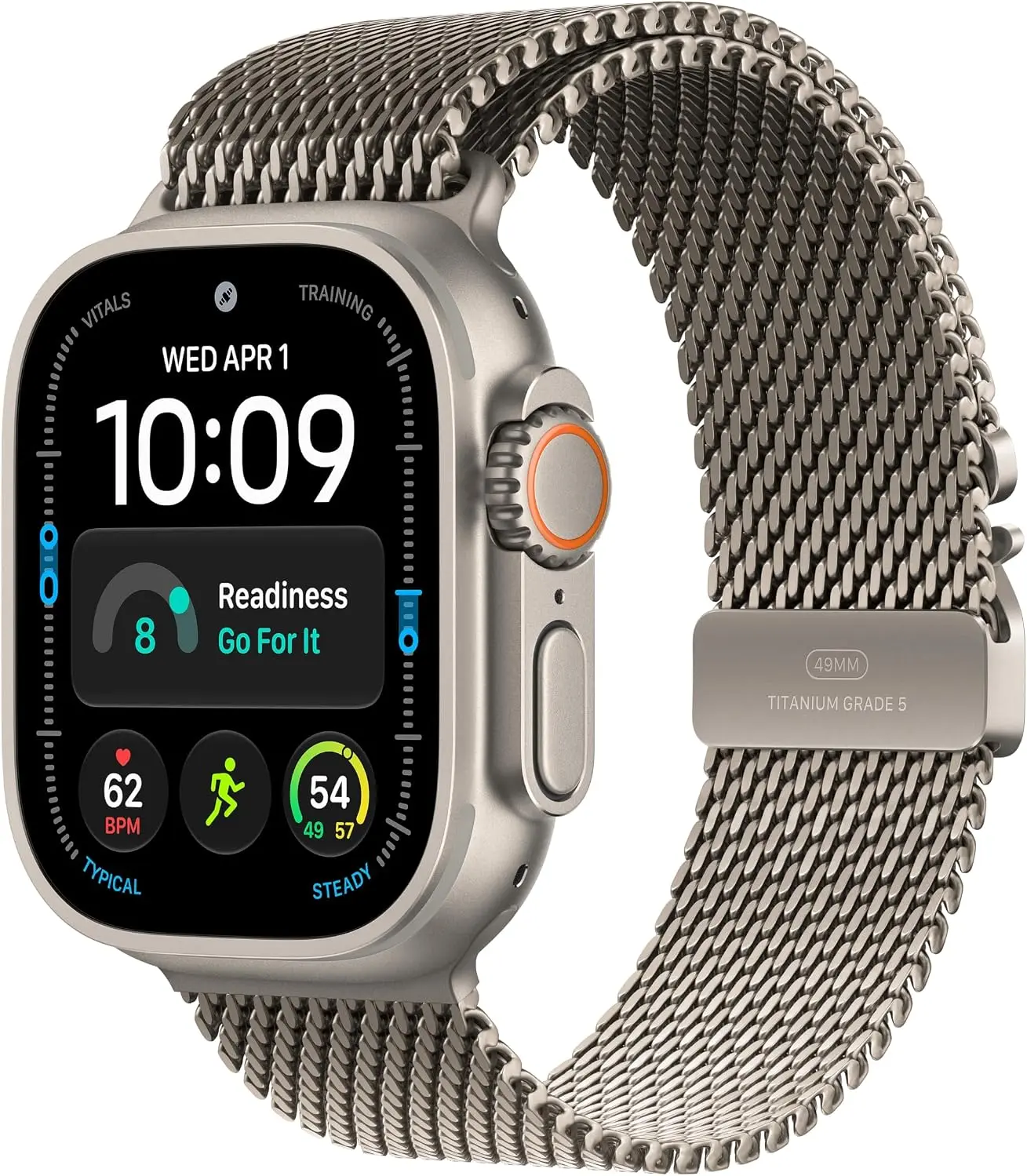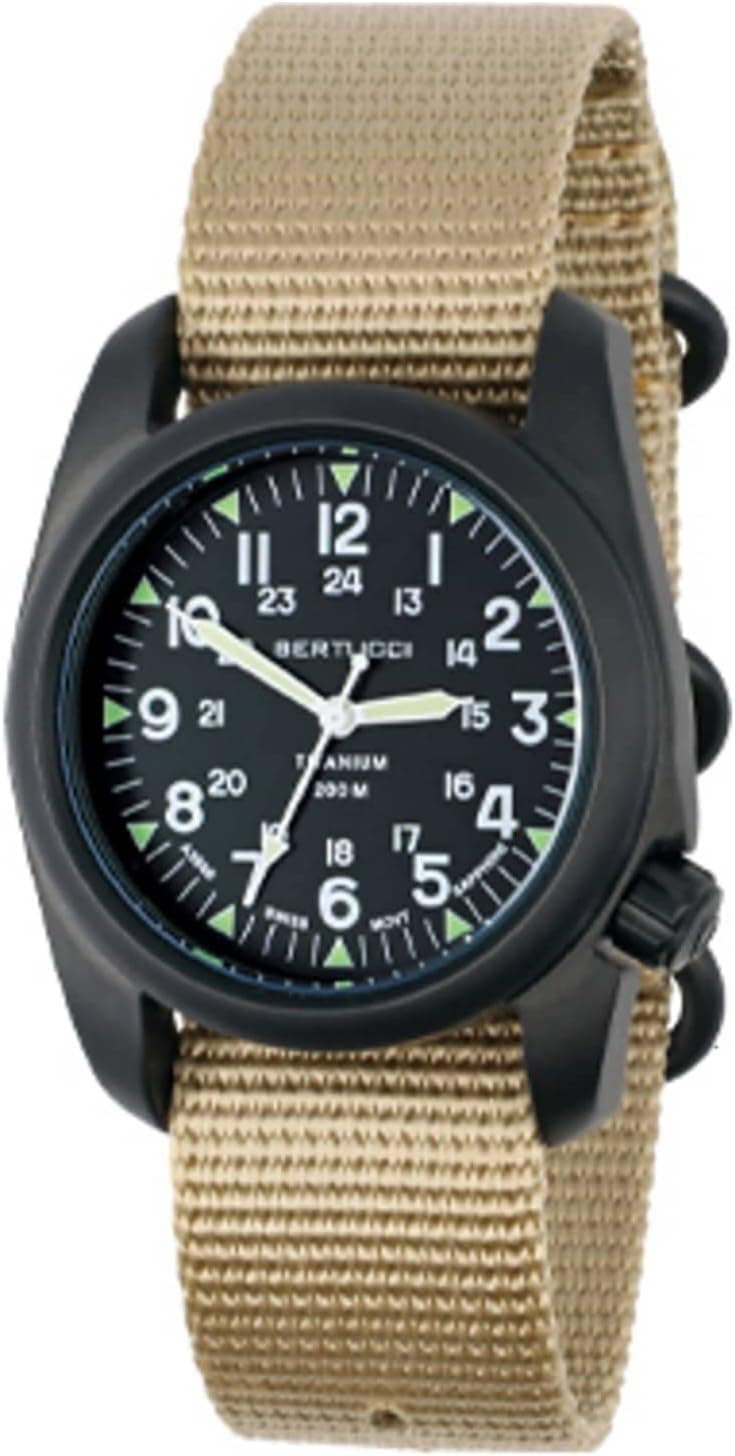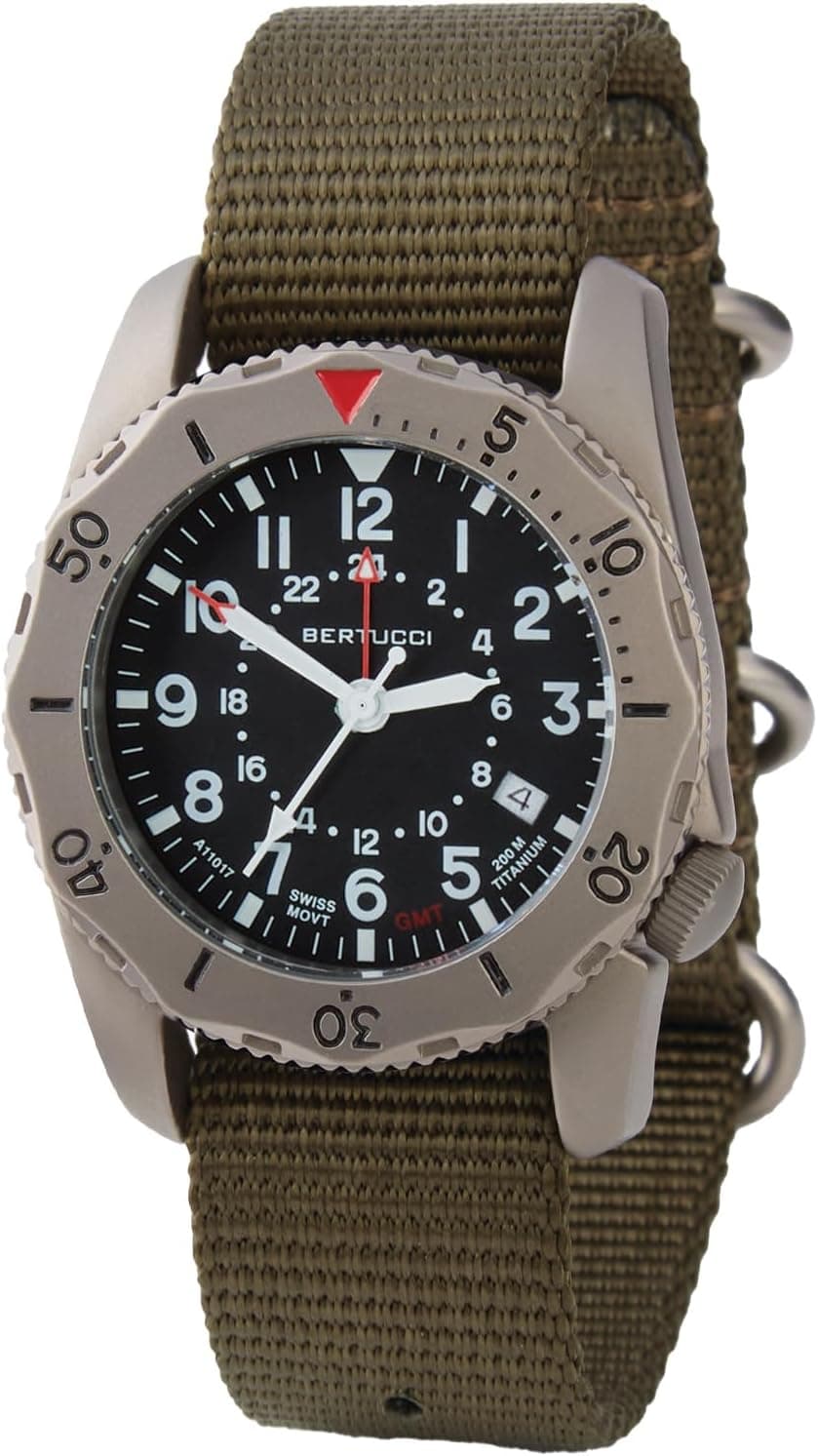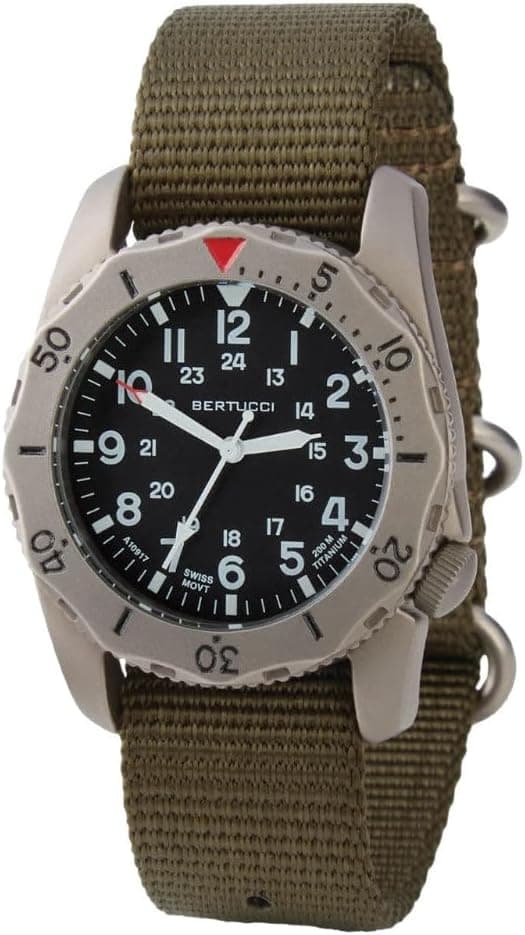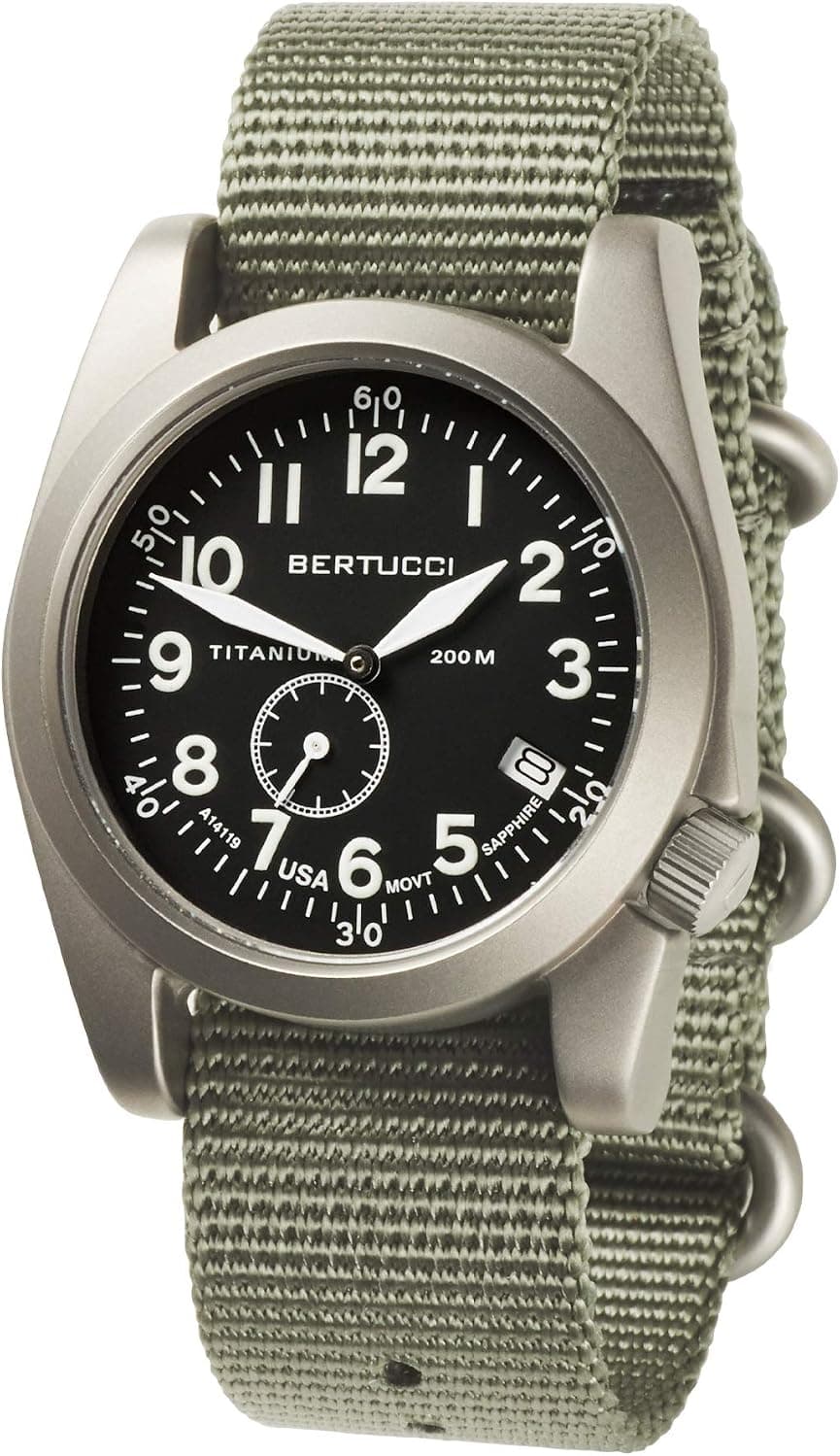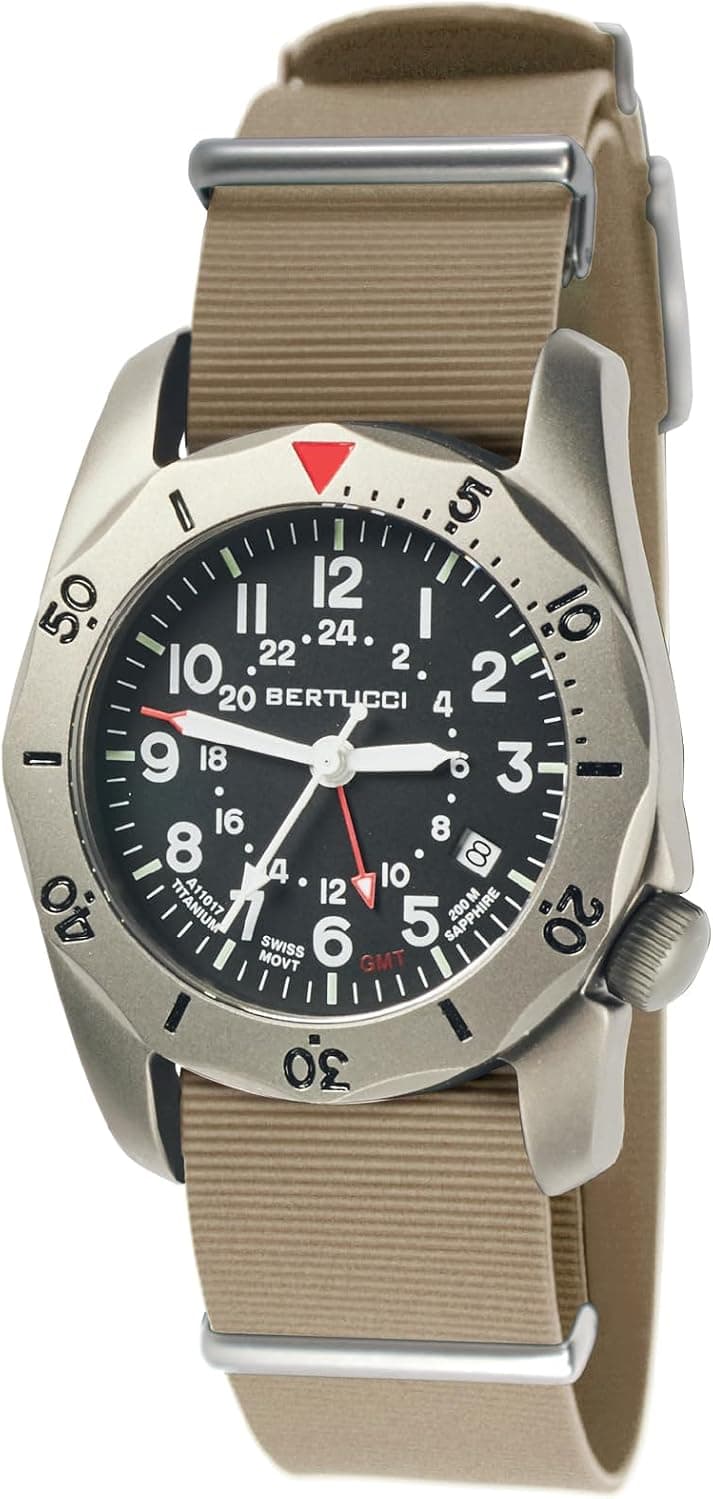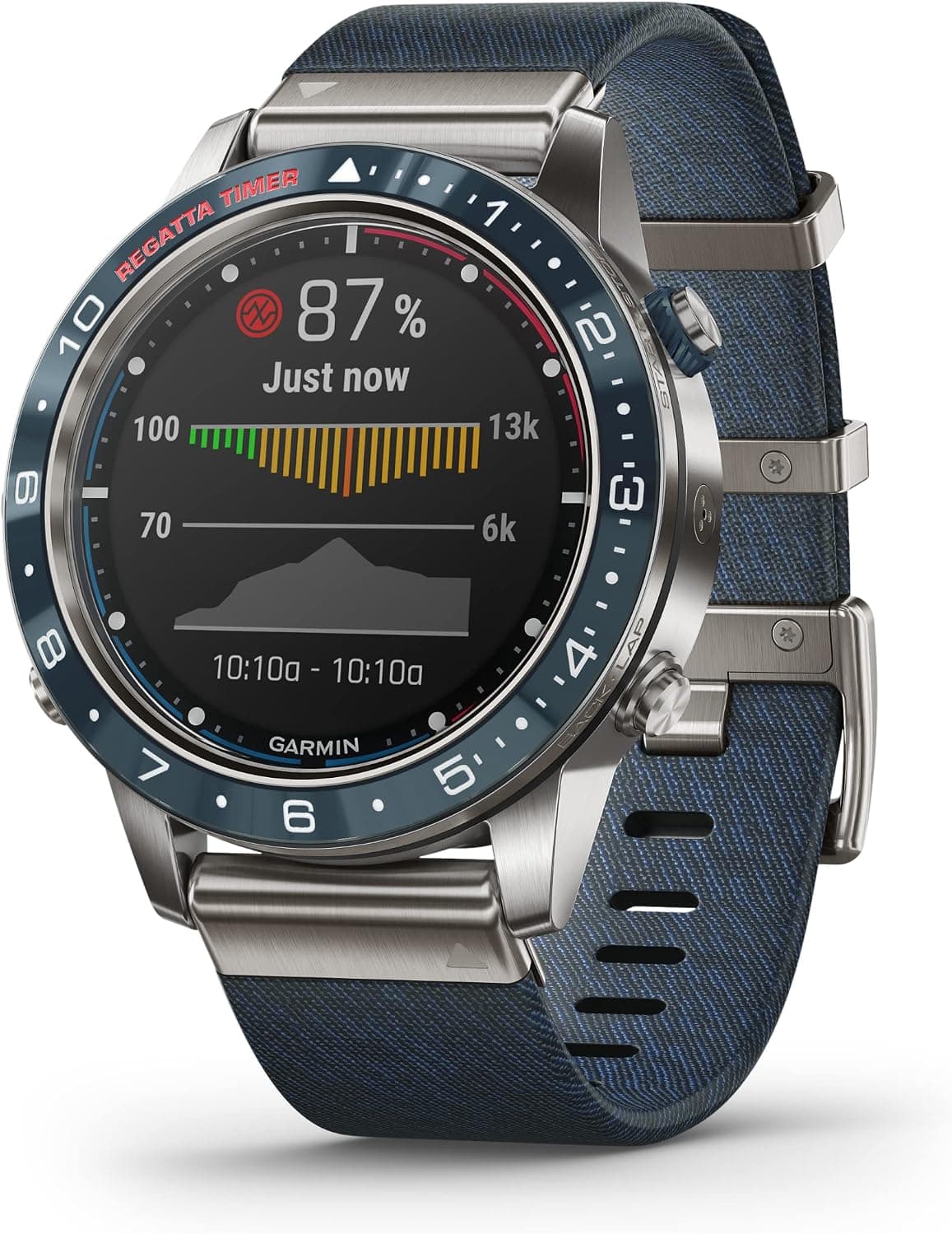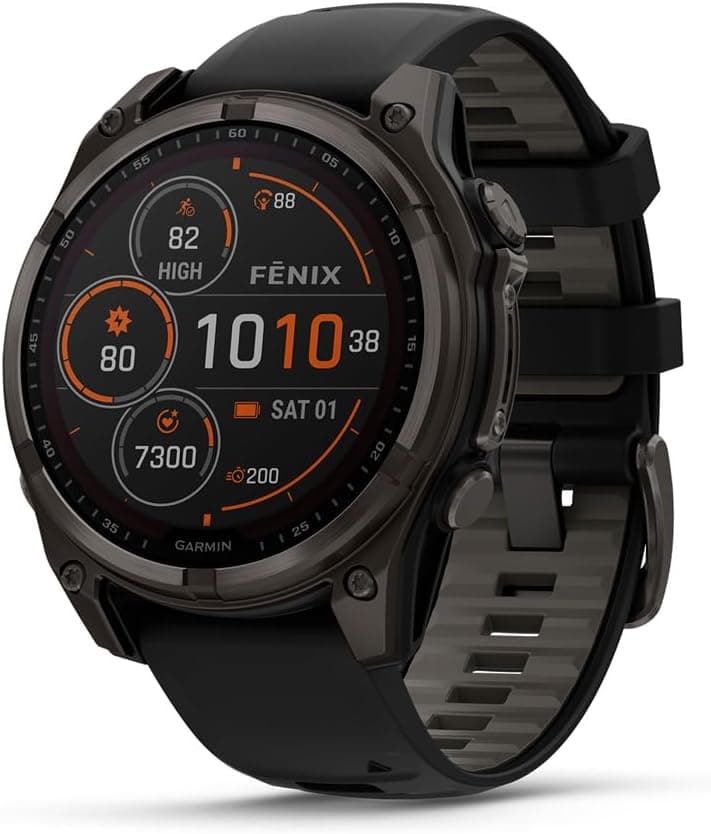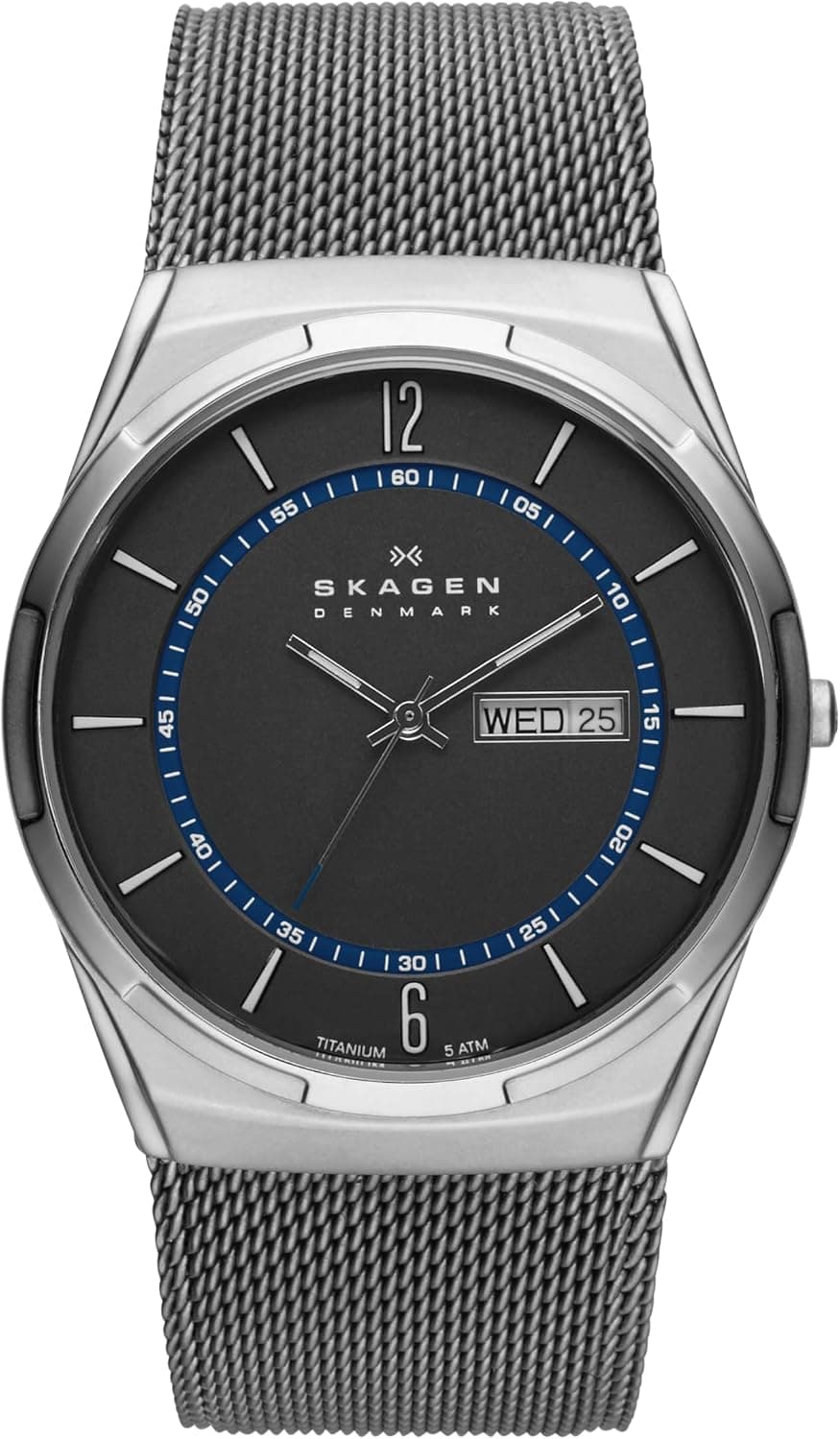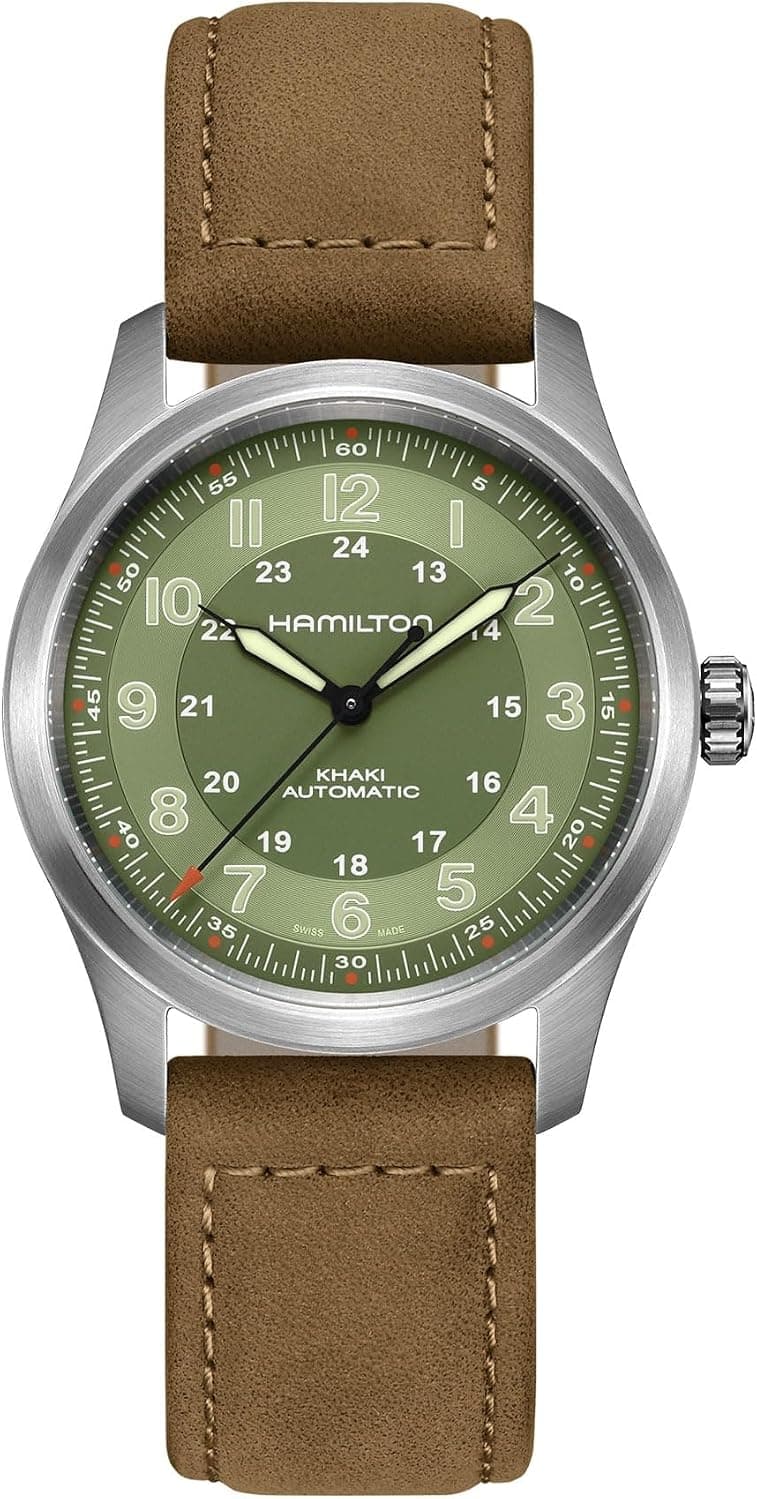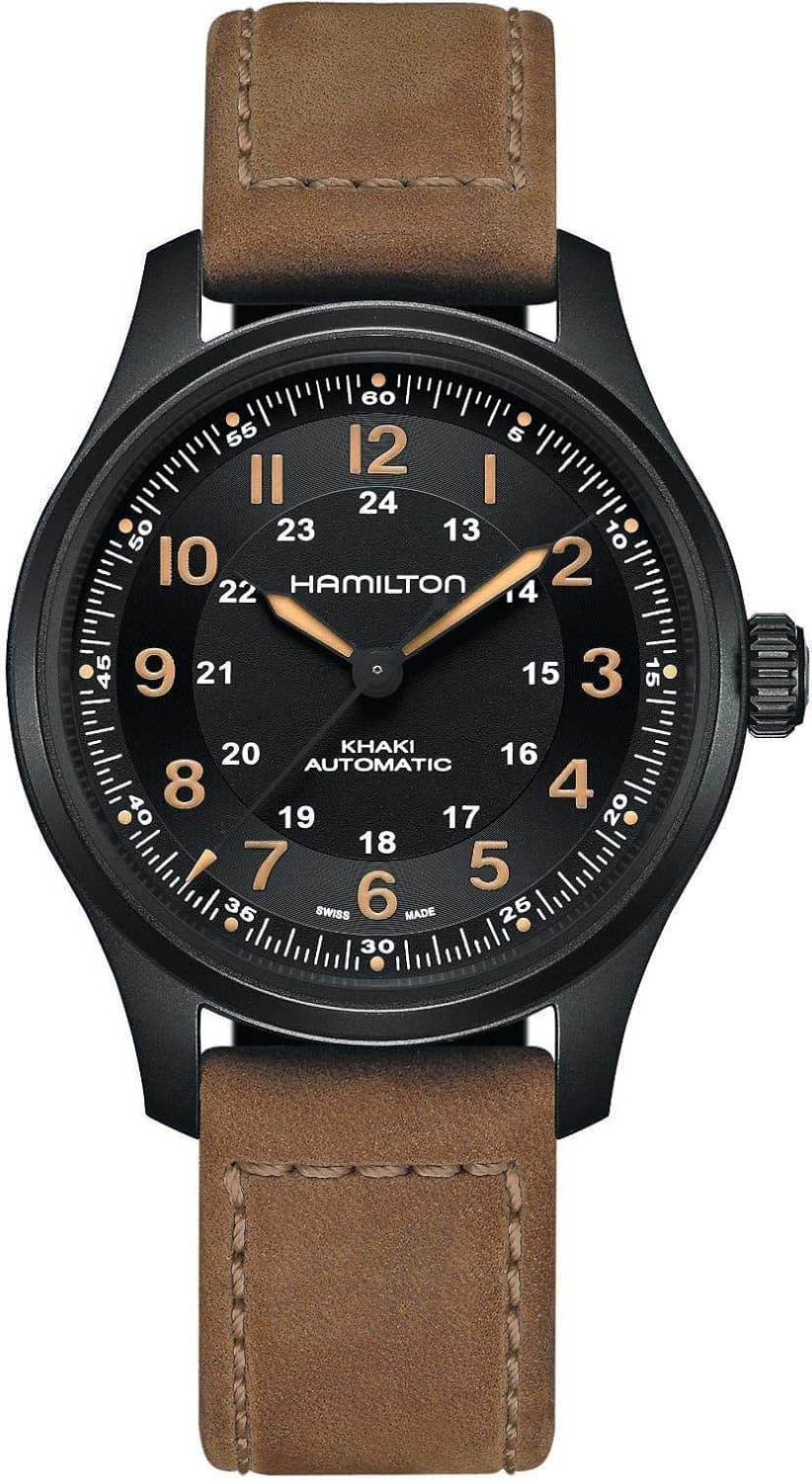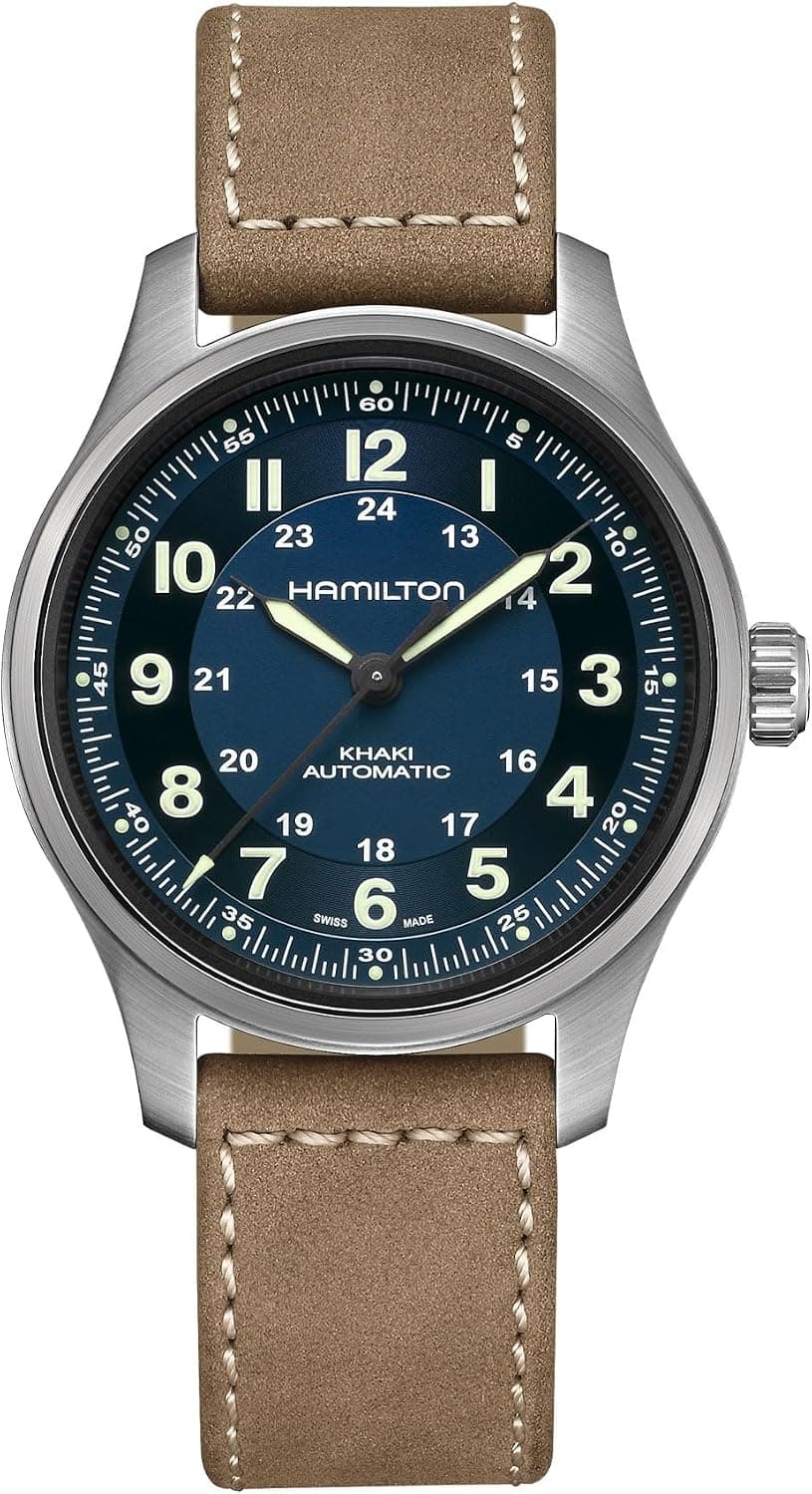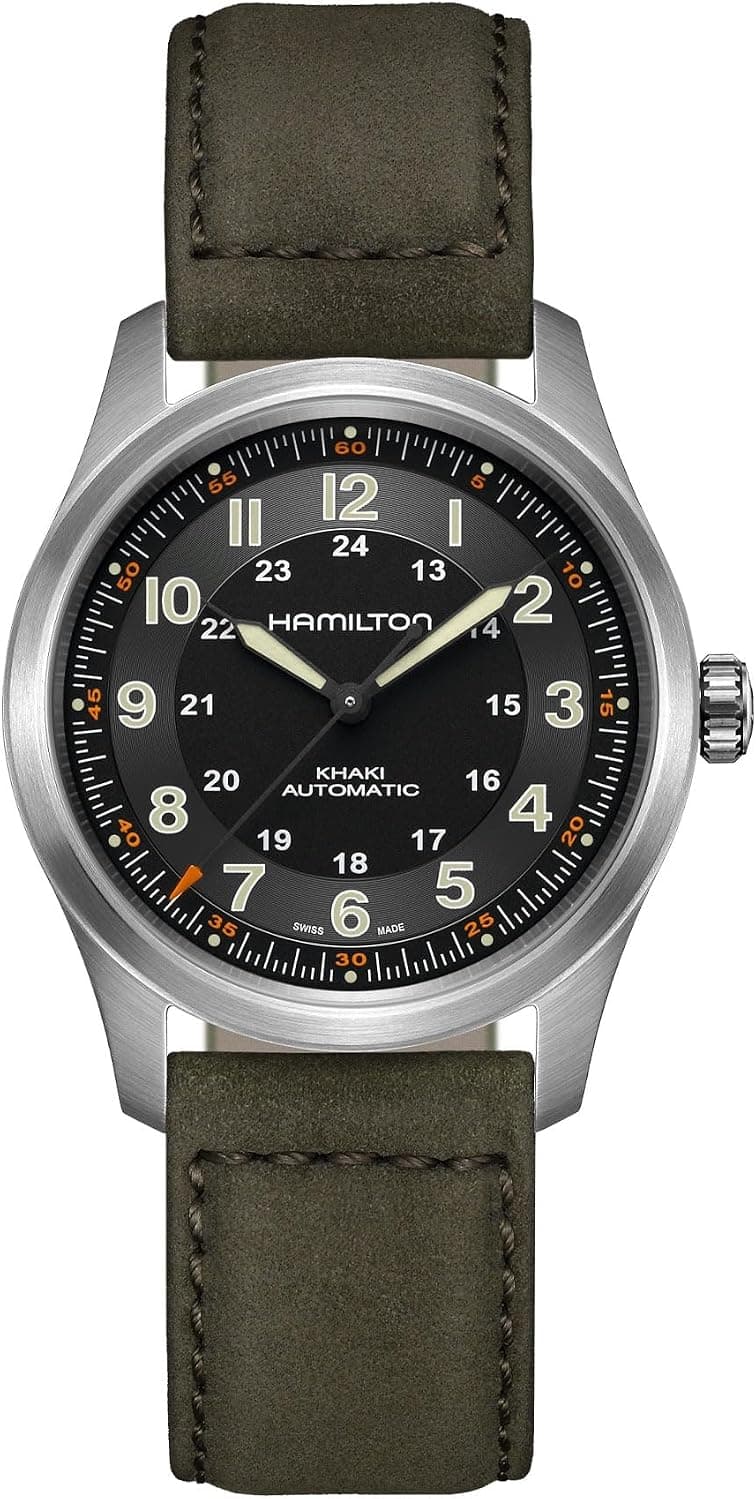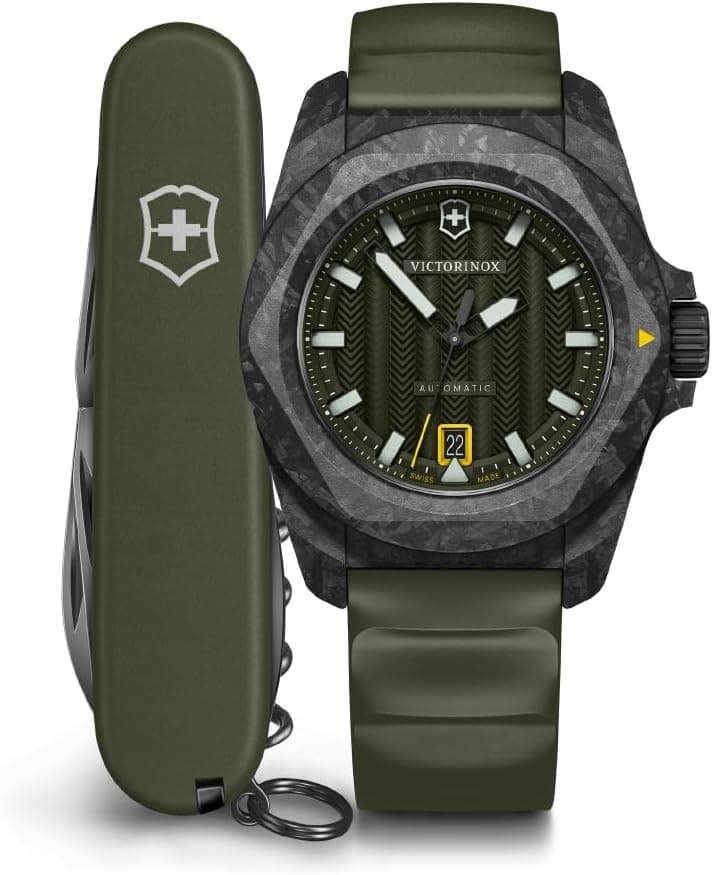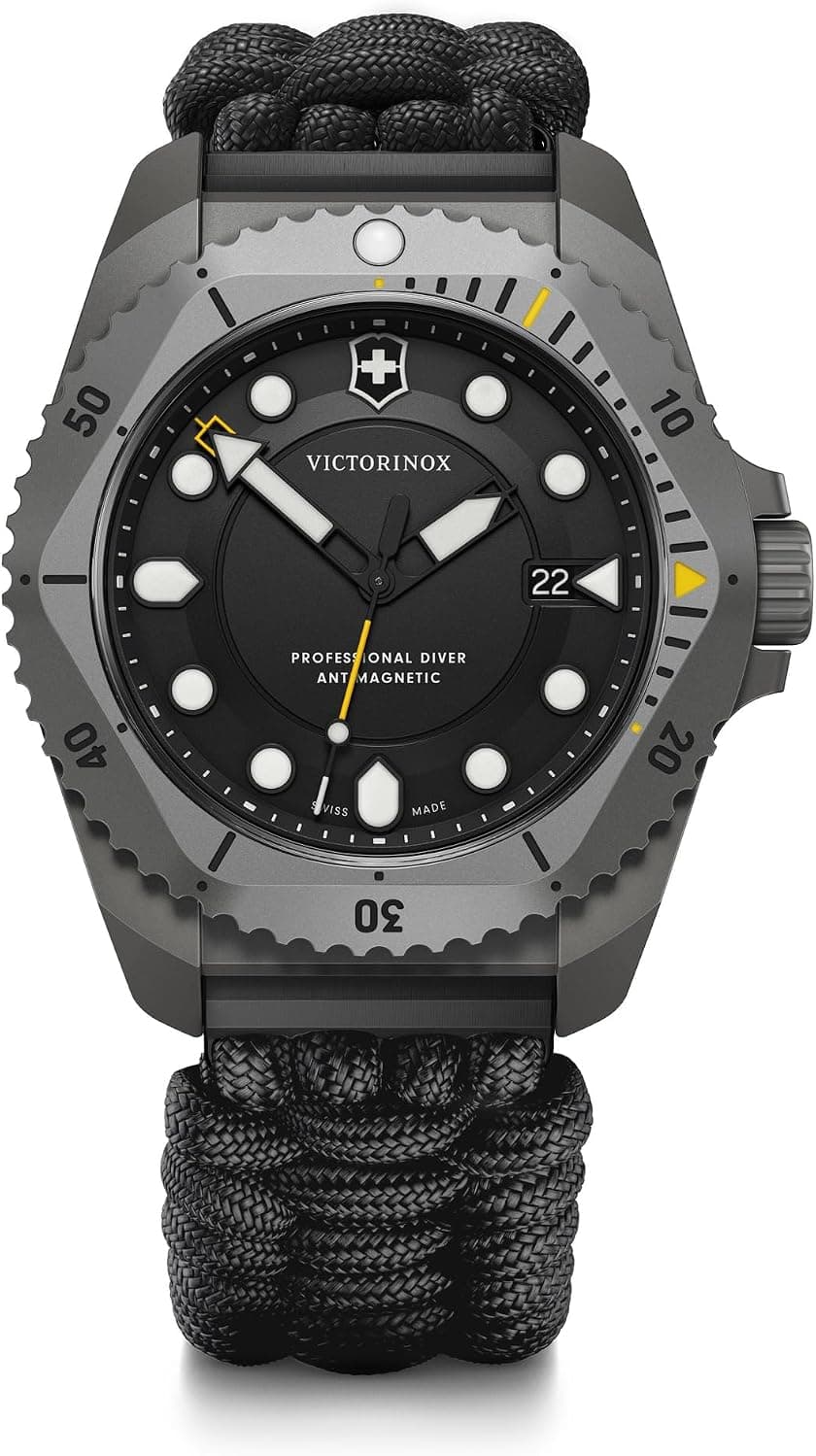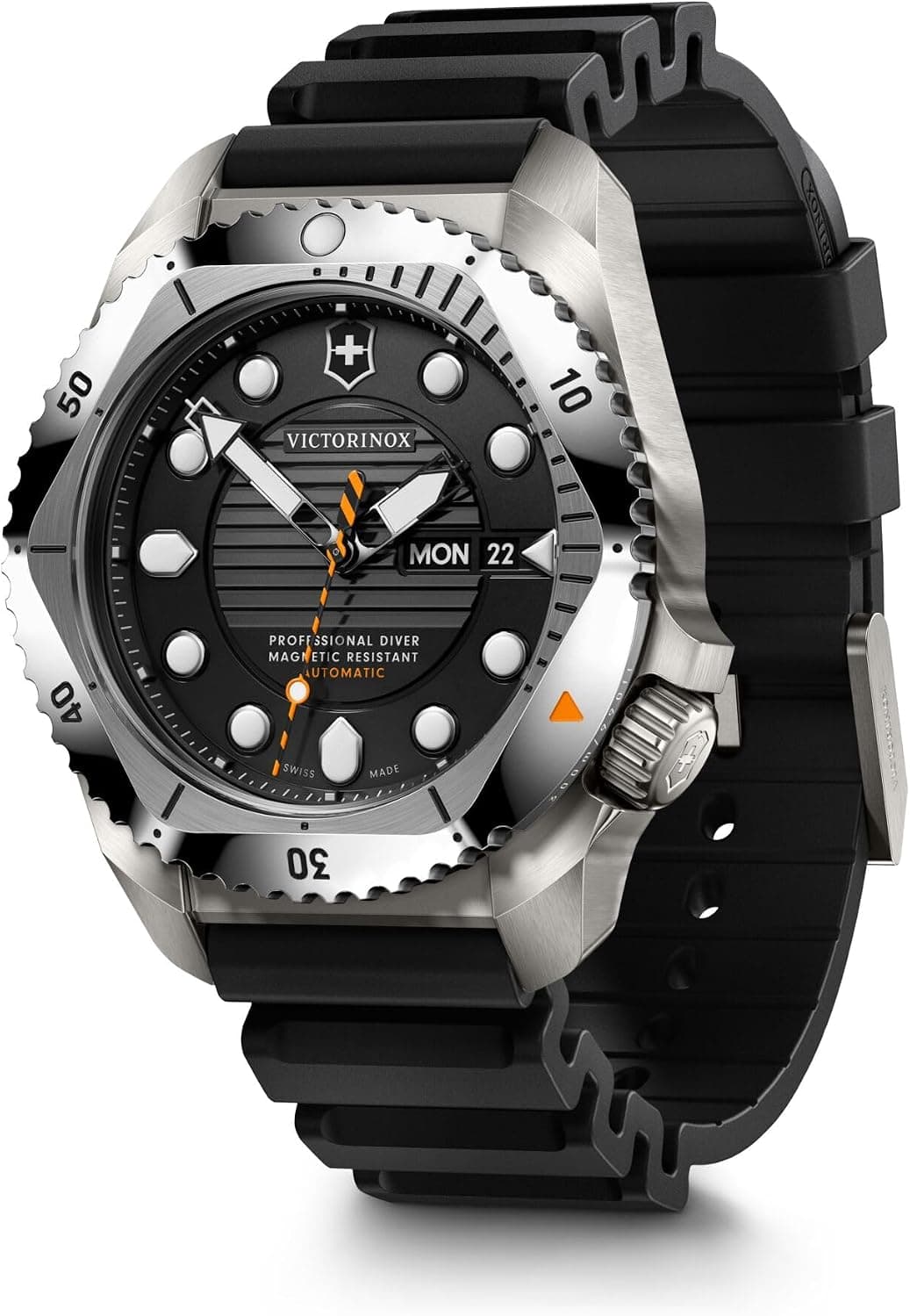
Titanium is the most serious alternative to steel in modern case making, and its core appeal is weight. At roughly 30% lighter than stainless steel, even a chunky diver wears like nothing on the wrist. Add hypoallergenic skin contact, strong corrosion resistance in salt water, and a self-forming oxide layer that quietly hides minor scratches, and you understand why it took hold. The first titanium wristwatch was the Citizen X-8 Chronometer of 1970, its case made from roughly 99.6% pure titanium, with only around 2,000 examples built. The first watch to render both case and bracelet in titanium is generally credited to the 1980 Porsche Design / IWC Titan Chronograph.
The distinction that matters most in practice is Grade 2 versus Grade 5. Grade 2 is commercially pure titanium, about 99% Ti: softer, with that warm matte grey tone, and easy to machine. The Tudor Pelagos 39 (ref. M25407N) uses it, paired with 200m of water resistance, a blasted case, and a list price near £4,500. Grade 5 is the Ti-6Al-4V alloy, roughly 90% titanium with 6% aluminium and 4% vanadium: harder, and far better at holding sharp bevels and crisp polished facets. The Grand Seiko SBGA211 Snowflake, built in High-Intensity Titanium with the Spring Drive calibre 9R65 and about 72 hours of reserve, is the reference point here, listing near £4,650. Higher up, the Omega Seamaster Ploprof 1200M in titanium climbs well into five figures, around £9,600 and up, while IWC's titanium Big Pilot editions start near £10,400, with the Racing Works IW501019 around £12,200.
When buying, the first thing to confirm is which grade you are getting and whether the brand states it plainly. If everyday scratch resistance is the priority, Grade 5 or surface-hardened metals like Citizen's Super Titanium (Duratect) are the smarter bet, giving a face several times harder than steel. If you want true lightness and that warm tactile feel, Grade 2 reads as the more authentic titanium. Because titanium is prone to galling, where like metals fuse under friction, many models fit steel crowns and casebacks; that is sound engineering, not a shortcut.
Who should buy one? Anyone who wants to carry a large diver or pilot watch comfortably all day, anyone with a steel sensitivity, and anyone drawn to a muted, unflashy look. The trade-off is polishing: deep scratches do not buff out as readily as on steel, and not every authorised service centre will attempt it. If you crave a bright, jewellery-like wrist presence, steel or gold may suit you better. But if weight and daily toughness top your list, titanium rewards you for years without ever weighing you down.