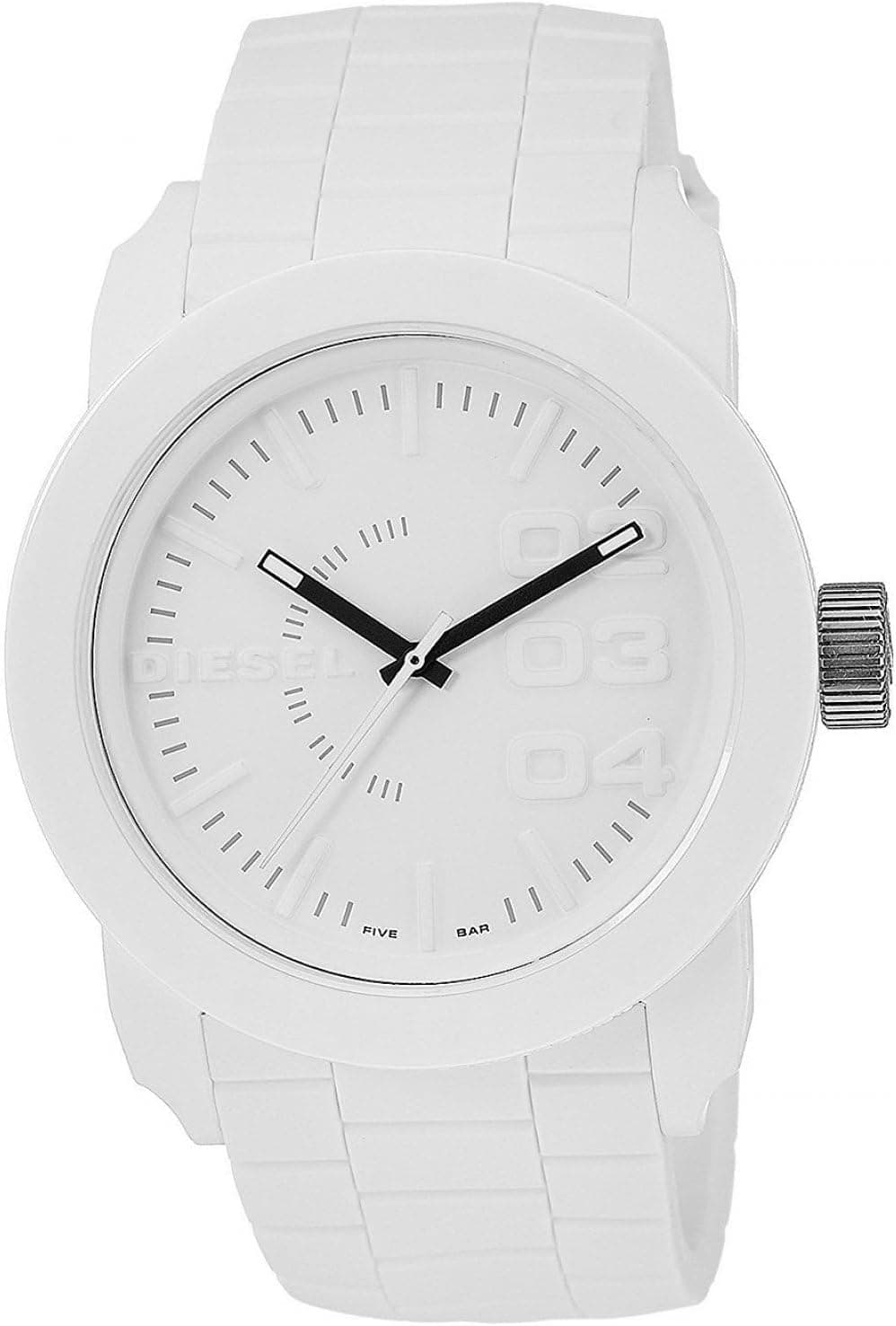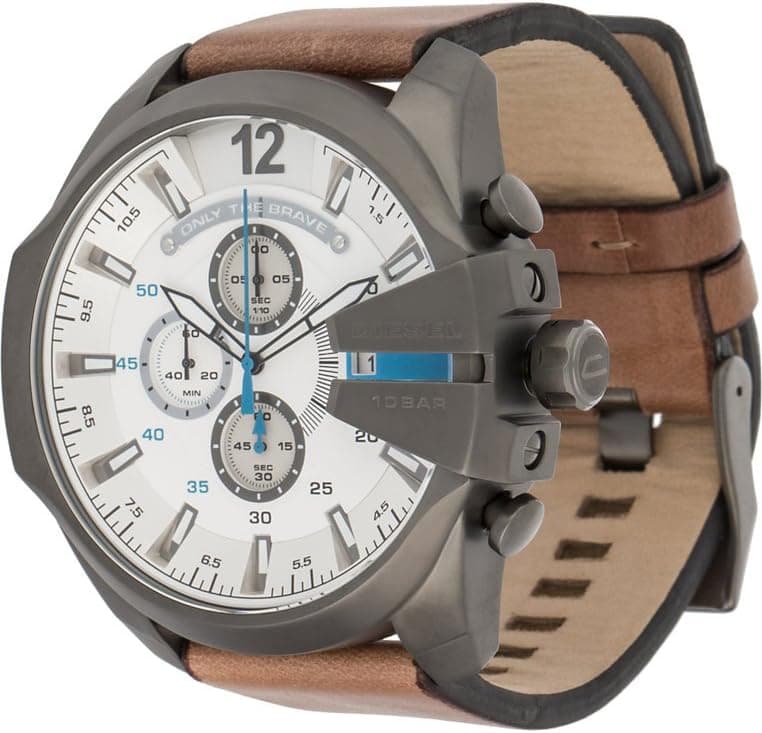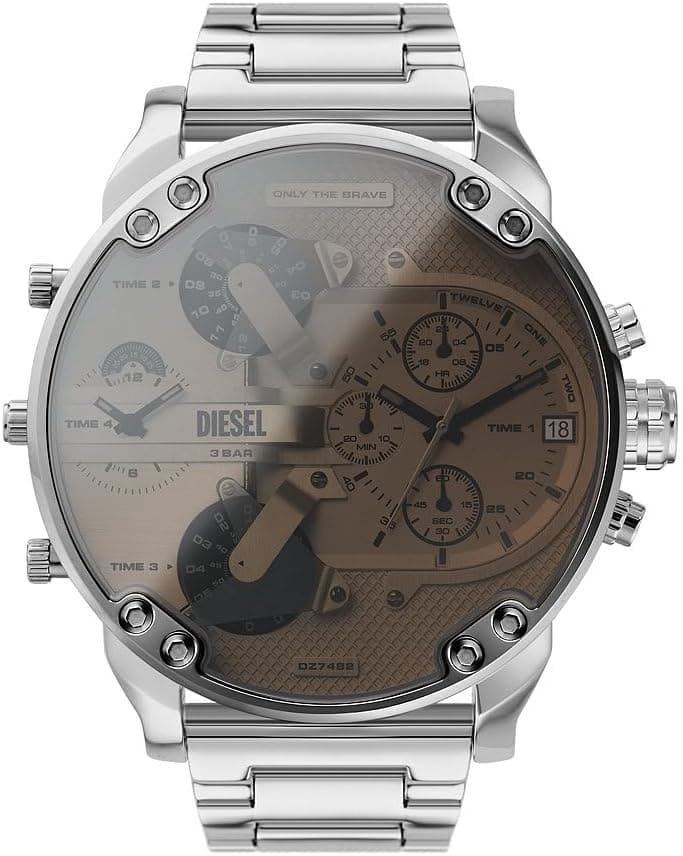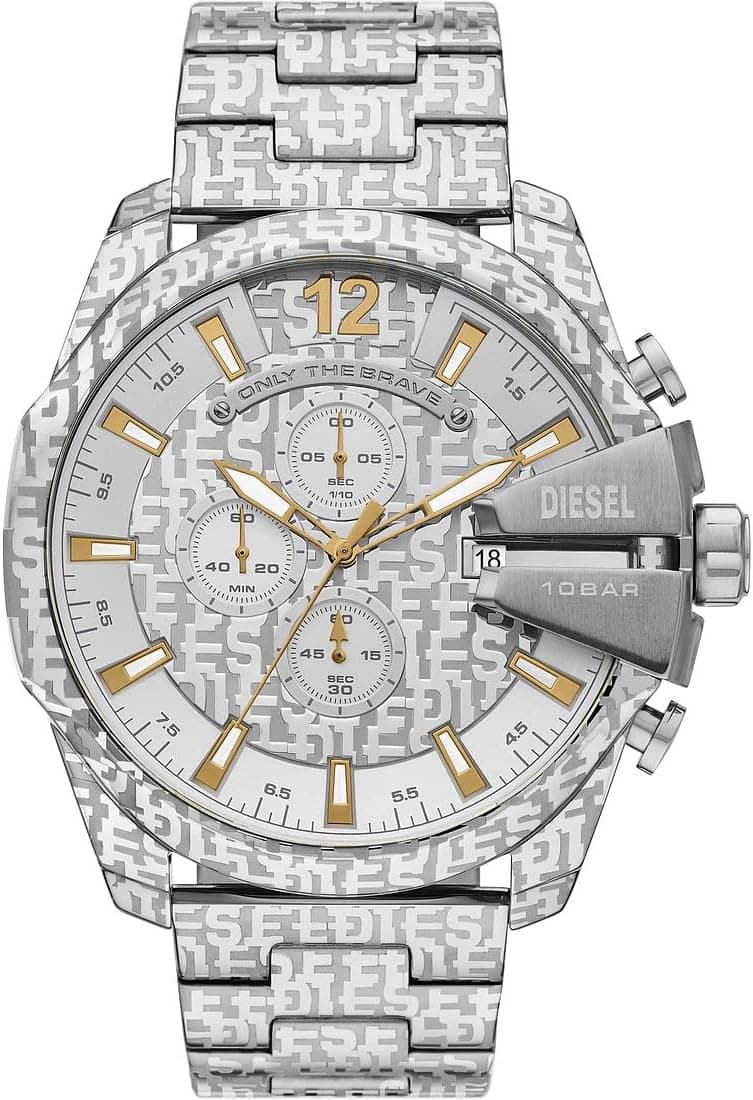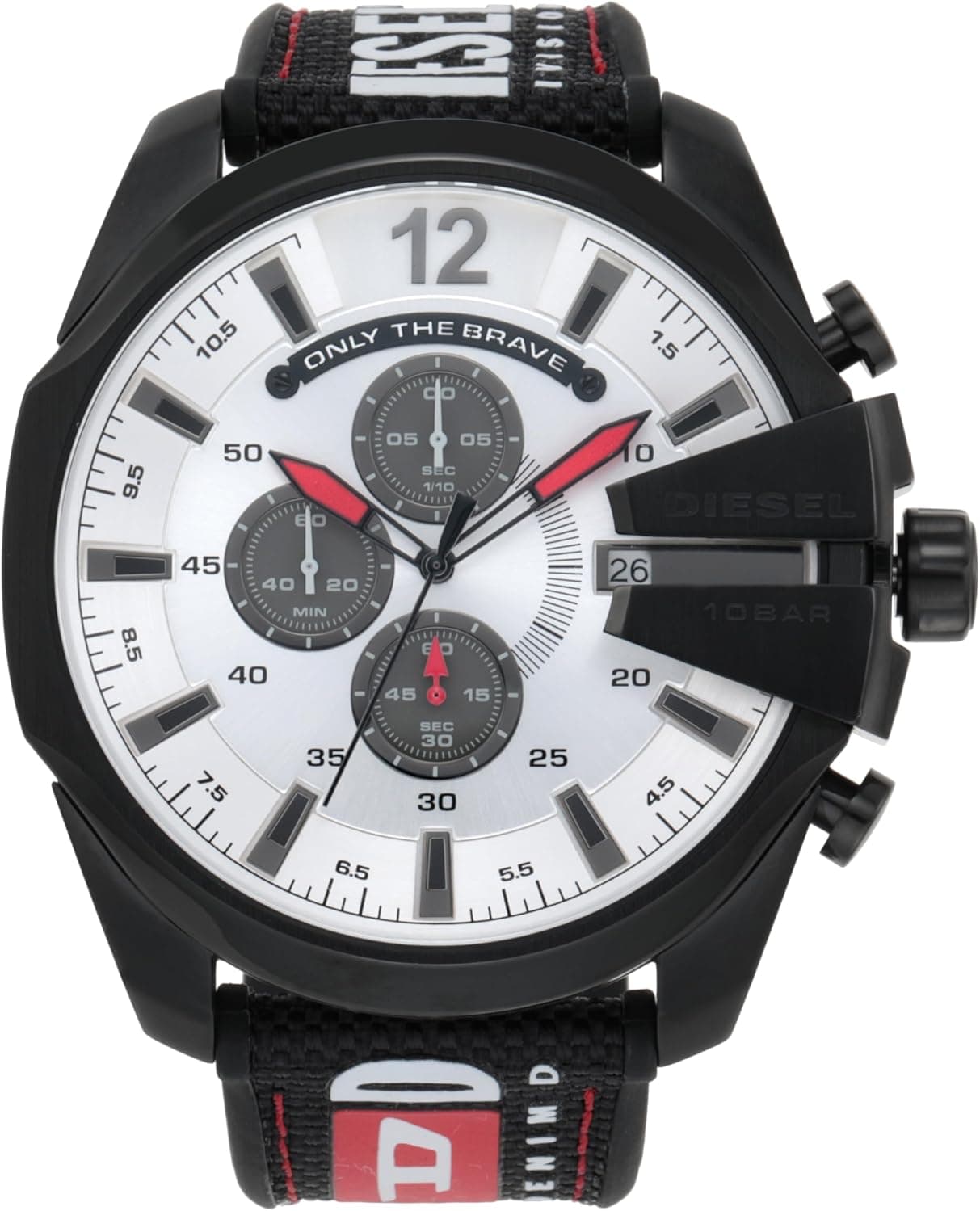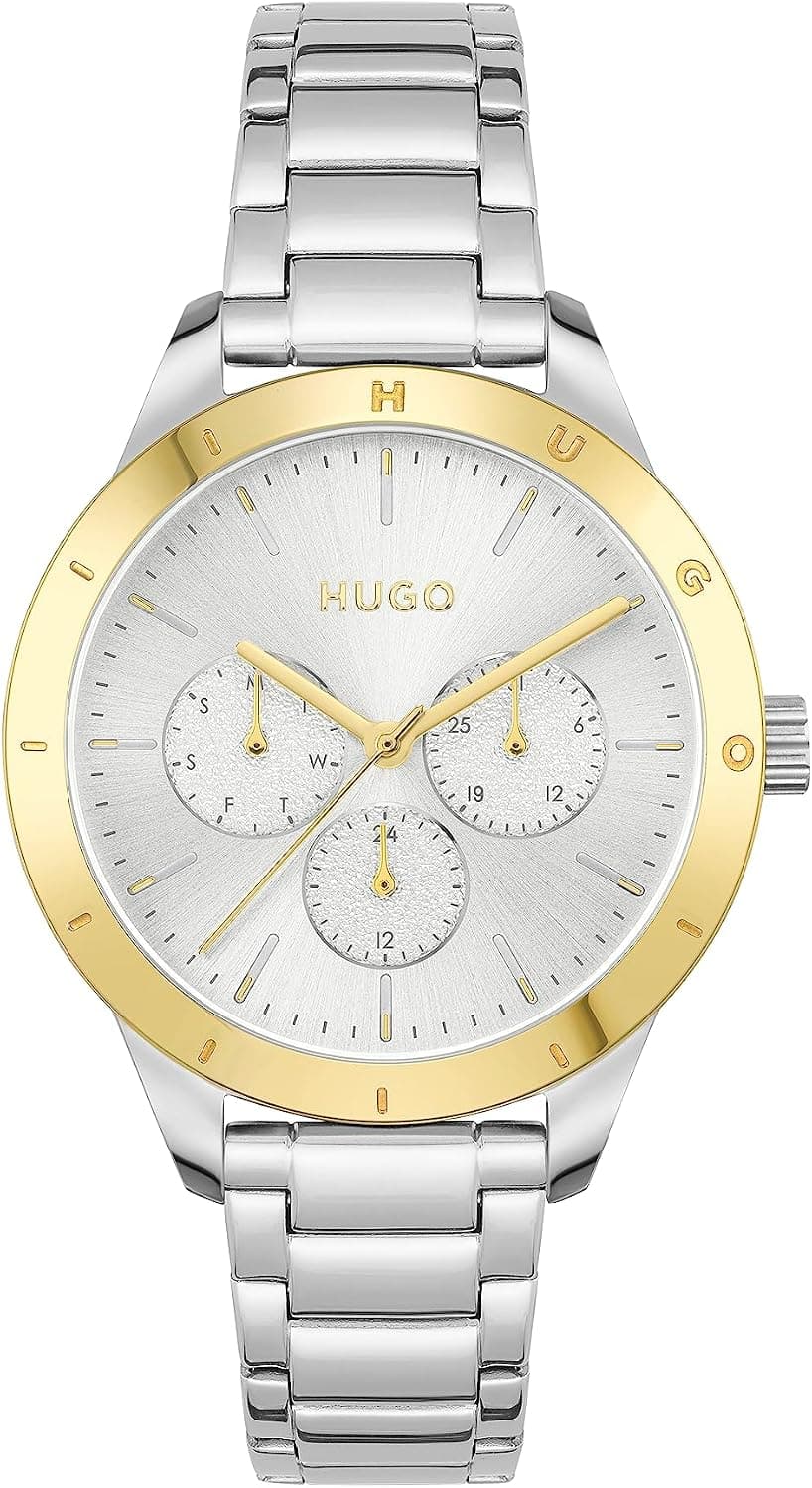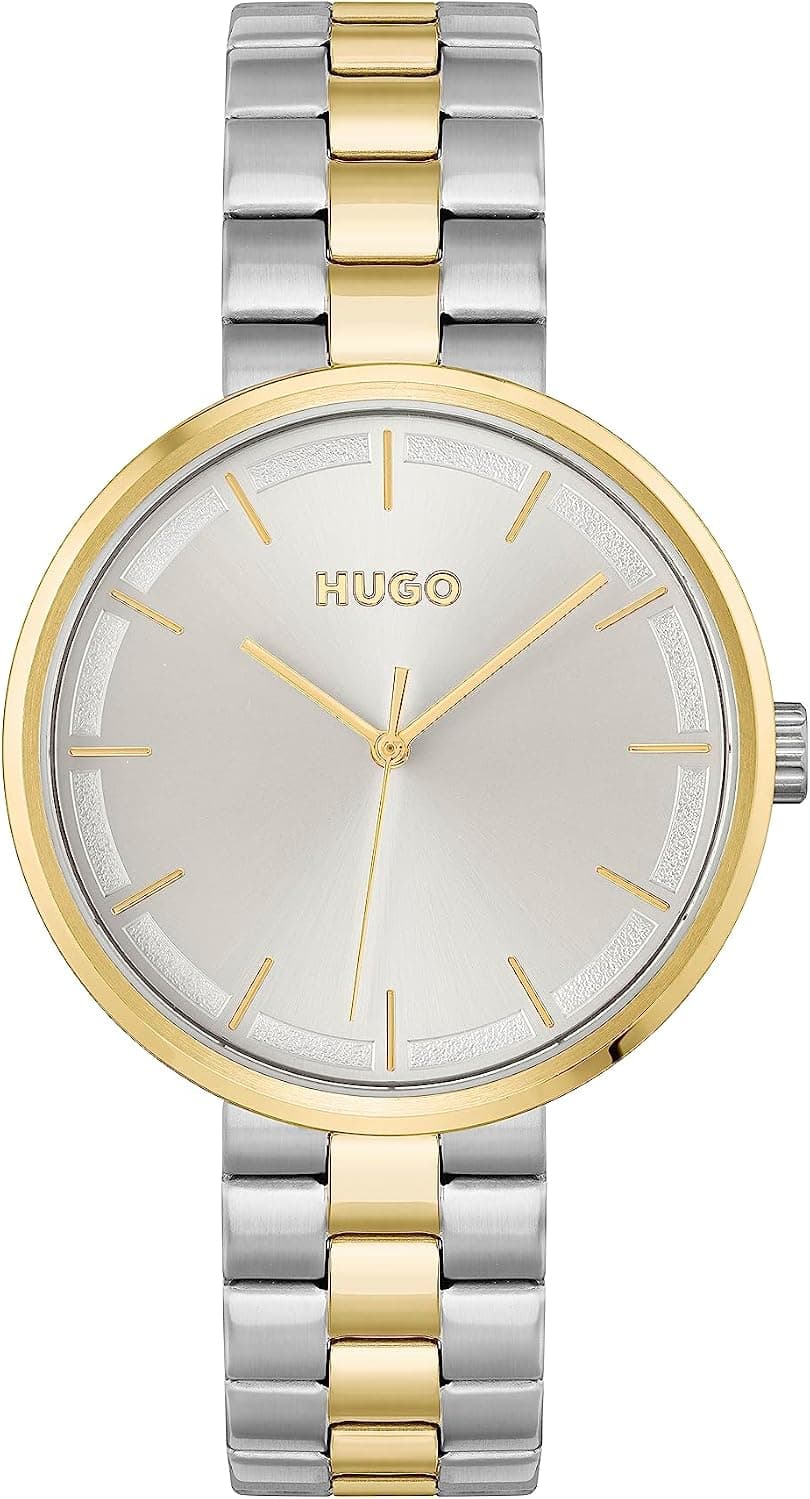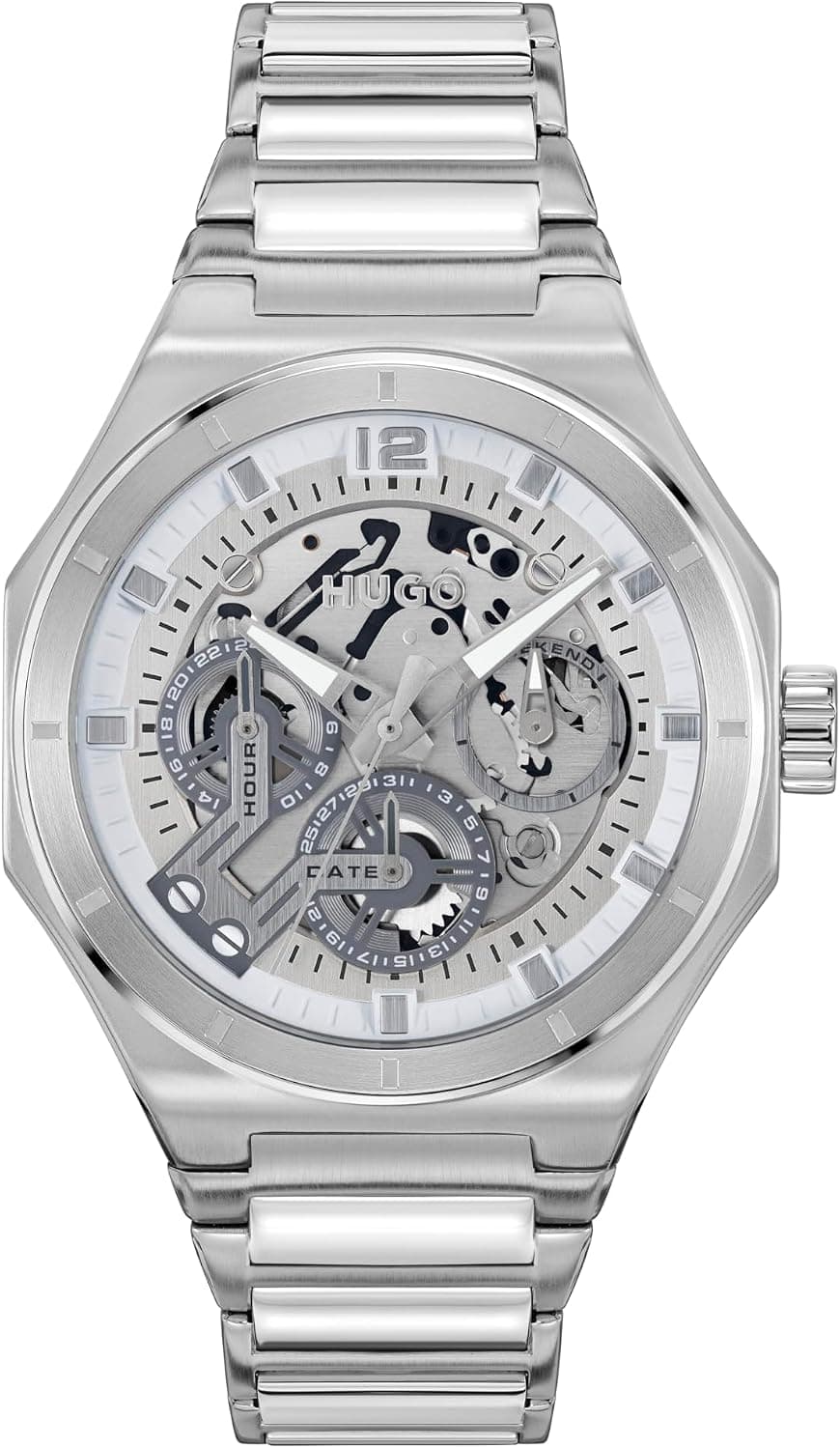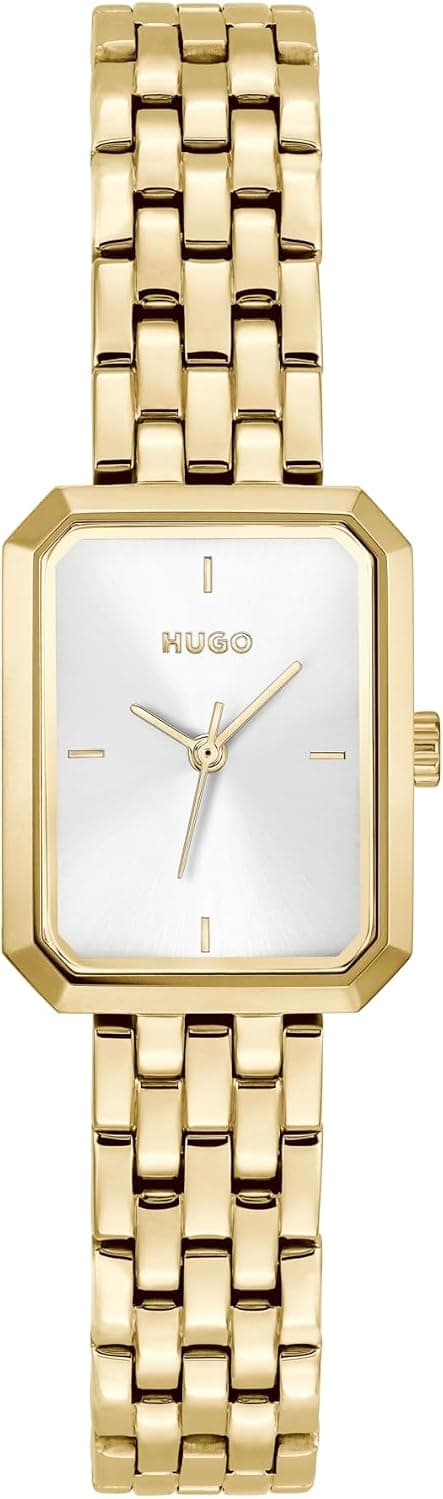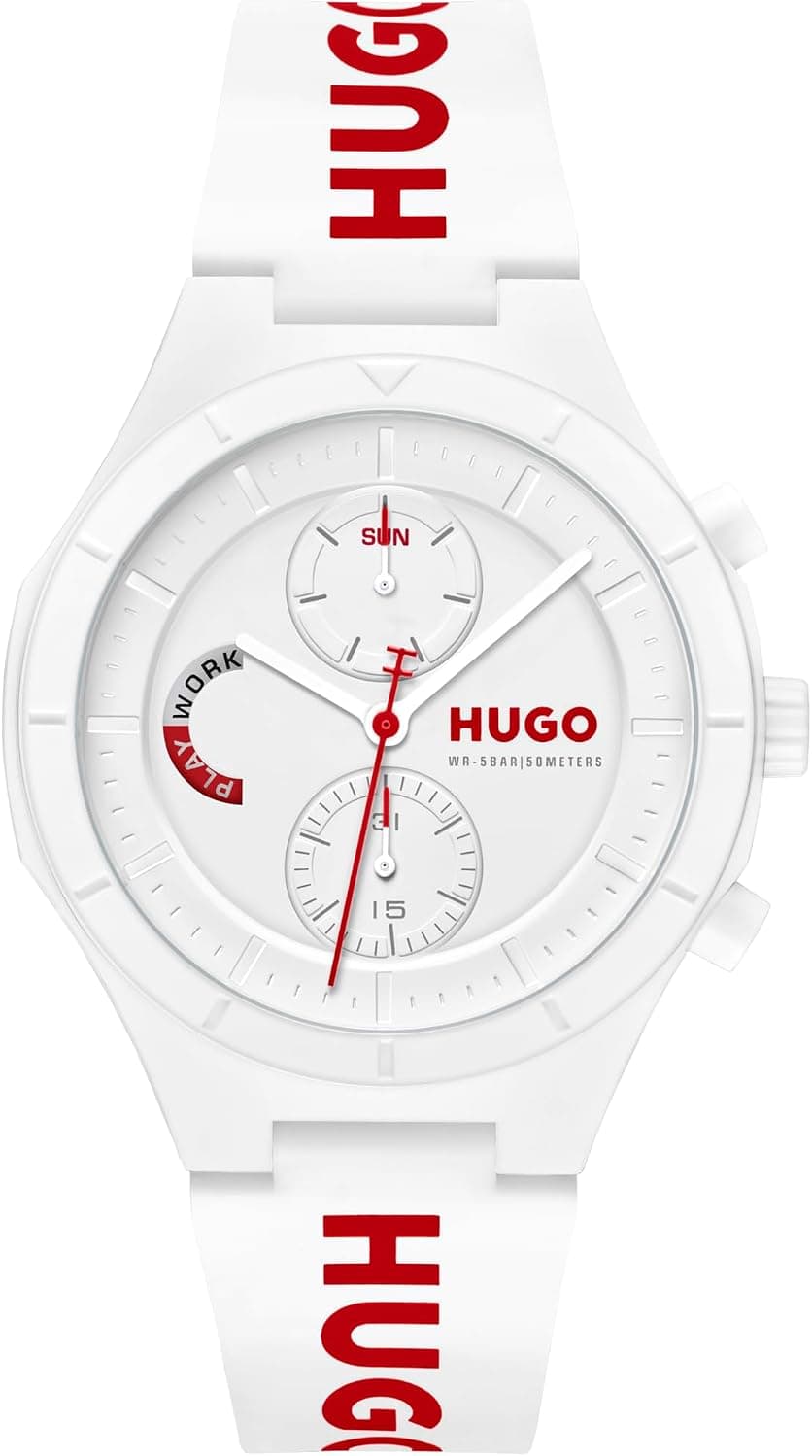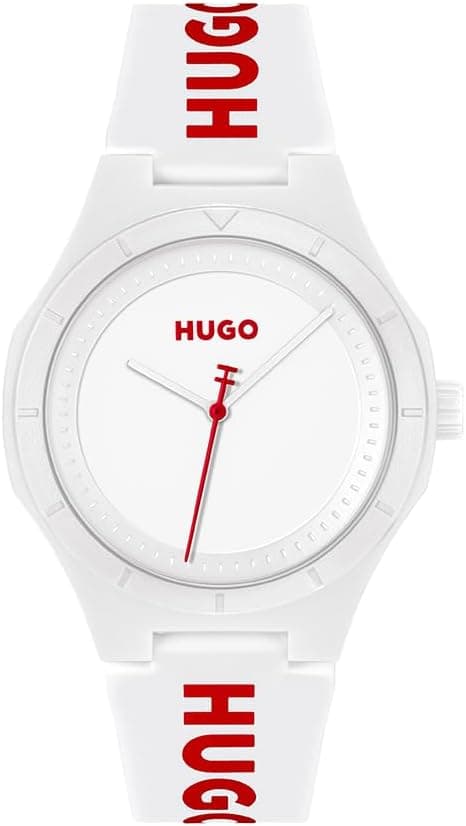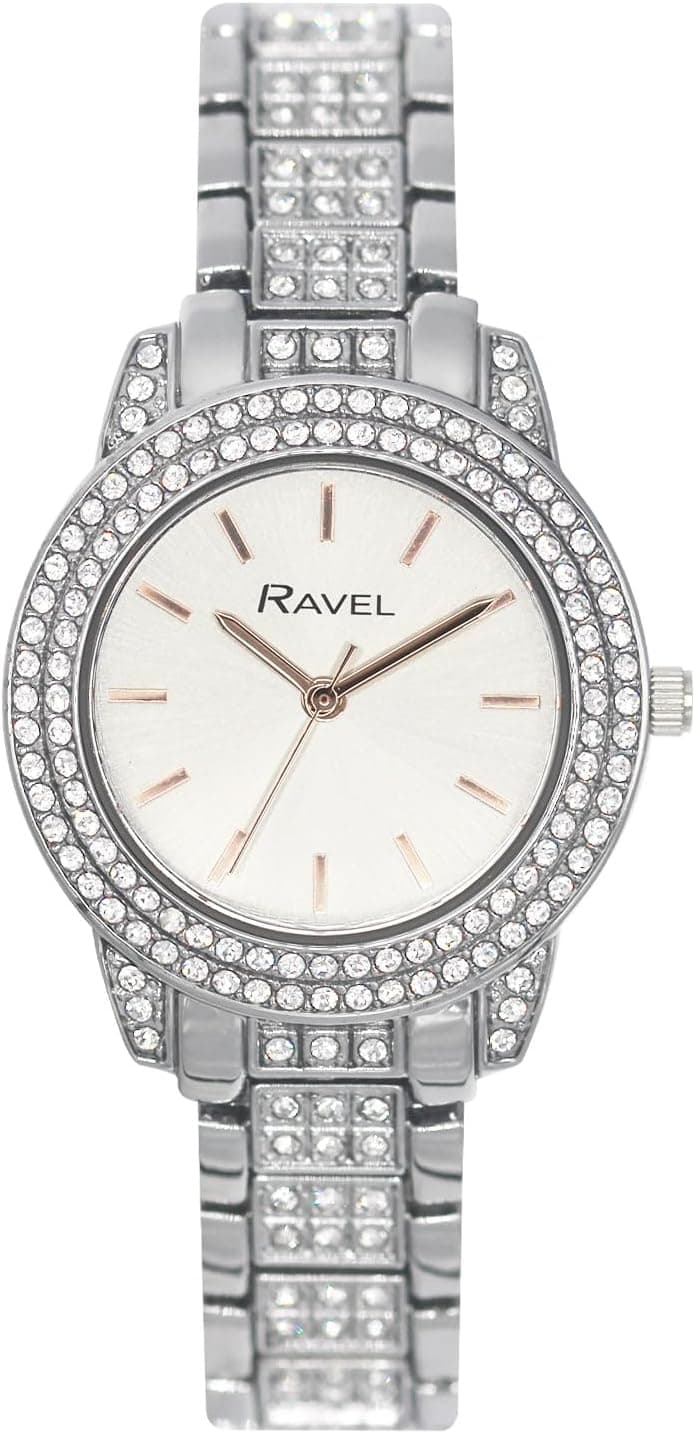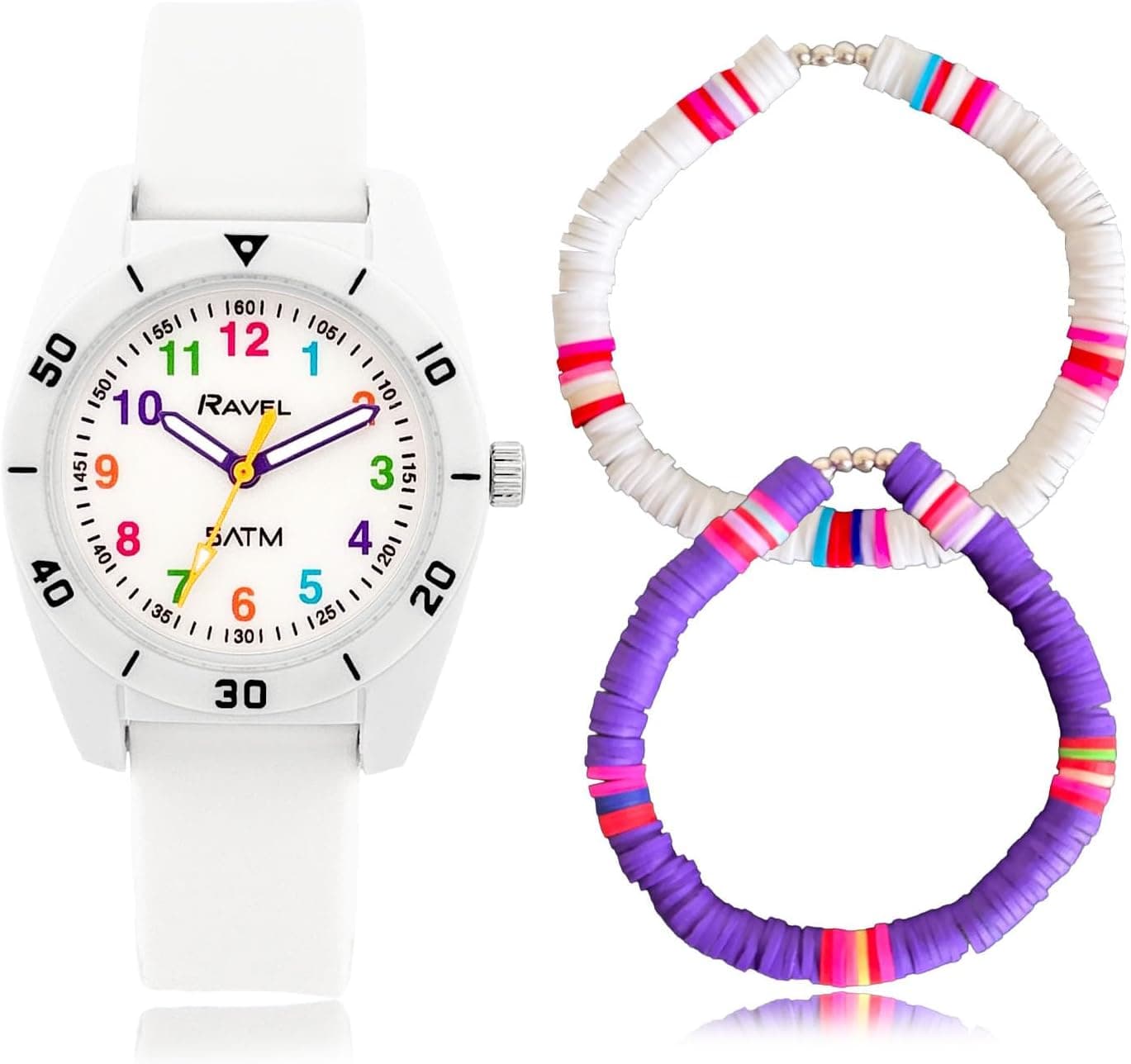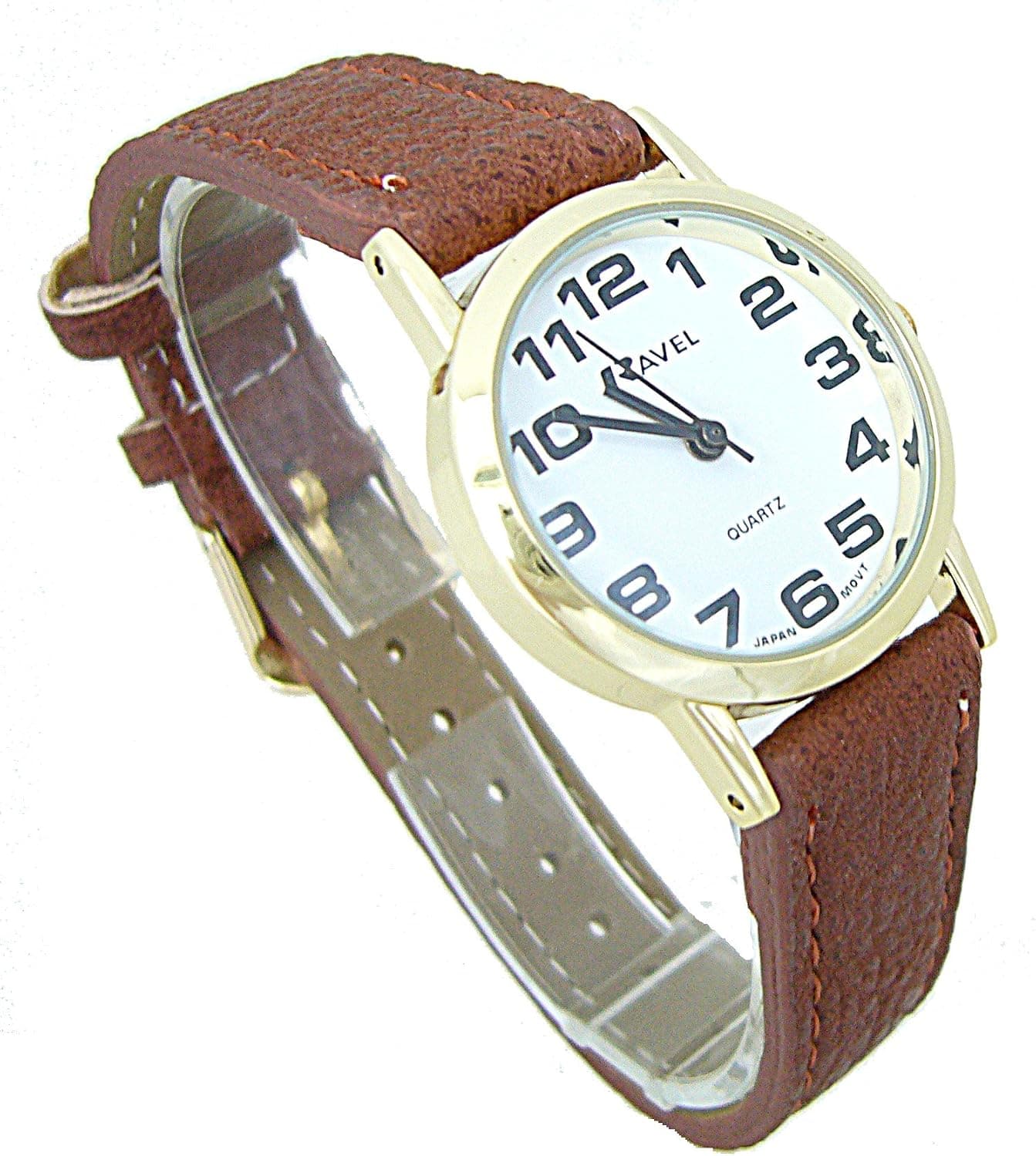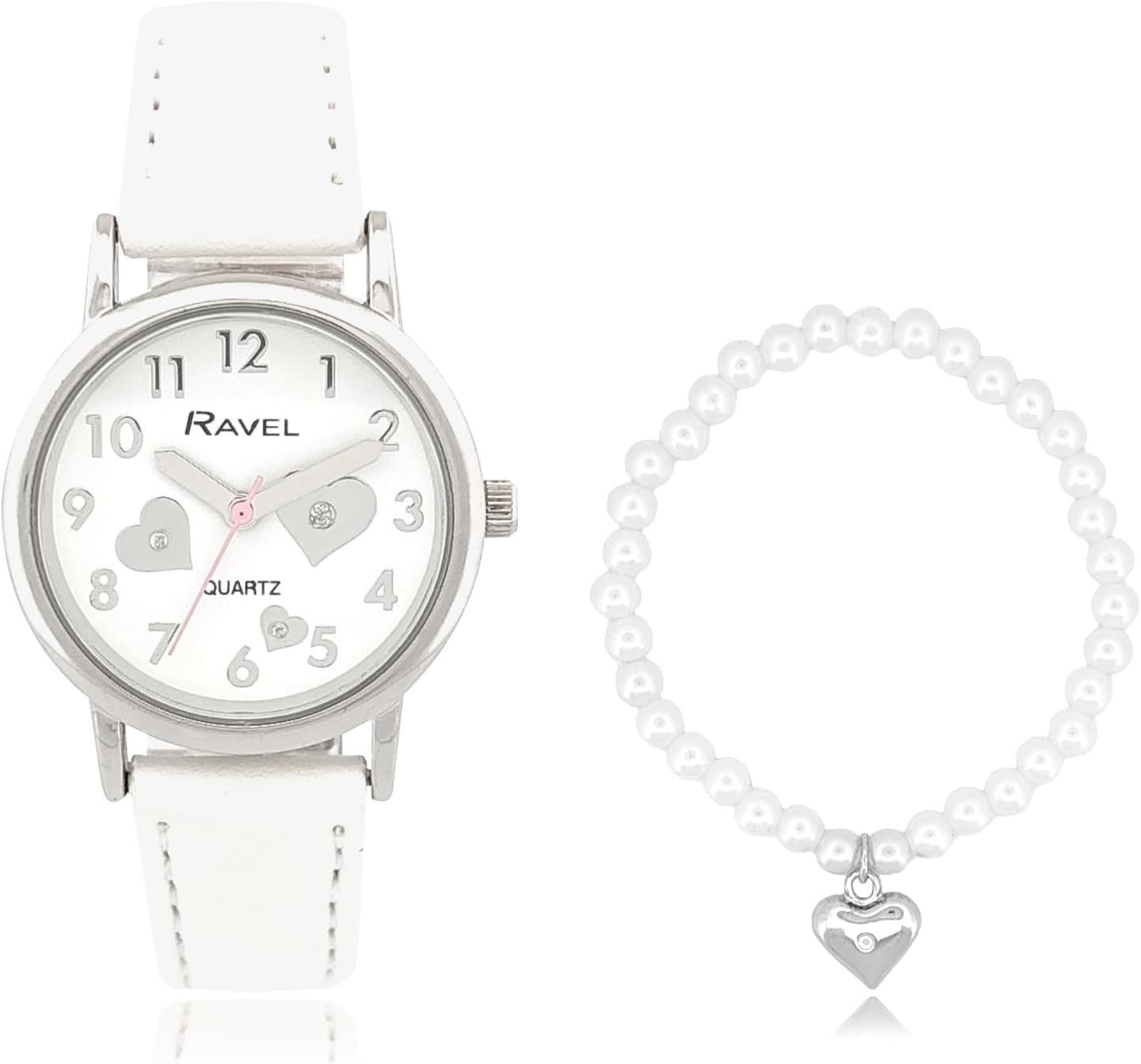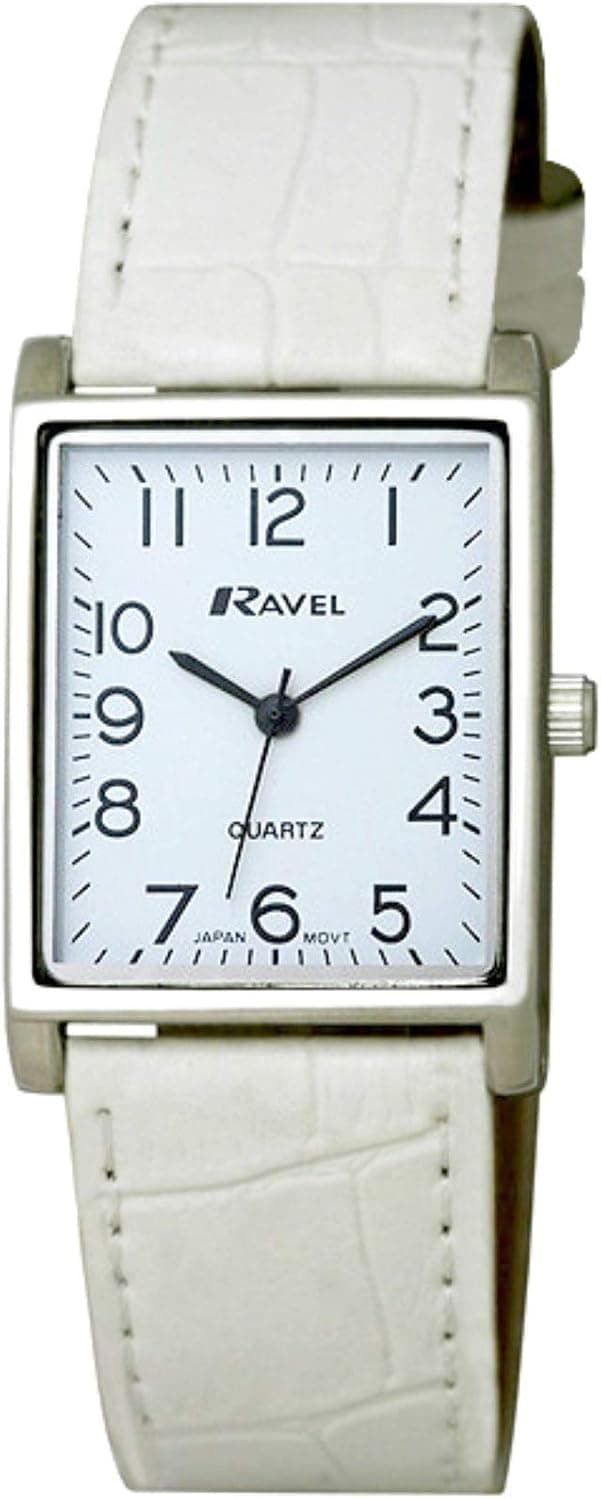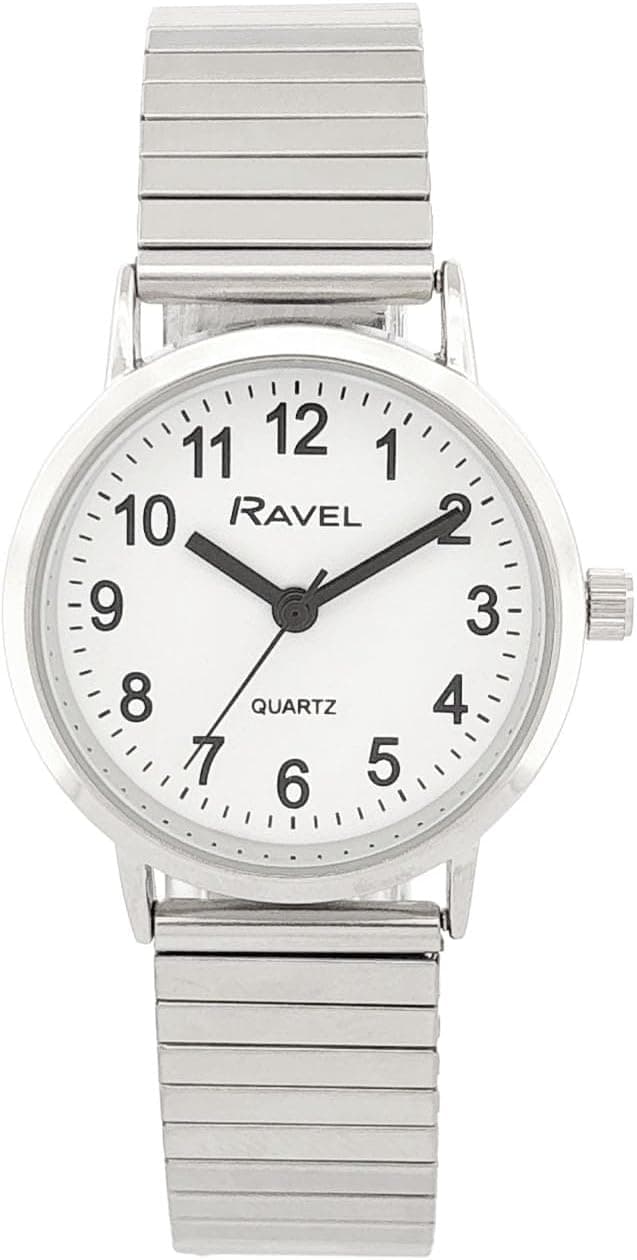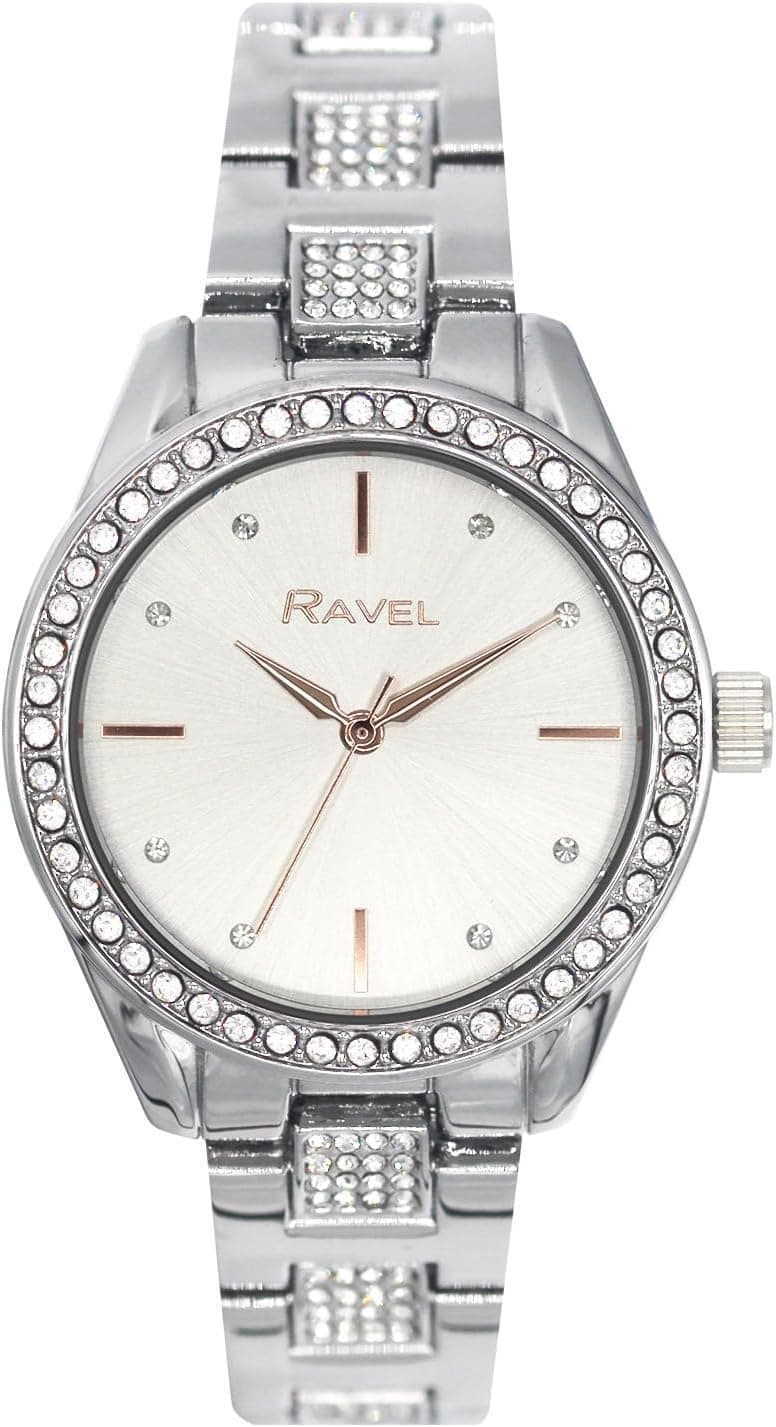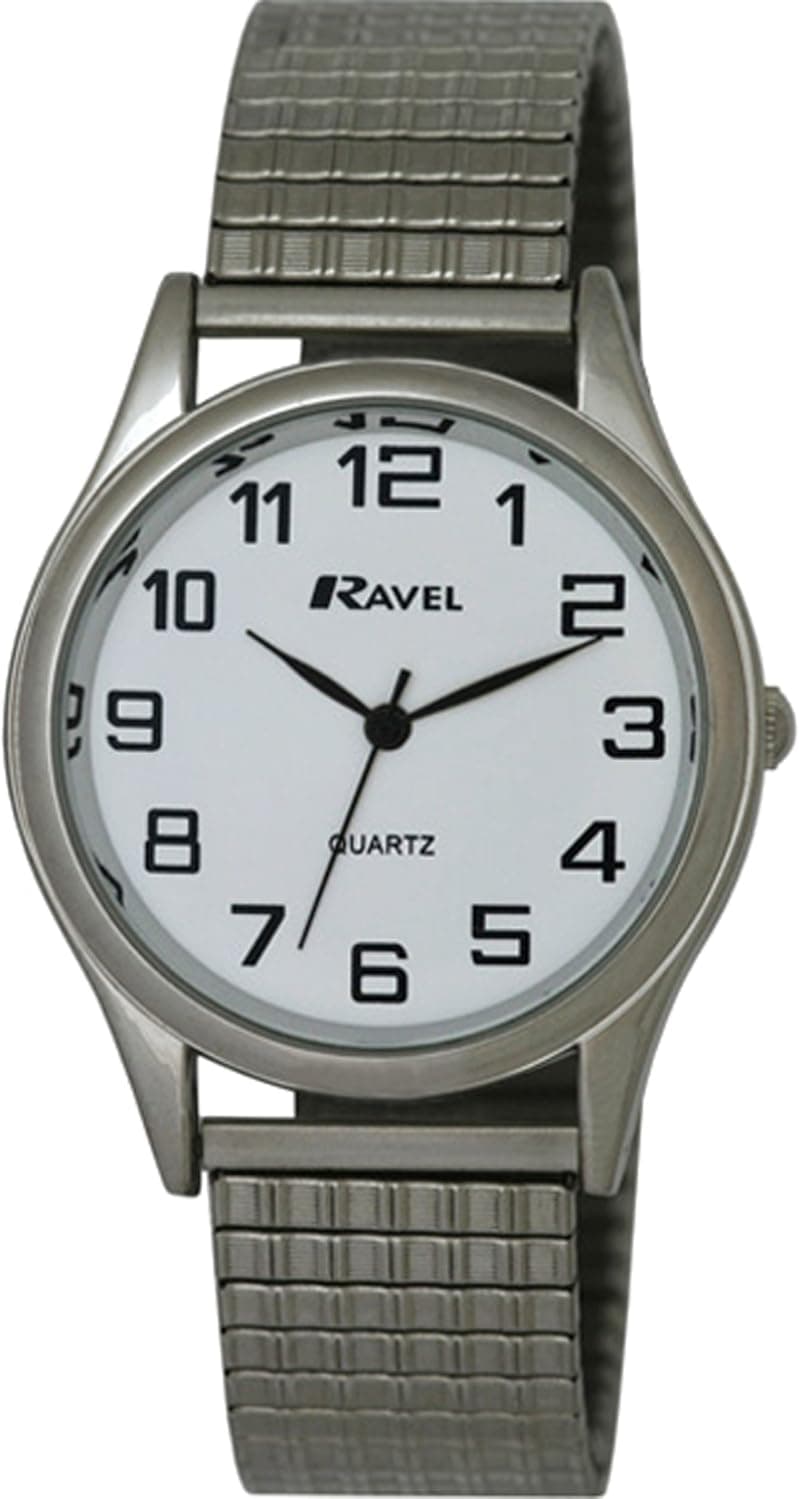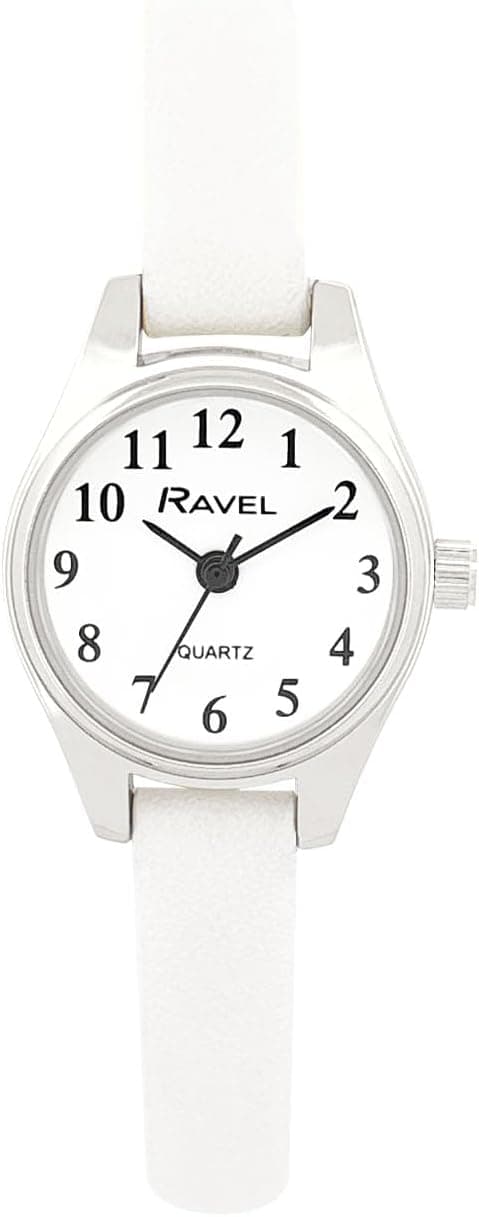
White / Silver looks like one colour until you put two examples side by side. A white dial, usually lacquered or matte, gives you pure, high-contrast legibility and a crisp, almost porcelain face. Silver is a different animal: depending on the light it reads creamy, warm, or cool metallic grey, with more depth than flat white. In the 1960s and 70s, silver was the clean but more refined alternative to plain white, and plenty of collectors still feel that printing on silver looks more expensive than gloss white. Opaline, the silky, fine-grained, low-gloss finish, is the third character that defines this axis on its own.
Real references make the nuance concrete. The Rolex Datejust 36 comes in both true white and silver, with current production running roughly £7,500 to £13,300 depending on metal and bracelet, and Rolex's white is a clean white with no ivory tint. Omega's 2024 white lacquered Speedmaster Moonwatch Professional sits around £7,300 on the bracelet and £7,800 on a strap. On the silver side, the Grand Seiko Snowflake SBGA211 is the standout: its snow-like texture is created by a special silver-plating process rather than paint, paired with a titanium case and Spring Drive 9R65 movement, from about £5,500. Cartier's silvered opaline dials and the opaline faces on Patek Philippe's Calatrava show how the high end uses this language.
When choosing, start with the surface. Lacquered white reads bright and sharp but shows fingerprints and reflections in daily wear. Silver and opaline can swallow the markers at low light angles, so try them under different lighting before committing. White / Silver pairs with almost any skin tone, strap, and outfit, which makes it a genuinely safe first luxury watch and an easy one-watch answer for someone who needs both office and black-tie coverage.
The sub-textures inside this category are where the value lives. A sunburst silver dial comes alive in the light, a matte or opaline face feels calmer and more vintage, and lacquer stays modern and legible. Note too that greyscale dials, silver and white alike, tend to price slightly below the black equivalents on the secondary market, which can make the right reference a smart, value-conscious entry point.