






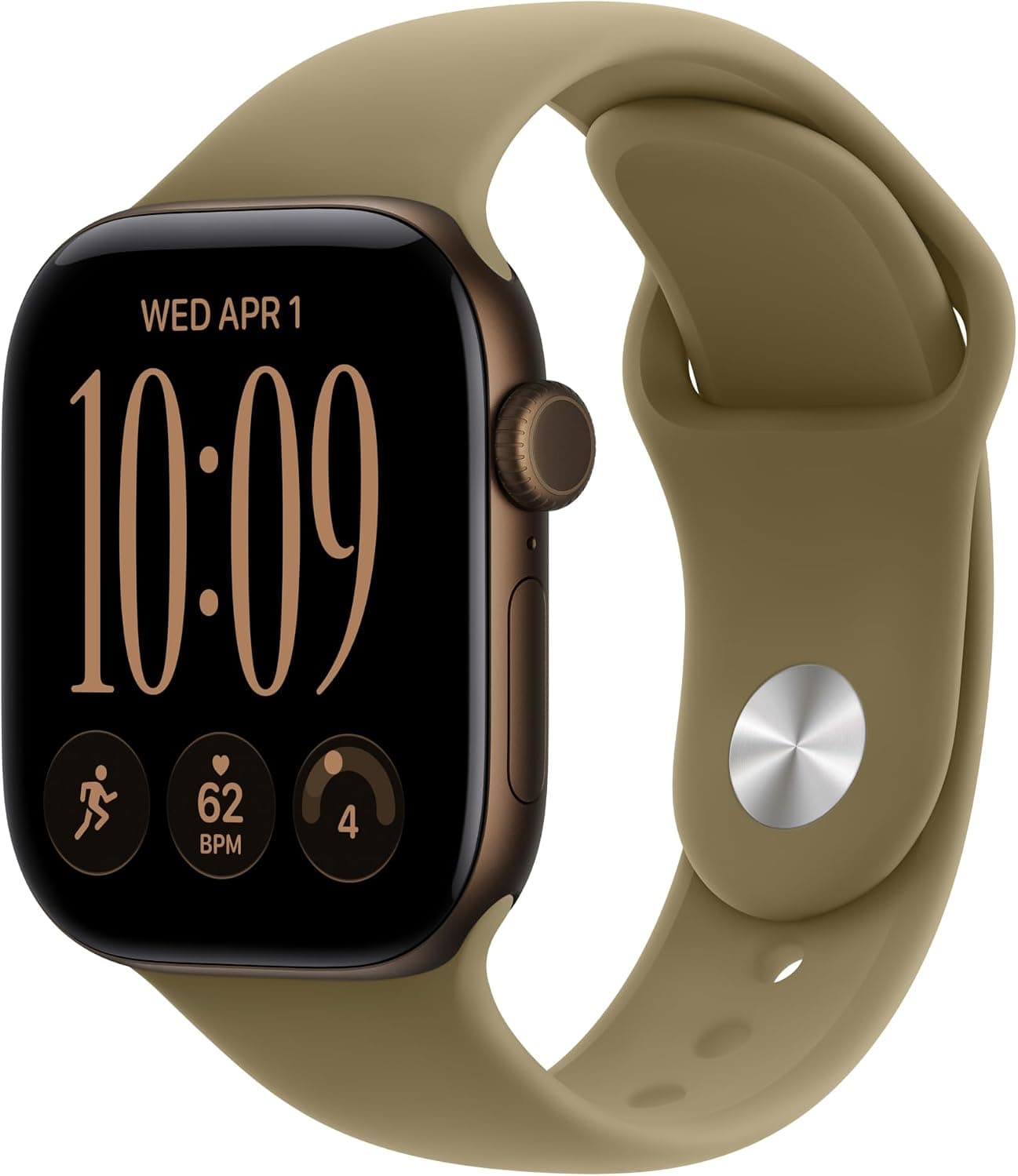
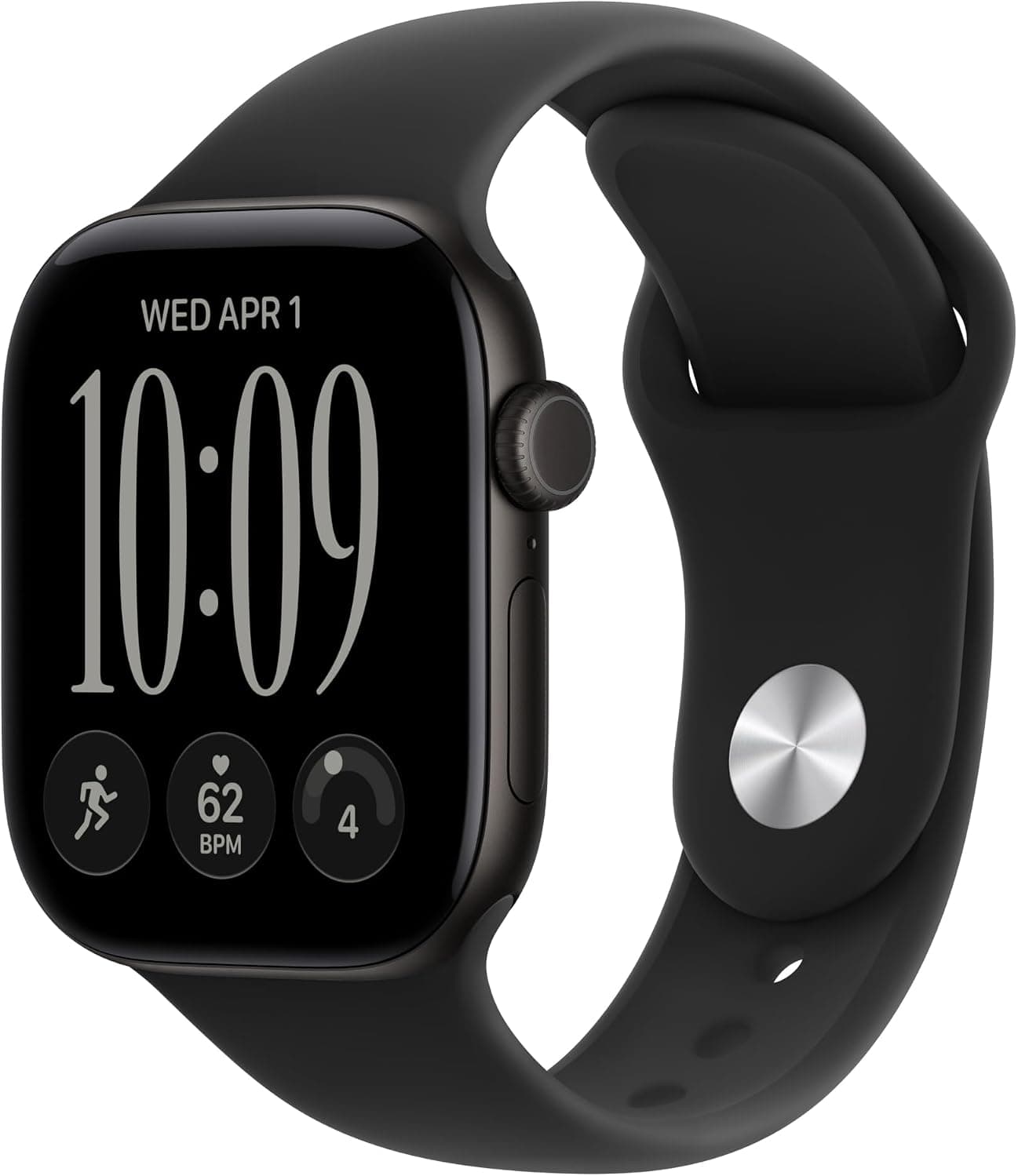
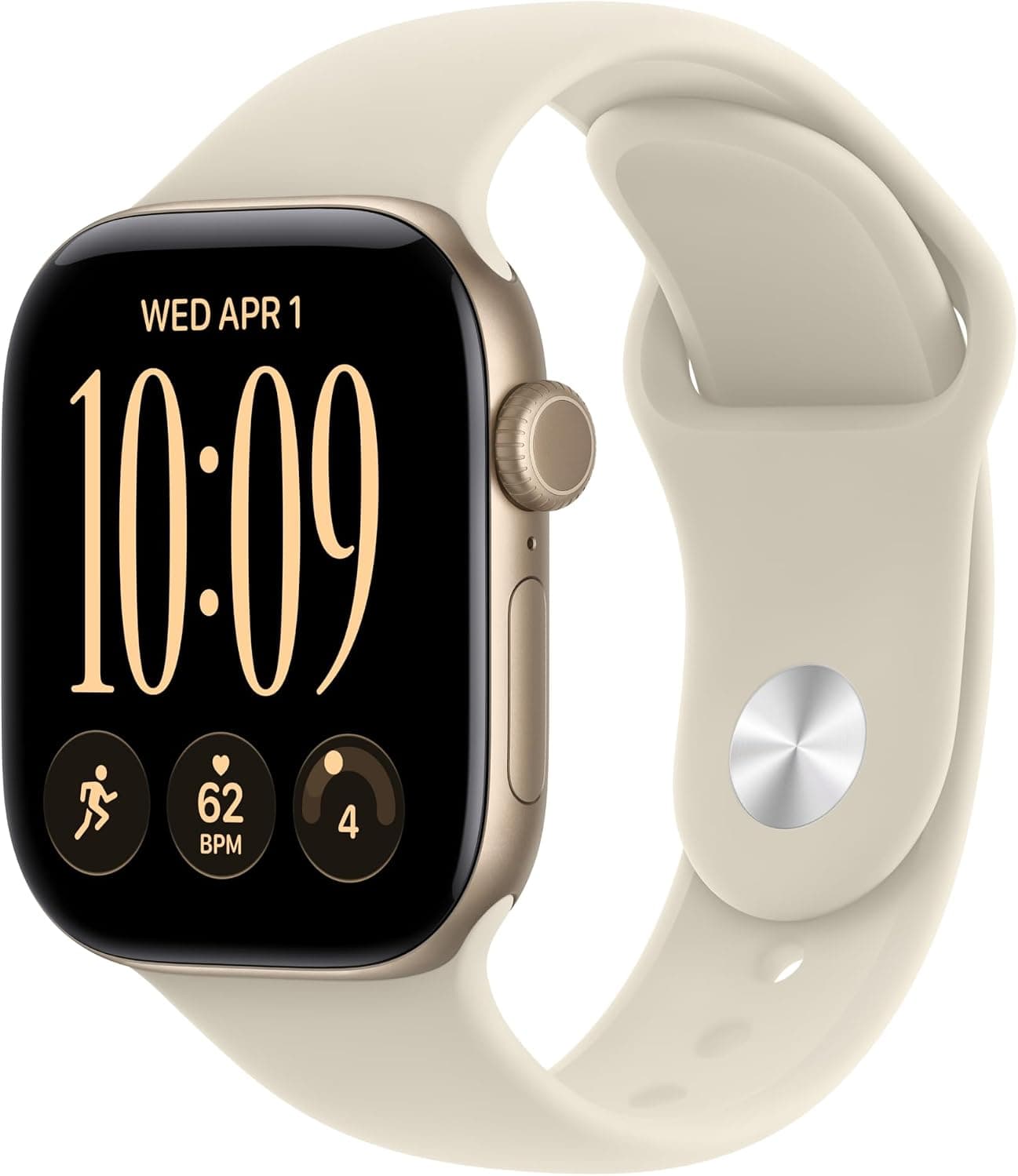

About Apple Watch
Apple Watch was first shown by Tim Cook on September 9, 2014, and reached buyers on April 24, 2015, developed at Apple Inc.'s campus in Cupertino, California. The first generation arrived in 38mm and 42mm, with a range that ran from the $349 aluminum Sport to an 18-karat gold Edition that opened at a frankly absurd $10,000. Apple abandoned that gold experiment quickly and reframed the watch less as a luxury object and more as a health and communication tool. Today it lives inside a closed watchOS ecosystem: it needs an iPhone to reach its full potential, which is both its greatest strength and the lock-in you should understand before buying.
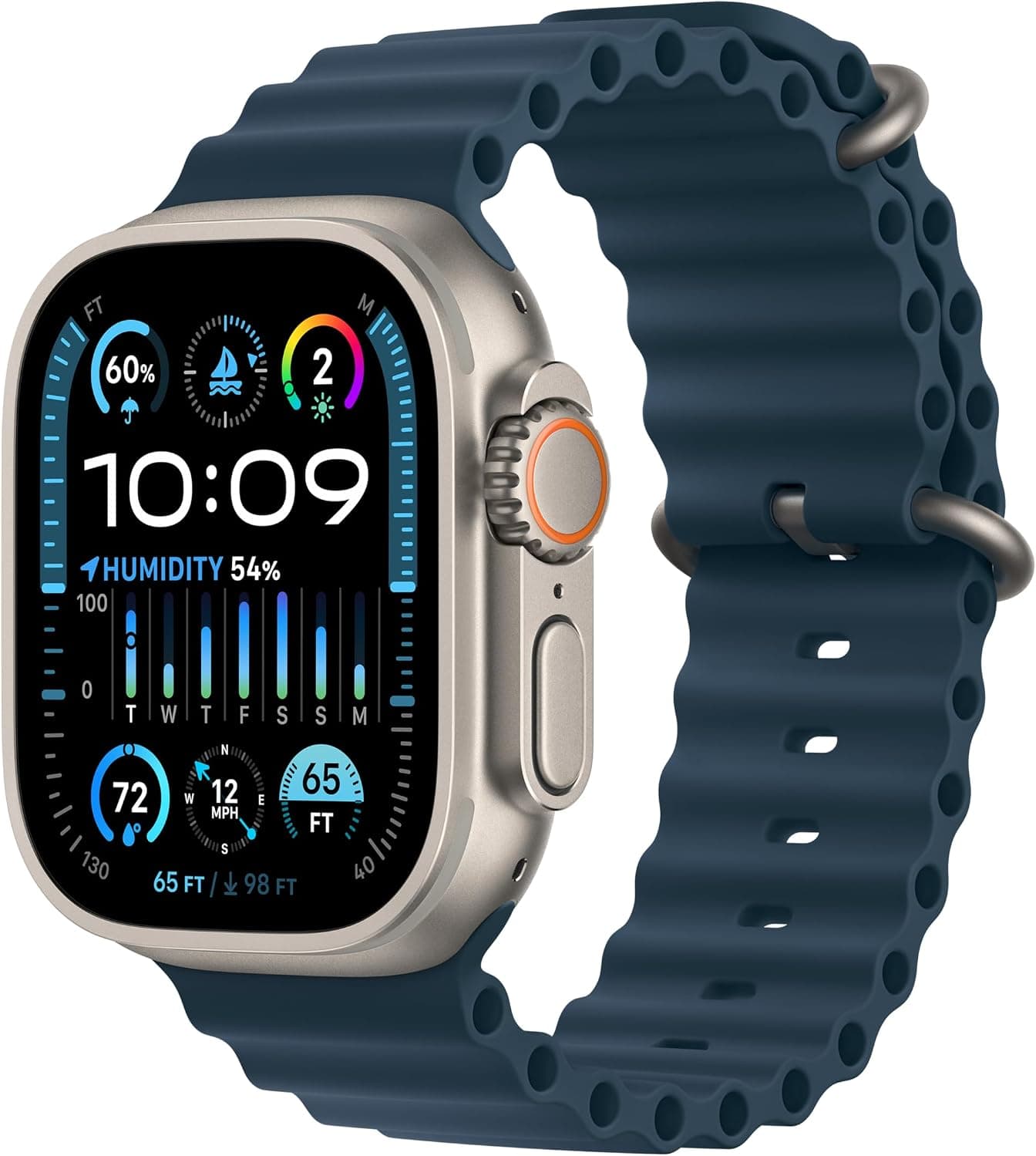
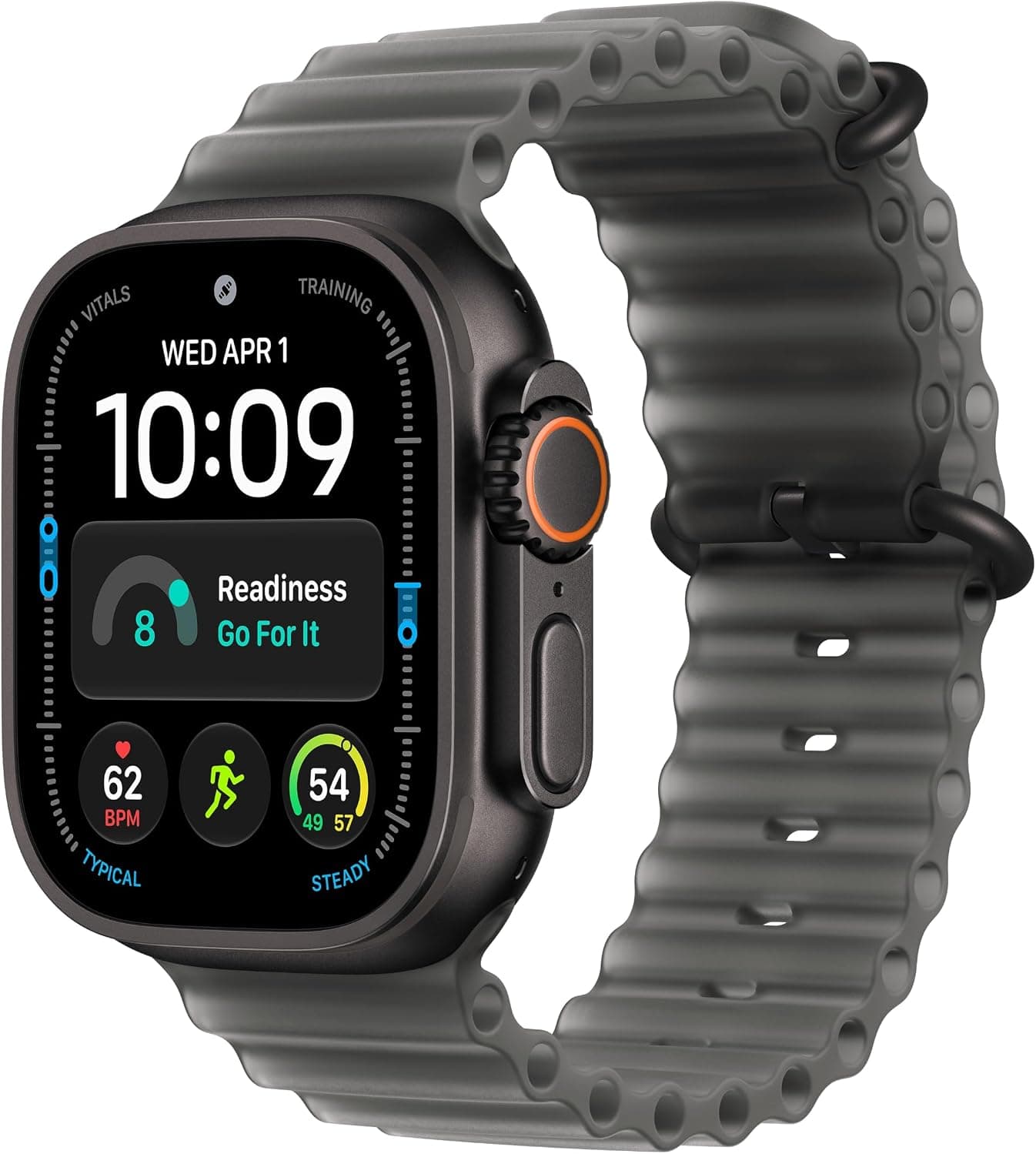
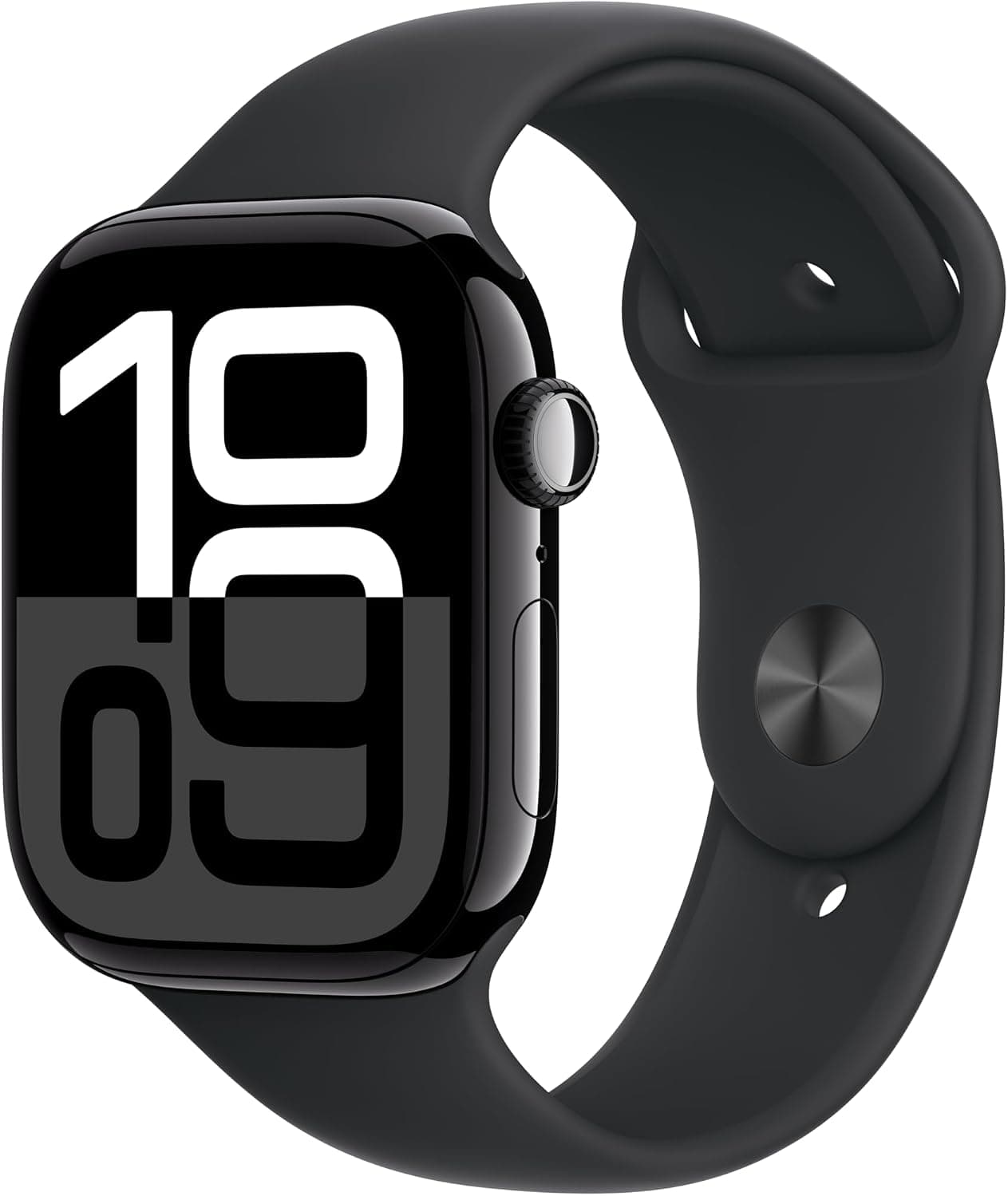
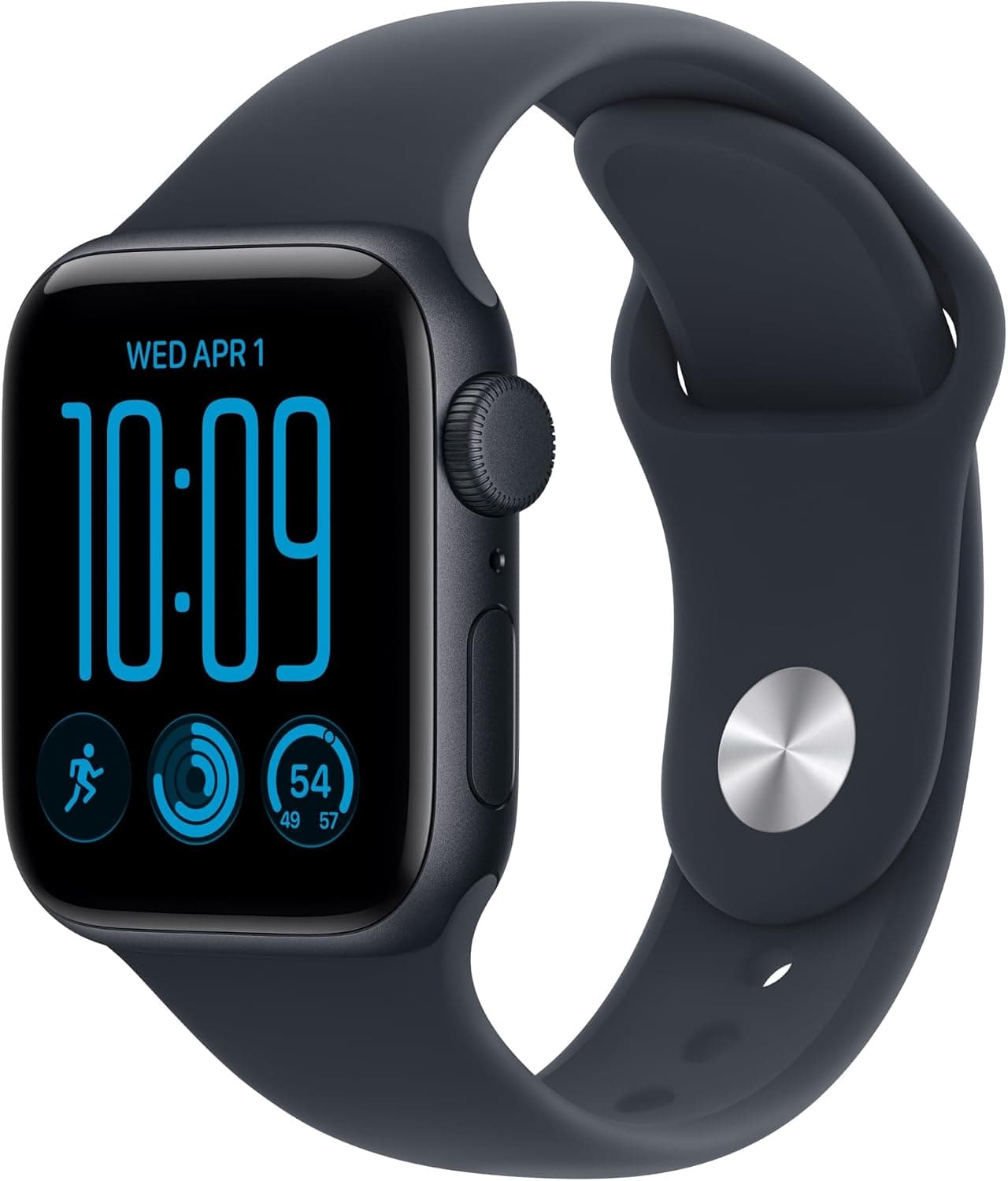
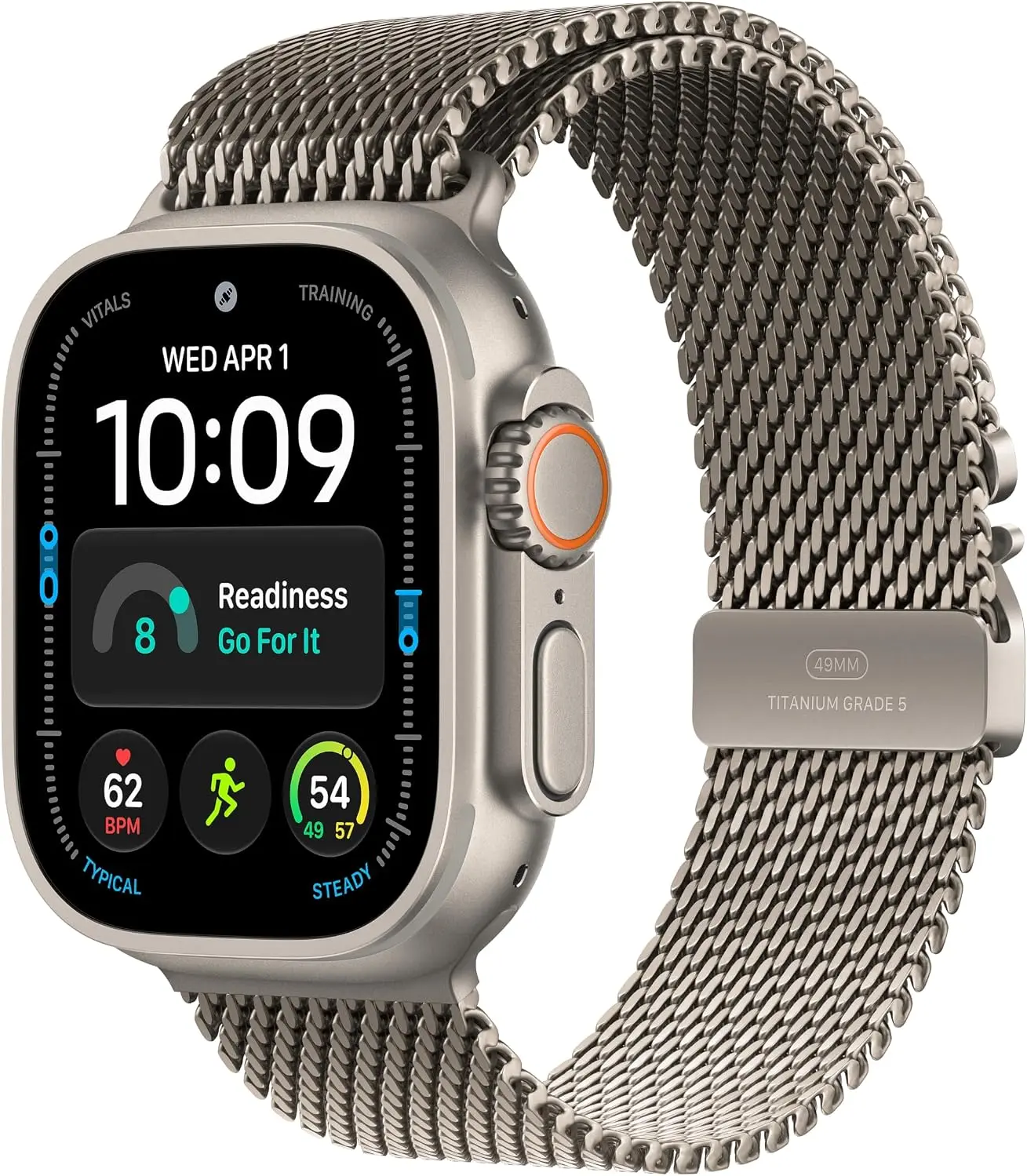
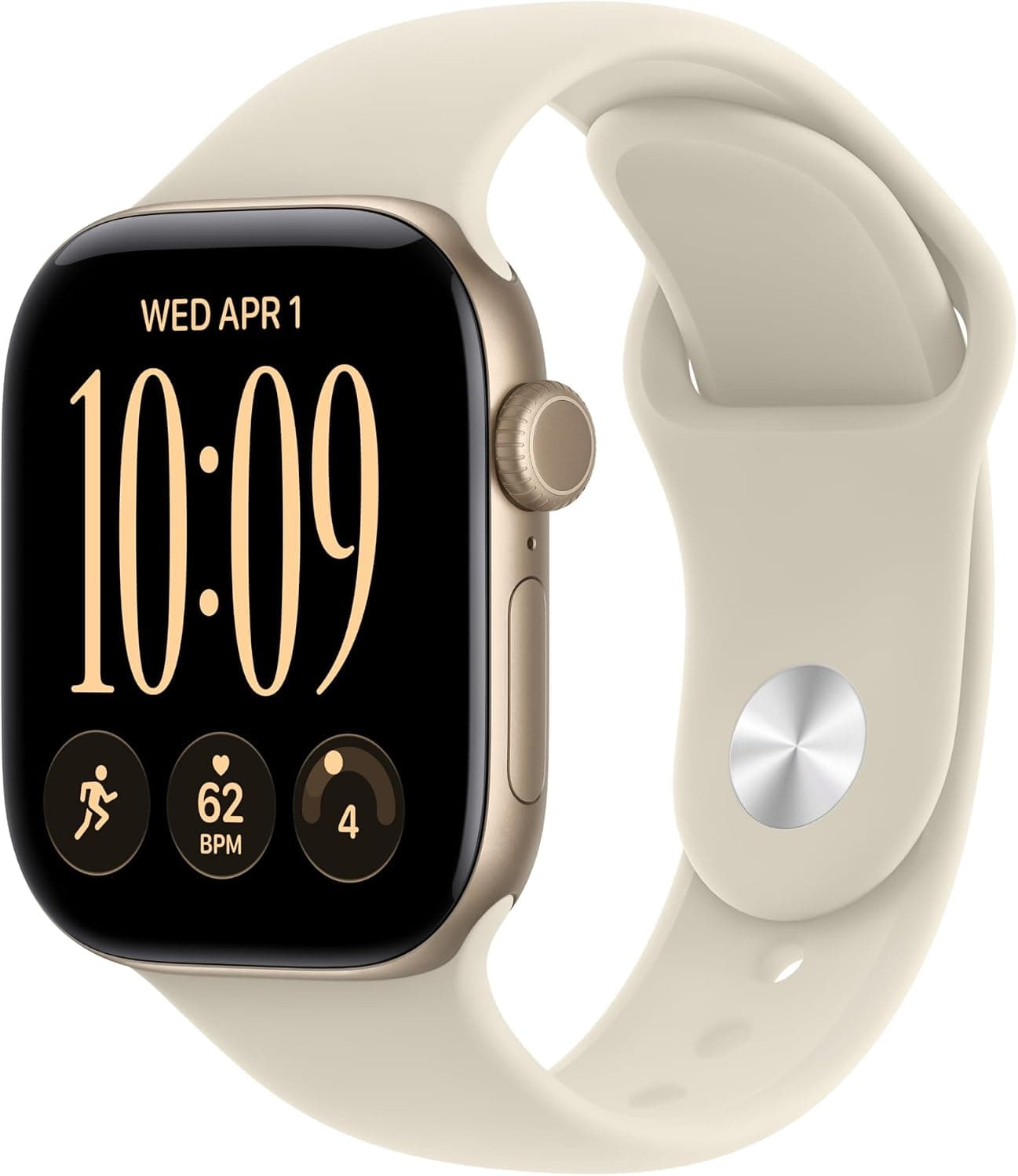
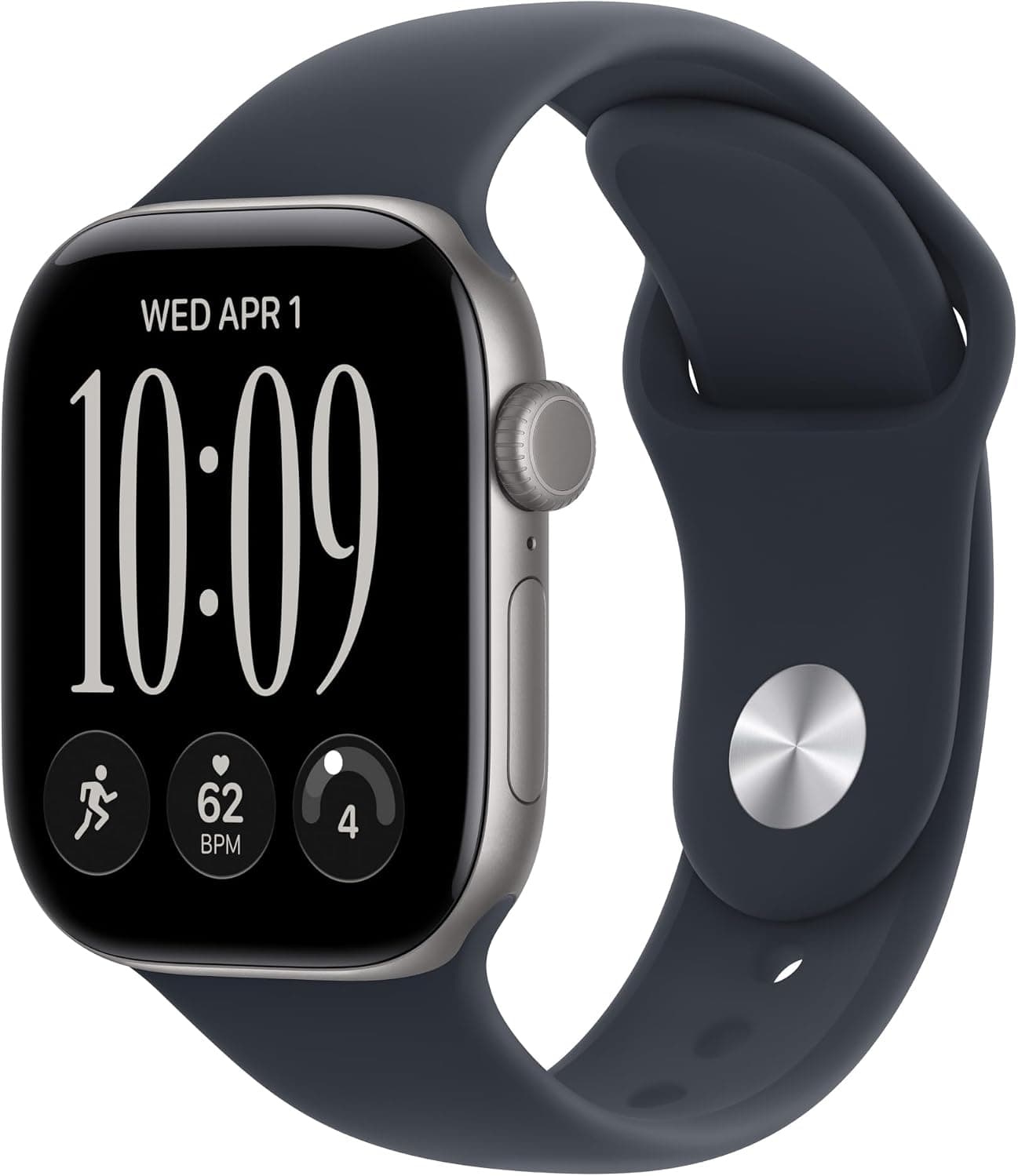
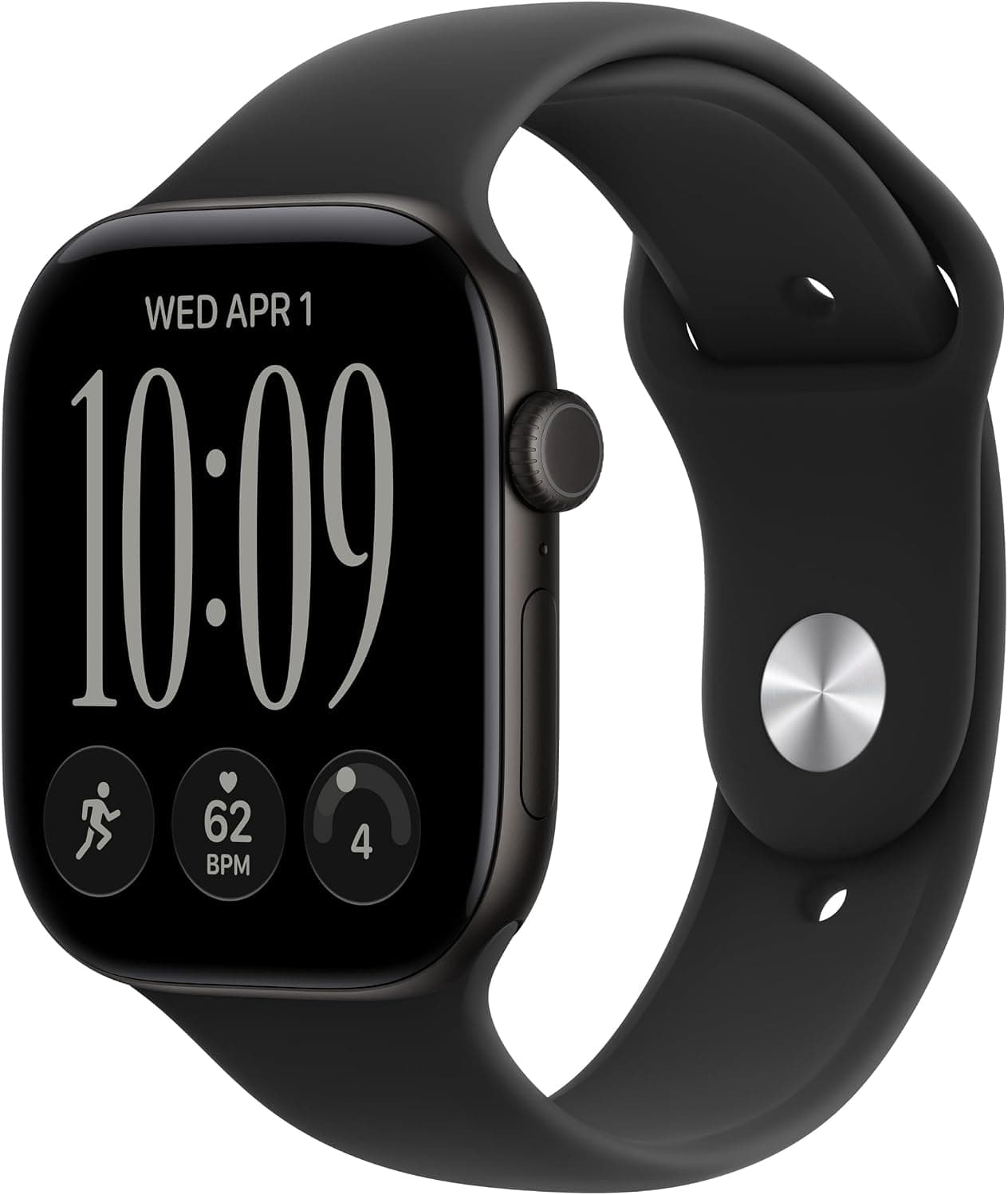
The current lineup was introduced on September 9, 2025, and splits into three clear tiers. The entry point is the SE 3 at $249: it runs the S10 chip, comes in 40mm and 44mm, and finally brings an always-on display to the SE line along with sleep apnea notifications, though it drops ECG and blood oxygen. In the middle sits Series 11, from $399 in aluminum, with the titanium version landing at $699 with 5G included. Series 11 carries the S10 chip, 42mm and 46mm cases, the electrical heart sensor for ECG, hypertension notifications, and up to 24 hours of battery. At the top, Ultra 3 starts at $799: a 49mm grade 5 titanium case, satellite messaging and Emergency SOS, 100m water resistance, EN13319 dive certification, and up to 72 hours in Low Power Mode.
Approaching an Apple Watch like a mechanical watch is a mistake worth naming. This is consumer electronics, not an asset that holds its value on the secondary market. Within two or three years, watchOS updates leave older generations behind and the battery degrades. The decision that actually matters is which tier matches how you'll use it. For most people Series 11 is the correct middle ground; if you want the full health suite without stretching the budget, the SE 3 is surprisingly complete. The audience that genuinely earns the Ultra 3 is narrow: divers, ultramarathoners, people who go off-grid.
On the used market, stay alert. A prior generation like the Series 10 can be found refurbished from around $280 and is still more than capable for daily wear, but check the battery health and confirm whether you're buying a GPS or cellular model before you commit. Cellular models need their own carrier plan and won't finish setup without a paired iPhone. Apple's position is clear: maybe not unbeatable on hardware alone, but the combination of software, sensor accuracy, and long-term support keeps it at the center of the category.