




About Bering
Bering's story begins in 2008, when René Kaerskov jumped from a helicopter over the North Pole and was struck by the clean, icy expanse below. That image gave Kaerskov and his partners, Michael Witt Johansen and Lars Gram-Skjønnemann, the idea for a watch brand as pure and uncluttered as the Arctic. The name honors Vitus Bering, the Danish-born navigator who crossed those northern waters in 1728 and lent his name to the Bering Strait. The first Classic collection arrived in 2010 and set the house template: minimal dials, slim cases, honest materials.
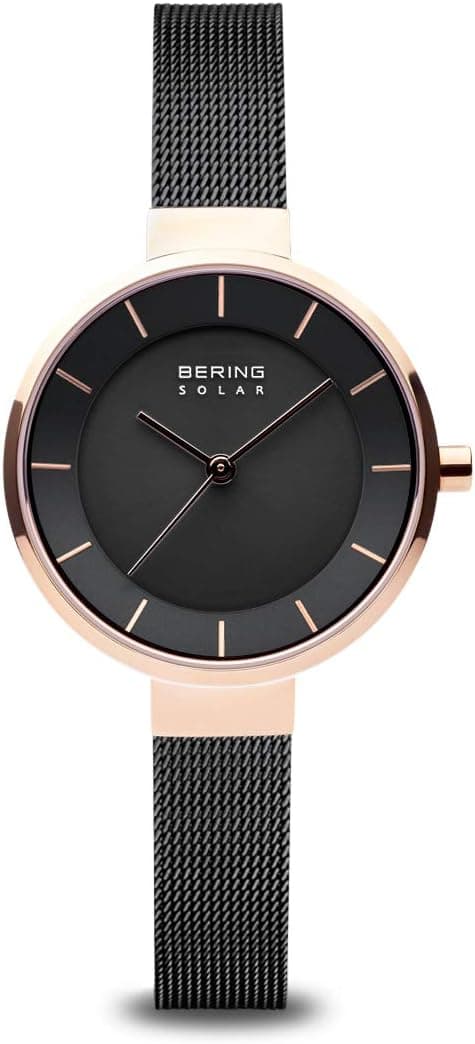
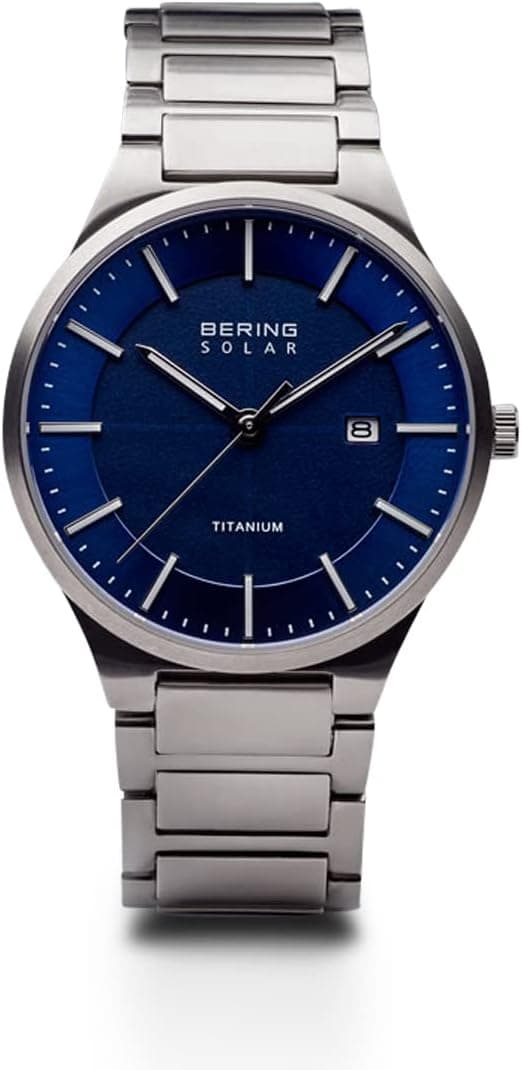
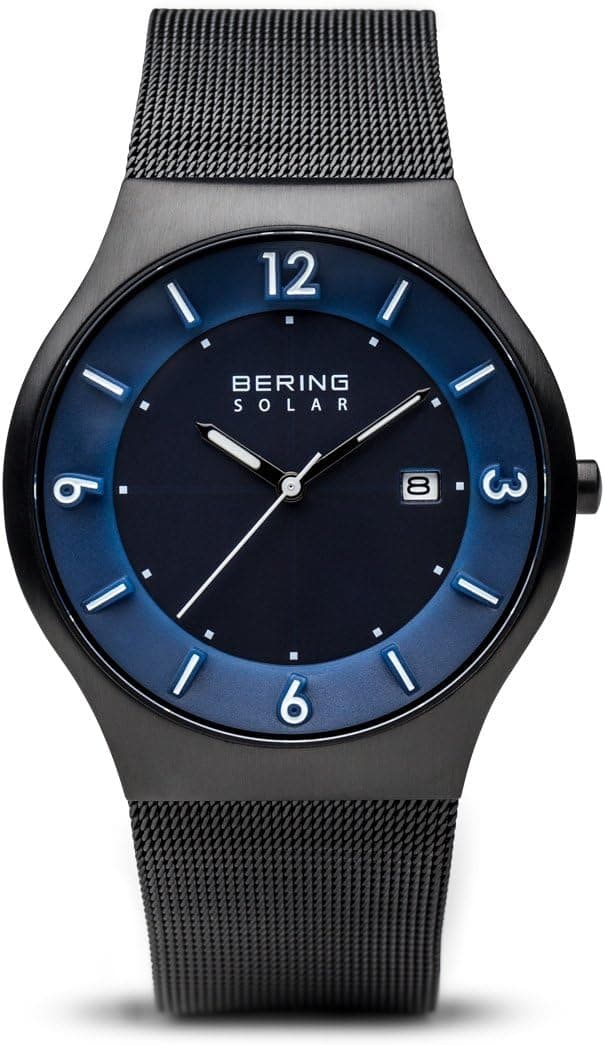
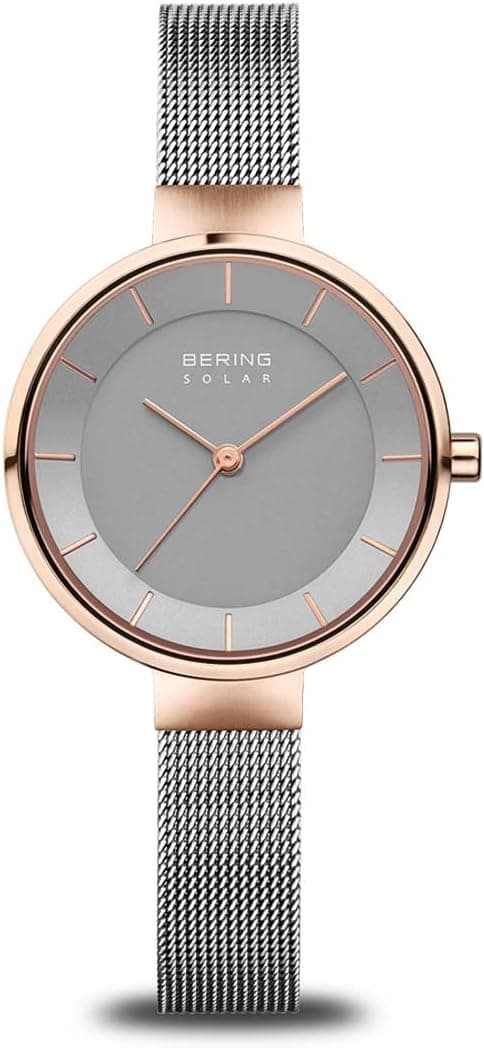
The collections separate cleanly by price and character. The Classic line is the entry point: stainless steel cases, sapphire crystal and Japanese quartz, with ref 10141-402 starting around $119, references like 14240-303 sitting near $199, and the top Classic pieces such as 18940-732 reaching $289. The Solar line is the smartest thing Bering does: a solar cell beneath the dial charges the battery, and a full charge runs for six to twelve months even in darkness. Ref 14440-227 lands around $239, while titanium ref 15239-779 sits near $289. The Ceramic collection uses scratch-resistant, hypoallergenic high-tech ceramic and holds between $199 and $239.
It helps to look at Bering with clear eyes. This is not a brand claiming an in-house caliber or hand-finishing, so don't expect it to hold value on the secondary market: the price drops below retail and stays there. That's fine, because that's not why you buy one. When the battery dies, any watchmaker can handle a standard quartz service, and the solar models spare you battery worries for years. When buying, confirm the crystal is sapphire, check whether the case is titanium or steel, and test the clasp on the mesh bracelet for play.
The right way to position modern Bering is this: an honest choice for the person who wants a slim, light, low-maintenance watch to wear daily. If it's your first Bering, buy a Solar model, because that's where the brand does its best work, blending genuine convenience with its core design. It won't stand in for a luxury watch and never pretends to; it's a clean, durable daily wearer that returns exactly what you pay for it.