




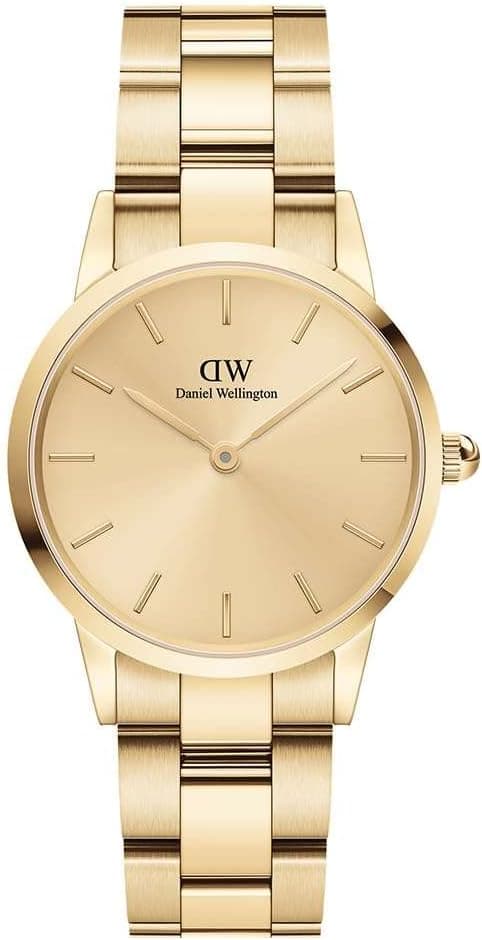
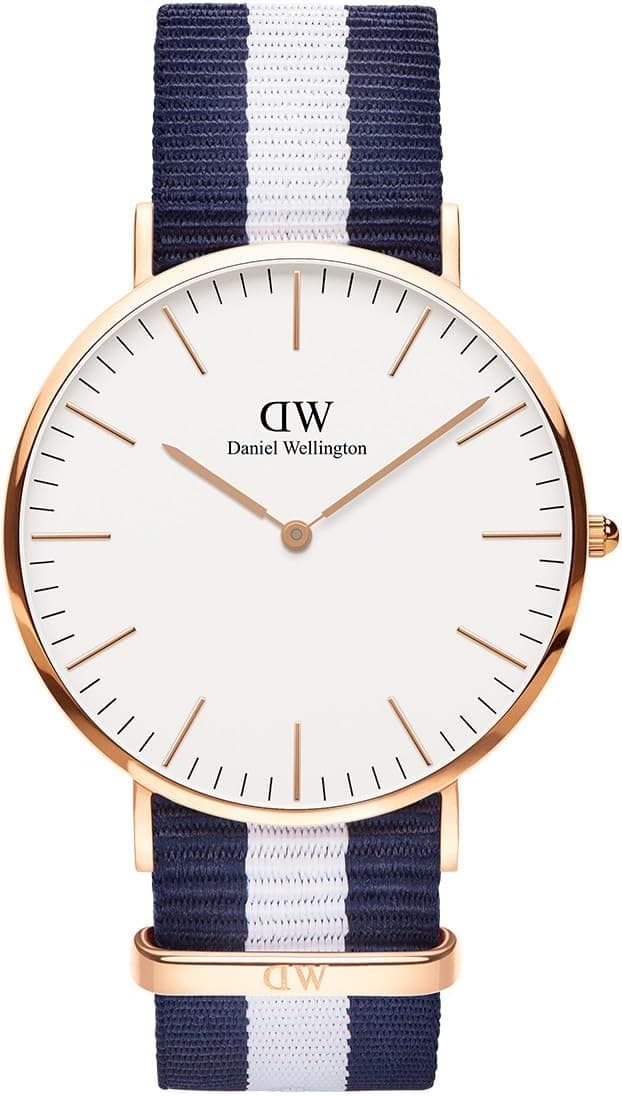
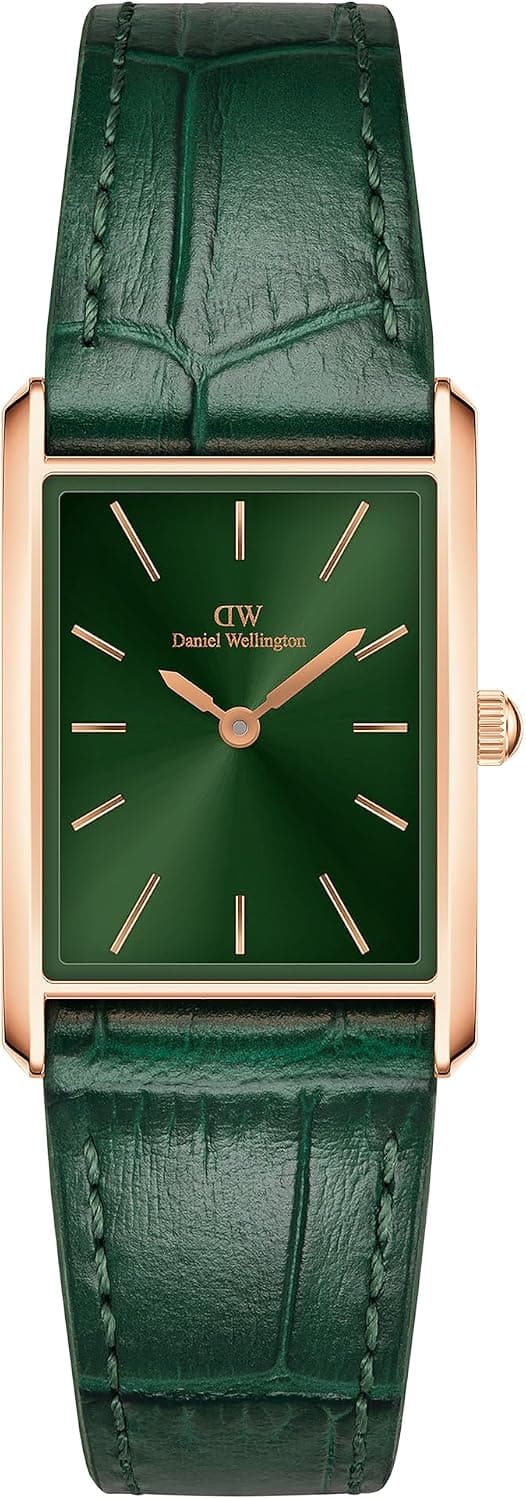
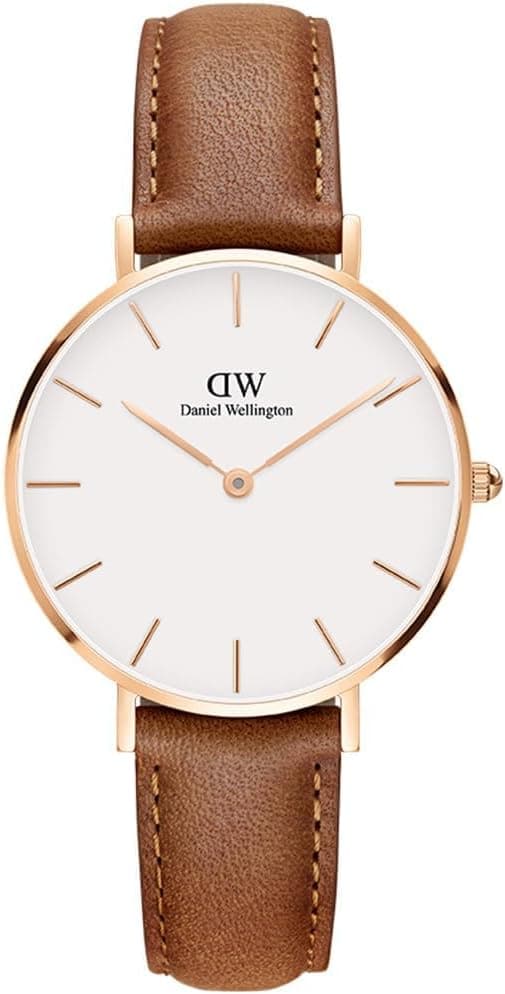
About Daniel Wellington
Daniel Wellington was founded in Stockholm, Sweden in 2011 by Filip Tysander, who, while travelling in Australia in 2006, met a British man named Daniel Wellington wearing a vintage watch on a worn NATO strap. That single image became the entire design brief, and the brand is named after him. Tysander started the company with roughly $24,000 of his own savings and grew it through an Instagram-led influencer strategy, selling more than six million watches in the years that followed. The watches are designed in Sweden and made in China, with movements supplied by Japan's Miyota, so this is a sharp design and distribution business rather than a manufacture.
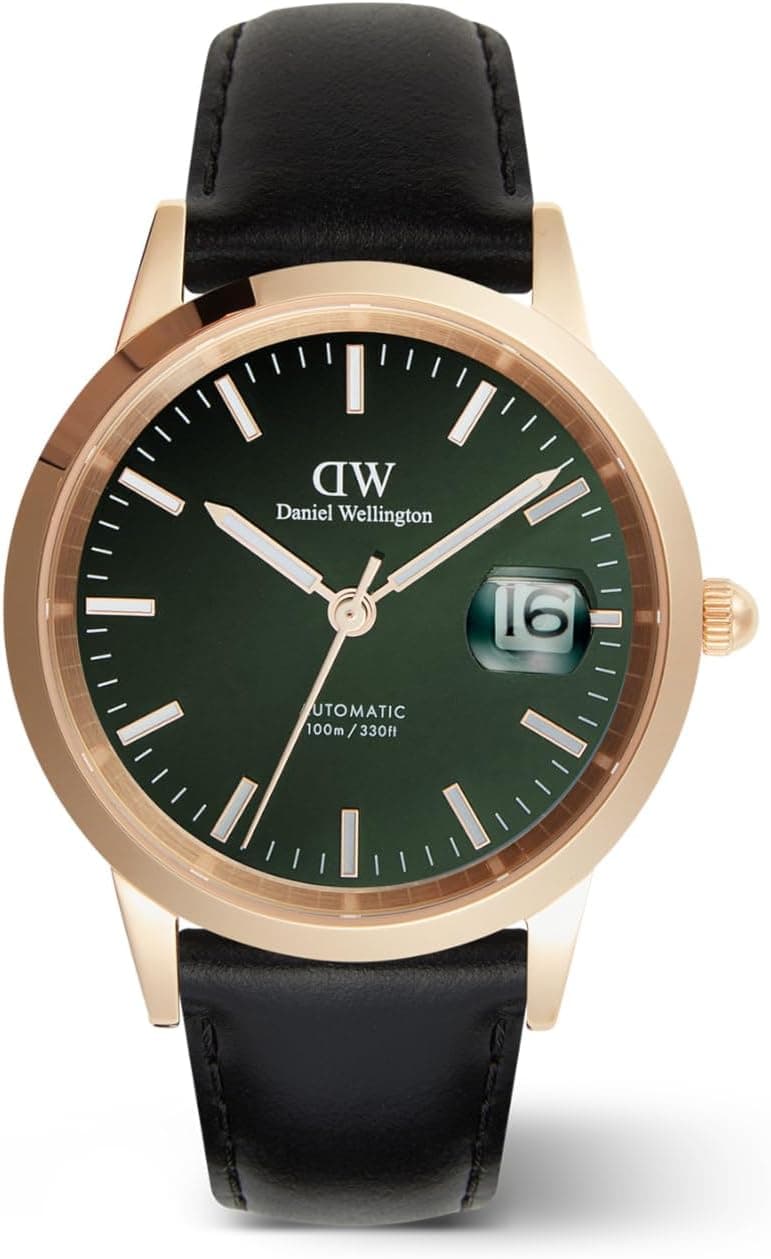
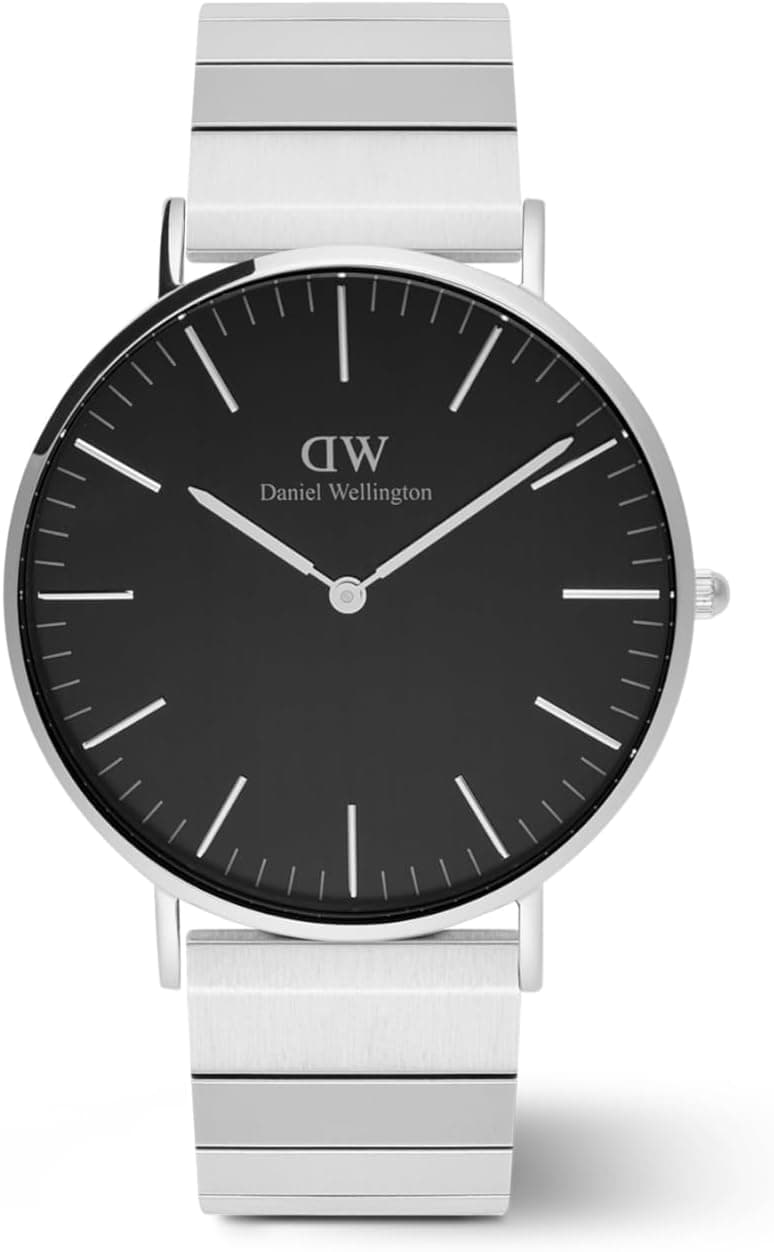
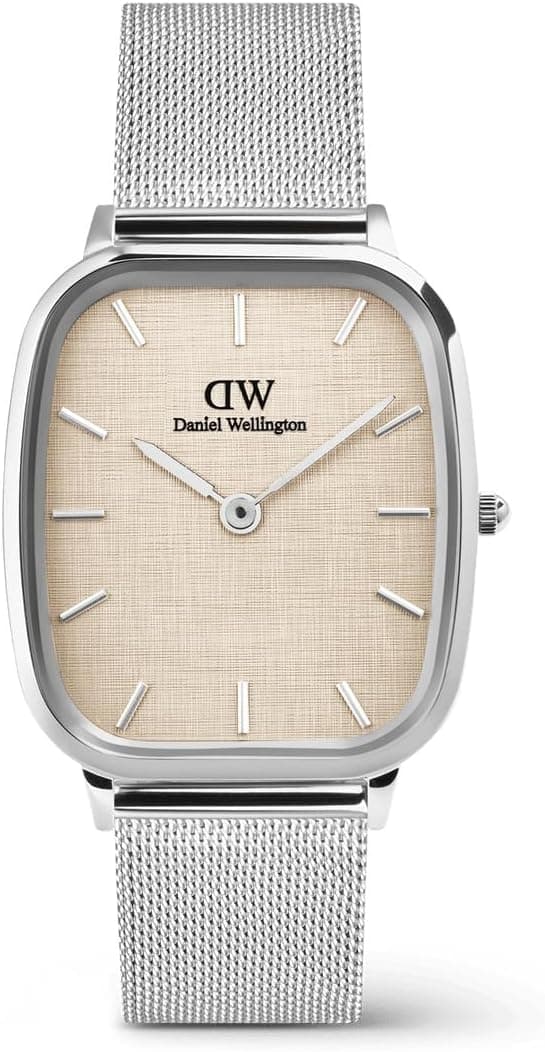
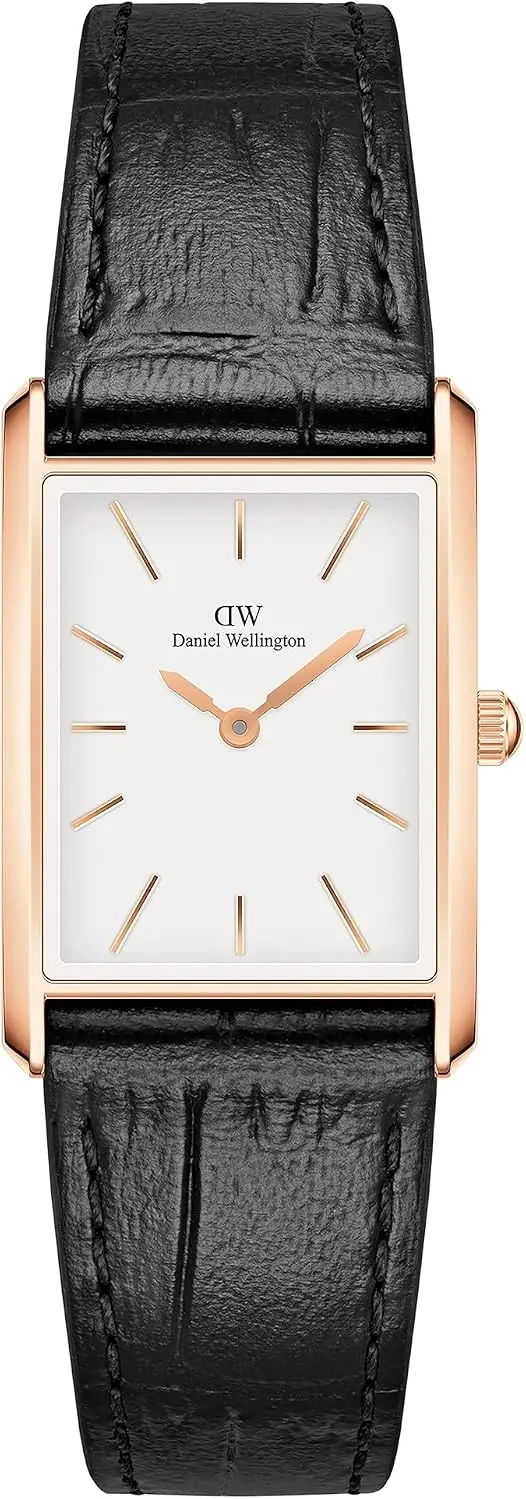
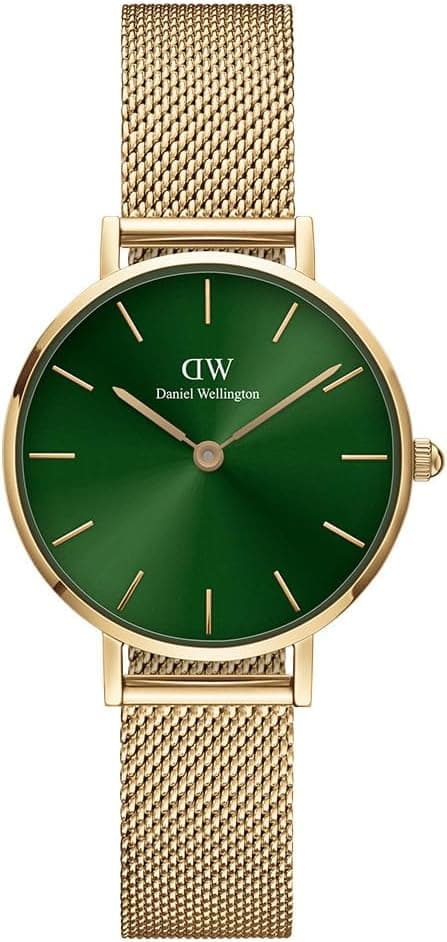
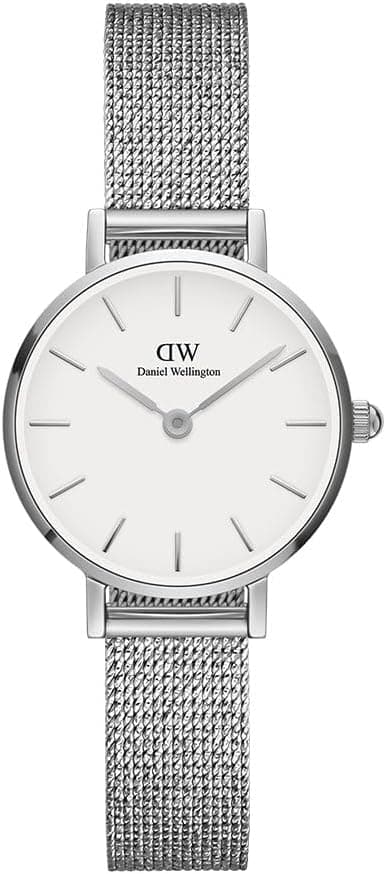
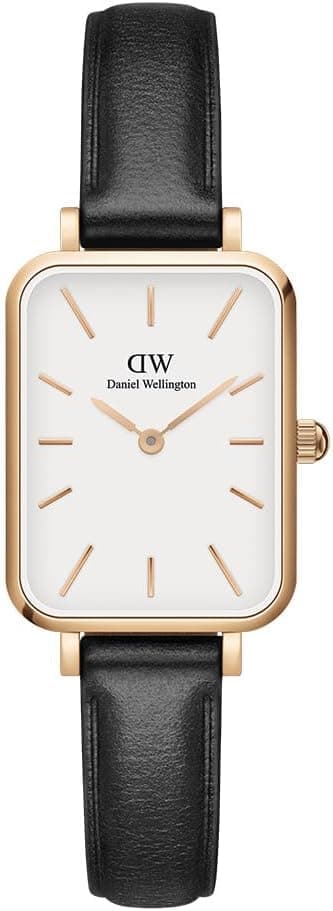
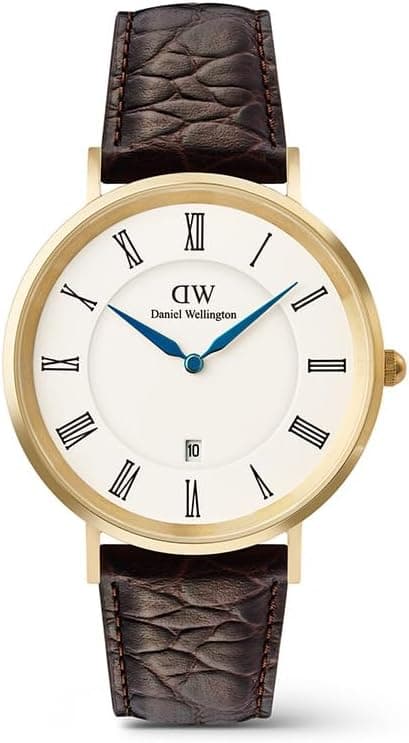
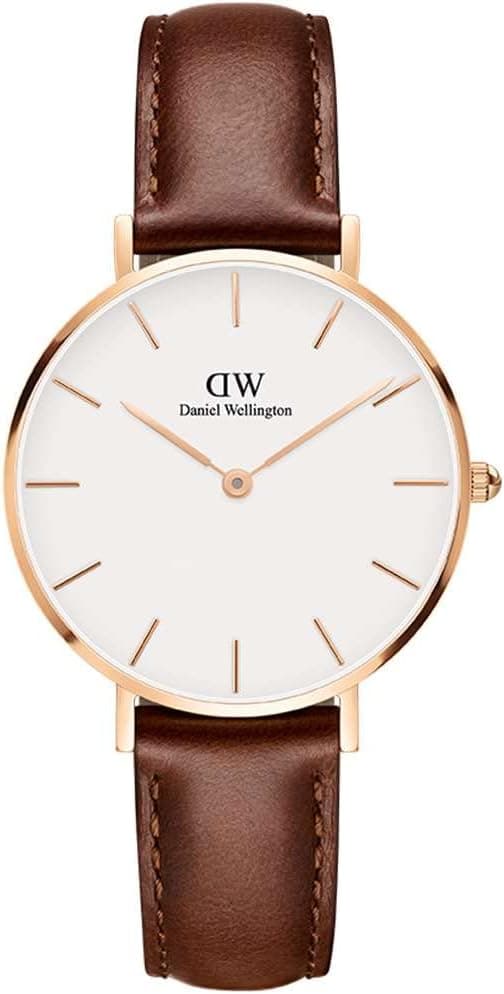
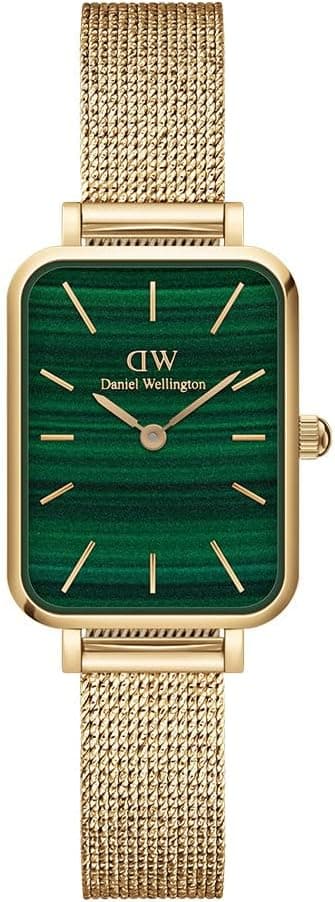
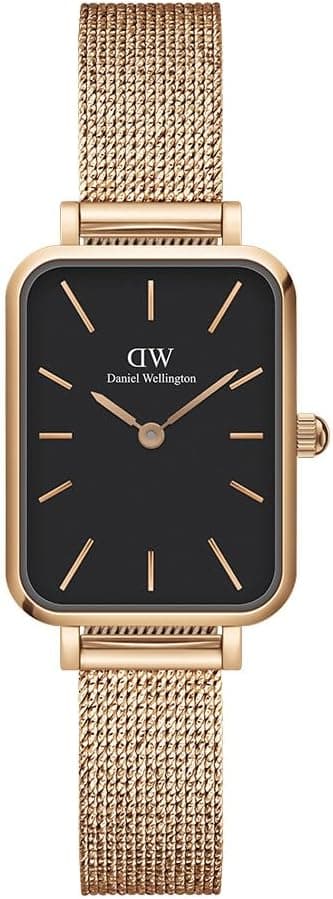
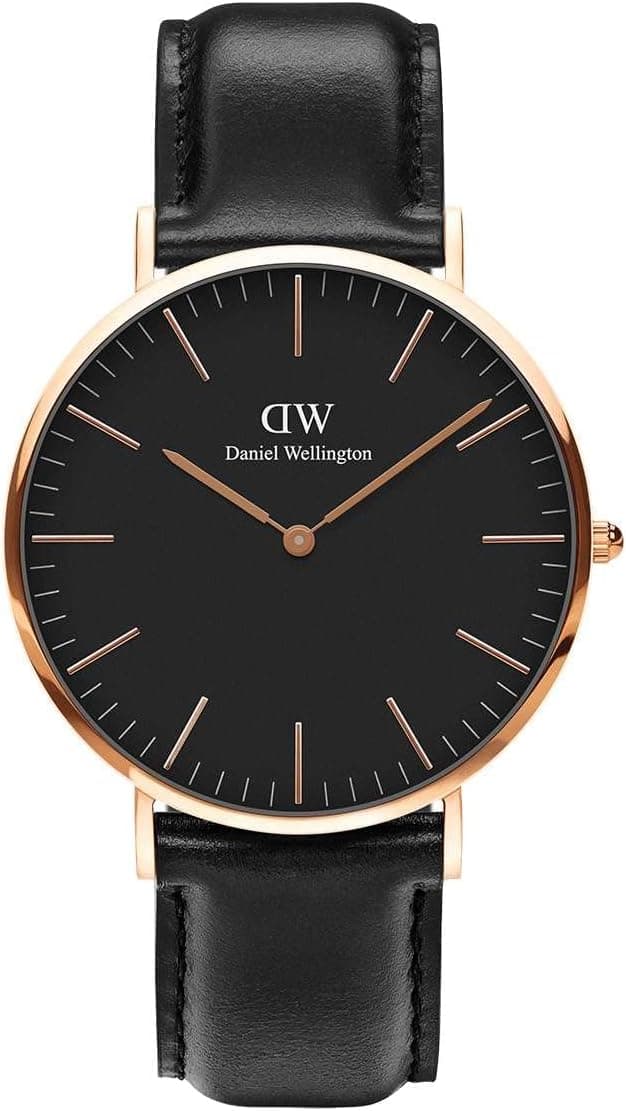
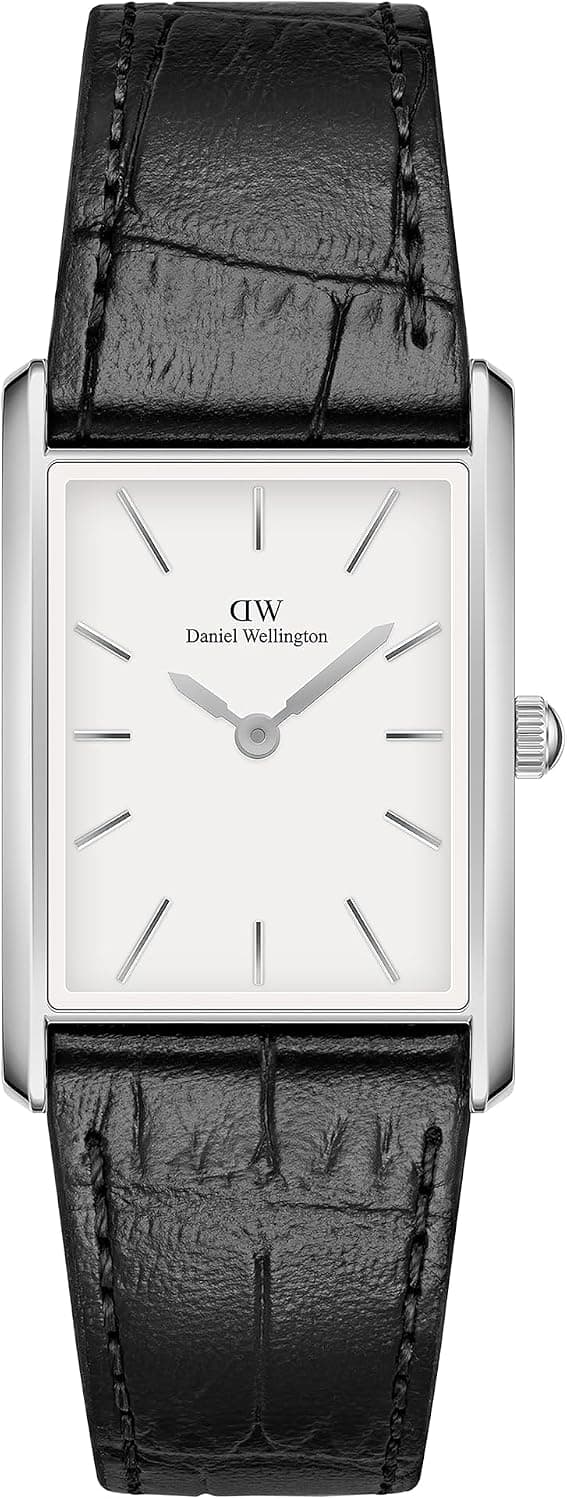
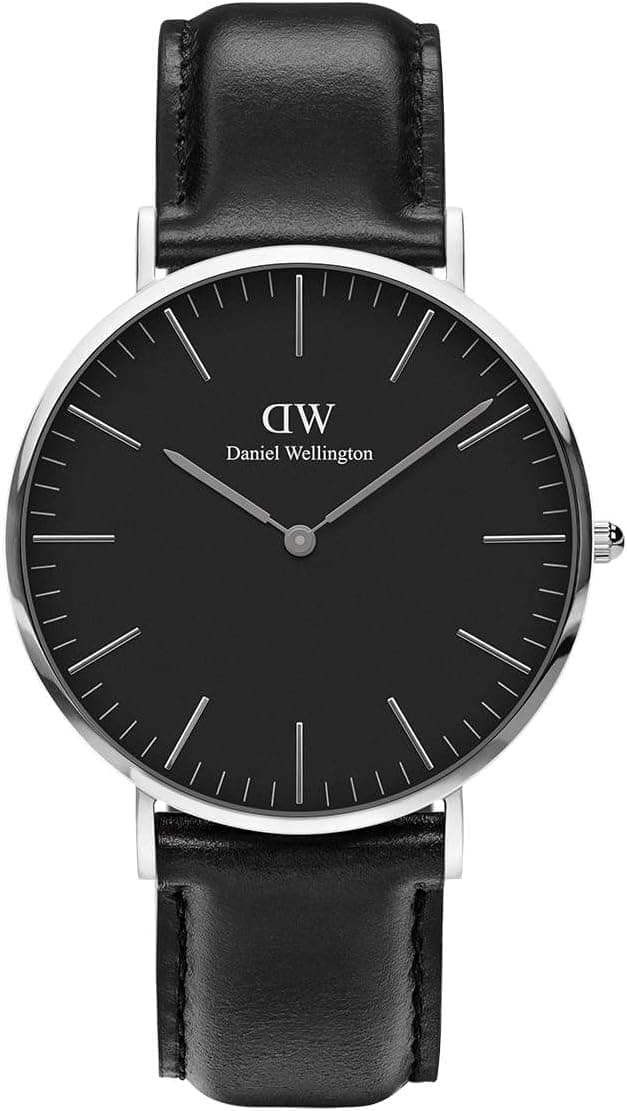
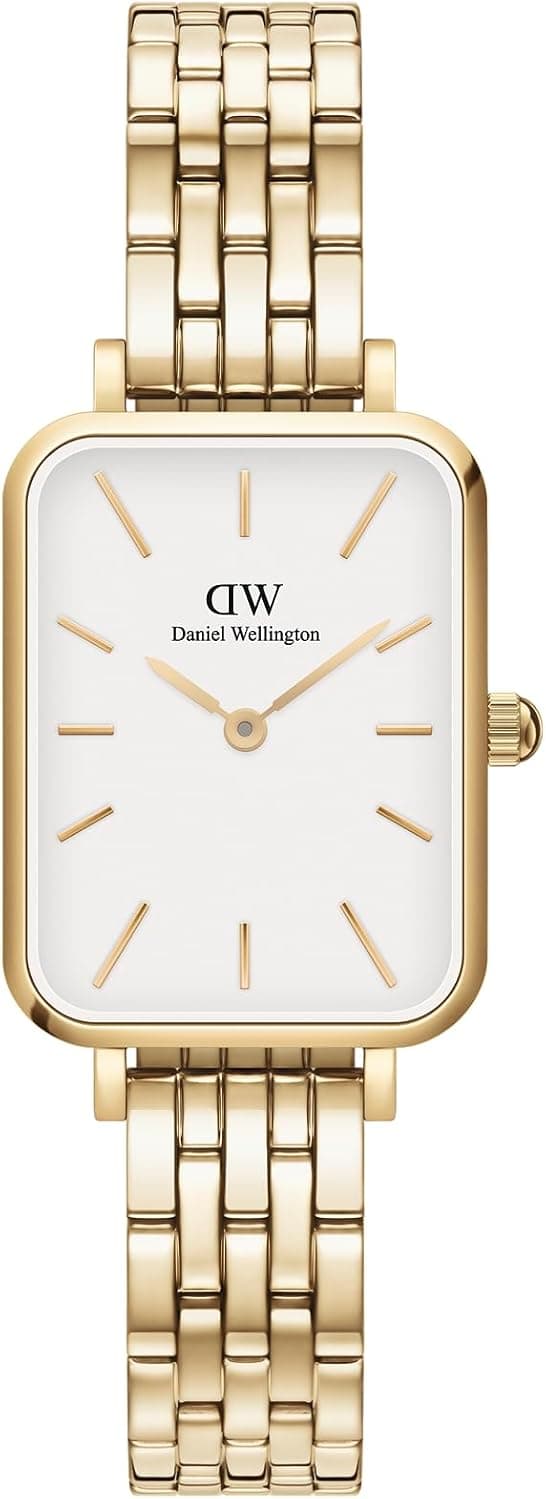
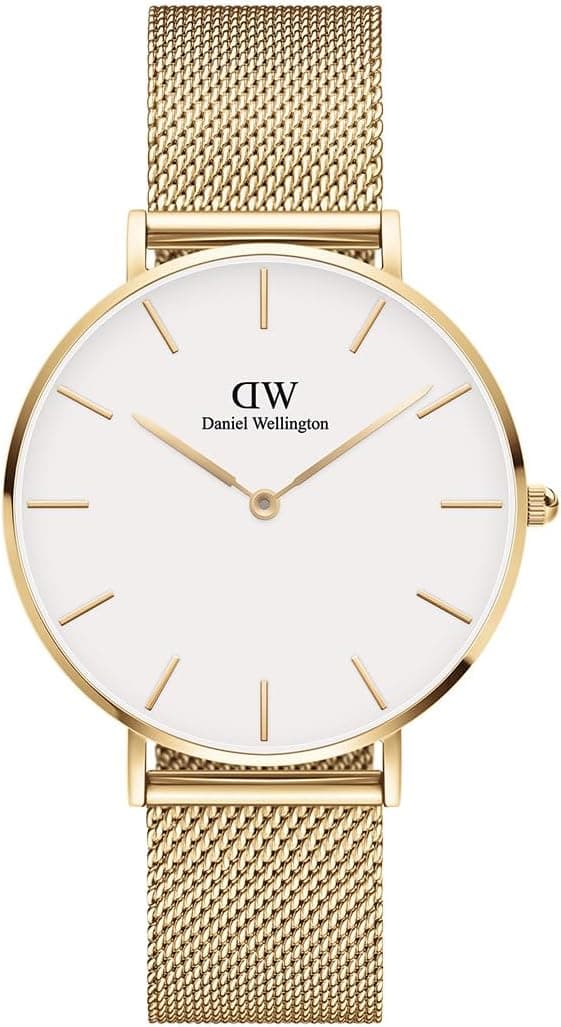
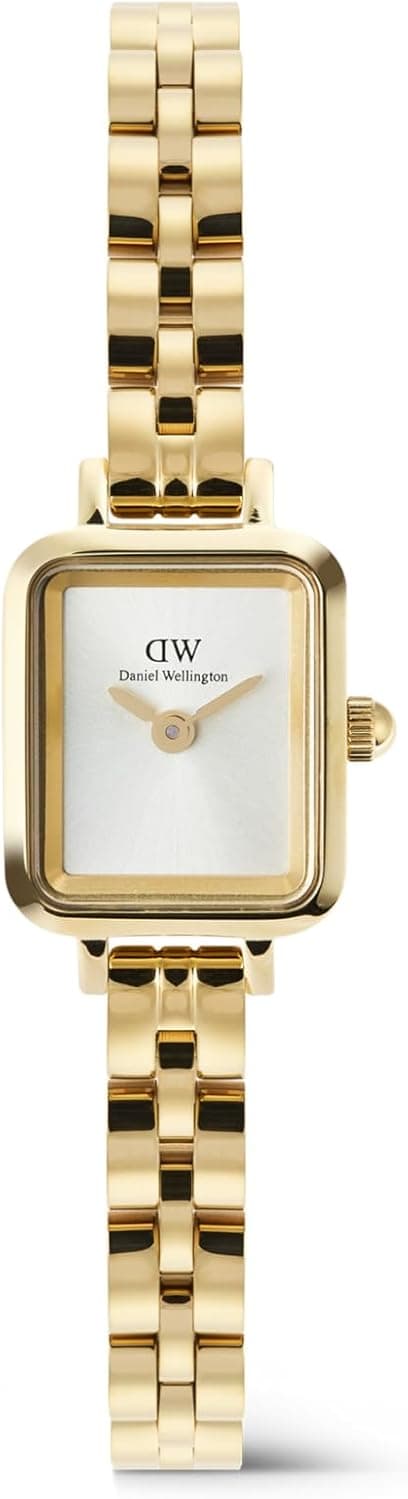
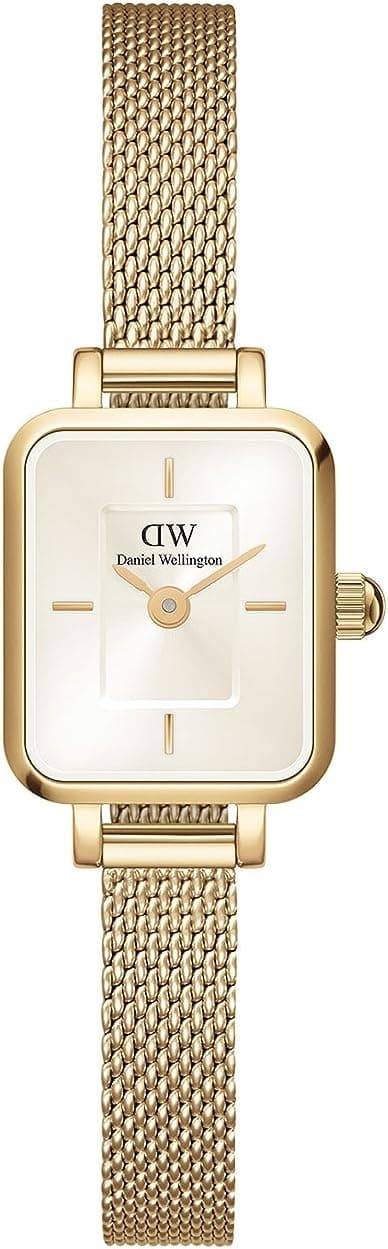
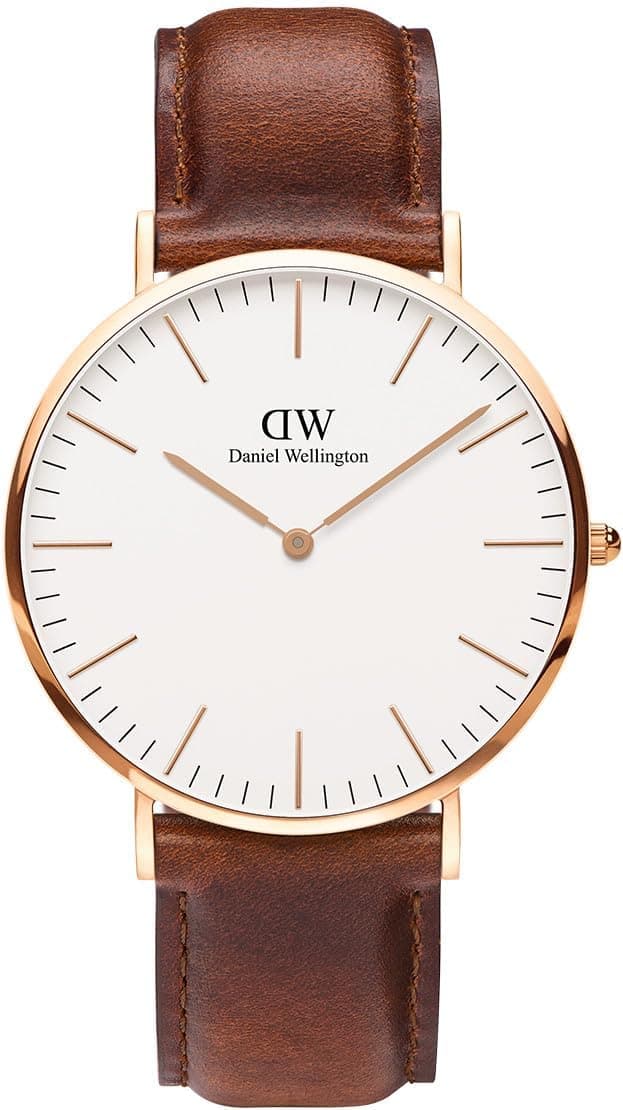
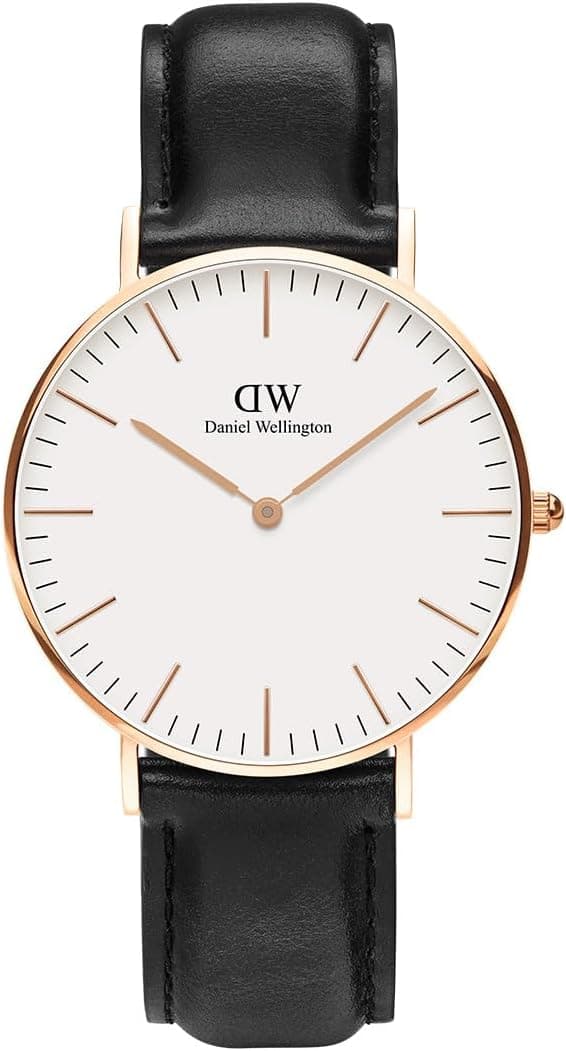
The core of the range is Classic and Petite. The Classic comes in 36mm and 40mm cases and carries British town names like Sheffield, Cornwall, Cambridge and St Mawes; the models use 316L steel cases, mineral glass and 3 ATM water resistance, and typically sell between $149 and $229. The Petite line offers thinner 28mm and 32mm cases for a smaller wrist. The rectangular Quadro models land around $169 to $219. The one mechanical move in the catalog is the Iconic Link Automatic, which uses a Miyota 8215 self-winding movement, sapphire crystal, an exhibition caseback, 100 meters of water resistance and a magnified date, retailing at roughly $459.
From a buyer's standpoint, the whole game is setting the right expectation. These are everyday accessories, not investments, and they make no claim to hold value on the secondary market. The quartz models, rated at 3 ATM, handle rain and splashes only and should never go swimming; when the battery dies, any watchmaker swaps it cheaply. What I check before buying is the gap between case and strap, the cleanliness of the dial printing, and that the quick-release spring bars actually work as intended. The interchangeable straps and the two-year warranty are the brand's most genuinely useful features.
The Iconic Link Automatic looks tempting for someone curious about mechanical watches, but it is worth remembering that for similar money you can buy a Seiko or Orient with a better-known in-house movement. Daniel Wellington's real place is on the wrist of a first-time buyer who wants something clean and light, or a giver who needs a safe present. Judged against that brief, the brand delivers exactly what it promises: a tidy design, a fair price and a flexible strap system.