




About Huawei Watch
The Huawei Watch story began on March 1, 2015, at Mobile World Congress in Barcelona, with the watch reaching shelves that September at IFA Berlin. The first model was a 42mm Android Wear device in cold-forged stainless steel with a sapphire crystal, carrying a Qualcomm processor. Shenzhen-based Huawei Technologies then moved its software from Android Wear to its own LiteOS, and finally to today's HarmonyOS, which freed the brand from both the Apple and Google ecosystems and let it chart its own course.
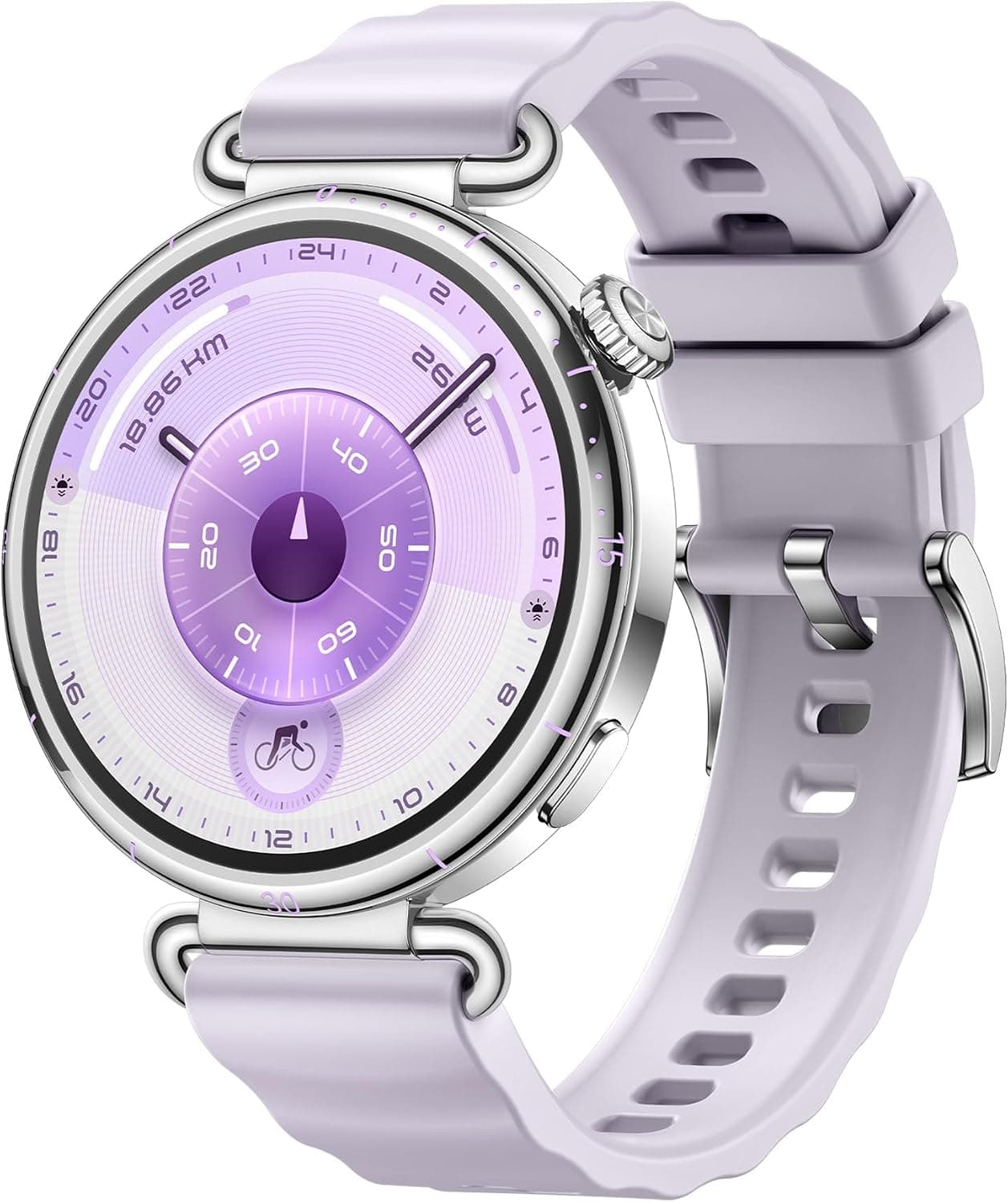
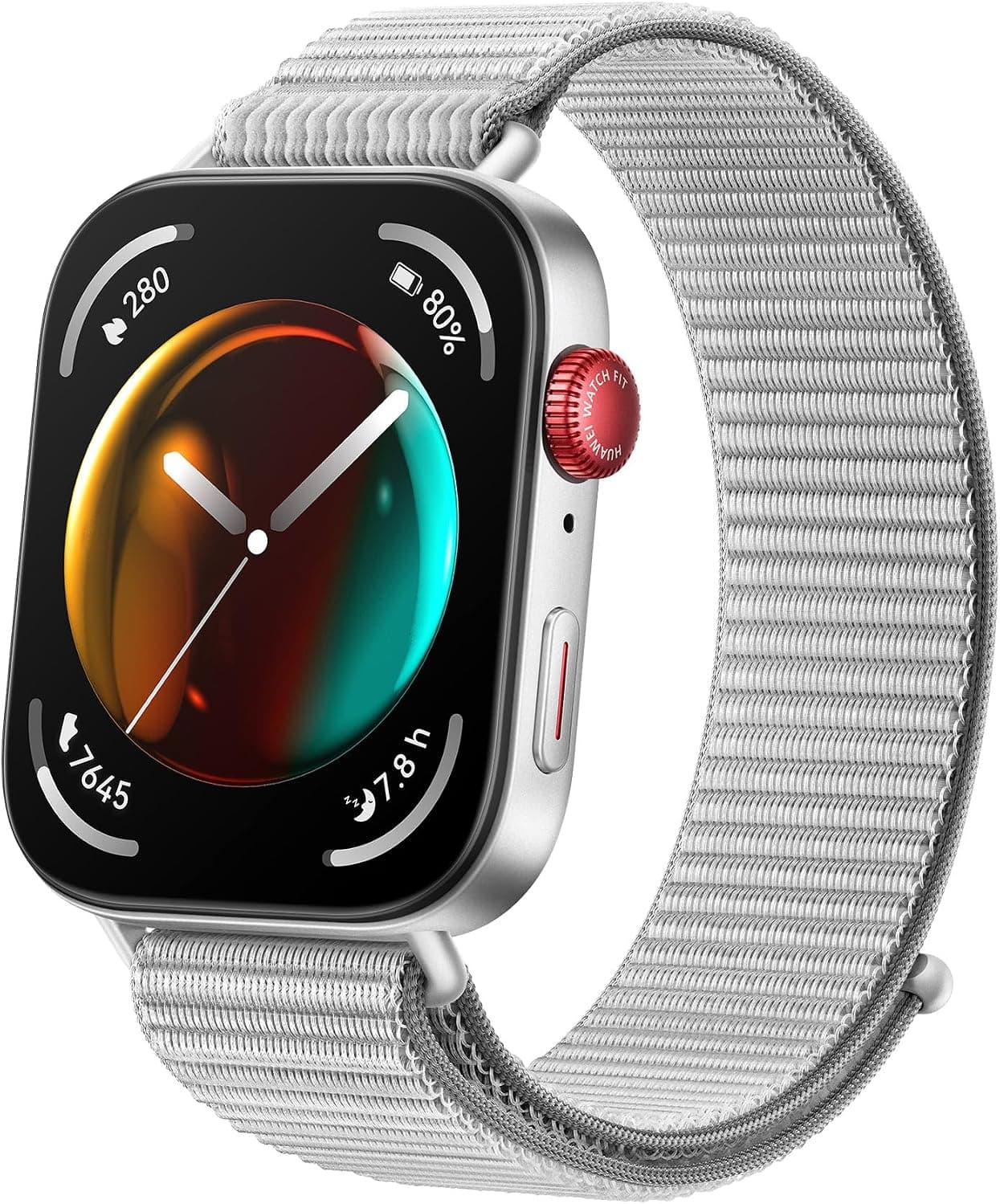
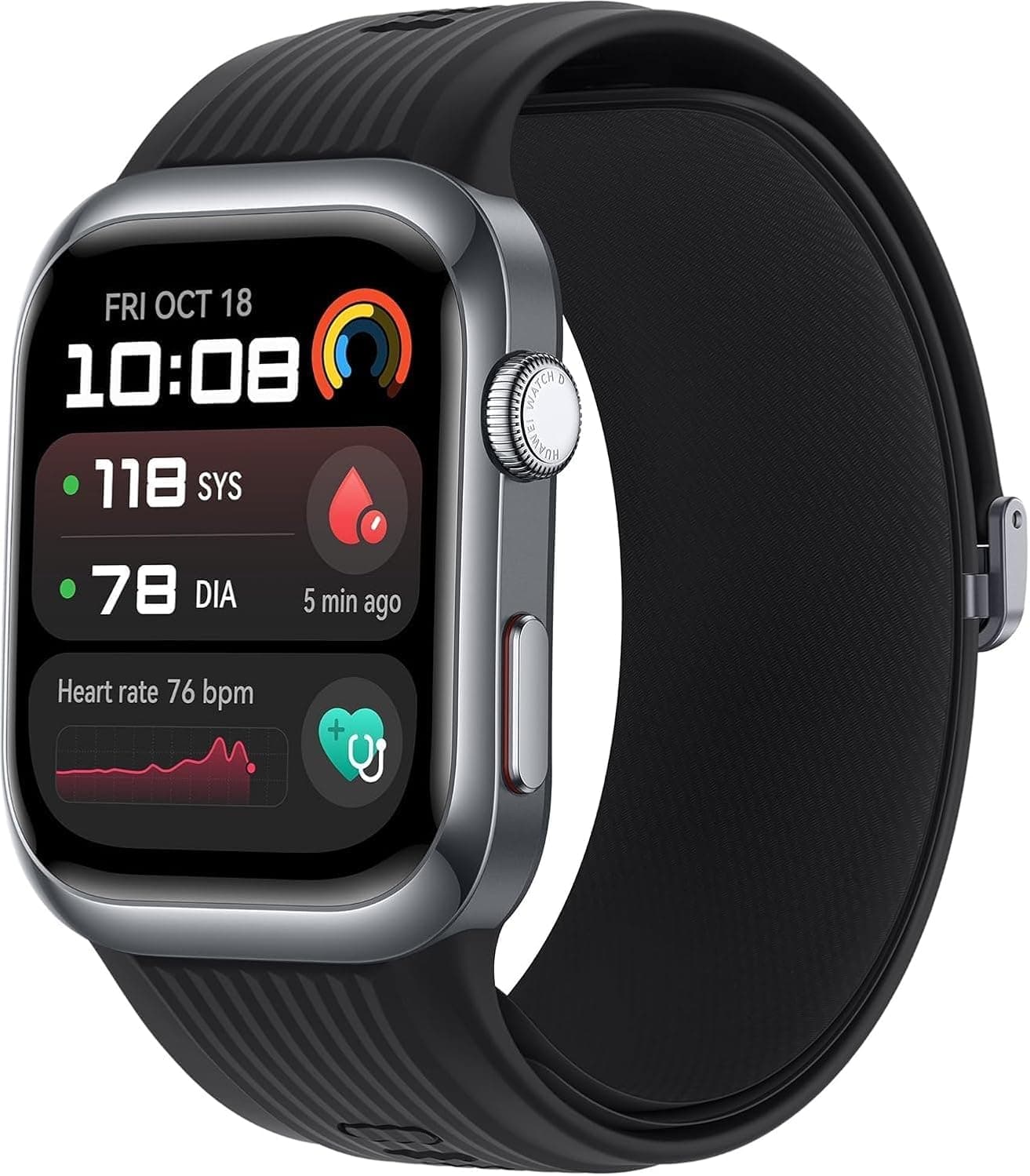
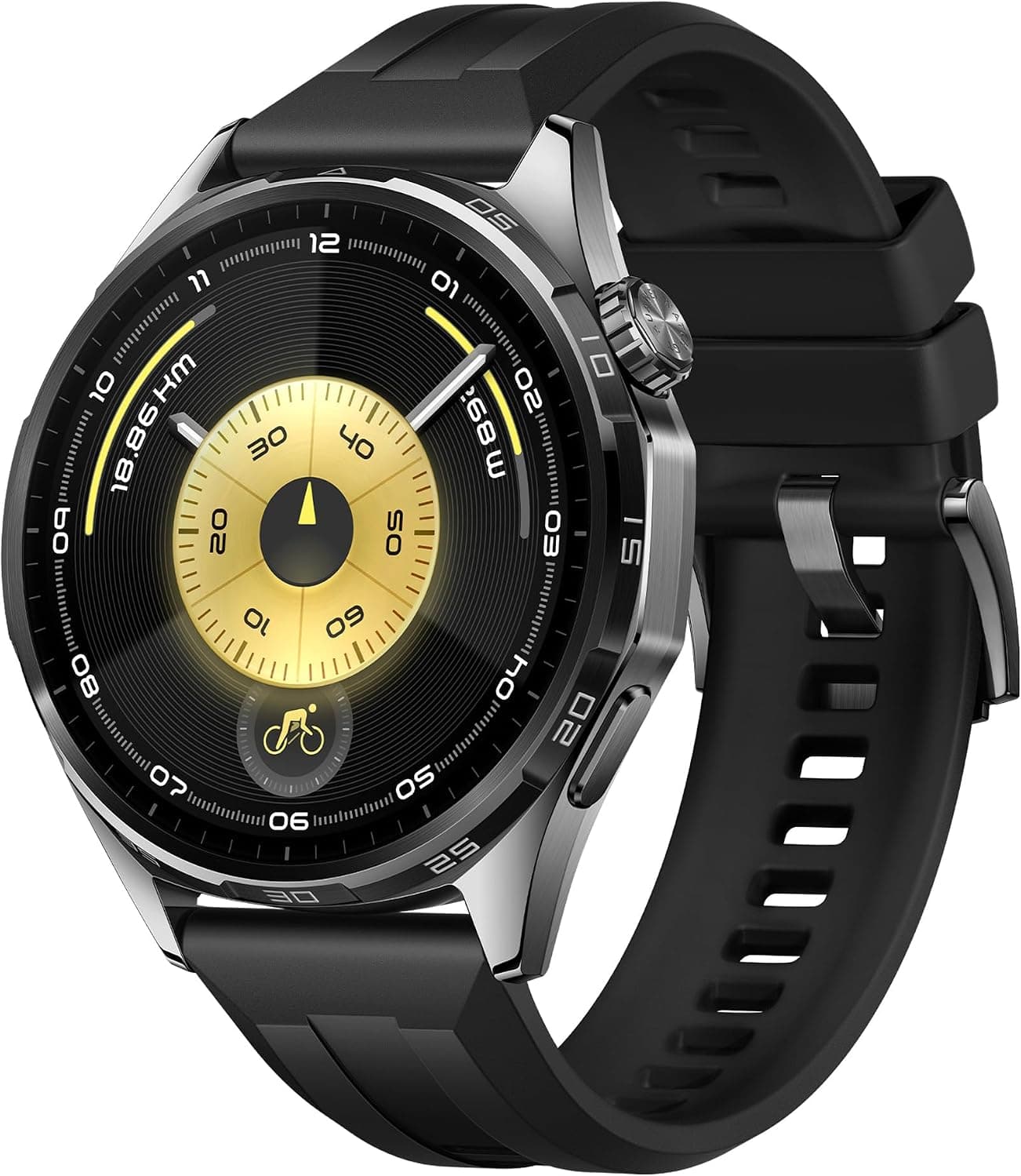
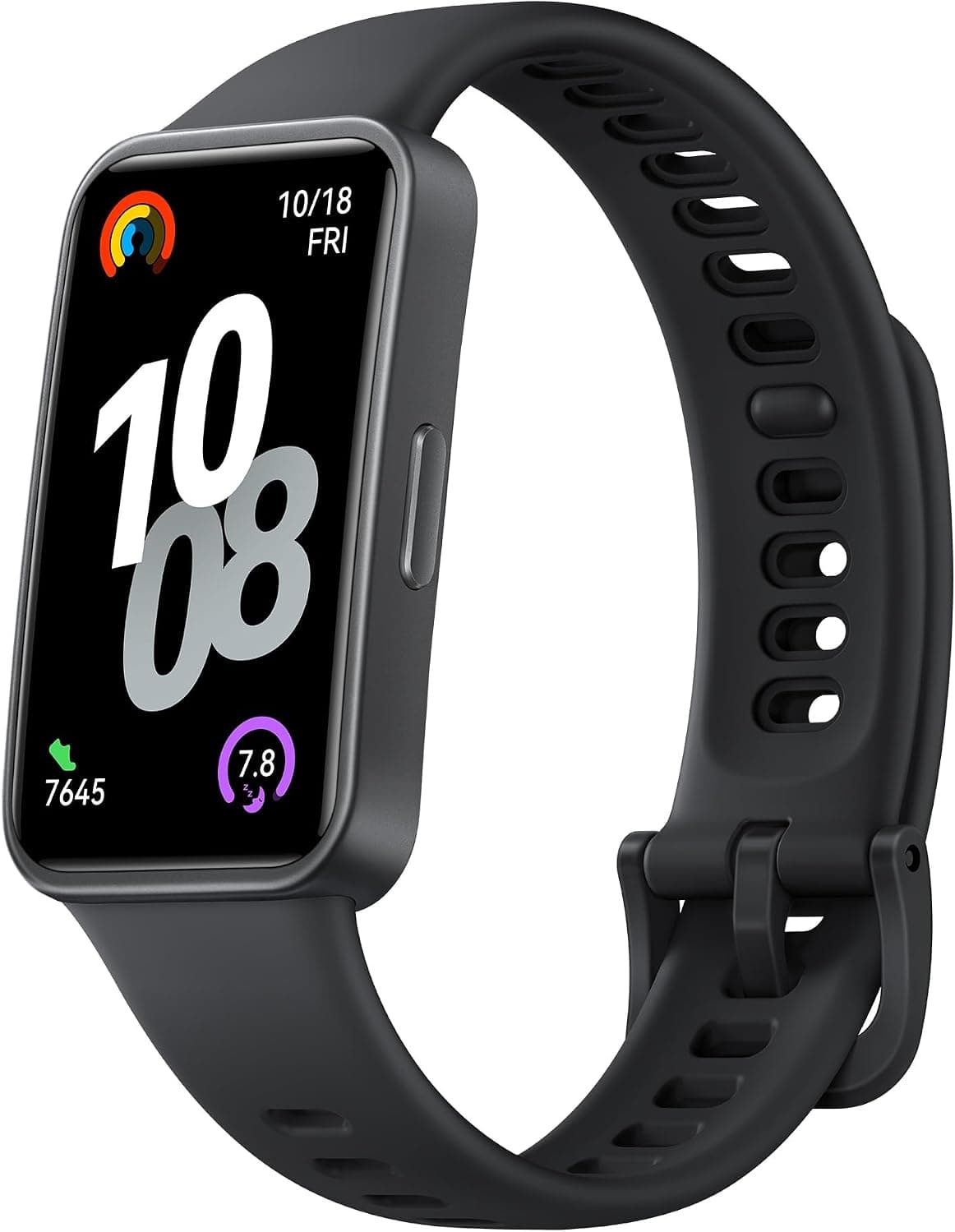
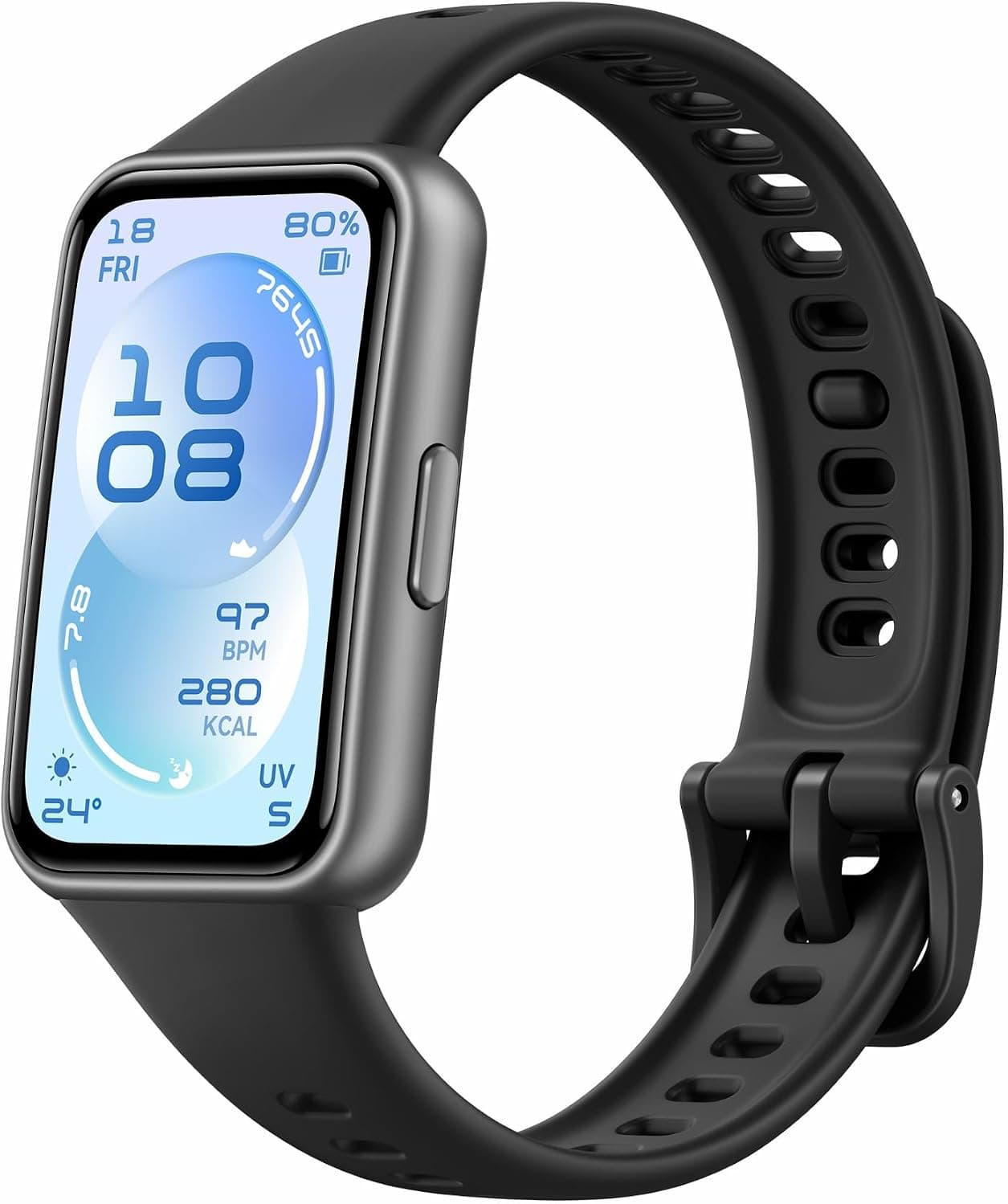
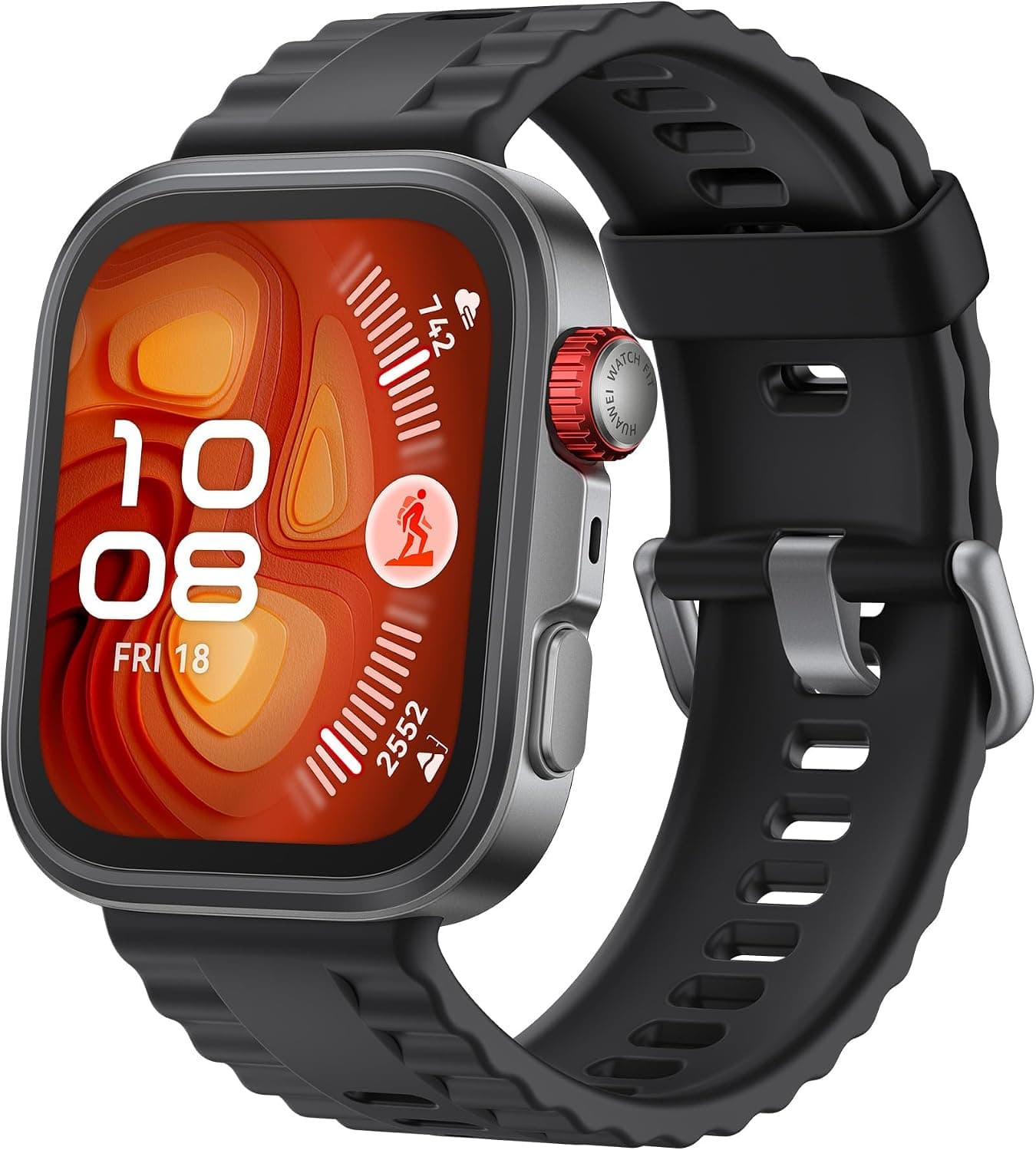
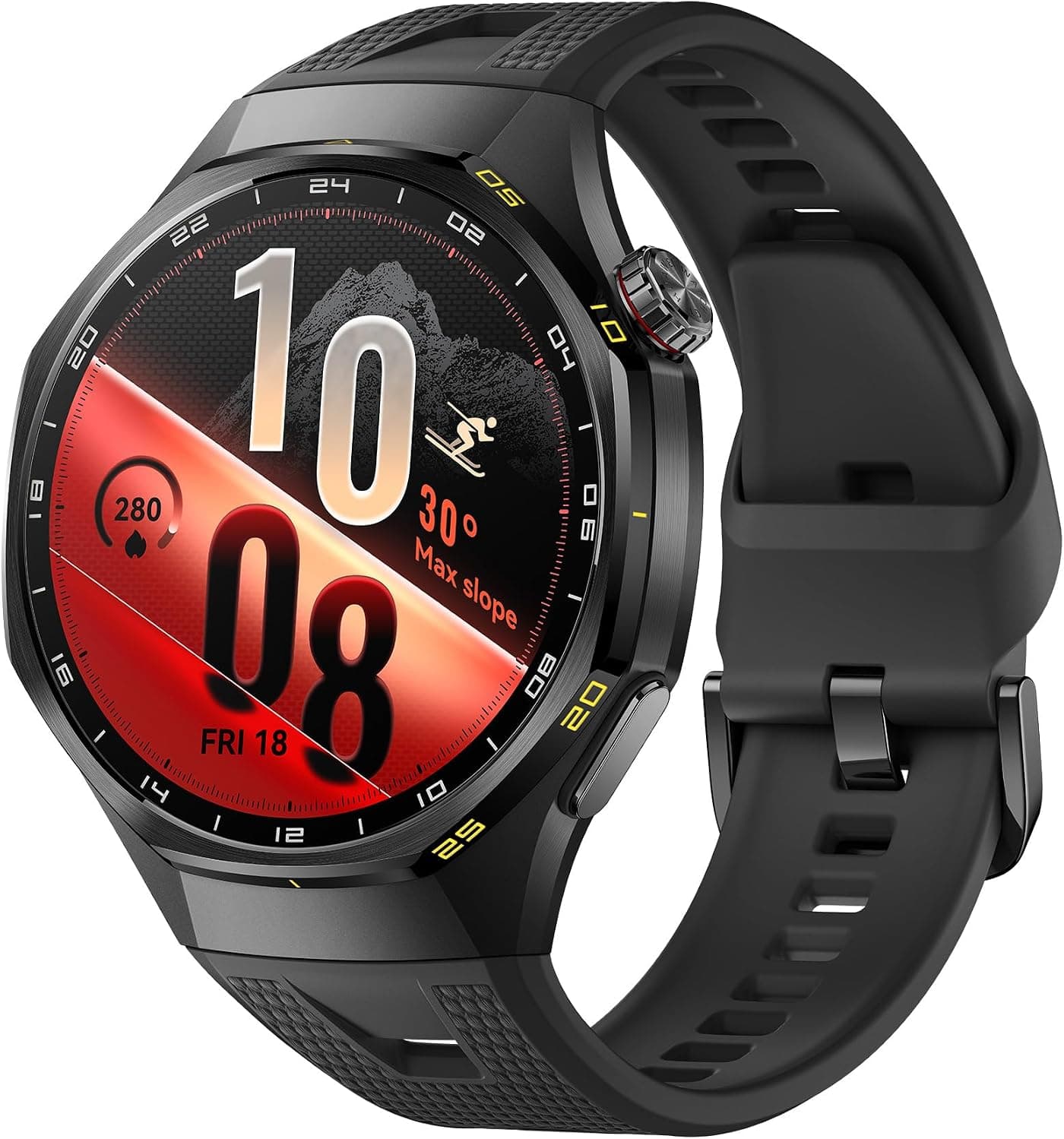
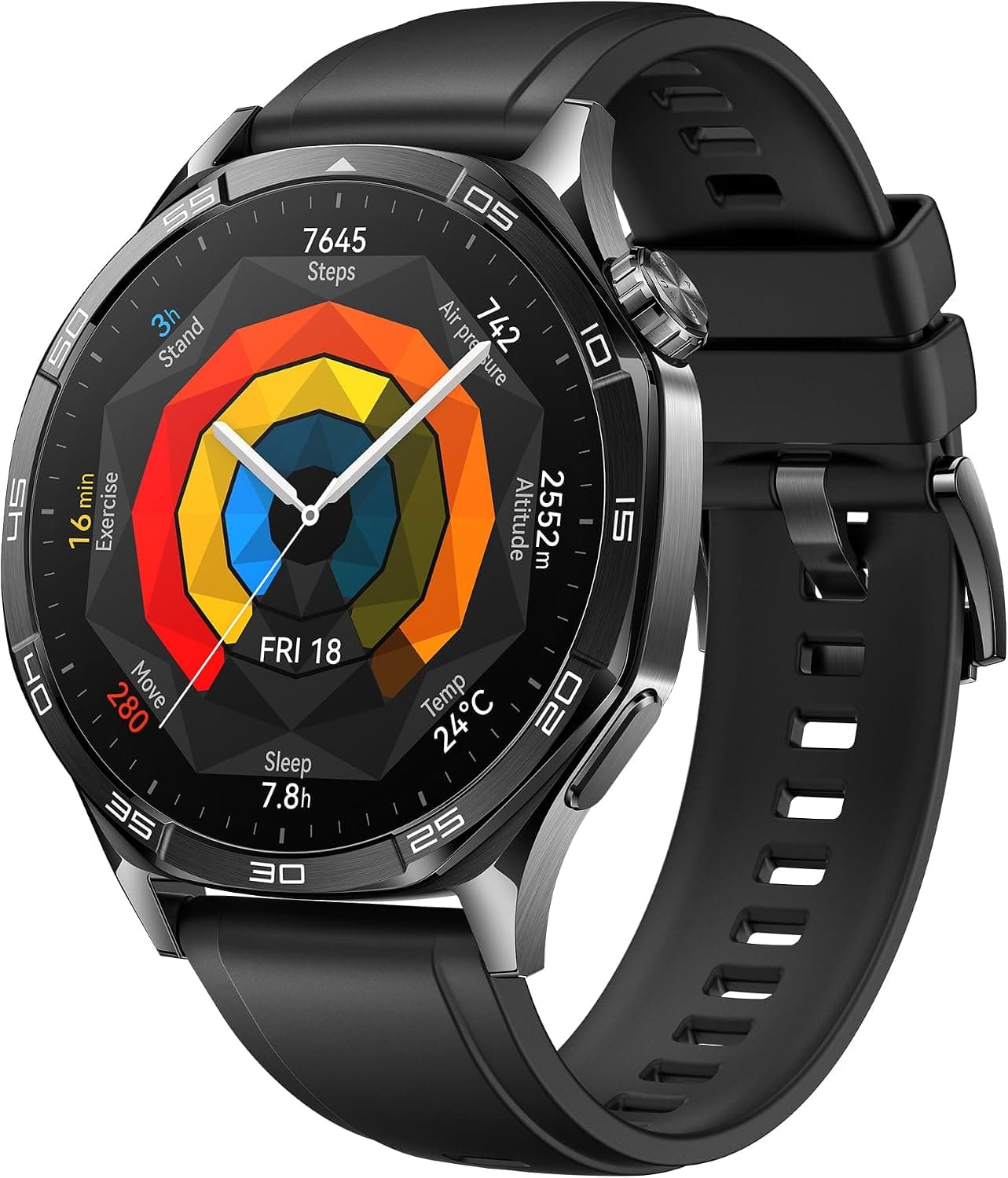
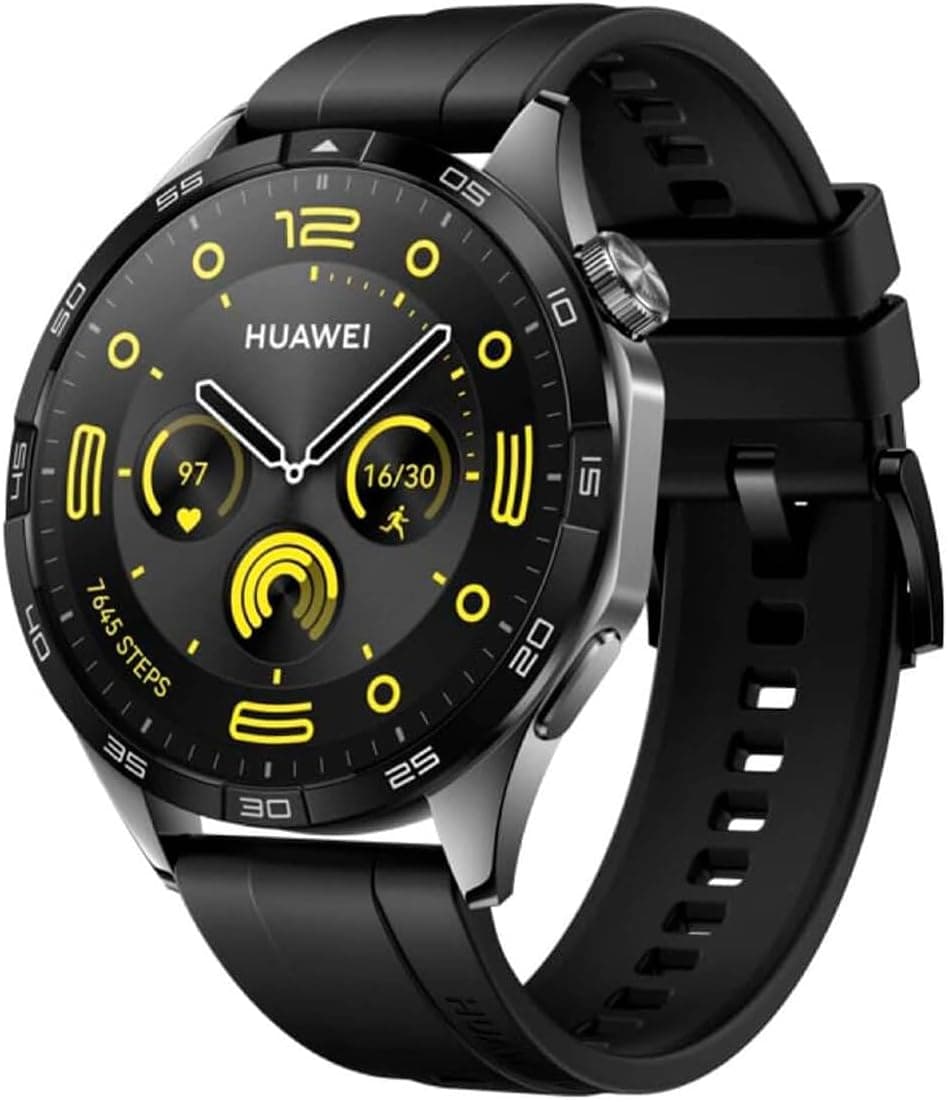
The heart of the current catalog is the Watch GT 5, which carries UK pricing of about $229.99-equivalent (the 41mm at £229.99, the 46mm at £249.99), since Huawei does not sell officially in the US. A step up, the Watch GT 5 Pro adds a titanium or ceramic case, a 1.43-inch 466x466 AMOLED, and up to 14 days of battery on the 46mm, with its TruSeen 8.0+ array reading heart rate, SpO2 and ECG; it has appeared around $329 via US Amazon. The Watch 5 from May 2025 introduces the X-TAP side sensor and finger-pinch gestures, priced from €449 in steel up to €649 in titanium. The health-focused Watch D2 is a rare wrist device with ambulatory blood pressure monitoring via an inflatable cuff in the strap, around €399. At the top sits the Watch Ultimate, a 100-meter dive-rated model in a zirconium amorphous alloy case with a 749-euro list price, or roughly $800 once imported.
The first thing to weigh when buying is the ecosystem. Huawei watches pair best with Android and only partially with iPhone, and the third-party app library is narrower than Wear OS. Because Huawei has no official US retail presence, American pricing swings with Amazon and gray-market sellers. Unlike mechanical watches, smartwatches shed value quickly on the secondhand market, so treat these as a multi-year tool rather than an investment, and confirm warranty and service through an authorized Huawei channel in your country.
In positioning terms, Huawei fills the gap between Apple Watch's walled garden and a cheap fitness band. Its strengths are clear: bright AMOLED screens, multi-day battery, genuinely capable health sensors, and sensible pricing. If you are buying your first one, the GT 5 or GT 5 Pro is the right starting point for most people; choose the D2 if you need blood-pressure tracking, or the Ultimate if diving and durability matter most.