


Samsung Galaxy WatchMidrange
Smartwatch line launched by Samsung in 2018 based on Wear OS; the Galaxy Watch 4 (2021) introduced Wear OS 3 in partnership with Google, and the Galaxy Watch 6 Classic continues the rotating bezel mechanic.
Launched by Samsung in 2018, the Galaxy Watch has matured into the deepest smartwatch ecosystem available to Android phone owners, a midrange wearable family now built around Google's Wear OS.
The Galaxy Watch story starts in August 2018 with a first model offered in 42mm and 46mm cases. Back then Samsung ran its own Tizen-based software, and the physical rotating bezel quickly became the line's signature trick. Tizen carried the watches through the Galaxy Watch 3 in 2020, after which the Galaxy Watch 4, announced in 2021, moved everything onto Wear OS in a partnership with Google. That shift pulled the range into the center of the Android world, and Tizen smartwatch support is being wound down entirely by the end of 2025. The maker, Samsung Electronics, is headquartered in South Korea and develops both the silicon and the software in-house.
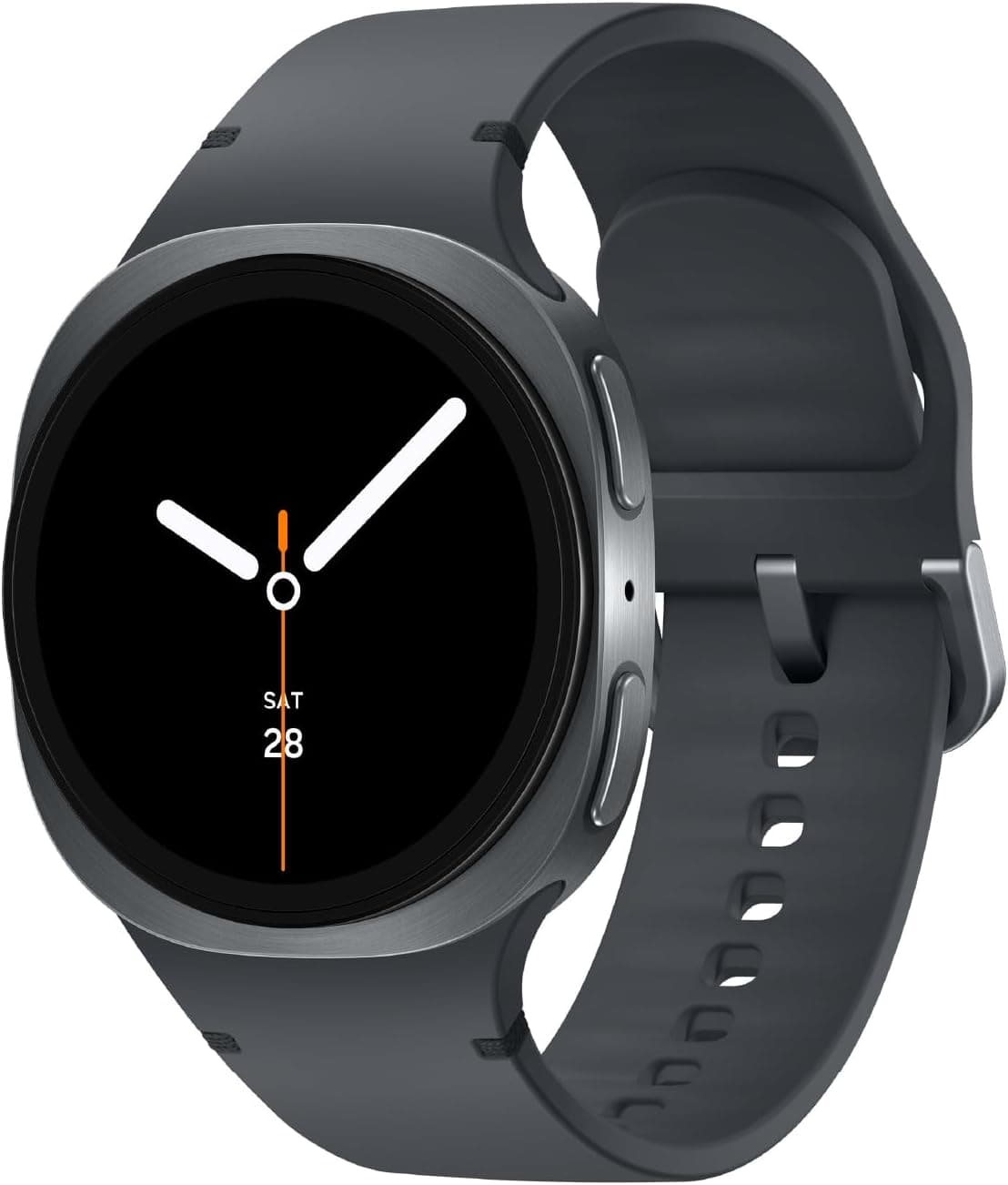
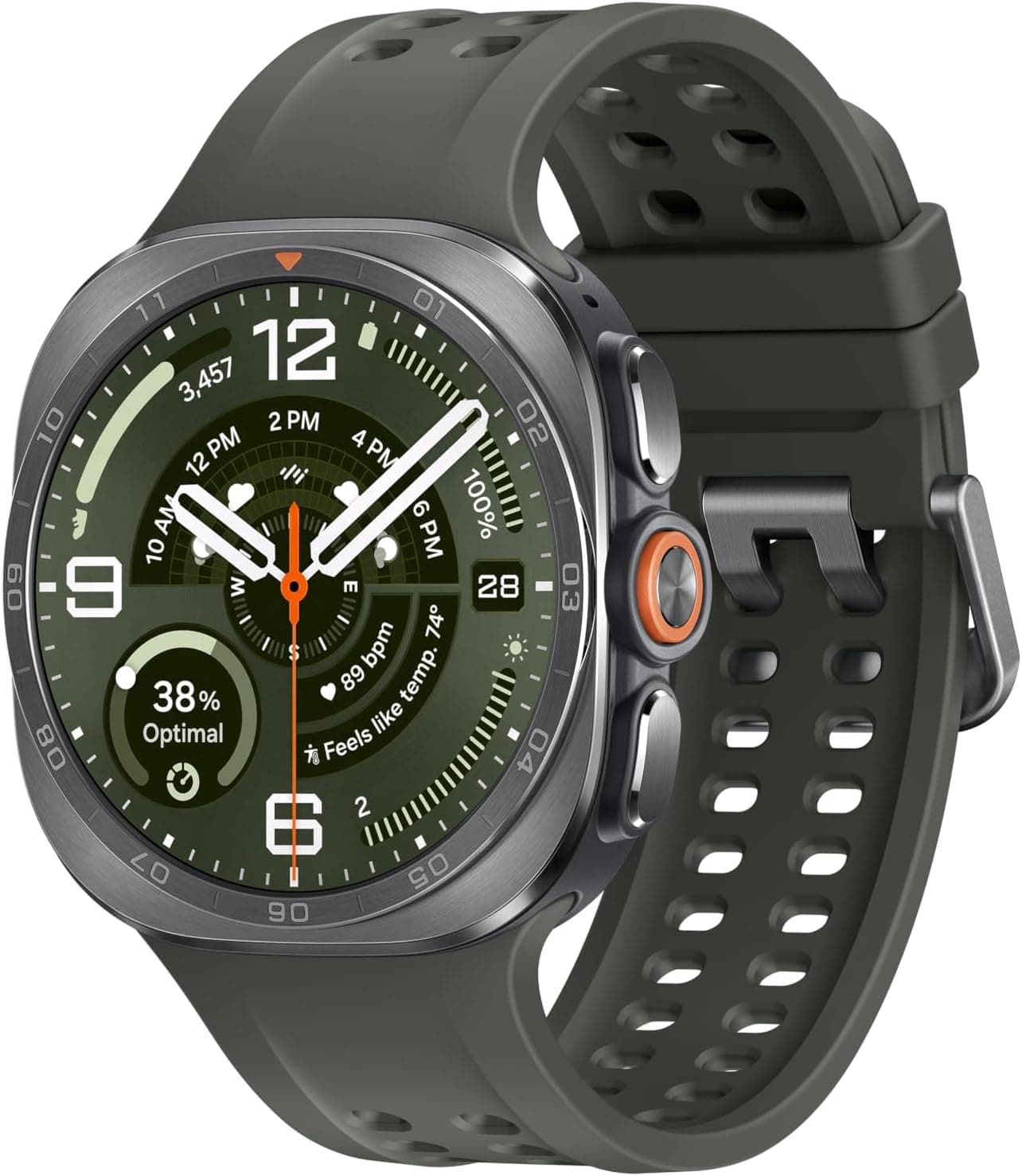
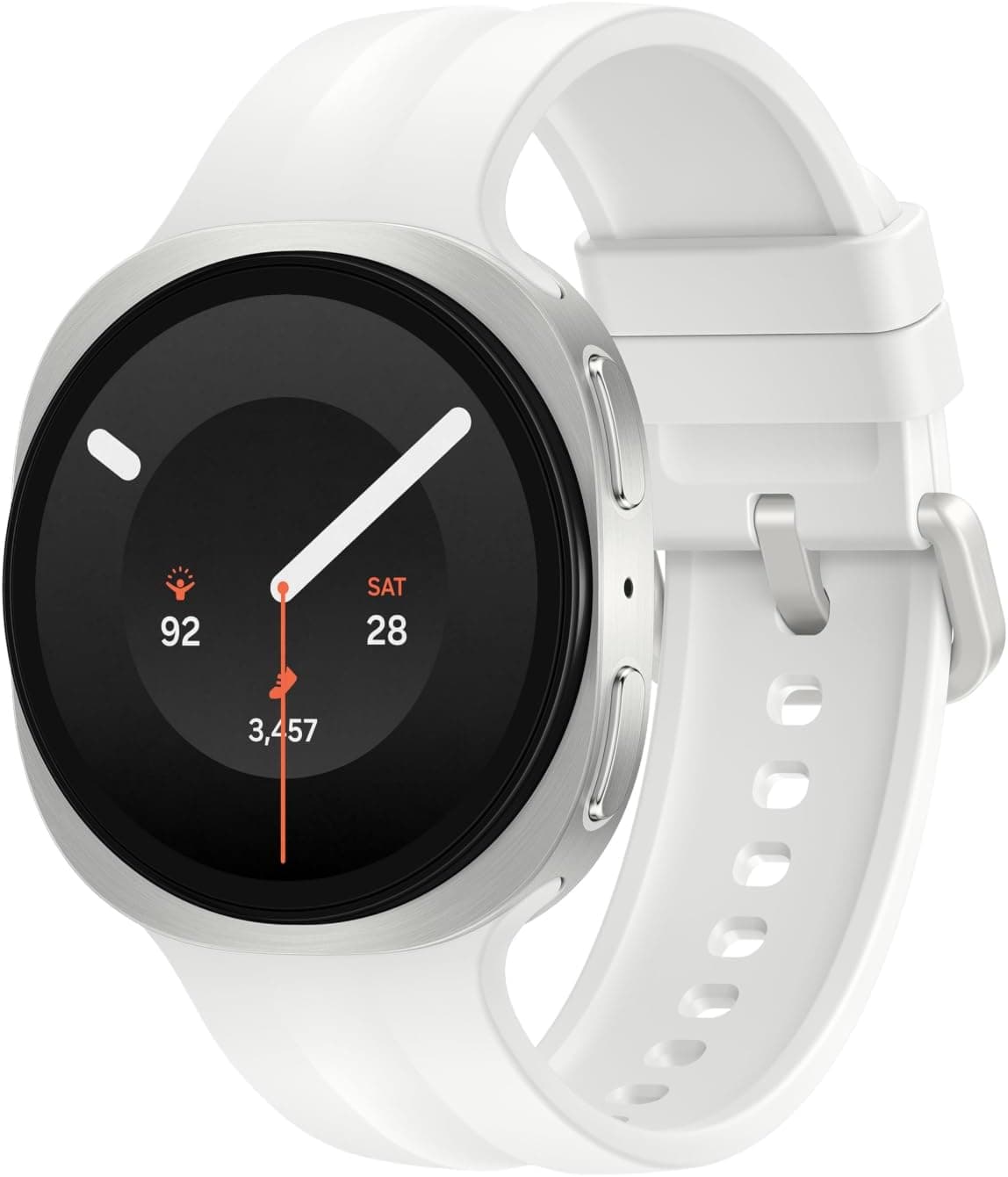
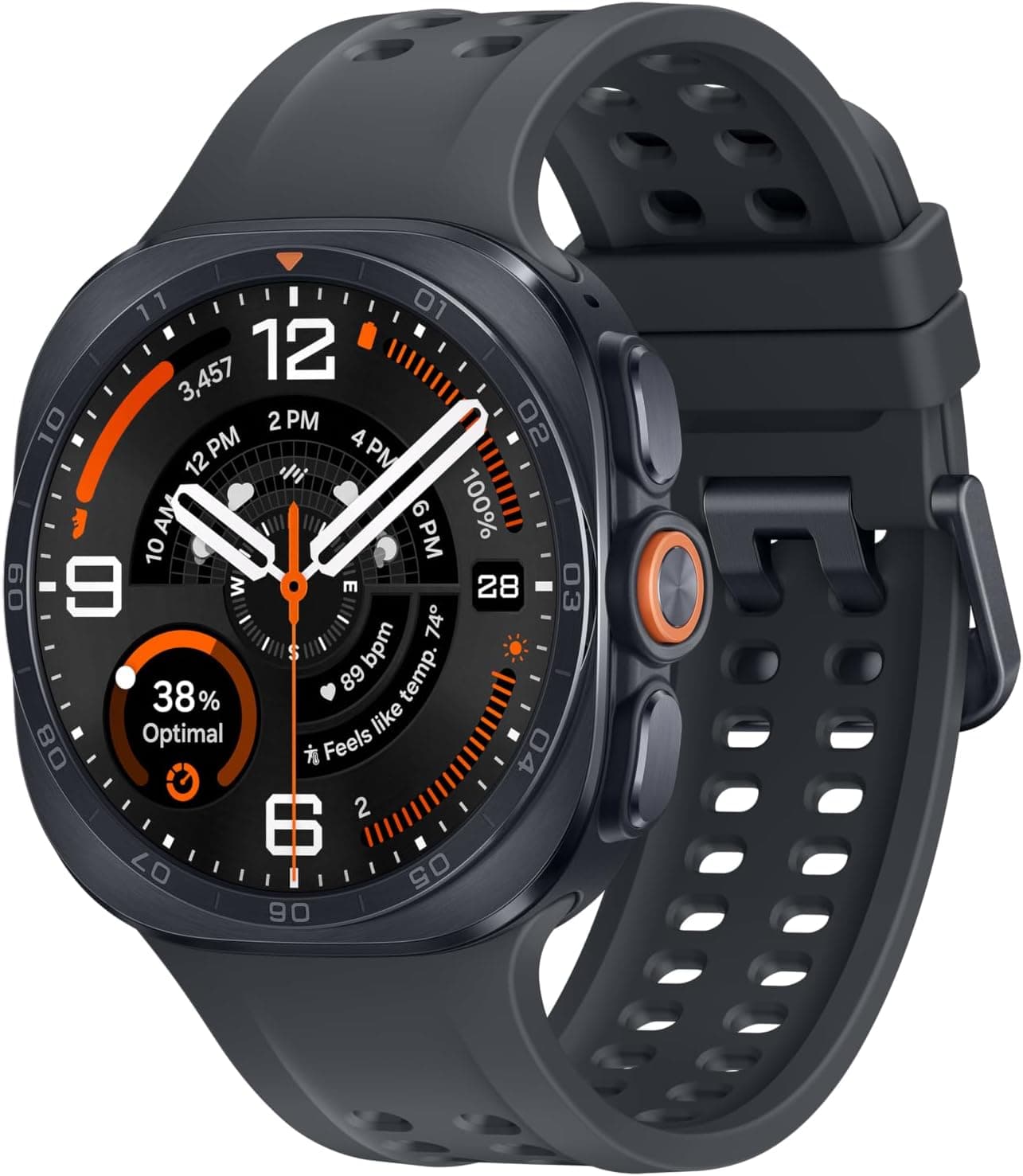
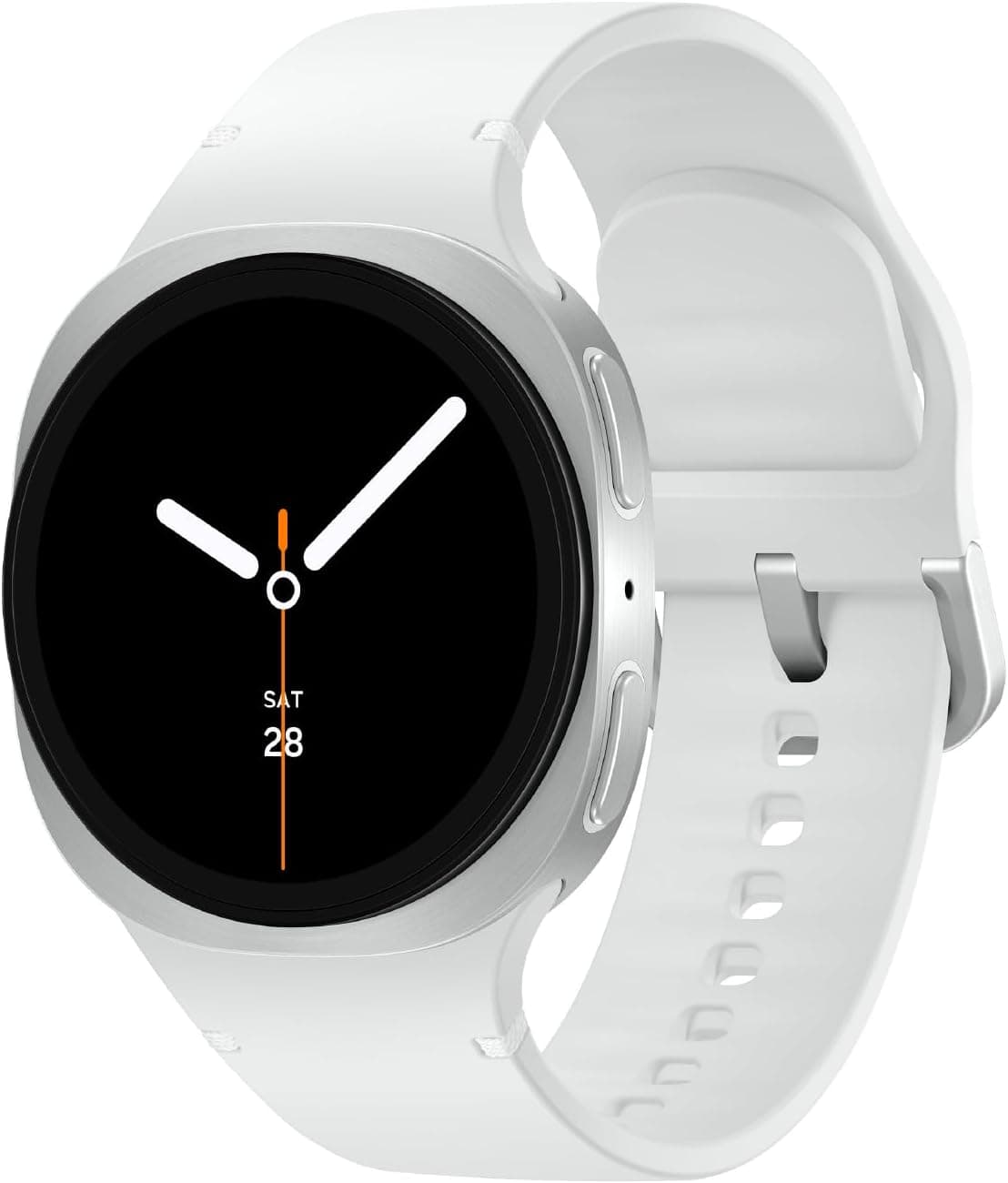
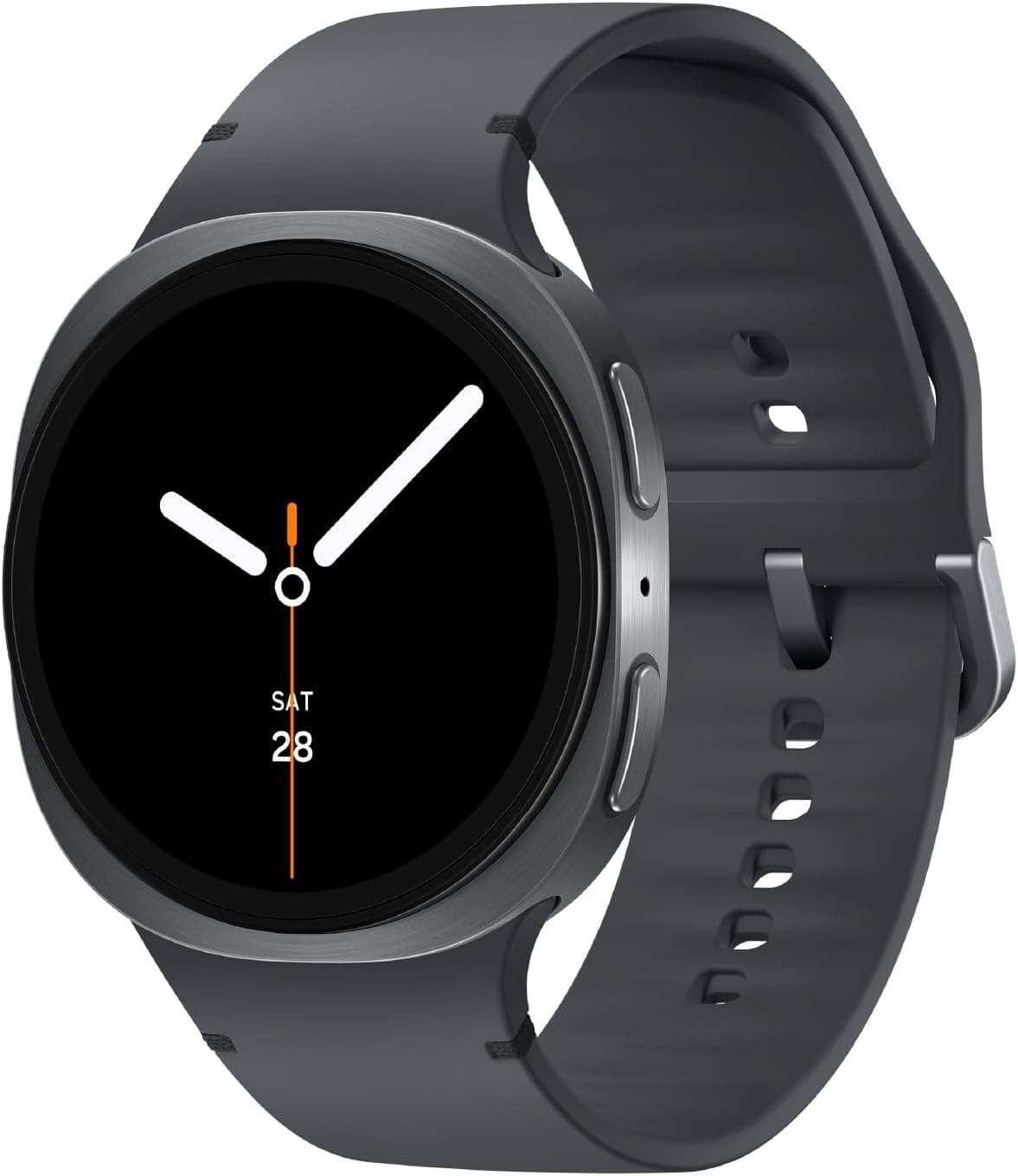
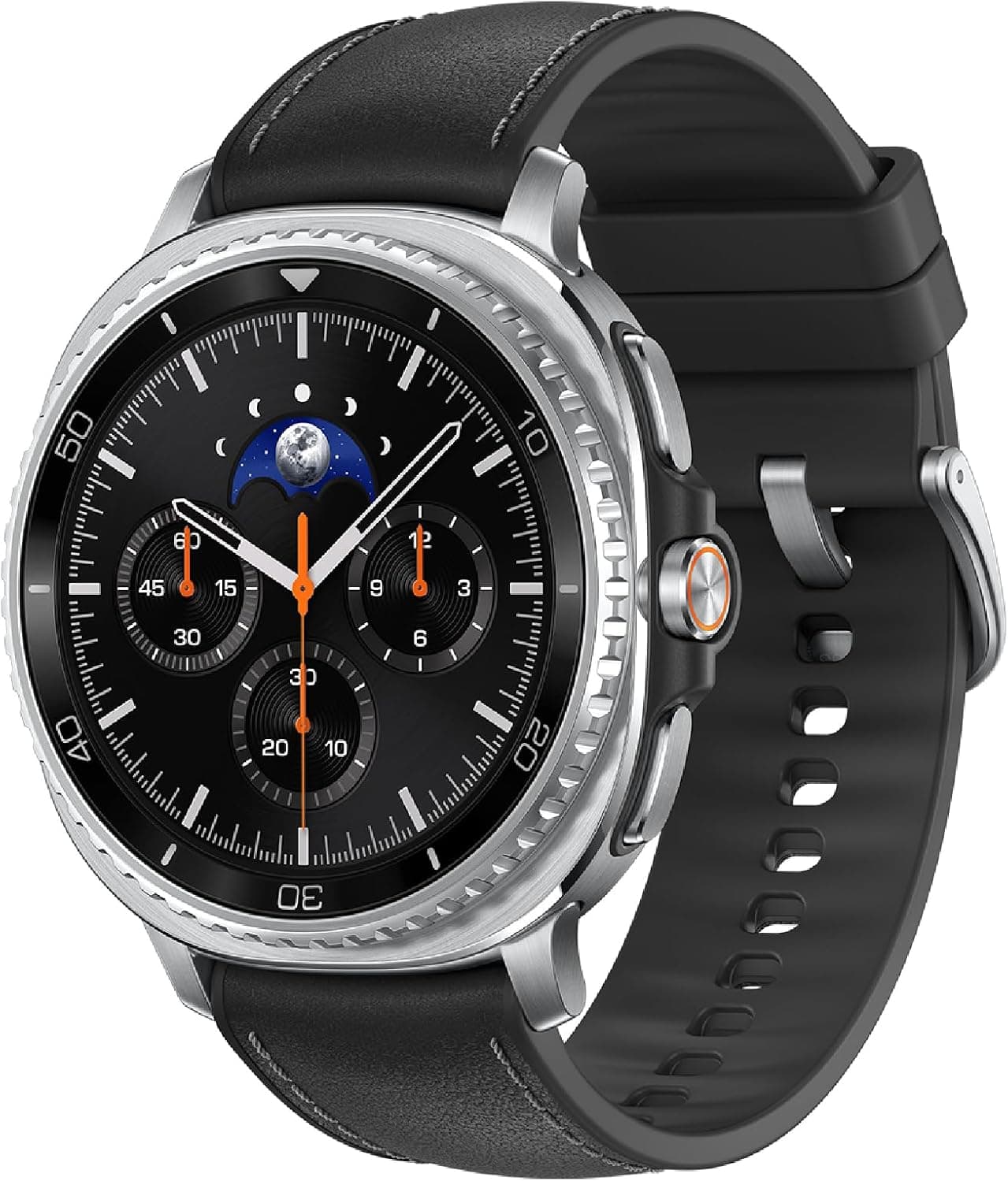
The current lineup is built around the 3nm Exynos W1000 chip, a five-core design with one Cortex-A78 and four Cortex-A55 cores that is noticeably quicker than the previous generation. The standard Galaxy Watch 7 ships in 40mm and 44mm sizes on Wear OS 5, with a BioActive sensor handling heart rate, ECG, SpO2 and AFib detection; the 44mm carries a 425mAh battery and rates 5ATM plus IP68. It retails from roughly $299.99 for the 40mm Bluetooth model and $329.99 for the 44mm, with LTE adding about $50. If you want real toughness, the 47mm Galaxy Watch Ultra in Grade 4 titanium adds 10ATM water resistance, dual-frequency GPS and a 590mAh battery for around $649.99. The 2025 Galaxy Watch 8 and the sapphire-crystal 46mm Watch 8 Classic move to Wear OS 6 with One UI 8 Watch and promise up to four years of updates, with the Classic starting near $499.
Do not buy one of these for resale value; they are electronics, not mechanical watches, and the secondary market punishes them hard within a couple of years. The thing that actually matters at purchase is the ecosystem. The Galaxy Watch's full feature set, including ECG and blood pressure, only works properly with a Samsung Galaxy phone and is a non-starter on iPhone. On Android it integrates far more deeply than rival brands. Buying used, check battery health, look for screen scratches, and confirm the band is the standard 20mm quick-release type, which opens up a huge range of straps.
In this segment Samsung's real competition is the Apple Watch and Google's Pixel Watch, but its value and that rotating bezel make it the strongest pick for an Android buyer. If it is your first one, the standard Galaxy Watch 7 is the sensible entry, especially once it drops on sale. Choose the Ultra if outdoor use, diving or long battery life come first, and the Watch 8 Classic if you want a more traditional dial and the physical bezel back.
Samsung Galaxy Watch watches



Frequently asked questions
Which Galaxy Watch should I buy first?
For most people the standard Galaxy Watch 7 is the sensible entry point. It offers balanced pricing, the full health-sensor suite and two case sizes. Because it drops quickly on sale, it is worth waiting for a discount if this is your first smartwatch.
Does the Galaxy Watch work with an iPhone?
No. The Galaxy Watch pairs only with Android phones, and its full feature set, including ECG and blood pressure, requires a Samsung Galaxy phone specifically. If you own an iPhone, this line is not for you and you should look at the Apple Watch instead.
What is the difference between the Watch 7 and Watch Ultra?
The Watch 7 is slim, light and built for everyday use, from about $299.99. The Watch Ultra adds a 47mm Grade 4 titanium case, 10ATM water resistance, dual-frequency GPS and a larger 590mAh battery for around $649.99. Choose the Ultra if outdoor use and durability come first.
Does the Galaxy Watch hold its value?
No. These are electronics, not mechanical watches, and they lose most of their value on the secondary market within a couple of years. Buy one to wear, not to invest in. Unlike mechanical watches, value retention simply is not a thing in this segment.
How long does the Galaxy Watch get software updates?
The 2025 Galaxy Watch 8 and Watch 8 Classic promise up to four years of software updates from launch. Older Tizen-based models lose smartwatch support entirely at the end of 2025, so pay close attention to the generation when buying used.