


Victorinox Swiss ArmyMidrange
Watch division of the Swiss Army knife maker founded in 1989; the INOX line passes 130 durability tests as a 200m WR dive watch.
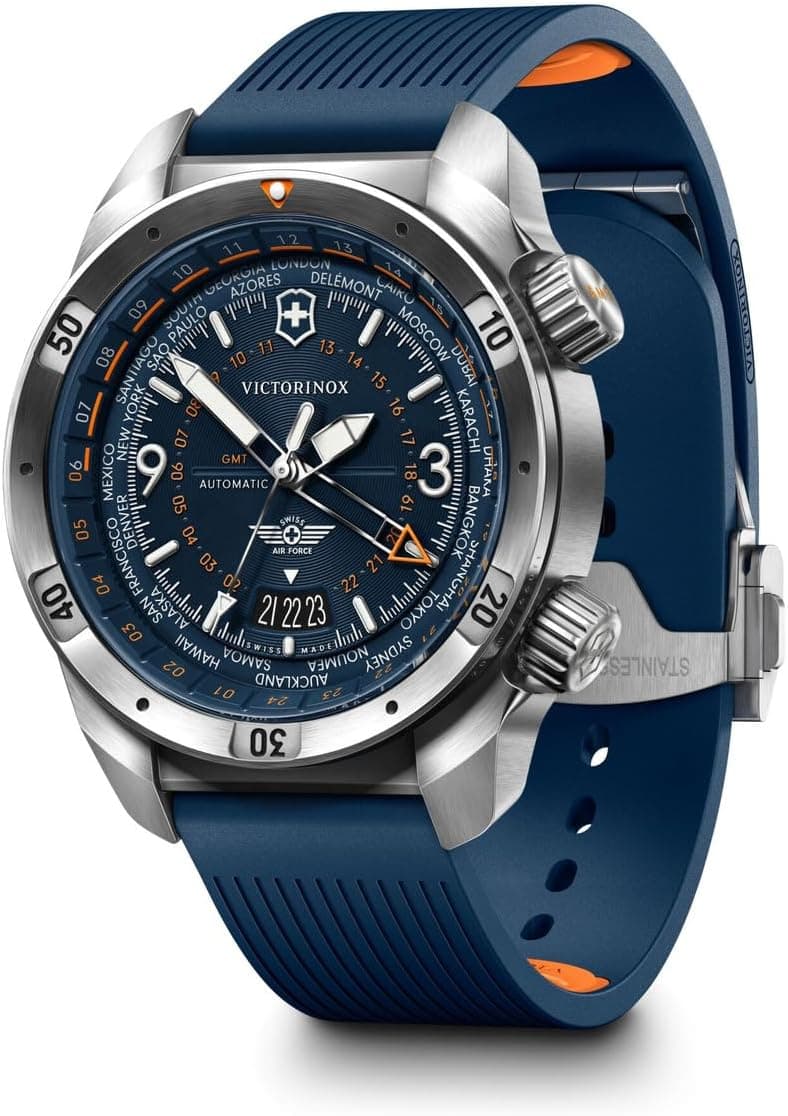
Victorinox Swiss Army launched its watch line in 1989, carrying the toughness of the Swiss Army Knife into collections like the I.N.O.X. and Maverick. The result is genuinely durable, sensibly priced Swiss Made watches.
Victorinox traces back to 1884, when Karl Elsener opened a cutlery workshop in Ibach, in the Swiss canton of Schwyz. The name combines his mother Victoria with inox, the French word for stainless steel. The company entered watchmaking in 1989 under the Swiss Army name, and it caught on quickly in North America, where the Swiss Army Knife was already a household object. Every watch is still Swiss Made today, and the brand has carved out a clear midrange position by translating military field aesthetics into something you can actually wear every day.
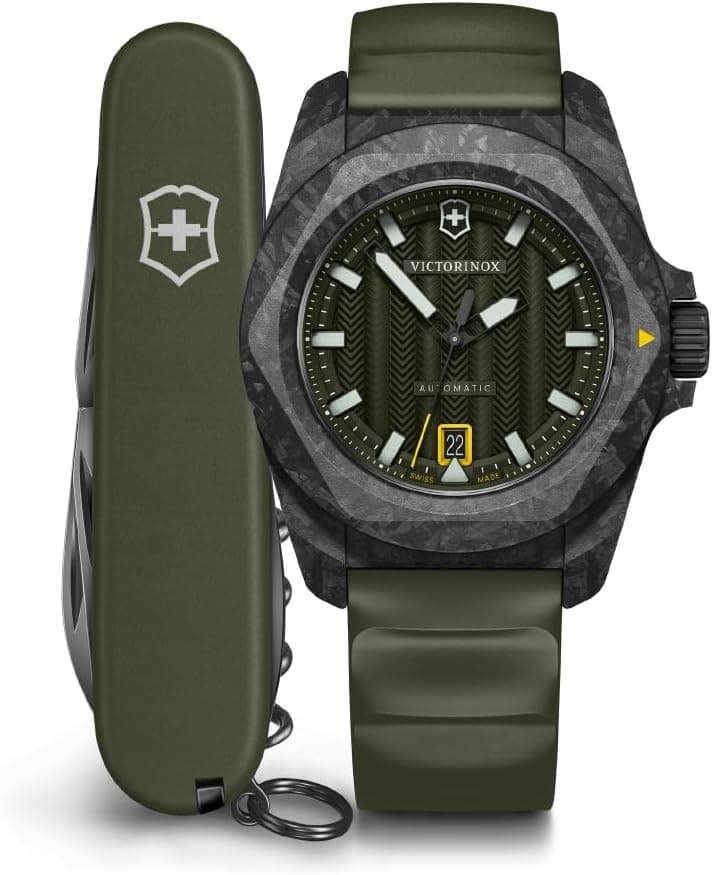
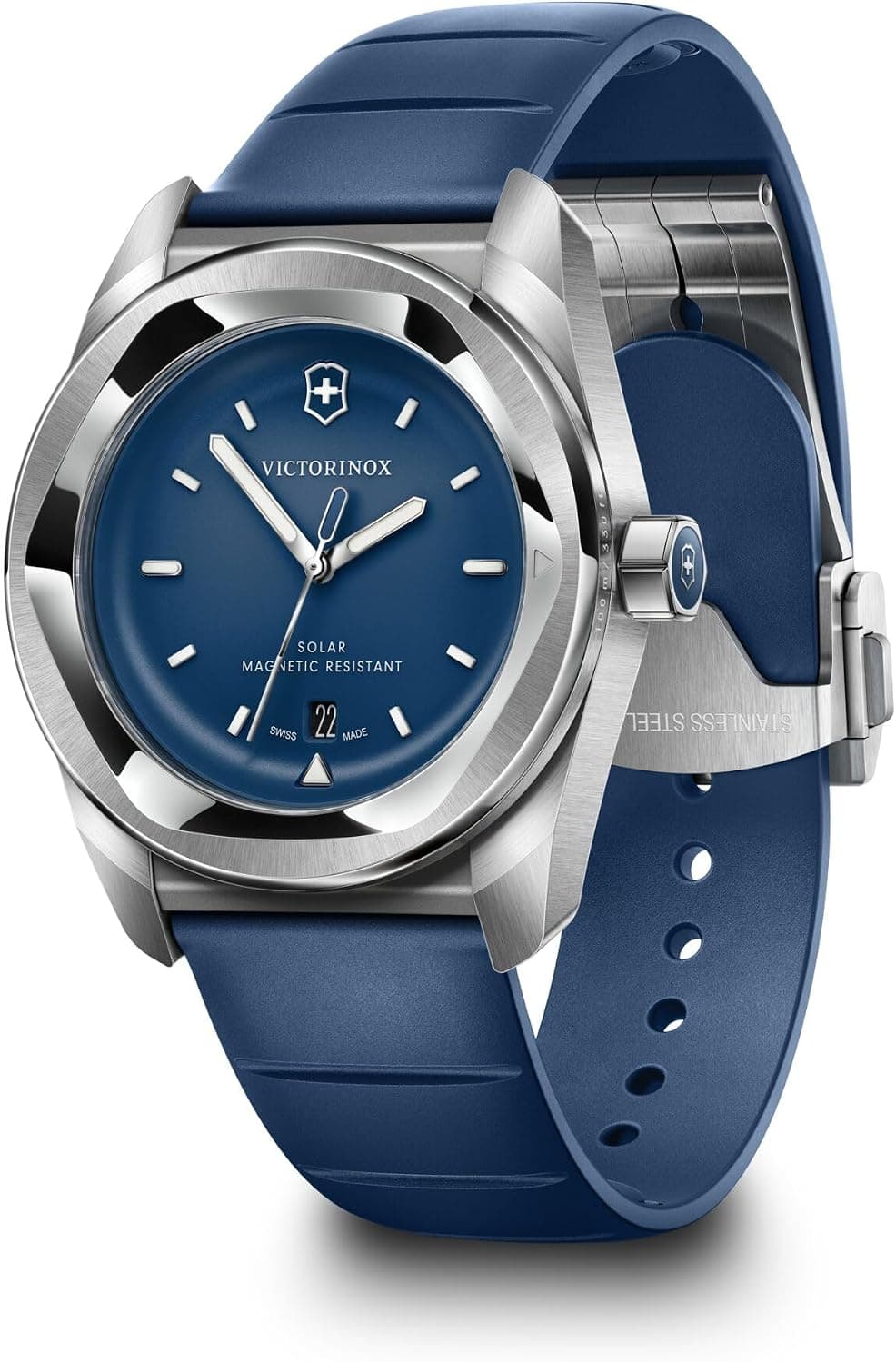
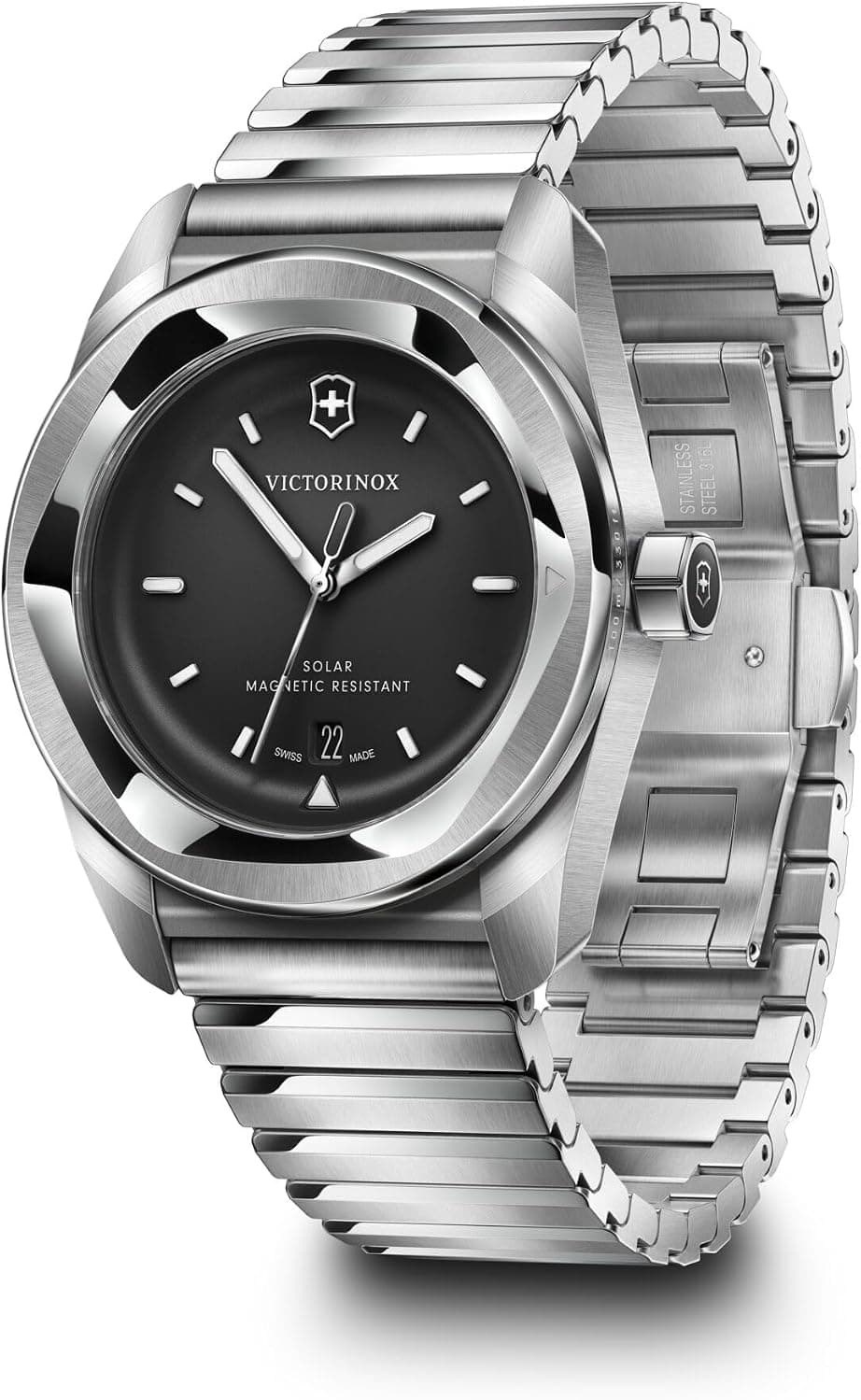
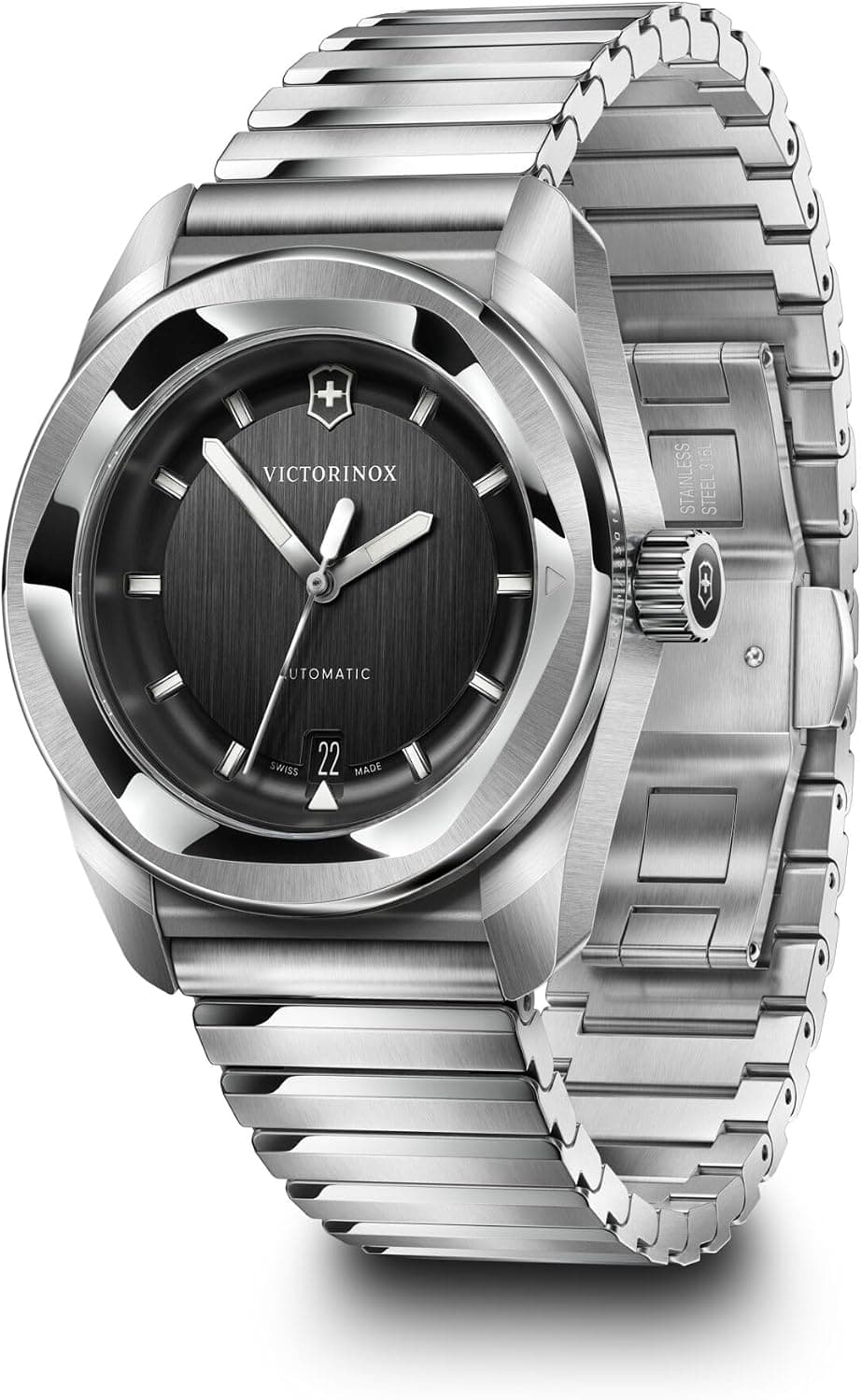
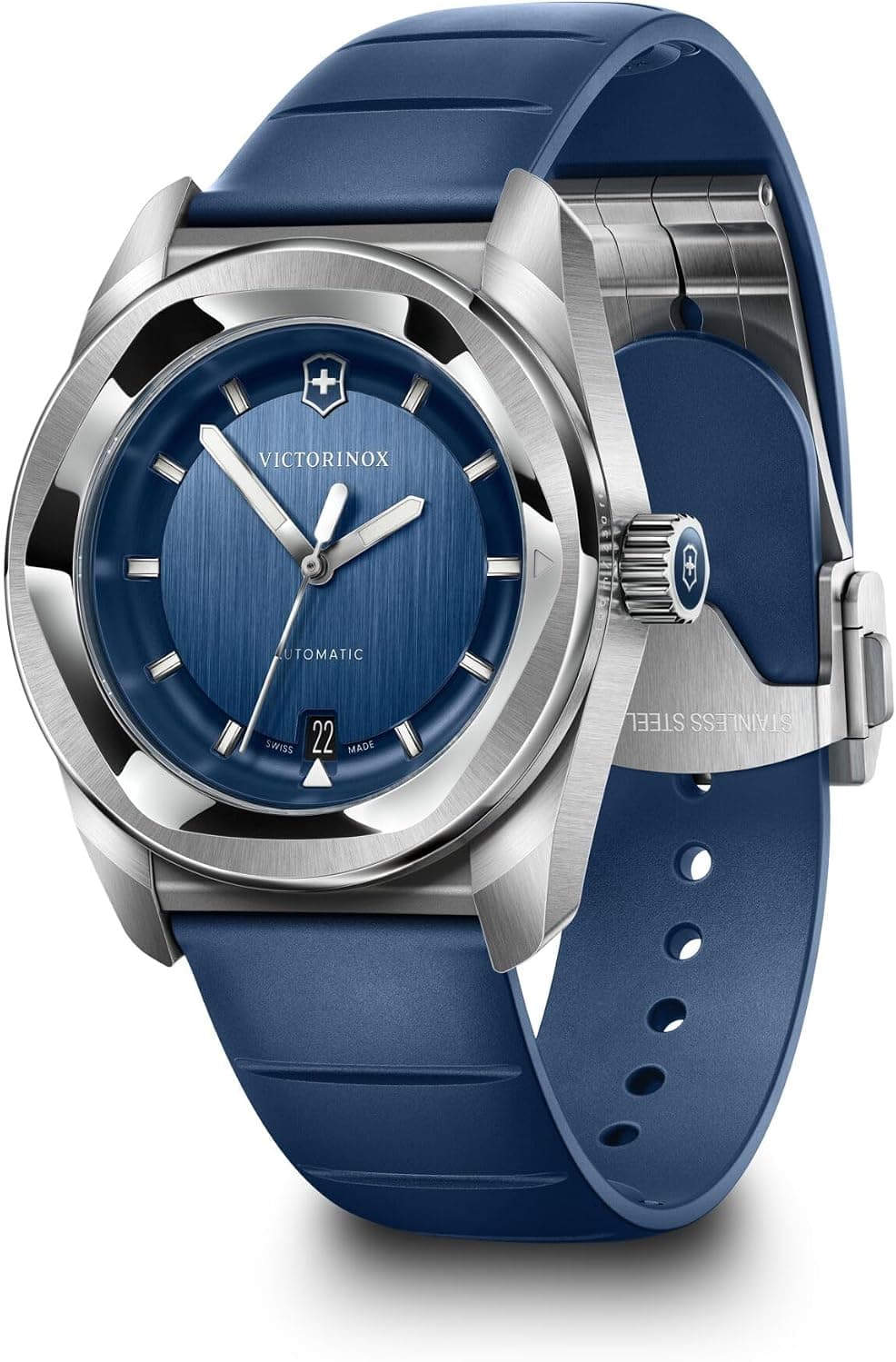
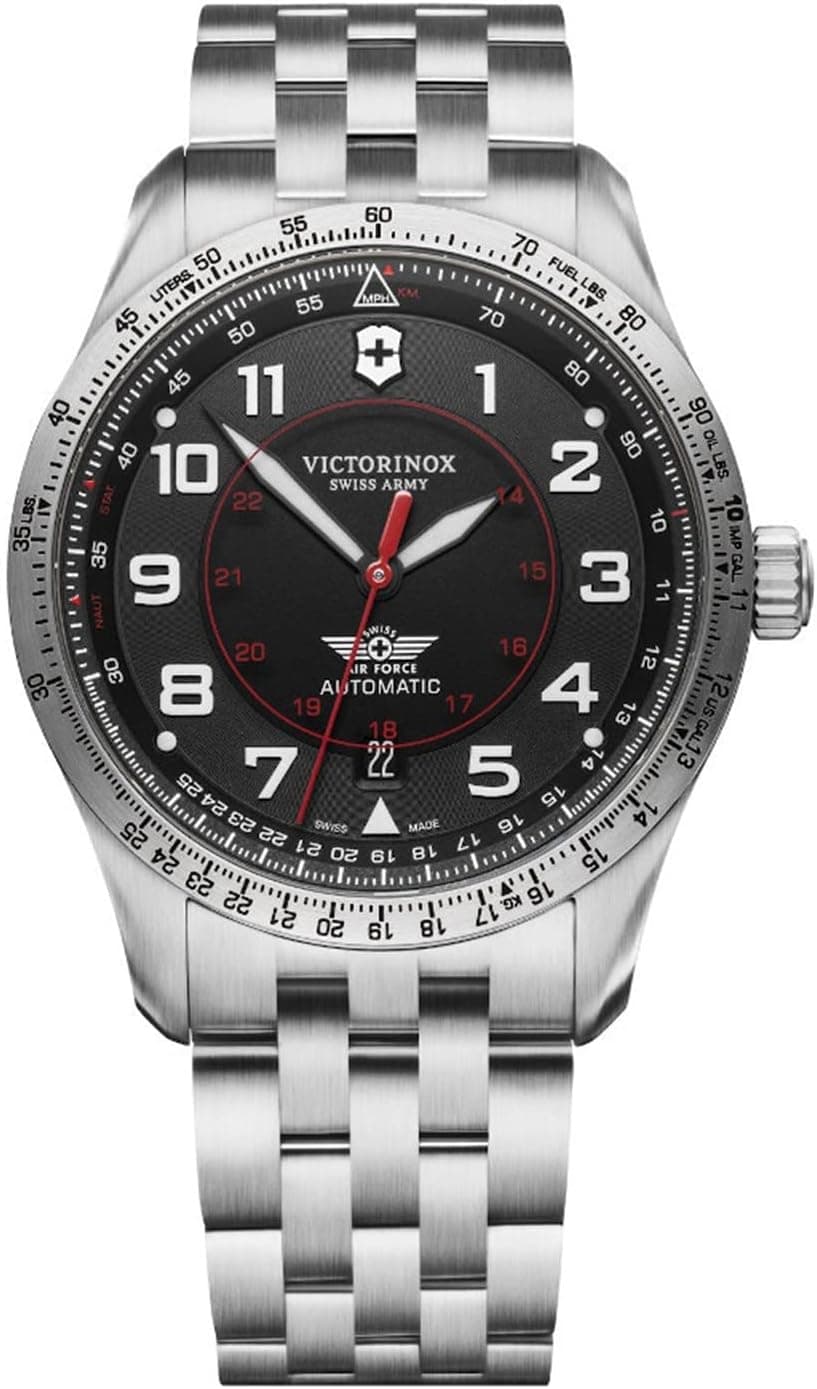
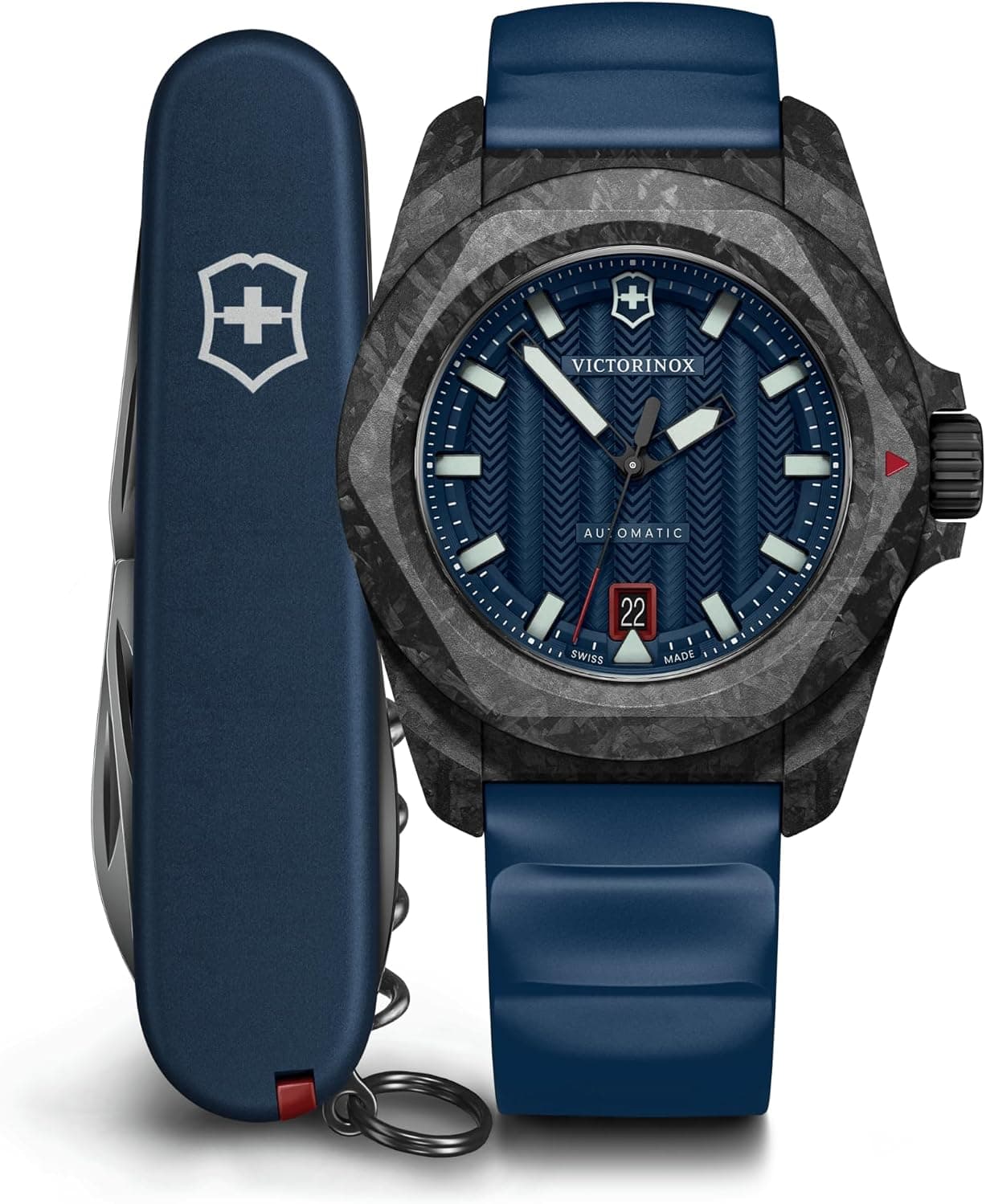
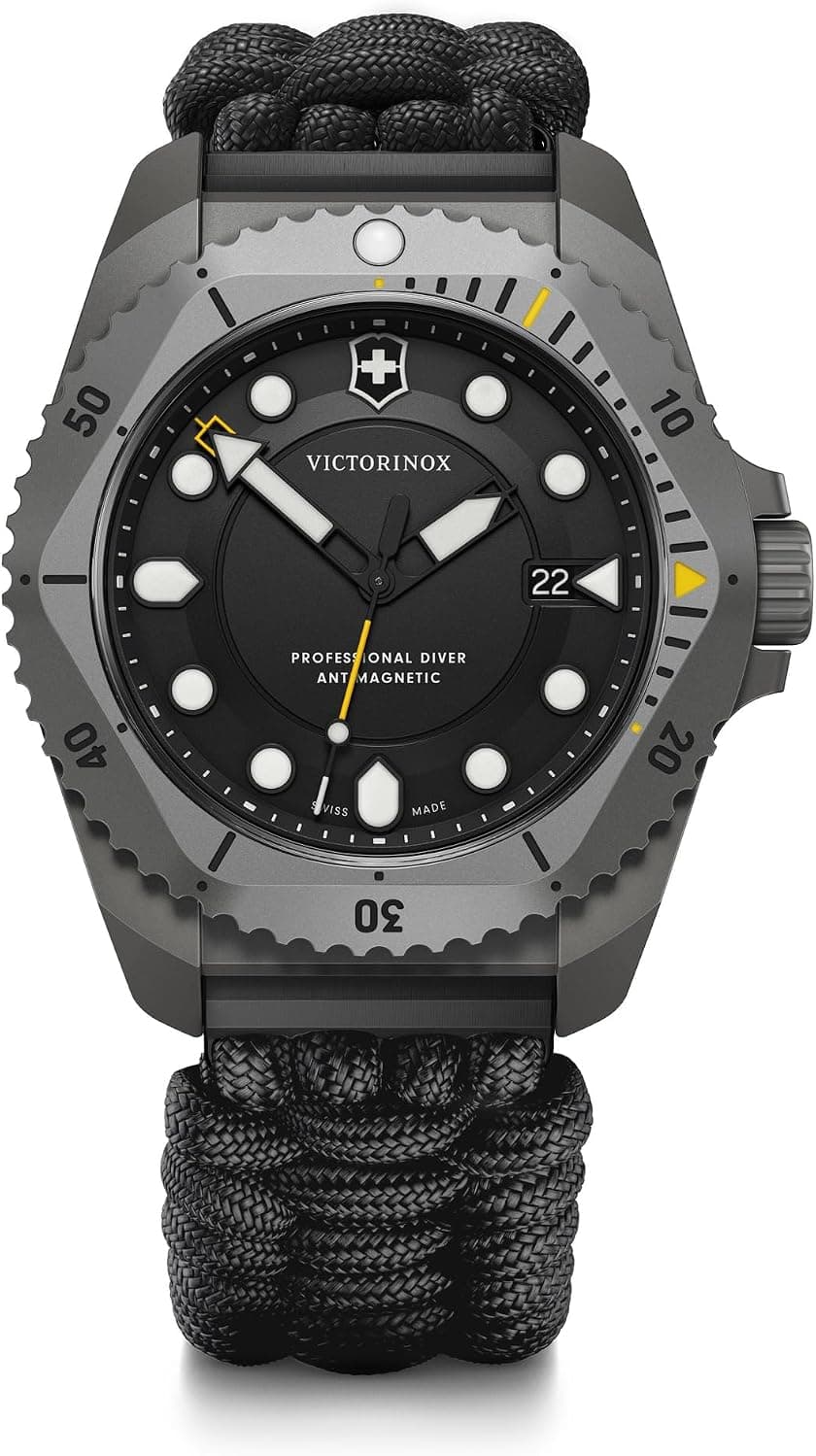
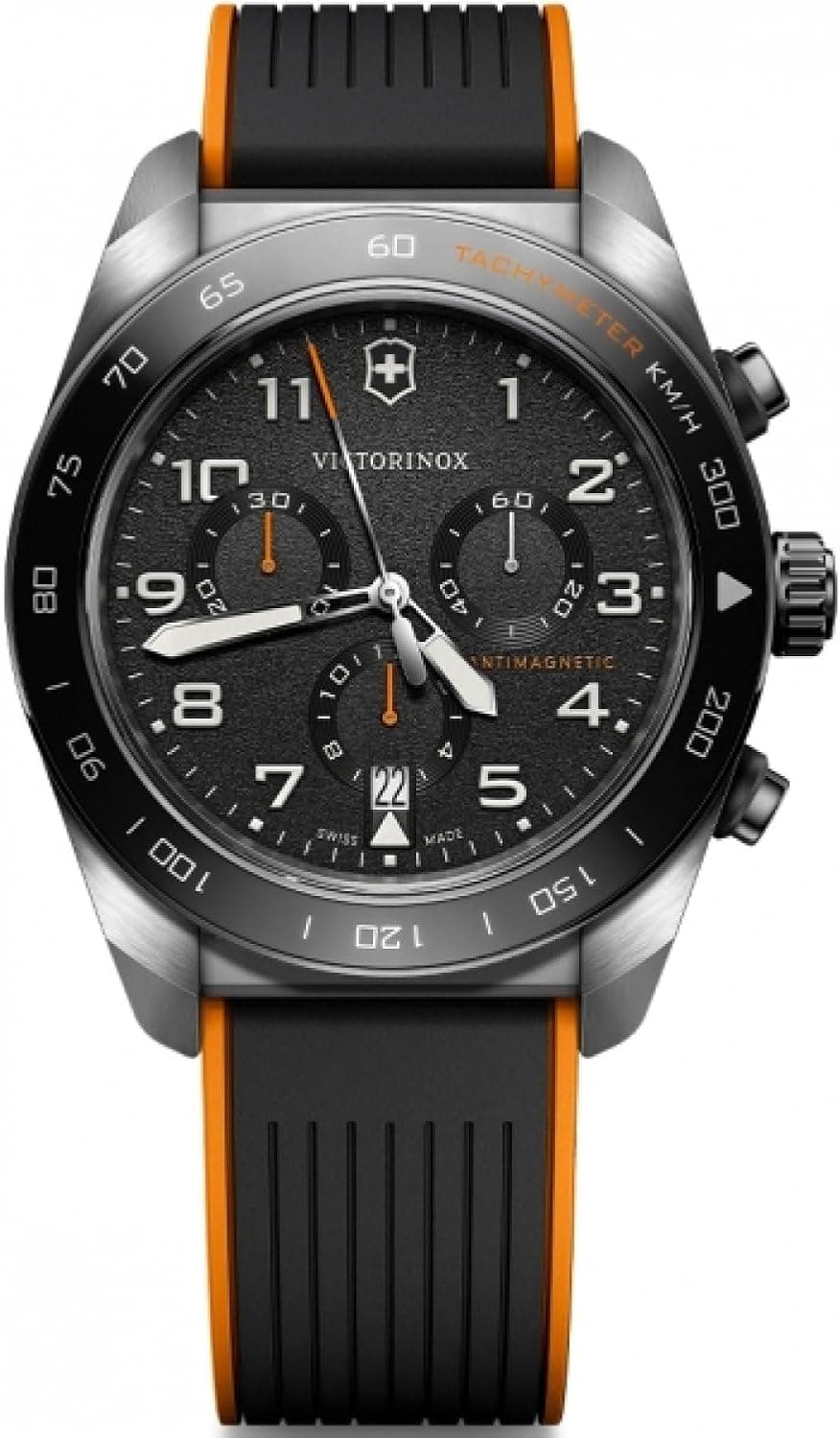
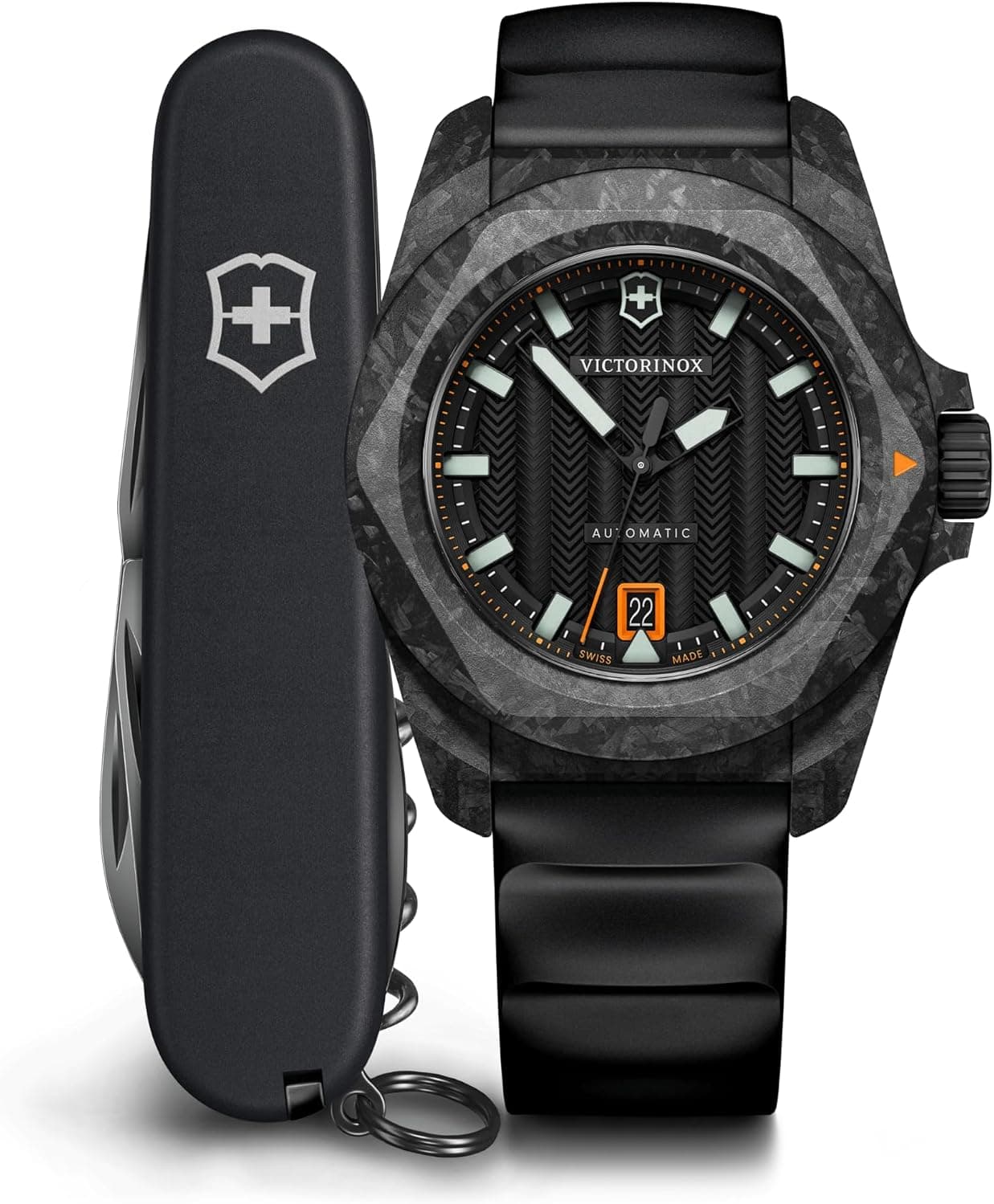
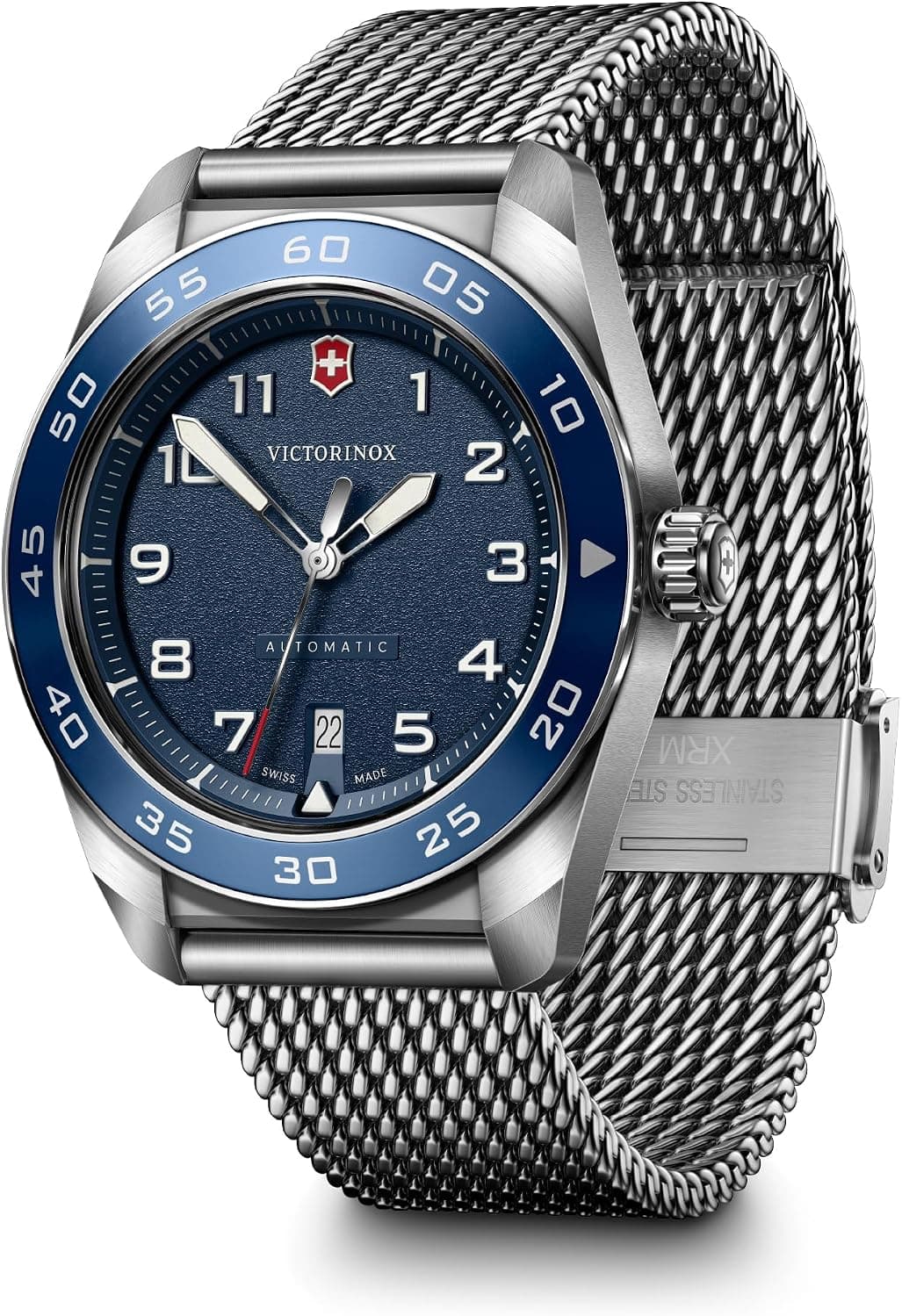
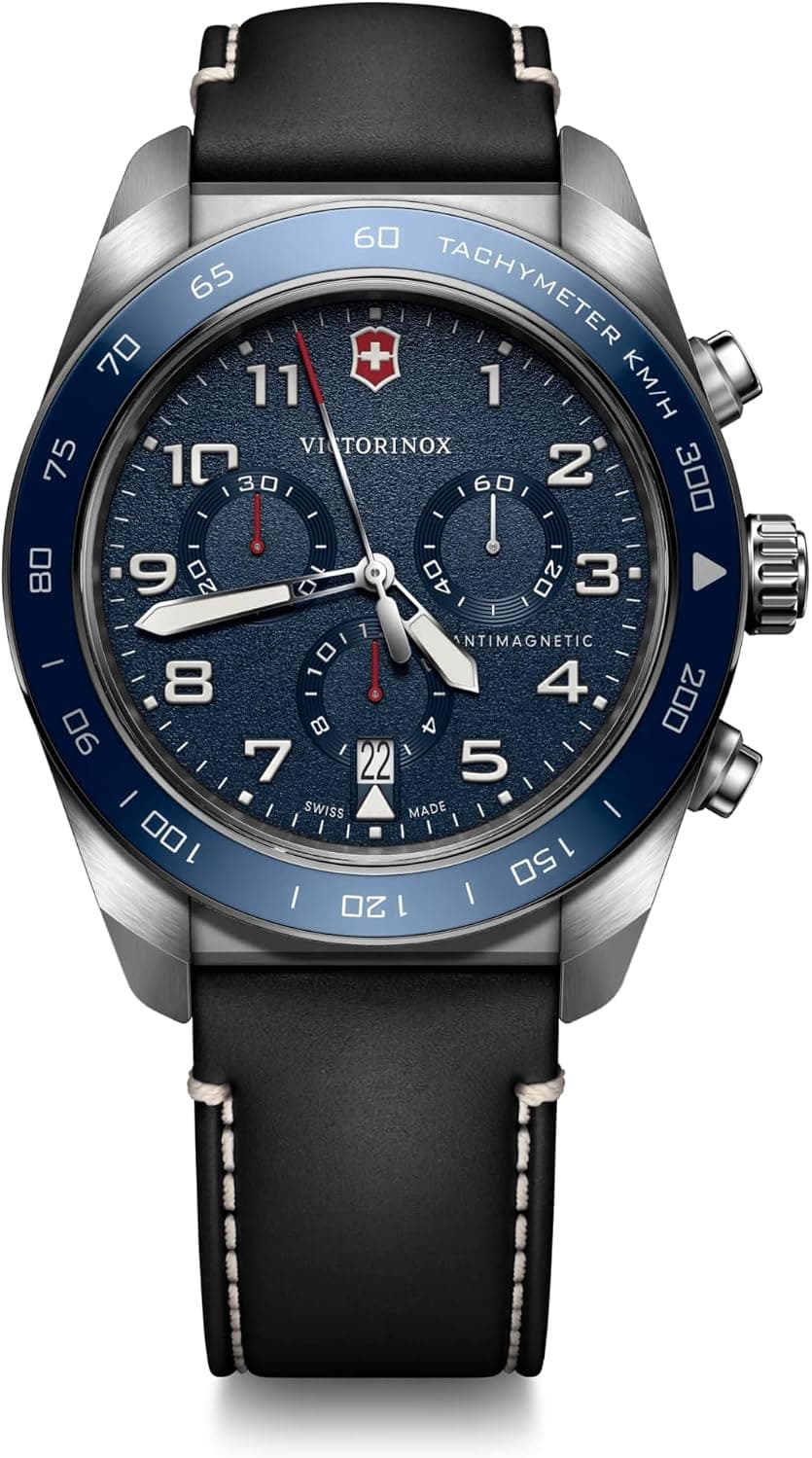
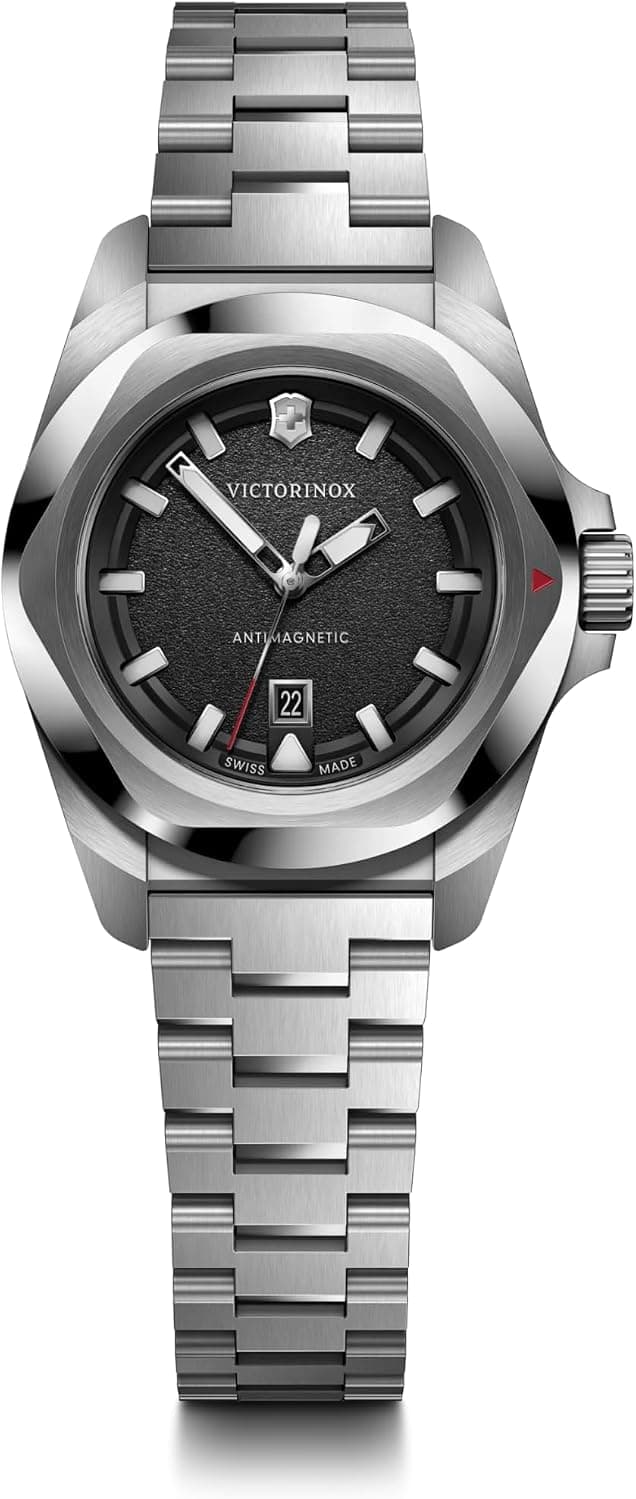
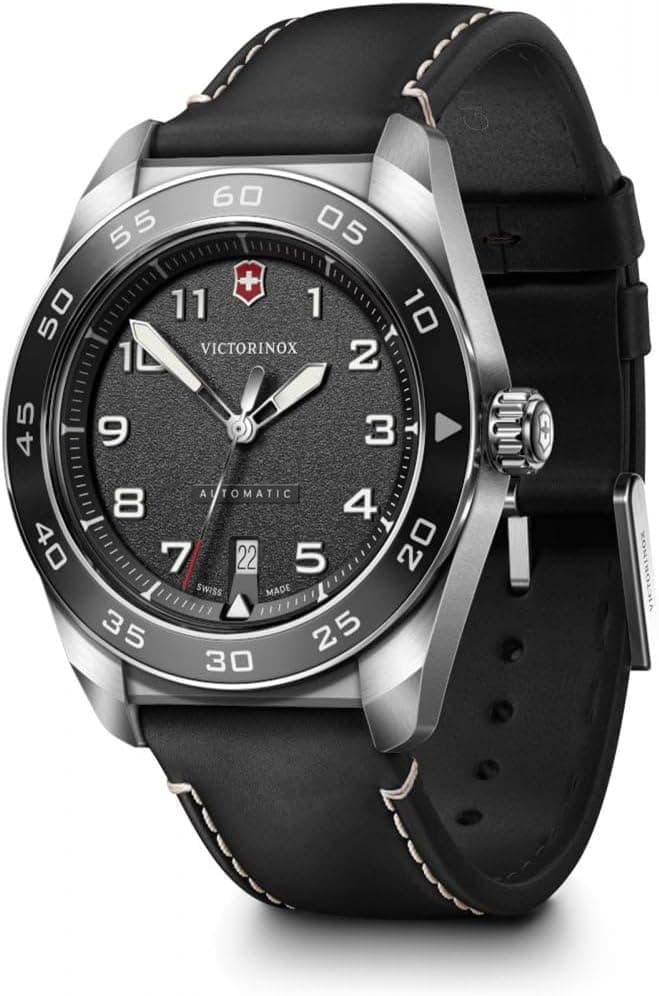
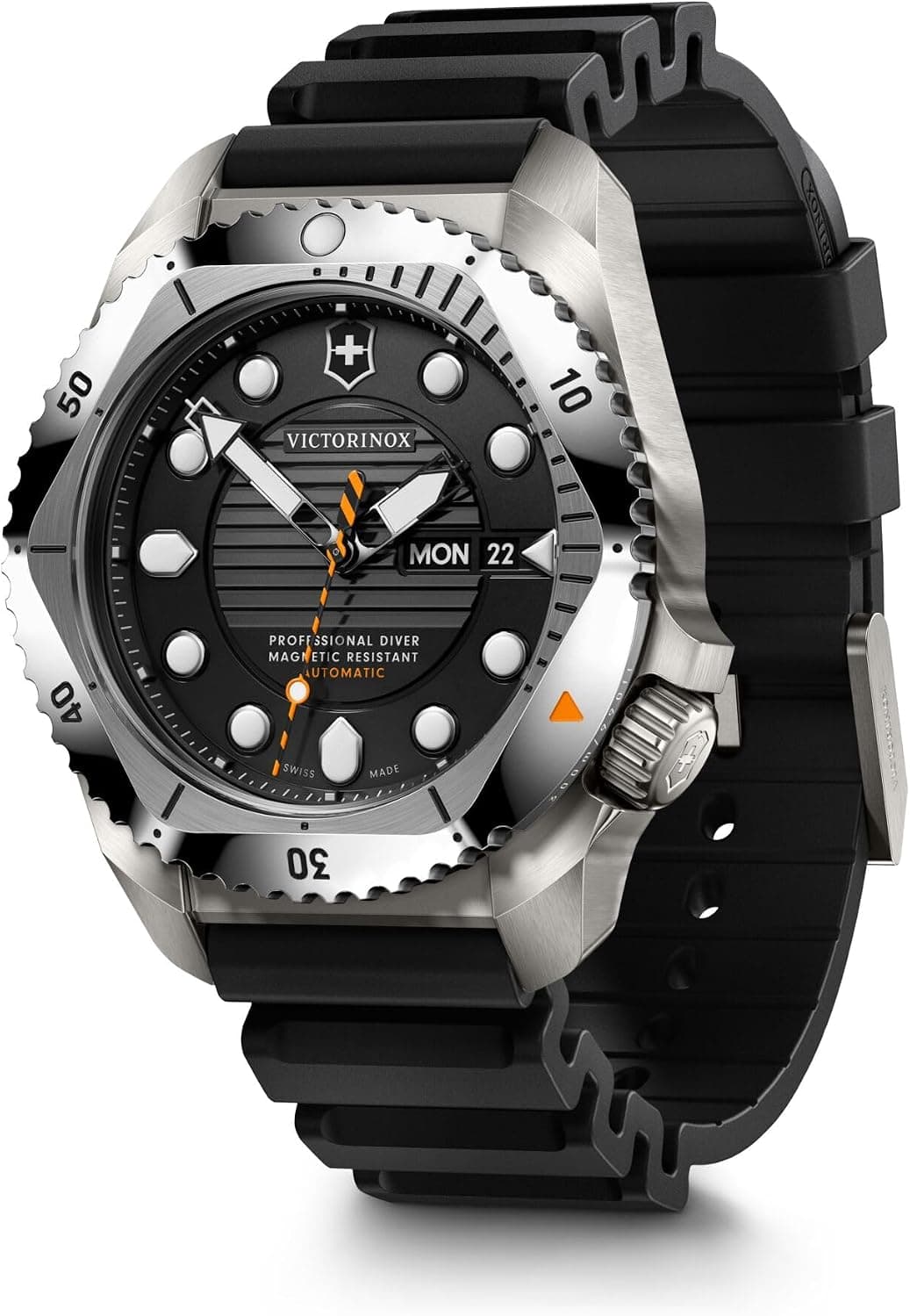
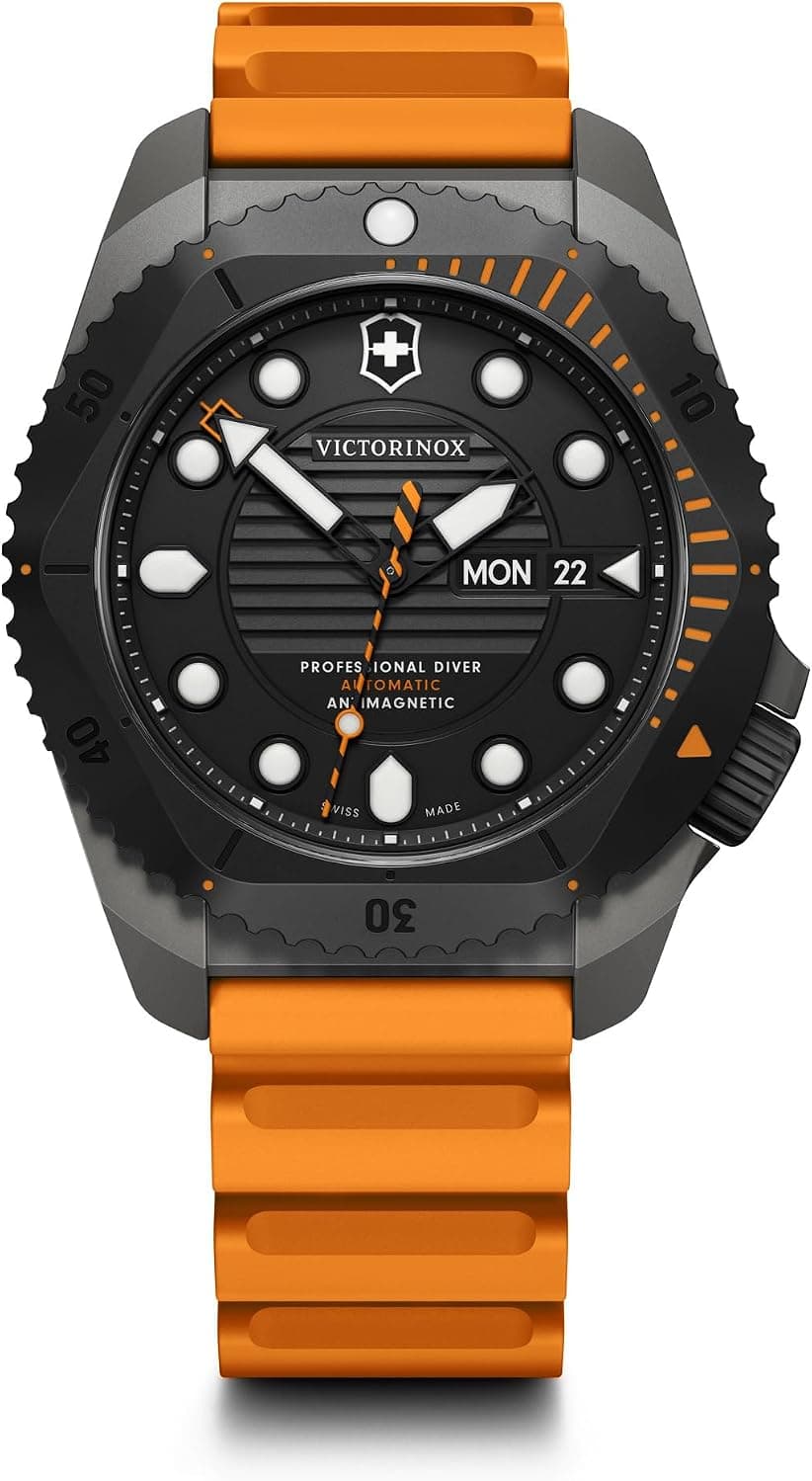
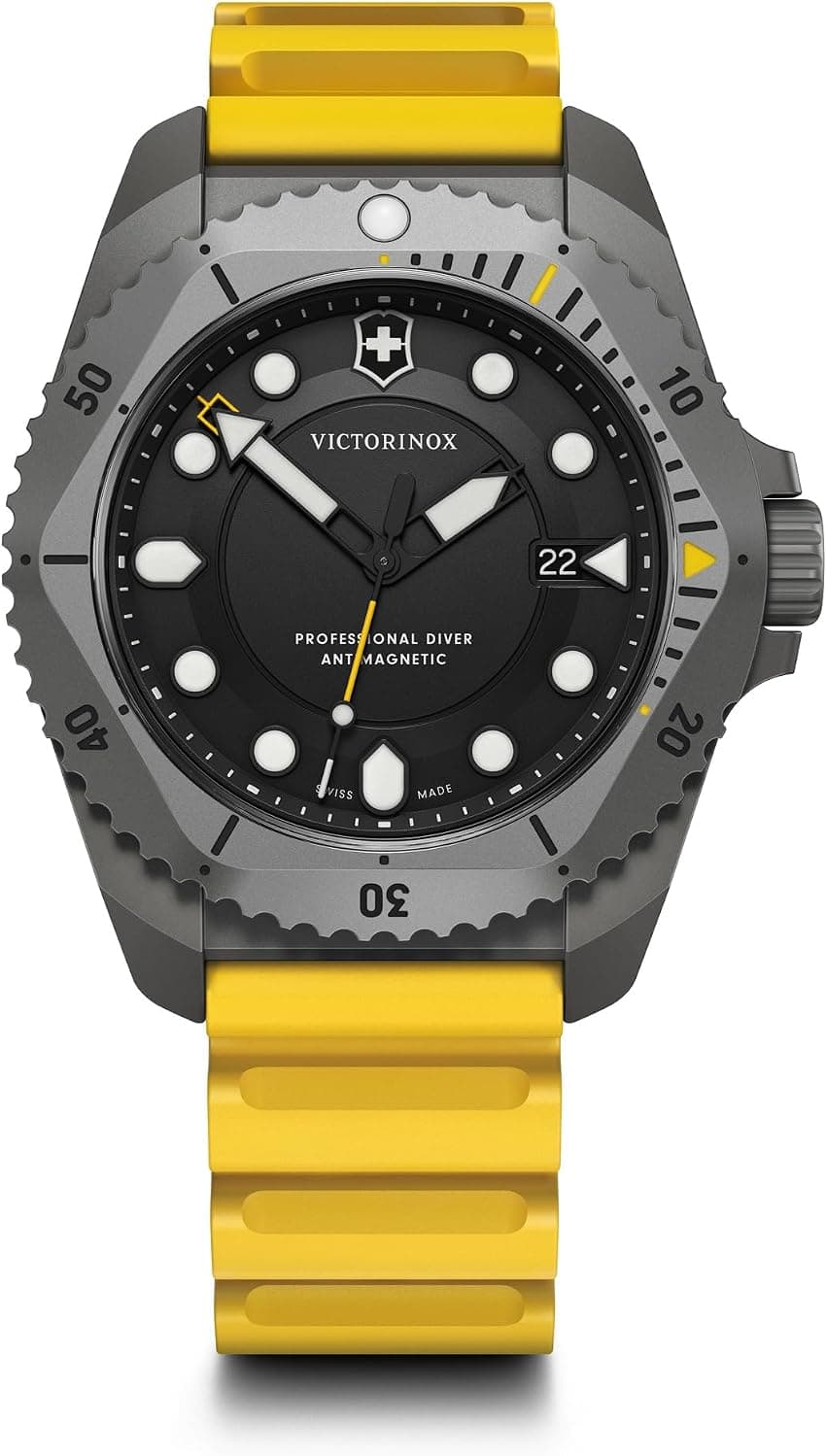
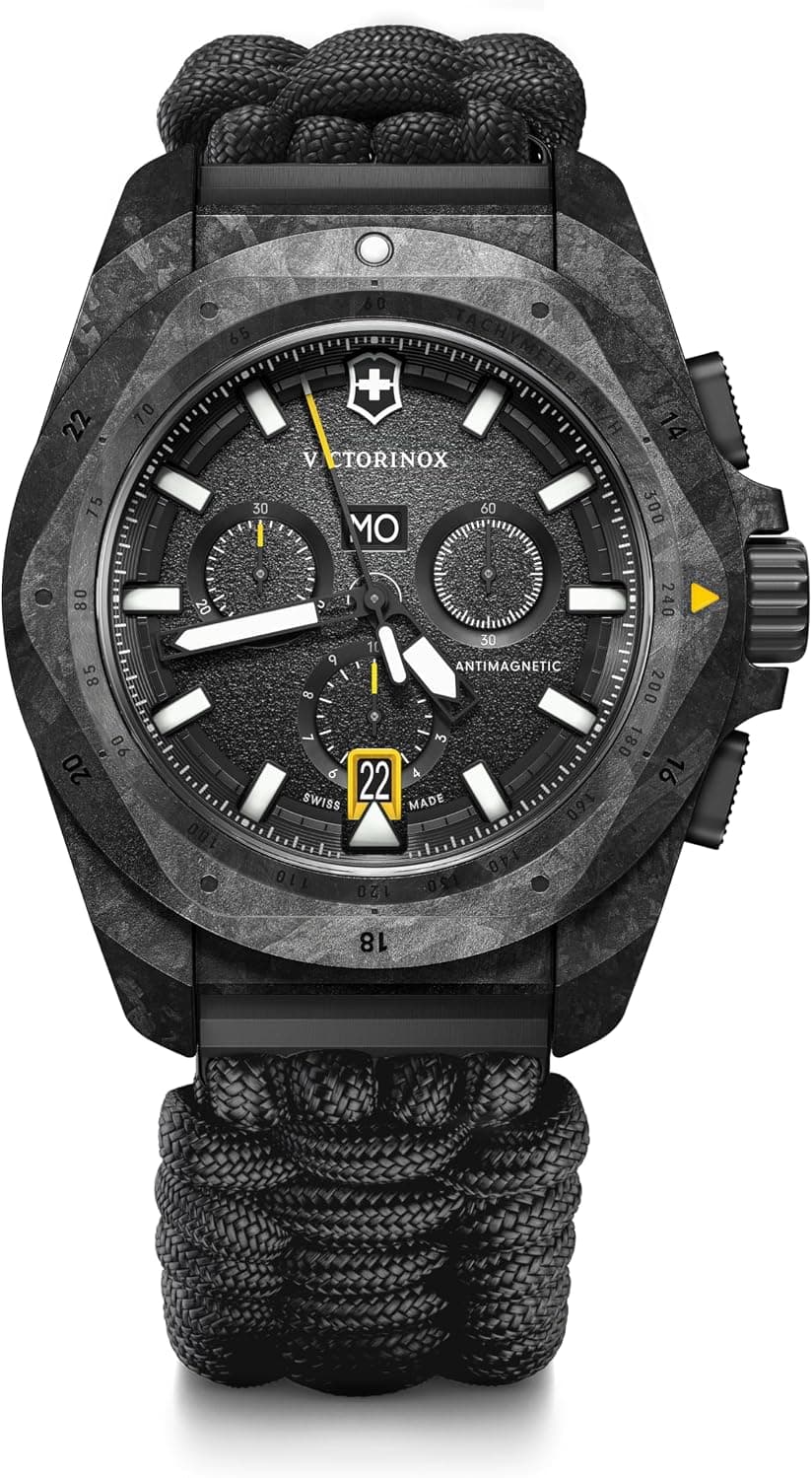
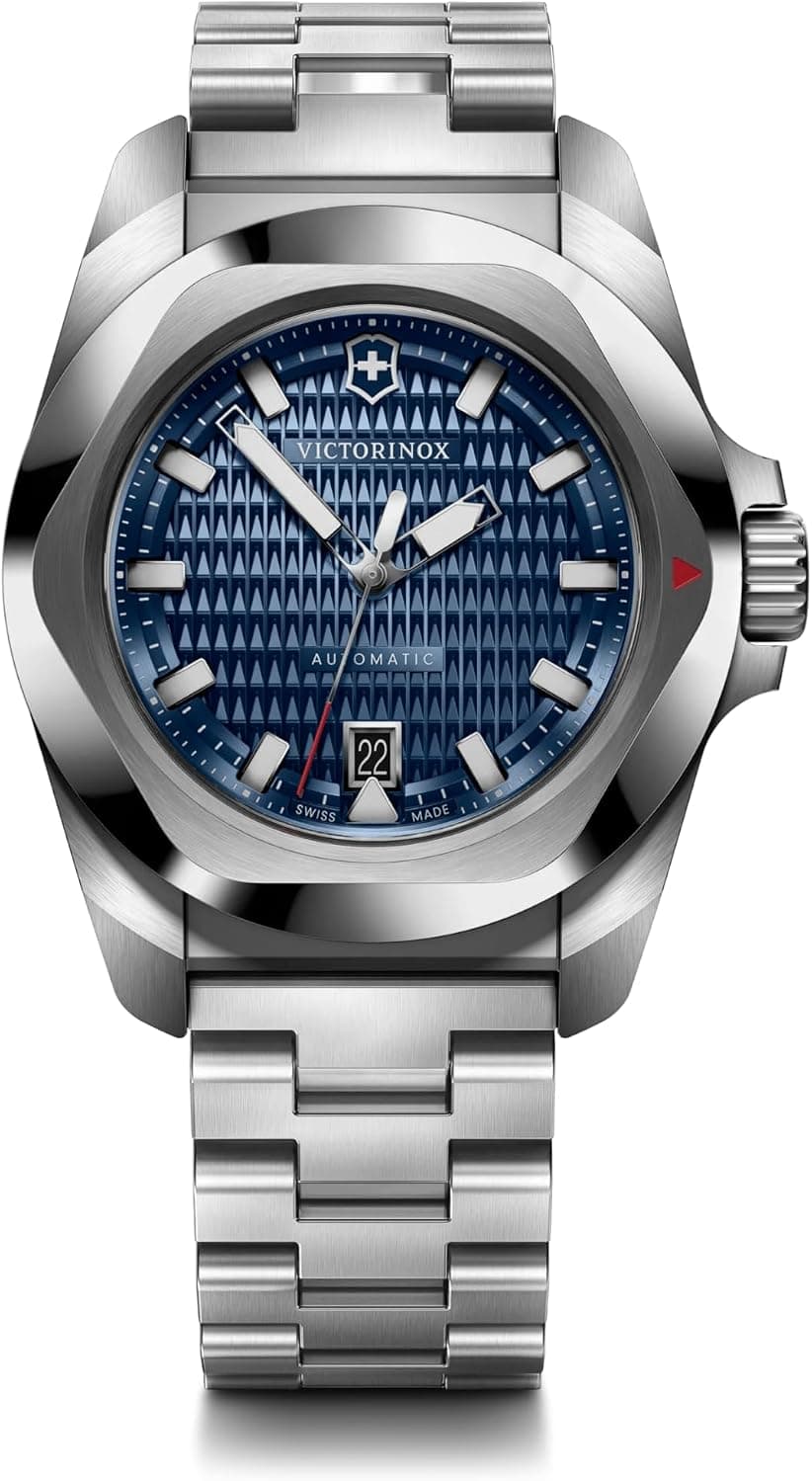
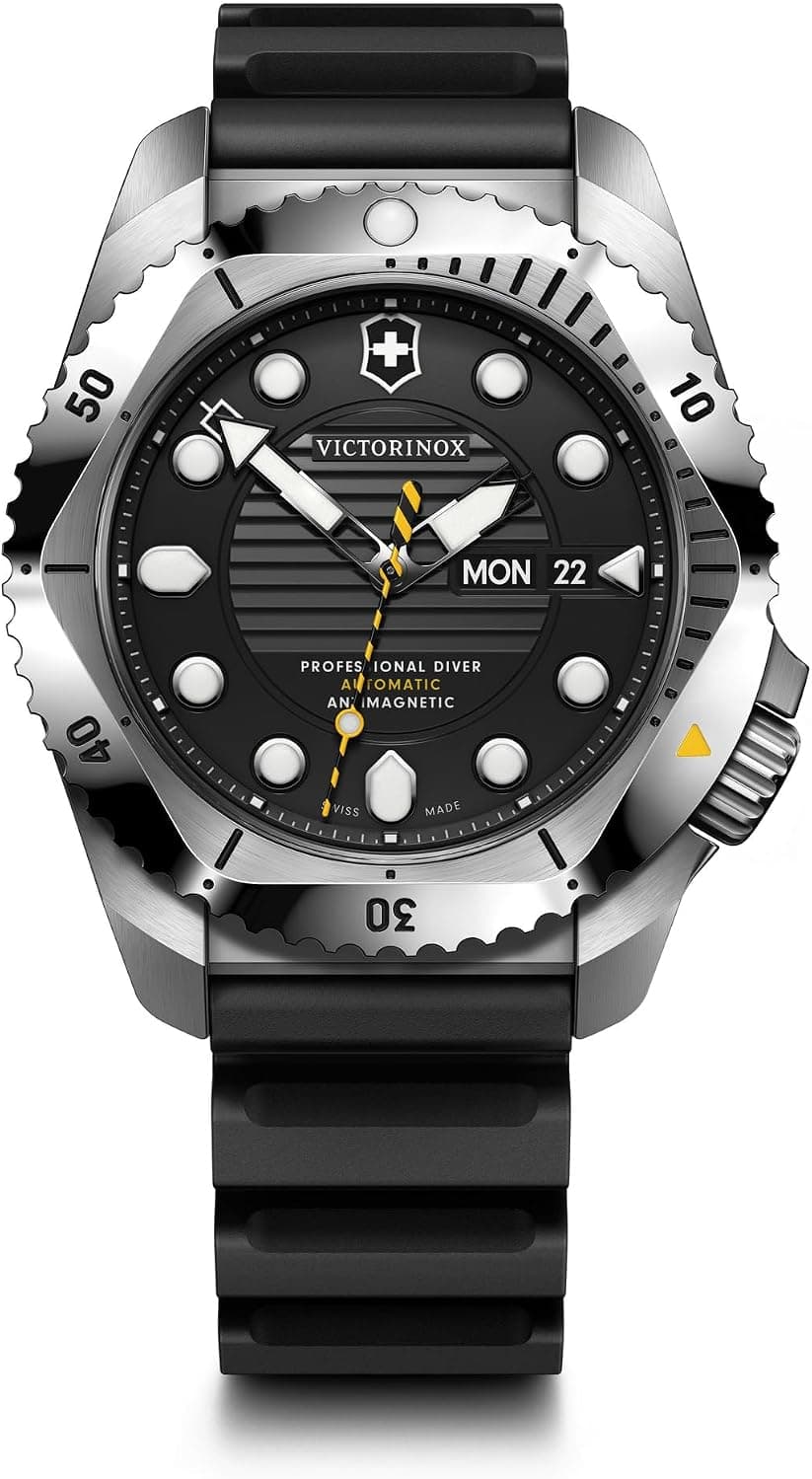
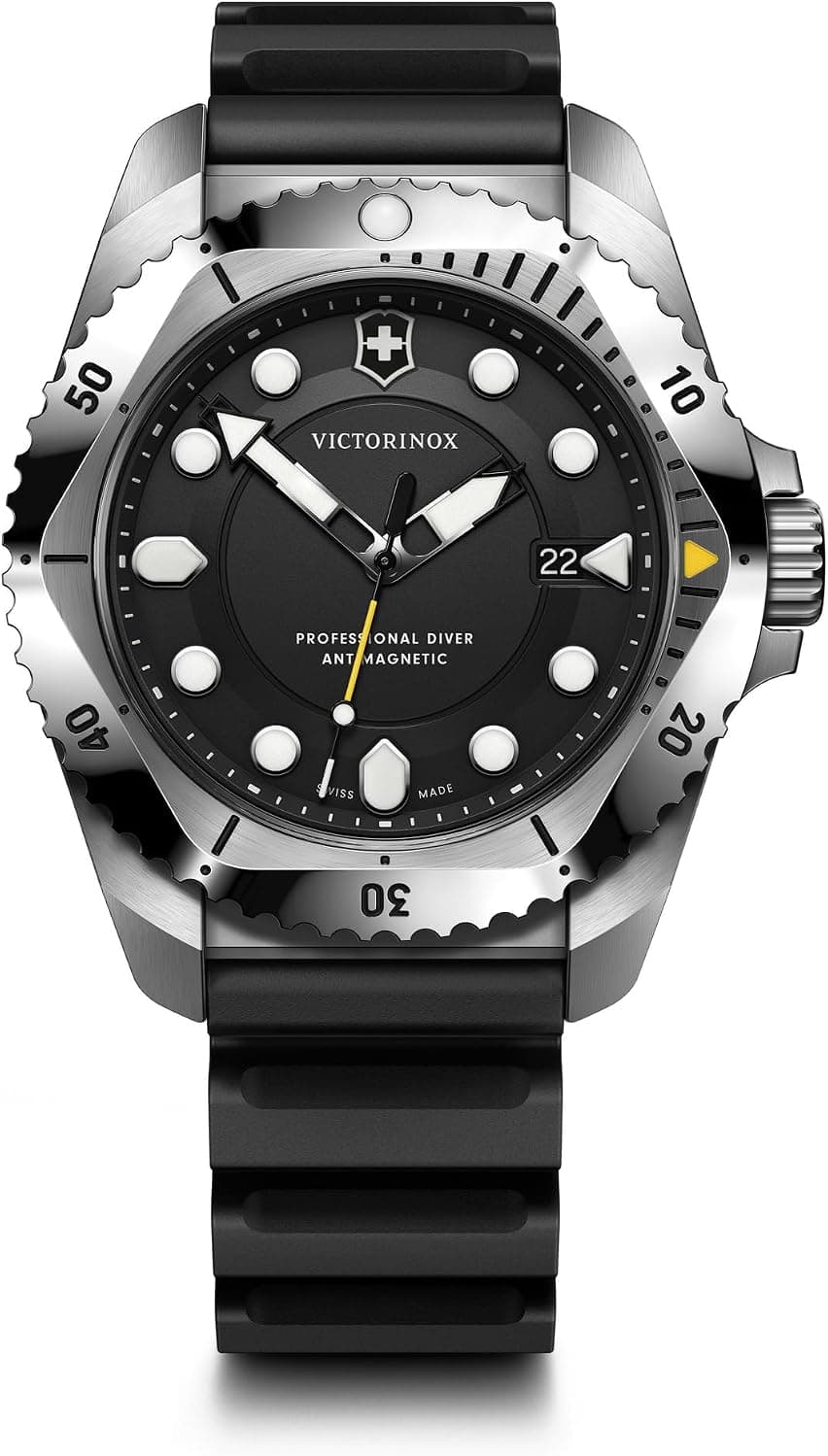
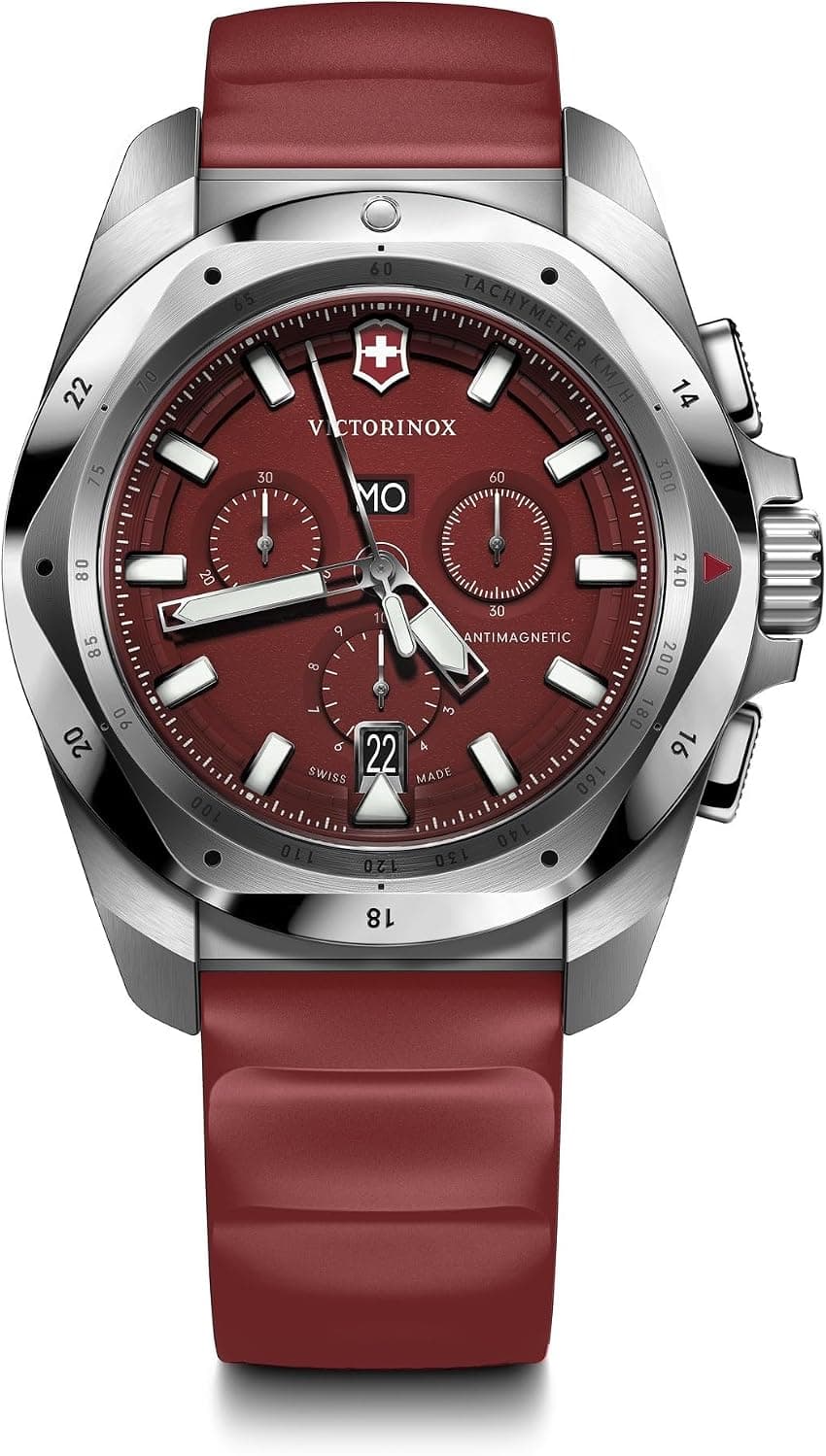
The core of the catalog is the I.N.O.X., the line that made its reputation on a battery of 130 endurance tests: a 10-meter drop, being driven over by a 64-ton tank, a 200-meter dive, and a spin in a washing machine. The I.N.O.X. Automatic runs the Sellita SW200-1, a workhorse caliber beating at 4Hz with roughly 38 to 41 hours of reserve and 200 meters of water resistance; the entry model on a rubber strap sits around $1,050, while the steel bracelet version runs closer to $1,200. The 43mm I.N.O.X. Mechanical, reference 241837, uses the same SW200-1 and carries a guilloche dial that deliberately echoes the scales of a Swiss Army Knife handle. For quartz buyers, the 43mm Maverick Chronograph is a sapphire-crystal, 100-meter sports chrono on Swiss quartz (references like 241865 and 241946), with street prices generally landing between $450 and $700, while the dressier Alliance line uses Ronda quartz calibers and sits around $495 to $595.
From a collector's seat, Victorinox makes a lot of sense once you set expectations correctly. These are not secondary-market investments; the quartz models change hands below retail, and even the automatic I.N.O.X. holds value reasonably but never commands a premium. The real argument is durability and the fact that you get sapphire, true 200-meter sealing, and Super-LumiNova at this price. Buying used is low-risk: check box and papers, look closely at the dial and bezel for scuffs, and on automatics ask about service history. Because Sellita movements are everywhere, servicing and parts are easy and cheap.
Victorinox is not pretending to play in the luxury Swiss arena, and that honesty is part of the appeal. It is, plainly, a maker of tough, useful, fairly priced everyday watches. For someone buying a first Swiss Made watch, a collector who loves field-watch design, or anyone who wants something to knock around without worrying about water or shocks, the I.N.O.X. is the right starting point. Go automatic for the SW200-1, or save money with the quartz I.N.O.X. or Maverick.
Victorinox Swiss Army watches


Frequently asked questions
Do Victorinox watches hold their value?
Generally no. Victorinox is not an investment brand; quartz models change hands well below retail on the secondary market, and even the automatic I.N.O.X. holds value only reasonably without ever commanding a premium. Buy one to wear, not to flip for profit.
Which Victorinox should I buy first?
For most people the I.N.O.X. is the right entry point. If you want a mechanical movement, choose the I.N.O.X. Automatic with its Sellita SW200-1; if you want to spend less, go for the quartz I.N.O.X. or the Maverick Chronograph. All are Swiss Made with sapphire crystal.
What's the difference between the I.N.O.X. Automatic and quartz?
The Automatic uses the self-winding Sellita SW200-1, needs no battery, and starts around $1,050. The quartz version runs on a battery, is thinner and lighter, and costs noticeably less. Both share 200 meters of water resistance and the same durability testing.
Is servicing a Victorinox expensive?
No, it is reasonable. The Sellita SW200-1 inside the I.N.O.X. Automatic is a common caliber, so parts and labor are easy to find and most watchmakers can handle it. Quartz models need little beyond periodic battery changes and a gasket check.
Is the I.N.O.X. really as tough as claimed?
Largely yes. The brand promotes 130 endurance tests, including a 10-meter drop, being driven over by a 64-ton tank, a 200-meter dive, and a washing-machine cycle. In daily use it gives far more confidence against shocks, water, and scratches than its price suggests.