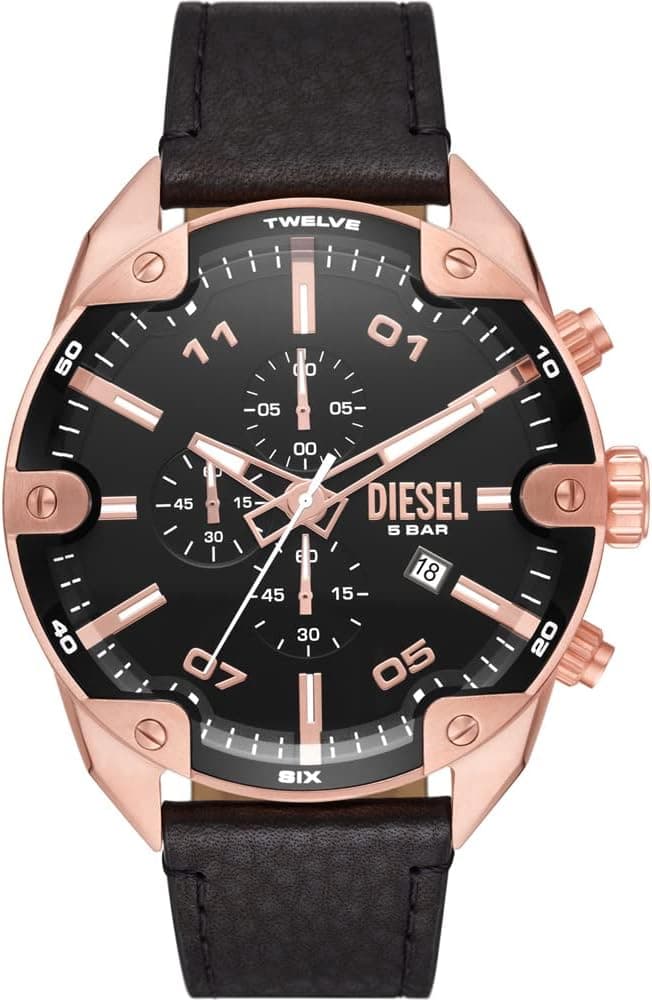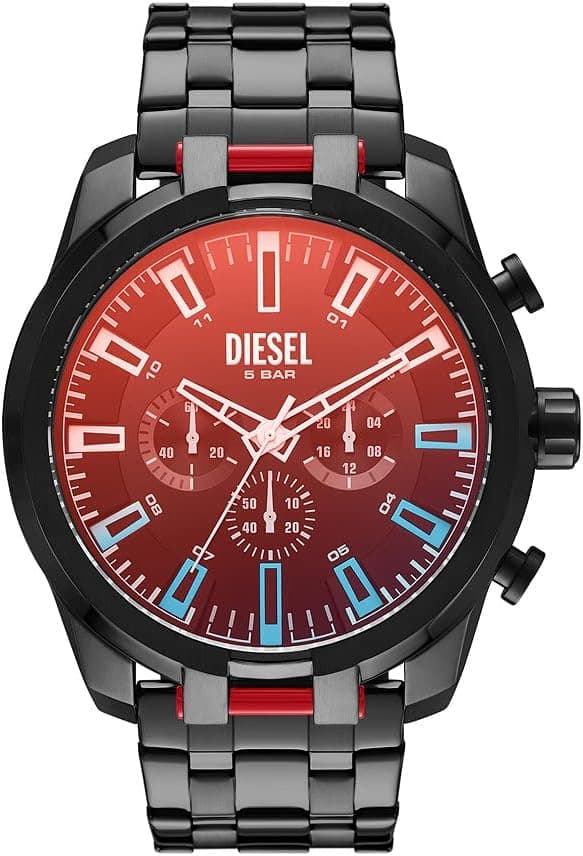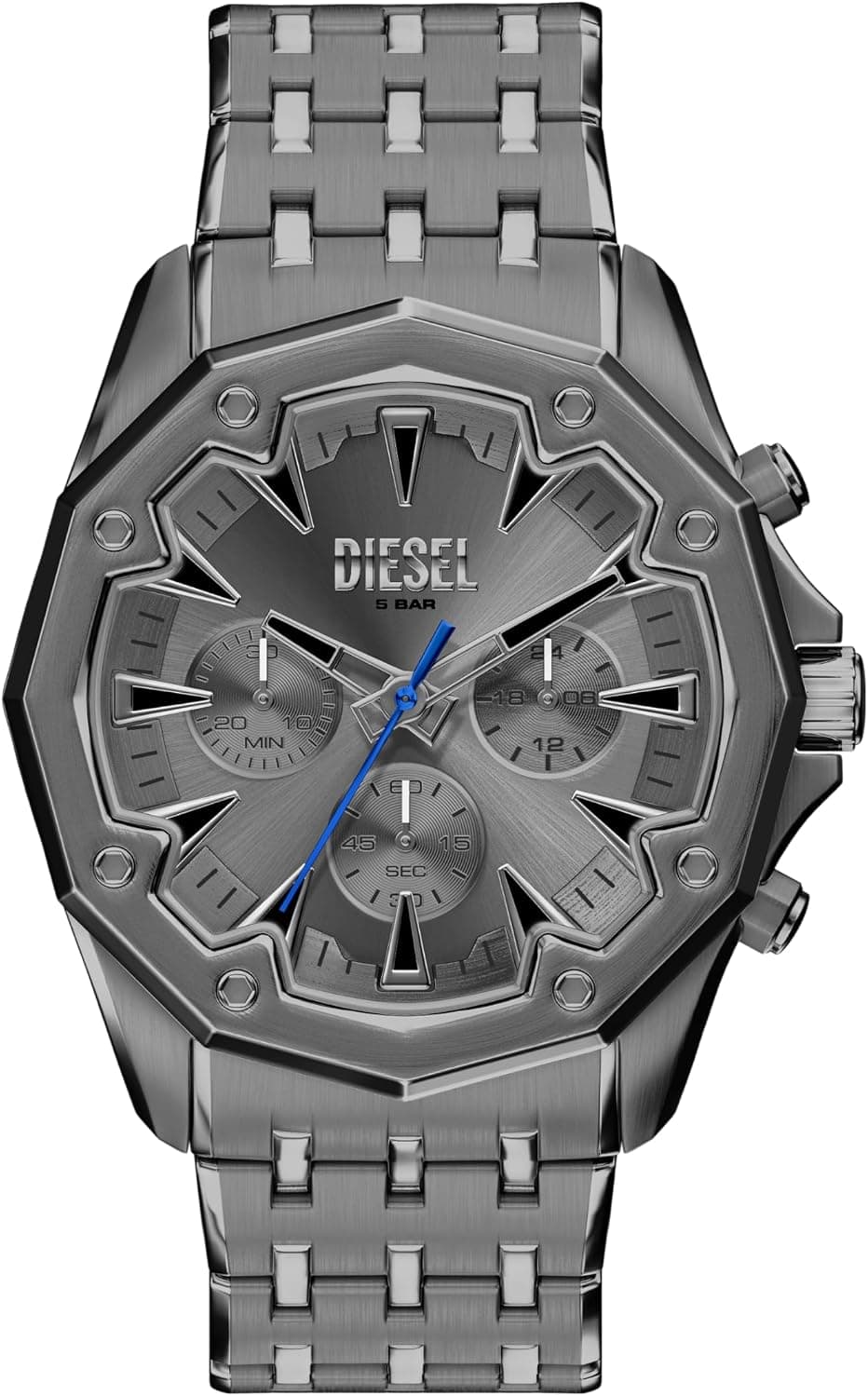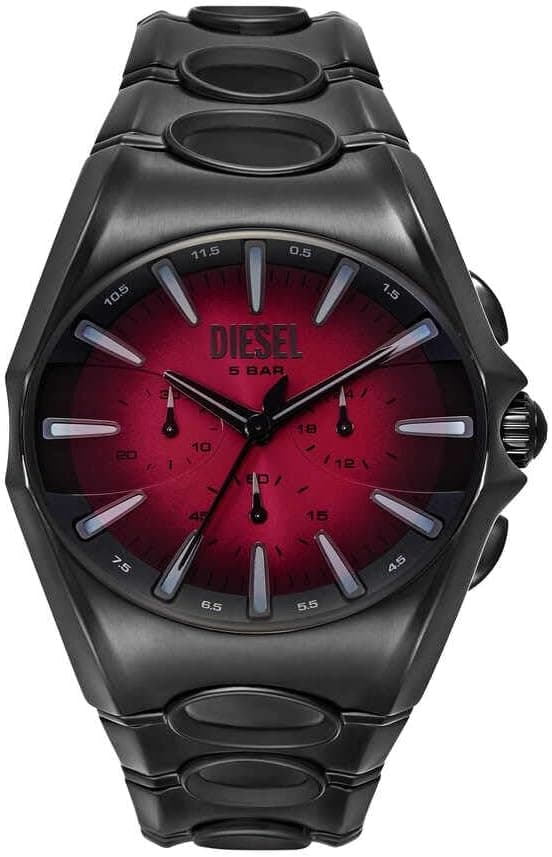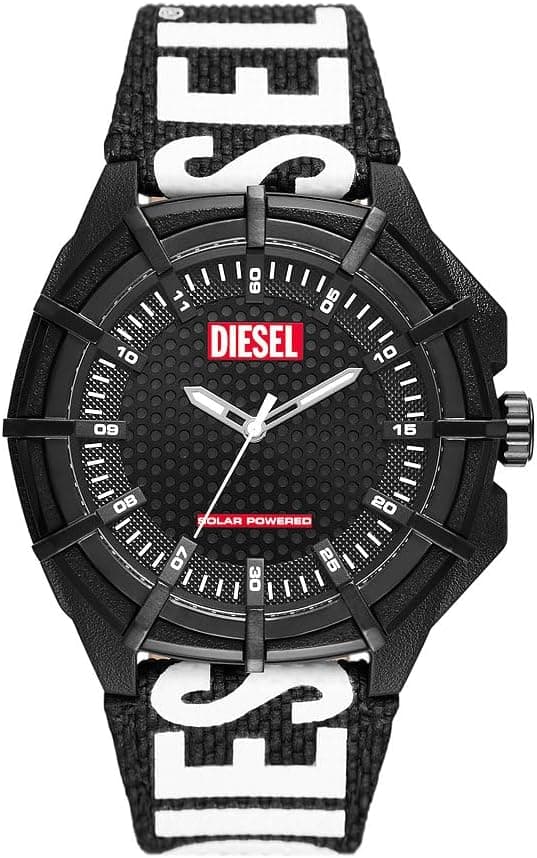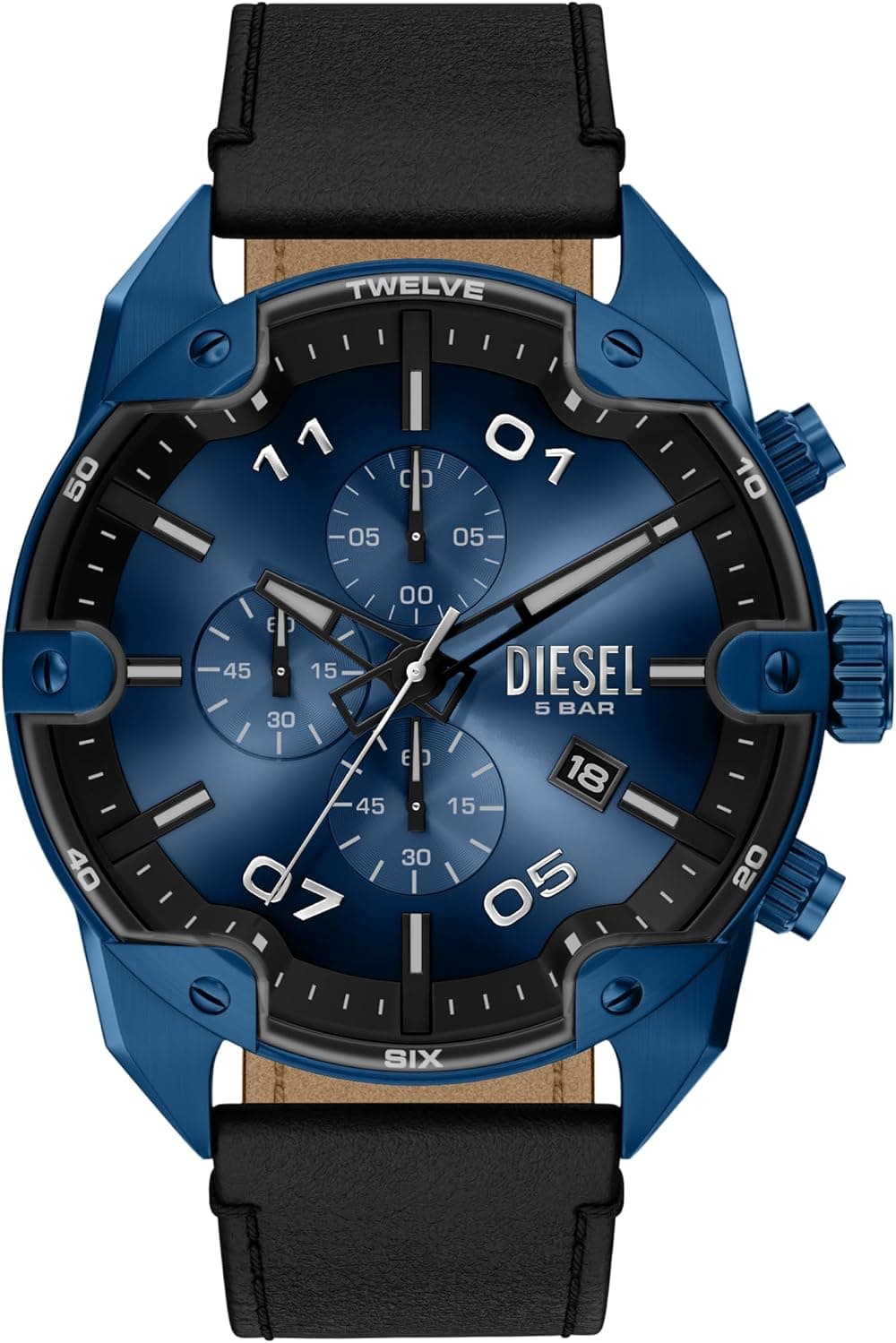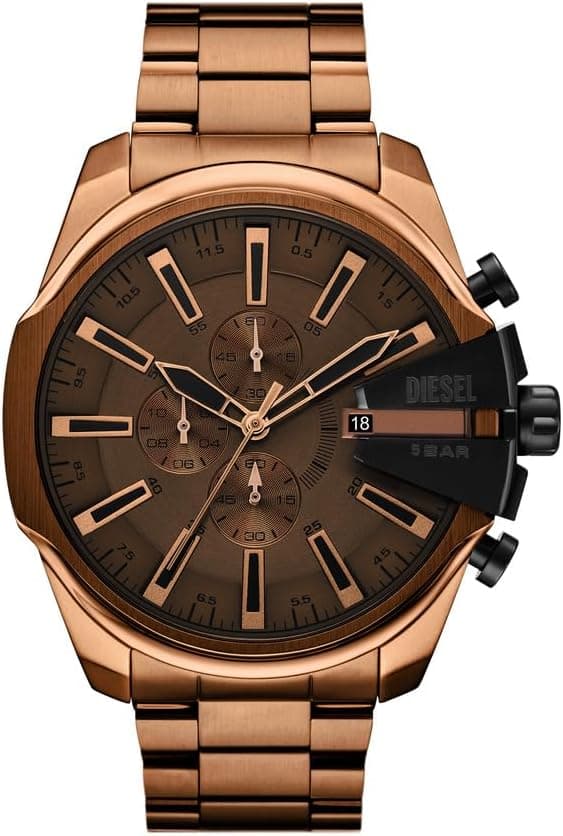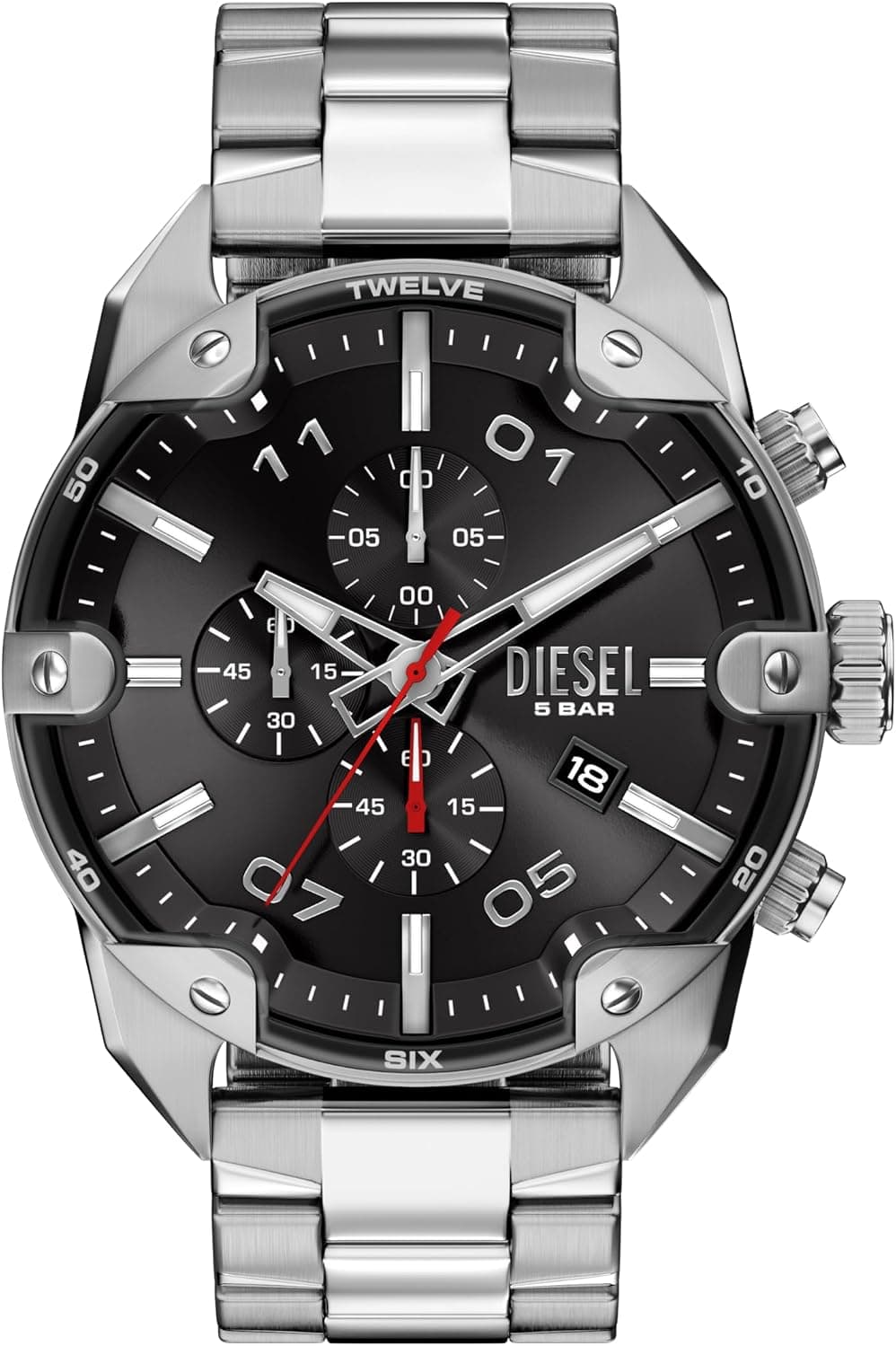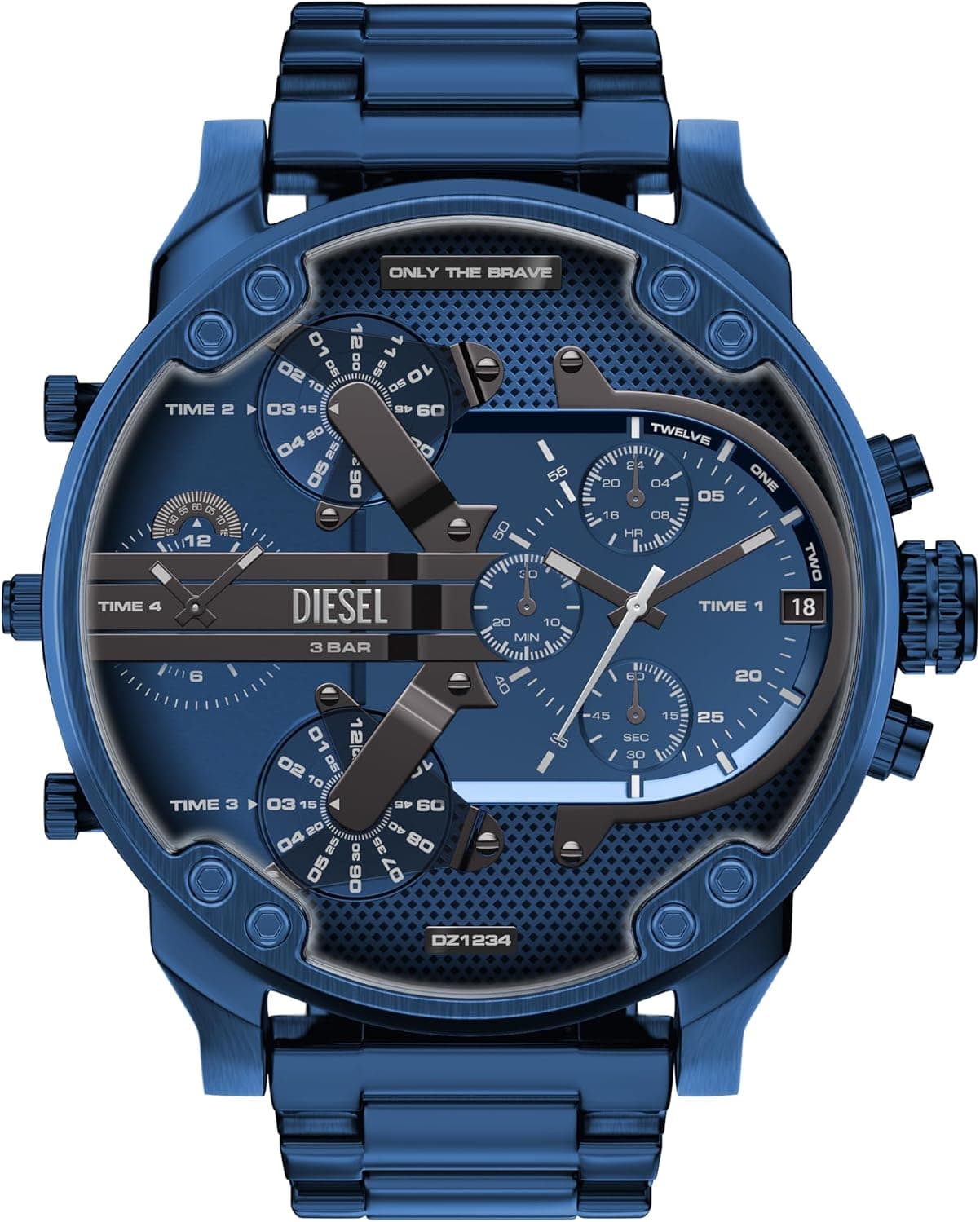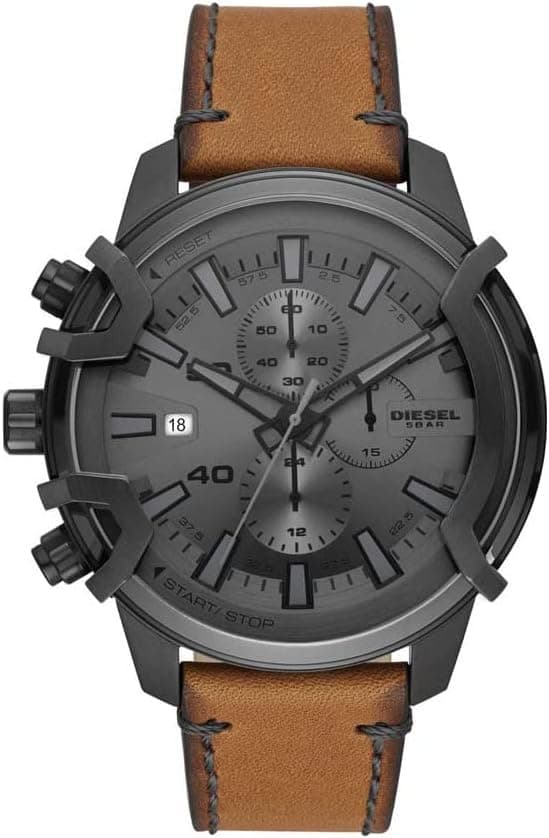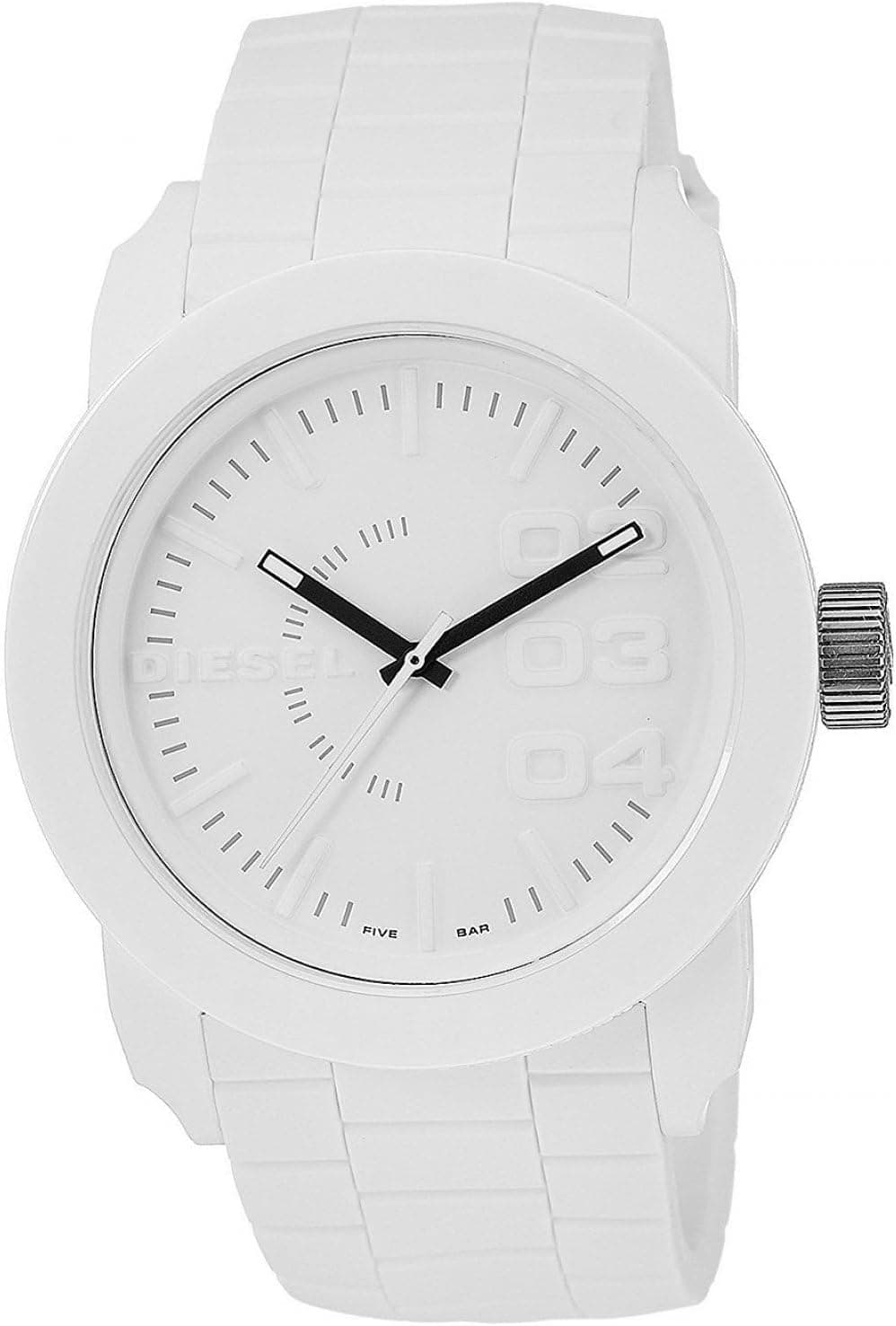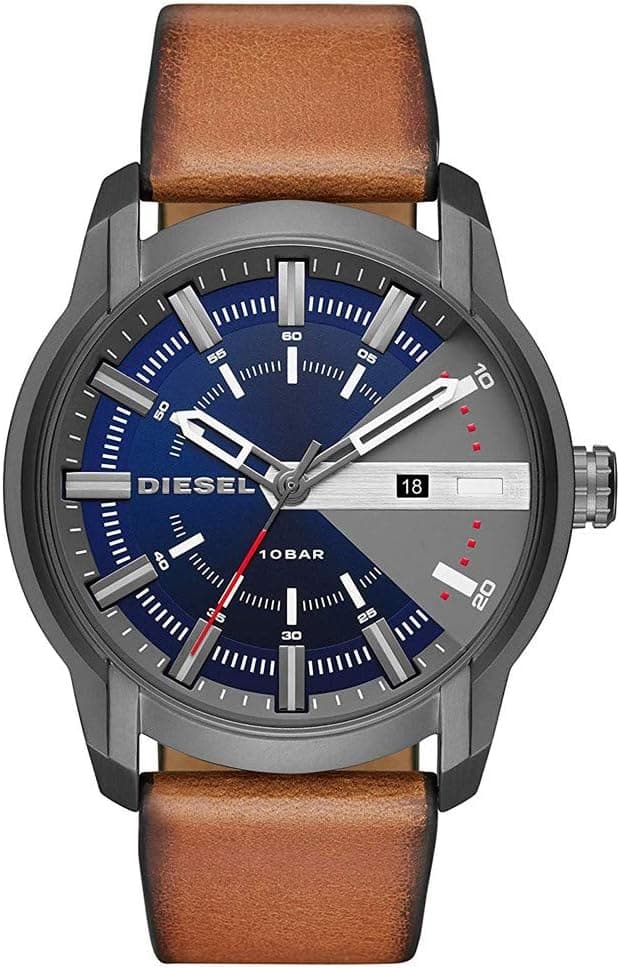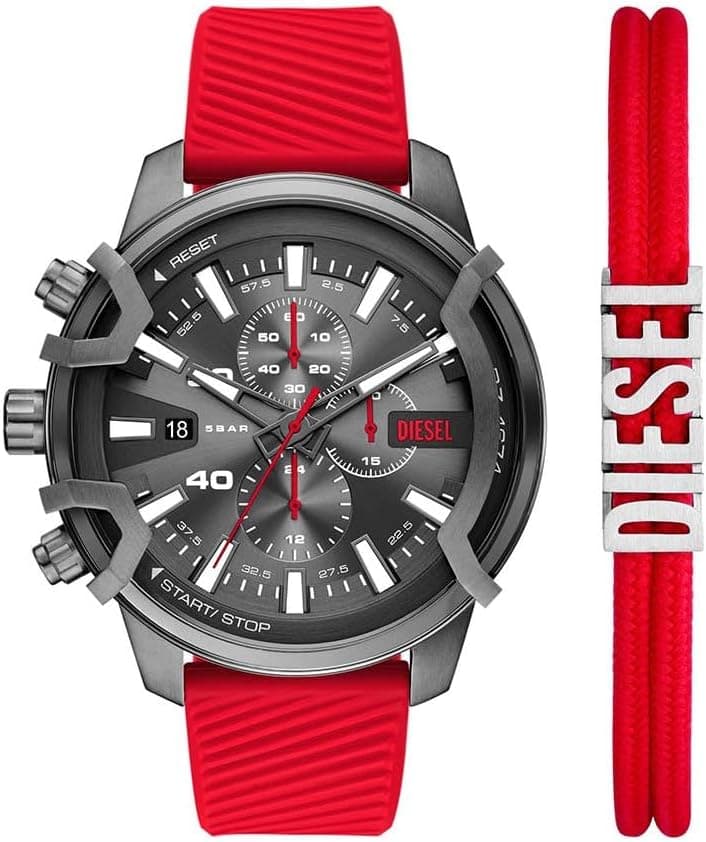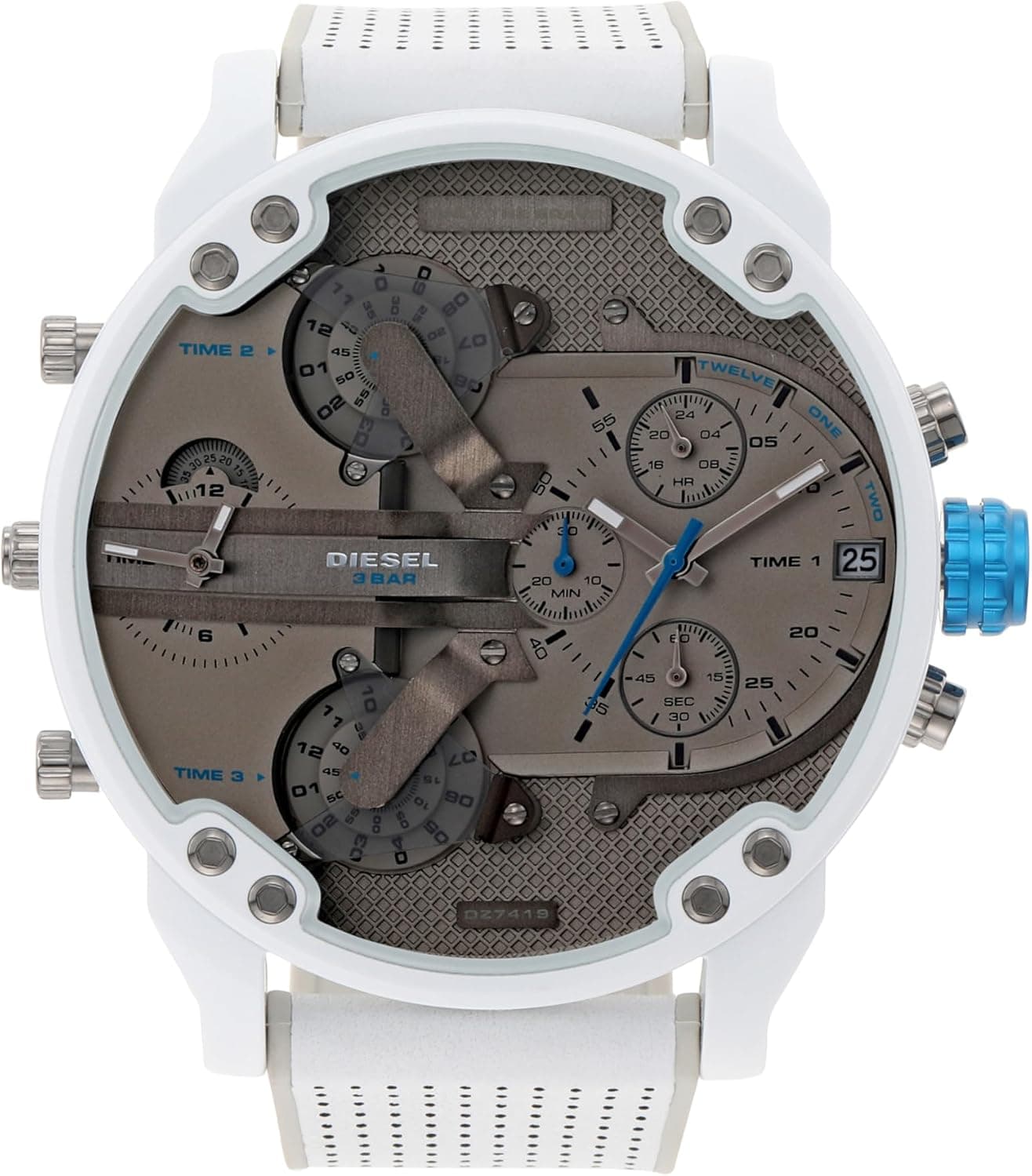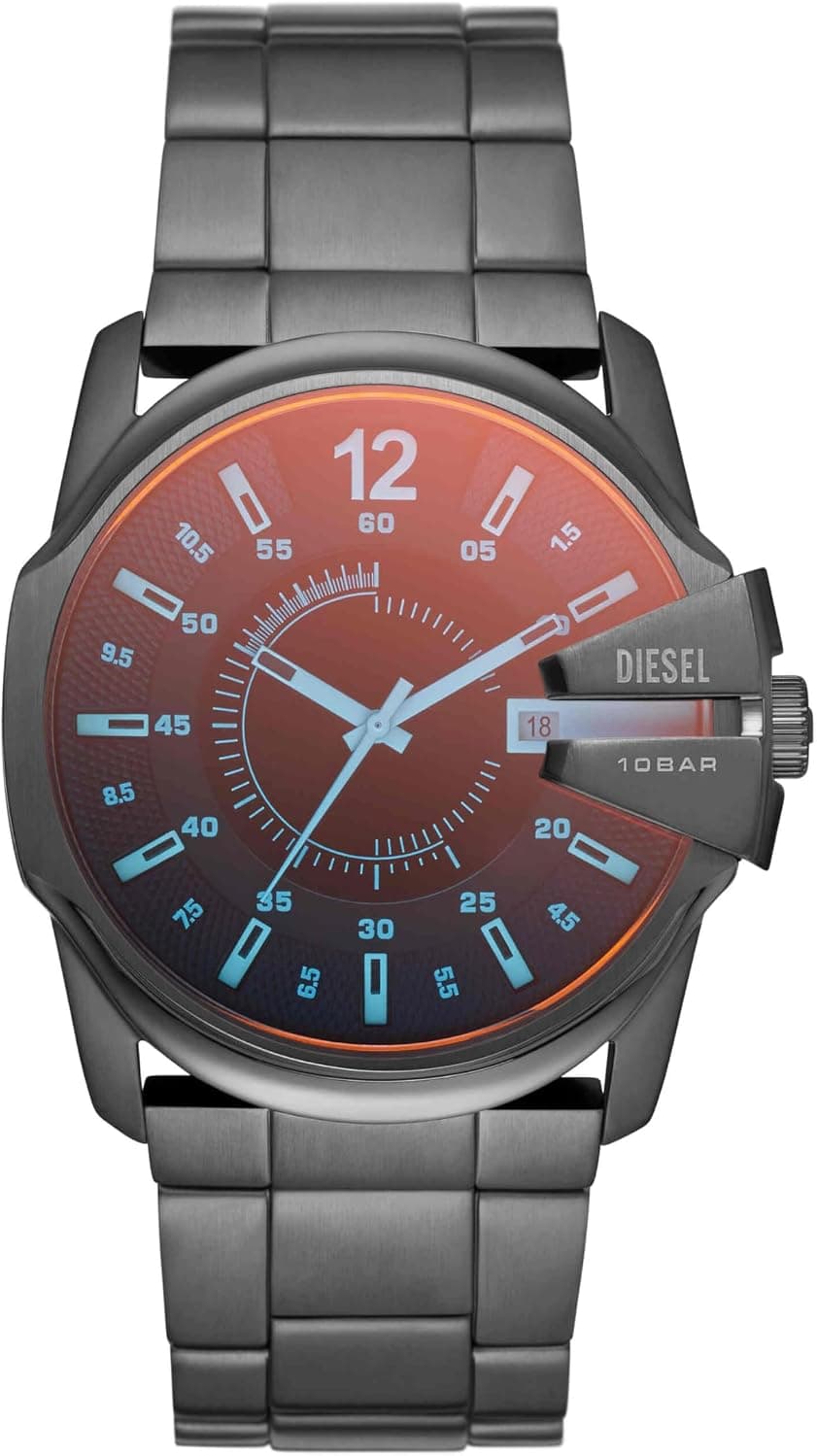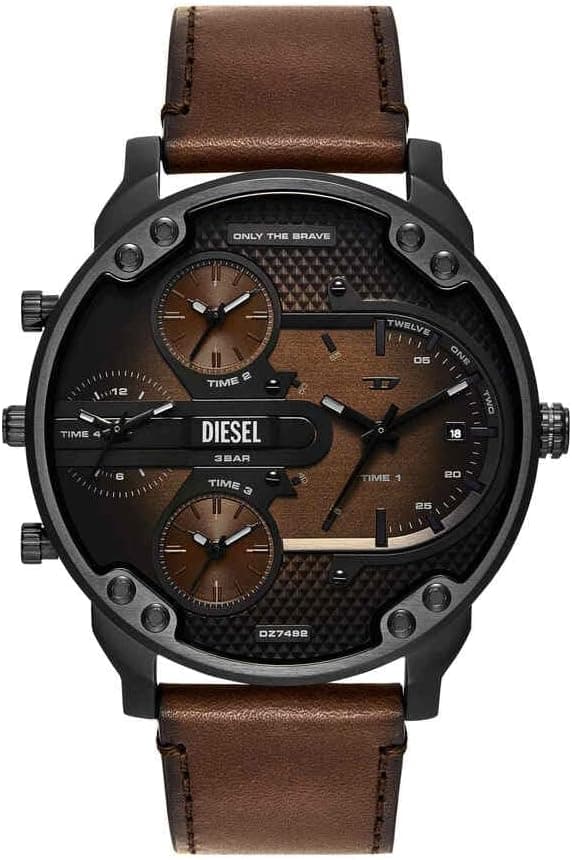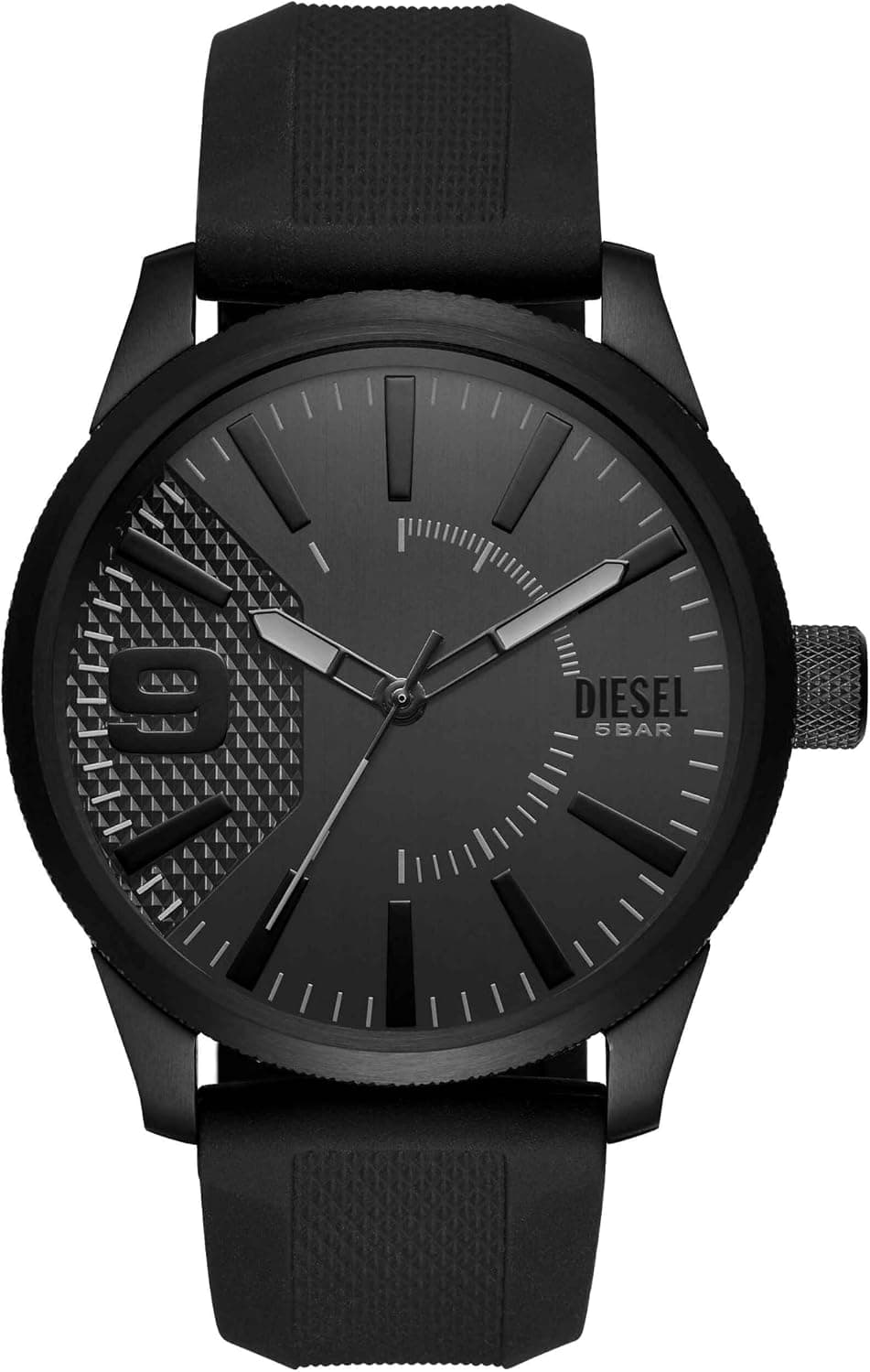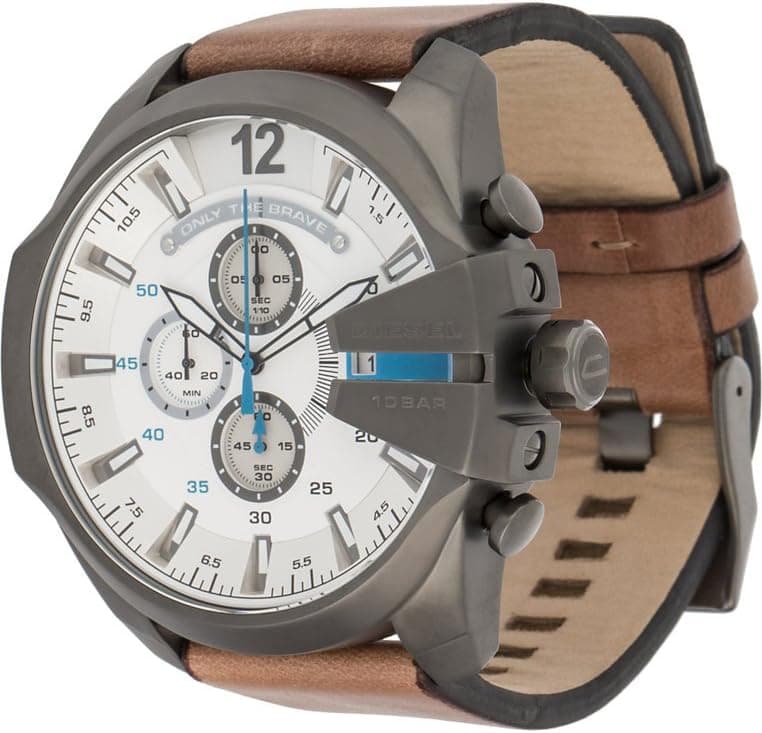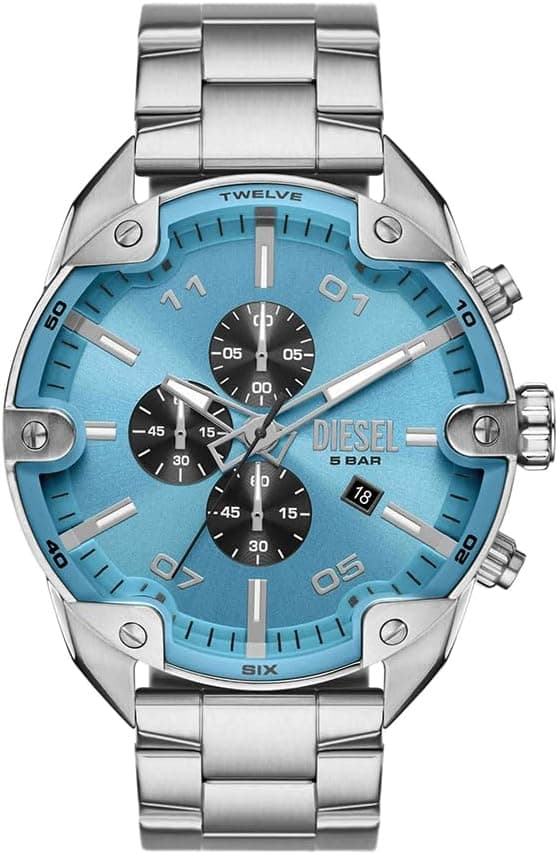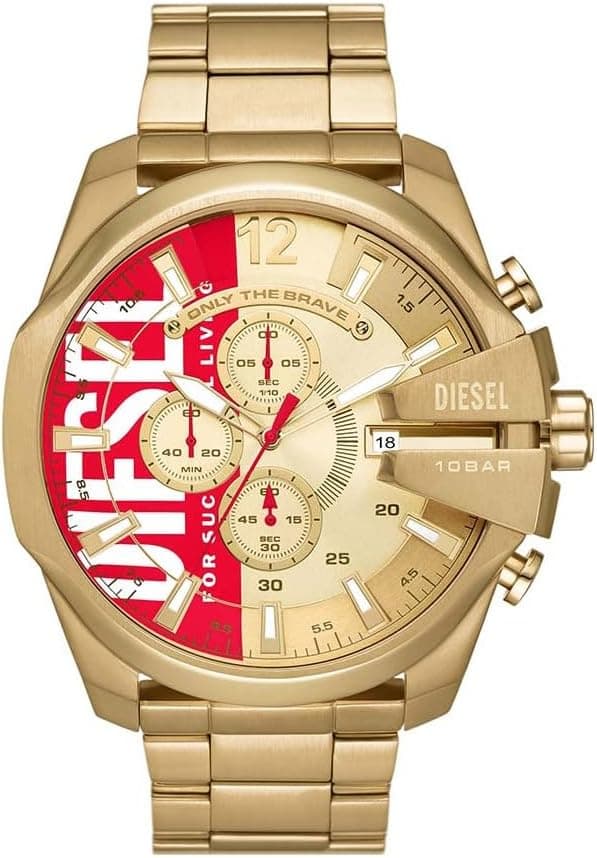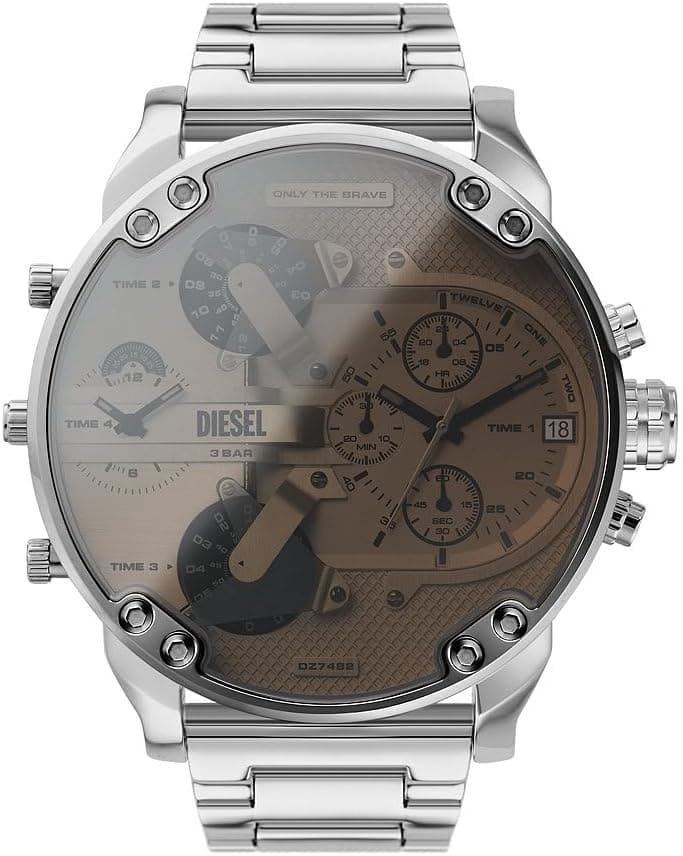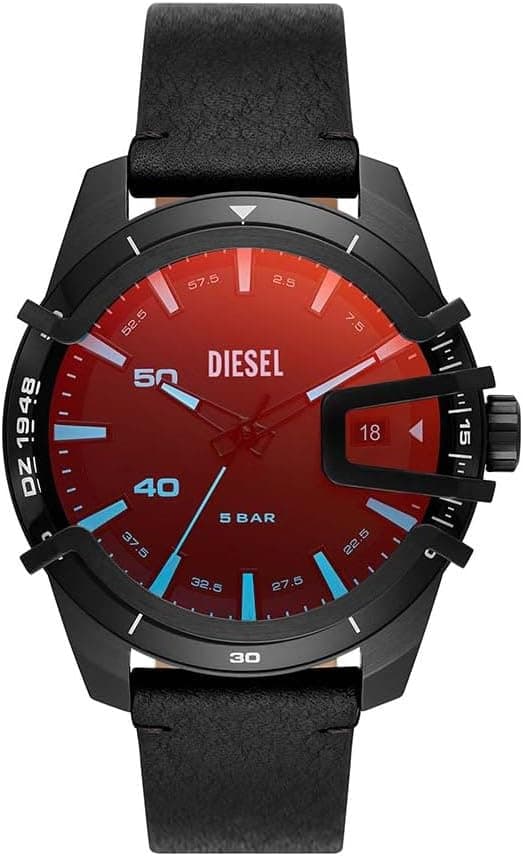
Analog watches show time with hour, minute, and second hands on a dial — the fundamental form of horological tradition. The hand position gives an intuitive read: seeing 8 reads 'dinner soon', 11 reads 'day winding down'. A digital numeric display gives the same information specifically but does not carry an intuitive 'time feeling'.
Movement options: mechanical (automatic or hand-wound, $200-1M+ range), quartz (battery-powered, $50-2k+ range), Spring Drive (the Grand Seiko hybrid). Mechanical analog is the horological aficionado's pick — the Submariner 124060 with in-house 3235, the Speedmaster Moonwatch 3861 manual-wind, the NOMOS Tangente Alpha caliber. Quartz analog brings daily accuracy and low maintenance — the Grand Seiko 9F Quartz at $3-5k is the category's technical peak at ±-10 sec/year. The Seiko 5 SRPD entry at $200-300 is automatic analog.
Analog dial variants: index markers (NOMOS, Submariner), Arabic numerals (Khaki Field, Type B Flieger), Roman numerals (Cartier Tank, Calatrava), and california dials (mixed Arabic plus Roman). A sweeping second hand is the mechanical character; a tick-tick is the quartz signature. The center seconds is the Rolex/Submariner standard; the small seconds sub-dial is the Speedmaster CH27 plus NOMOS Tangente classic. Analog still sits as the default in the watch world; digital and smart watches are a parallel category.