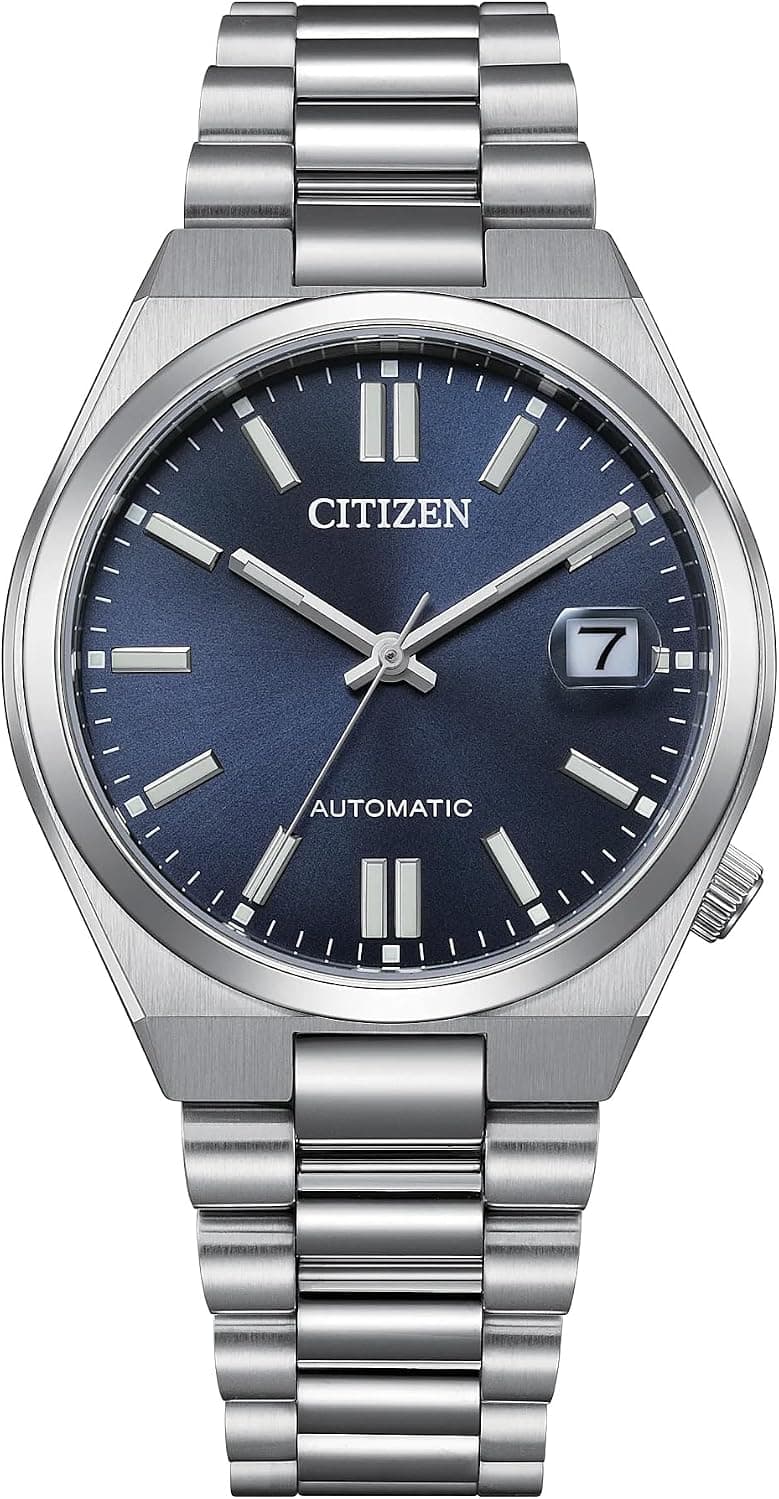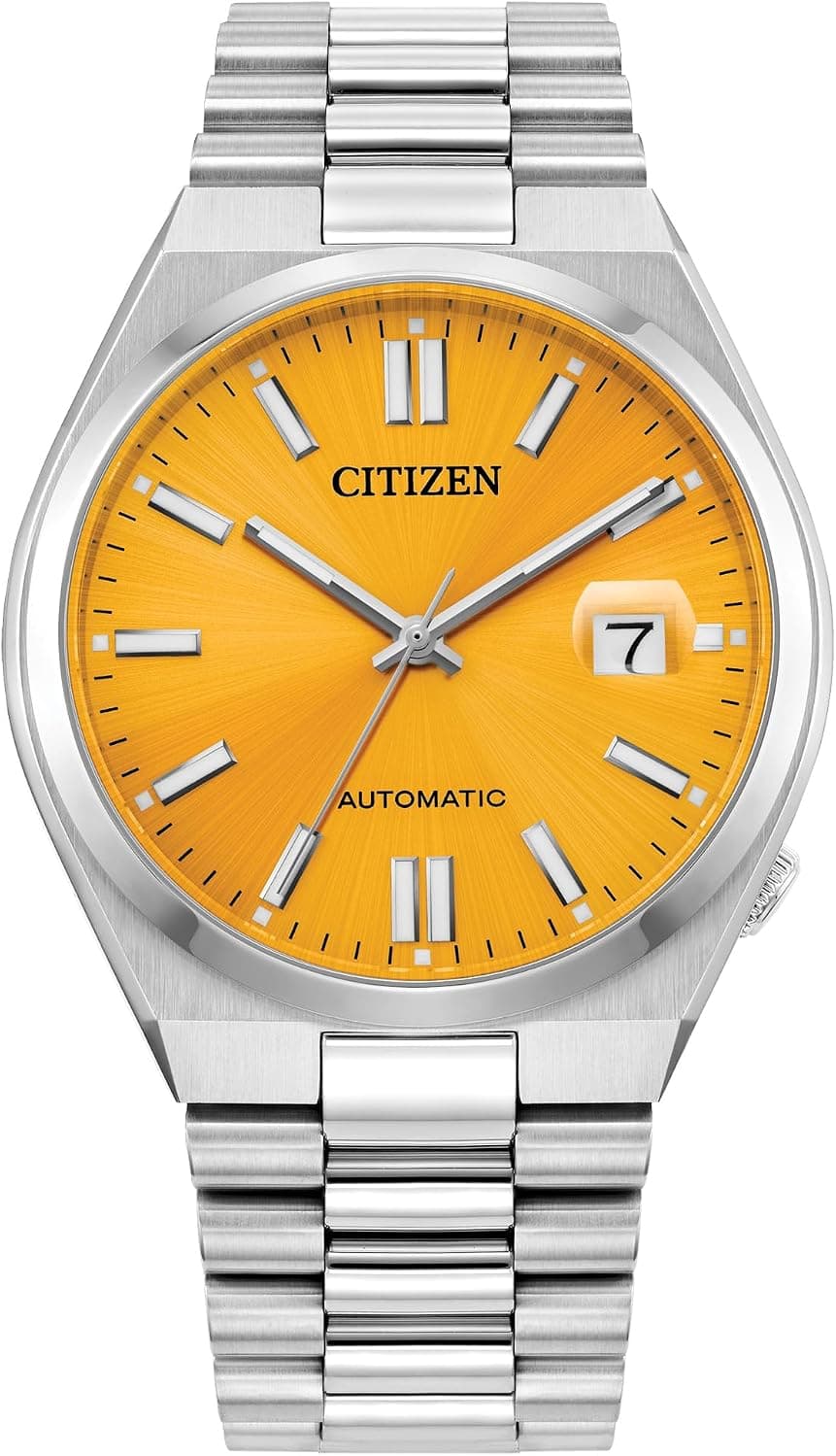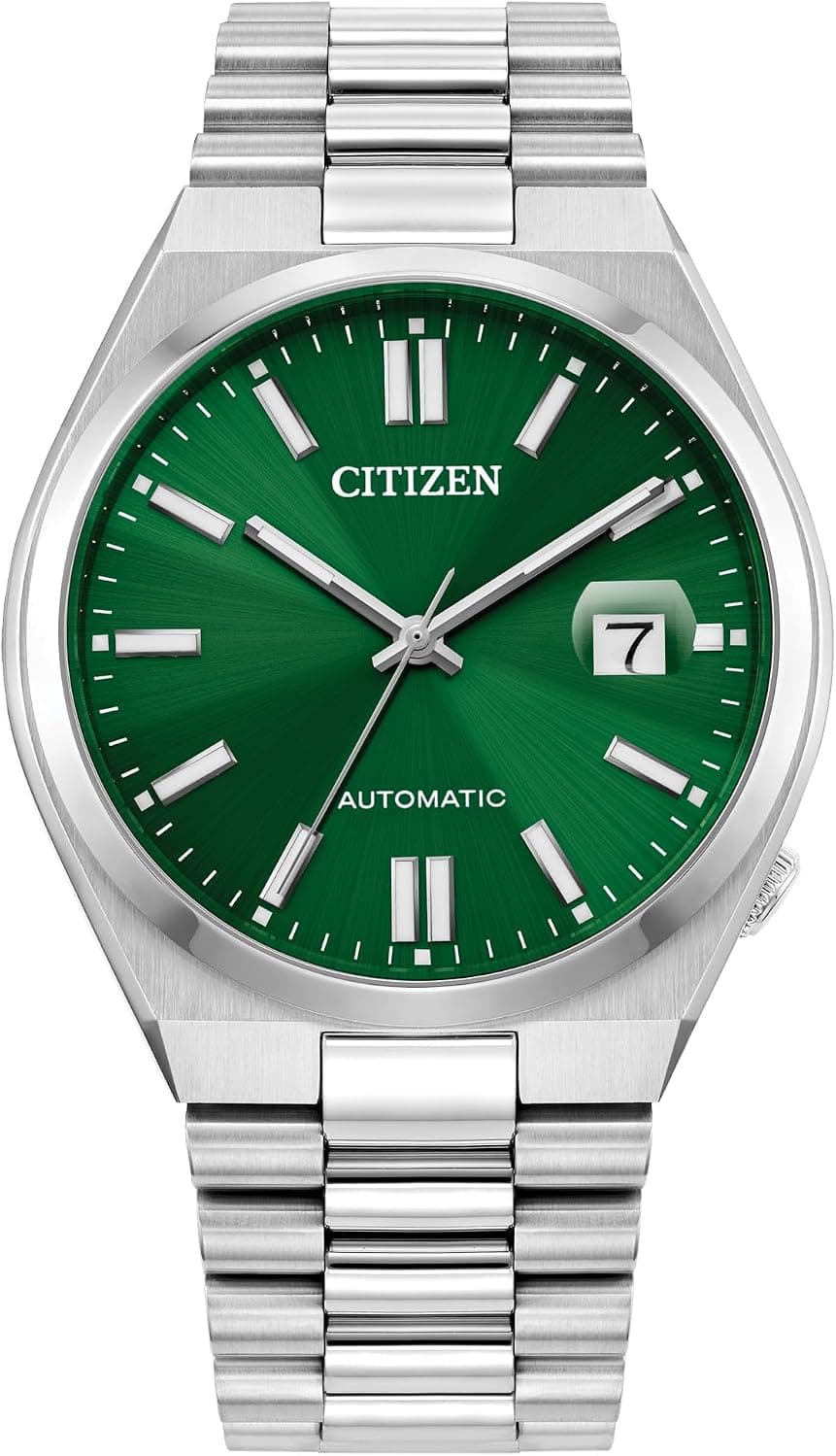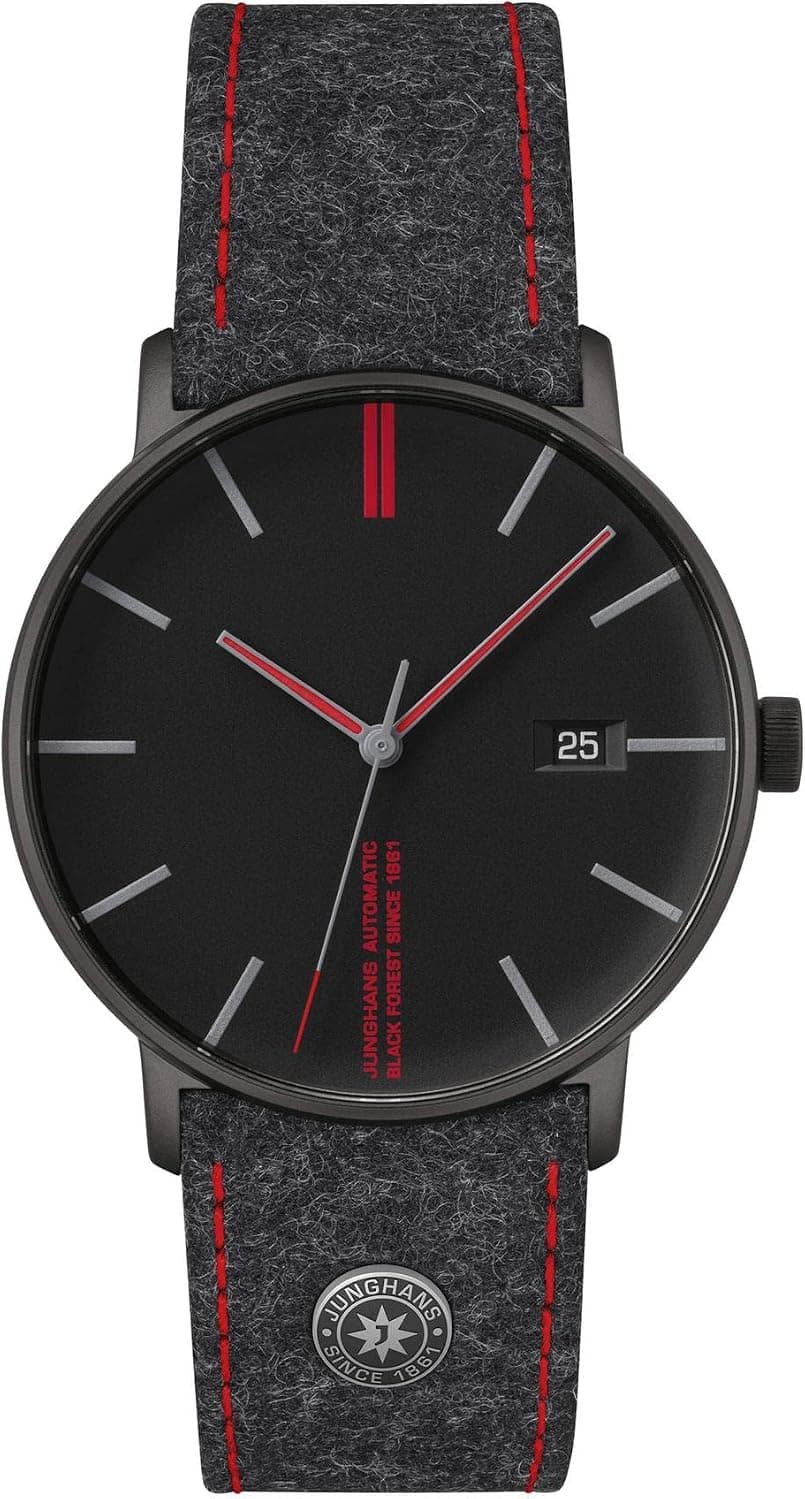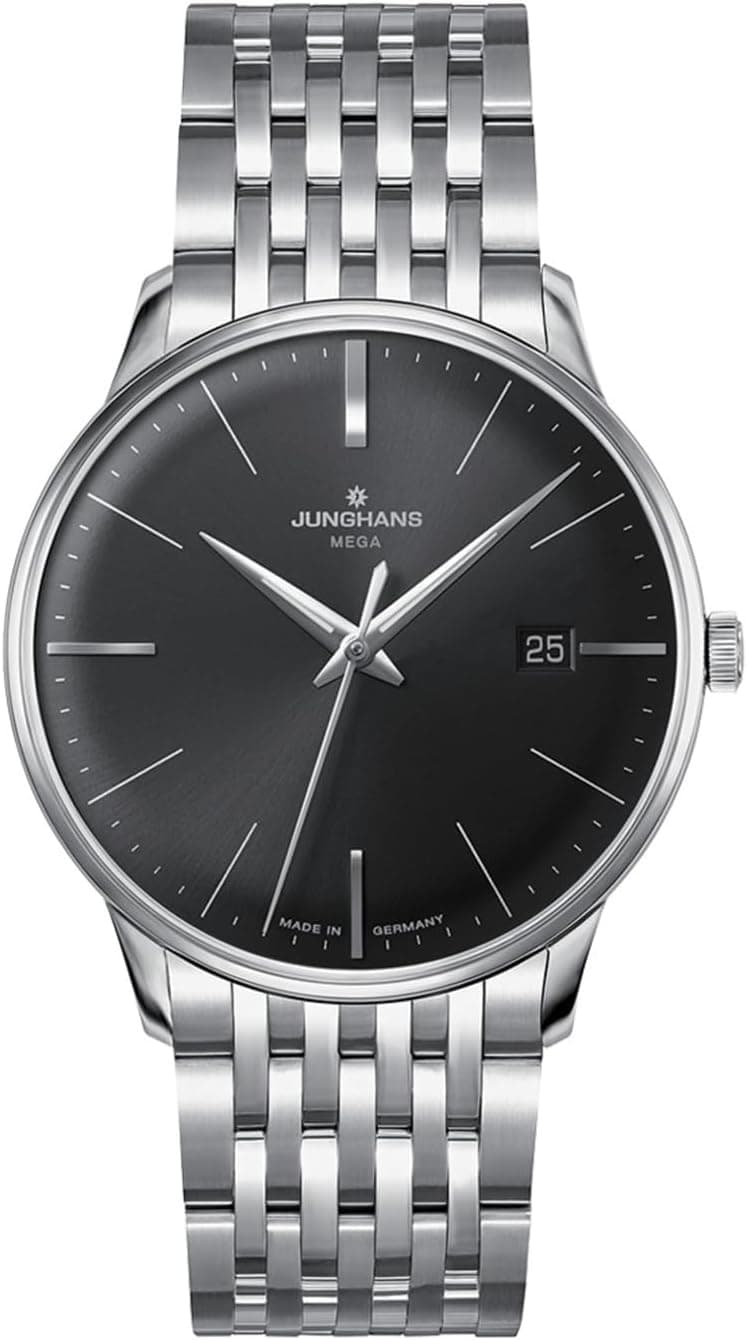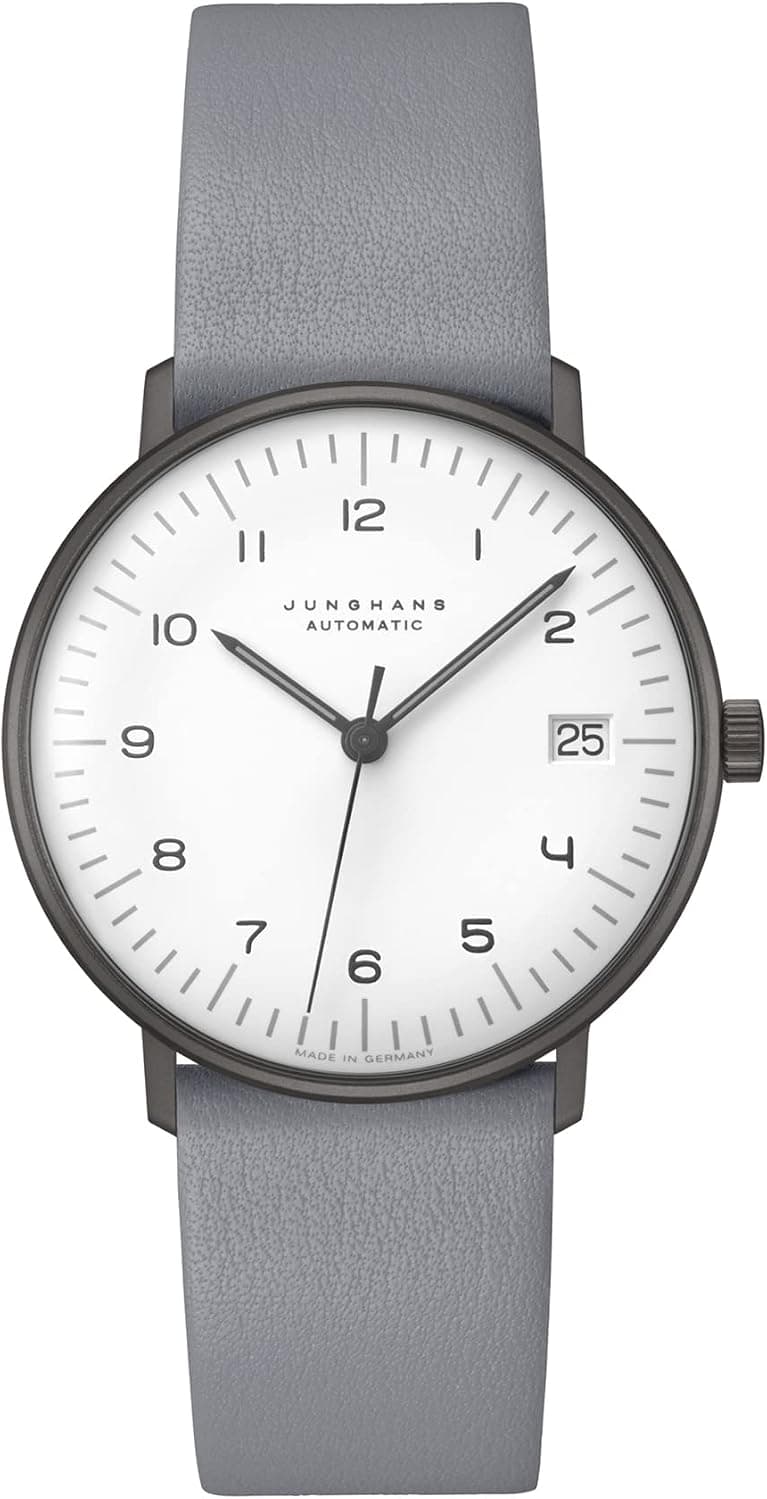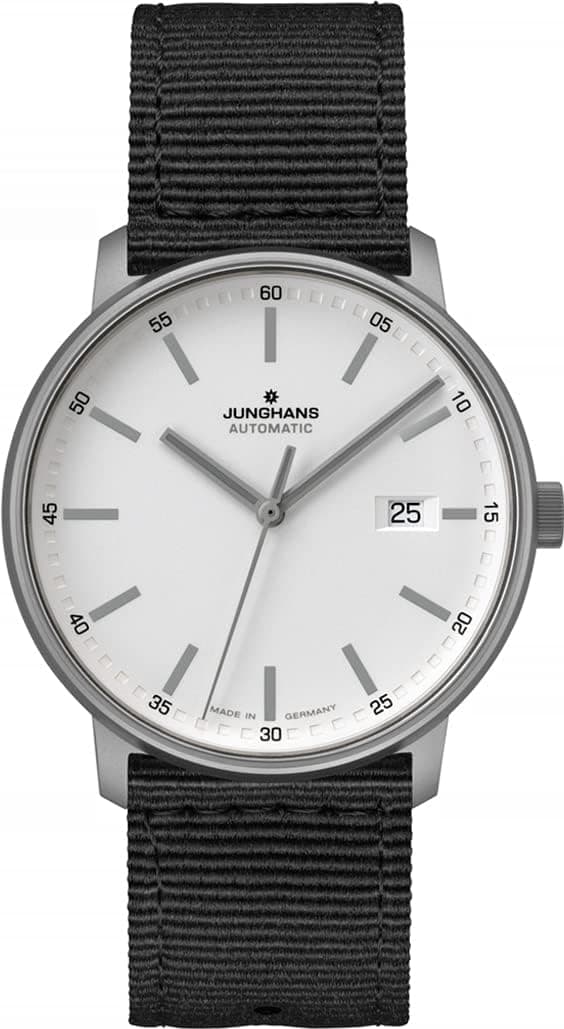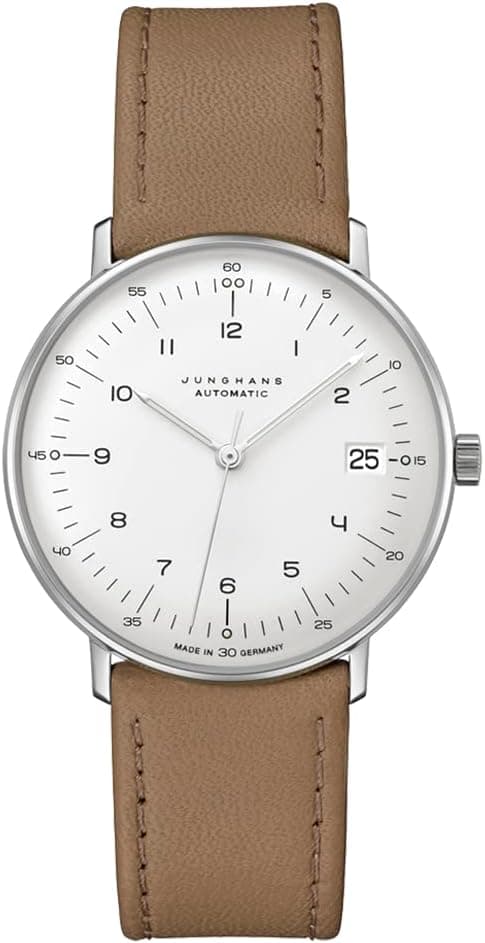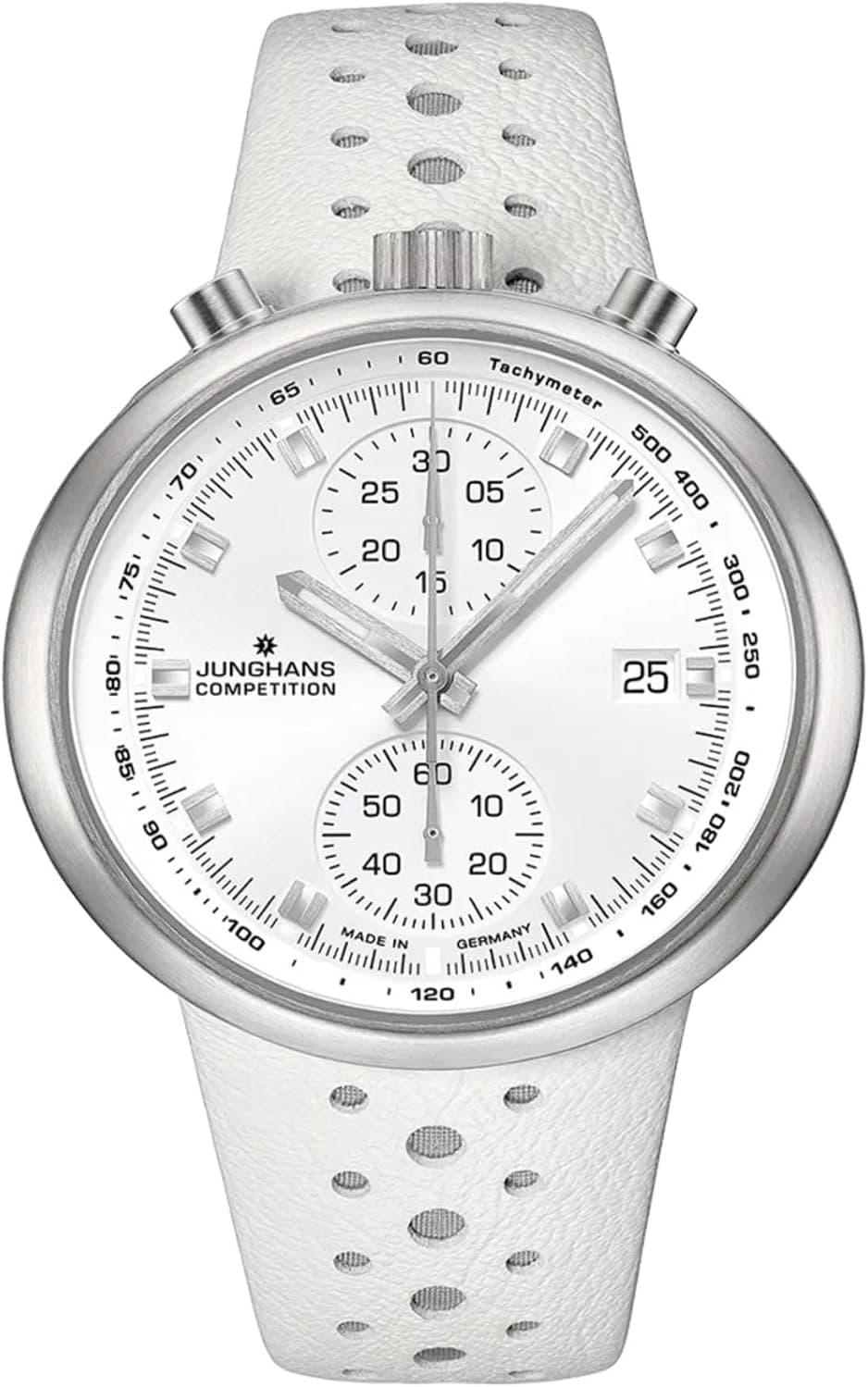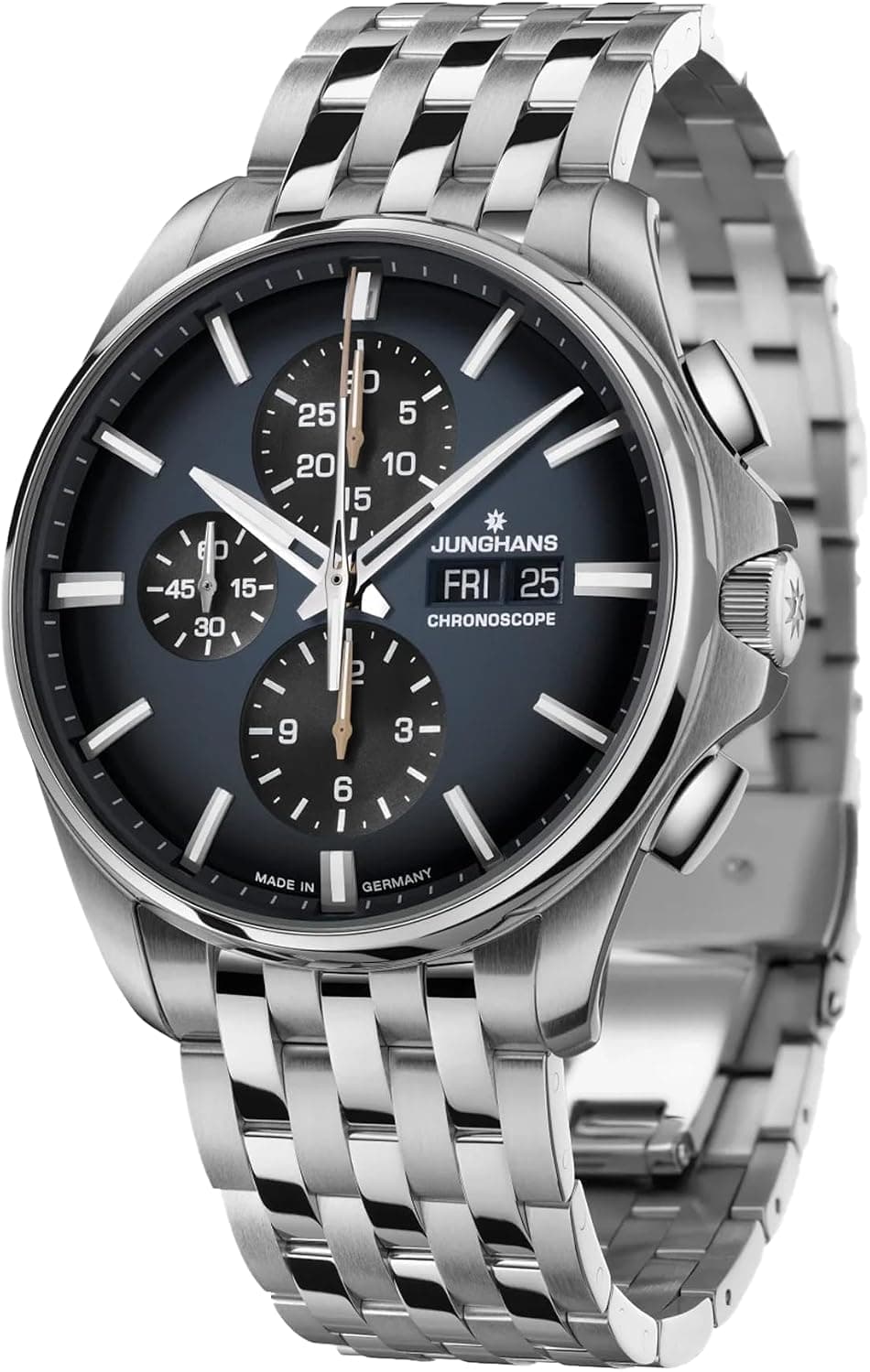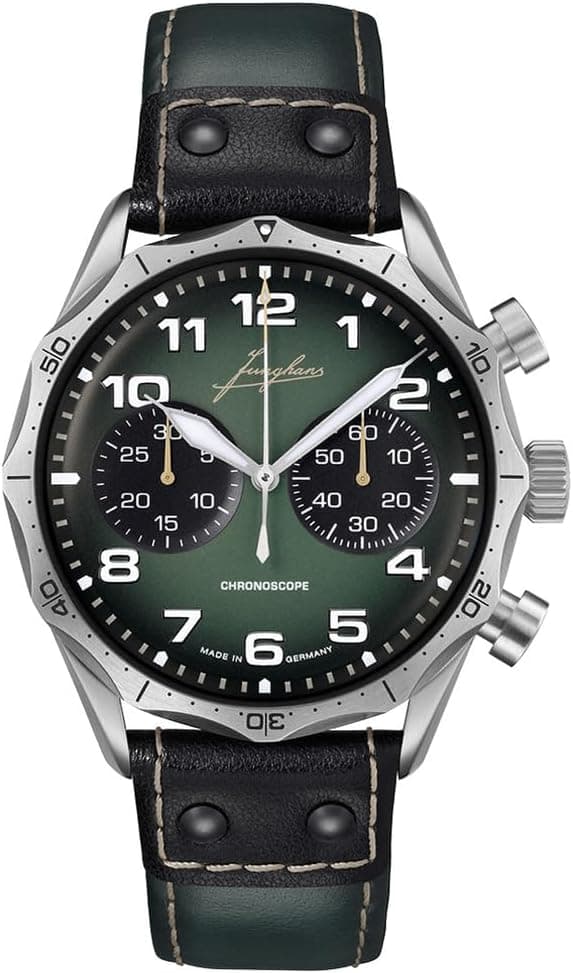
An Automatic (Self-Winding) watch is a mechanical watch that winds its mainspring from the motion of your wrist. At its heart sits a half-moon weight called the rotor; as your arm swings, the rotor spins on its axis and that energy feeds through a gear train into the mainspring. Most modern calibers use bidirectional winding, meaning the rotor charges the spring whether it turns clockwise or counterclockwise. The idea traces back to Abraham-Louis Perrelet around 1777, though the attribution is disputed, but the modern wristwatch story begins with John Harwood, who patented a unidirectional self-winder in 1923. The real turning point came in 1931, when the Rolex Oyster Perpetual introduced a central rotor making full 360-degree rotations, setting the template still used today. Eterna added the ball-bearing rotor in 1948, and IWC adopted the Pellaton pawl system in 1950.
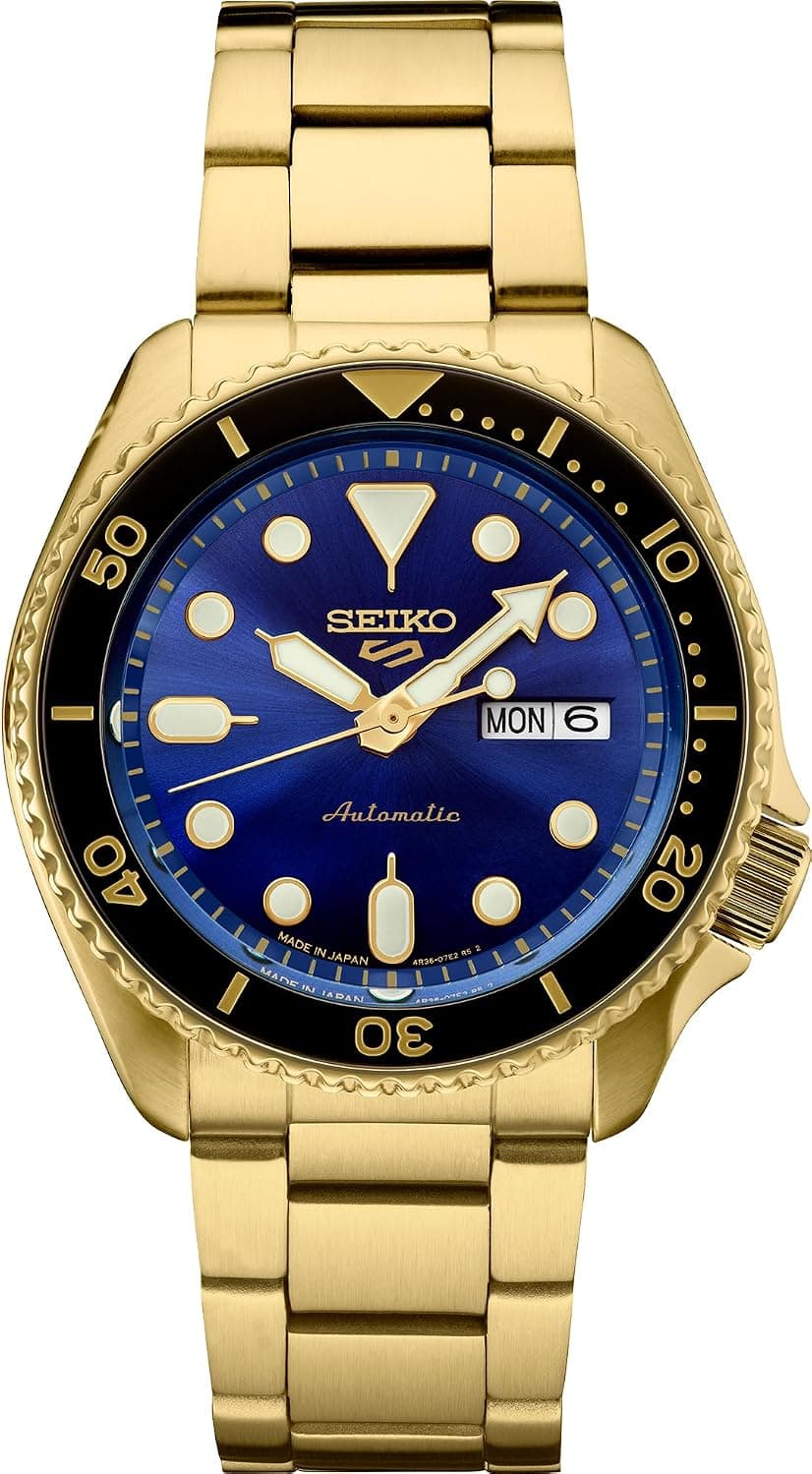
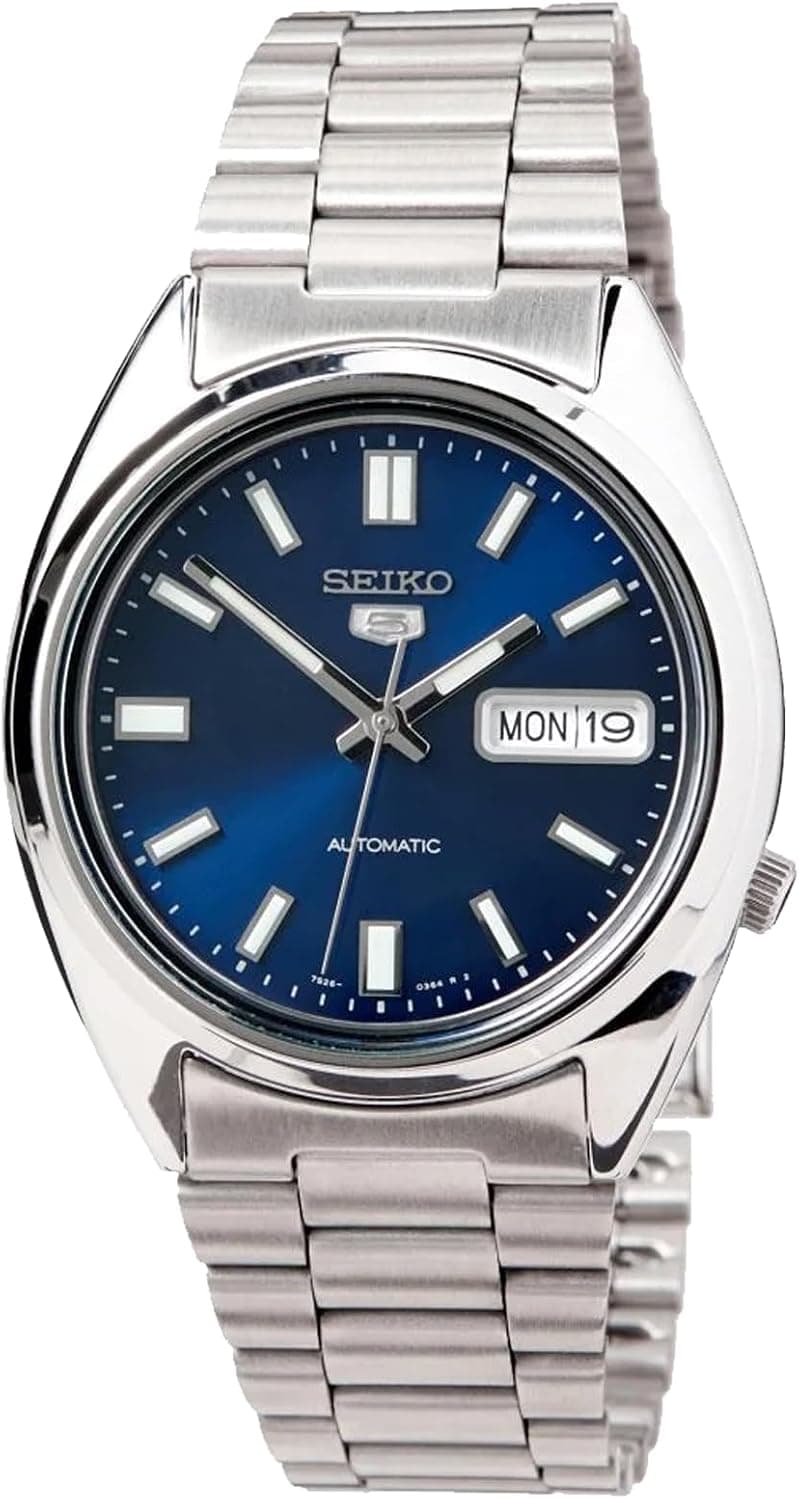
The automatic landscape today runs from accessible to serious money. At the entry point, the Seiko 5 Sports, powered by Seiko's NH35 or 4R36 caliber (21,600 bph, roughly 41 hours of reserve), typically sits between $250 and $500. On the Swiss side, the Tissot PRX Powermatic 80 offers an 80-hour reserve and an anti-magnetic Nivachron hairspring for around $700 to $825, while a huge swath of the industry is built on the ETA 2824-2 (28,800 bph, 38 hours) or its Sellita SW200 clone. The Hamilton Khaki Field Automatic lands around $750 to $900. Move up and you reach the Tudor Black Bay near $4,000, the Omega Seamaster Diver 300M Co-Axial Master Chronometer around $5,600, and Rolex's entry automatic, the Oyster Perpetual, starting near $6,400.
When buying, watch three things: power reserve, winding direction, and hacking. A 38-hour reserve is fine for daily wear, but if you rotate watches, a 70 to 80-hour caliber means you don't reset every Monday. Bidirectional winding charges more efficiently; the unidirectional Miyota 8215 is cheap and reliable but a touch lazier. Hacking, where the seconds hand stops on pulling the crown, helps you set the time precisely. An automatic suits anyone who wants the romance of mechanics without daily winding, with one caveat: leave it off the wrist for days and it stops, needing a reset.
There are sub-types worth knowing. Standard central-rotor calibers are the workhorses; micro-rotor movements sink a smaller weight into the dial side for thinner cases; peripheral rotors push the mass to the rim so the movement stays fully visible. If you live near magnets or electronics, look for a silicon or Nivachron hairspring, and a COSC or Master Chronometer rating tells you the accuracy has been independently verified.