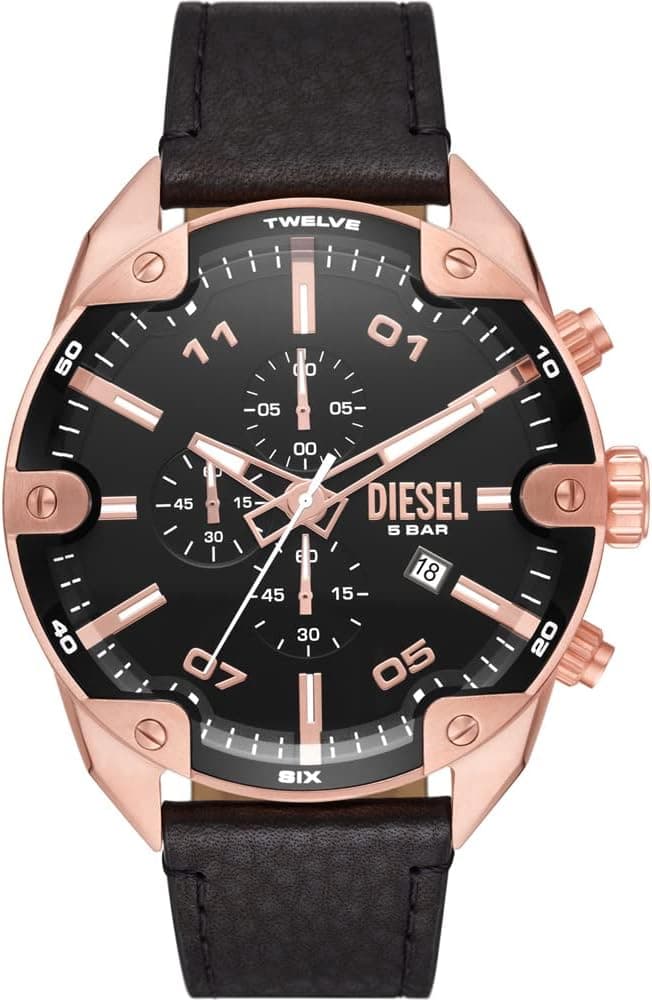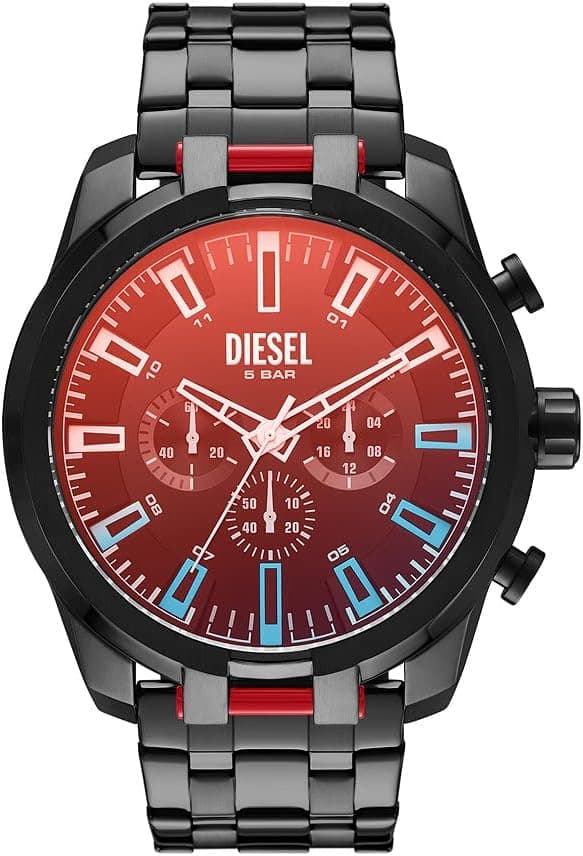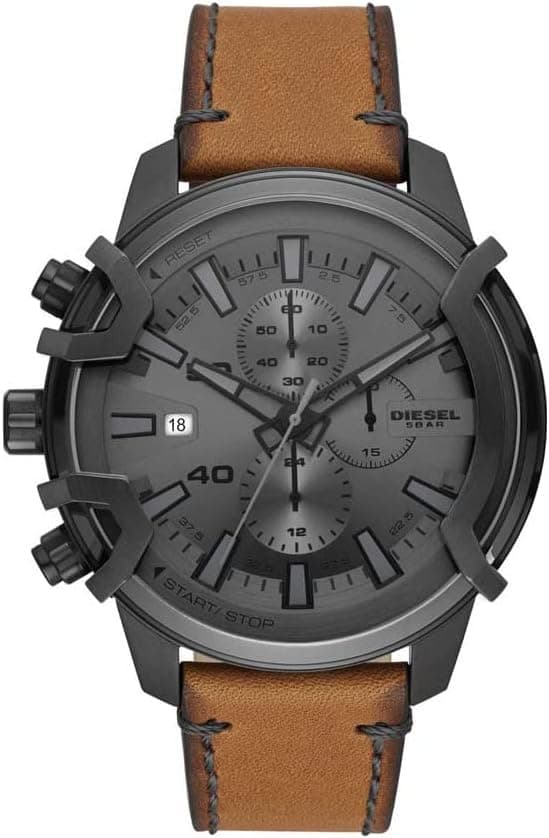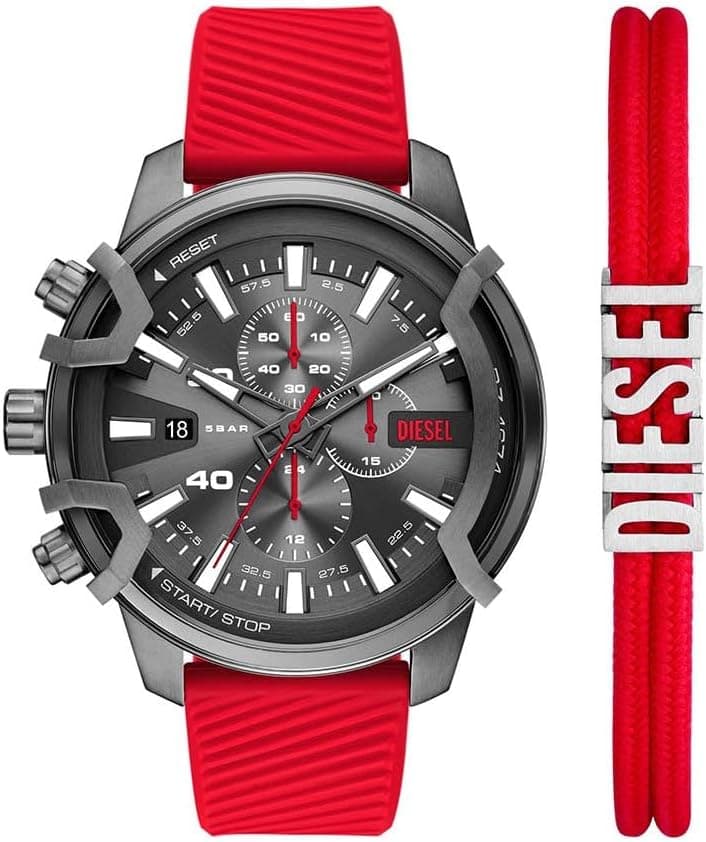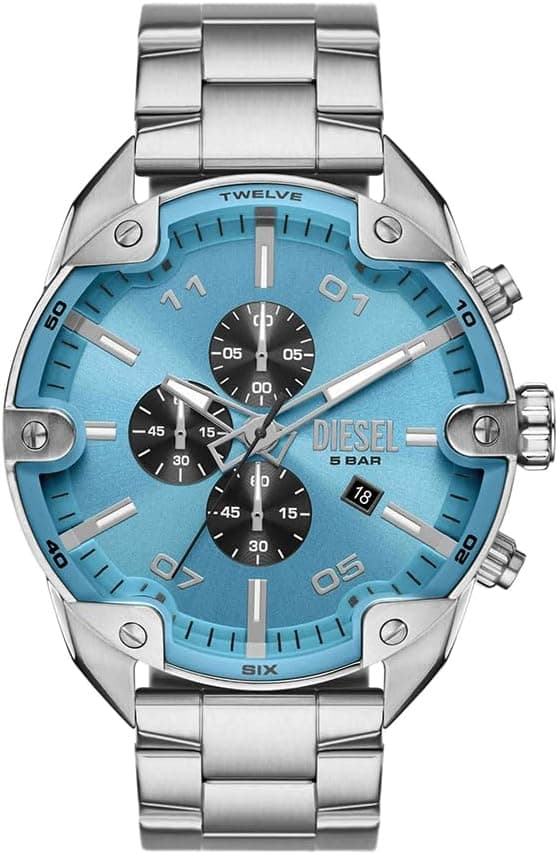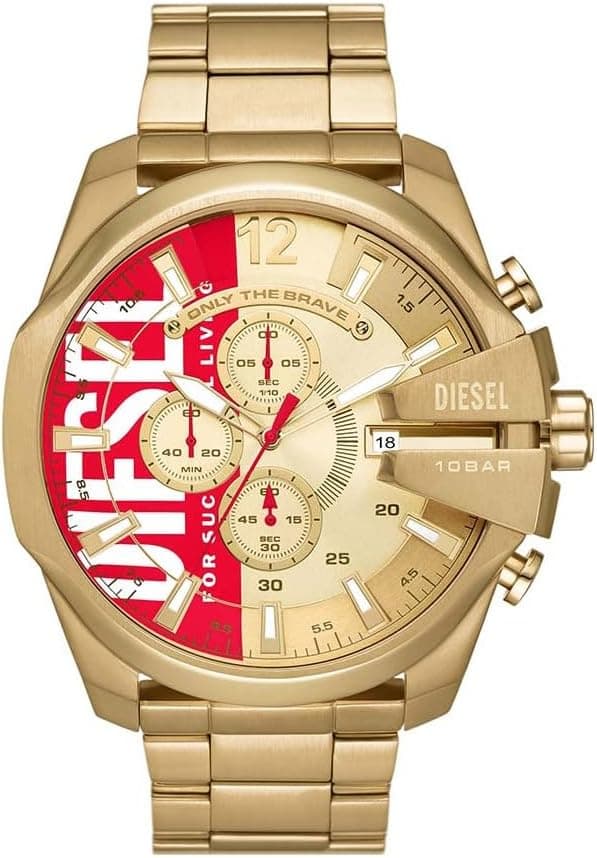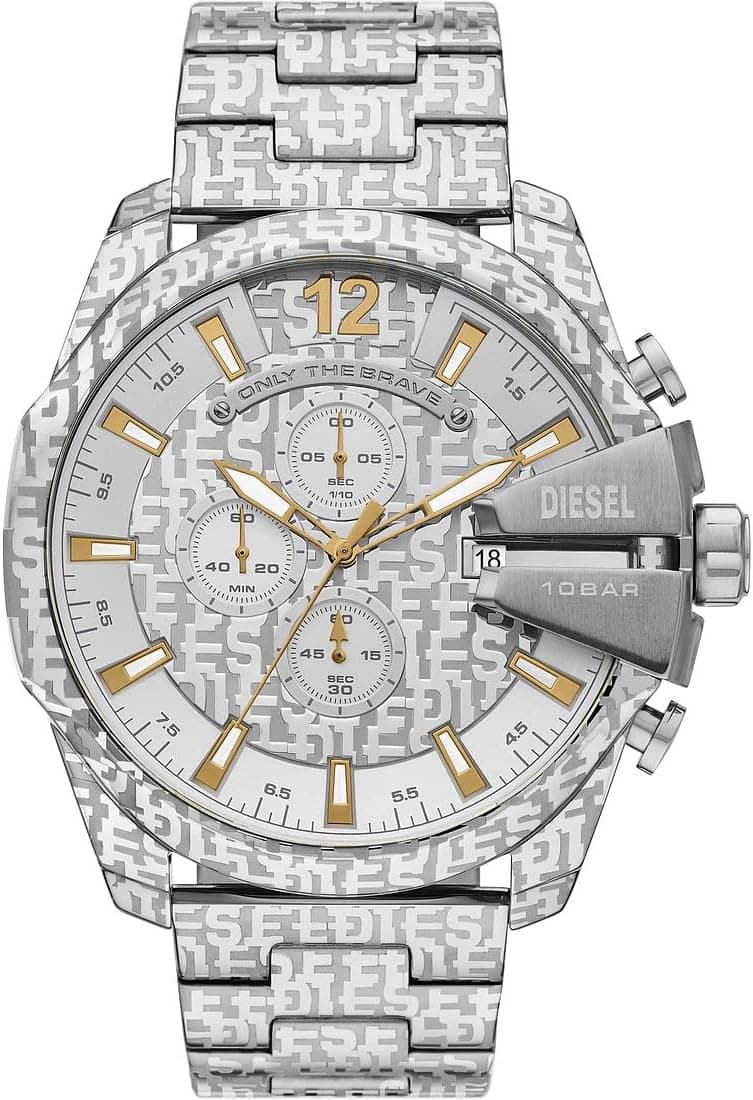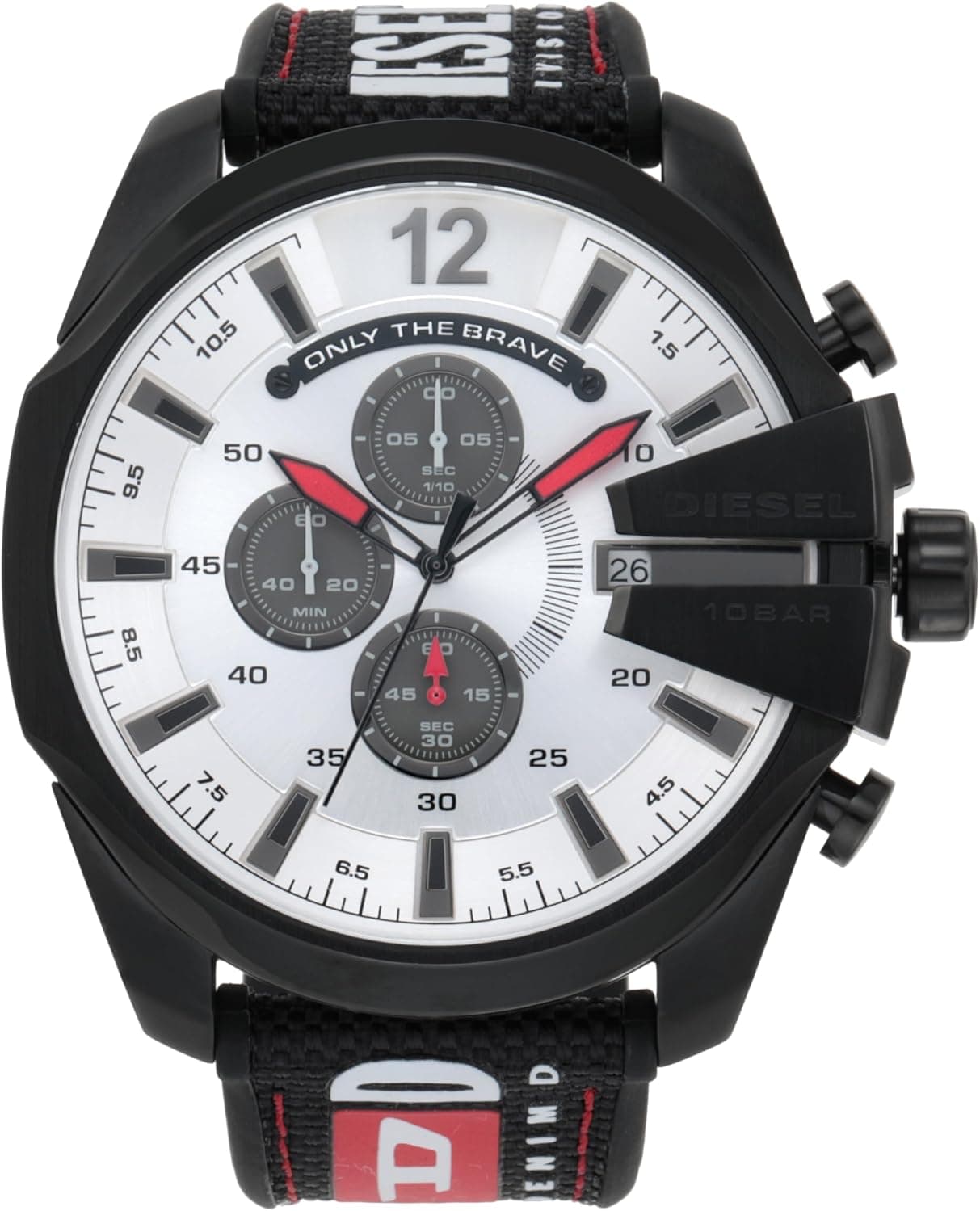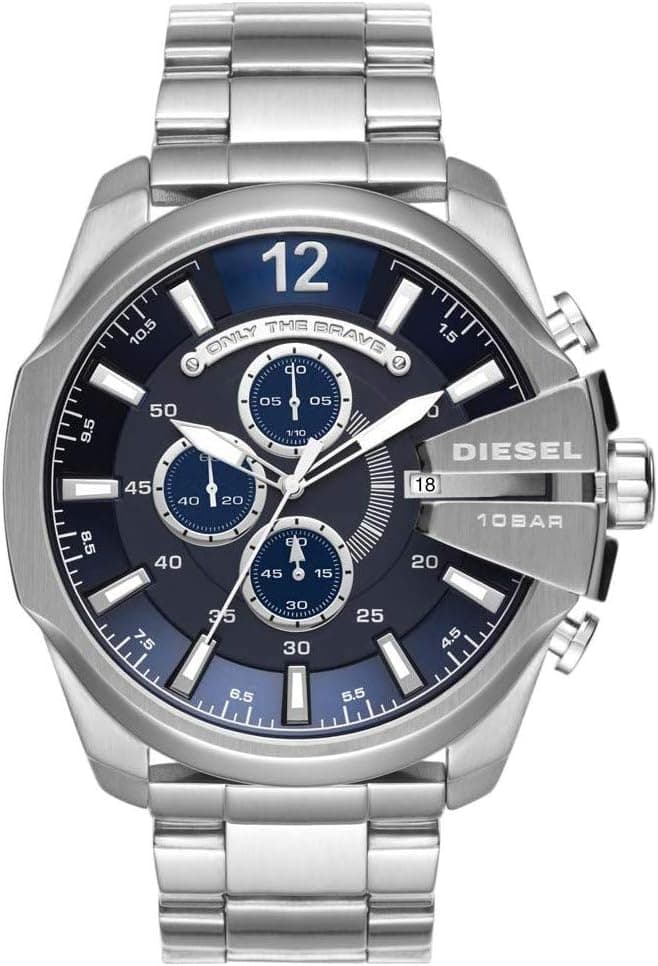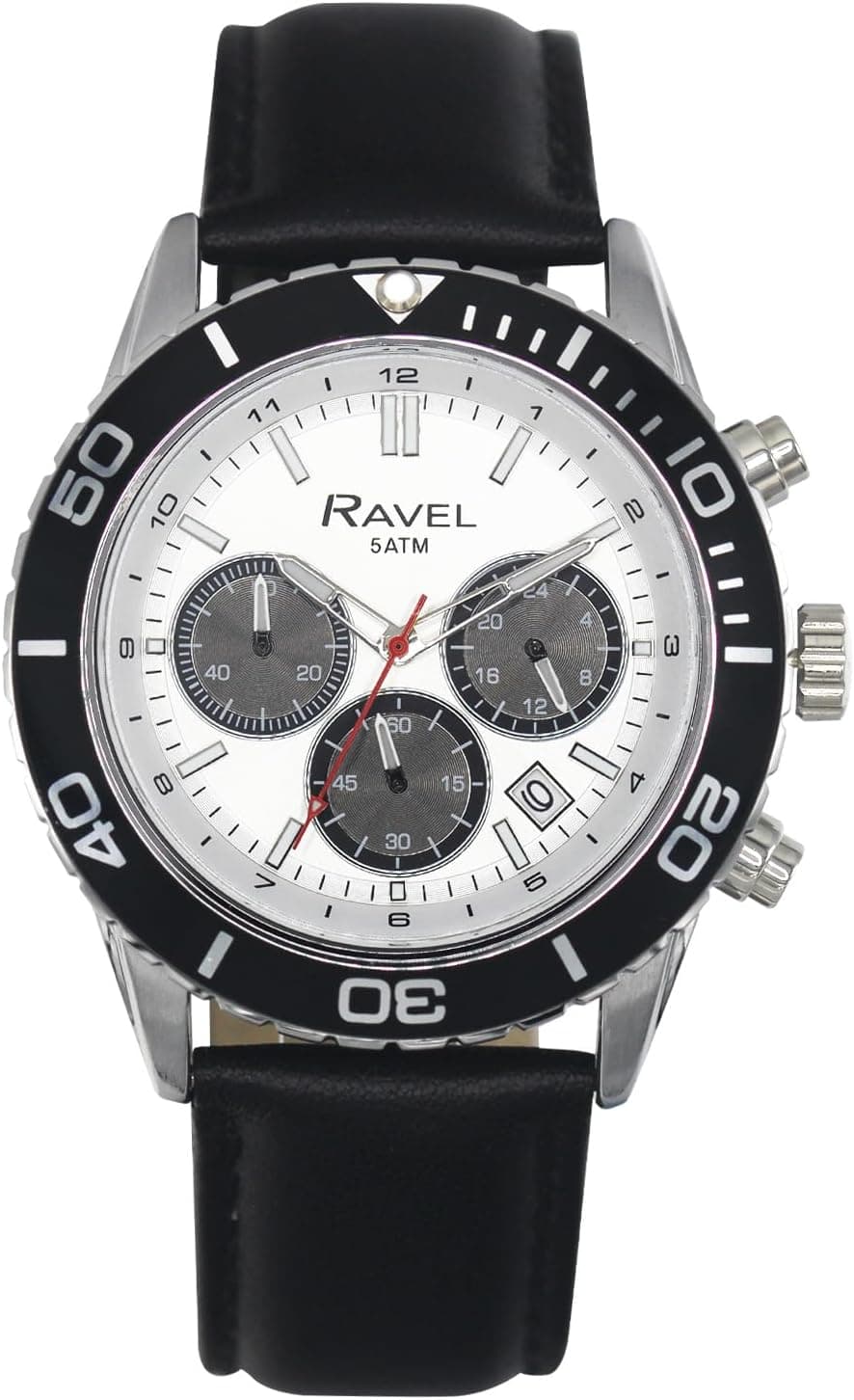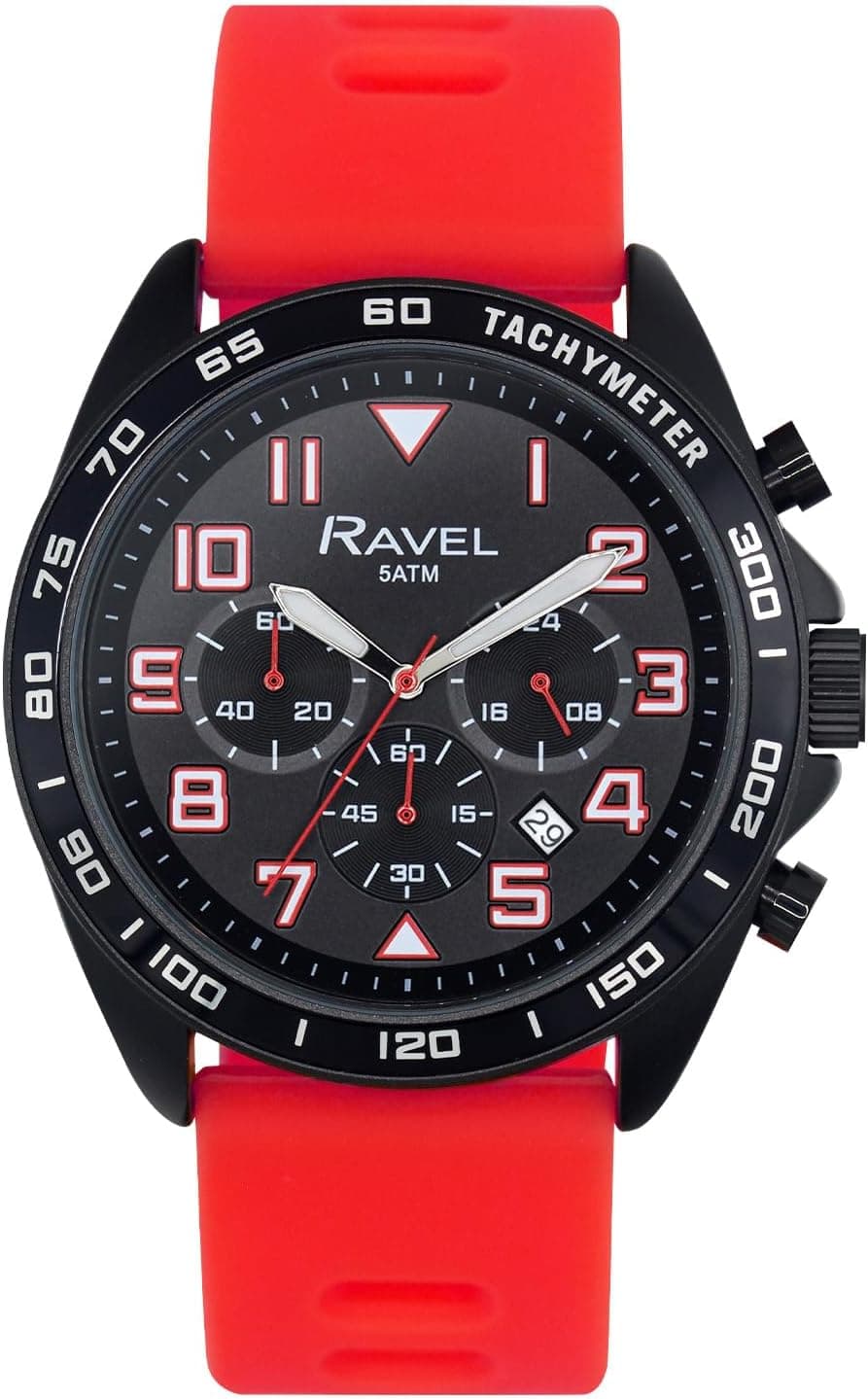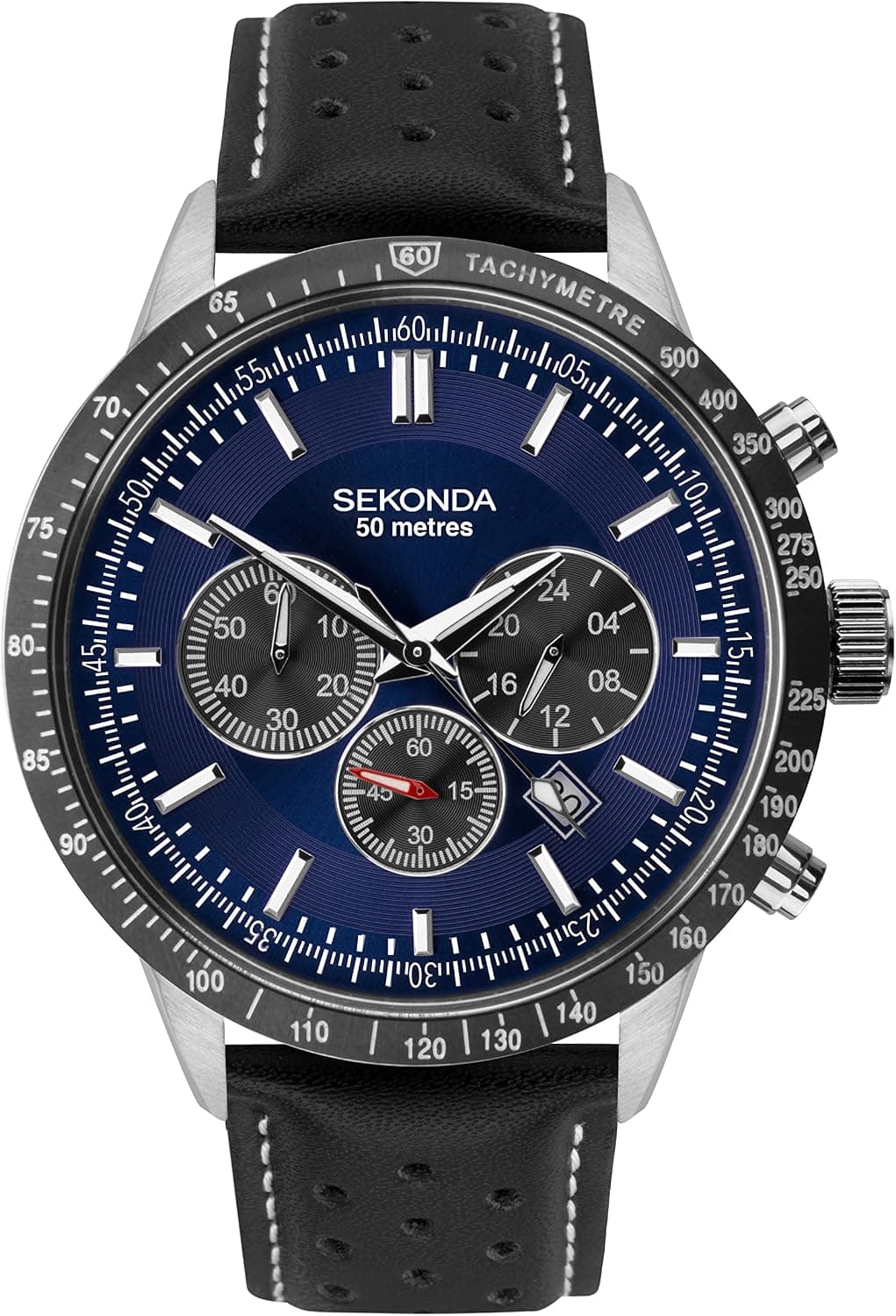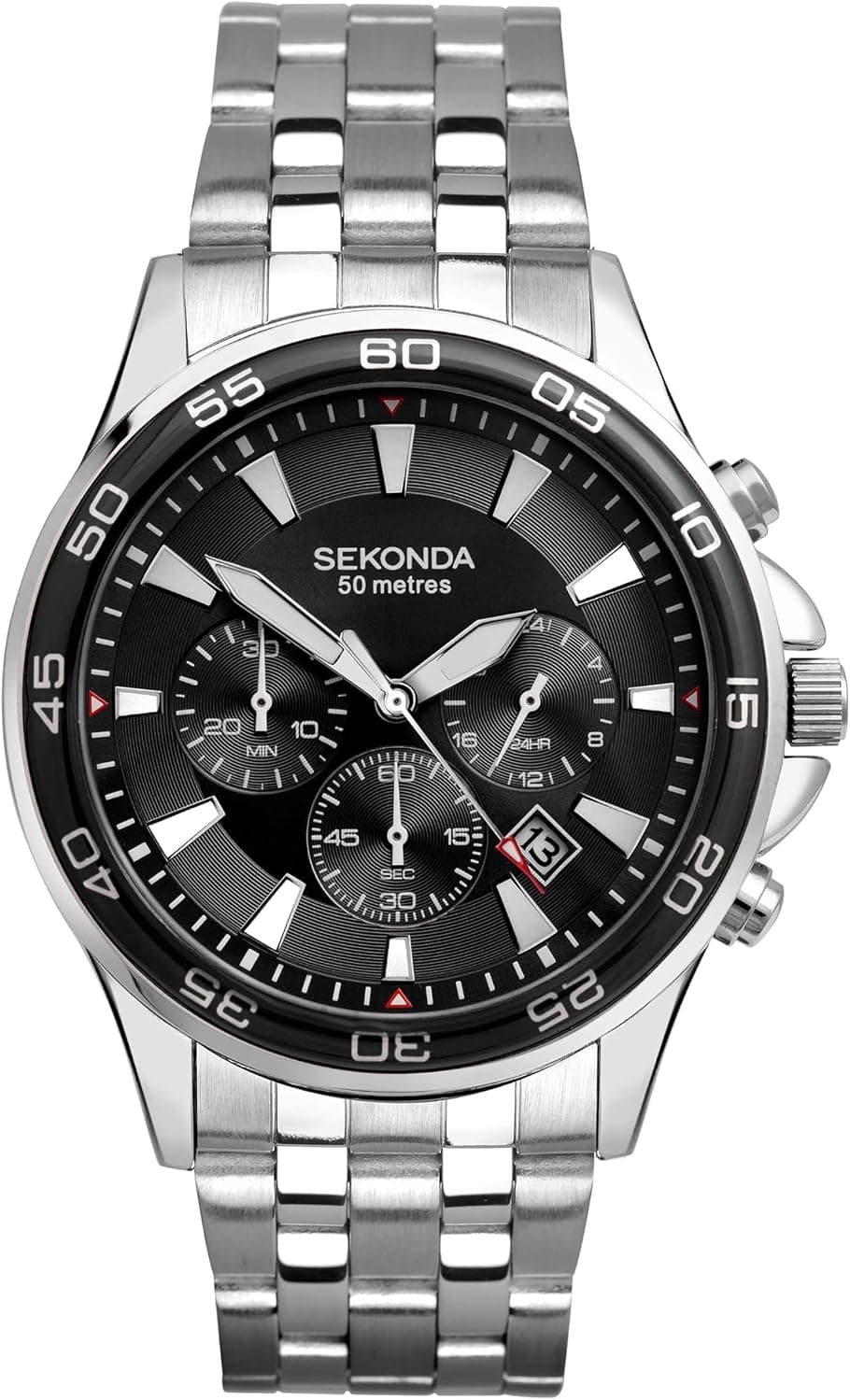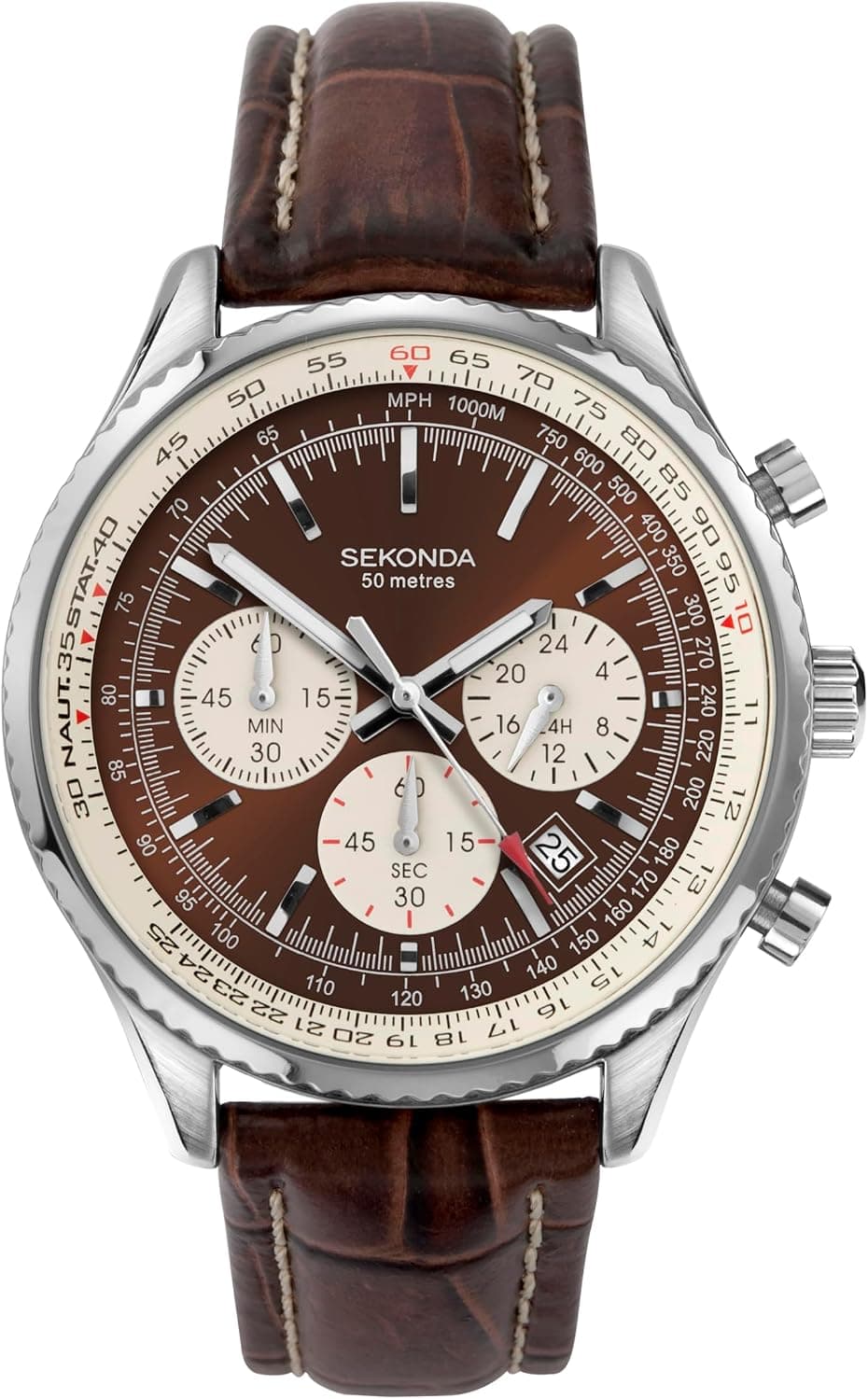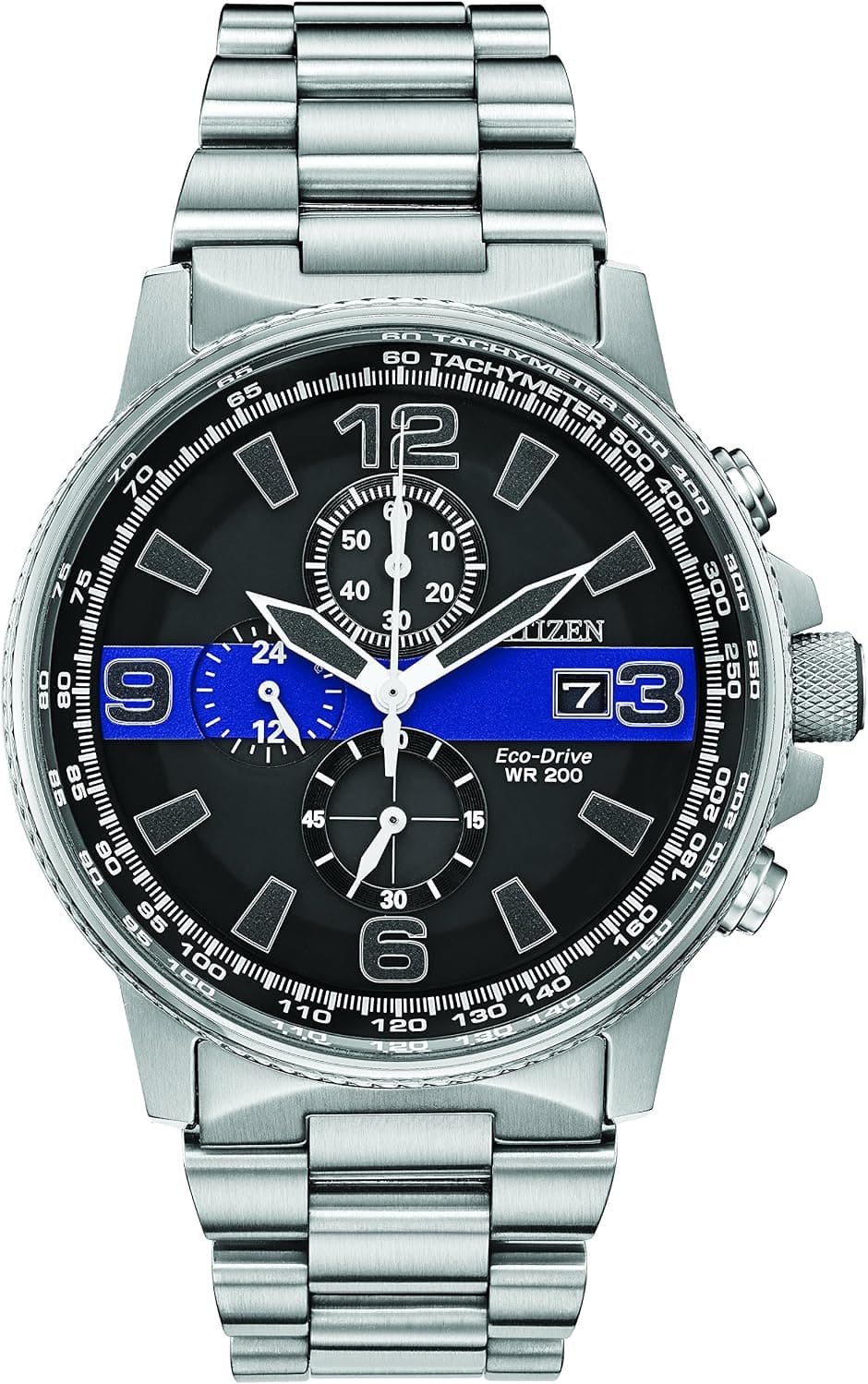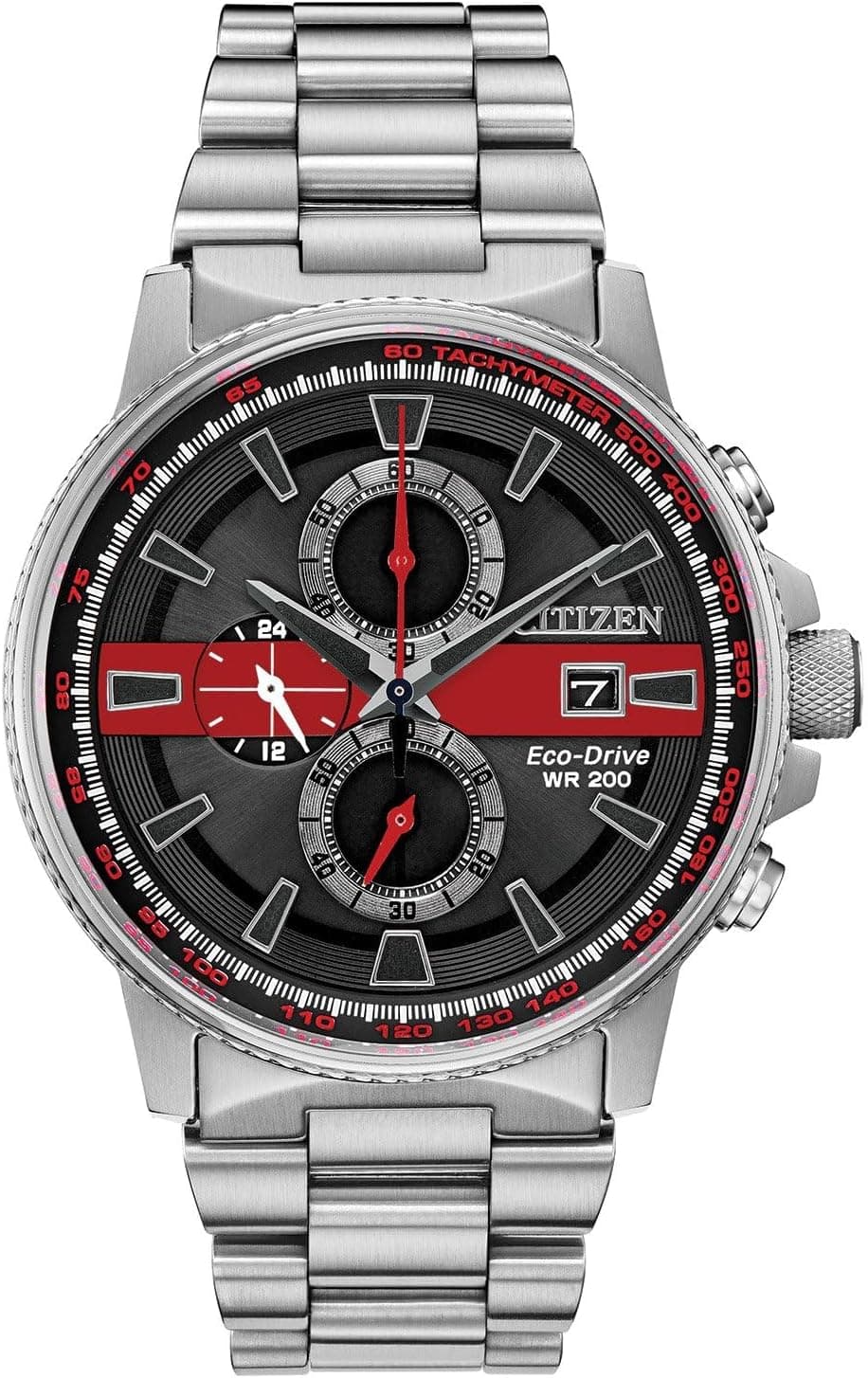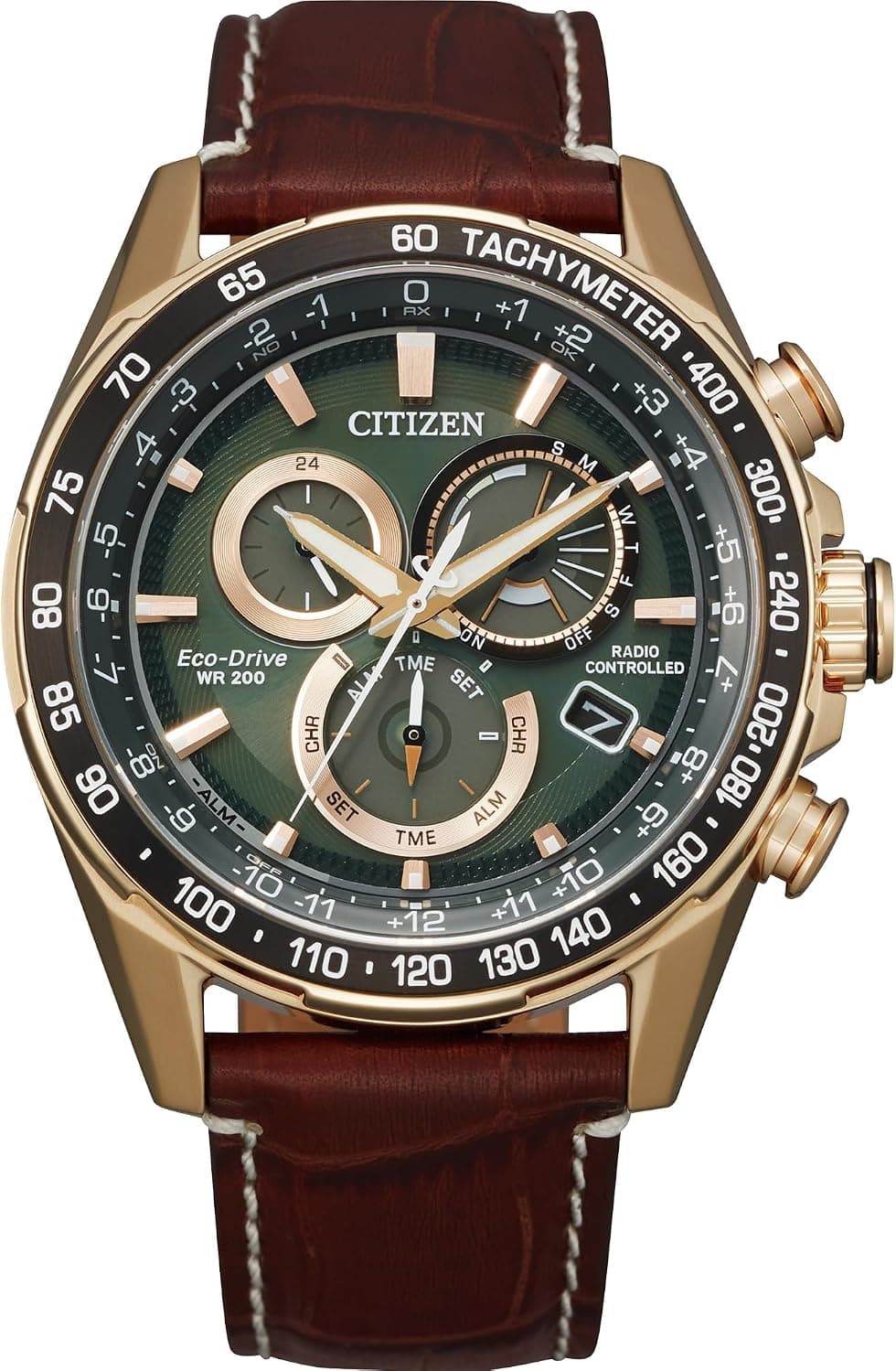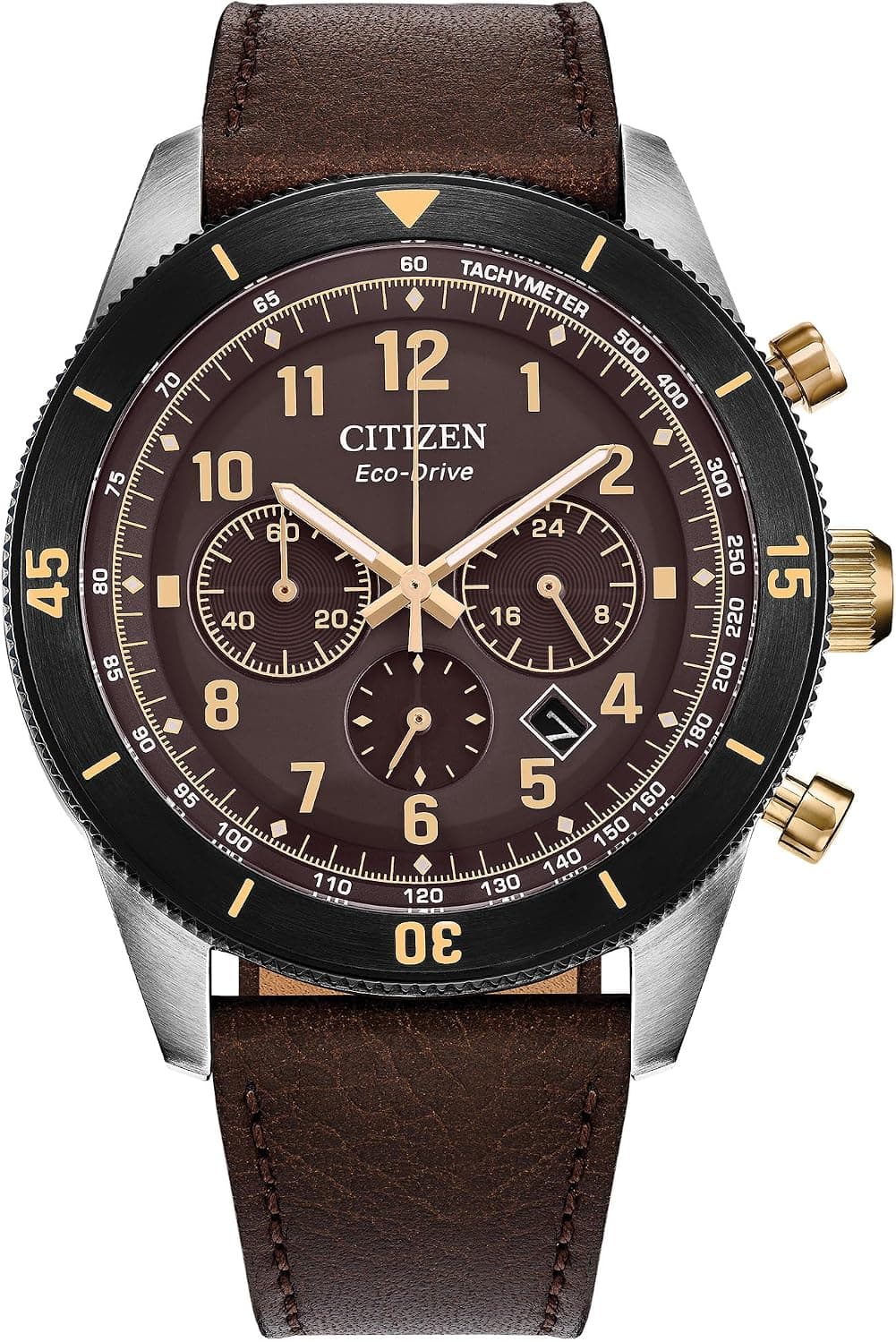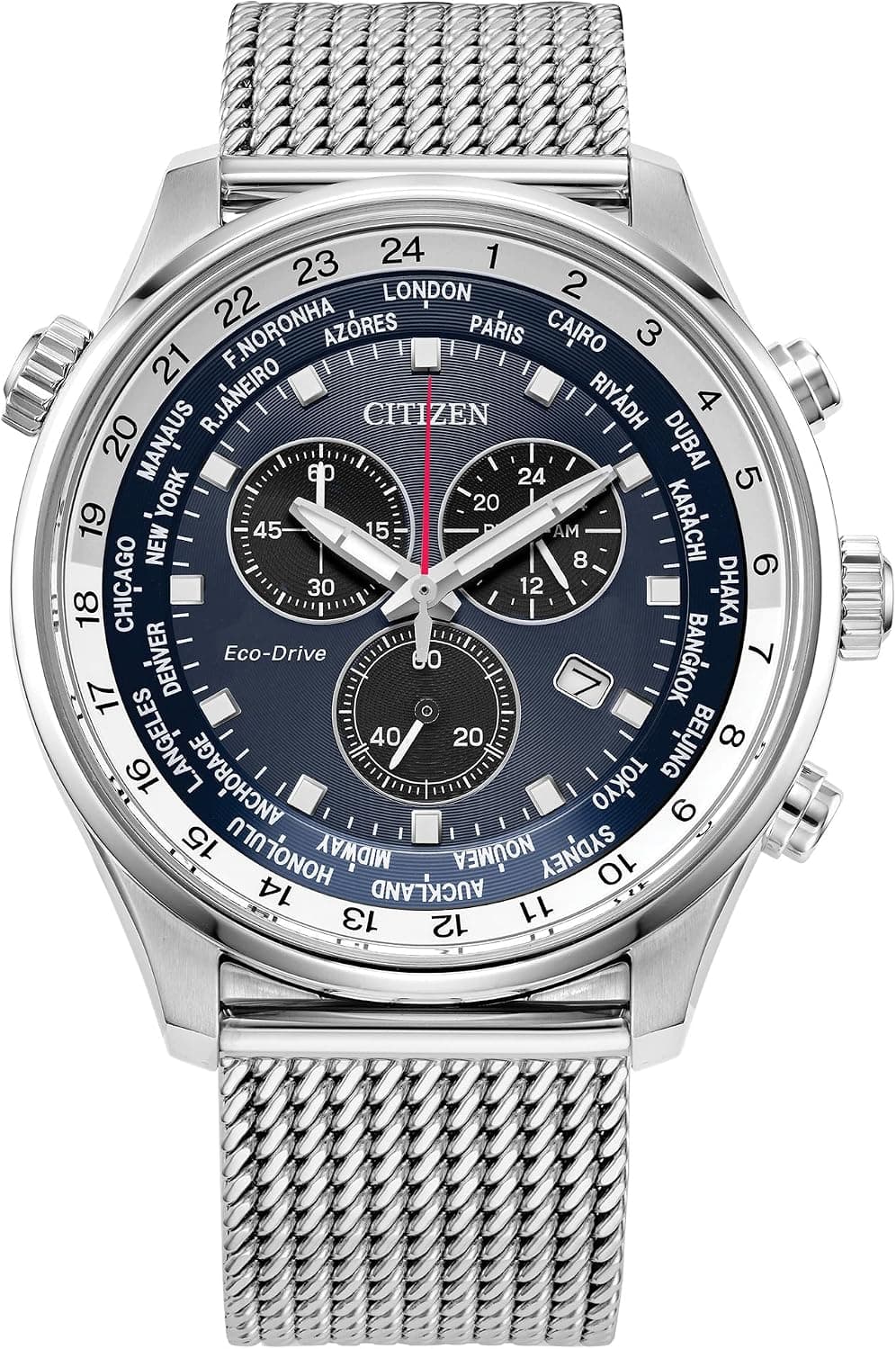
A chronograph is a watch with an integrated stopwatch, a separate mechanism layered over normal timekeeping. Two pushers flanking the crown start, stop and reset the timing function; a central sweep hand counts seconds while small sub-dials, the registers, tally minutes and hours. It is one of the oldest complications, predating GMT and dive watches by decades. The scale around the dial often tells you how to use it: a tachymeter converts elapsed time into speed, a telemeter into distance. Mechanically there are two schools, the costly, precise column wheel and the mass-production-friendly cam-actuated system, and knowing which you are buying matters.
The reference point for the whole category is the Omega Speedmaster Professional Moonwatch. Launched in 1957 as a racing chronograph, it became the first watch worn on the Moon during Apollo 11 in 1969. Today's 42mm version runs the hand-wound caliber 3861, is METAS Master Chronometer certified, and starts around $6,000 in steel, which makes it the best value in serious chronographs. The Rolex Cosmograph Daytona, born in 1963 and named for the speedway, now uses the column wheel caliber 4131 with a 72-hour reserve in a 40mm case; retail sits near $16,000 but the secondary market routinely asks $30,000 to $40,000. The TAG Heuer Carrera, also from 1963 and designed by Jack Heuer, offers an 80-hour Heuer 02 in 42mm steel at a far gentler price. Zenith's El Primero, from 1969, was among the first automatic chronographs, beating at 36,000 vph to time to a tenth of a second; the Chronomaster Sport runs around $10,000 in steel.
When buying, look at the movement first. A column wheel paired with a vertical clutch gives smoother pusher feel and a cleaner start, and you find it in the Rolex 4131, the El Primero, and Seiko's excellent Prospex Speedtimer at roughly $3,000. The cam-actuated Valjoux 7750 family is robust, serviceable and affordable, beating at the heart of most mid-range chronographs. On a tighter budget, the Hamilton Intra-Matic Auto Chrono (a 7753-based H-31 with a 60-hour reserve, about $2,295) or the hand-wound Baltic Bicompax are sensible entry points. Mind case thickness too: chronographs are inherently tall, and 15mm is normal rather than a flaw.
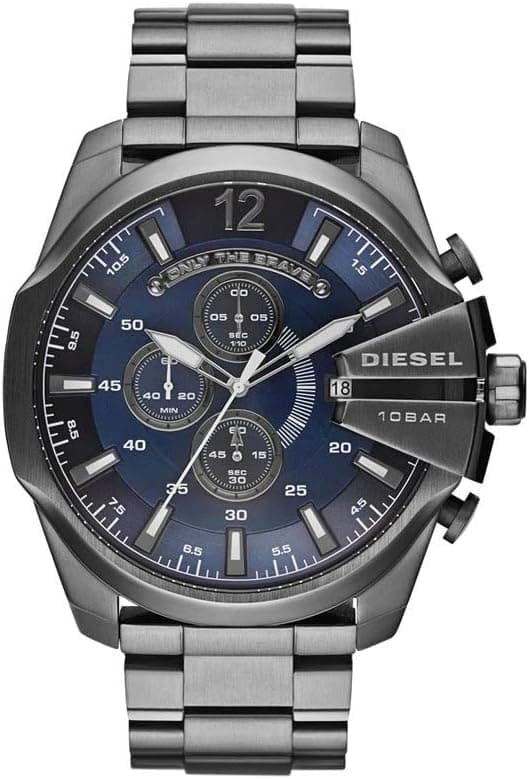
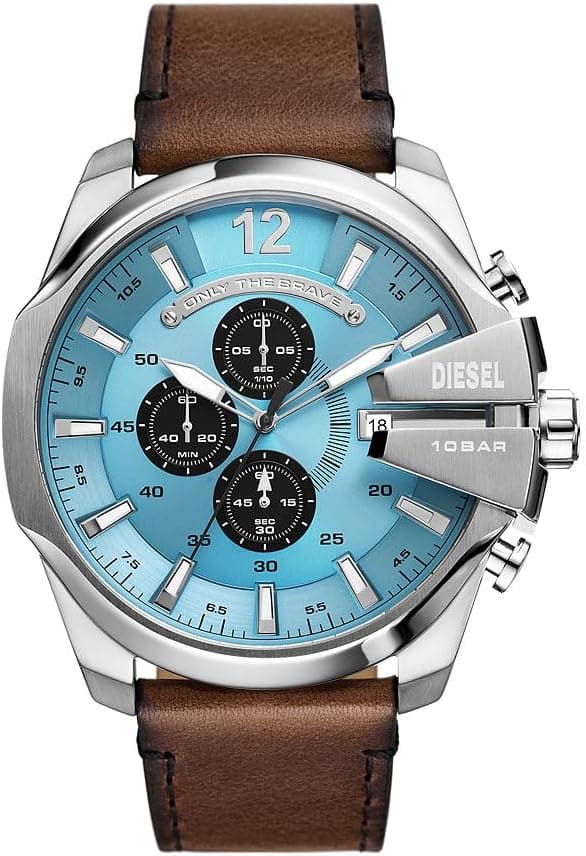
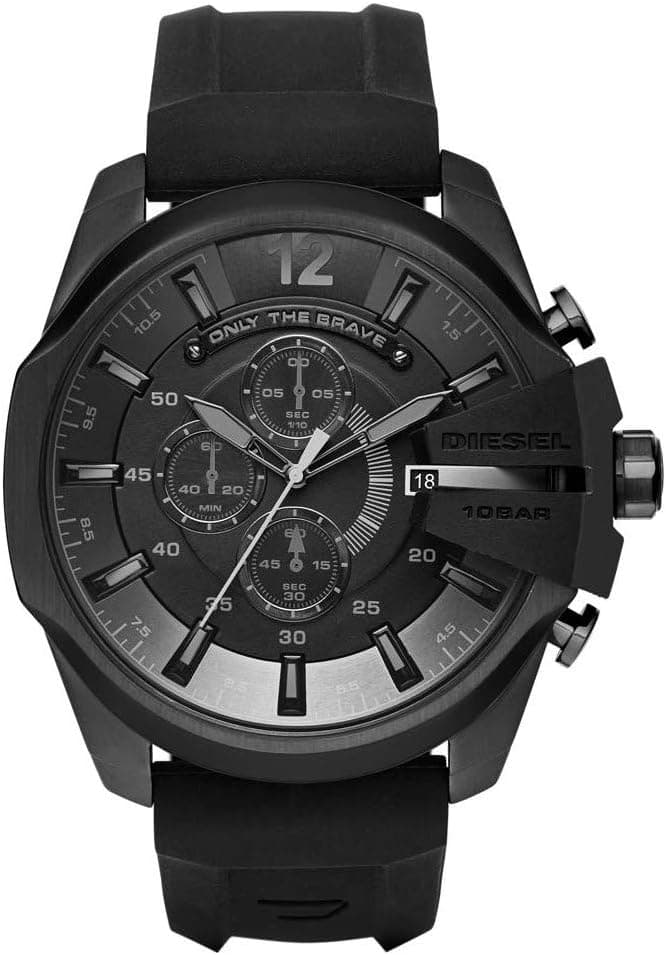
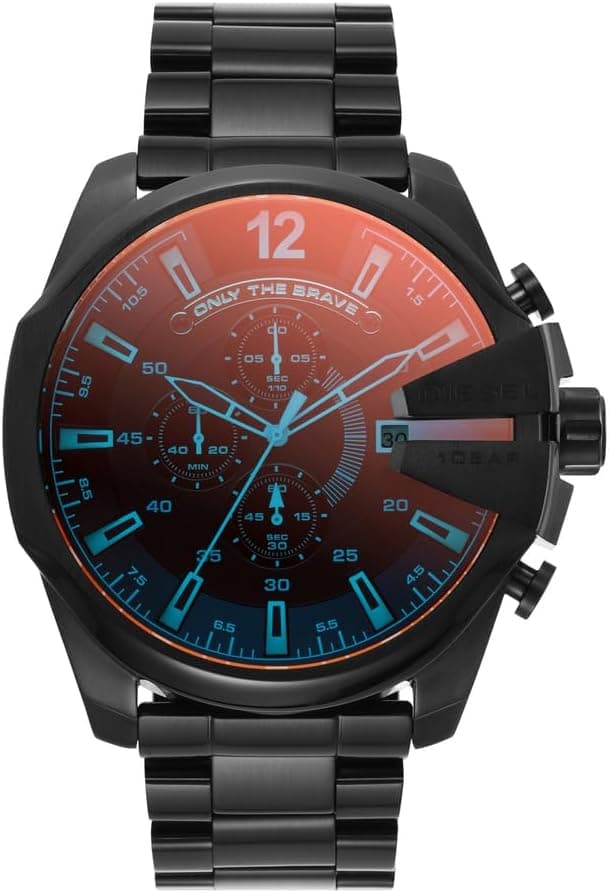
The dial layout, two registers (bicompax) or three (tricompax), is both an aesthetic and a practical choice. Bicompax reads cleaner and more vintage; tricompax looks more instrument-like. The panda dial, white face with black registers, and its reverse-panda cousin are the most sought-after looks here. Added functions like a date, full calendar or flyback bring value but also bulk; if you genuinely intend to time things, legibility and comfortable pushers matter more than any complication count.