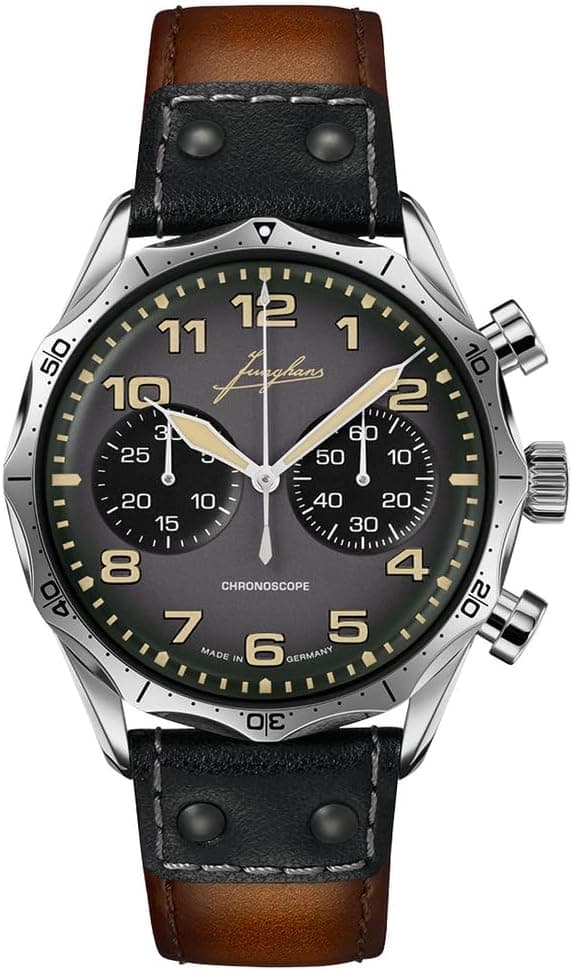
German made describes a distinct watchmaking tradition rooted in the Saxon town of Glashütte, where Ferdinand Adolph Lange founded A. Lange & Cie in 1845. The Glashütte school is recognized by the three-quarter plate, blued screws, gold chatons and hand-finished movements, an aesthetic that values quiet symmetry over Swiss flourish. Where the Geneva tradition leans ornamental, the German approach reads as engineering made visible: clean dials, exact typography, and architecture you can admire through a caseback. The town's factories were leveled in 1945, consolidated under the East German VEB GUB combine, then revived brand by brand after the Berlin Wall fell.
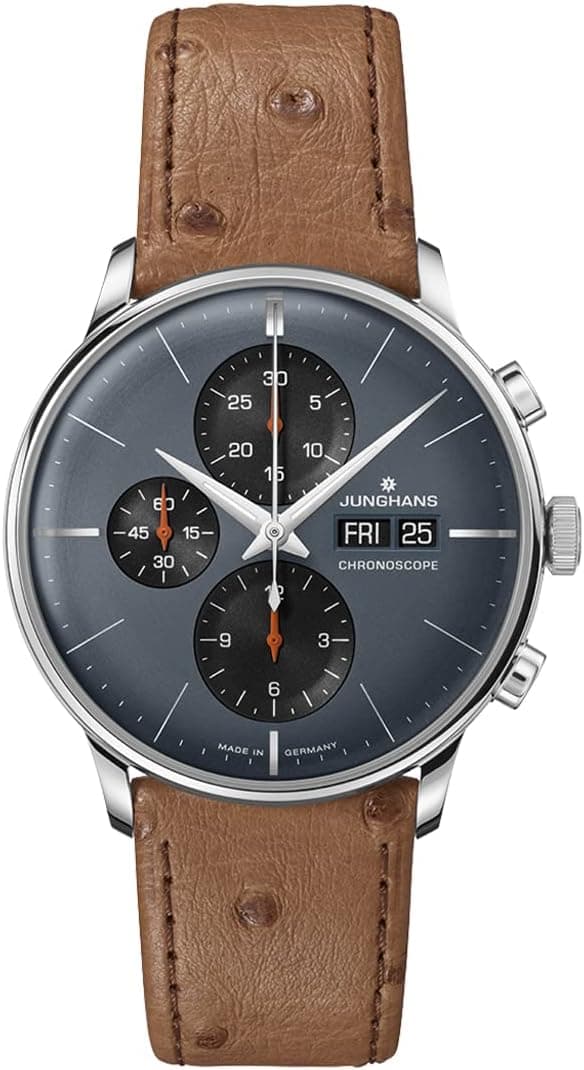
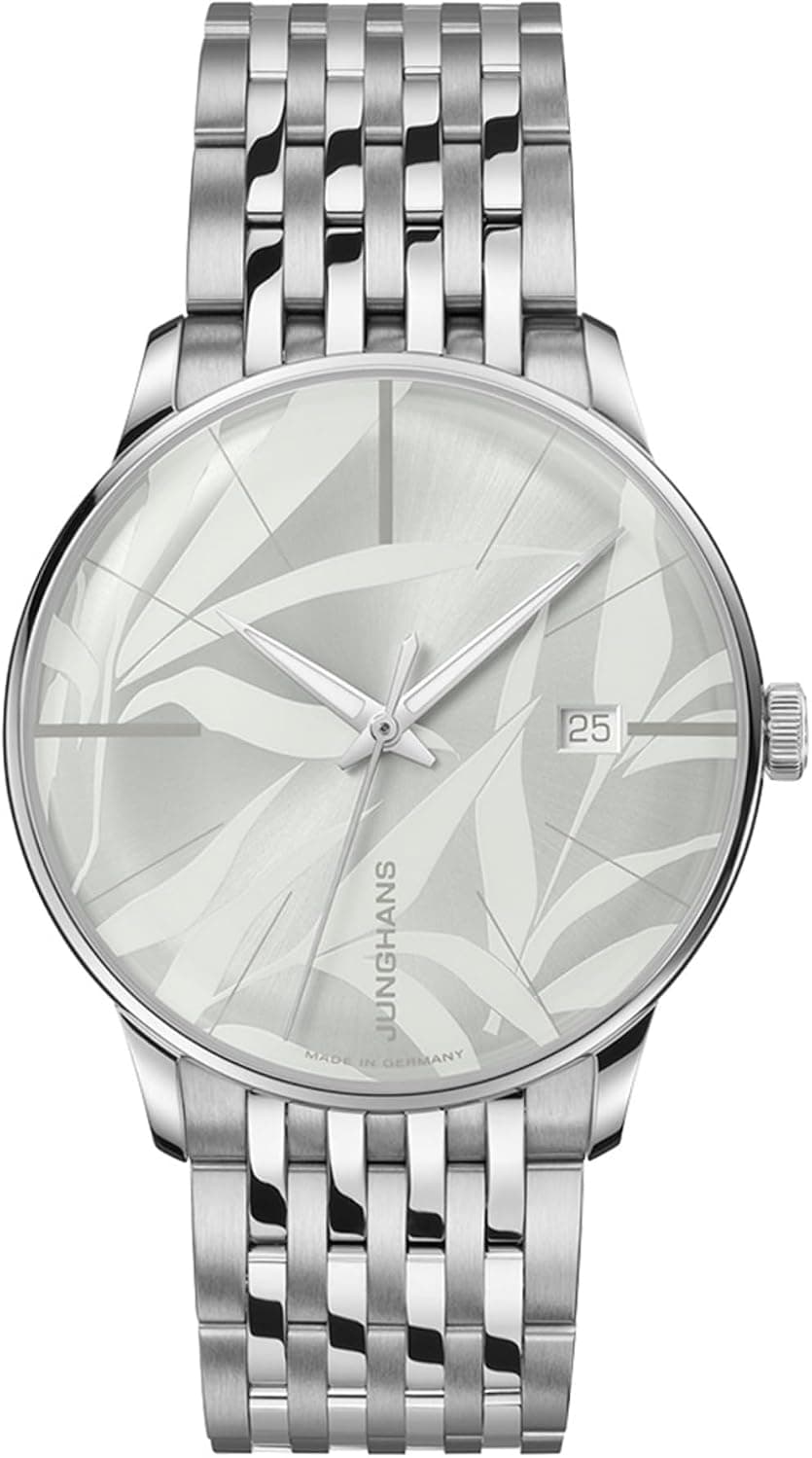
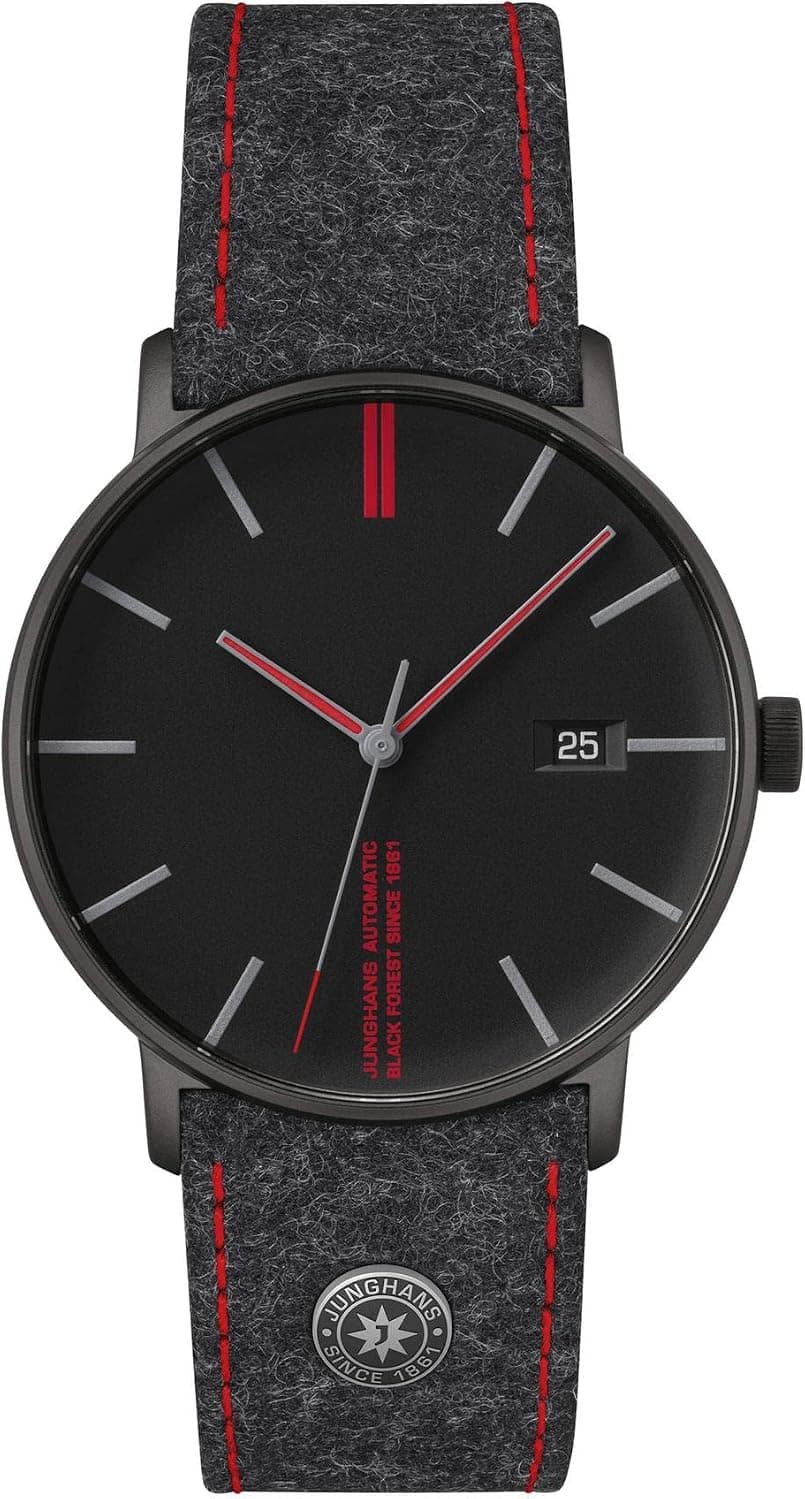
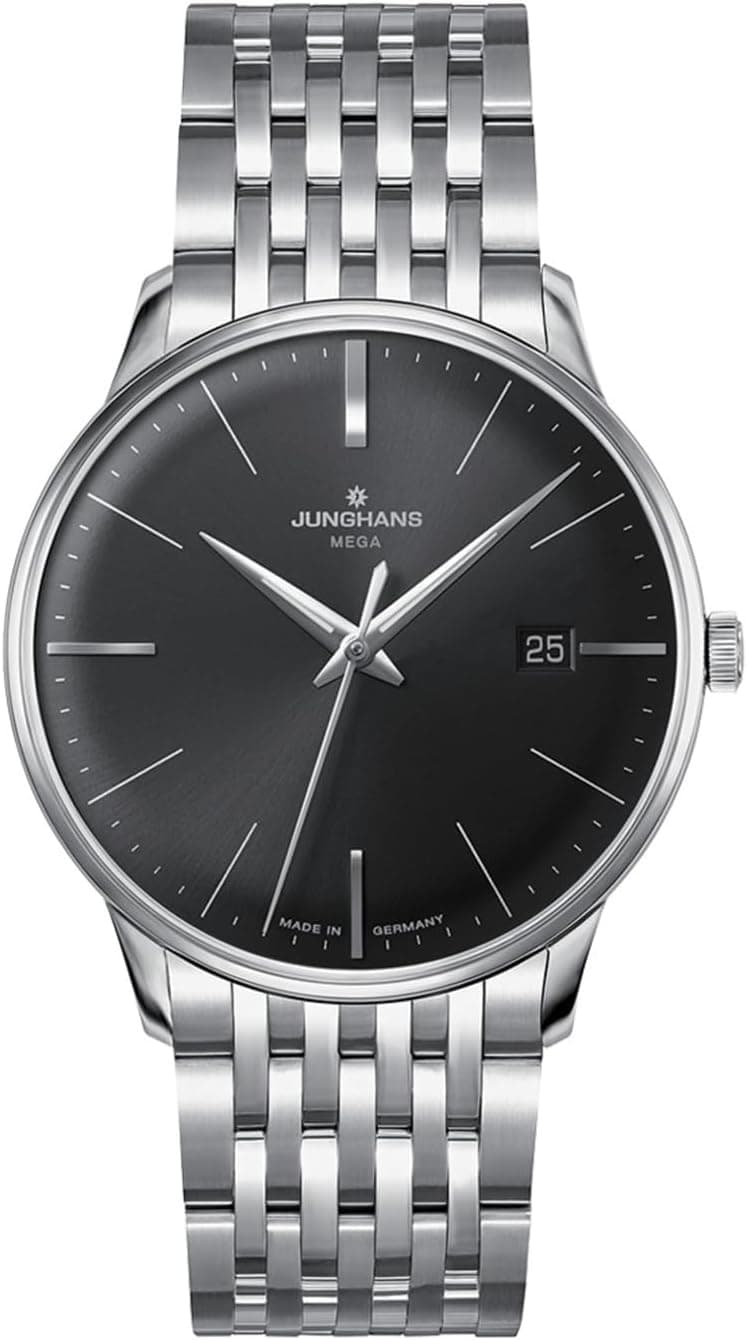
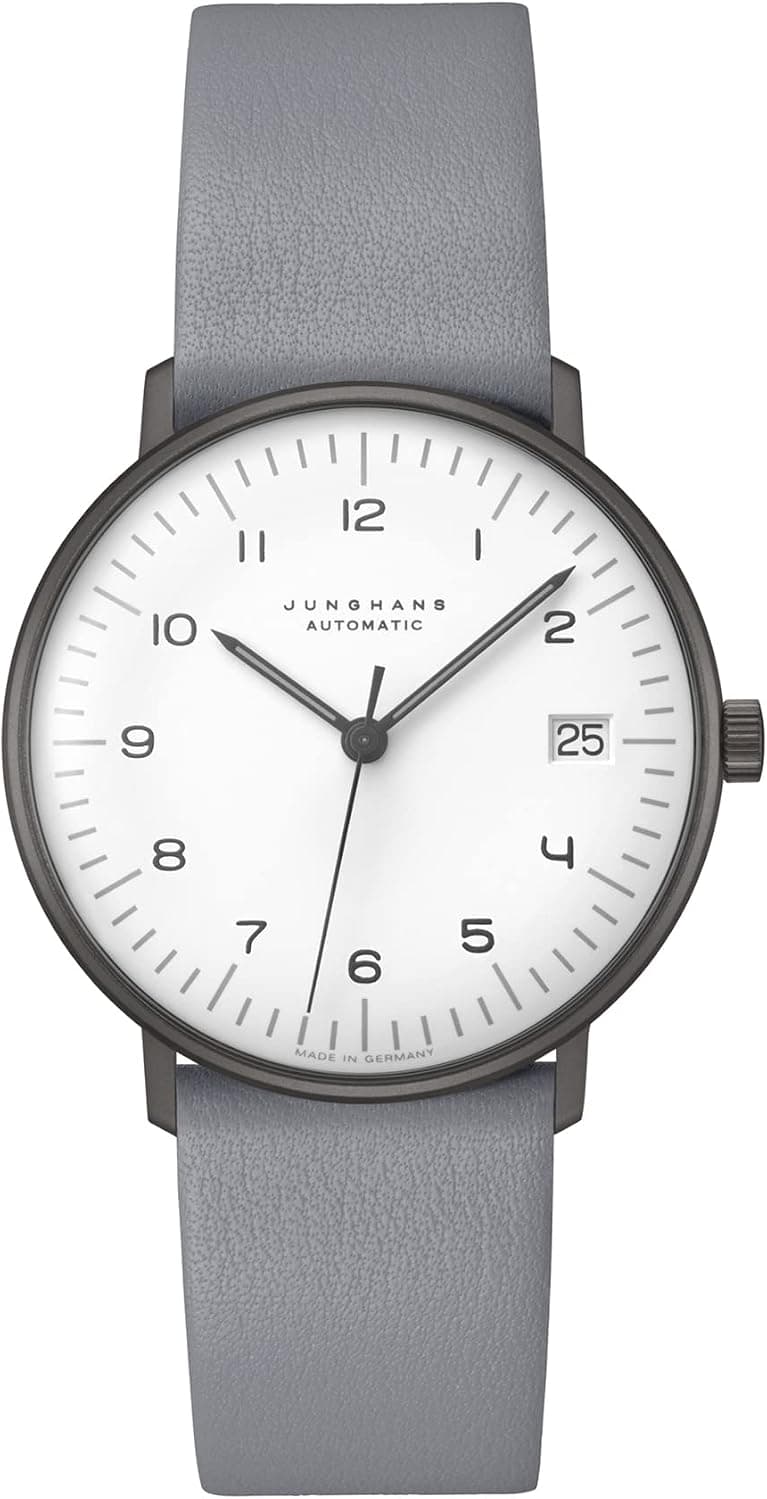
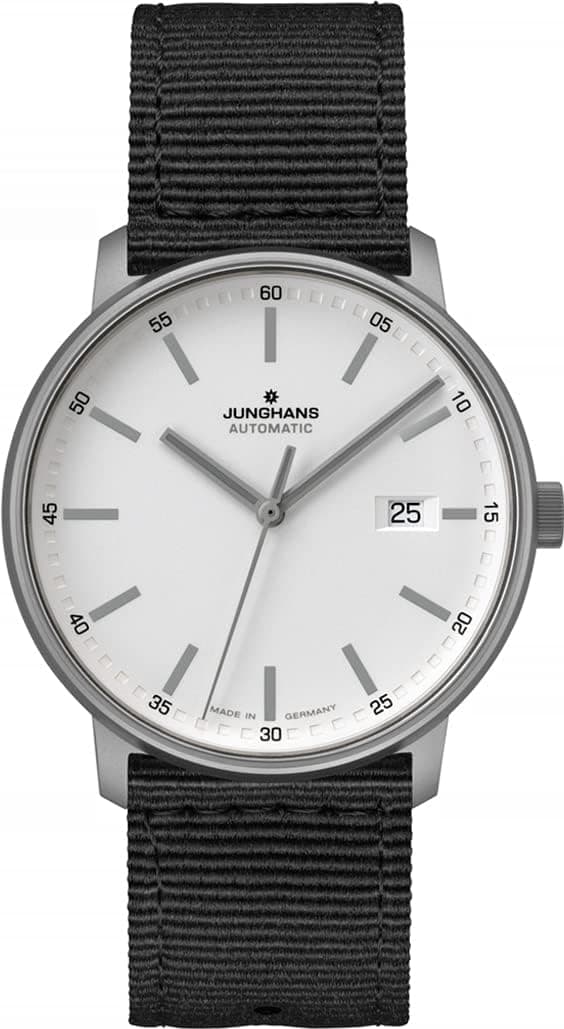
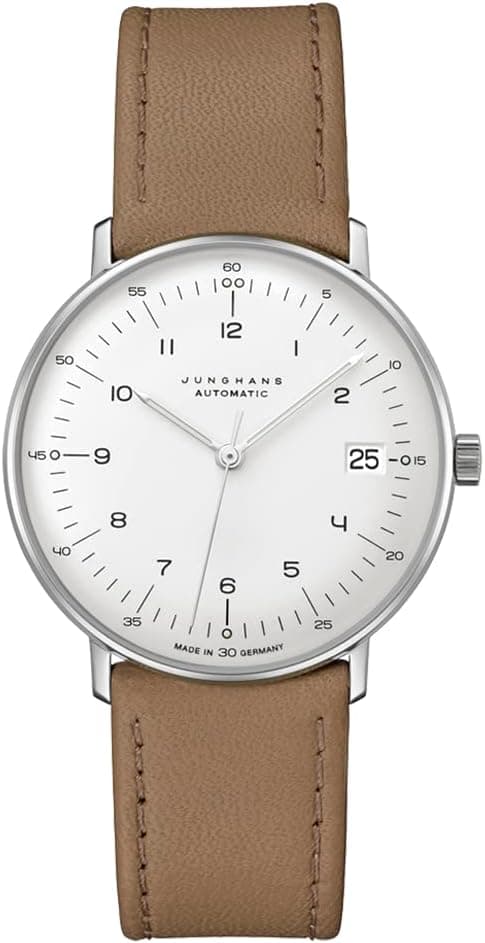
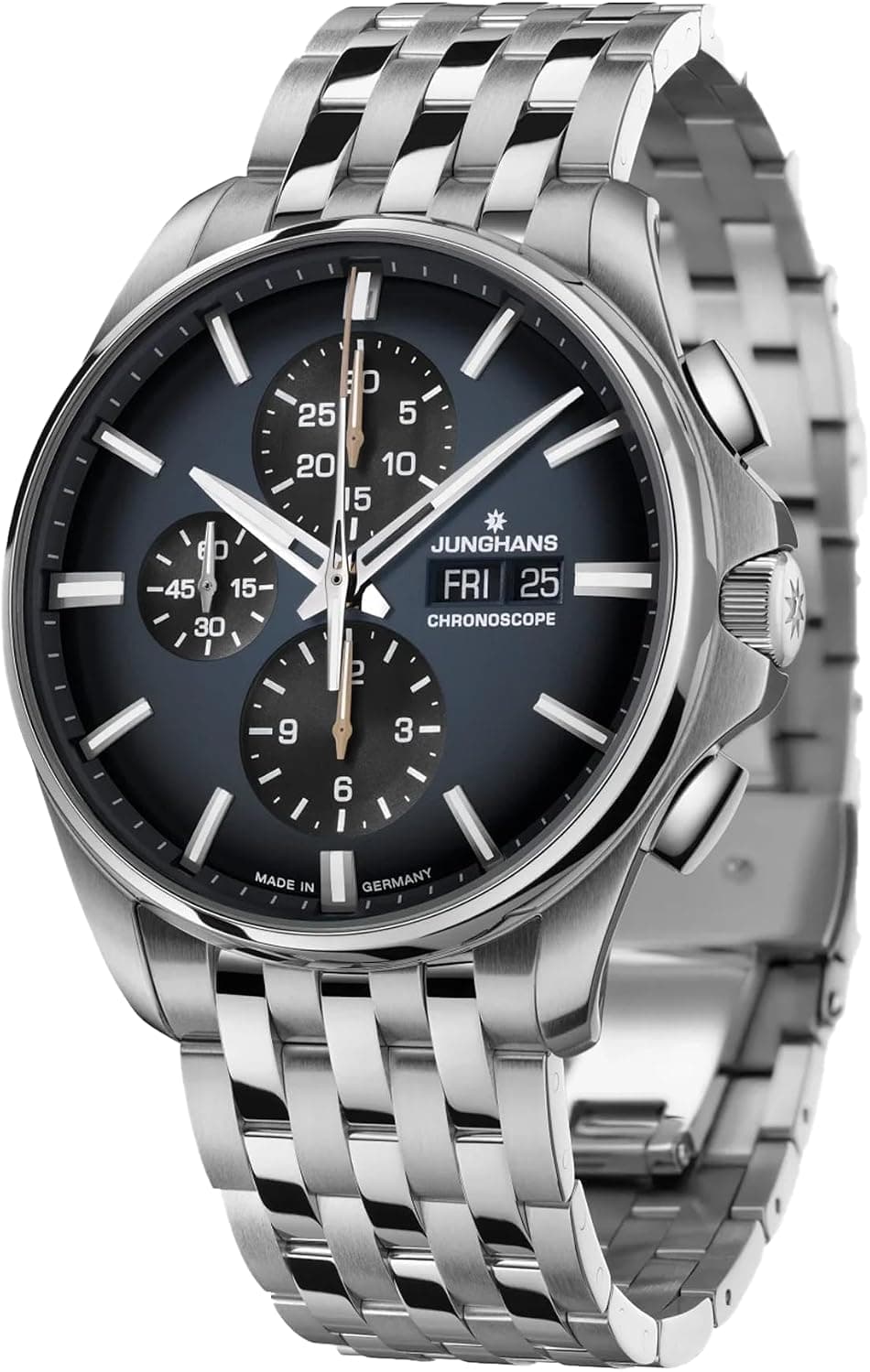
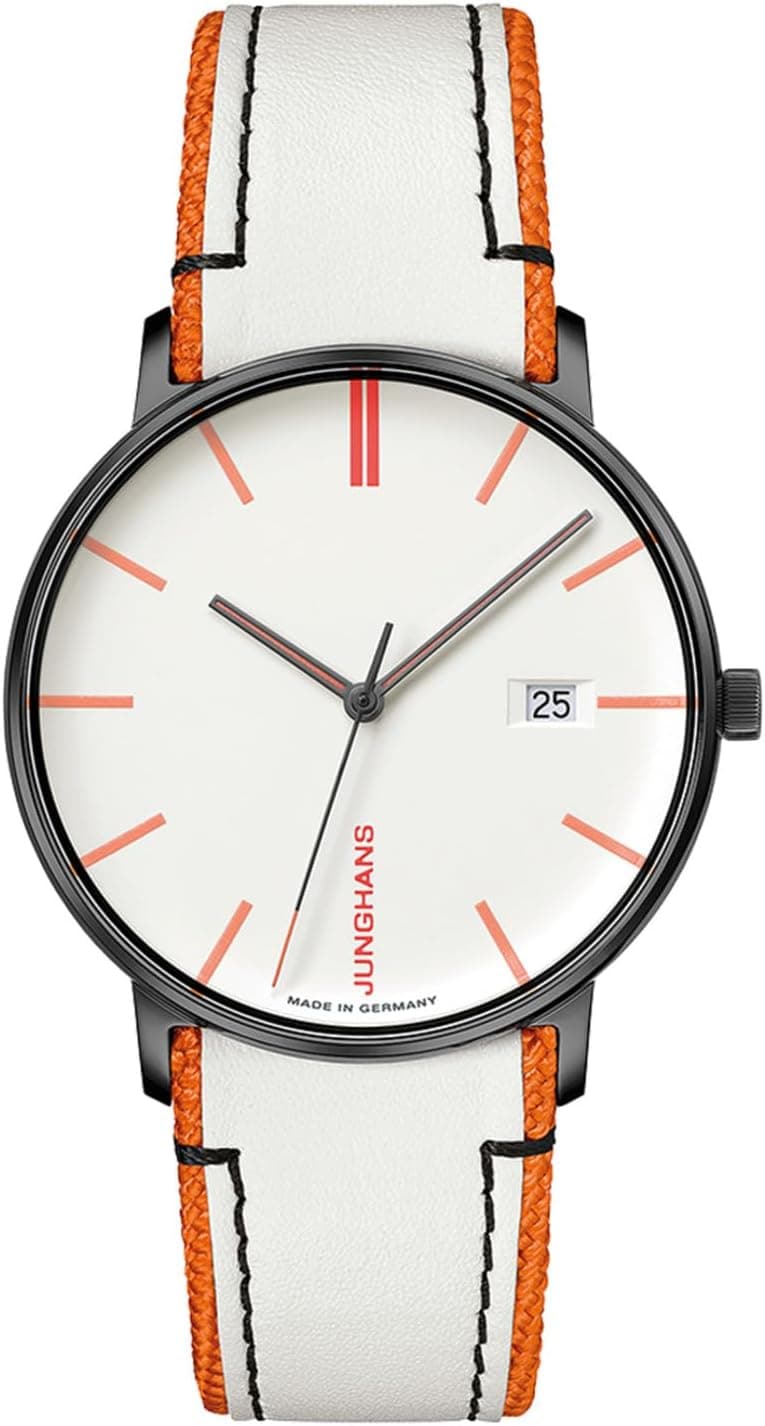
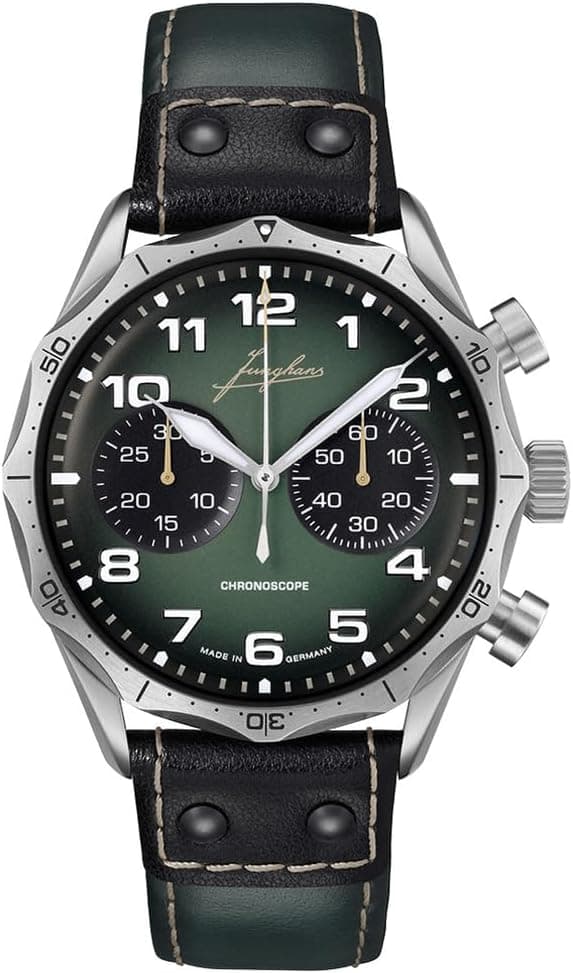
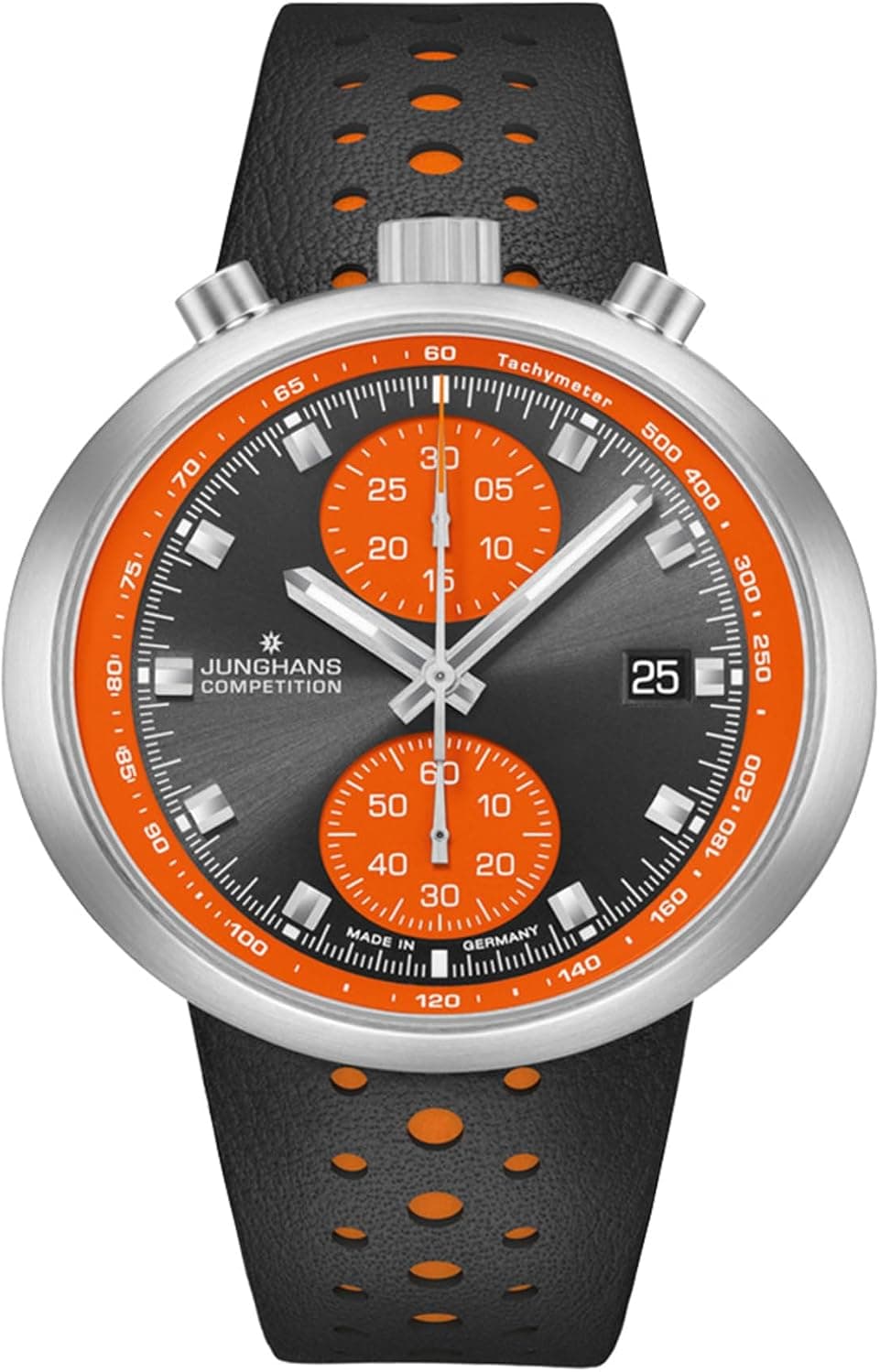
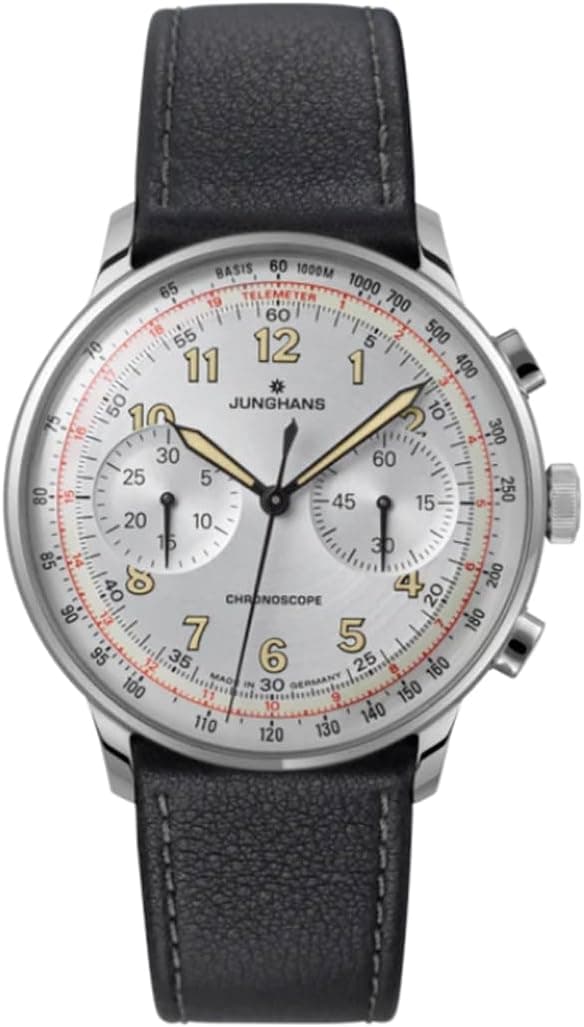
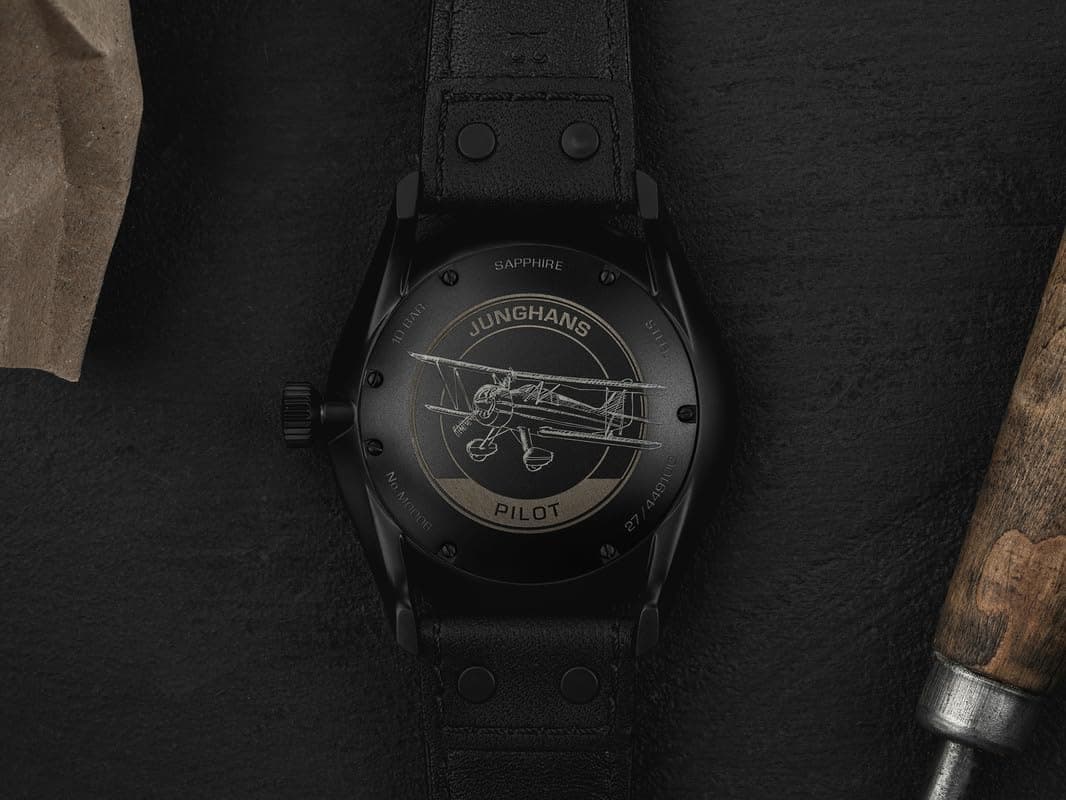
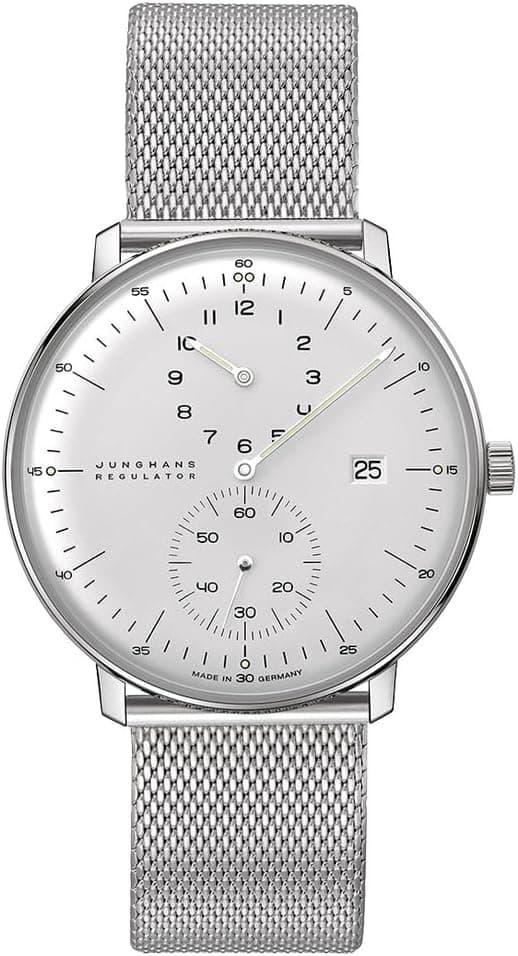
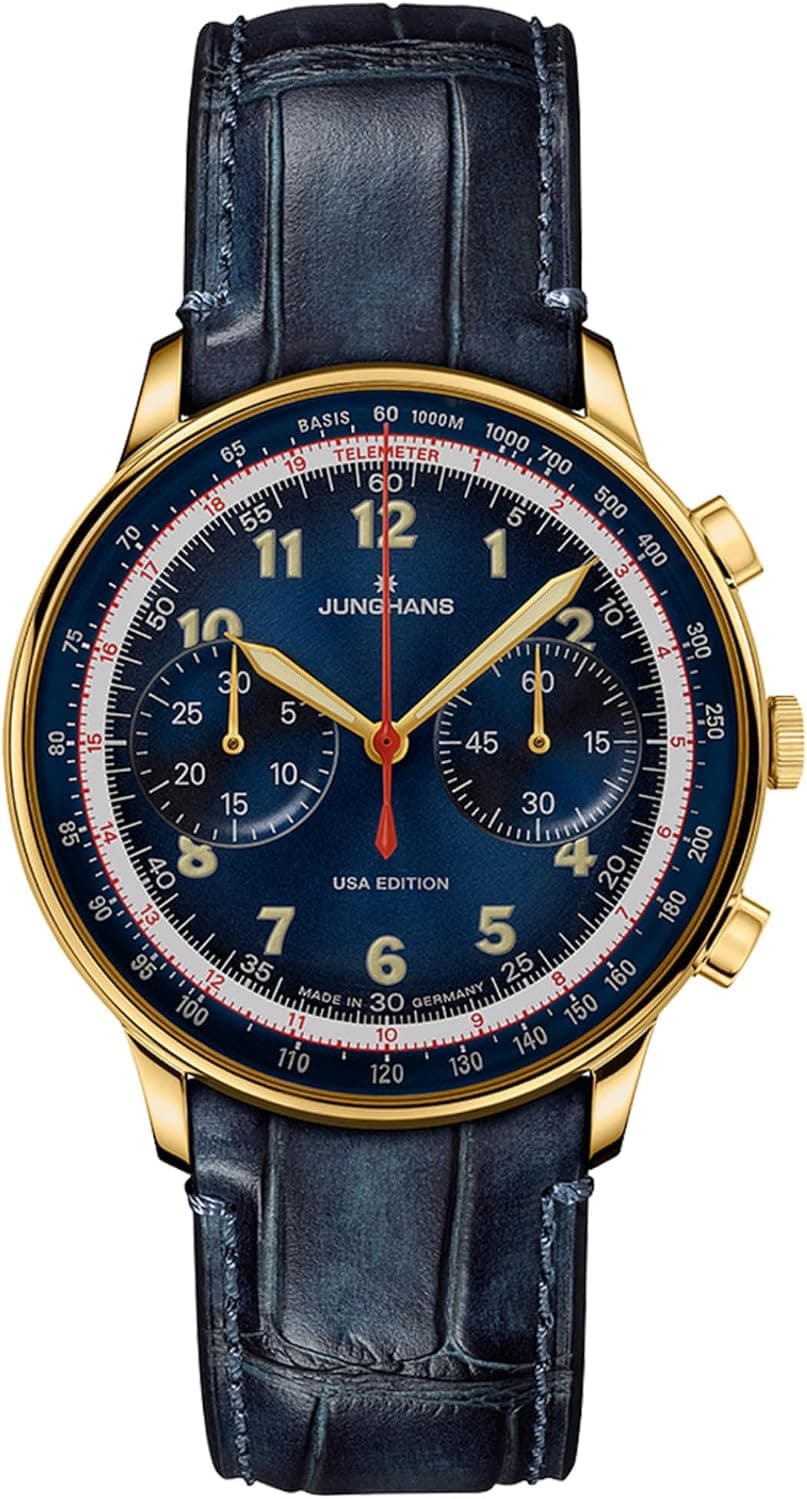
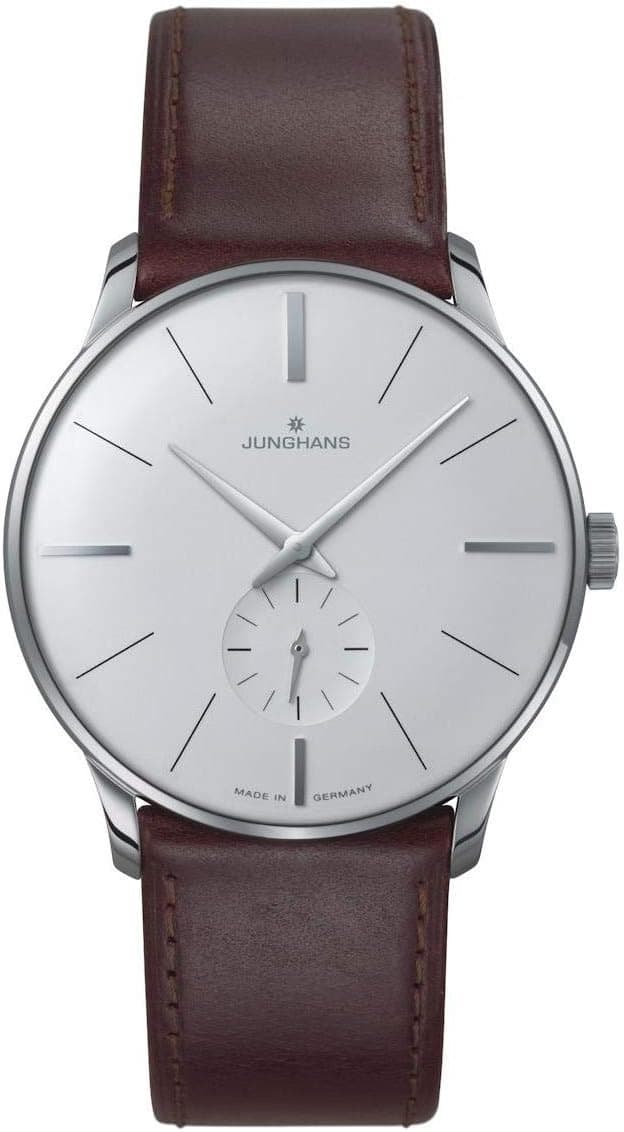
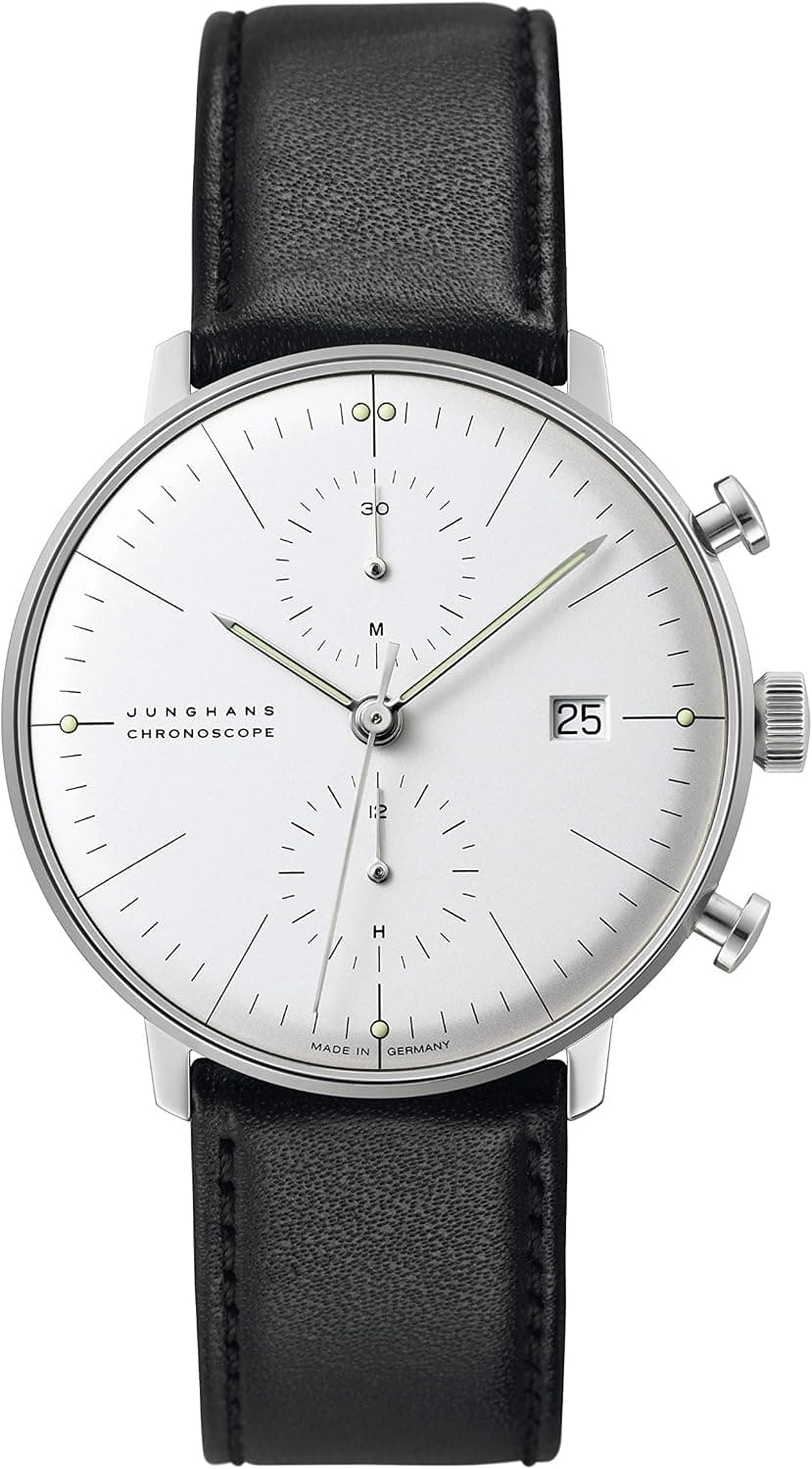
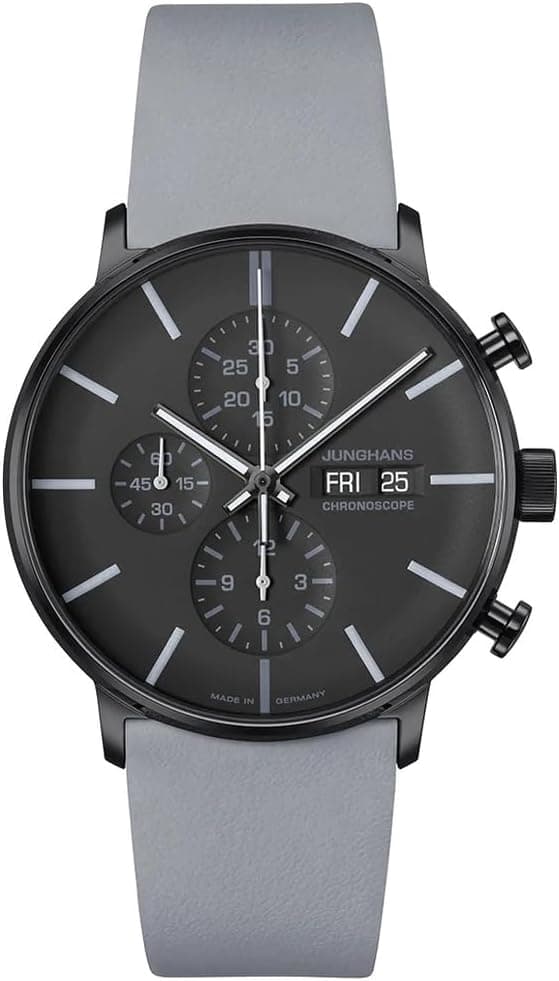
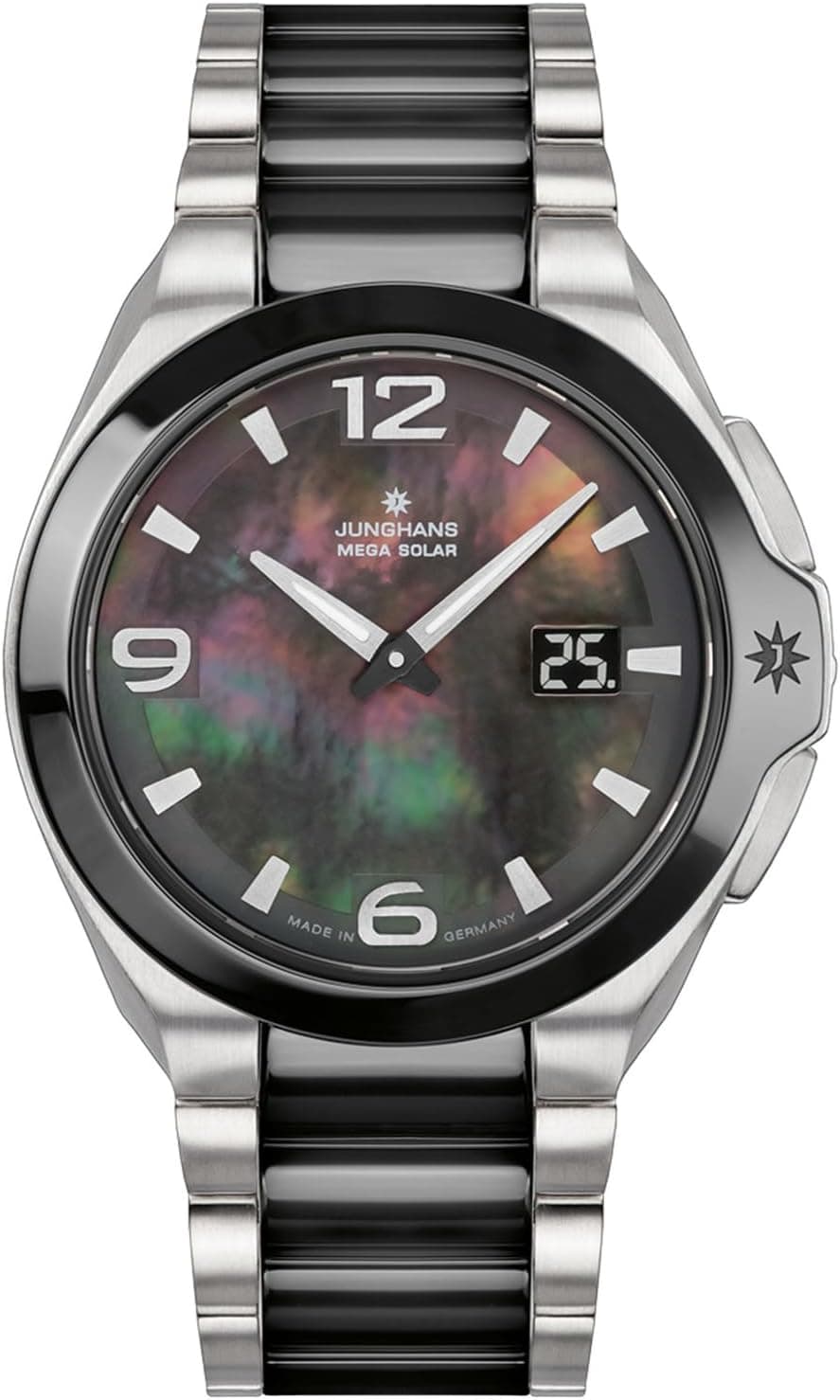
At the top sits A. Lange & Söhne, whose Lange 1 averages around $31,000 and ranges roughly $23,000 to $46,000, with Honeygold pieces like the Lange 1 Daymatic climbing past $75,000. Glashütte Original's Senator Sixties starts near $5,300 in steel and reaches about $13,500 in red gold. For accessible entry, Nomos Glashütte builds Bauhaus-influenced watches like the Tangente, powered by in-house calibers DUW 4001 and DUW 4101, from roughly $900 to $4,000. Beyond Saxony, Frankfurt's Sinn makes hard-wearing tool and pilot watches from around $1,000, while Schramberg's Junghans offers the Max Bill line between about $400 and $1,500.
When buying, separate the broad "Made in Germany" mark from the narrower "Glashütte" designation. Since February 22, 2022, the Glashütte rule has been legally protected, requiring at least 50 percent of a watch's value to be created in the town, a safeguard comparable to Swiss Made. If you want an in-house movement, three-quarter plate and serious finishing, look to the Glashütte names; if you want ruggedness for daily wear, Sinn delivers; if you want clean design and value, Nomos or Junghans make sense. German watches also tend to carry less speculative resale froth than their Swiss rivals, which can favor the actual wearer.
In short, this category is not one type but a shared engineering sensibility. Glashütte haute horlogerie, Bauhaus minimalism and German tool watchmaking represent three honest directions, and your budget and taste decide which fits.