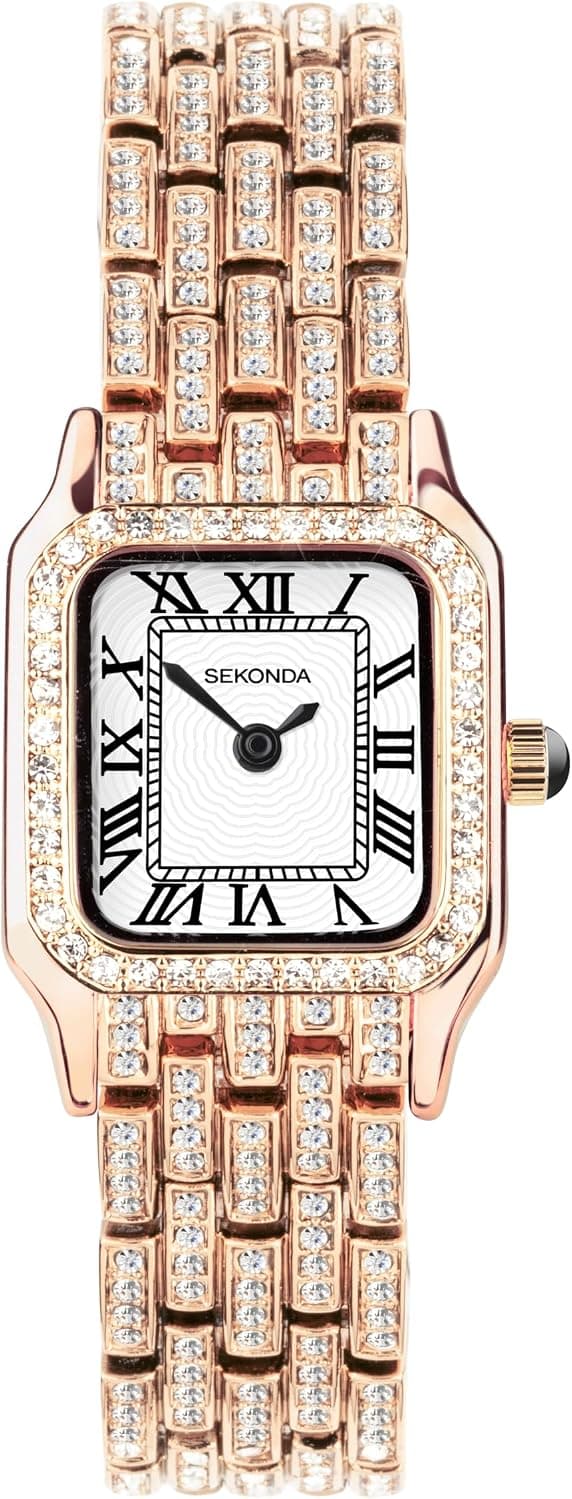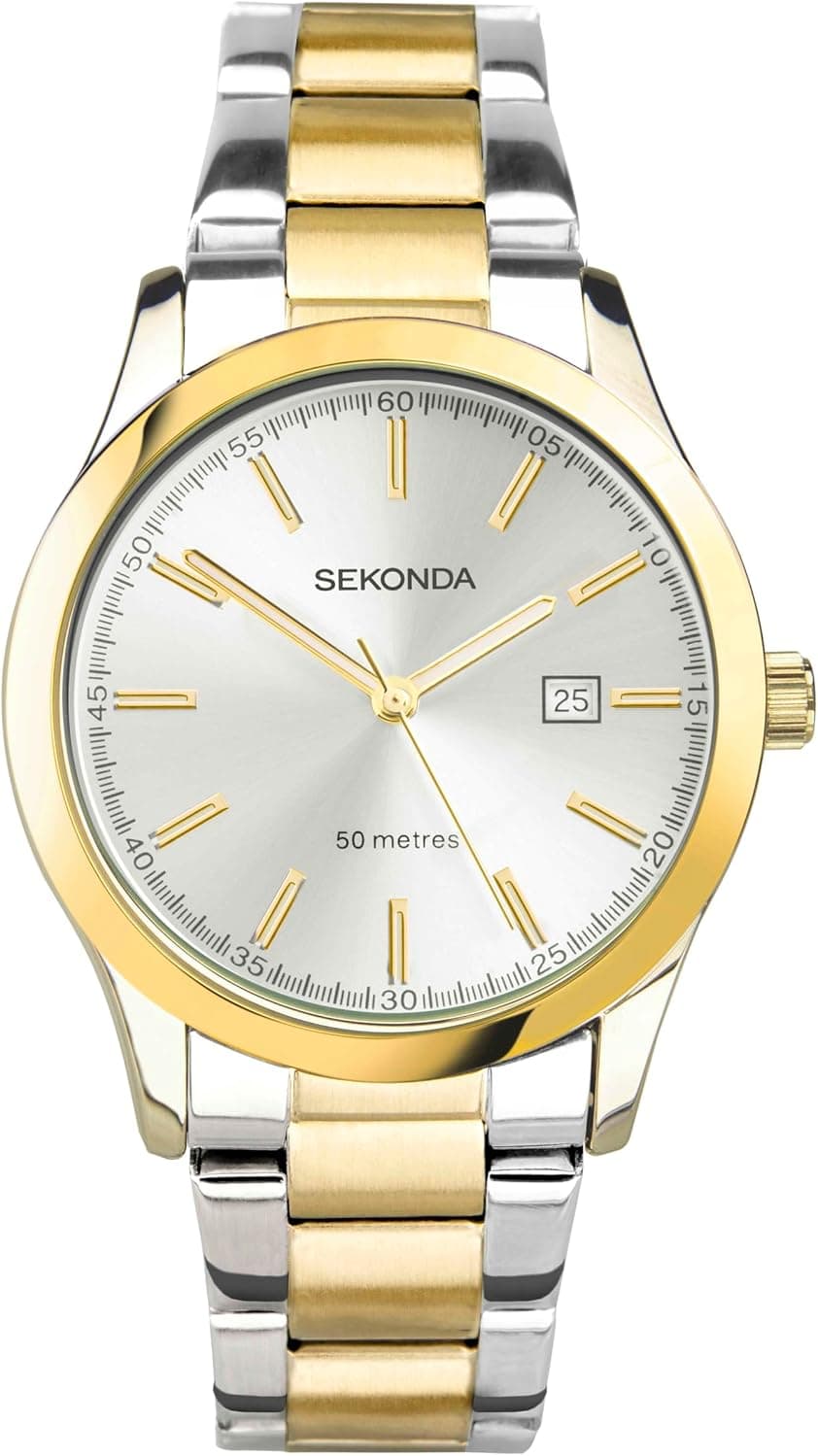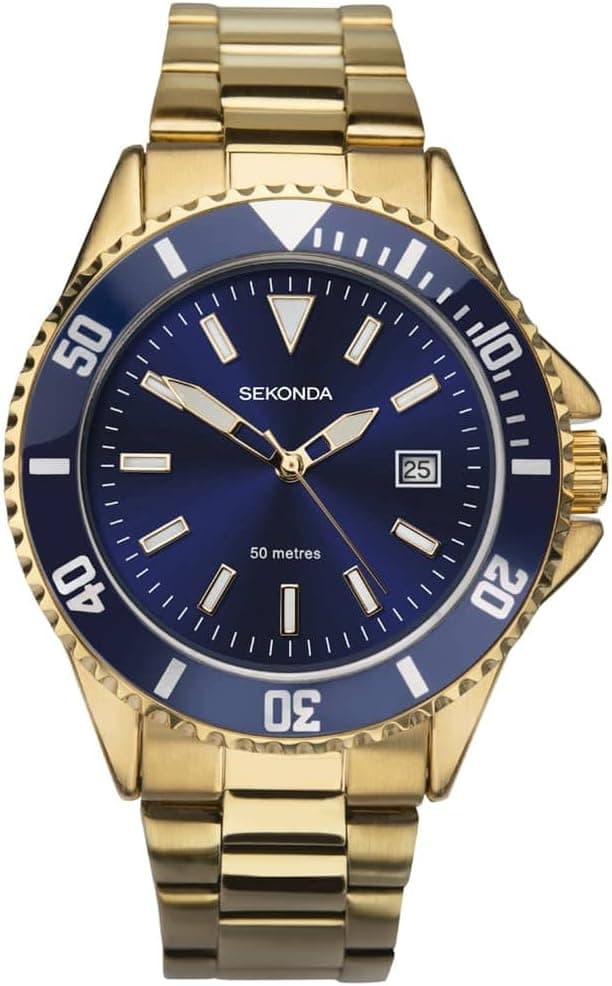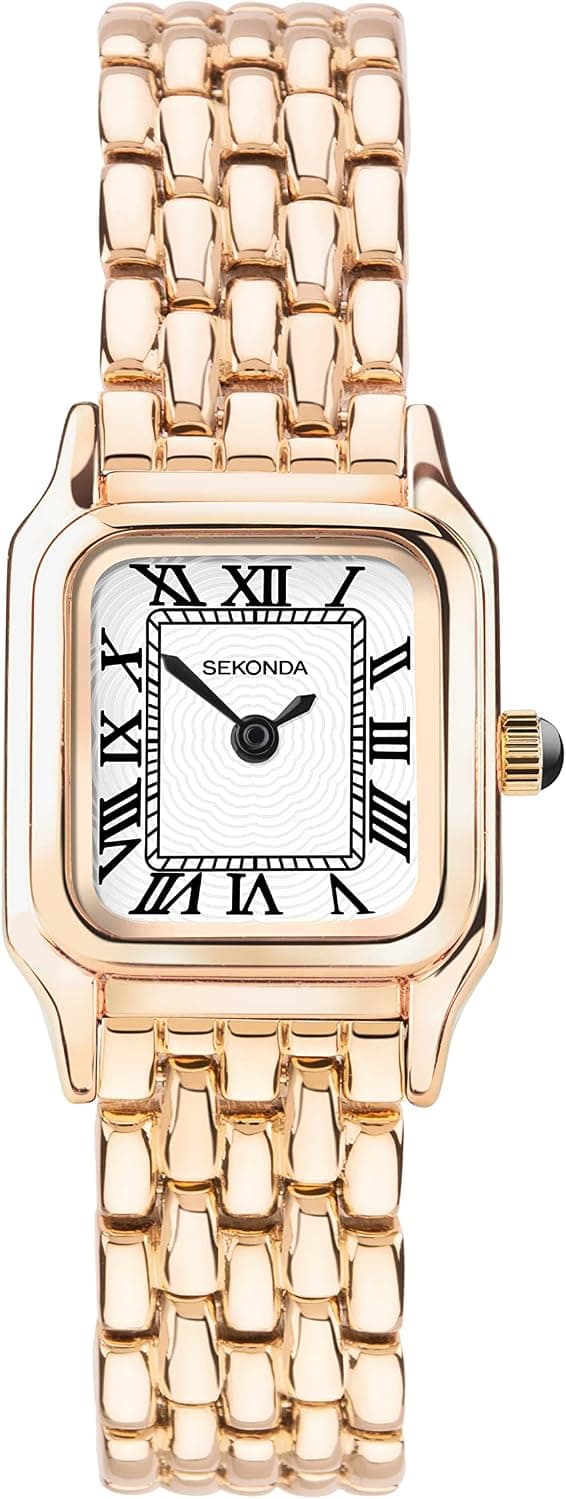
Gold has dressed watch cases for well over a century, and today it almost always arrives as 18k, meaning an alloy that is 75% pure gold and 25% other metals, stamped 750 on the inside of the case. Pure gold is too soft to survive a wrist, so copper, silver and palladium are added for both durability and color. Yellow gold leans on copper and silver, white gold uses palladium or nickel and is usually rhodium-plated for a cooler brightness, and rose gold takes a heavier dose of copper for its warm pink cast. The reward is that unmistakable heft when you lift the watch, plus a surface that, unlike plating or PVD, never wears through to a different color underneath.
The real models map the category nicely. The Rolex Day-Date is built only from precious metals: 18k yellow, white, Everose gold or platinum, and a modern Day-Date 40 (228238) on the President bracelet with its fluted bezel sits around $52,000 at retail, with pre-owned pieces from roughly $42,000, while a vintage ref 1803 in yellow gold can still be found from around $12,000 in honest condition. Tudor brought solid gold within closer reach at Watches and Wonders 2024 with the 18k yellow gold Black Bay 58 at $32,100, a real jump from the roughly $4,000 steel versions. At the top, a 41mm yellow gold Audemars Piguet Royal Oak runs from roughly $60,000, with openworked and complicated pieces well past $200,000, and a men's solid gold Patek Philippe Nautilus on bracelet clears $100,000.
When you buy, the first job is separating solid gold from gold plating or PVD. Plating lays a thin film of gold over a base metal and rubs through at the edges within a few years; PVD usually describes a gold color tone over steel, not solid gold at all. Solid gold feels noticeably heavier in hand and carries a fineness hallmark such as 750, 585 or 375 on the case back. A gold watch suits the buyer who wants a dressier presence and lasting material value, and who can live with a case softer and more scratch-prone than steel. Yellow and rose flatter warm skin, while white gold reads quieter, almost like upgraded steel.
Color is not just taste, it is metallurgy. Rolex Everose is a patented alloy of at least 75% gold, roughly 20% copper, plus palladium and indium, with the palladium keeping the rose from yellowing over the decades. Omega's Sedna Gold follows the same logic, locking in copper's warmth with palladium so the tone stays stable. White gold tends to be harder and more scratch-resistant day to day, though its rhodium plating can thin over the years and let a faint warmth show. Whatever shade you choose, 18k is the accepted standard across the mid-luxury tier and up.