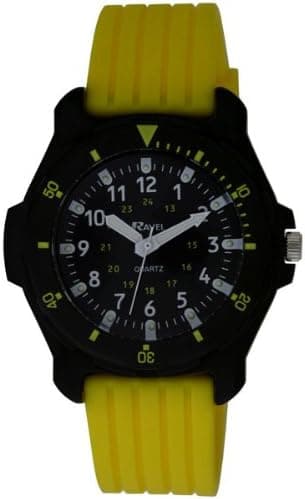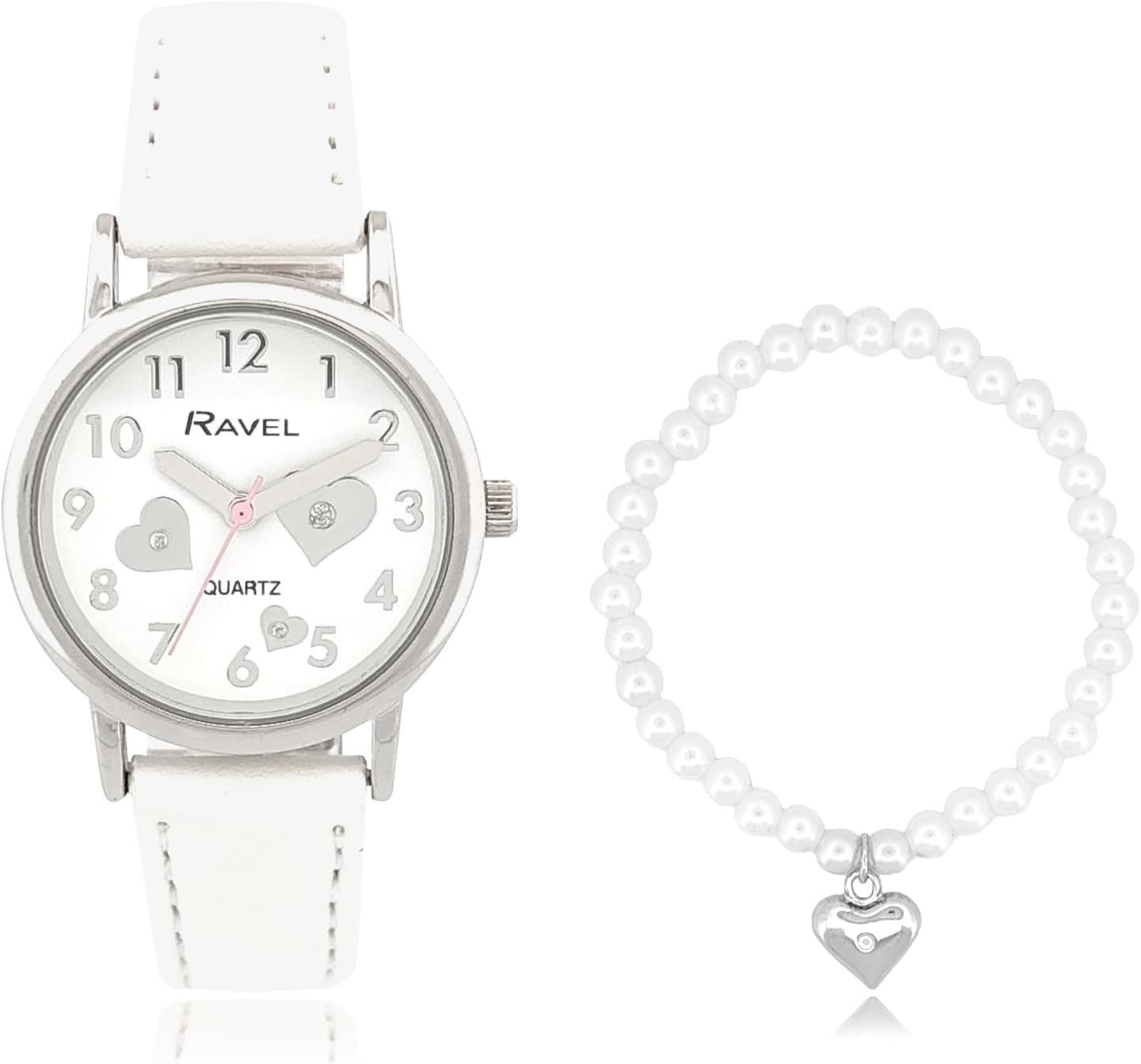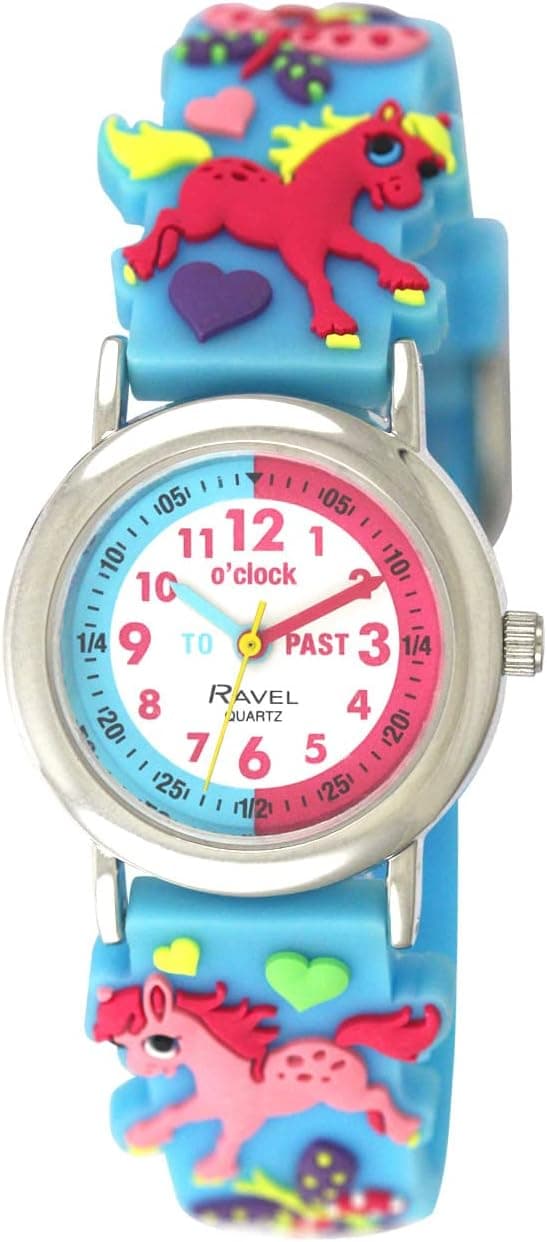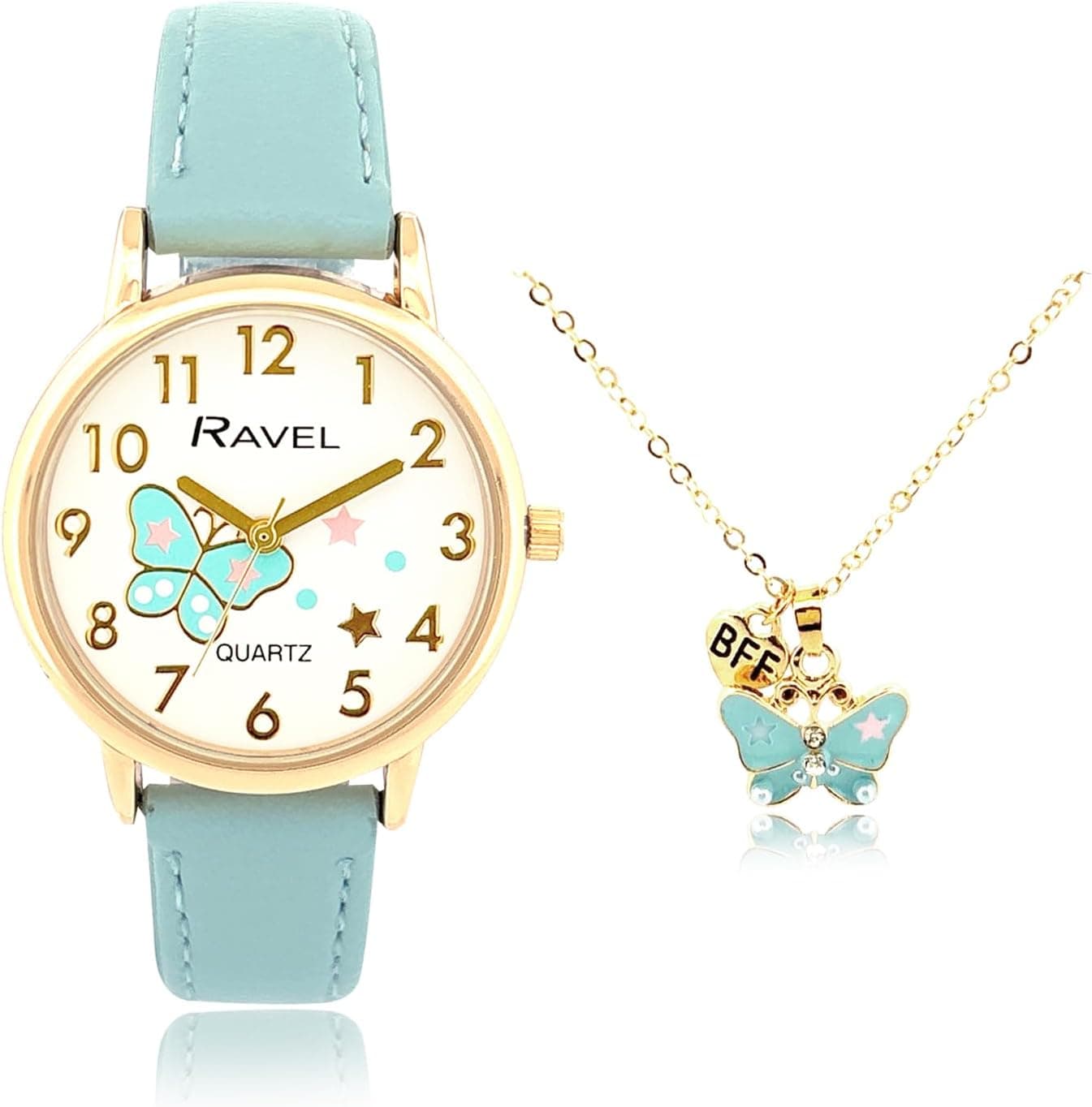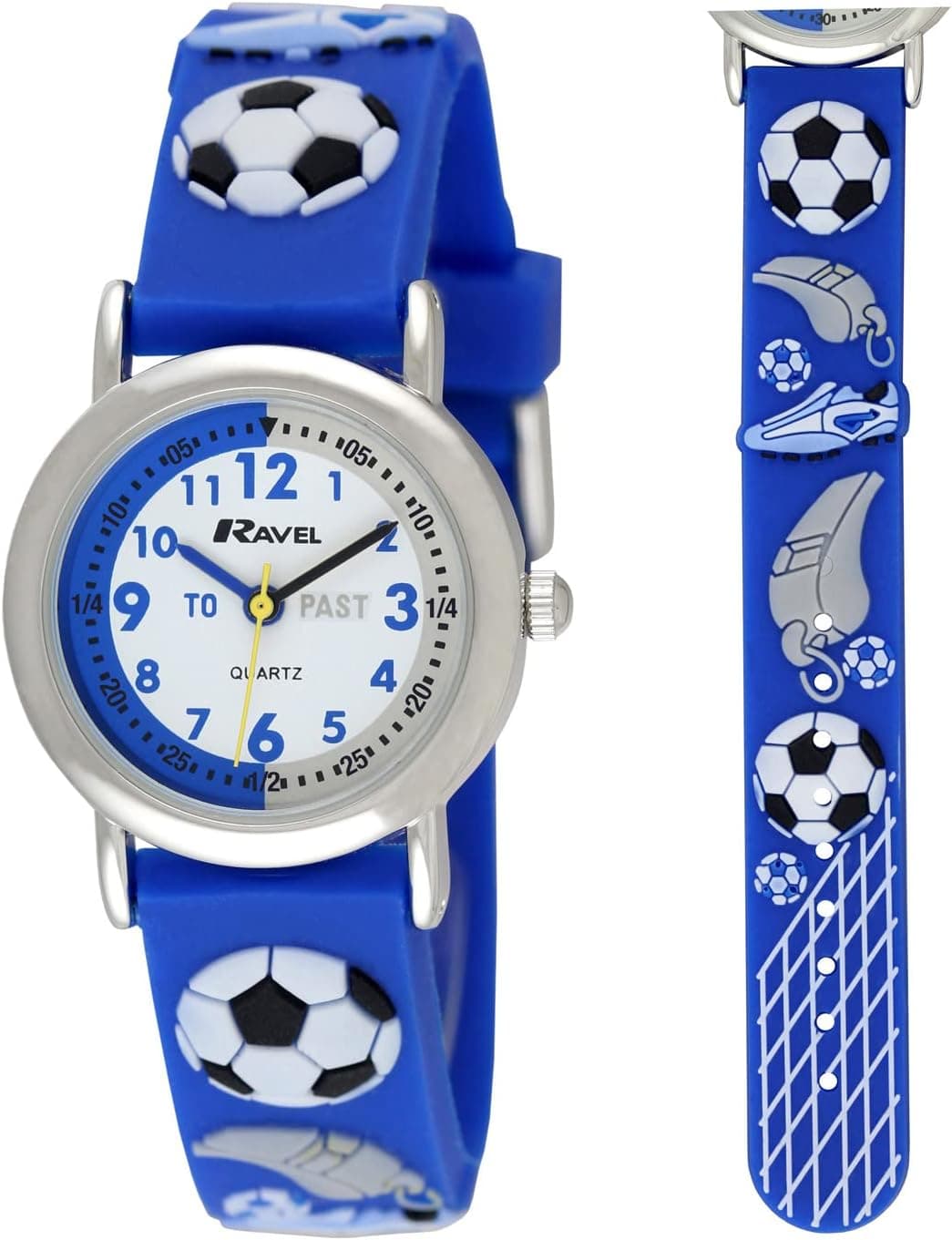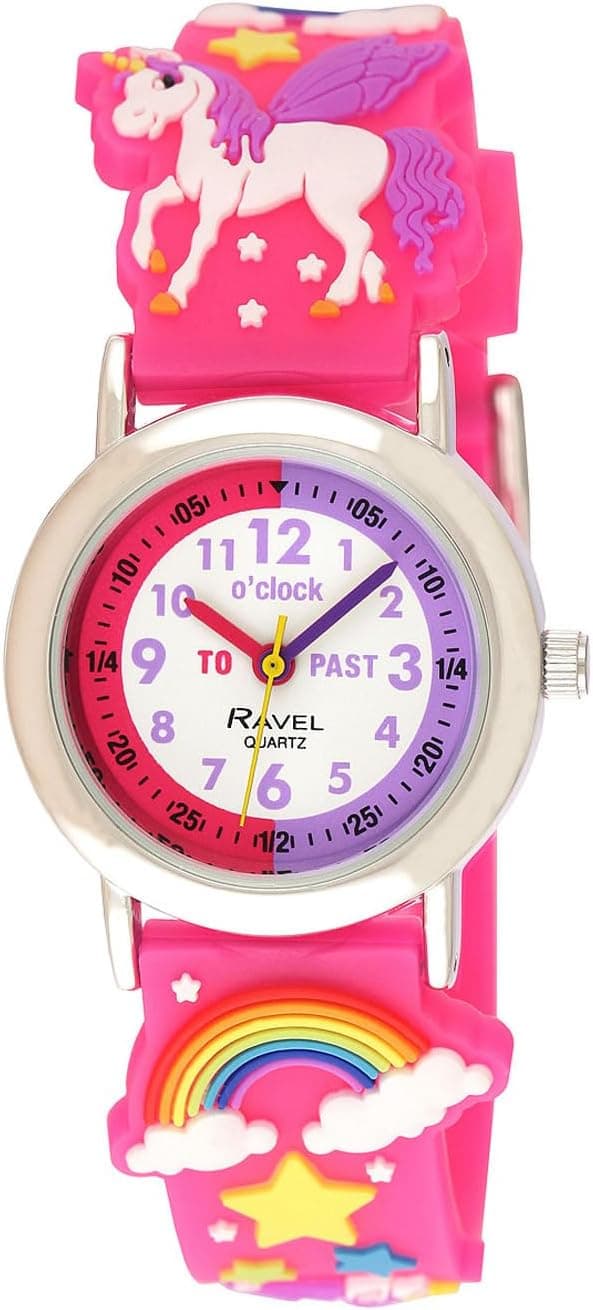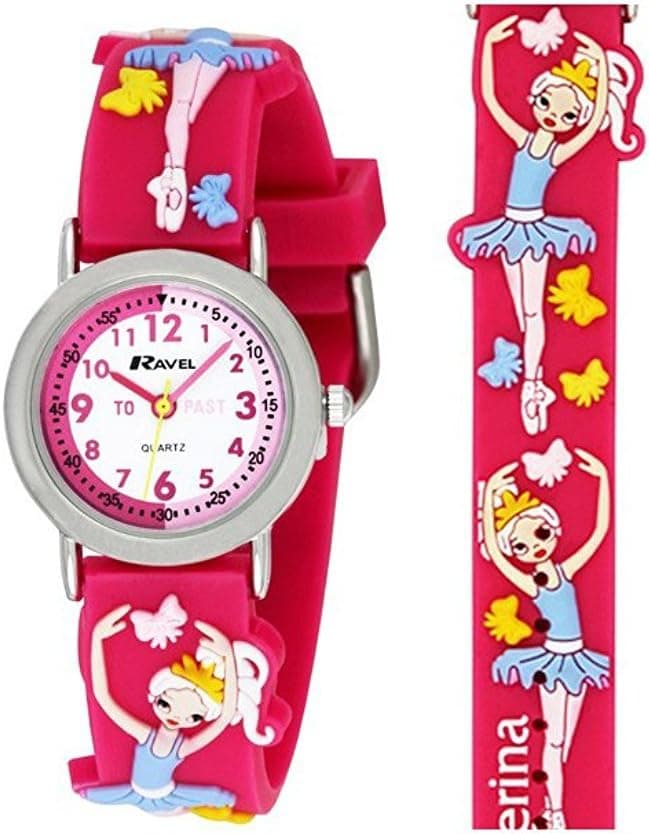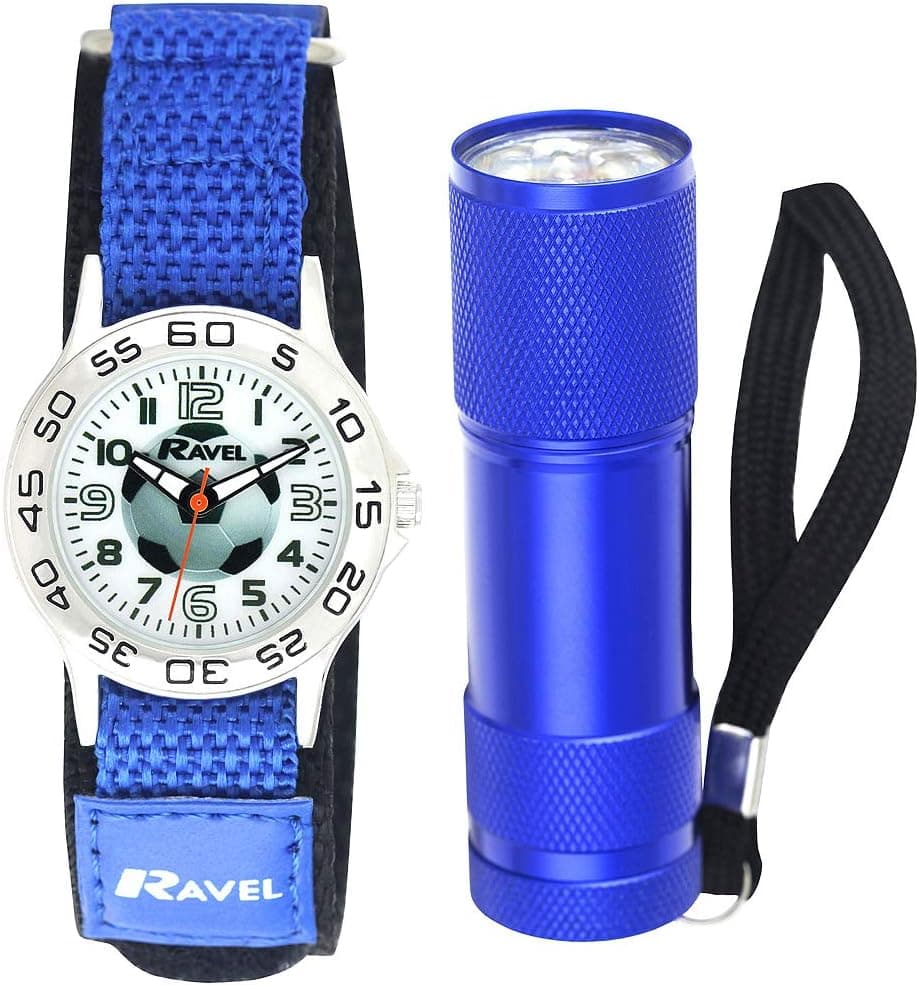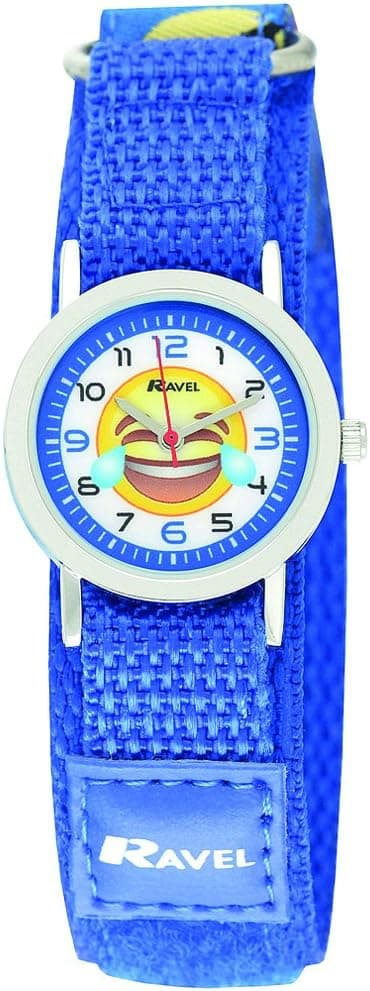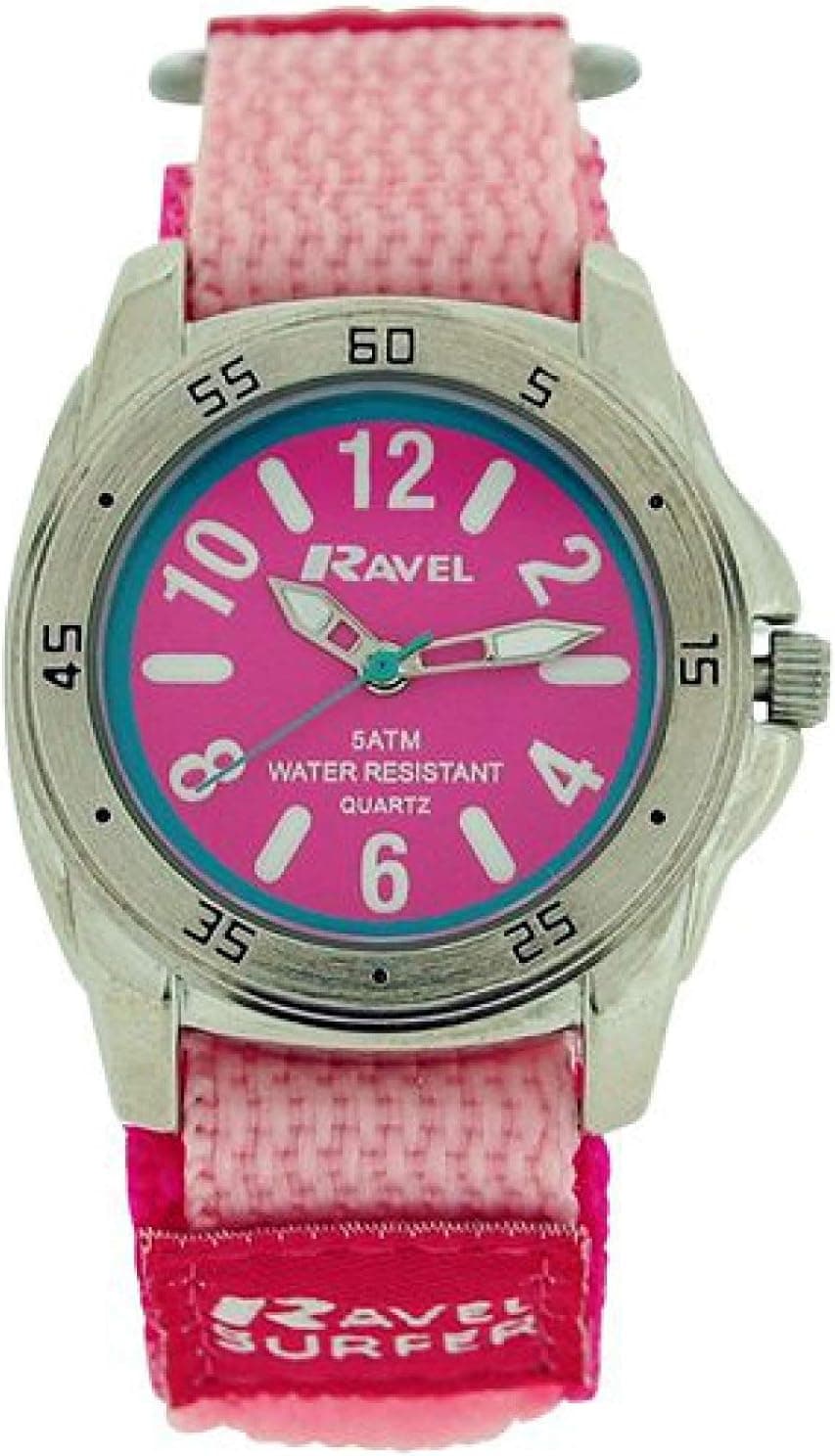
Kids' Watches describe a wearer, not a brand: small wrists, an active life, and a sense of time that is still forming. That is why these watches split into two camps. The first is analog models built to teach a child to read the dial, with clear numerals, separately colored hour and minute hands, and a shock-resistant case. The second is connected smartwatches that exist so a family can stay in touch by GPS and calling. Consider what Flik Flak set out to do when it launched in 1987 in Biel, under the Swatch Group: the character Flik is the minute hand and Flak the hour hand, so a child learns through play.
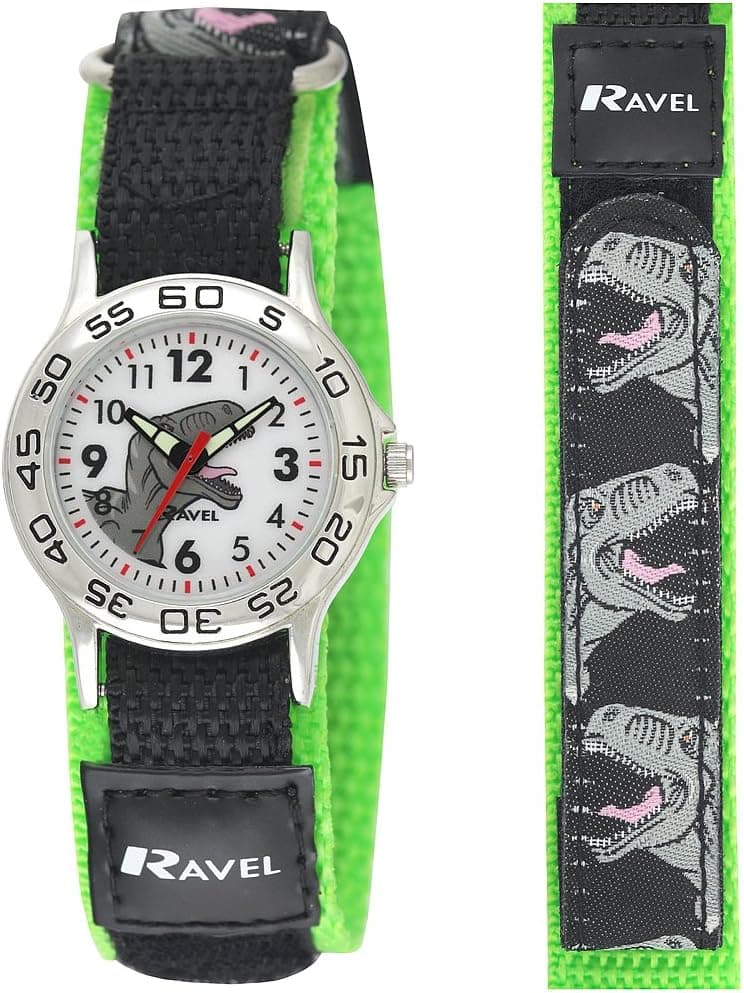
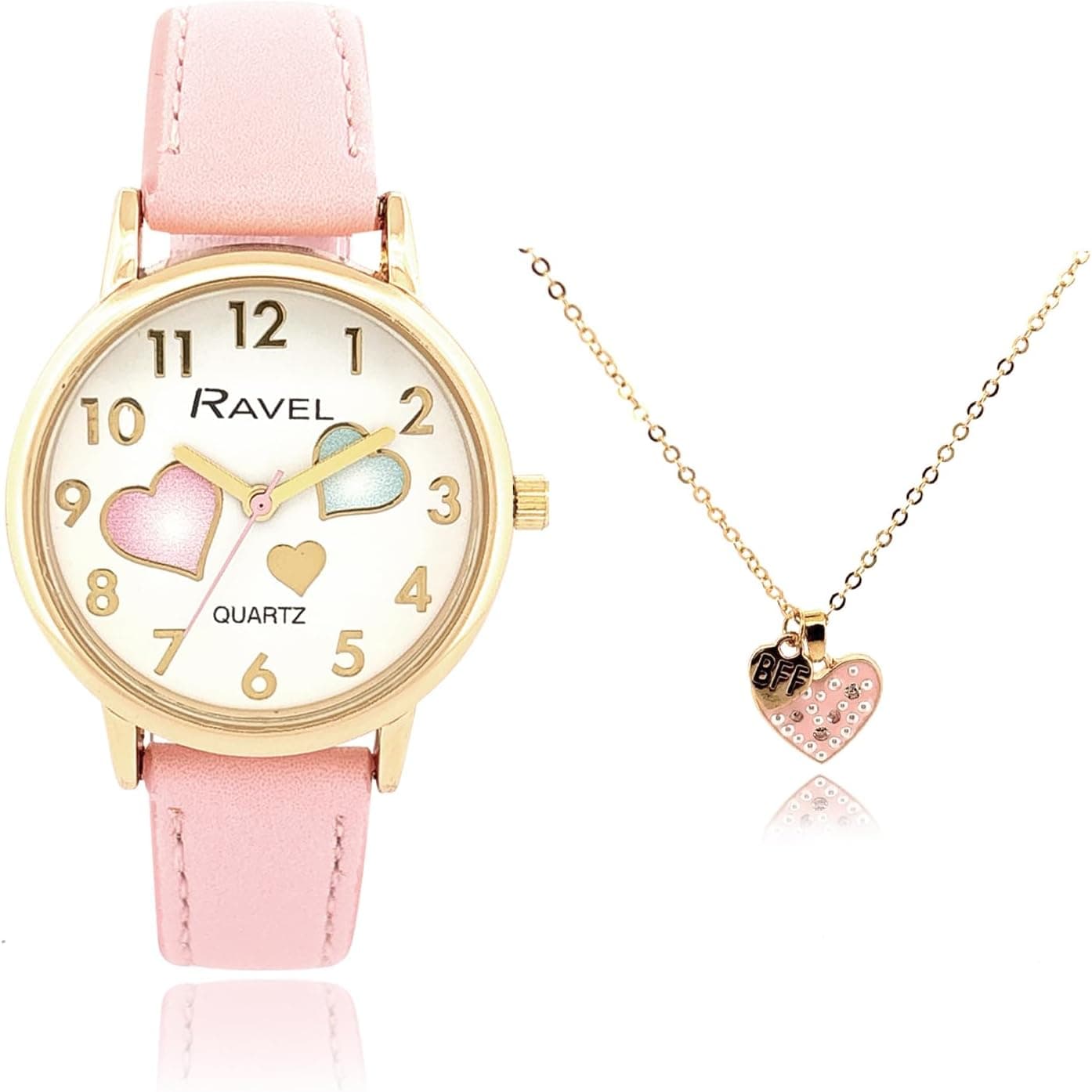
Look at real examples. On the learning side, Flik Flak sits around $50 with its machine-washable strap and BPA-free materials, while Timex's Time Machines line, including the 28mm Dinosaur, is friendlier on the wallet. For tougher, slightly older kids, Casio's Baby-G brings genuine shock resistance and 100m (10 bar) water resistance; the Playful Hearts BGA-10 runs about $89. On the connected side, the Garmin Bounce 2 offers live GPS location, two-way messaging and a School Mode at roughly $300 in the US and around 250 euros in Europe, plus a monthly subscription. The Xplora X6Play lands near 199 euros with a monthly plan around $12, and connected models like the Vodafone Neo are likewise sold as a device plus a monthly subscription.
Choose by age and purpose first. For a three to six year old just learning the clock, a simple analog watch is the right call: it survives drops, needs no charging, and avoids screen habits. For a school-age child walking out alone, a smartwatch with GPS, an SOS button and a closed contact list buys peace of mind, though the hidden cost is the monthly subscription and the charging routine. Check water resistance, how the strap sits on skin, and how the case handles impact. A Baby-G will shrug off everything a kid throws at it for years.
One nuance worth flagging: smartwatch subscription models vary by brand, so confirm coverage and eSIM compatibility before you buy. Devices like the Apple Watch SE can run through Apple's Family Setup from a parent's phone, which is convenient but ties you to an ecosystem. If you are torn between analog and digital, the rule is simple: pick analog while a child is still learning to tell time, and a GPS smartwatch when safety and contact come first.