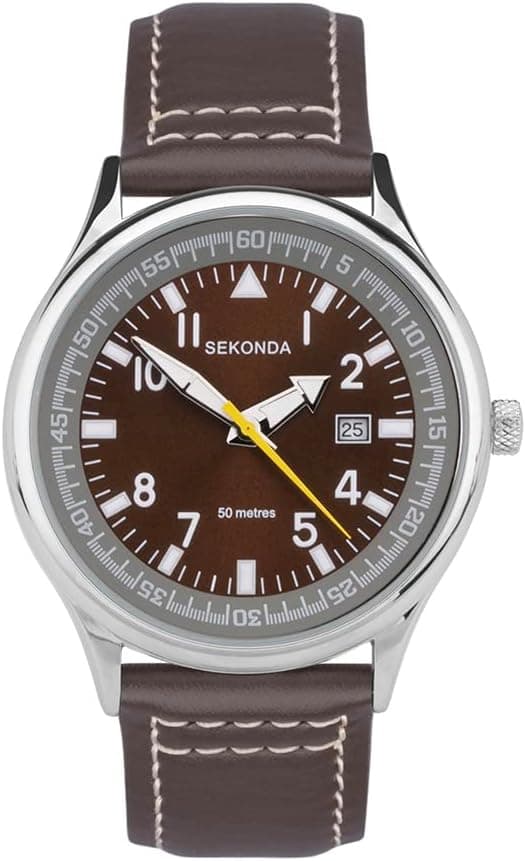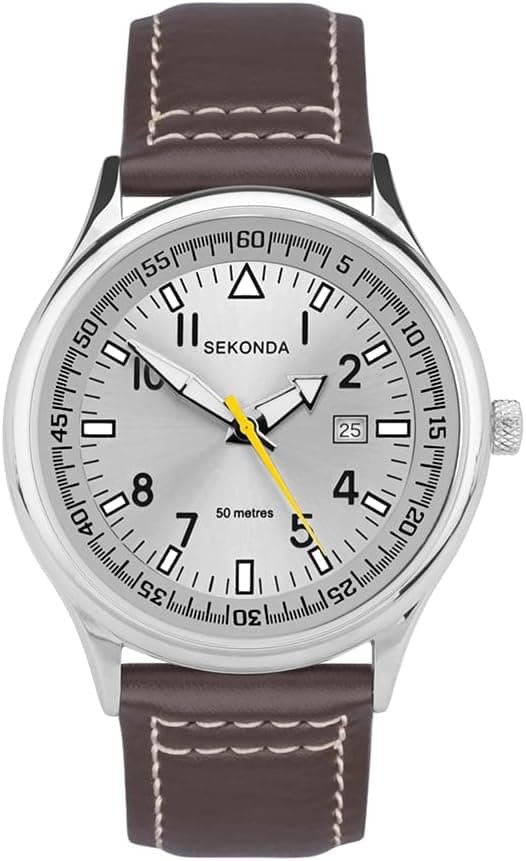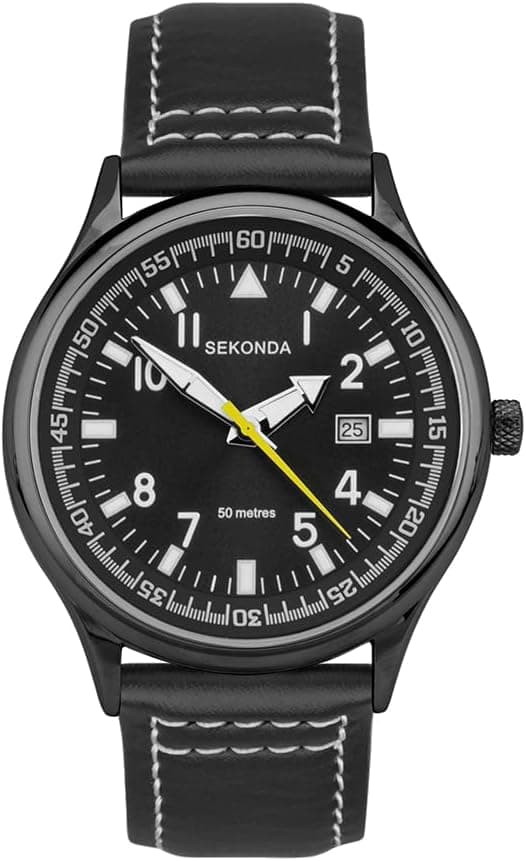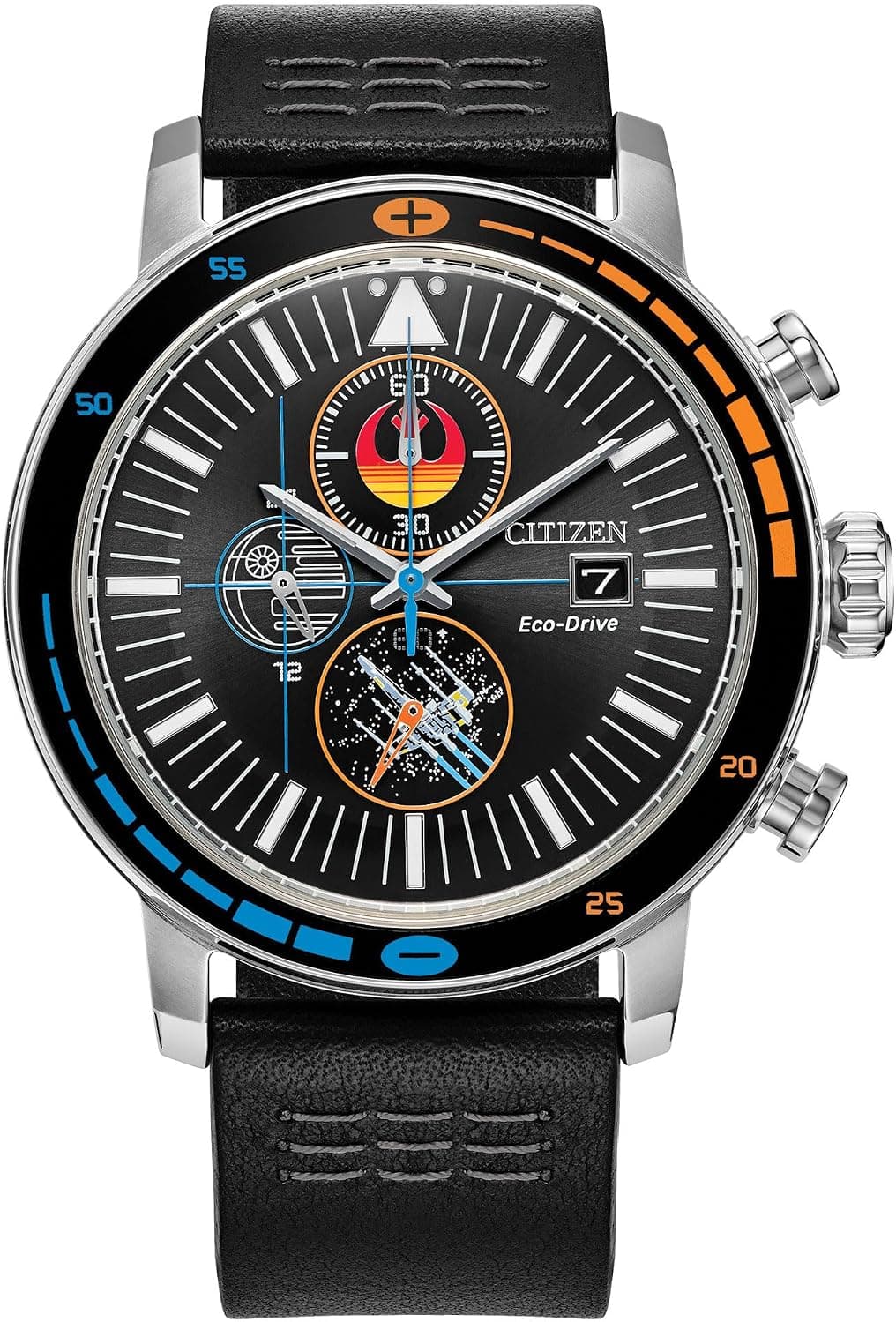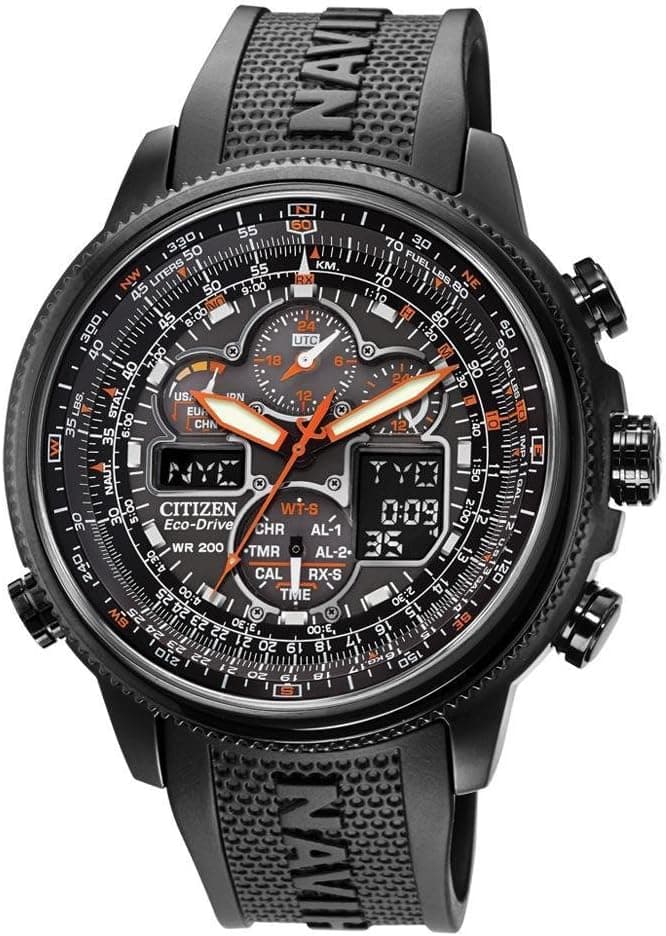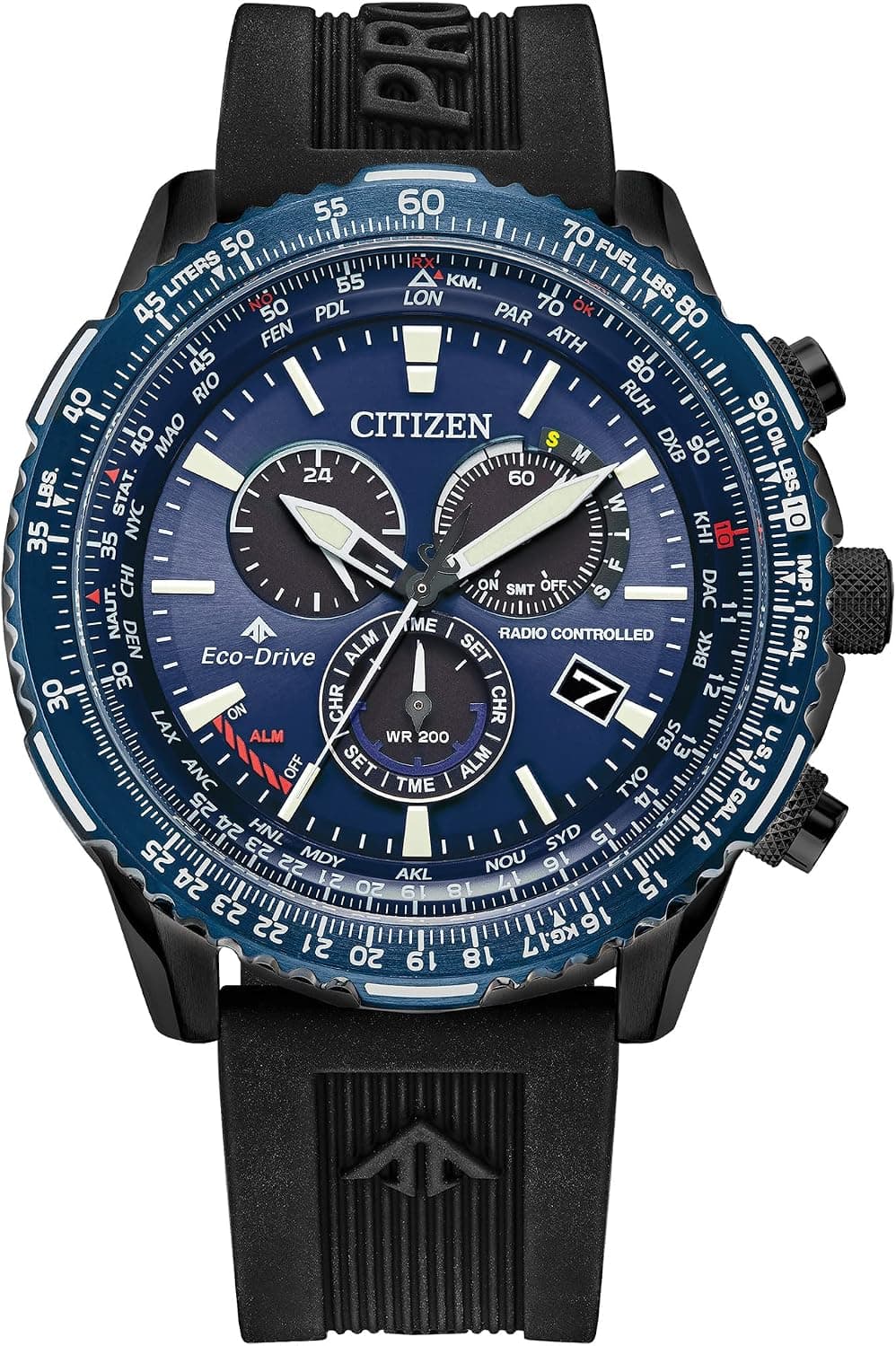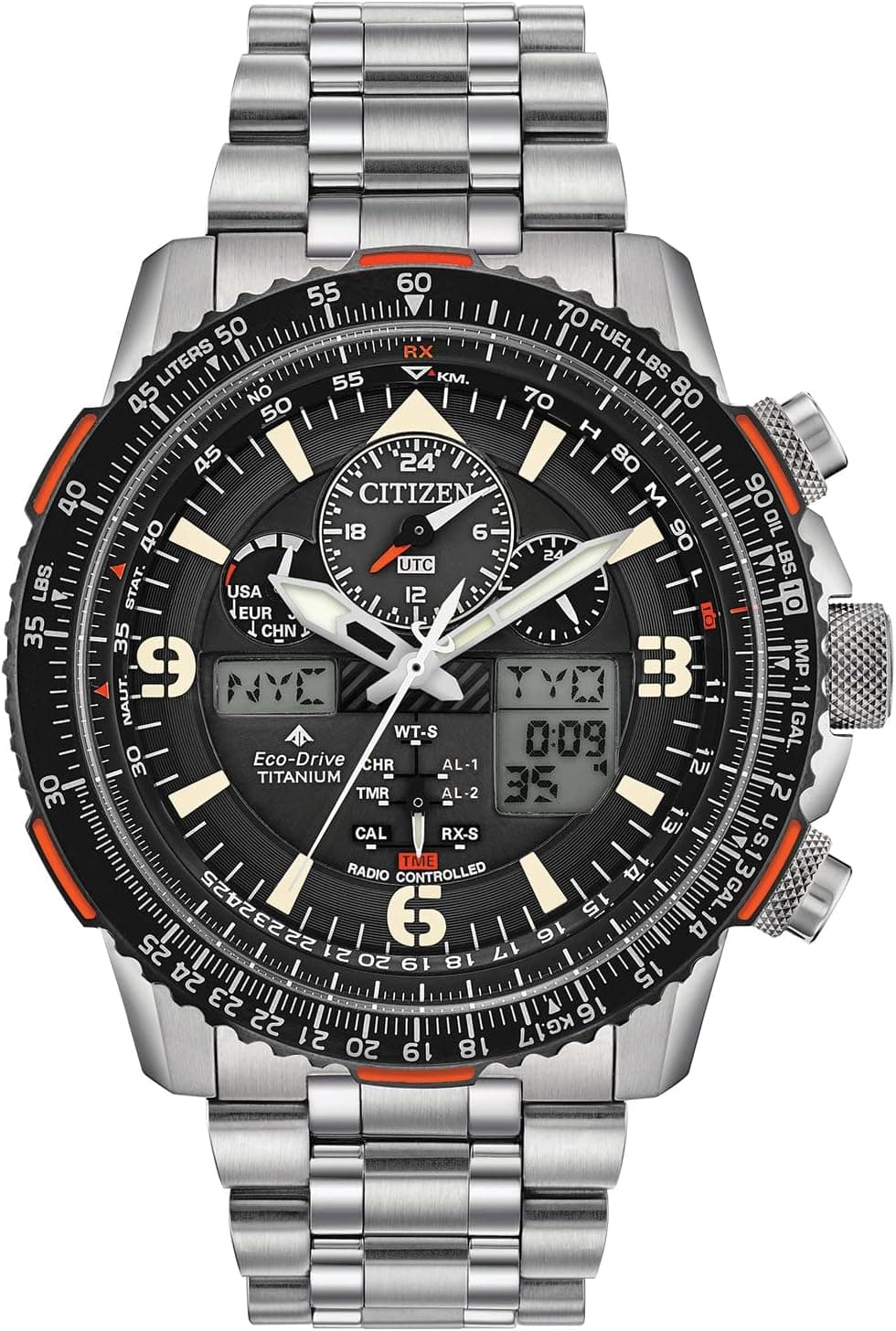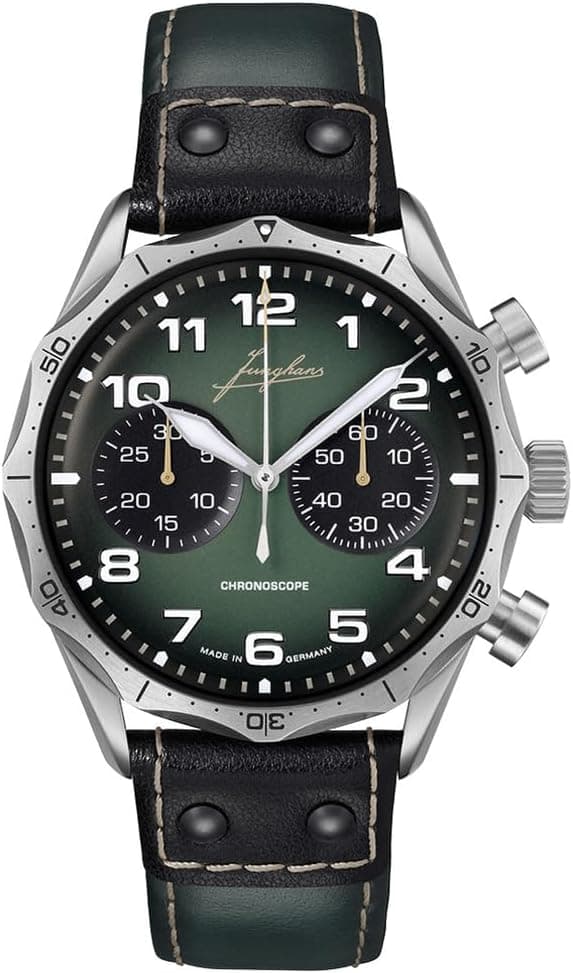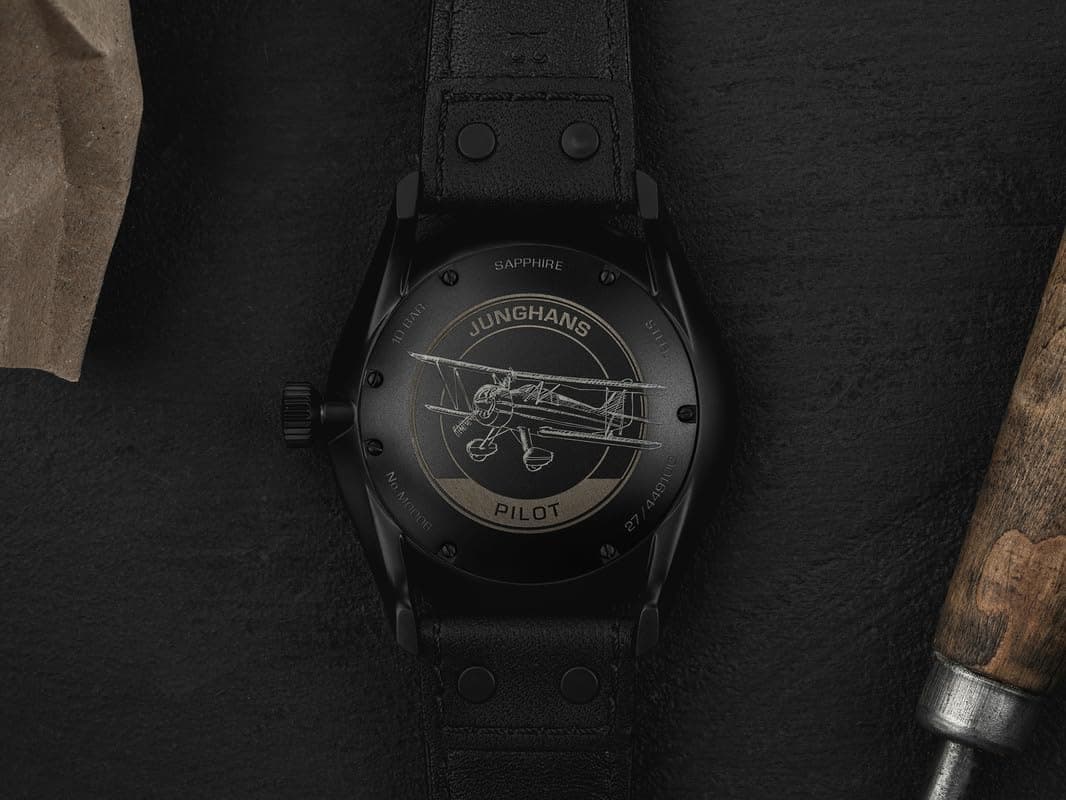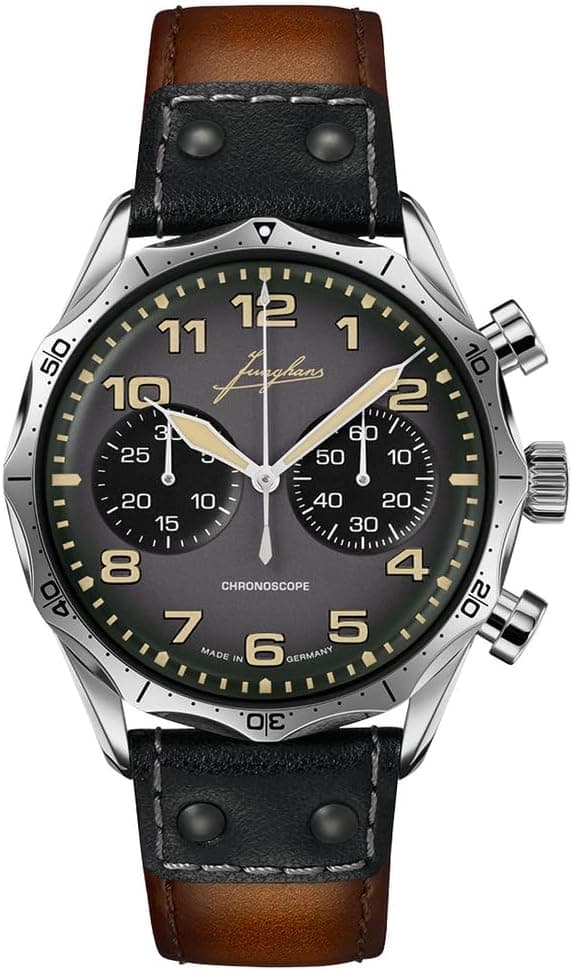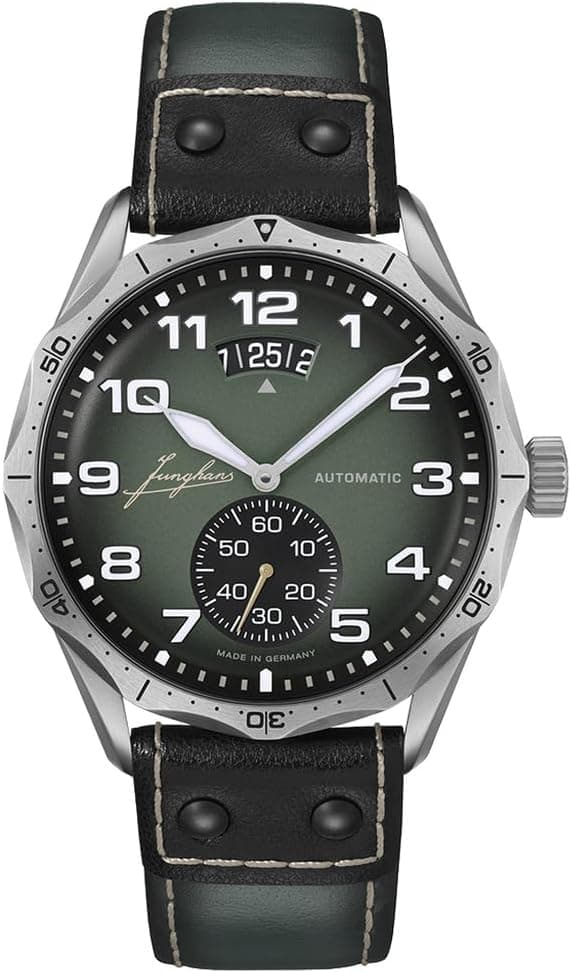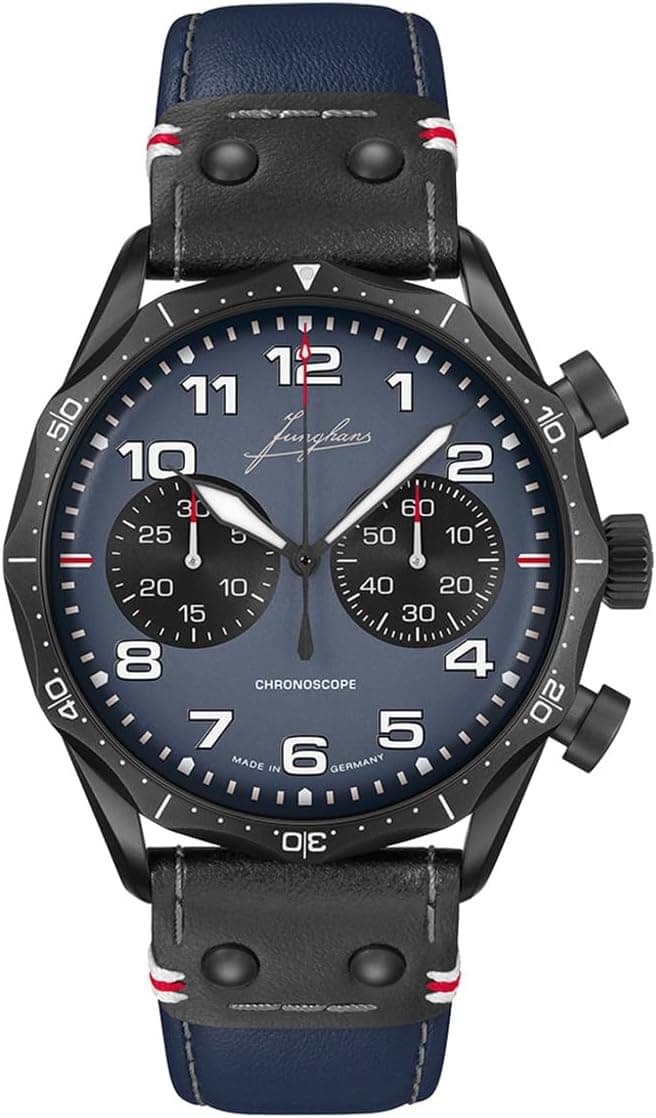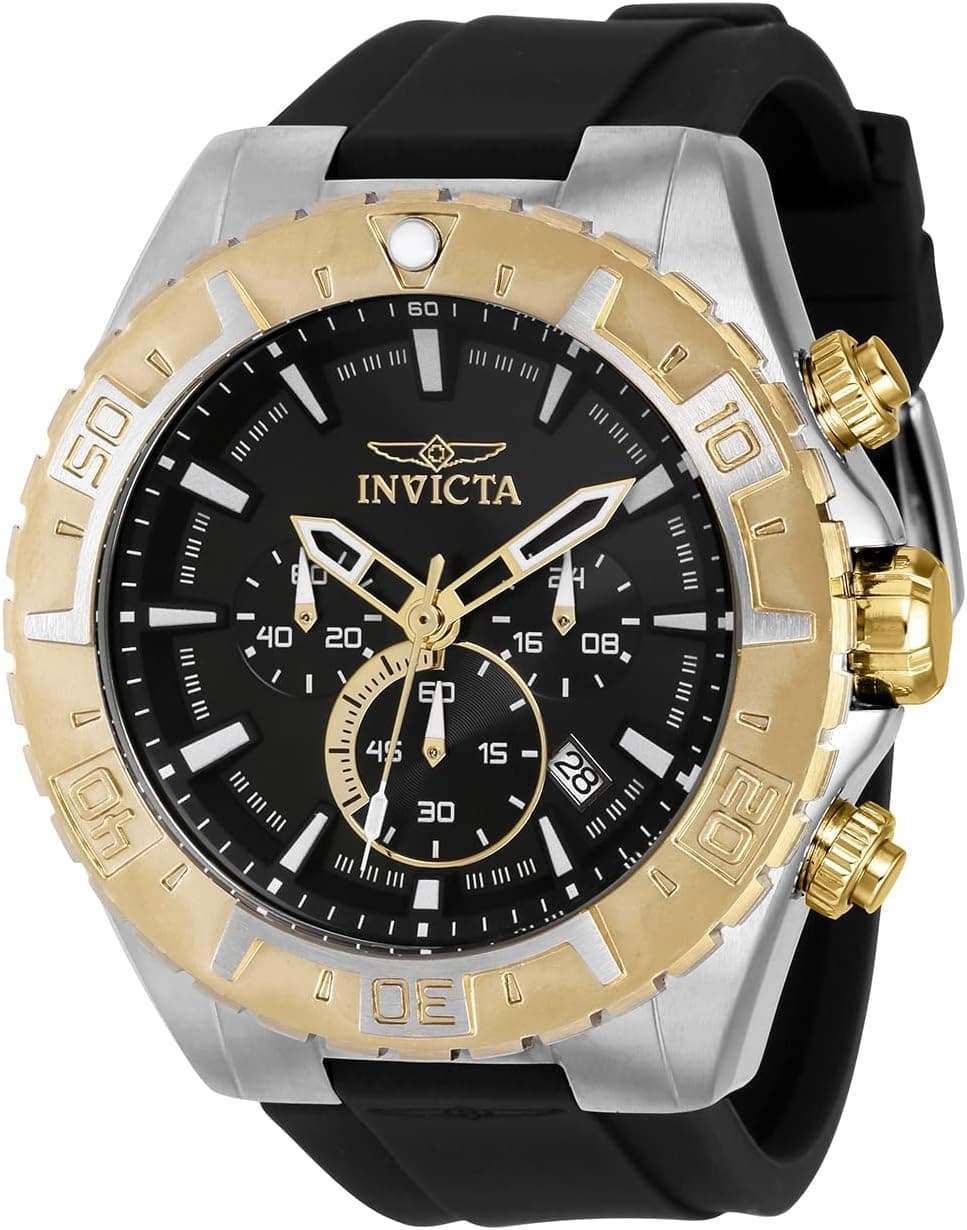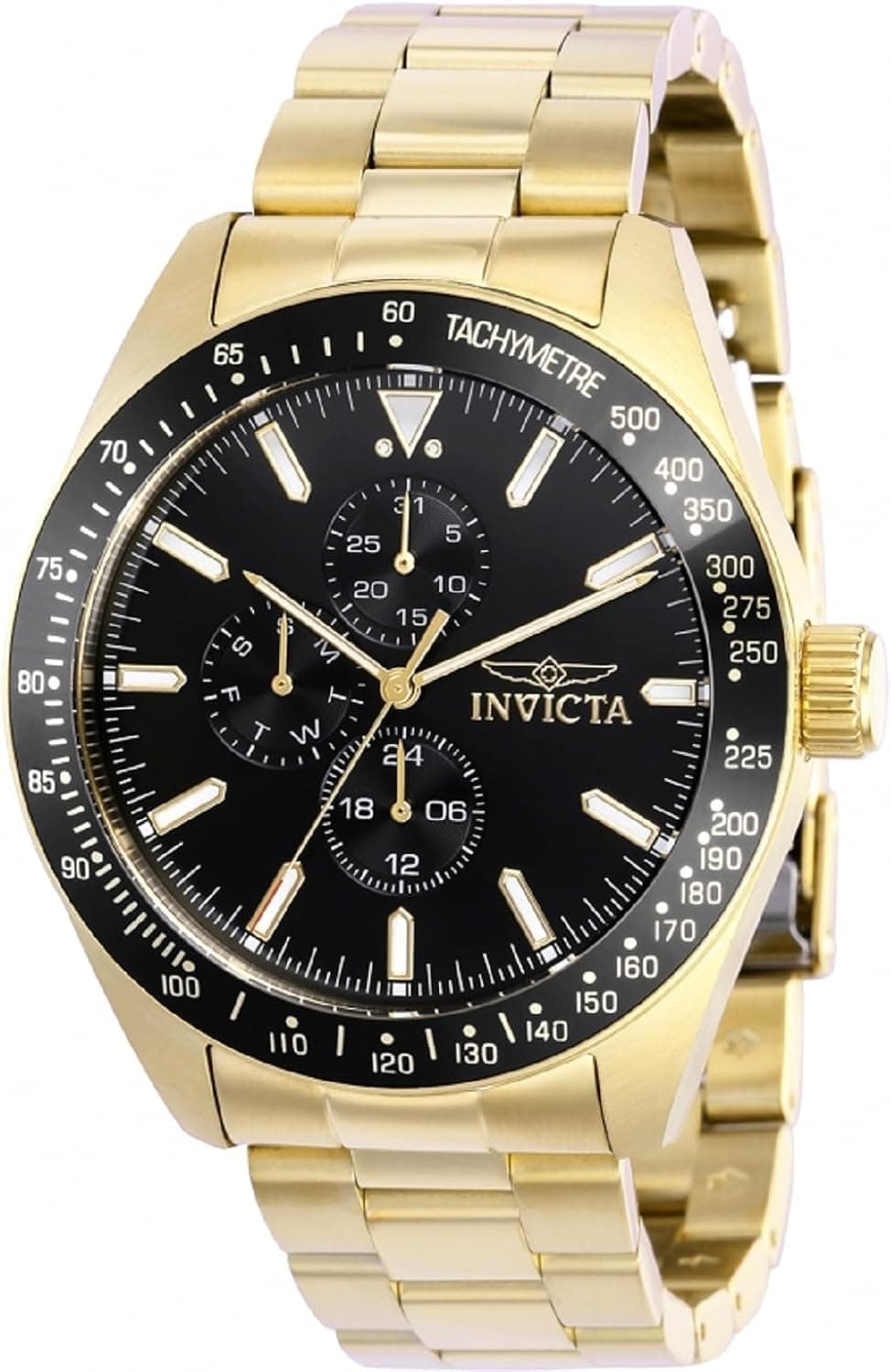
Pilot Watches answer one practical problem that aviation posed from the start: a flyer needs to read the time at a glance, often with gloves on, in a vibrating cockpit. The genre moved to the wrist in 1904, when Louis Cartier built the Cartier Santos-Dumont for his aviator friend Alberto Santos-Dumont. Its grammar hardened during the Second World War with the German Reichsluftfahrtministerium B-Uhr standard: 55mm observation watches with two clear dial layouts and a triangle at twelve. Type A carried simple hour markers, while the Type B that arrived in 1941 emphasized a bold outer minute track. The big Arabic numerals, heavy lume, and oversized crowns we still call Flieger come straight from that lineage.
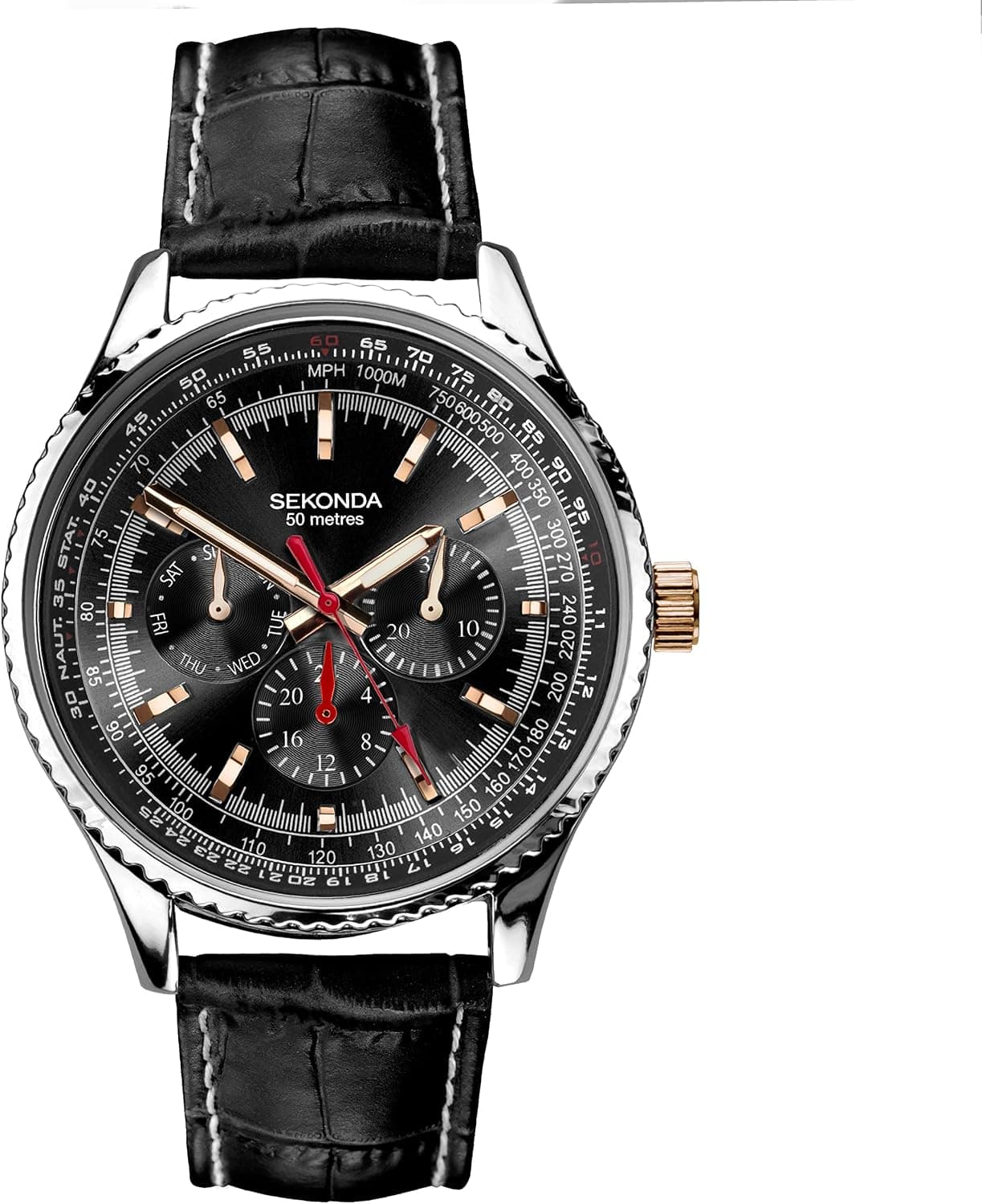
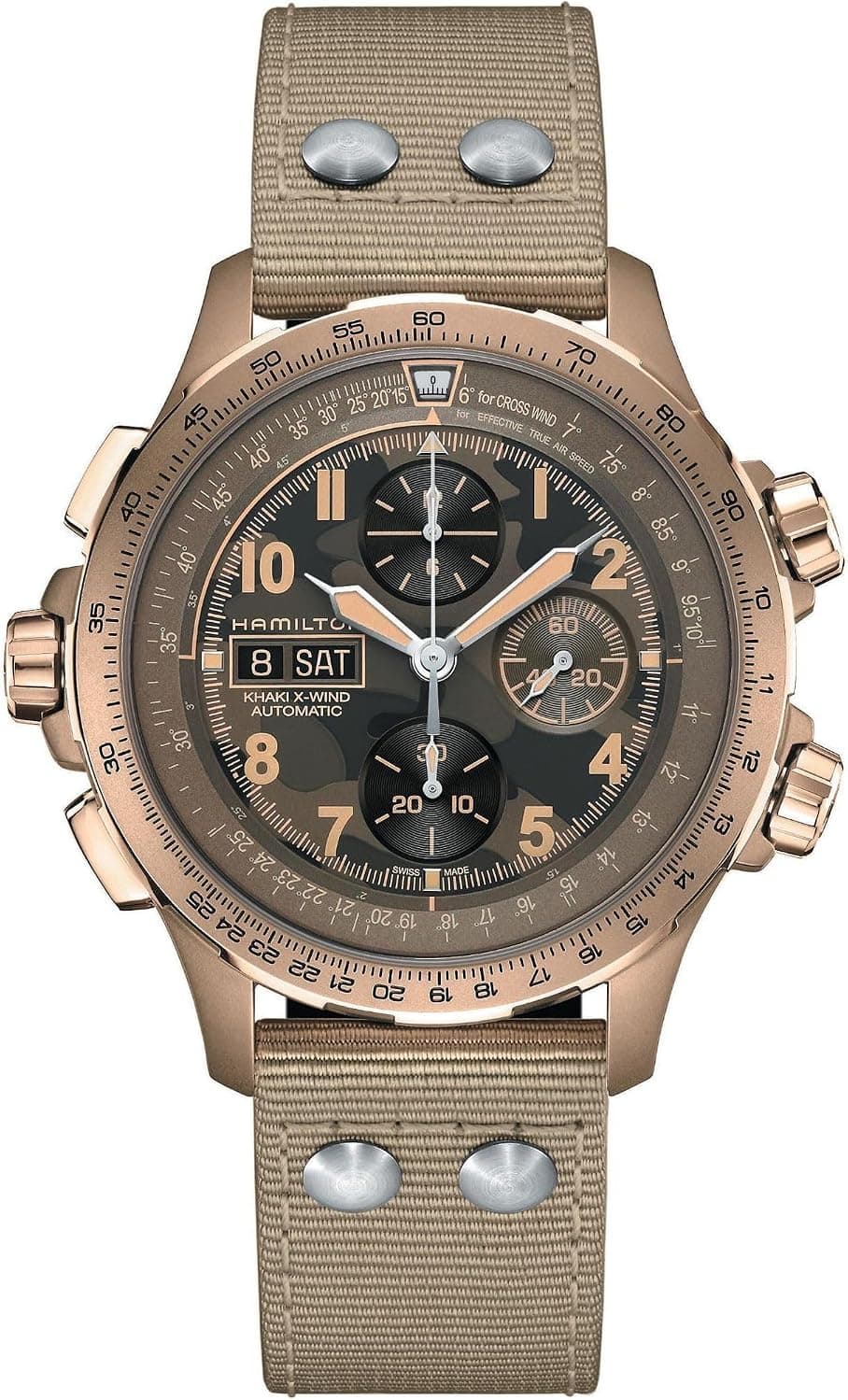
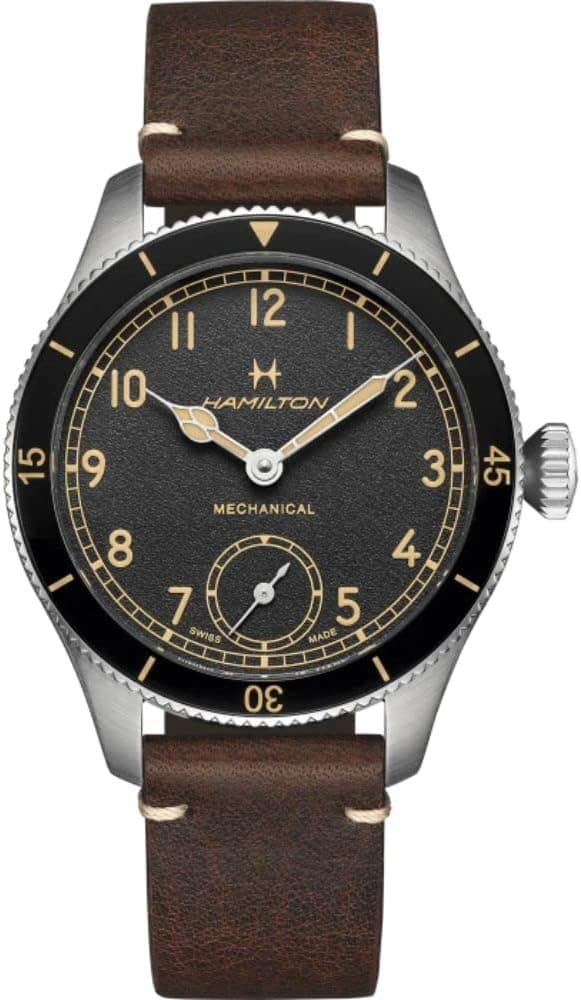
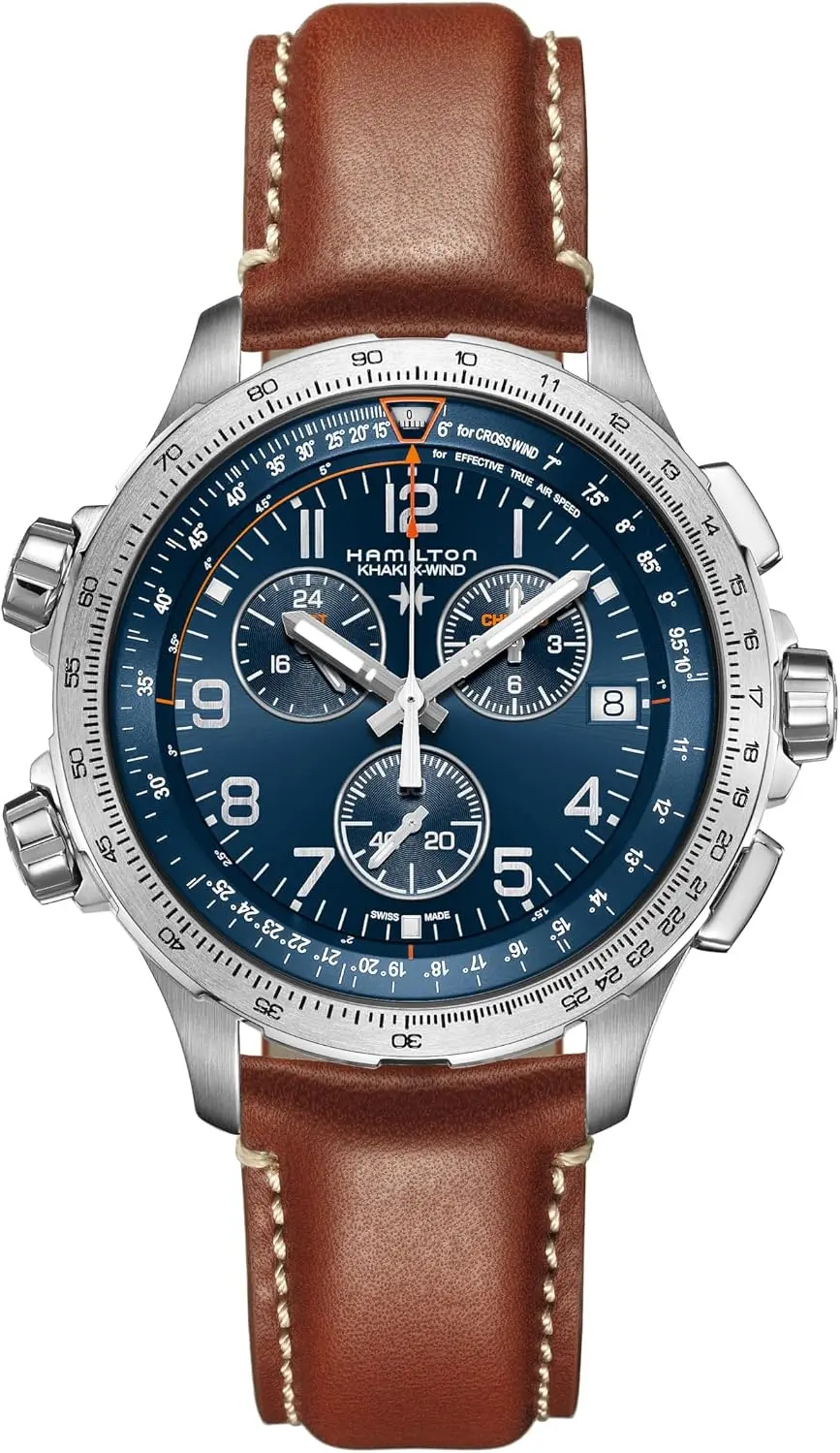
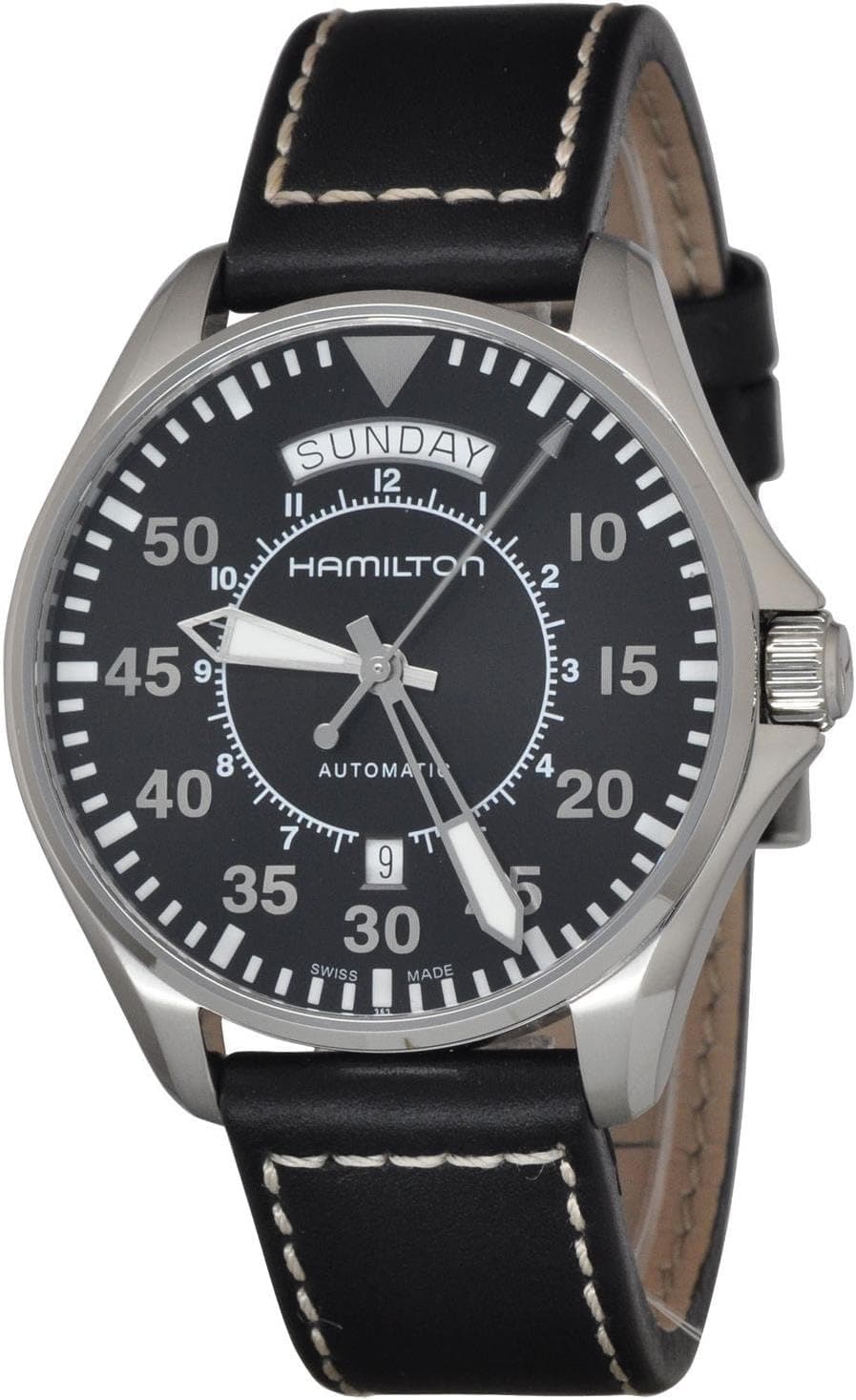
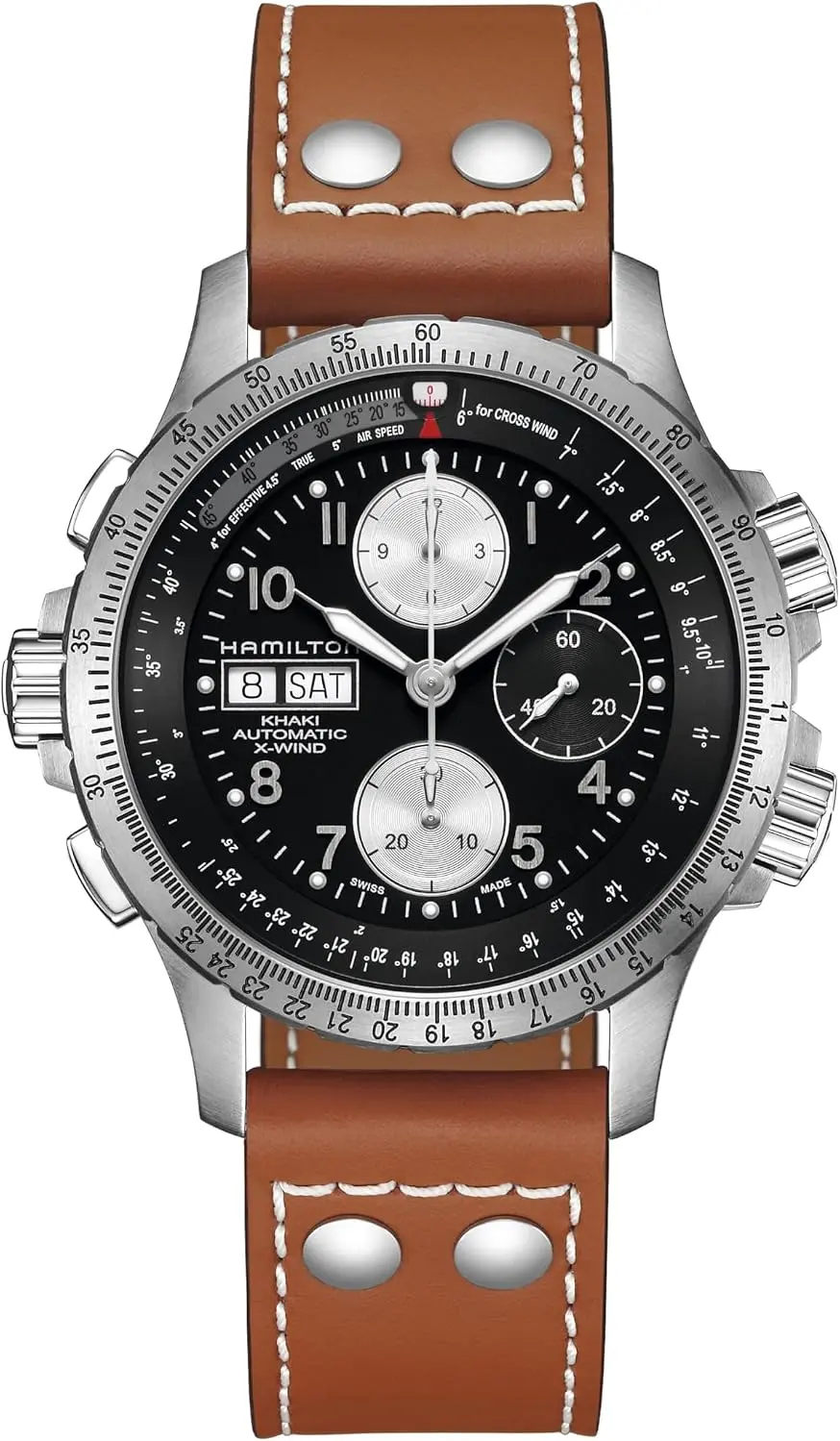
The category now spans a wide field. The Breitling Navitimer, launched in 1952 and adopted by the Aircraft Owners and Pilots Association, carries a circular slide-rule bezel for flight calculations; steel B01 chronographs run roughly $7,300 to $9,000 across 2024 to 2026. On the IWC side, the 43mm Big Pilot lists near $9,700, while the cleaner 40mm Mark XX, powered by the in-house caliber 32111 with a 120-hour reserve, starts around $5,250 on a strap. Zenith's Pilot line traces back to a Zenith aviation watch worn by Bleriot on his 1909 Channel crossing; the modern Pilot Big Date Flyback, in a 42.5mm black ceramic case, lands near $12,700. At entry level, Stowa and Laco fliegers fall between roughly $850 and $1,300, and Hamilton's Khaki Aviation opens around $700.
When choosing, weigh legibility against size honestly. The classic Flieger look reads best between 40 and 44mm; the historical 46mm-plus cases are dramatic but overhang slim wrists. If you love a chronograph and the slide-rule aesthetic, the Navitimer's busy dial rewards you even if you never run a calculation; if you want a pure tool, a three-hand Flieger or the Mark XX wears easier day to day. In practice, lume quality, anti-reflective sapphire, and a crown you can actually grip matter more than spec-sheet bragging. For frequent travelers, a pilot GMT earns its extra cost.
Within the genre, a few sub-types help narrow the field. Pure Type A and Type B fliegers suit minimalists, slide-rule chronographs suit those who love instrument density, pilot GMTs serve travelers, and ceramic or titanium cases serve buyers chasing modern durability. Whichever you pick, a good pilot watch talks about function before flash.