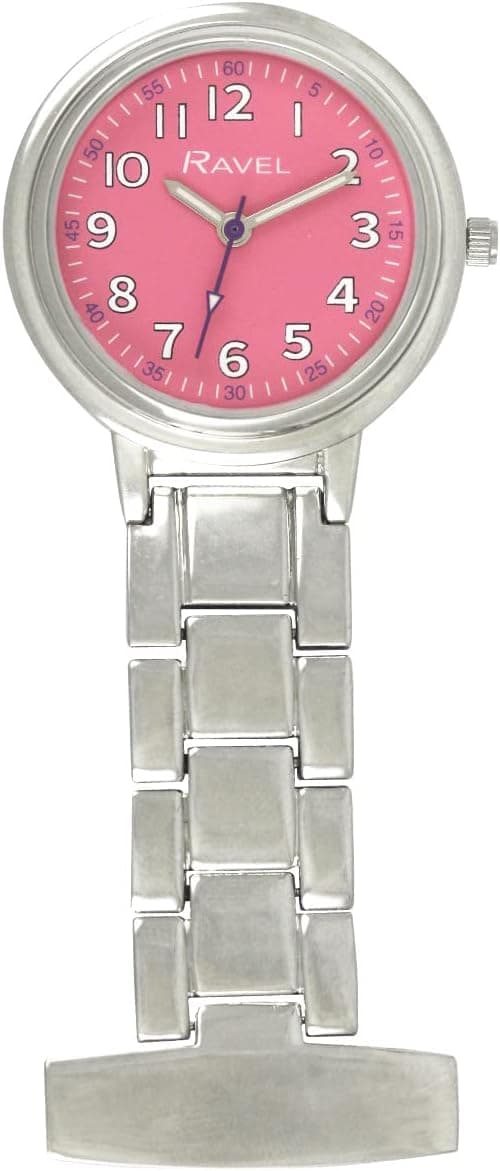
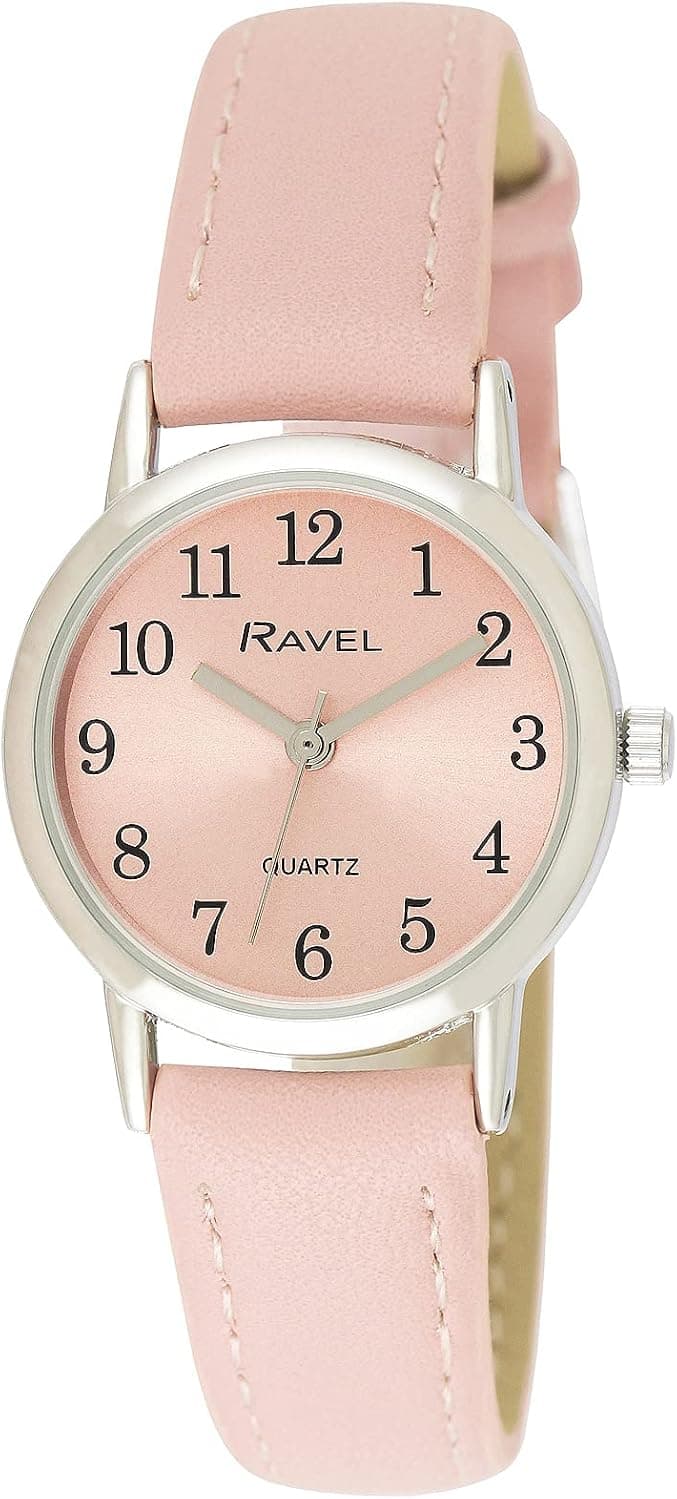
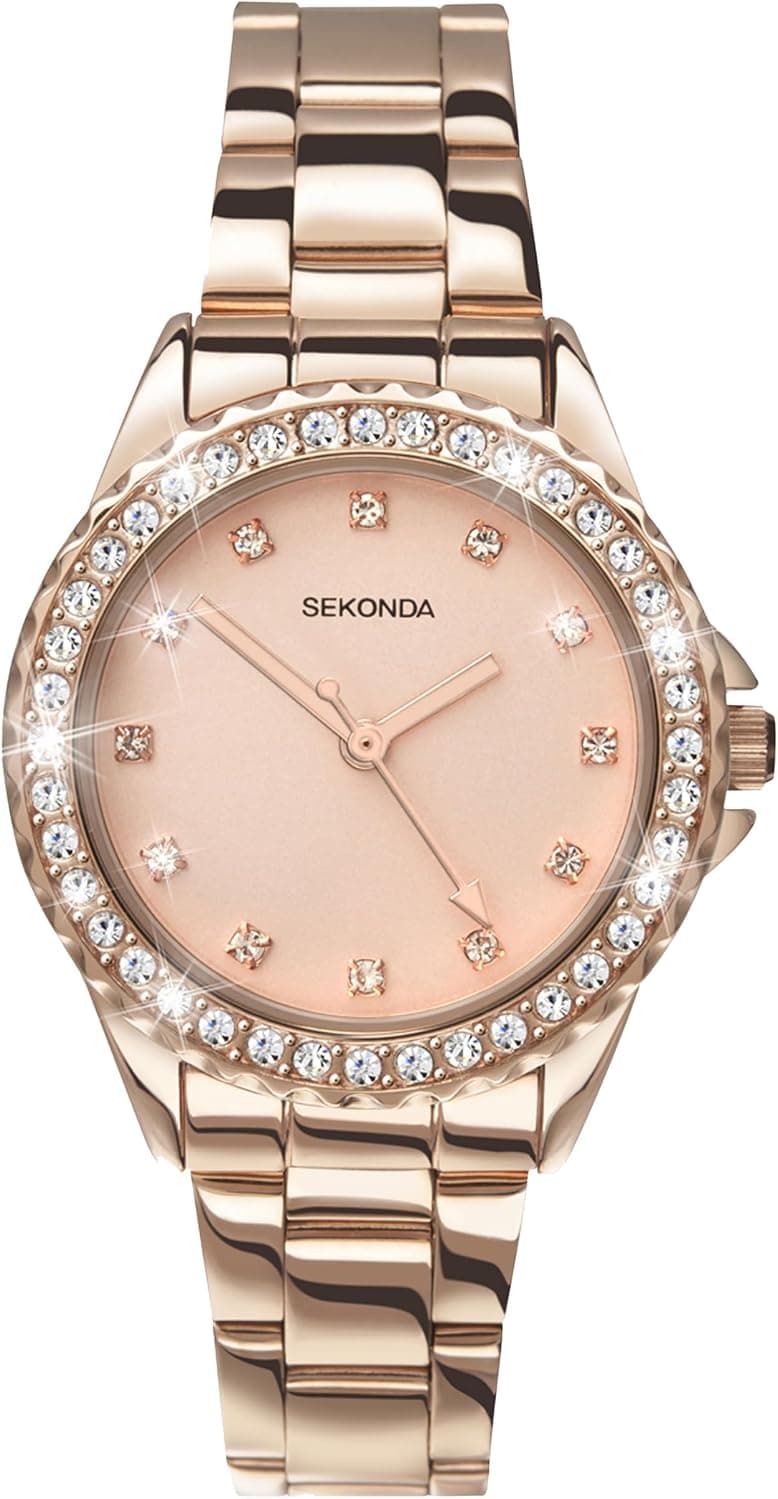
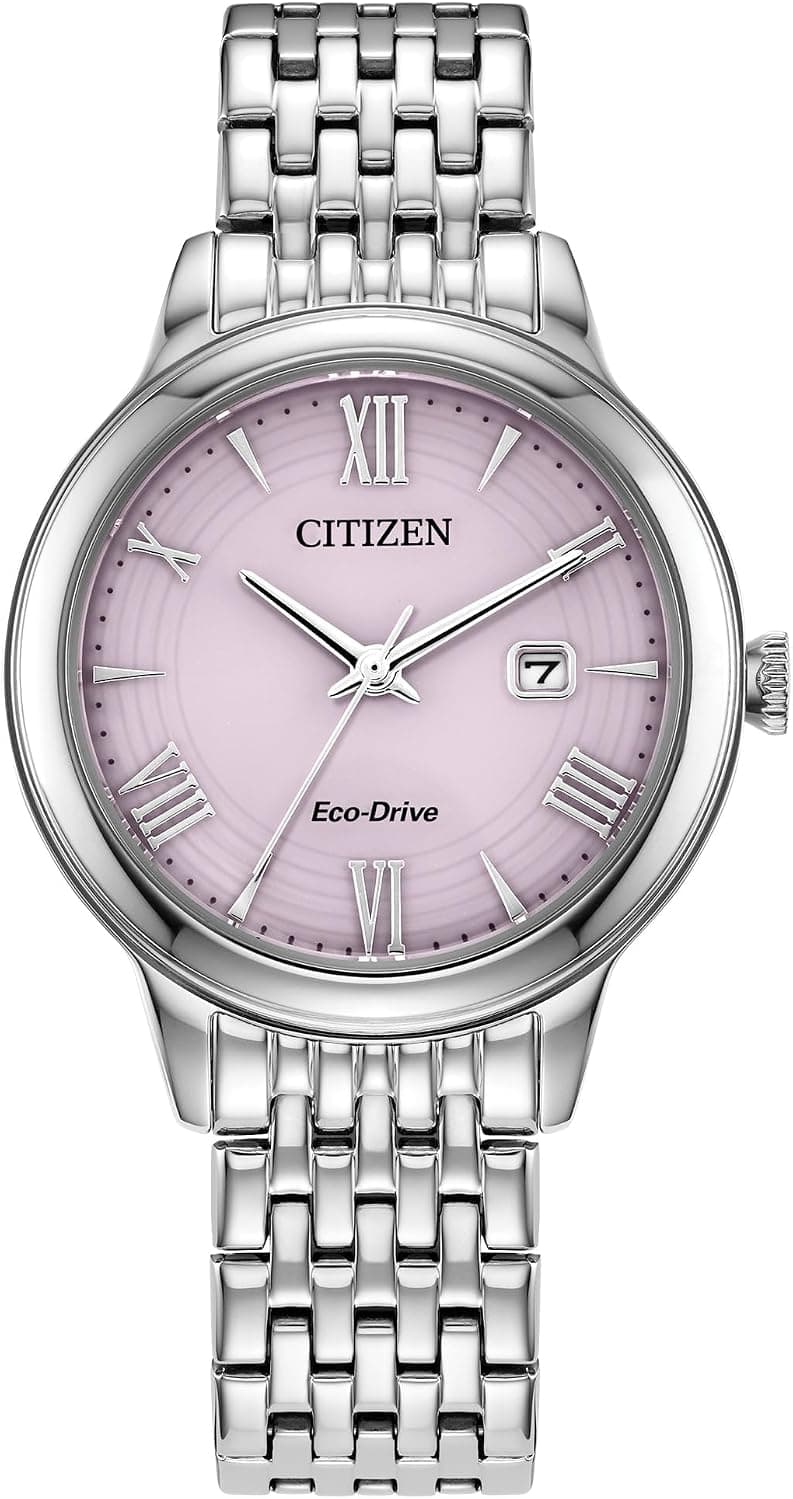
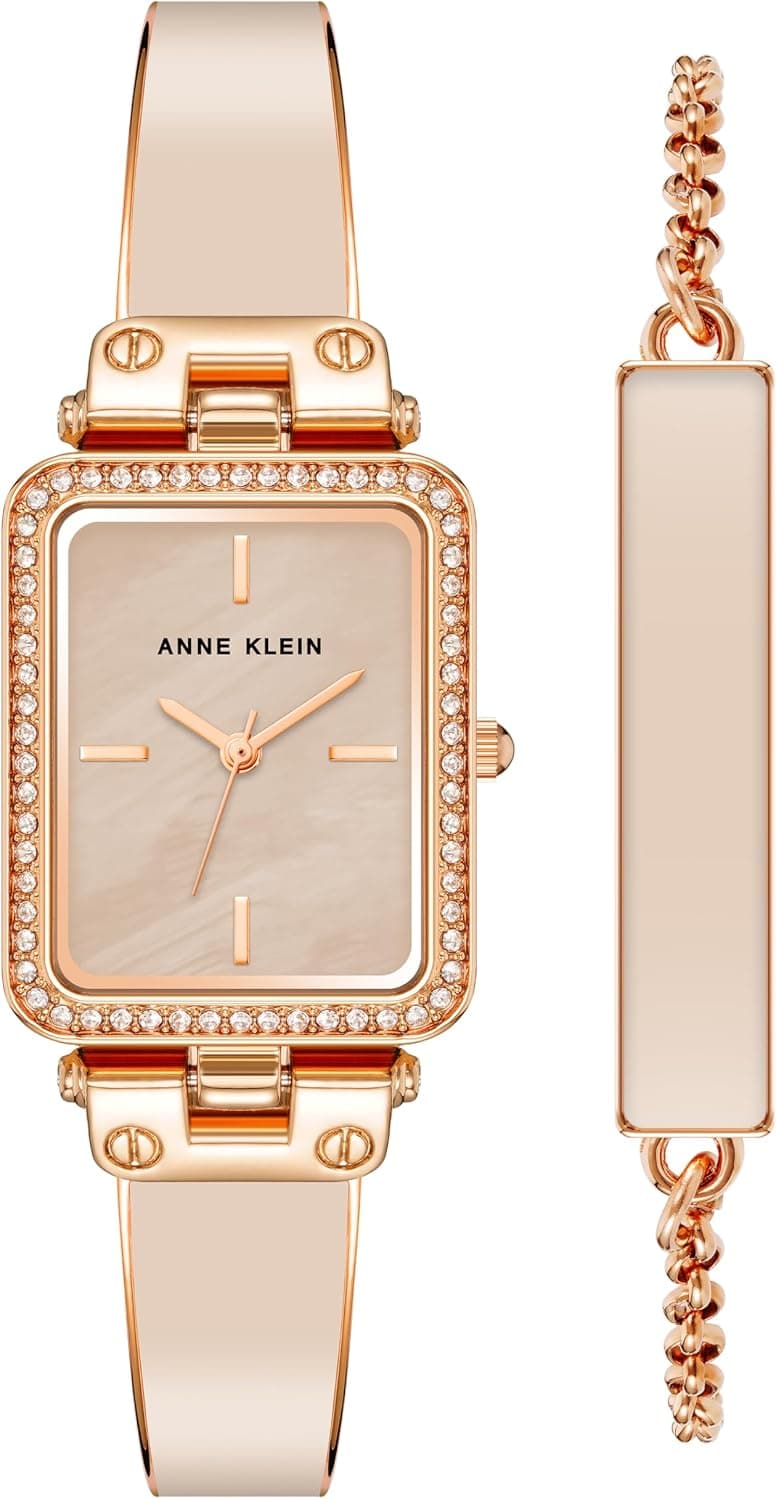
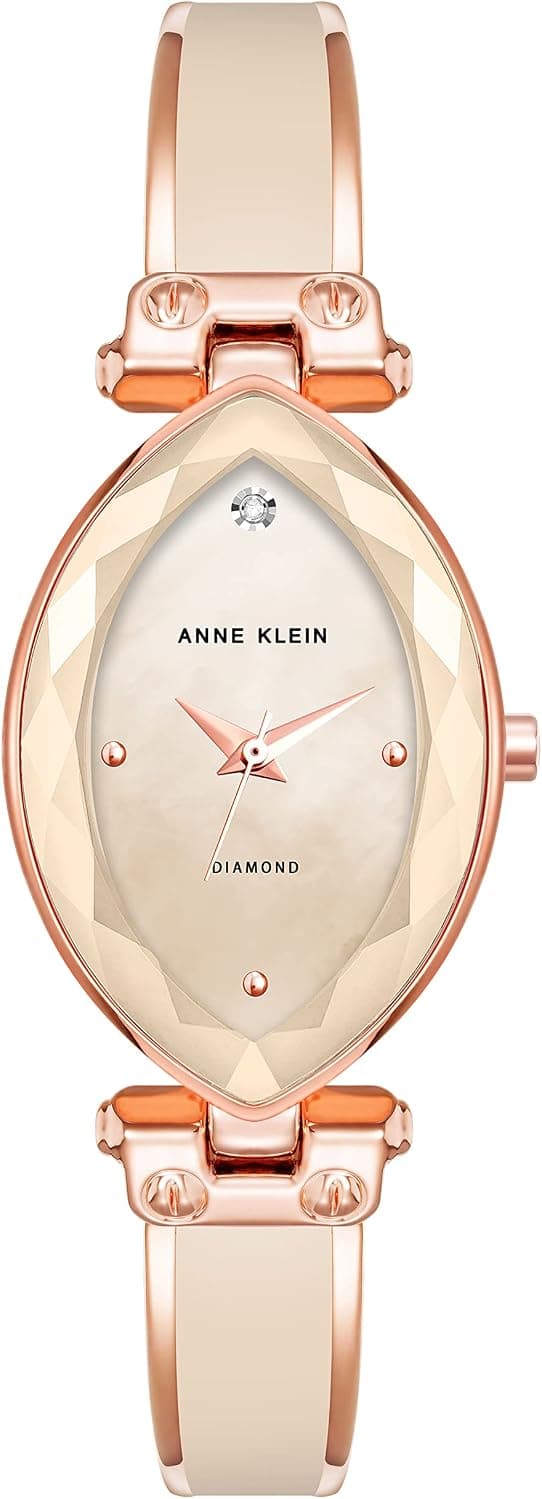
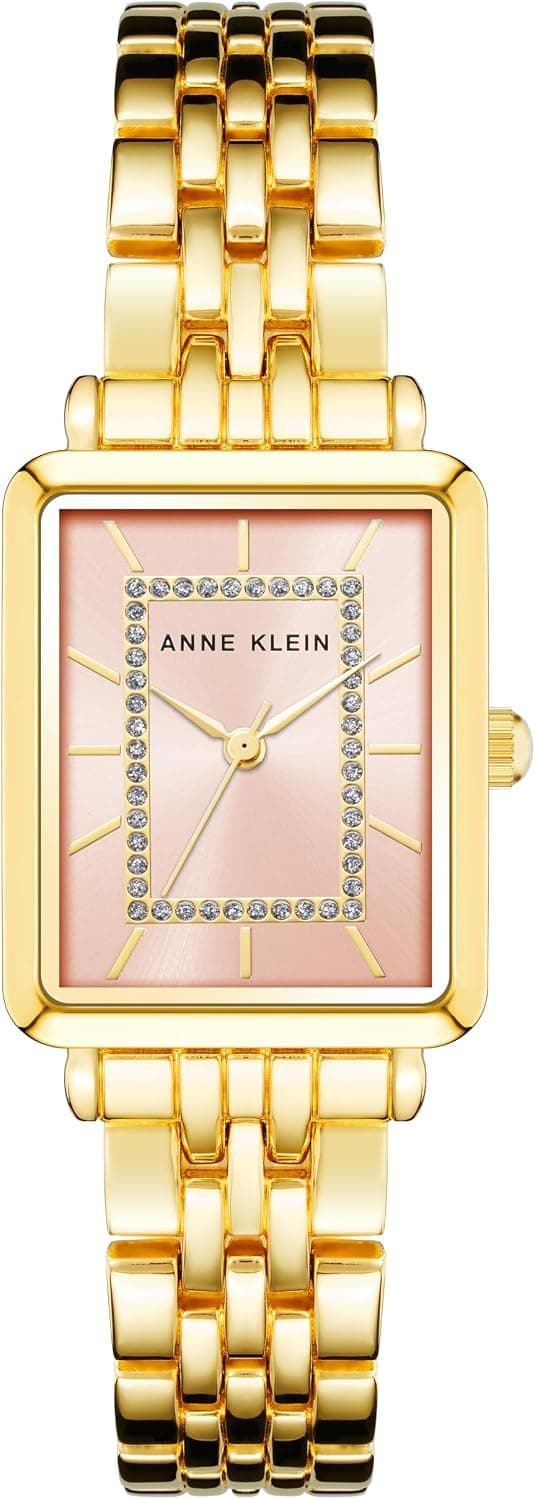
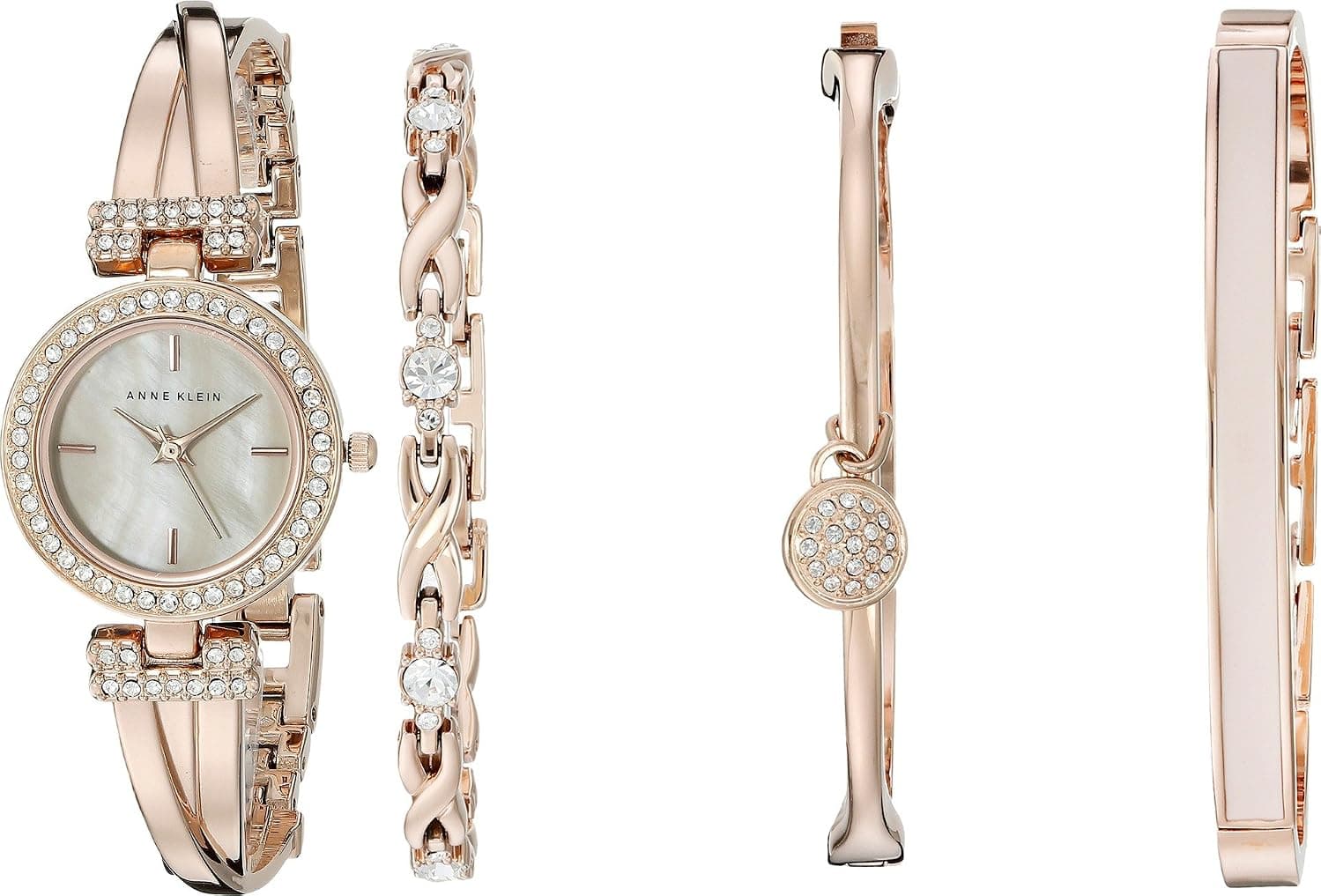
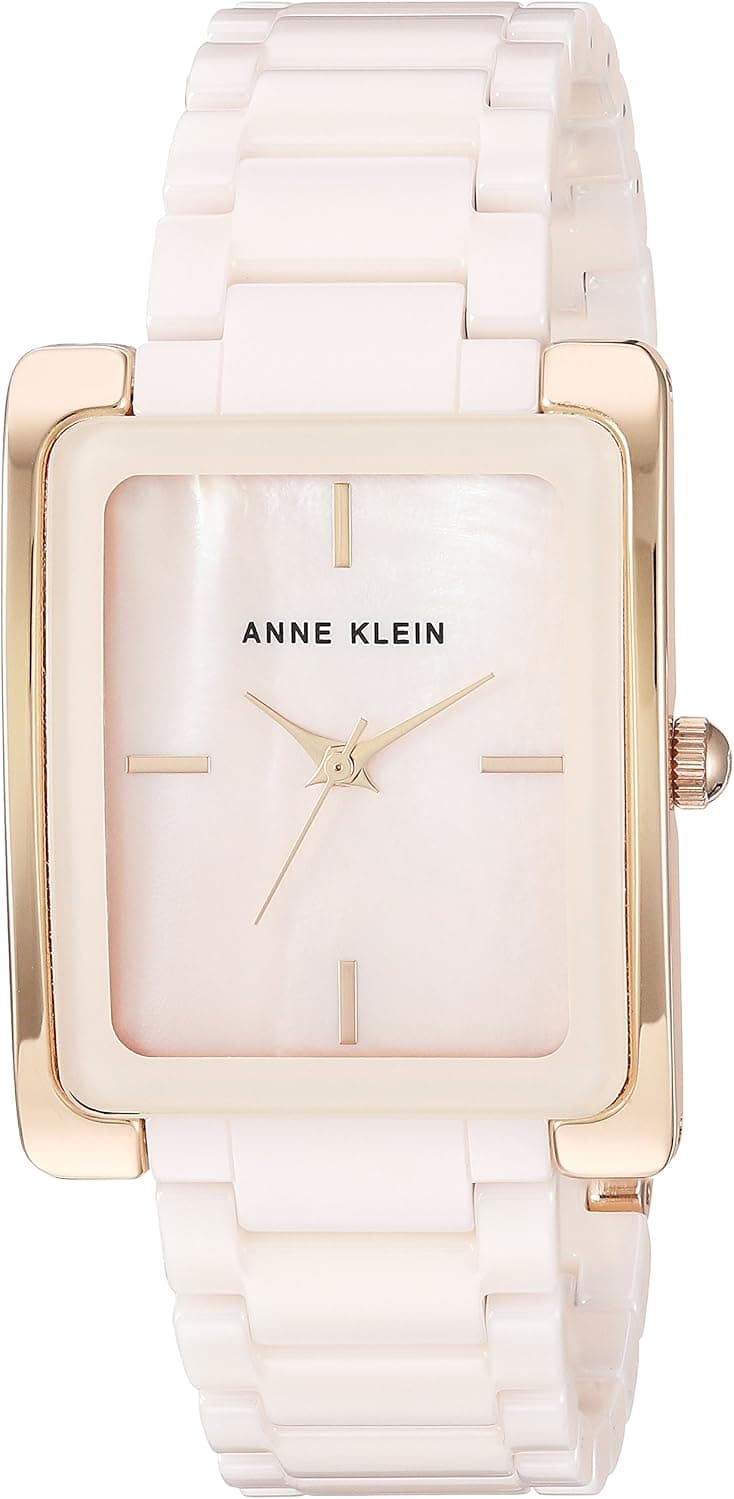
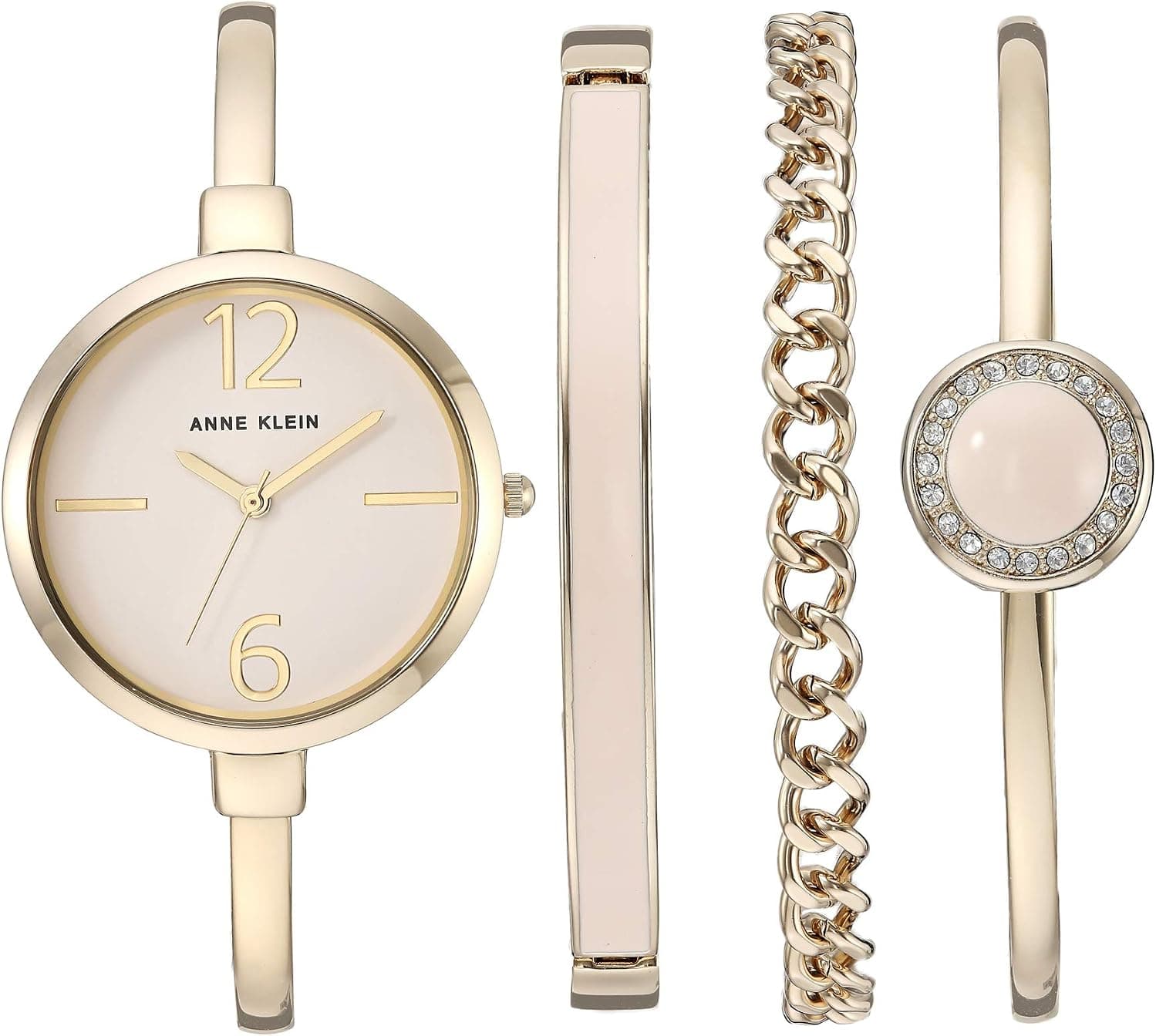
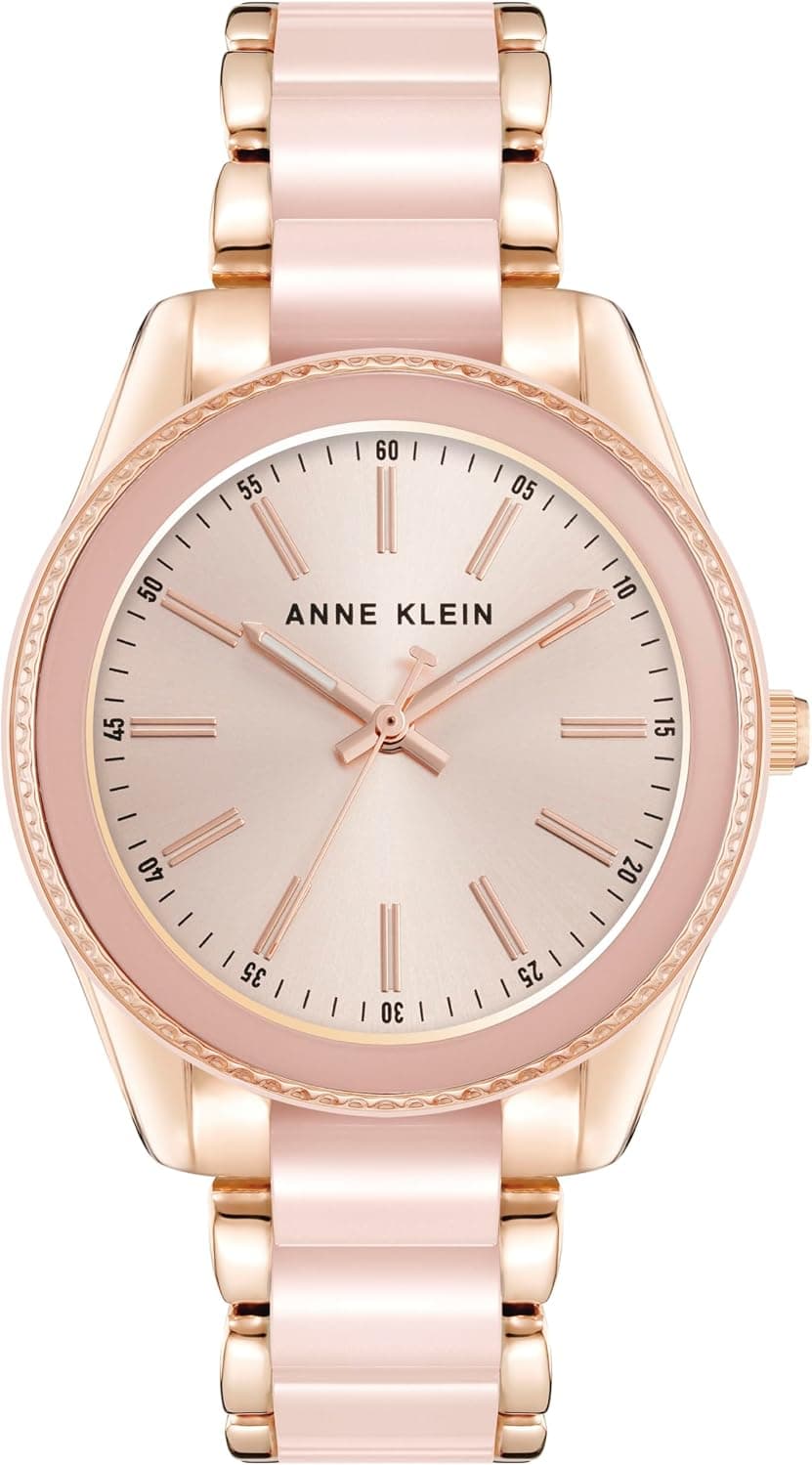
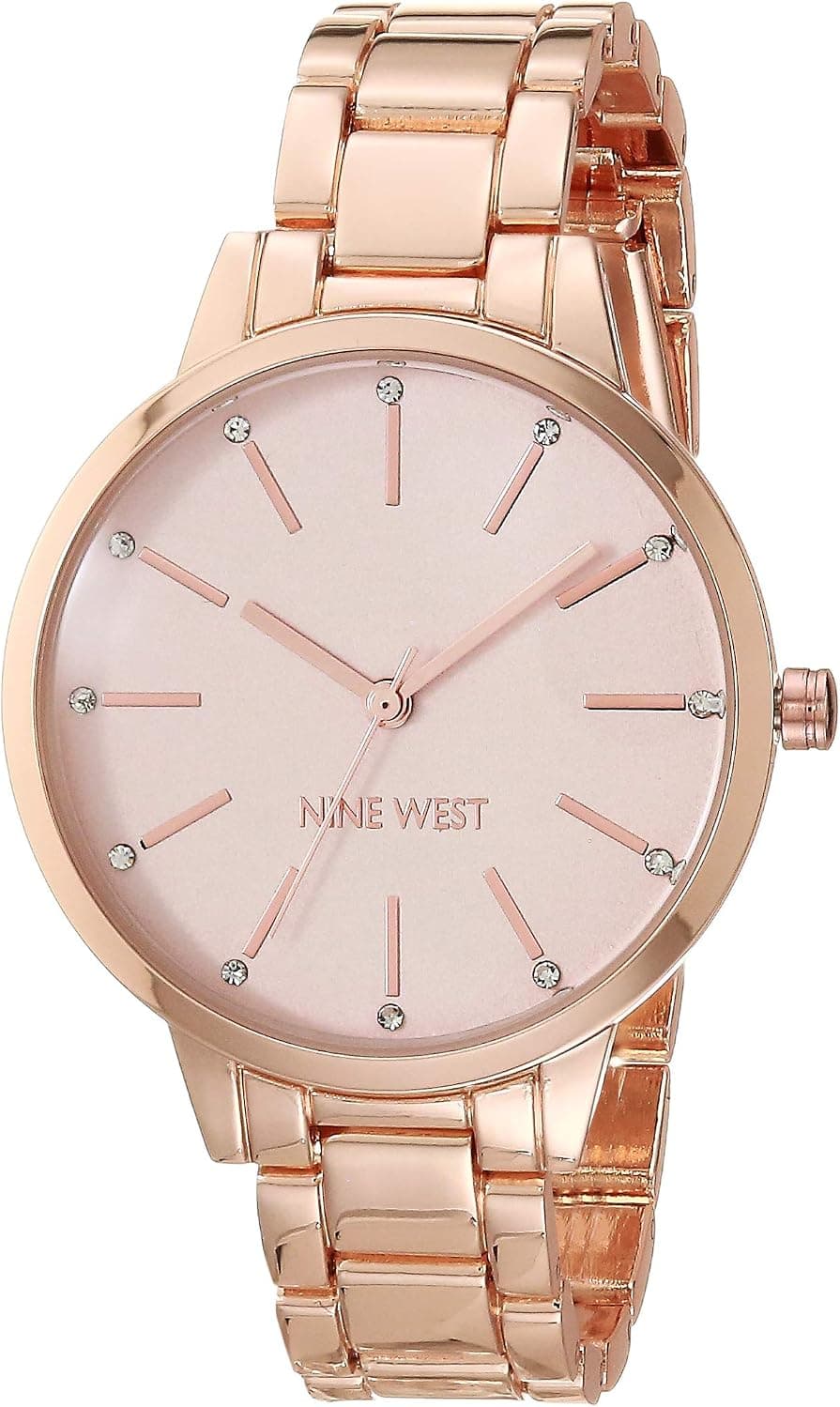
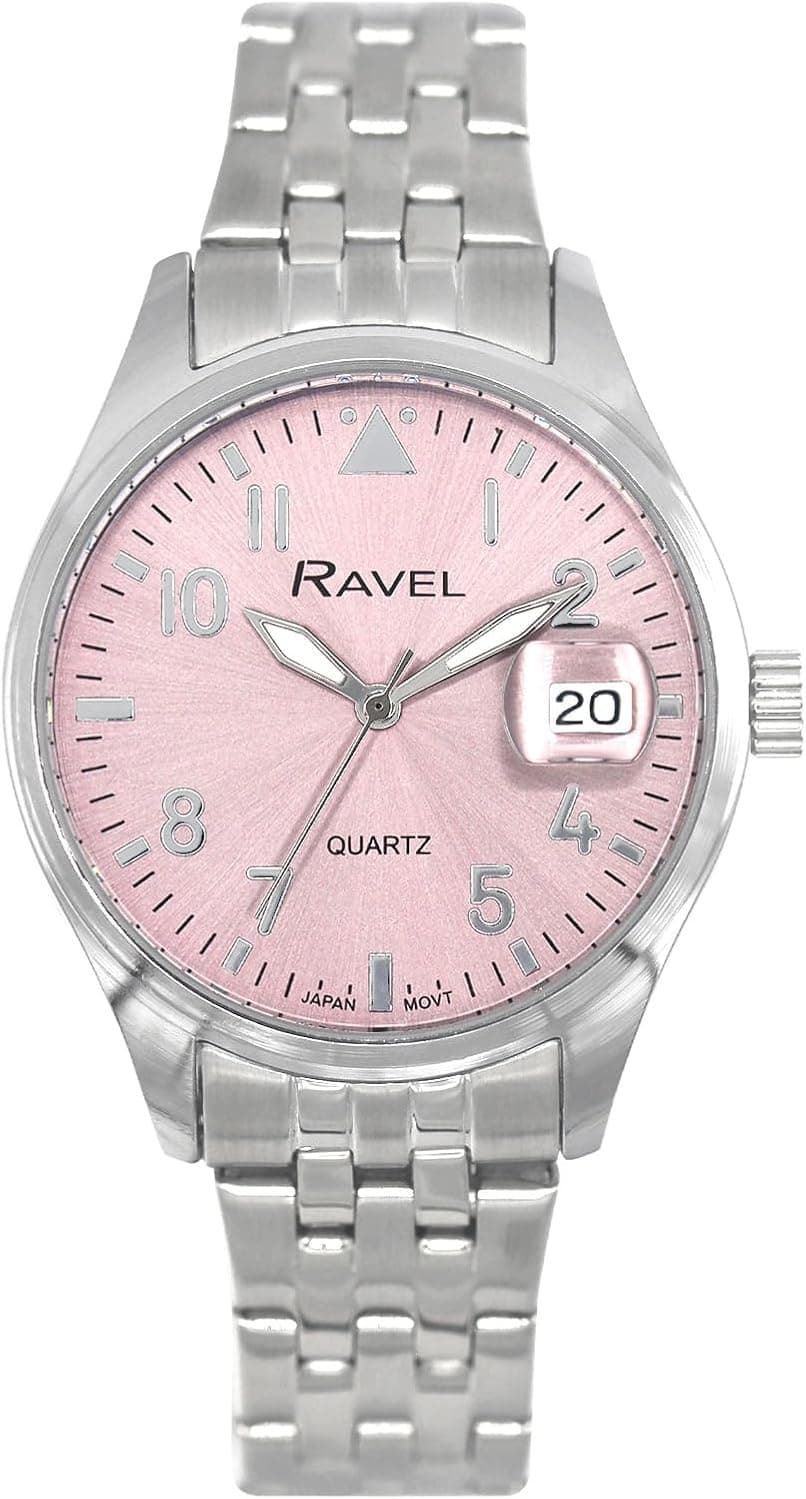
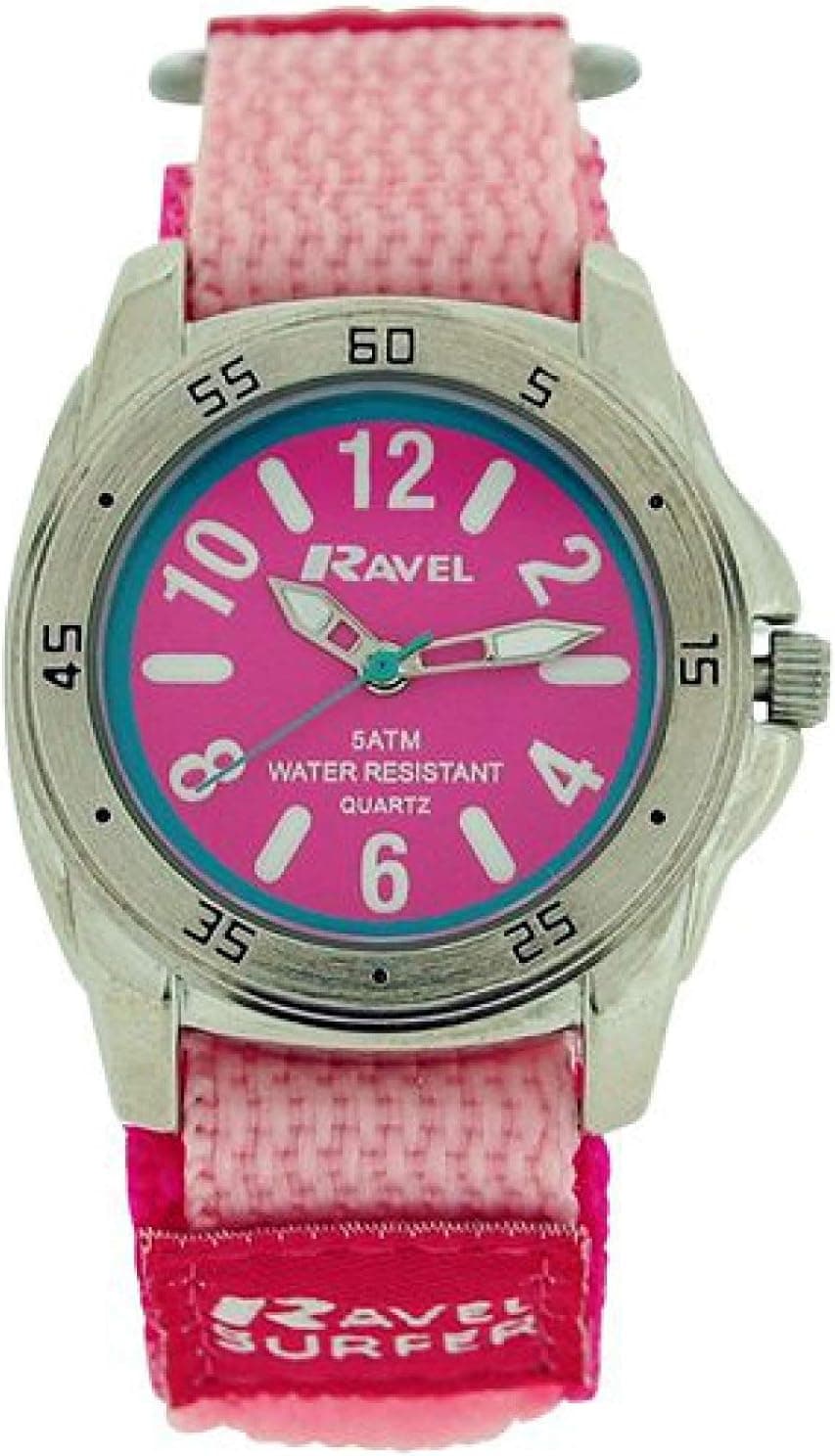
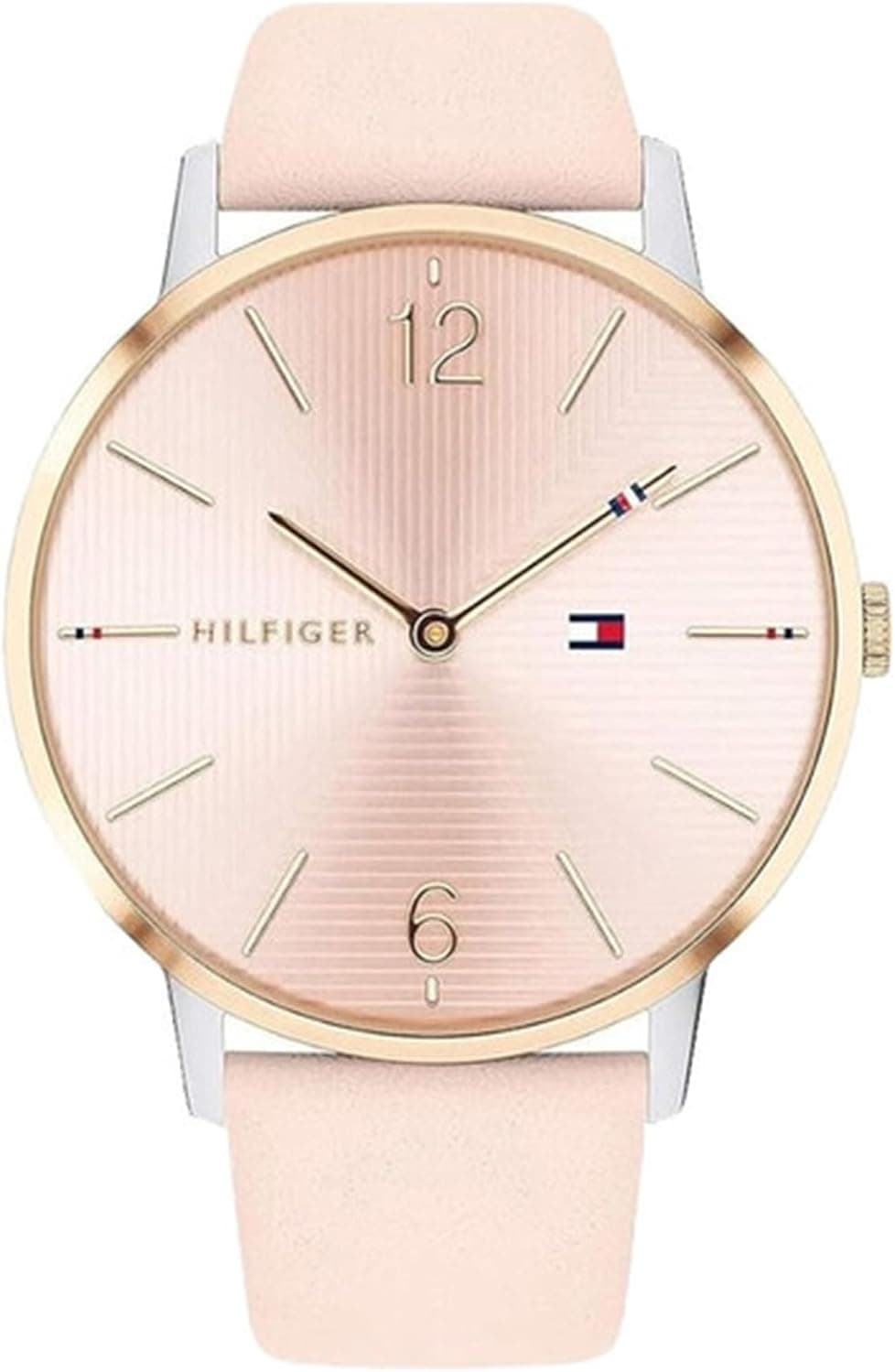
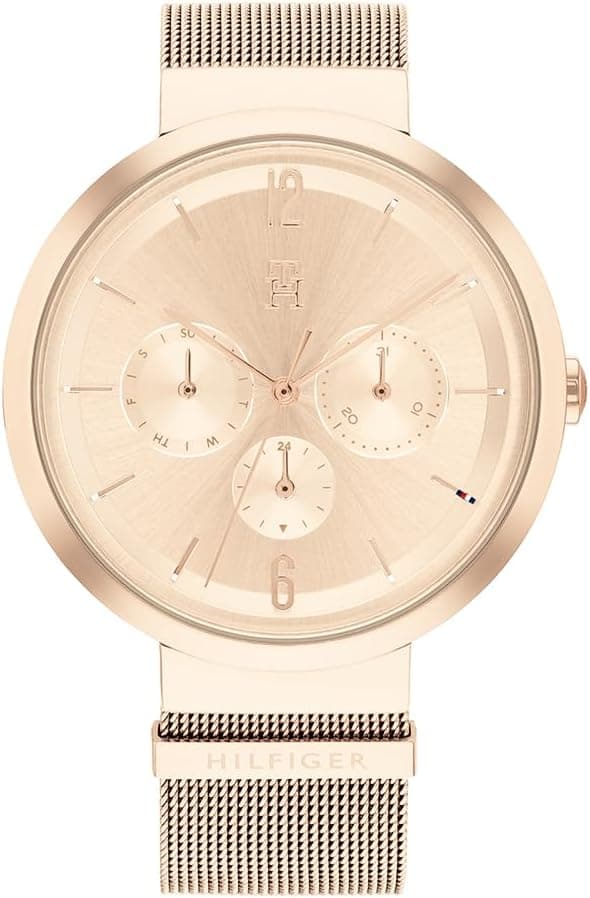
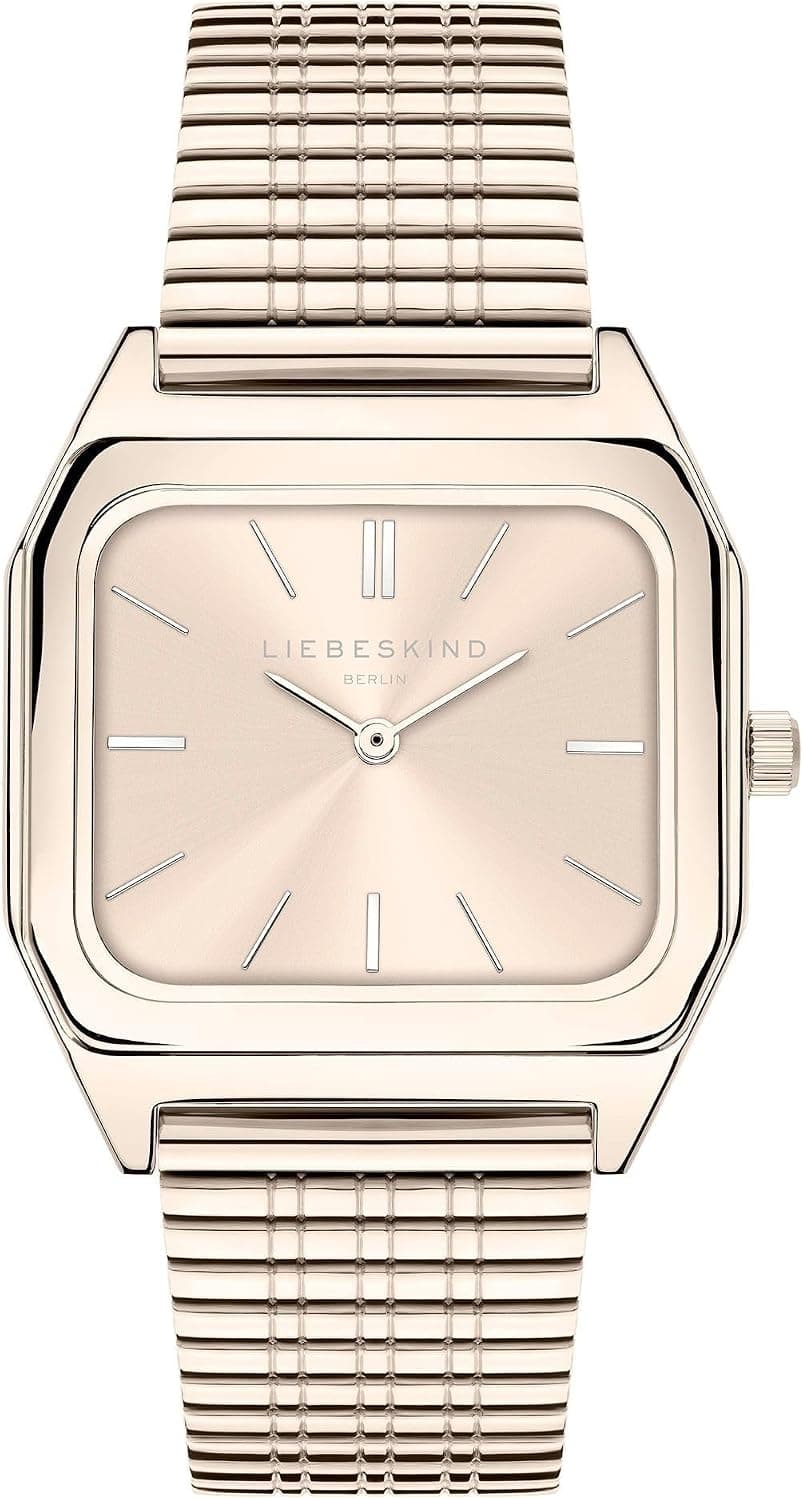
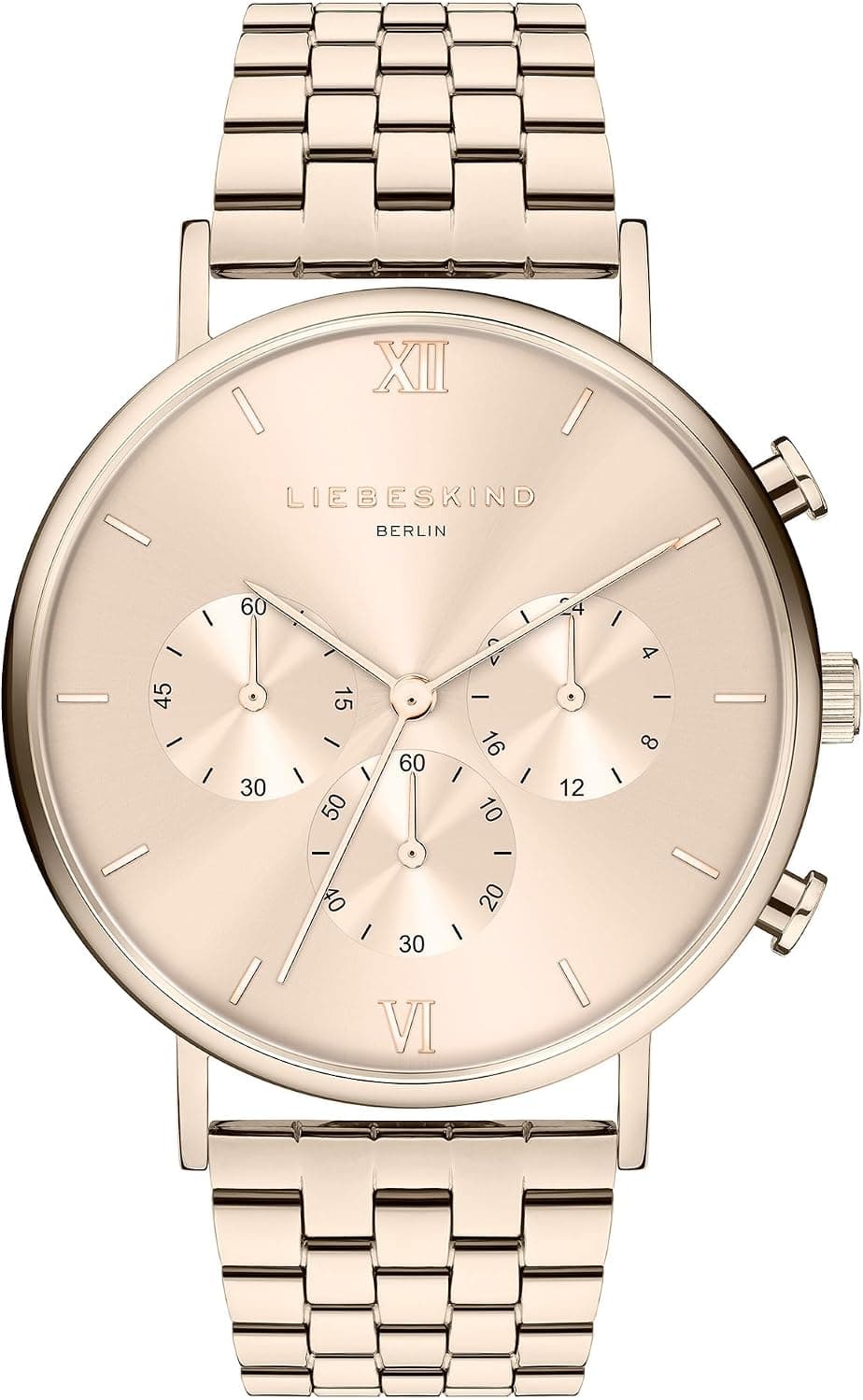
A pink dial is really two stories on one color axis, and confusing them leads to disappointment at the shop. At one end sits salmon, a warm rose with a copper undertone that reads almost metallic in person, traditionally produced by electroplating 3N gold over a brass base rather than painting it. At the other end are the soft, cooler rose and powder-pink dials found on many ladies and unisex dress watches, often lacquered or set over mother-of-pearl. Salmon carries real horological weight: it was a discreet luxury inside platinum and white-gold cases in the 1940s and 1950s, where its warmth offset the cool metal, and that pairing is exactly why collectors prize it today. True pink, by contrast, is genuinely a niche color and one of the rarer dials in production, which is worth saying plainly rather than pretending it is everywhere.
Real examples make the divide clear. On the collectible salmon side, the Oris Big Crown Pointer Date in salmon brought the look to an accessible level around $2,000 to $2,400 and did much to popularize it, while the Longines Heritage Classic and Master Collection have offered salmon and copper-rose sunray dials in the $2,200 to $2,900 range. Higher up, brands like H. Moser and Cie and Vacheron Constantin have used salmon on dress pieces well into five figures, and the color's blue-chip lineage runs through vintage perpetual calendars: a salmon Patek Philippe ref. 1518 in pink gold sold for about $9.6 million in 2021. On the rose and pink ladies side, Tudor offers the Black Bay 31 and 36 with soft pink dials around $3,000 to $3,400, Cartier places pale rose and pink mother-of-pearl in pieces such as smaller Ballon Bleu and Panthère models from roughly $3,500 upward, and Tissot and similar names deliver pink and rose-gold-toned dials well under $500.
When choosing, separate the two intentions first. If you want a connoisseur dress watch, look for genuine salmon, ideally galvanic rather than printed, and pair it with a warmer case in rose gold or the classic cool contrast of platinum and white gold. A sunray finish gives salmon the shifting depth that makes it special, glowing peach in sun and settling to muted copper indoors. If you want a feminine everyday piece, soft rose and powder pink are lovely and far easier to wear, especially over mother-of-pearl, but check the exact tone in daylight because pink shifts noticeably under store lighting. In both cases the surrounding details matter: gilt or rose-gold hands flatter salmon, while rhodium or white hands keep a cool pink crisp.
It helps to think in sub-types. Salmon proper is the collector grail, rare in modern catalogues and steeped in mid-century history, best on dress and complication watches. Copper and rose-gold sunray dials are the accessible cousins that capture much of the warmth without the vintage premium. Soft rose and powder pink, often lacquered or laid over mother-of-pearl, belong to the ladies and smaller-case world and are the most wearable day to day. Because true pink remains uncommon, supply is thin and trend-driven, so the honest advice is the same across the axis: buy a pink or salmon dial because the tone genuinely moves you, not because you expect a broad selection or a reliable resale market.