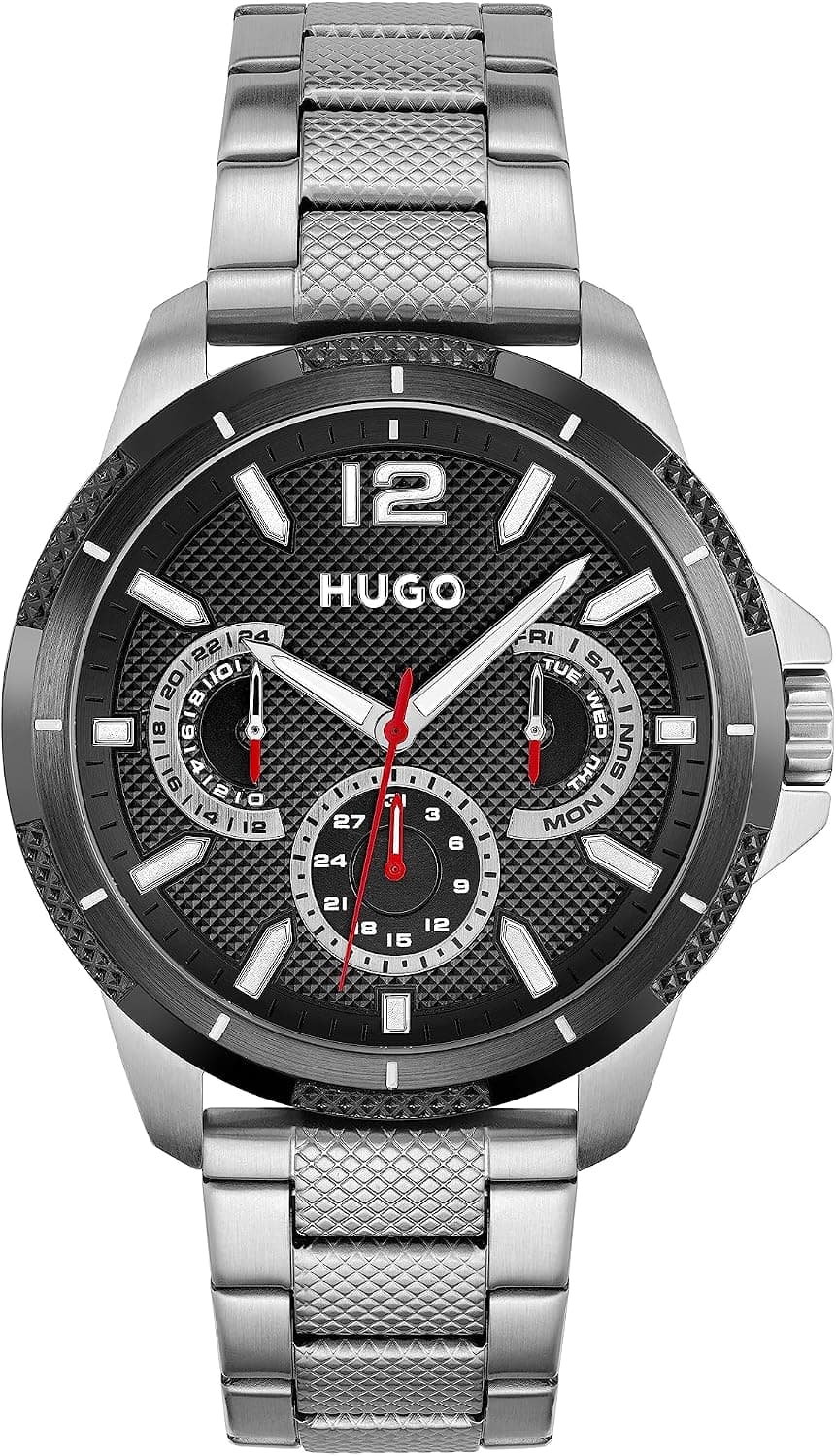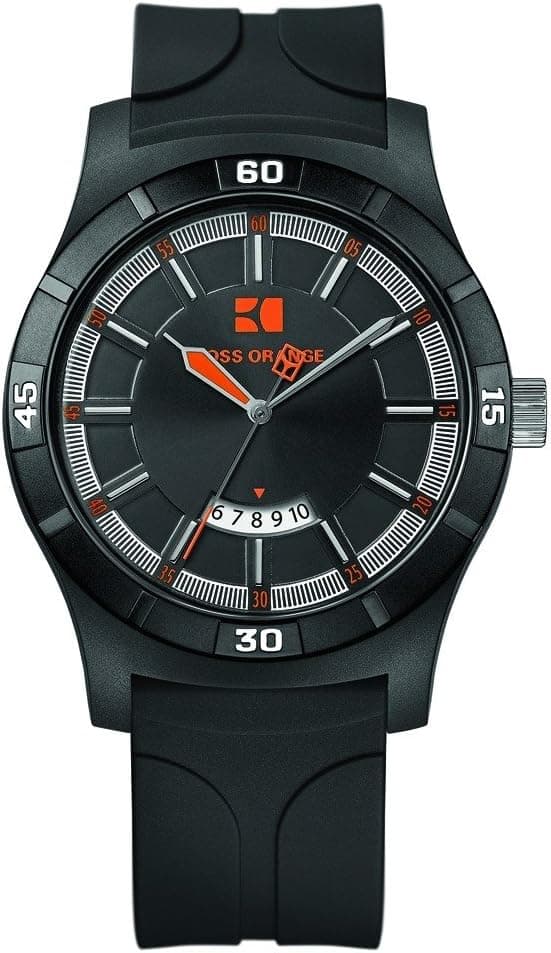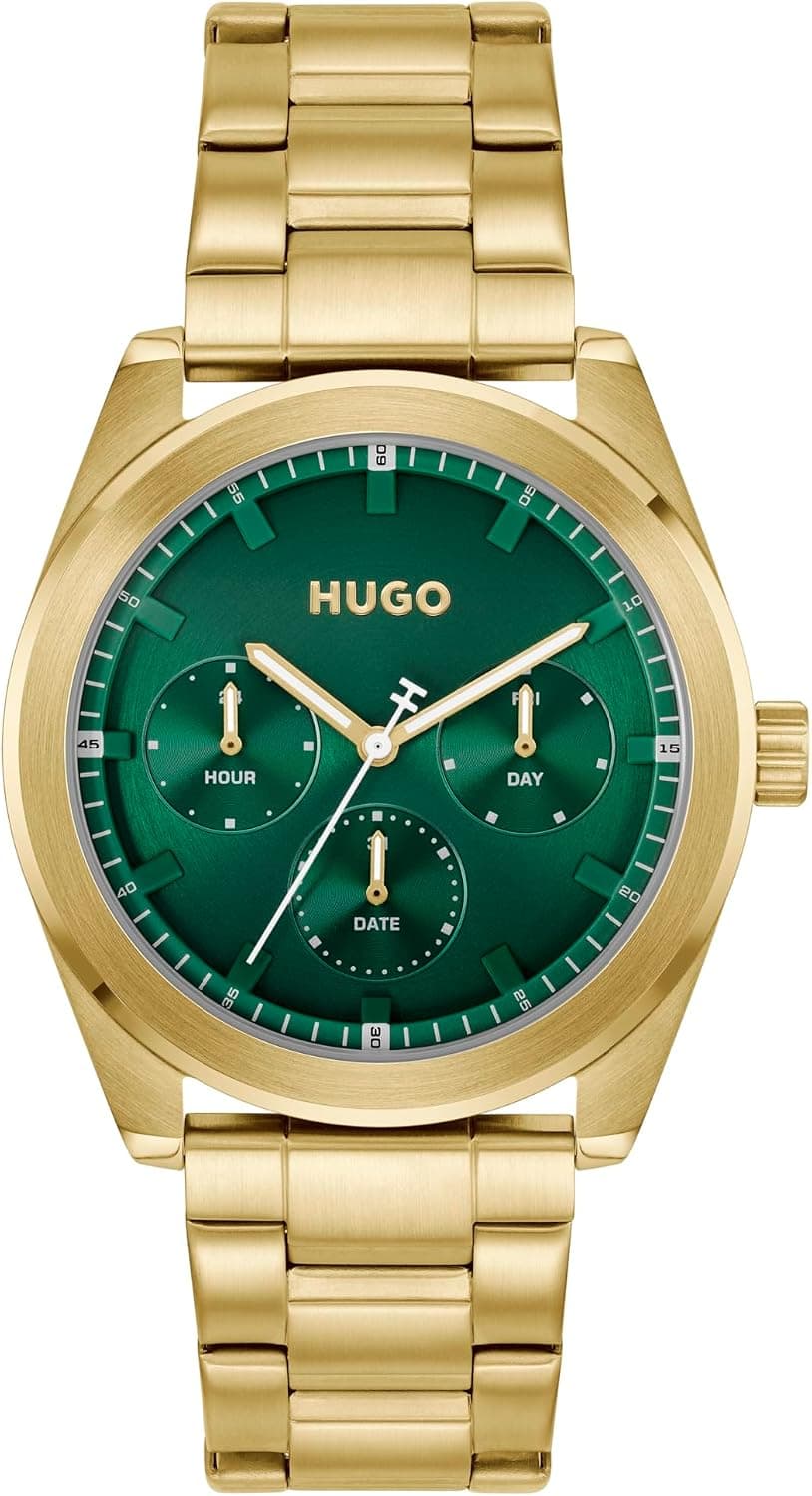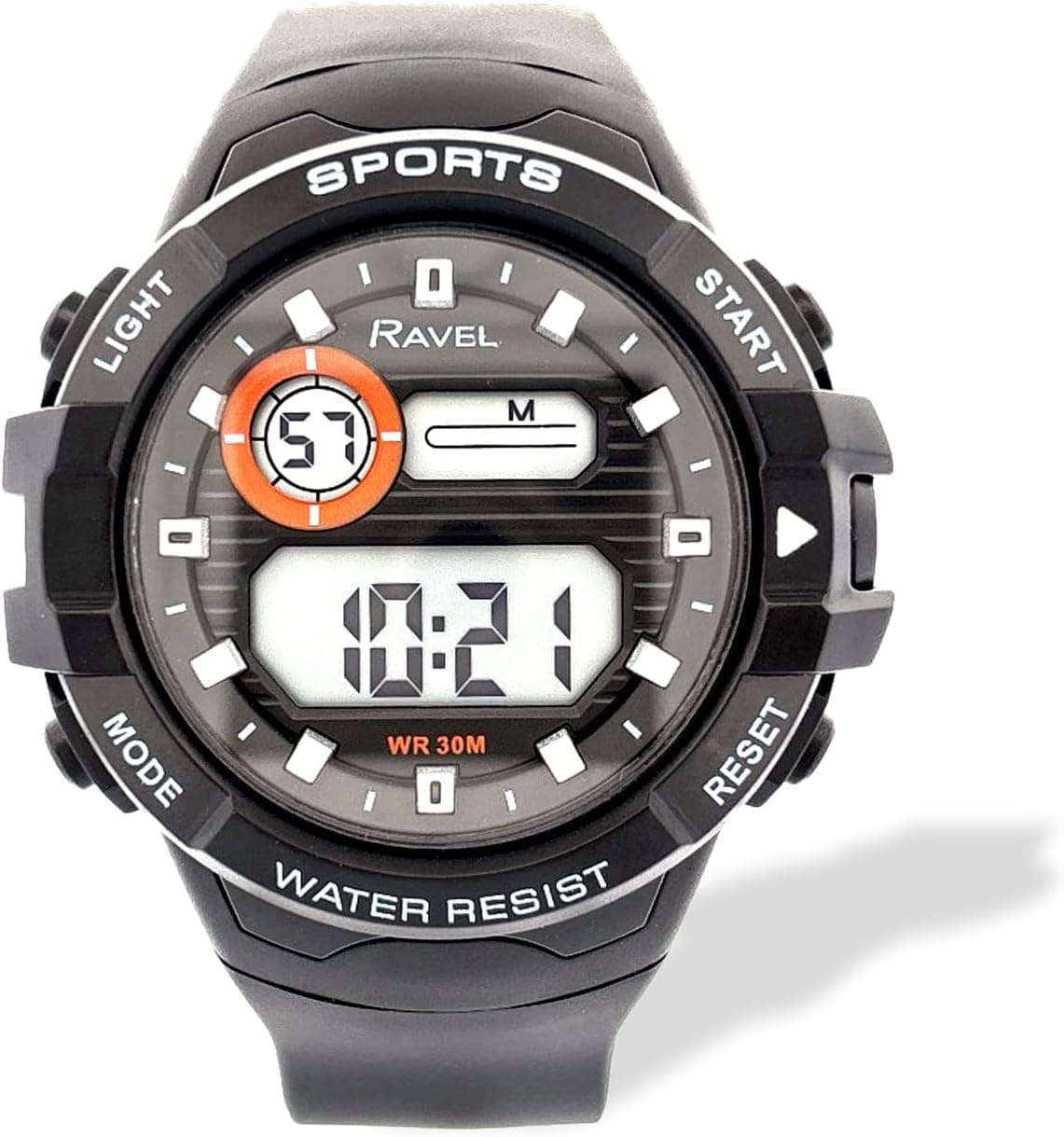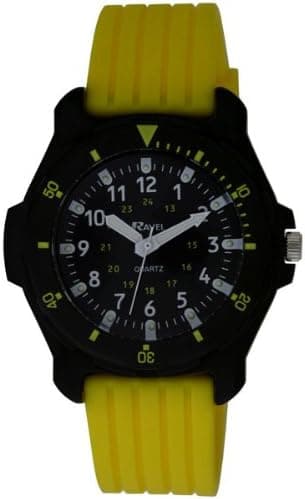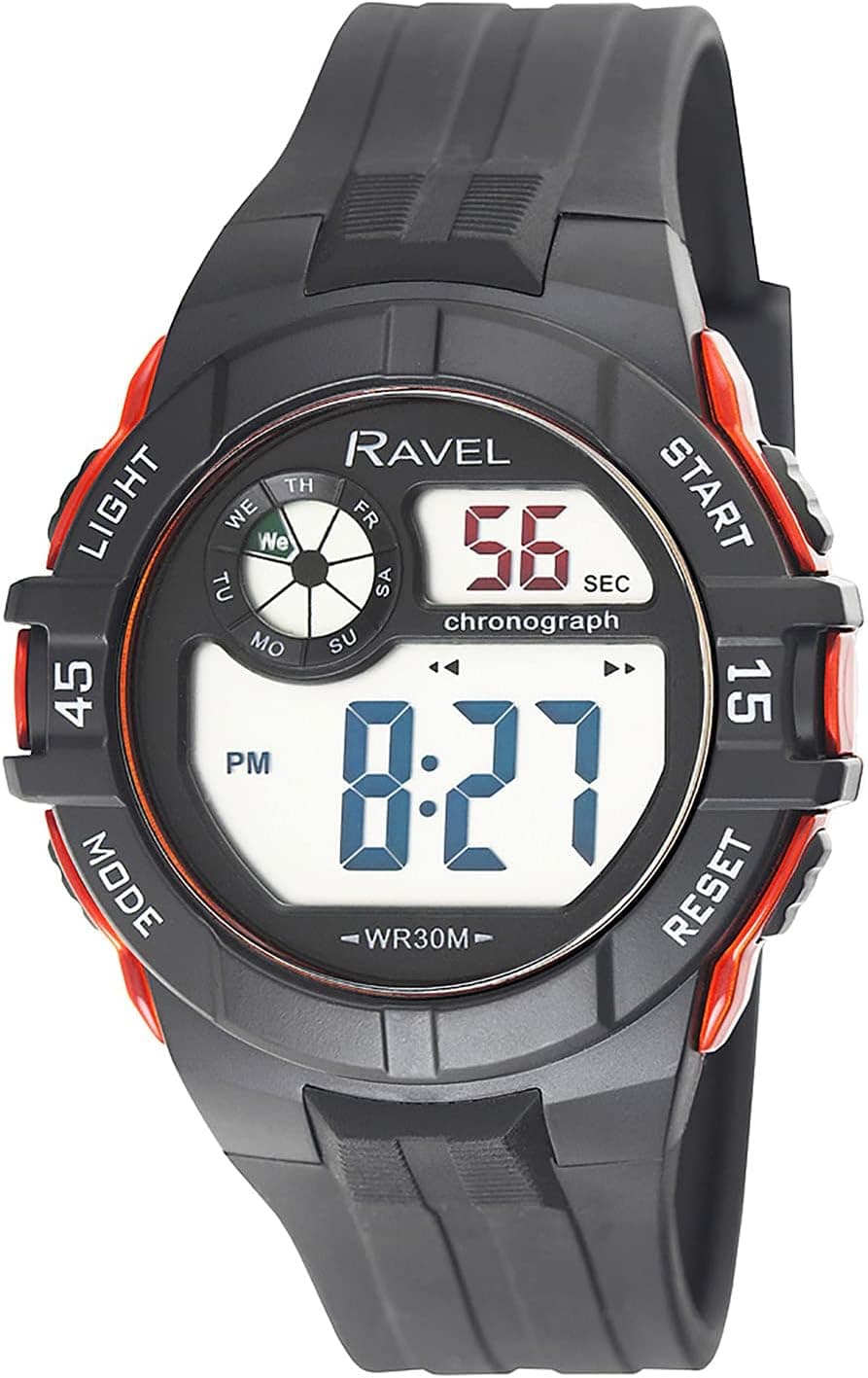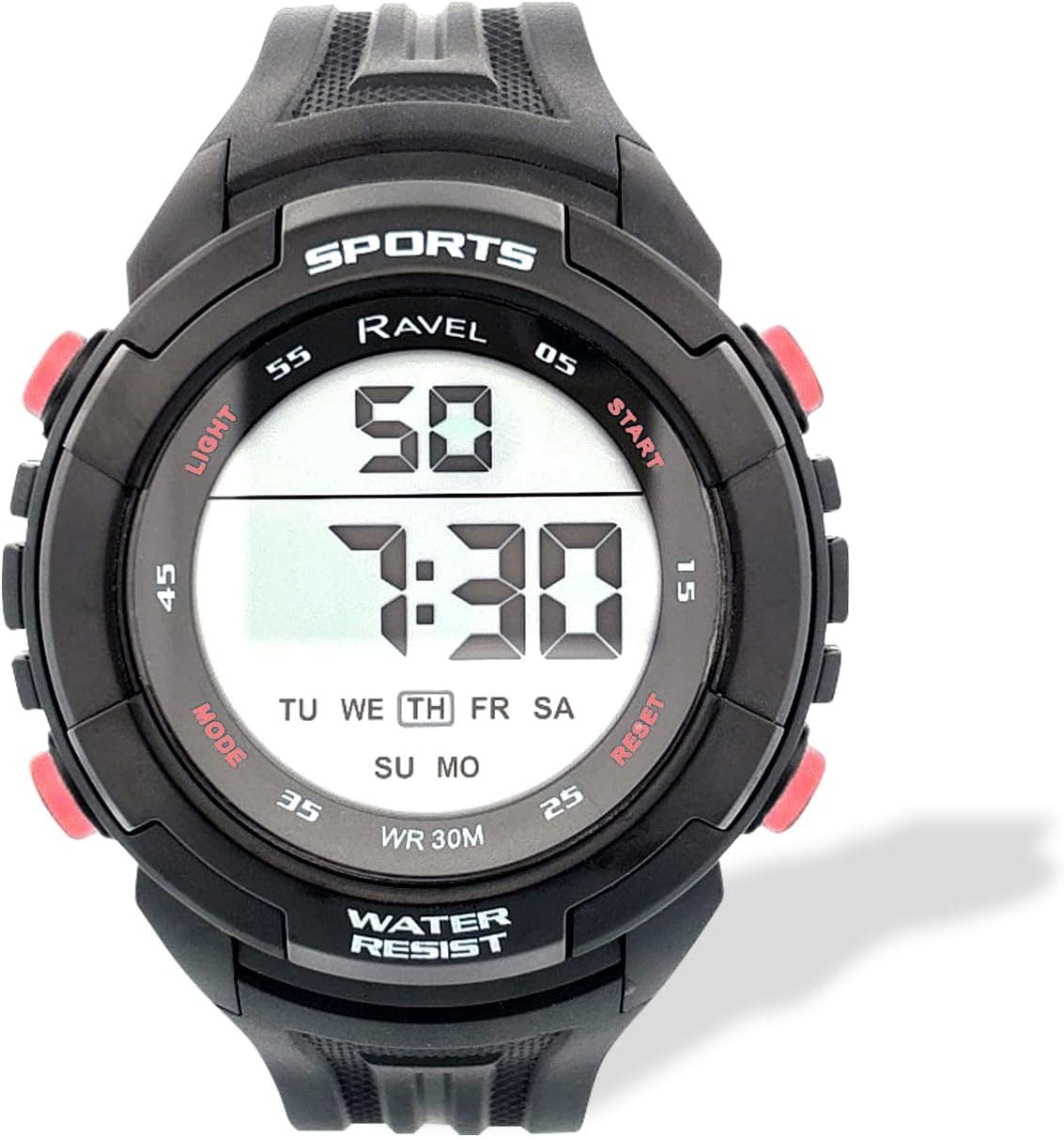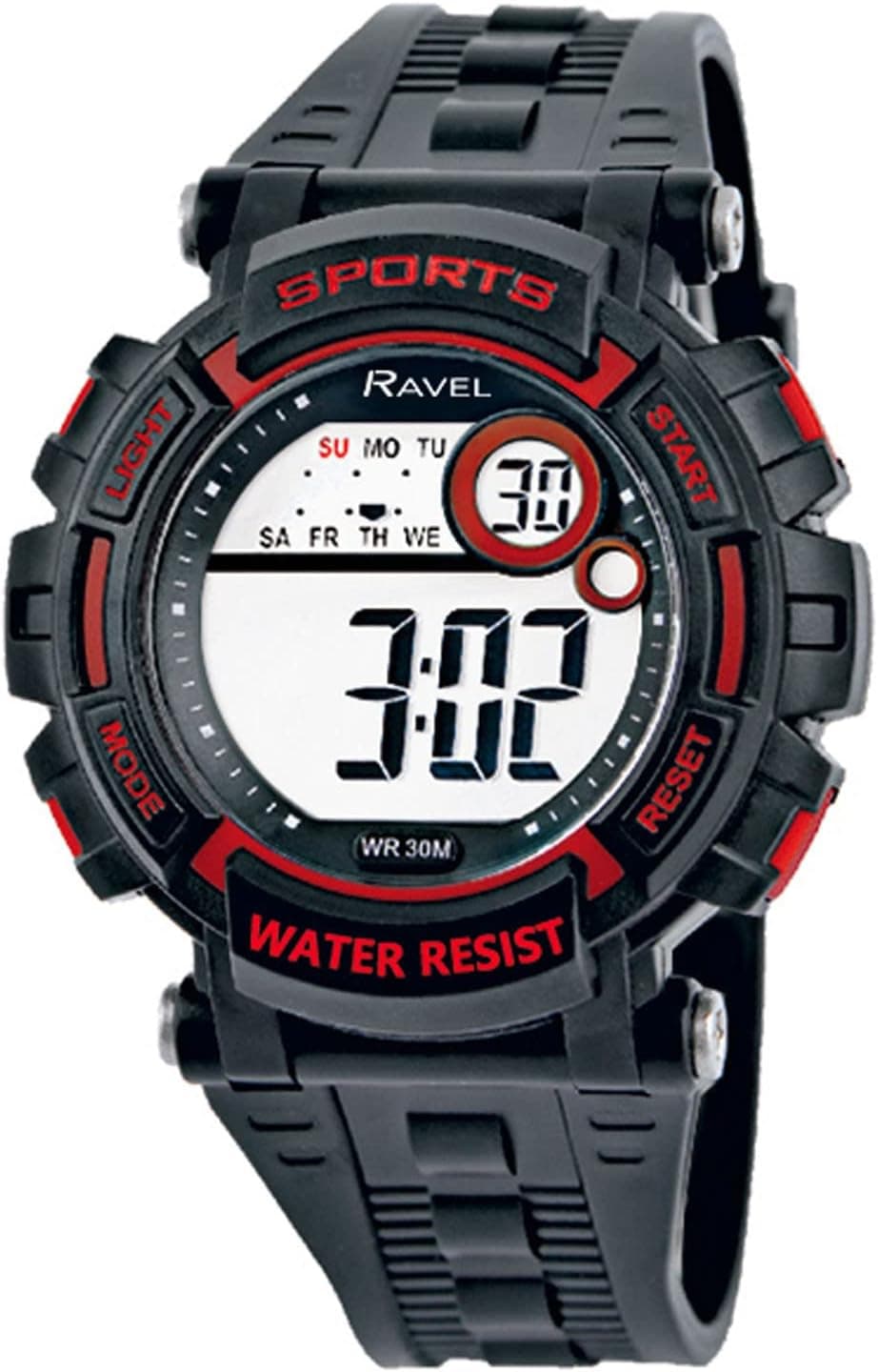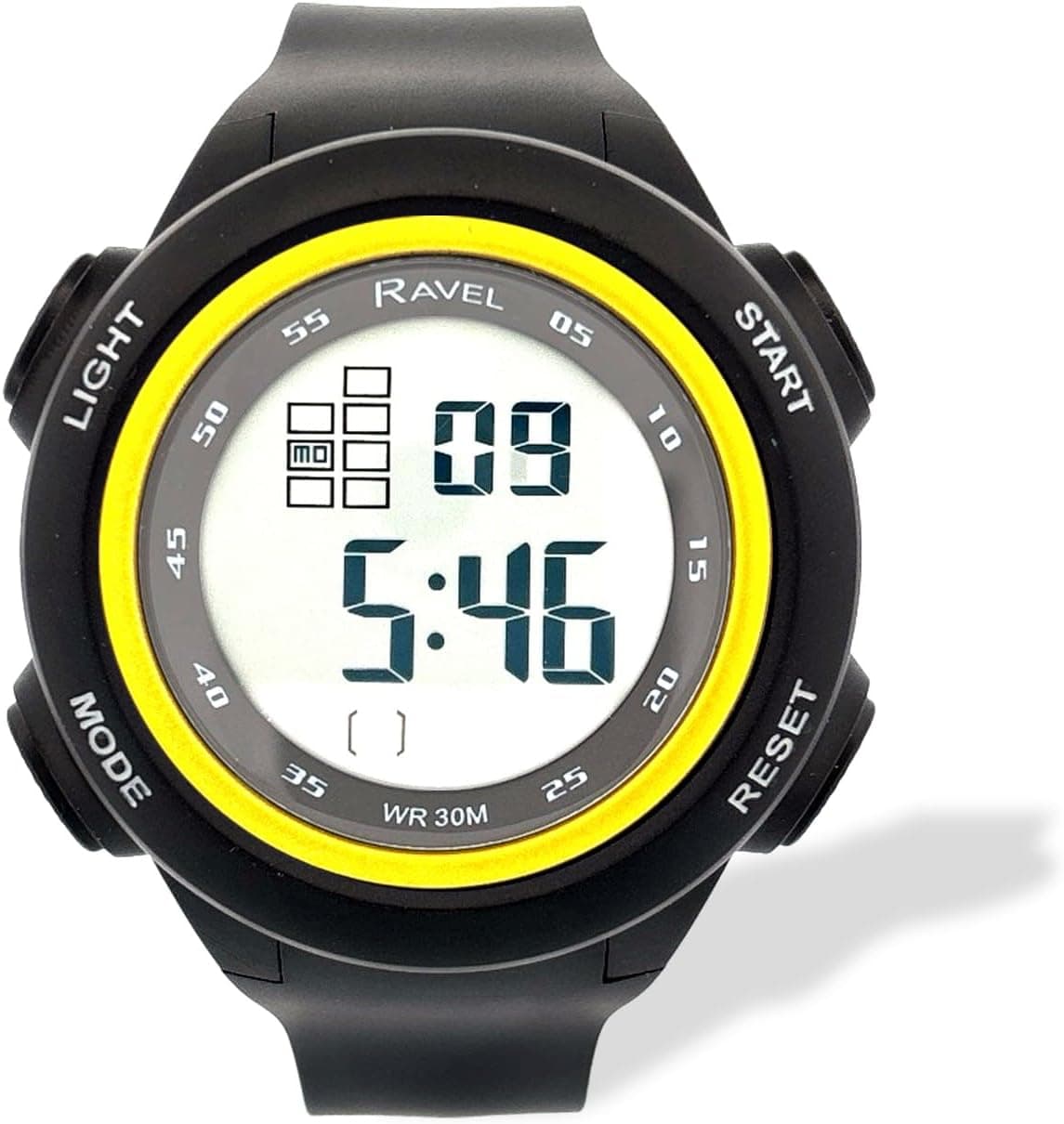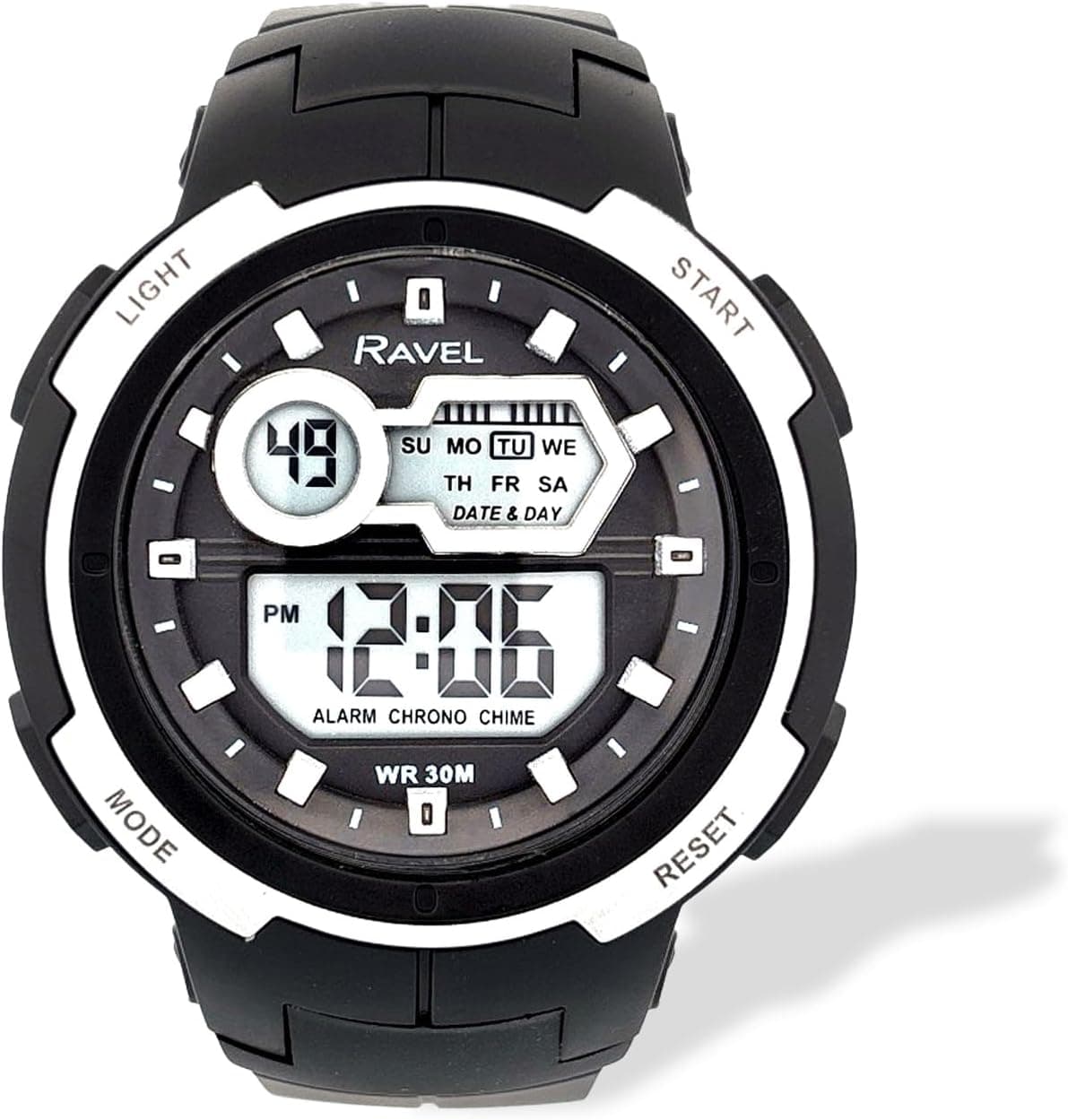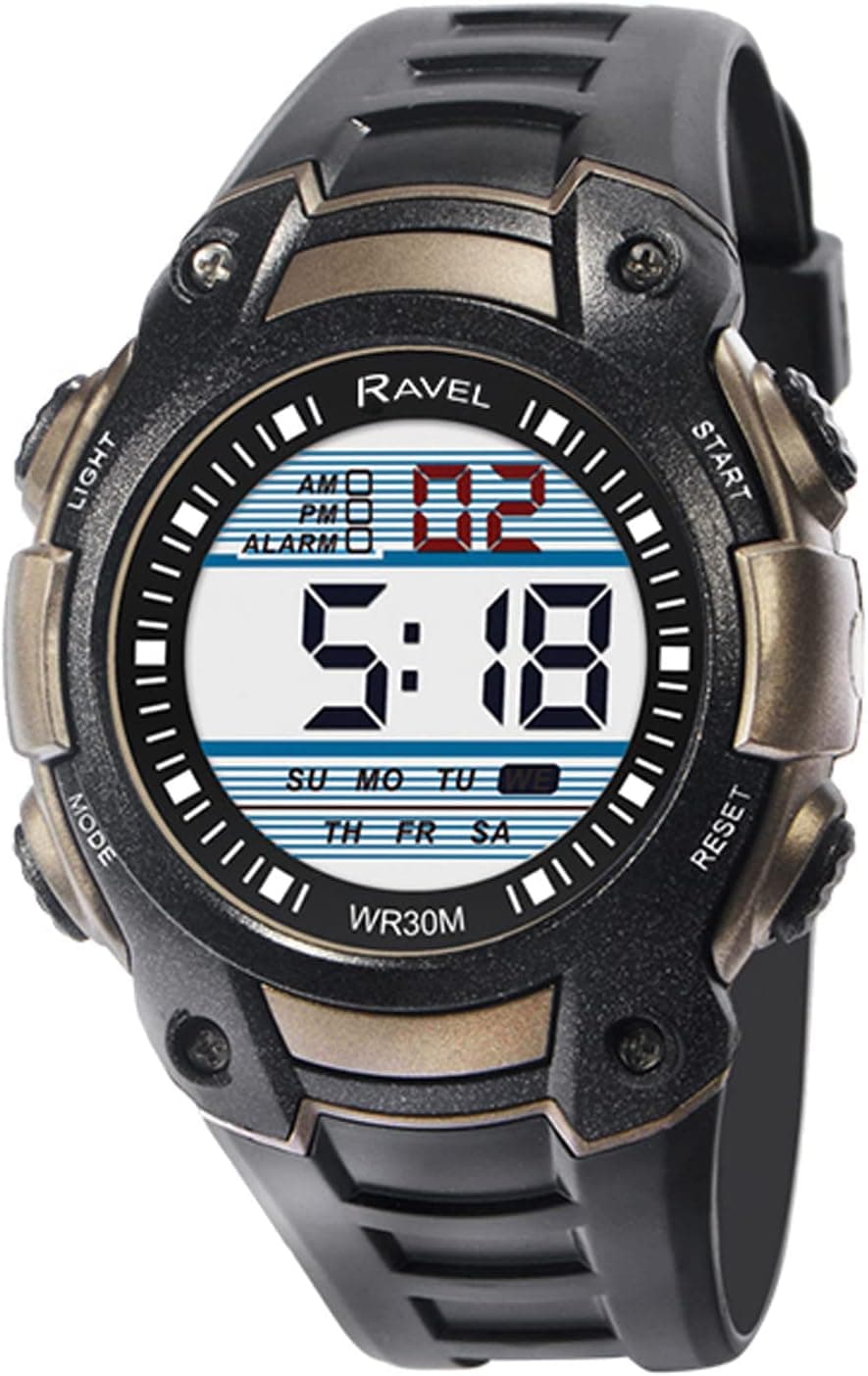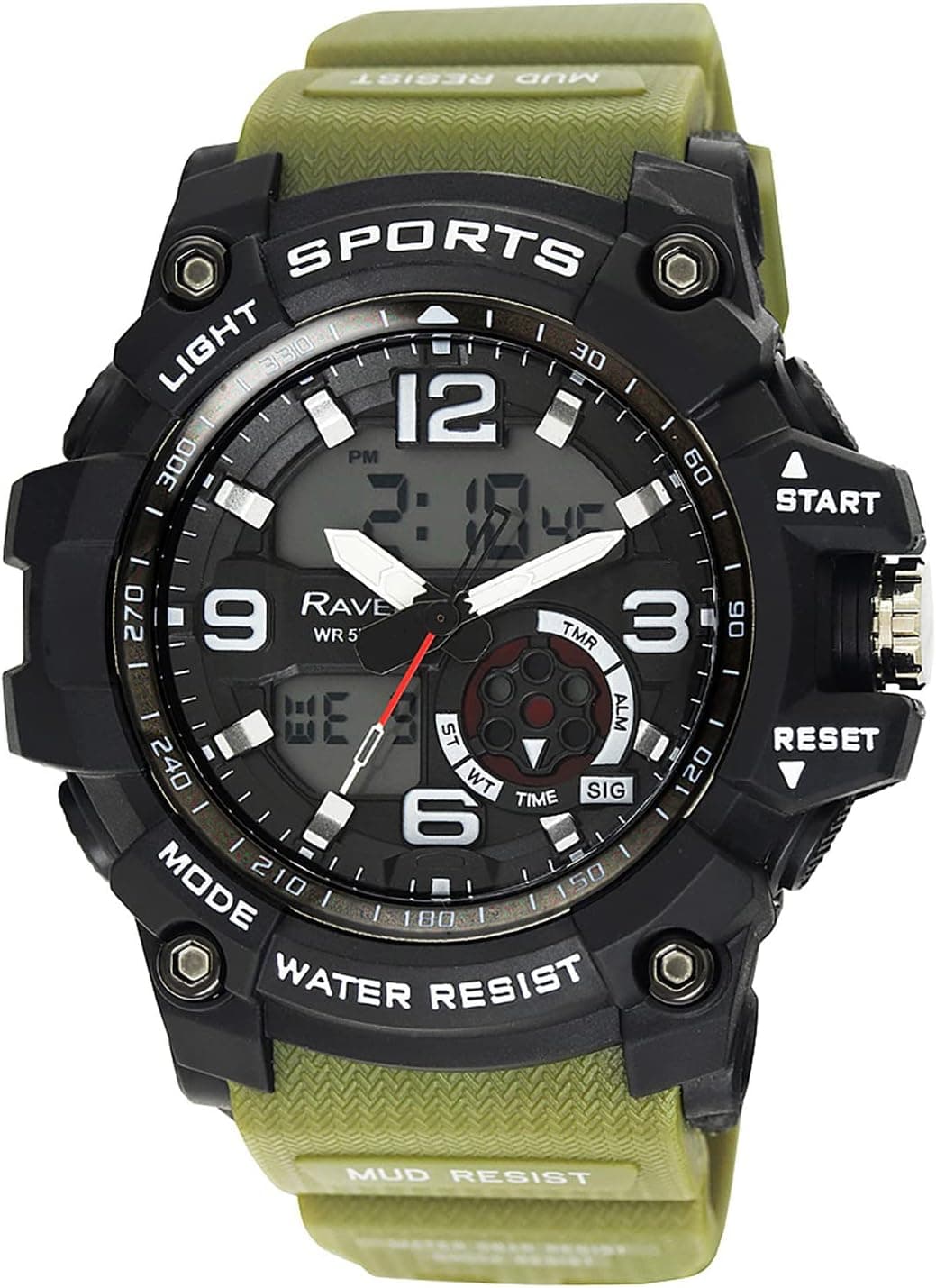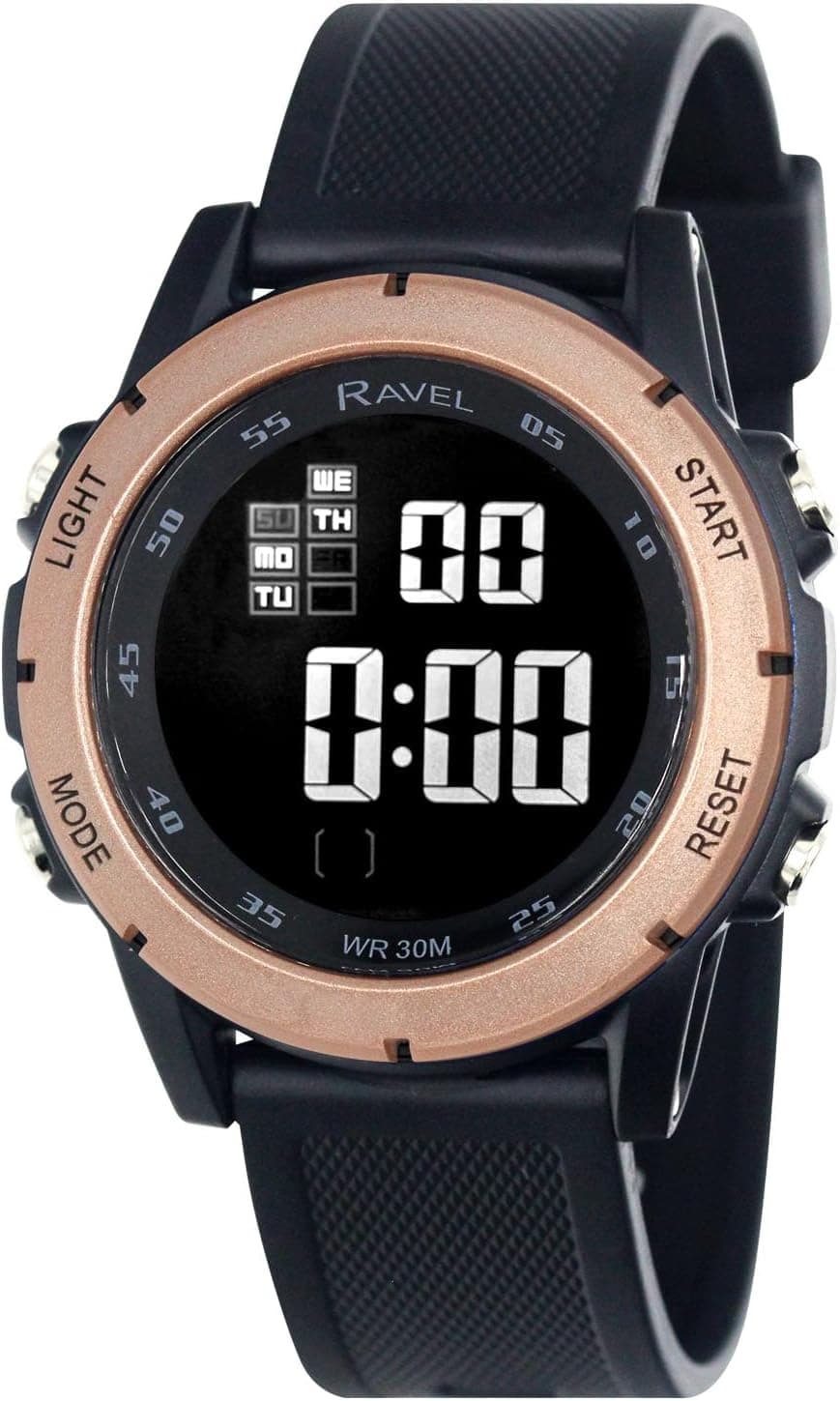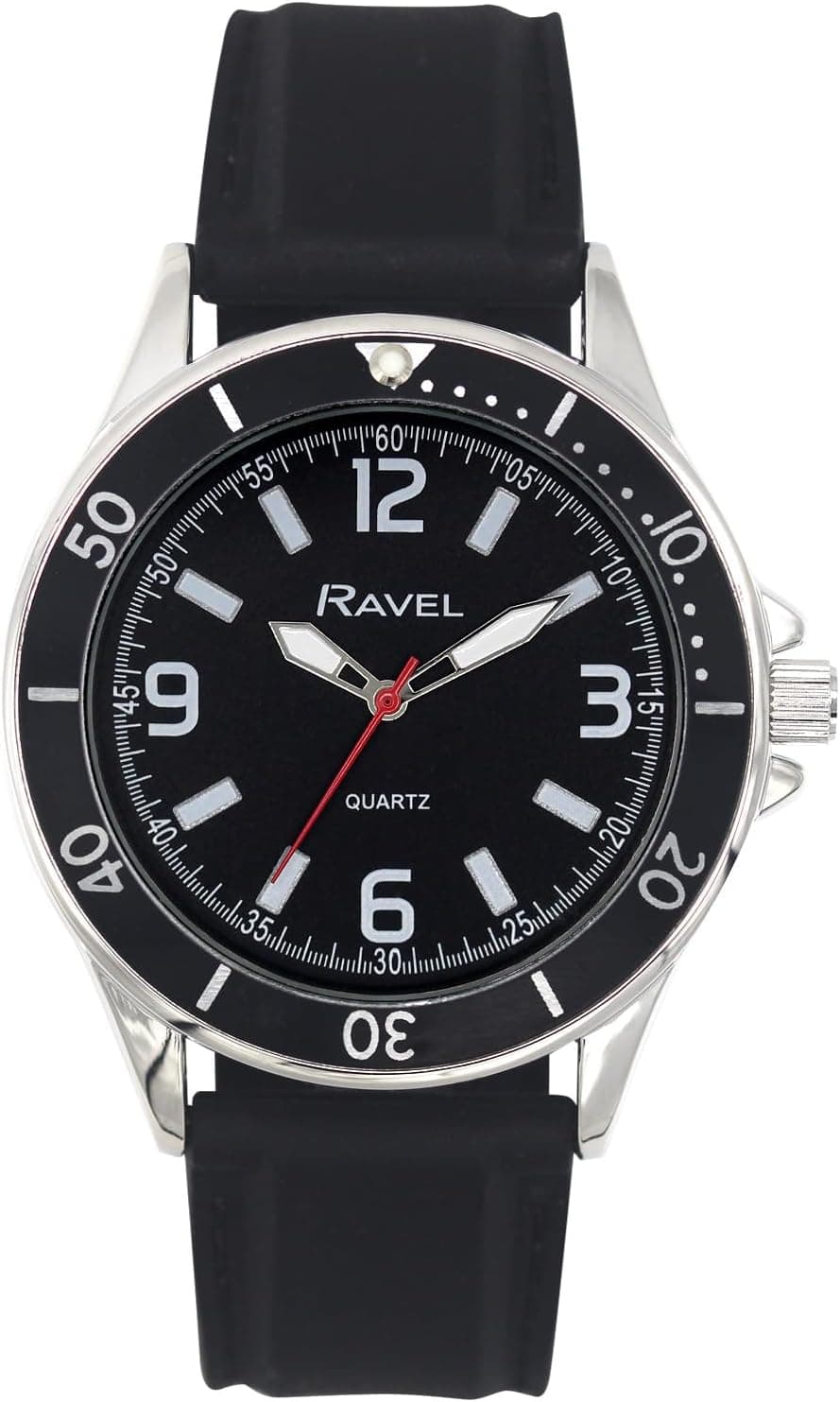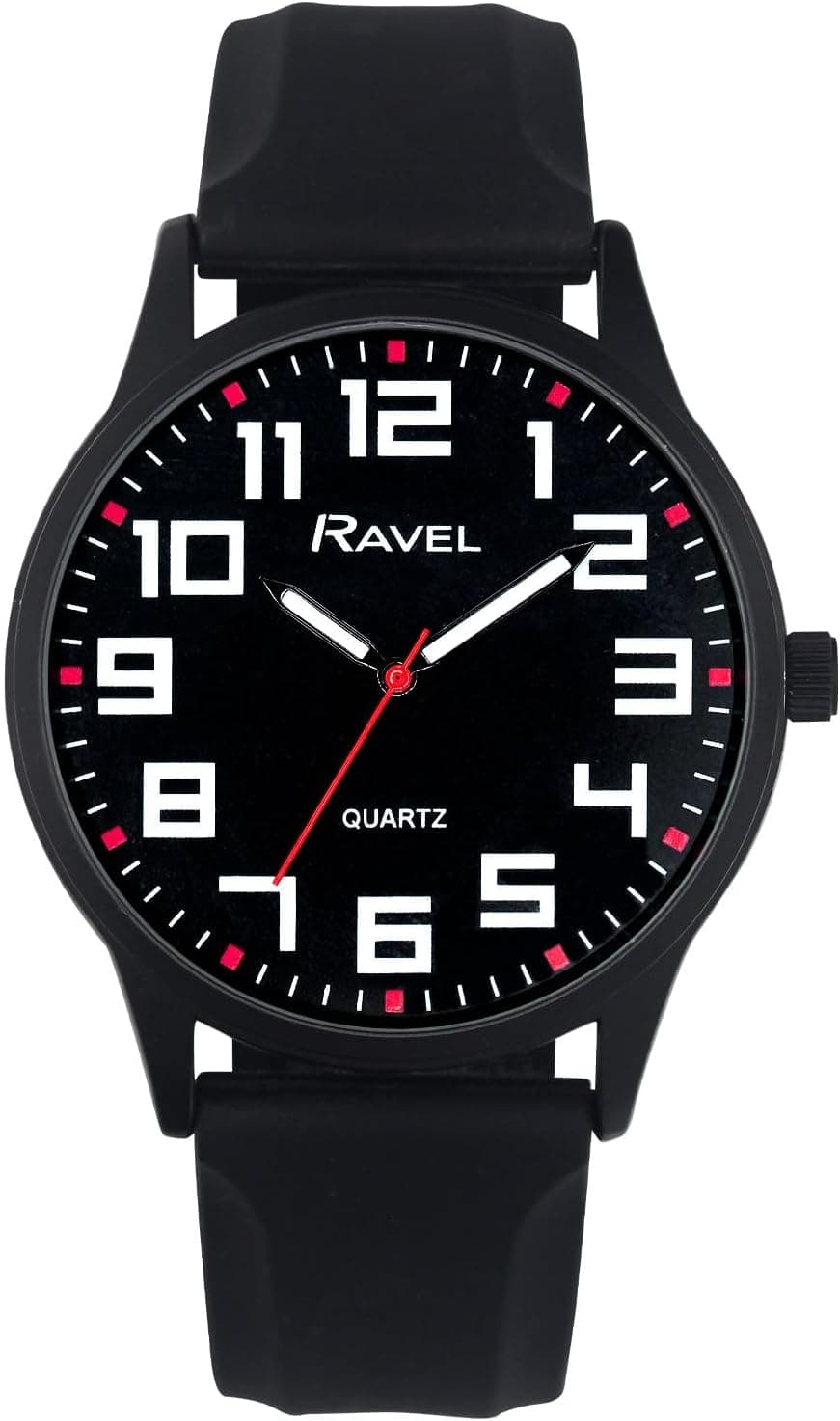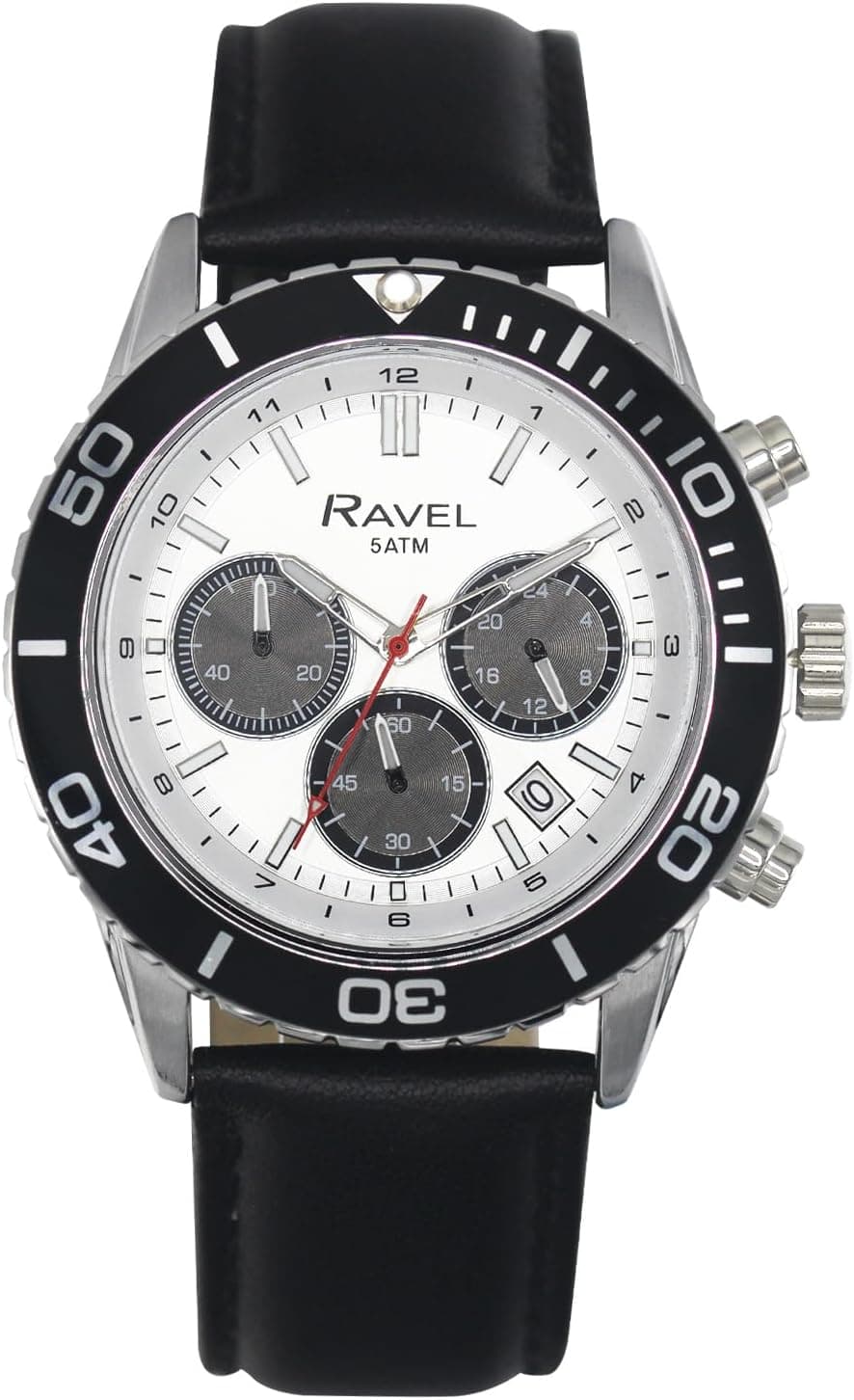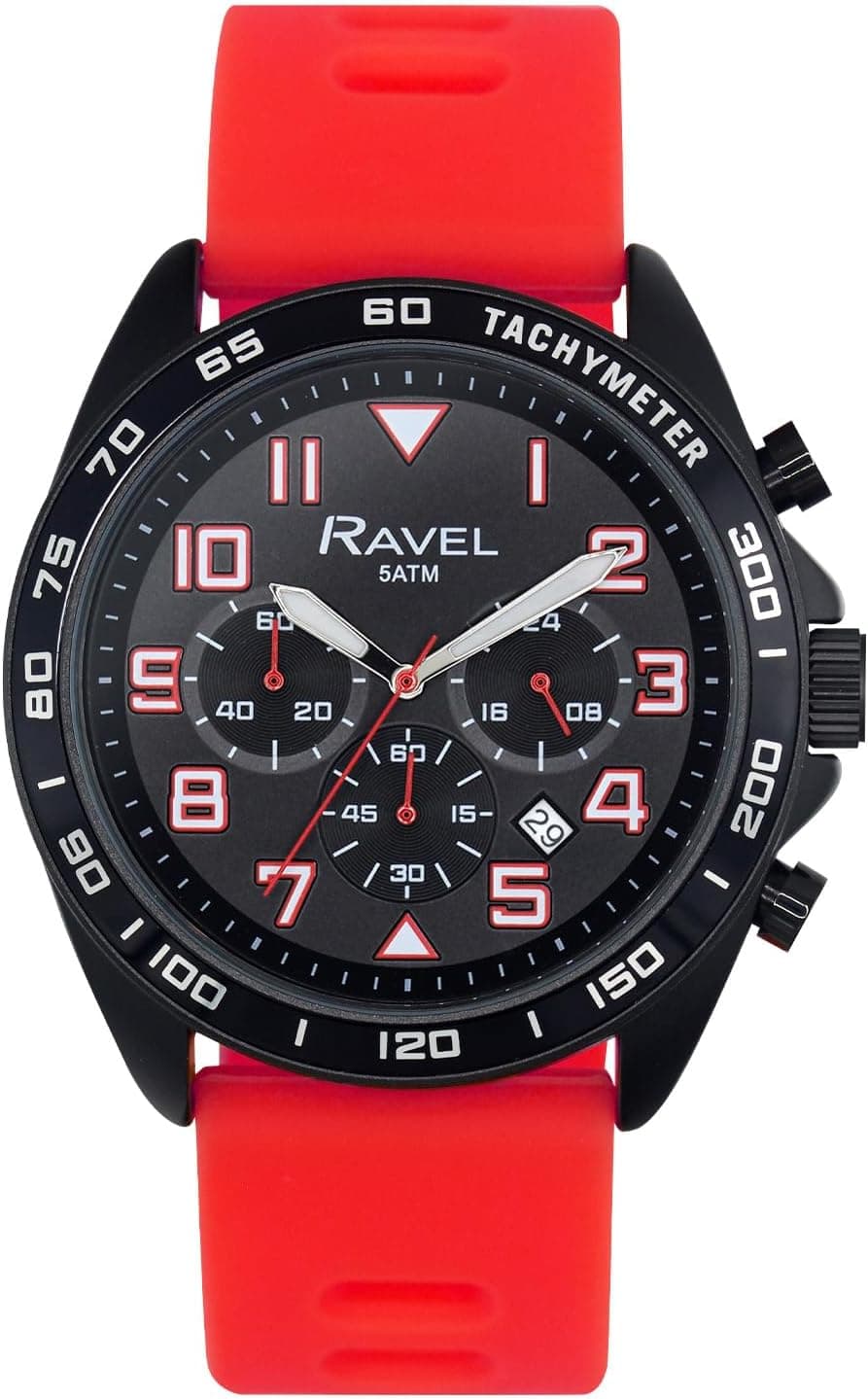
Sport Watches are pieces built with a purpose beyond pure timekeeping, engineered to resist water, dust, magnetism and shock. The category has its roots in early-twentieth-century and First World War military wristwatches, where soldiers needed robust, legible timers that could take a beating. By mid-century it had matured into distinct families organized around real use: diving, aviation, motorsport and field duty. The shared traits are familiar to any collector: a screw-down crown, gaskets, strong luminous handsets, high legibility and often a rotating bezel. The modern luxury sport watch as we know it began in 1972, when Gerald Genta designed the Audemars Piguet Royal Oak with its octagonal bezel, eight visible screws and integrated bracelet, making stainless steel desirable at a price that once seemed unthinkable.
Real examples map the breadth of the field. On the dive side, the Rolex Submariner Date 126610LN pairs a 41mm Oystersteel case with a ceramic bezel and retails around $11,350, though it usually trades between $13,000 and $16,500 on the secondary market. The Omega Seamaster Diver 300M, with its helium escape valve and wave-pattern dial, generally sits in the $6,300 to $6,700 range, while the Tudor Black Bay 58 offers a genuine entry near $5,000. At the integrated-bracelet luxury end, the Patek Philippe Nautilus 5811/1G in white gold retails around $82,000 to $90,000 yet clears $150,000 used; the Vacheron Constantin Overseas plays in the same league with interchangeable straps.
The practical move when buying is to define the job first. If you actually dive, prioritize an ISO 6425-rated diver; if you travel constantly, a GMT earns its keep; if you love motorsport, a tachymeter chronograph makes sense. Water resistance rating, bracelet micro-adjustment, case diameter and dial legibility will decide your daily happiness more than any badge. Steel sport watches are strong on durability and value retention, but understand the trade-off: models like the Submariner, Nautilus and Royal Oak are rarely buyable at list, so factor the secondary-market premium into your budget.
The category is not monolithic. Affordable automatics like the Seiko 5 Sports, running from under $100 to around $500, carry the same tool-watch DNA, while field and pilot watches favor pared-back legibility over complications. Starting from whichever sub-type matches your budget and taste is the sanest way into the world of Sport Watches.