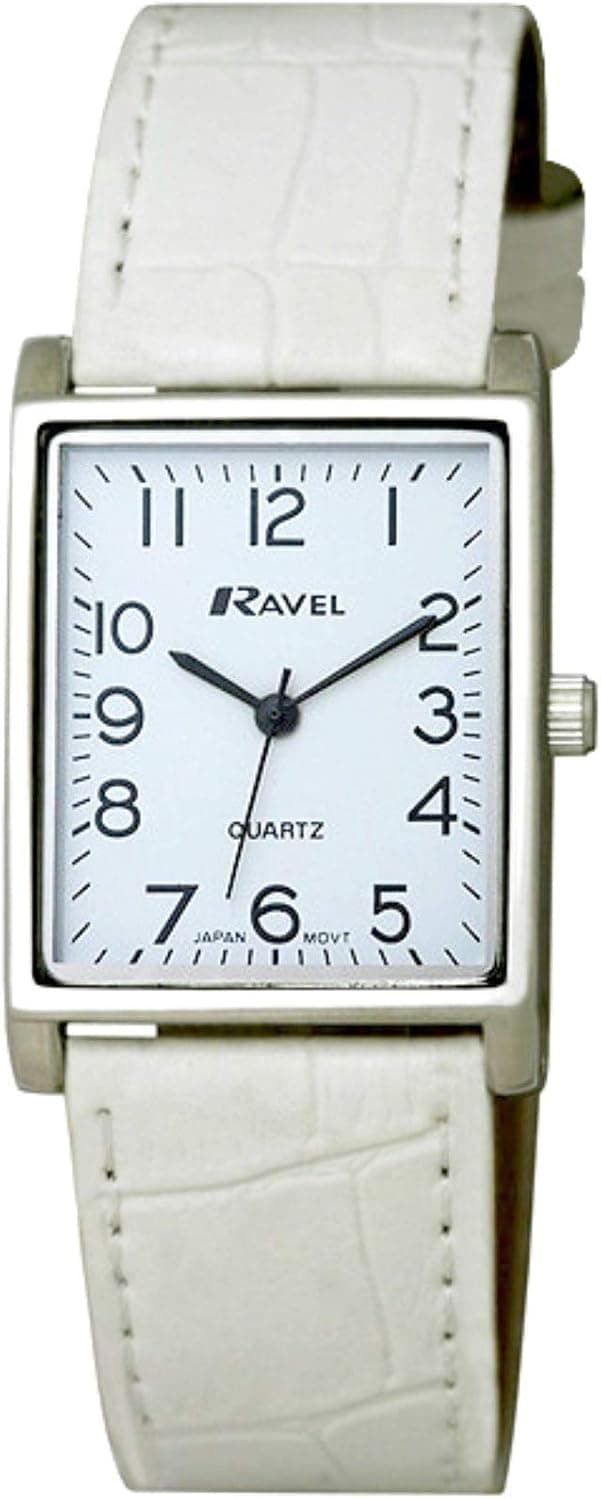
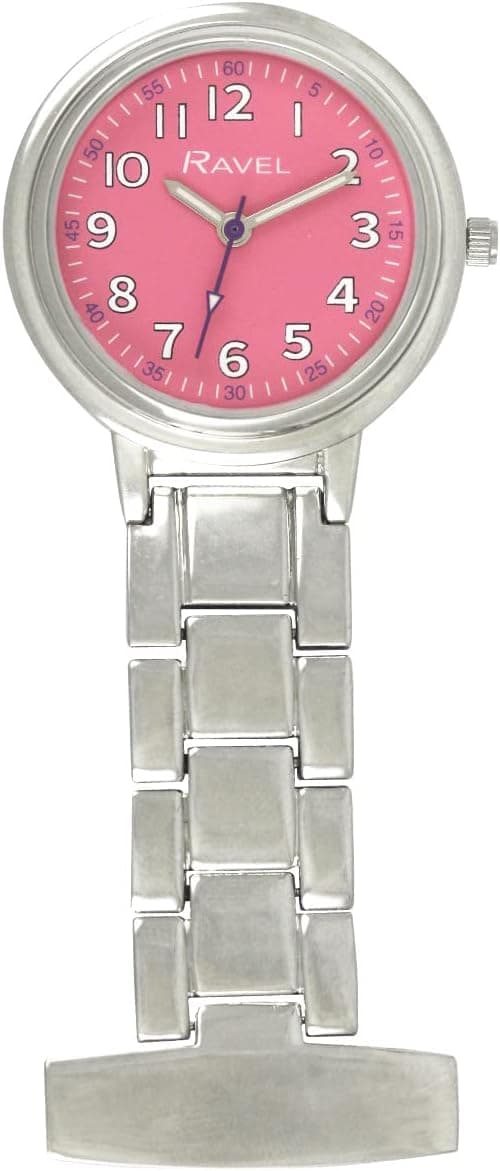
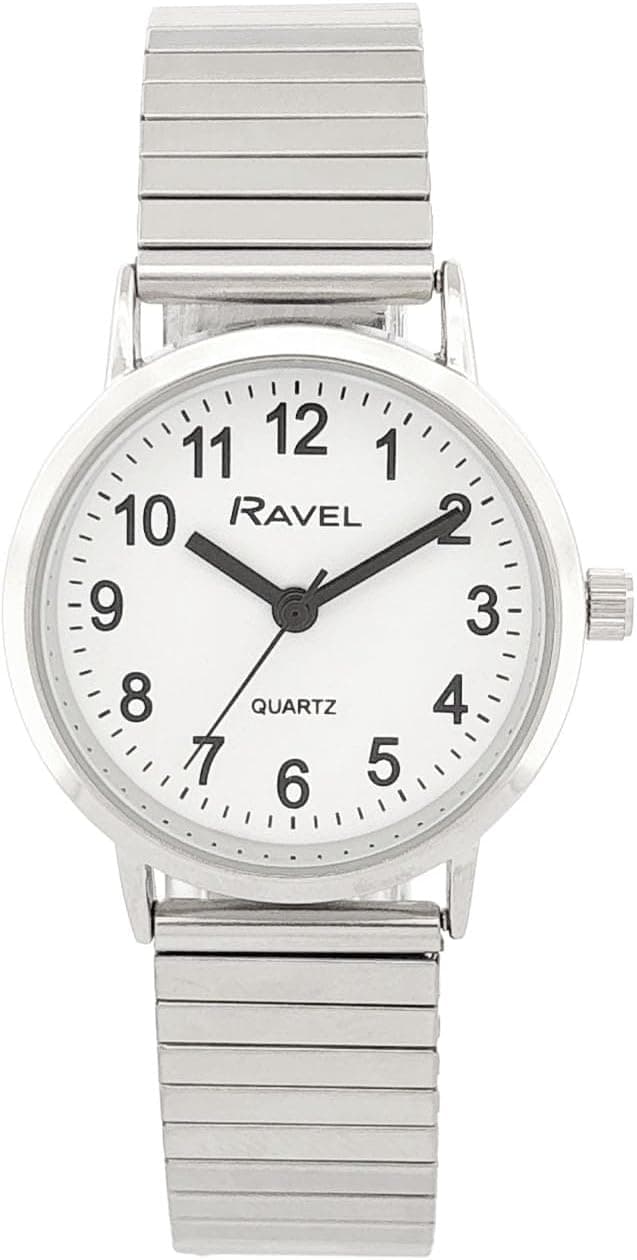
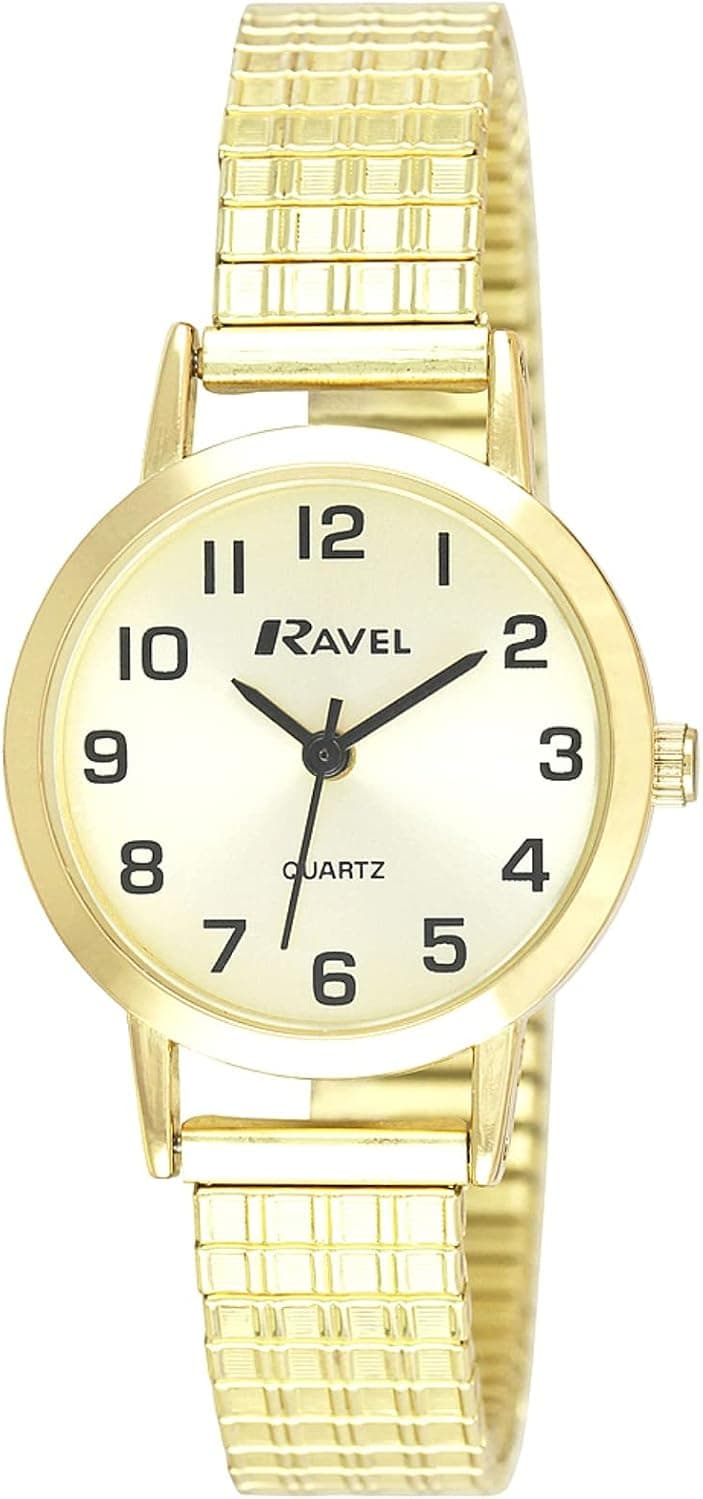
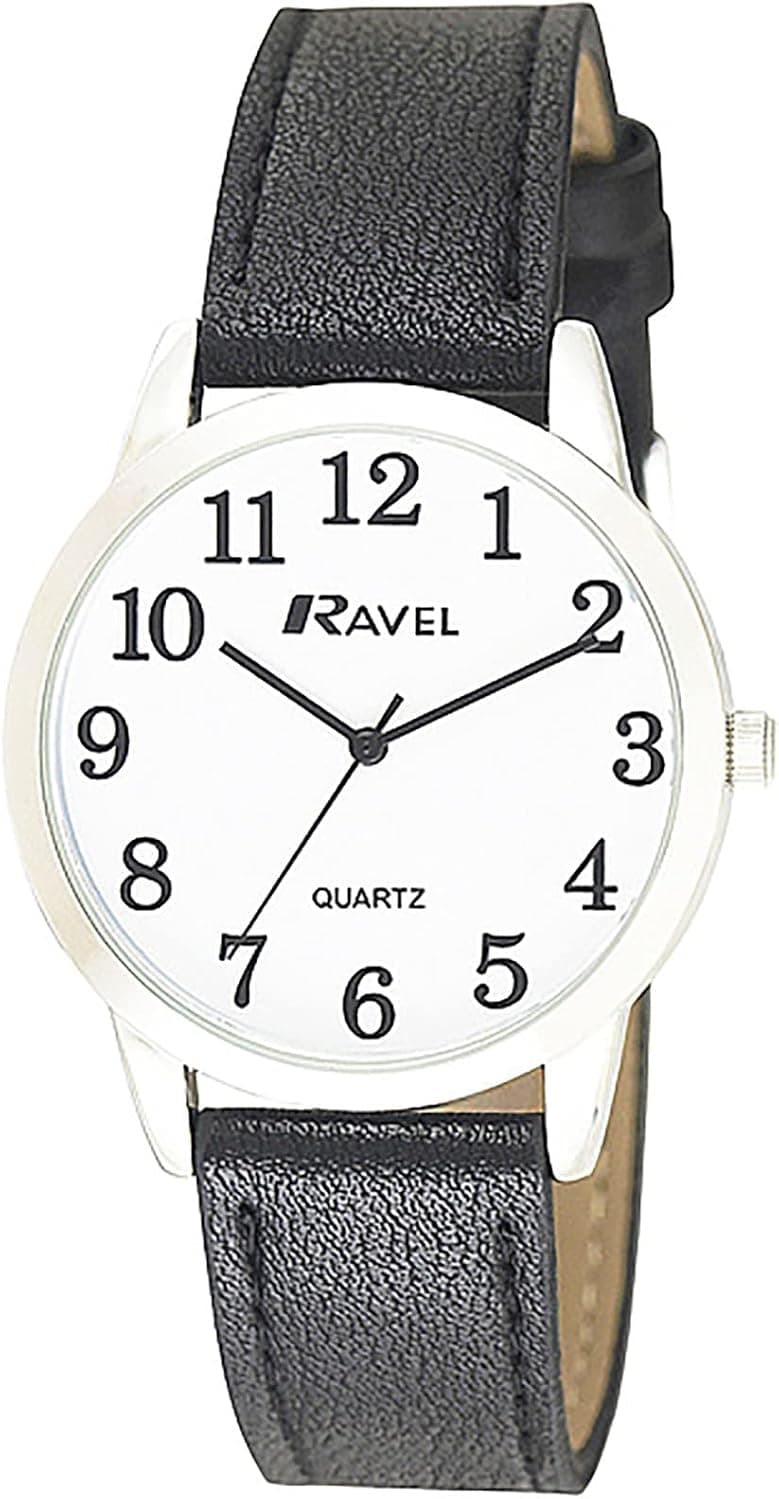
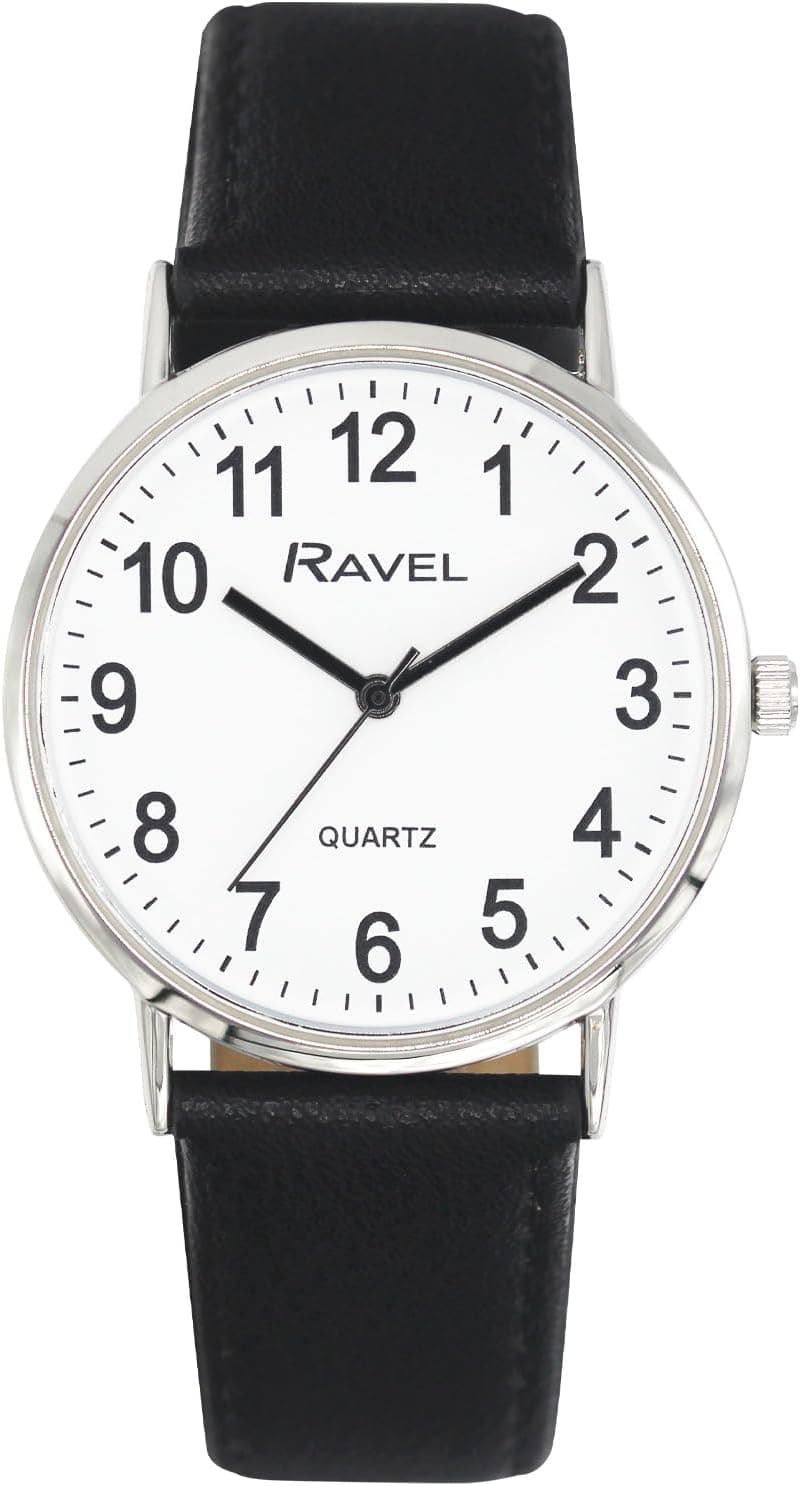
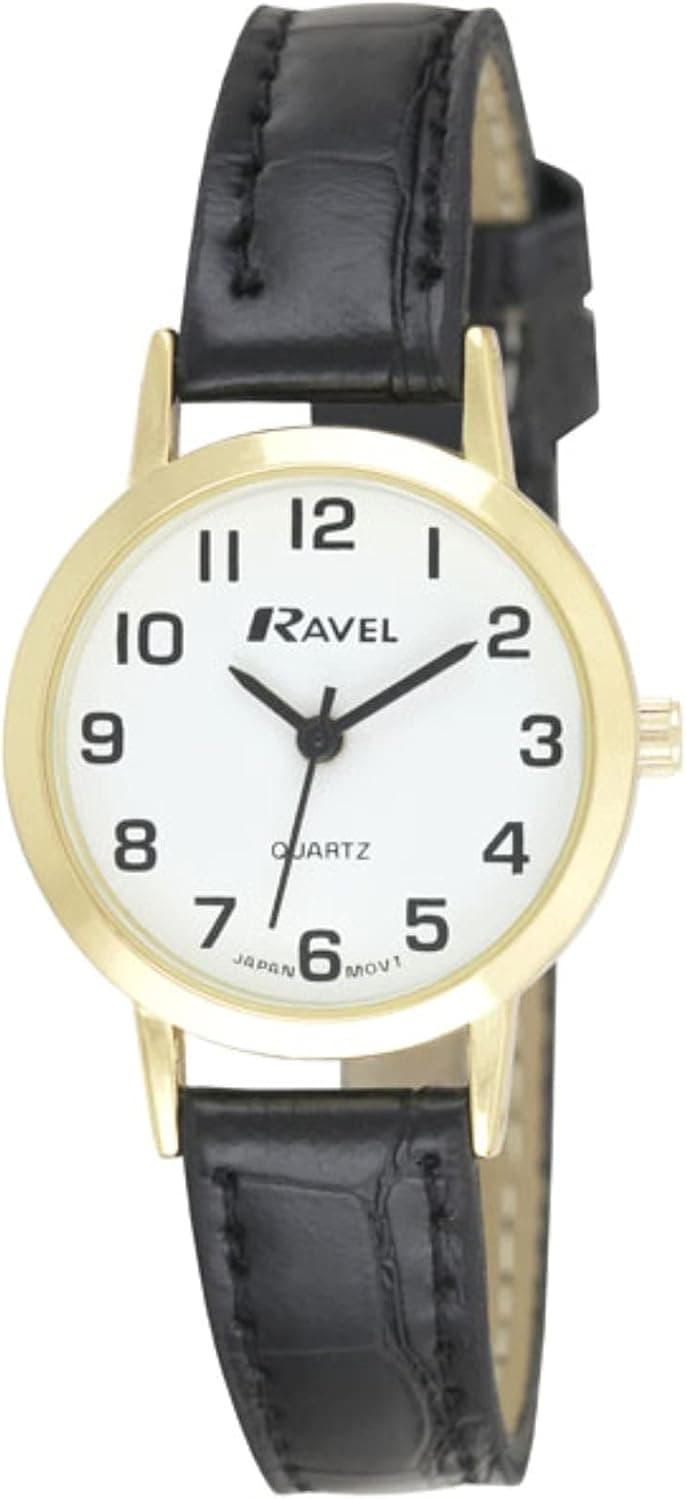
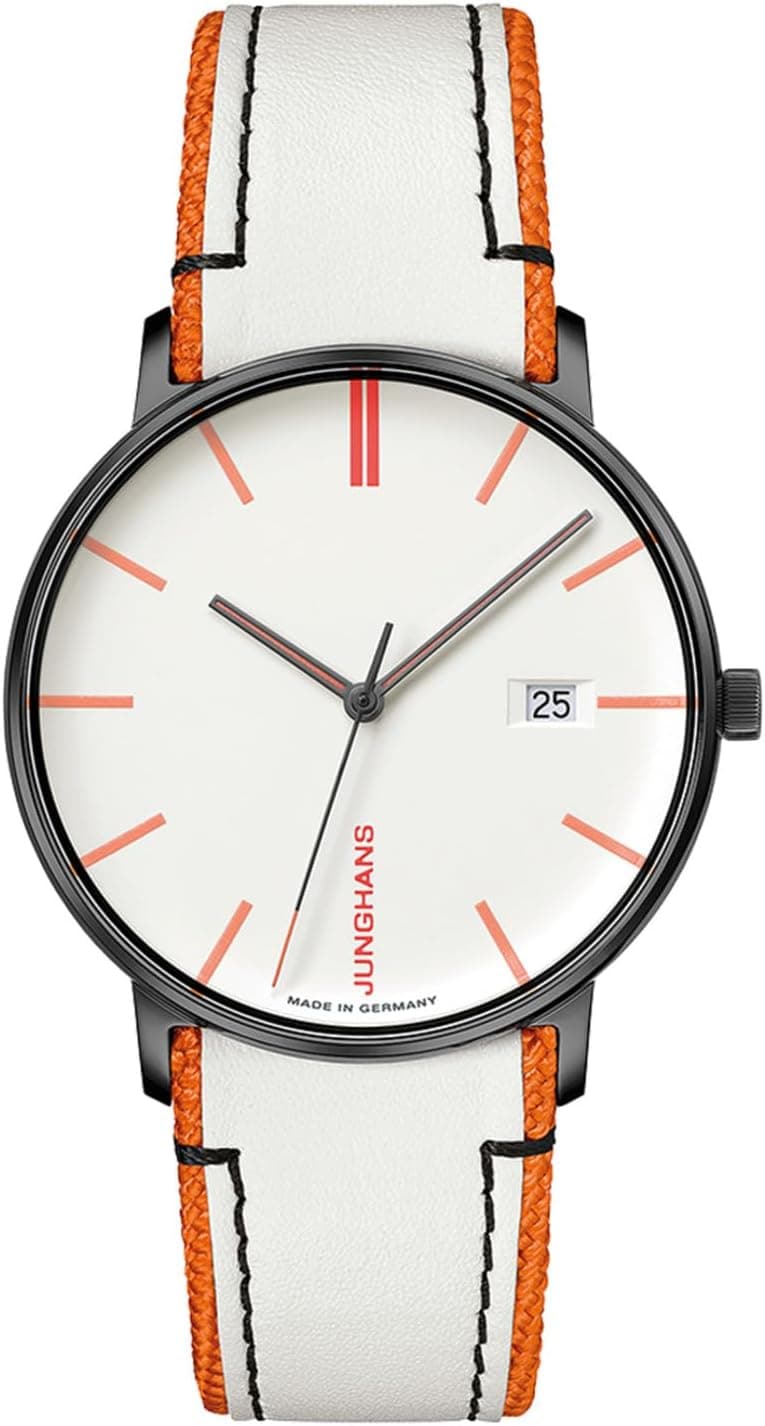
Unisex Classic describes restrained, well-proportioned dress-leaning watches designed to read well on any wrist rather than to flag a gender. The school traces to the Cartier Tank, designed by Louis Cartier in 1917 with a silhouette drawn from the Renault FT-17 tank and serial production from 1919; its rectangular case and plain Roman numerals were worn by both men and women from the start. The defining traits are a 36 to 38mm case, a slim profile, a clean dial with Roman or baton indexes, and an absence of showy detailing. These watches slip under a cuff and work equally with a suit or a tee.
Real examples span a wide range. At the accessible end, the Bauhaus-inspired Nomos Tangente 35mm hand-wound ref. 101 runs about $1,860, with 38mm alternatives like the Junghans Max Bill Automatic and the single-hand MeisterSinger Neo in similar territory. In the middle, the Cartier Tank Must SolarBeat in steel is roughly $3,300 for the small and $3,800 for the large, updated in November 2024 with a micro-perforated solar dial. Higher up, the Rolex Oyster Perpetual 36 sits around $6,750, the Datejust 36 ref. 126200 near $8,150, and the gold quartz Tank Louis Cartier medium around $13,900.
When buying, look first at diameter and lug-to-lug: 36 to 38mm fits most wrists, and a lug-to-lug under 44mm flatters slimmer ones. The Baltic MR01, 36mm wide with a 44mm lug-to-lug and under 10mm thick, shows how the numbers translate on the wrist. A clean dial, a thin case and an easily swapped strap are what make a watch genuinely shared. Quartz keeps maintenance minimal, while a mechanical movement adds collector appeal and the cost of servicing.
Within the category sit a few sub-directions: the rectangular Art Deco line led by the Tank, the Bauhaus minimalism of the Tangente and Max Bill, and round, hard-wearing classics like the Oyster Perpetual. All share the unisex logic; they differ in dial language and case shape. Choose according to your daily wardrobe and how often you like to change straps.