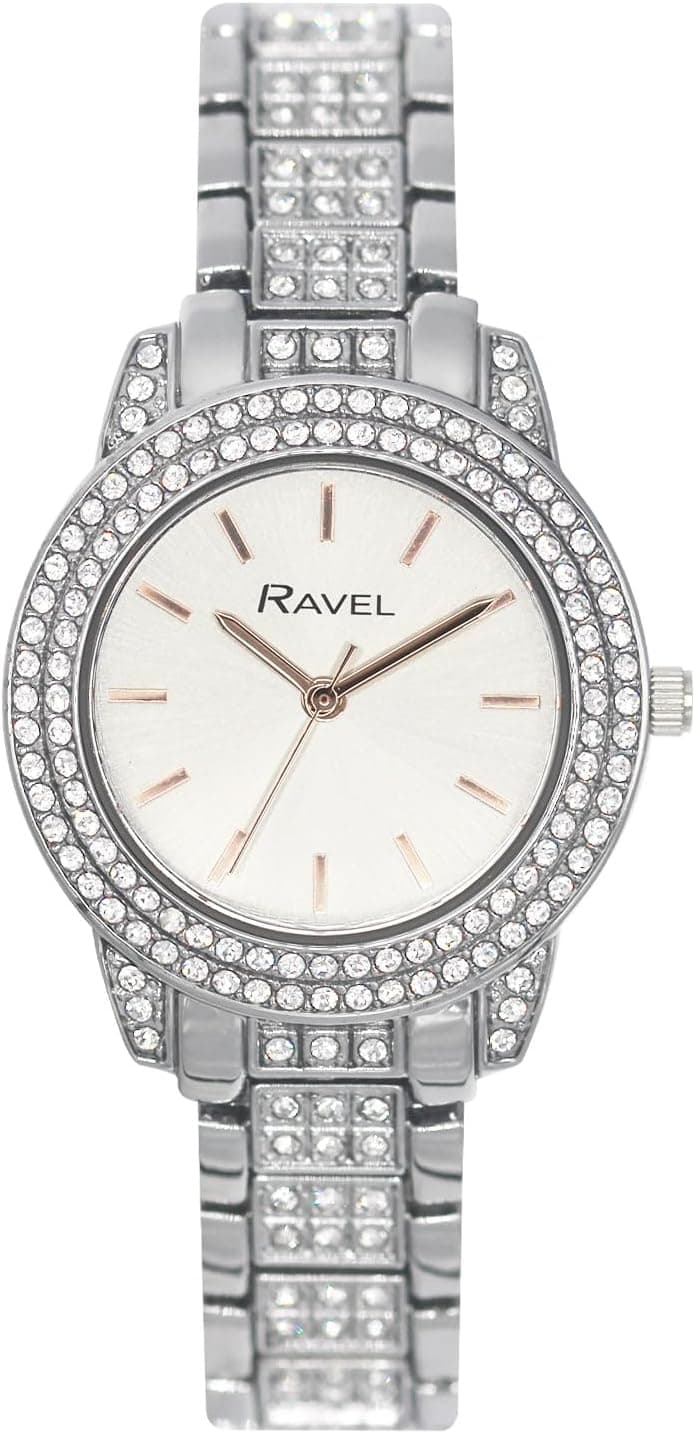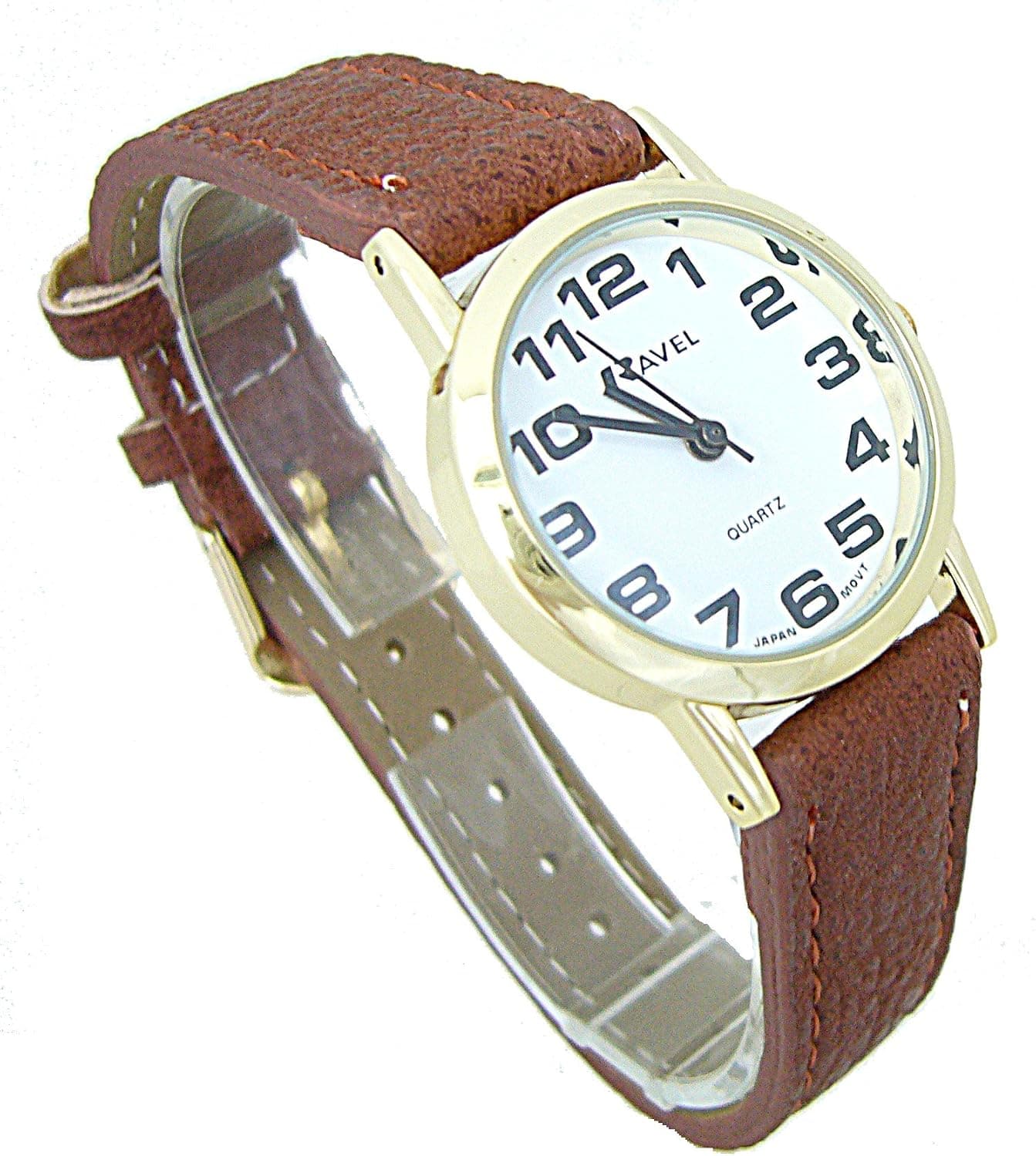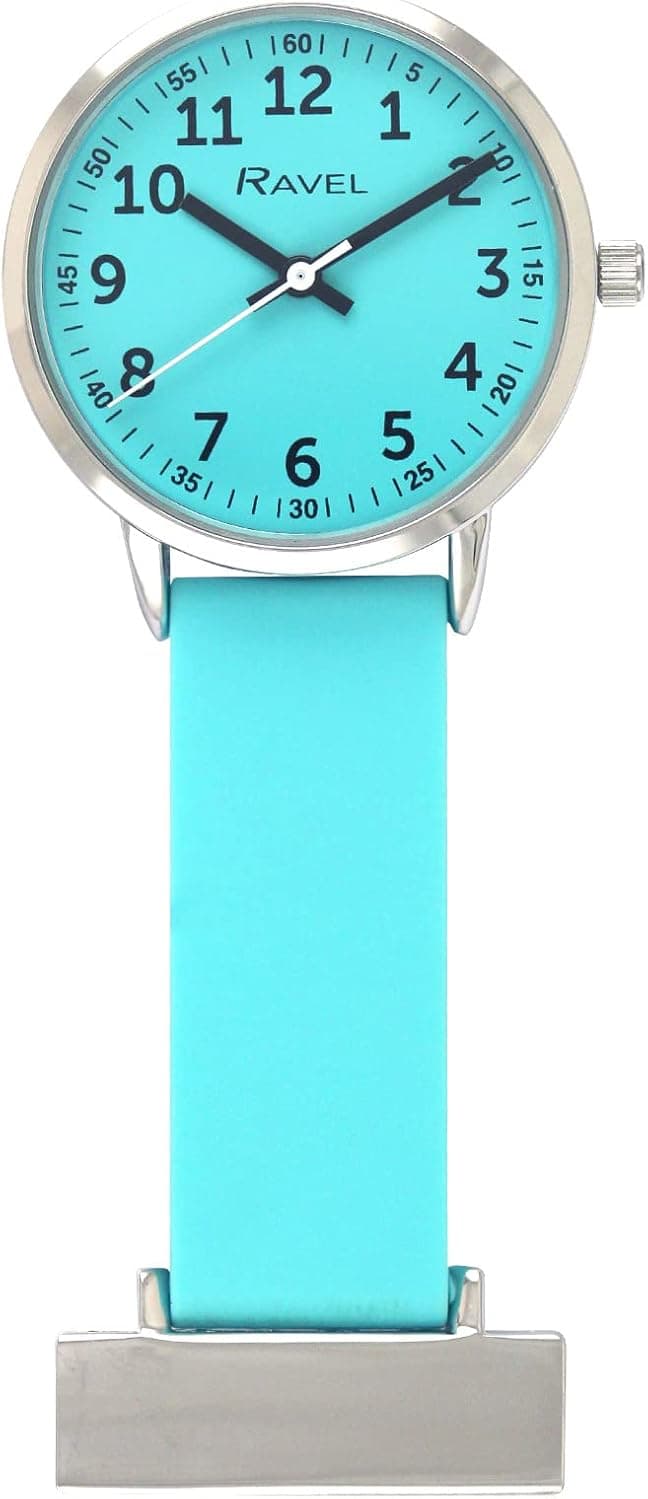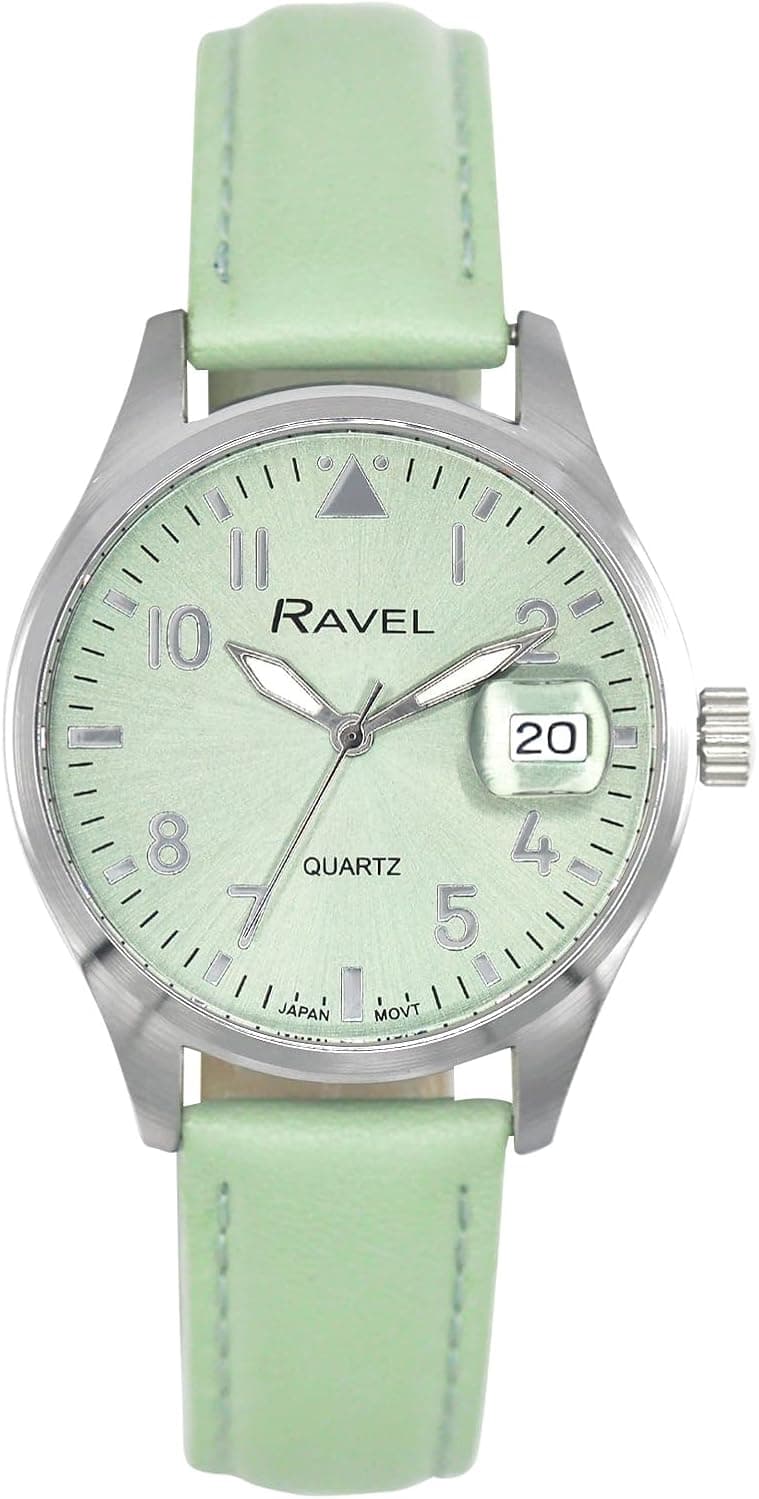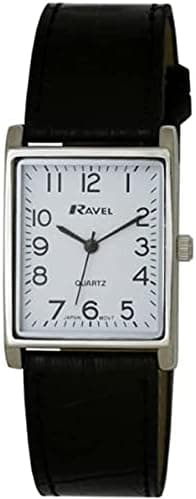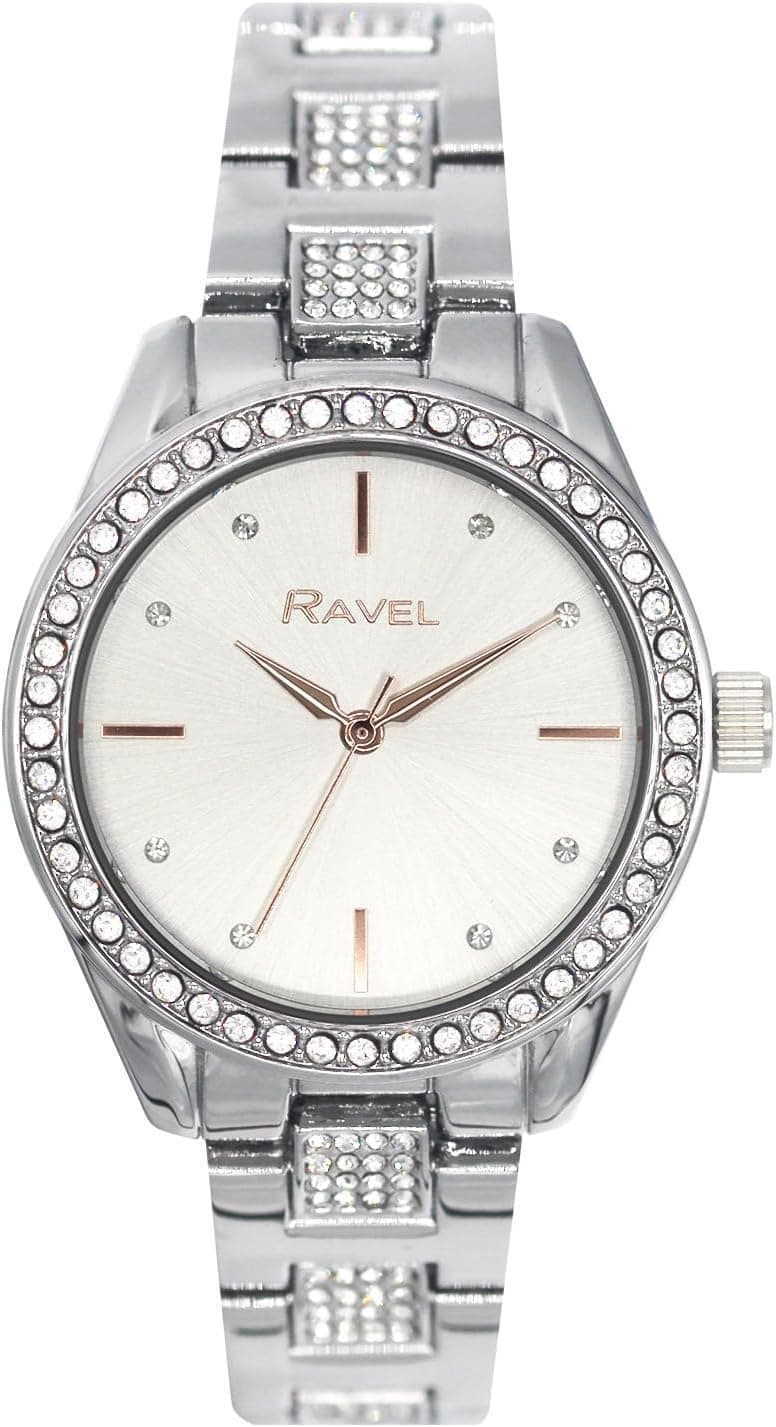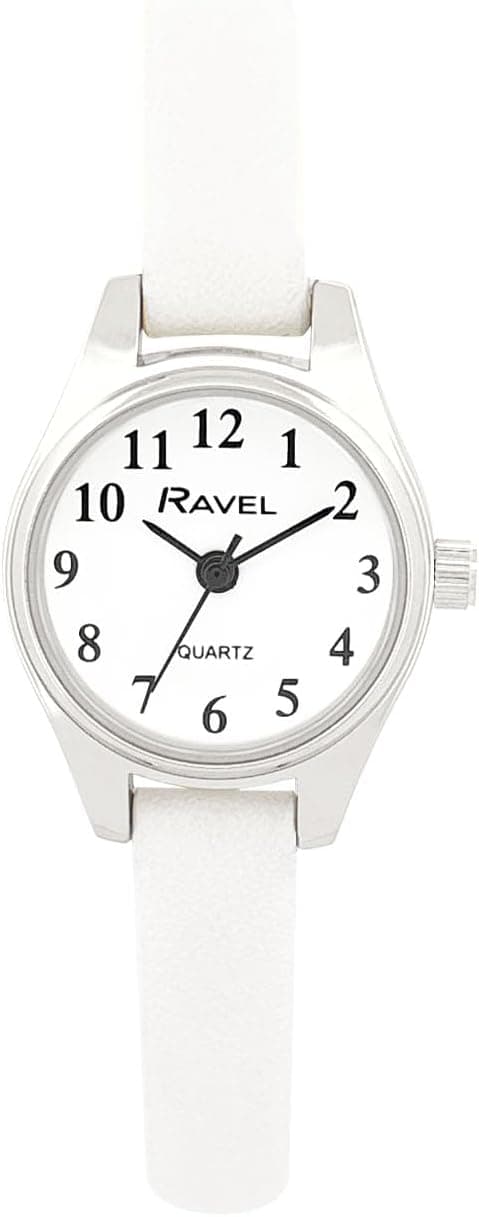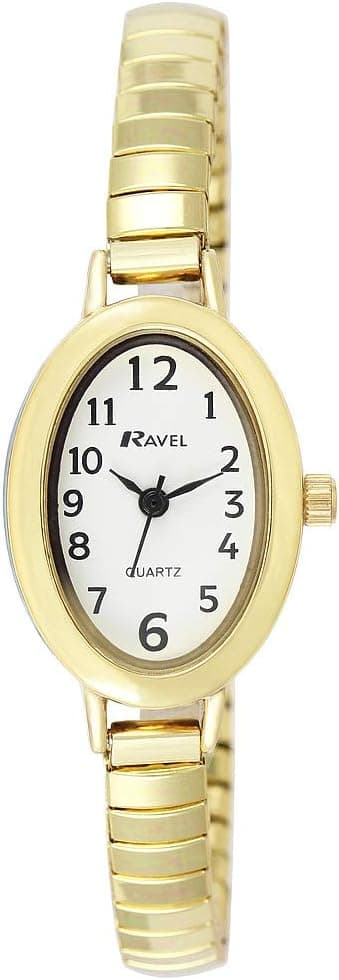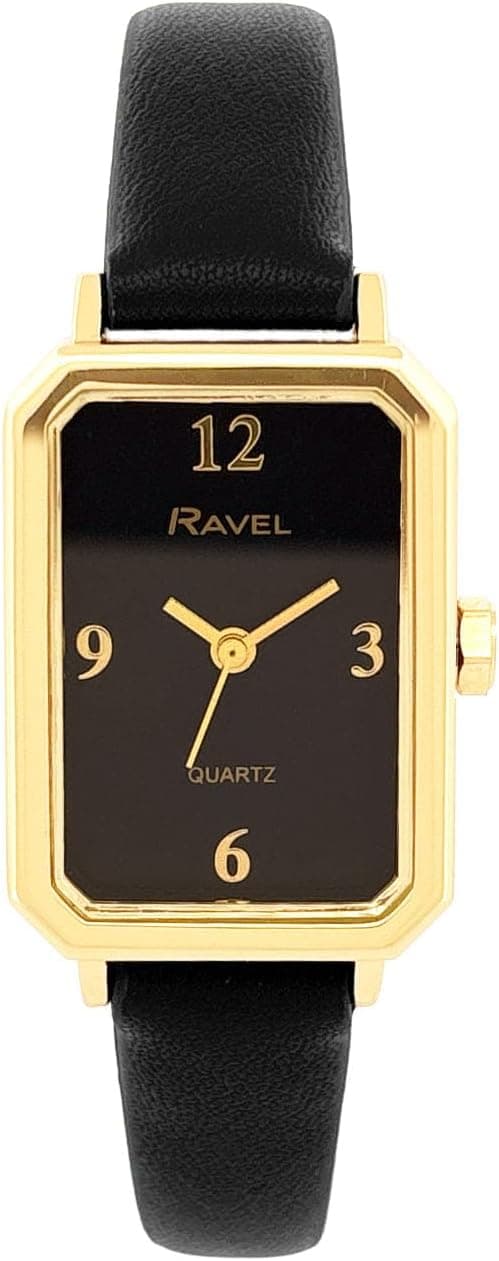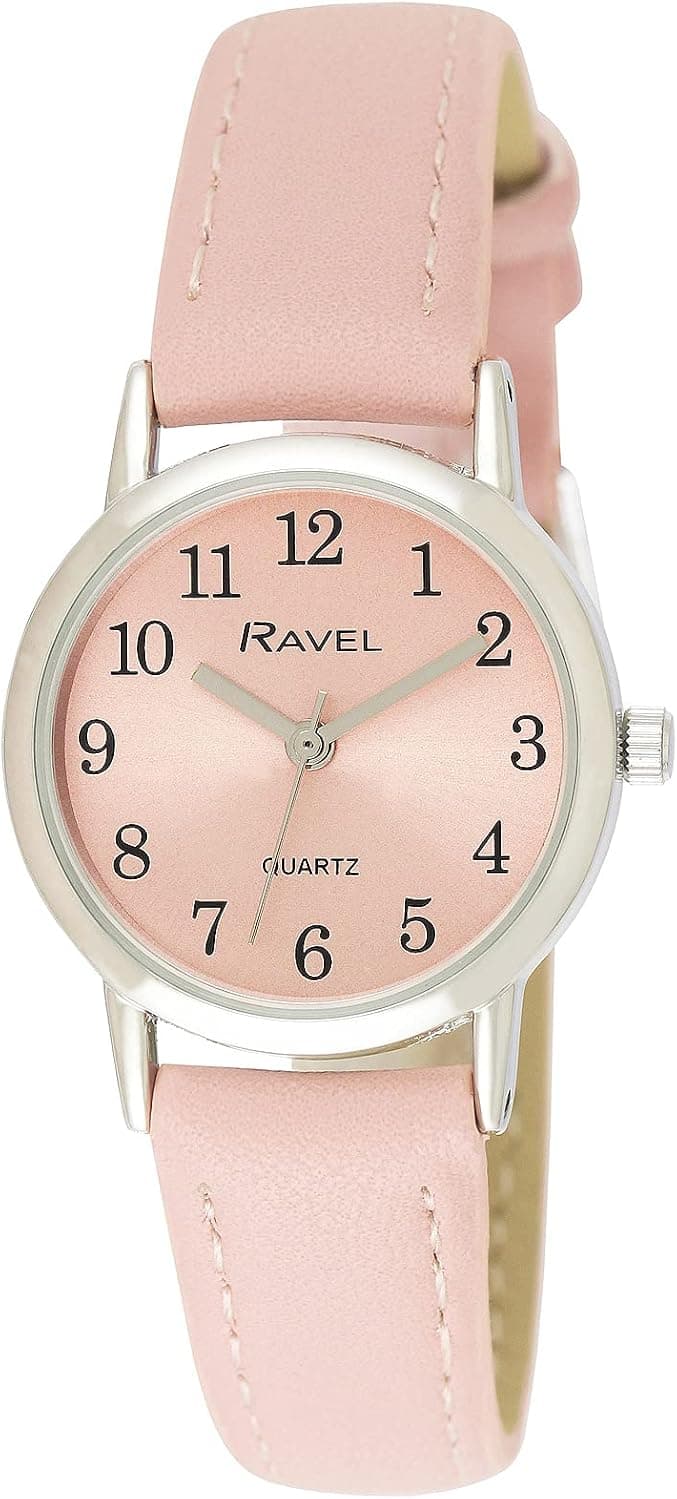
Women's watches are less a single style than an audience category, historically defined by smaller cases, slimmer straps and jewelry detailing, though those boundaries have loosened considerably. The Cartier Tank, designed by Louis Cartier in 1917 and inspired by the Renault FT-17 tank, shows how deep the roots run; its rectangular case still reads as the template for elegant women's design. The clearest shift of the past decade has been in sizing. The traditional 26-28mm range has given way to a 32-34mm sweet spot, because more women now want legible dials and watches that hold real presence on the wrist.
Real examples map out the breadth nicely. The Cartier Tank Must starts around $3,300 in steel, while the Panthère sits roughly between $3,200 and $12,000 depending on metal and diamonds. On the Rolex side, the Lady-Datejust, launched in 1957, runs about $7,800 in Oystersteel and around $15,550 in steel-and-yellow-gold, climbing past $50,000 for diamond-set precious-metal versions. The Omega Constellation averages near $2,000 across quartz and gold variants. Lower down, the Longines DolceVita and PrimaLuna, often with mother-of-pearl dials and diamond markers, frequently land just over $1,000, and the Tissot Desir 28mm offers a genuine entry point with a real mother-of-pearl dial.
When choosing, start with your wrist and how you will actually wear it. A 28mm case reads dainty and classic but can feel small; the 31-34mm band gives most wrists the best balance of proportion and legibility. Quartz lowers maintenance and allows a slimmer case, while an automatic movement rewards anyone who cares about watchmaking. Bear in mind that every mother-of-pearl dial has its own grain, so see one in person if you can. For value retention, the Rolex Lady-Datejust and Oyster Perpetual tend to lead the pack.
Within the category sit distinct sub-styles worth knowing. Jaeger-LeCoultre's reversible Reverso, conceived in 1931 for polo players, carries its Art Deco geometry into the Reverso One and Classic Small. The Hermès Heure H, drawn in 1996 by Philippe Mouquet around its H-shaped case, offers a design-led alternative. And on the sporty end, the Omega Aqua Terra Shades, in 34mm and 38mm, makes a strong case for a water-resistant daily watch.