


SeikoMidrange
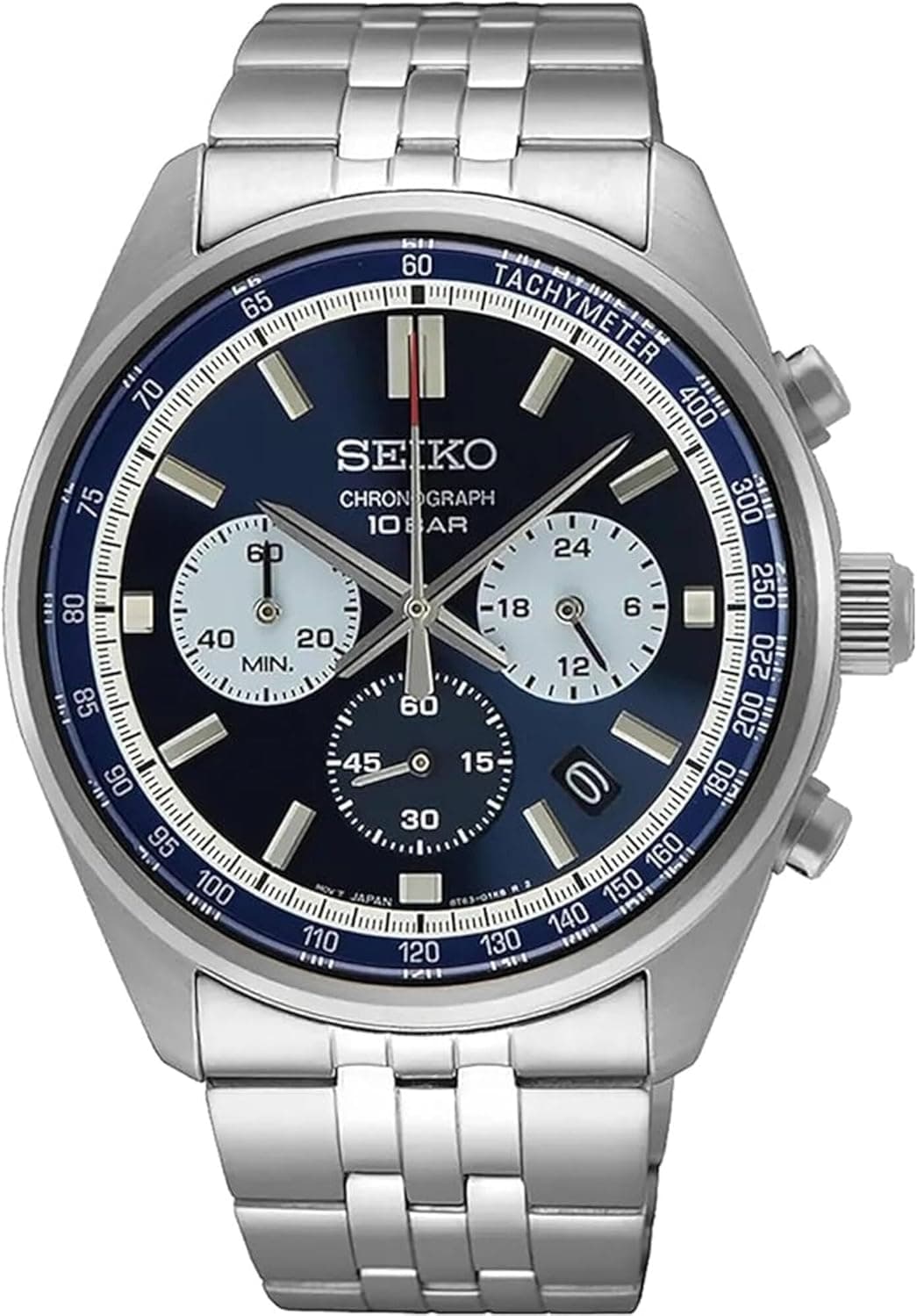
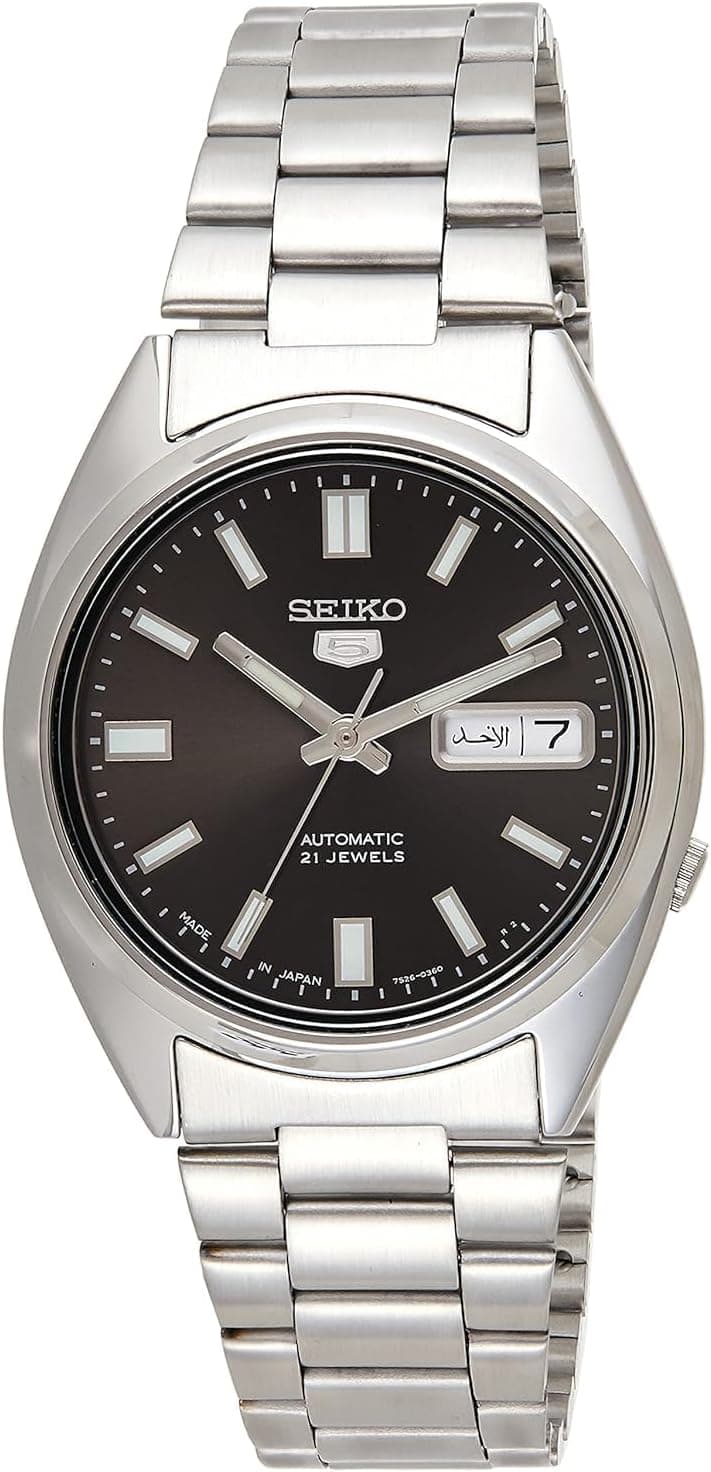
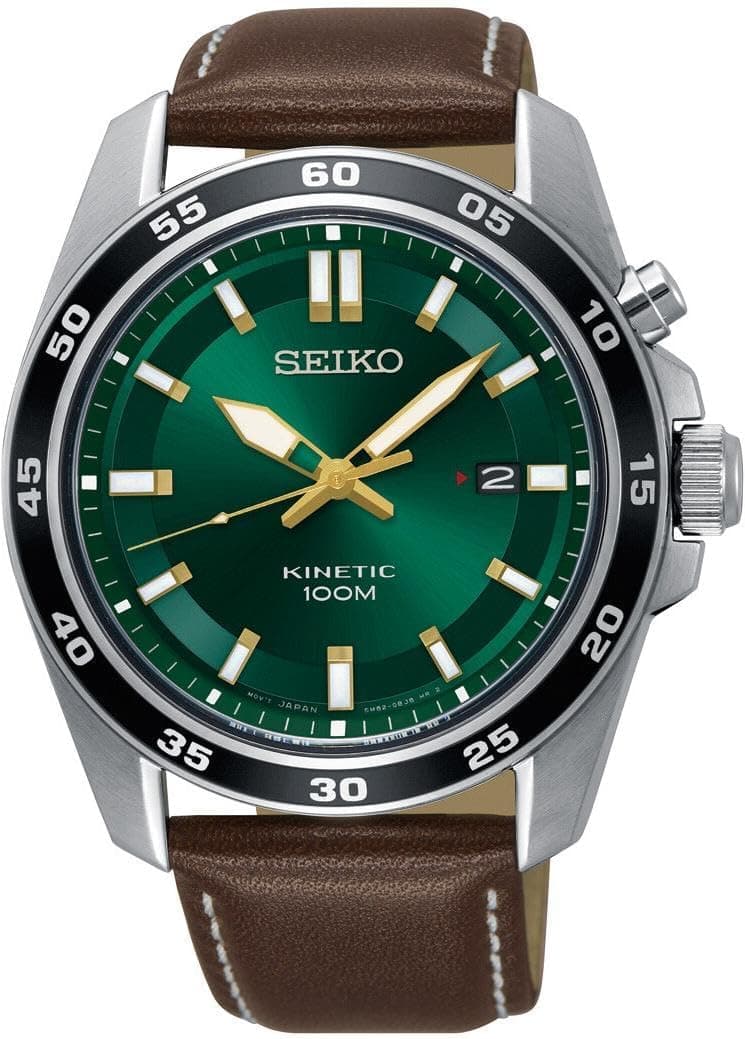
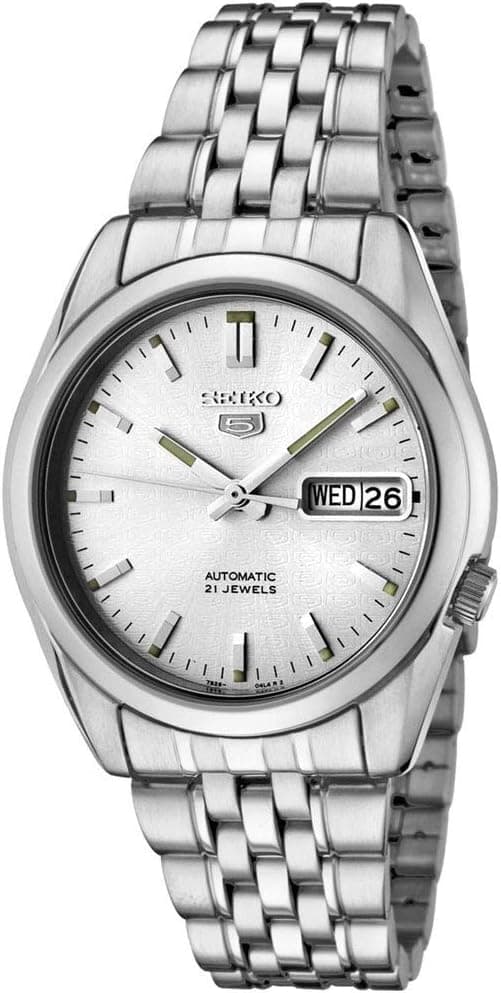
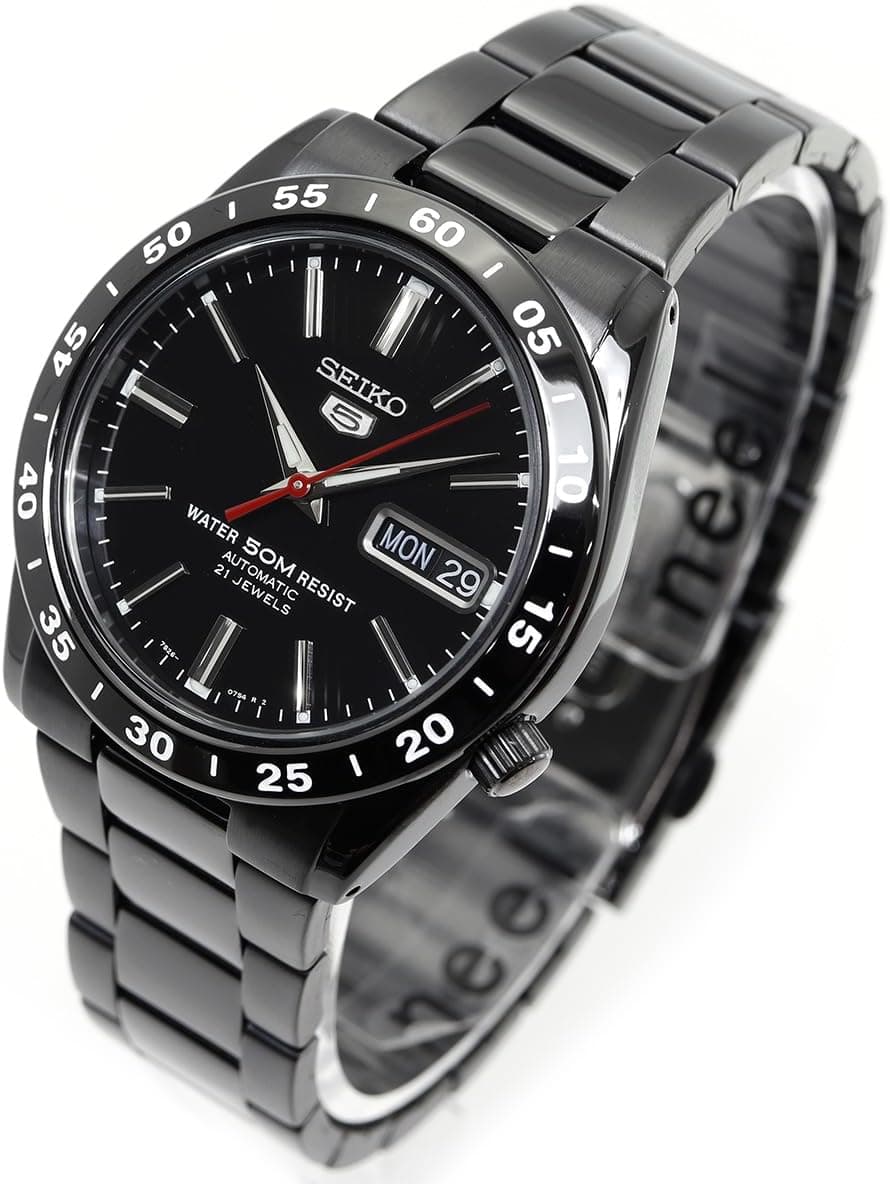
Japanese maker founded by Kintaro Hattori in Tokyo in 1881; the Astron (1969) was the world's first quartz wristwatch, while the Seiko 5 Sports line, successor to the now-discontinued SKX, reaches a global audience.
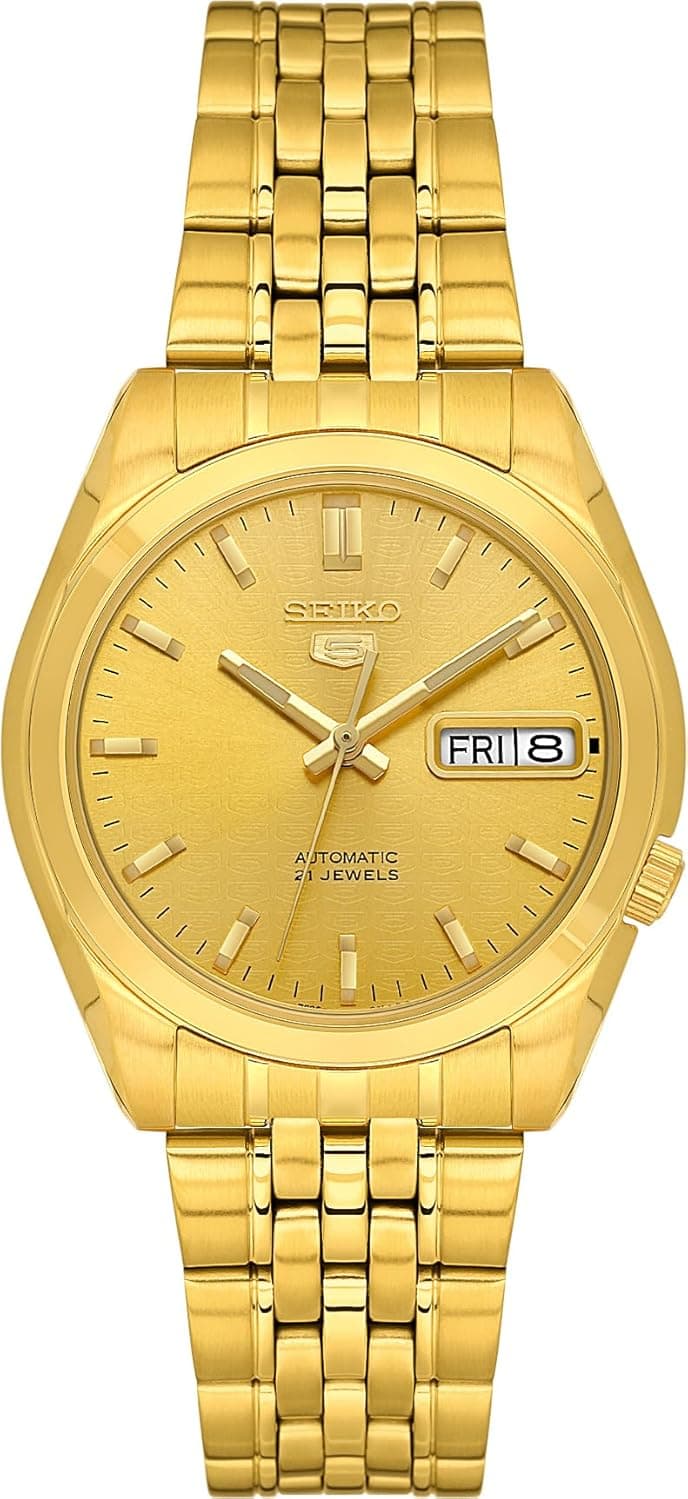
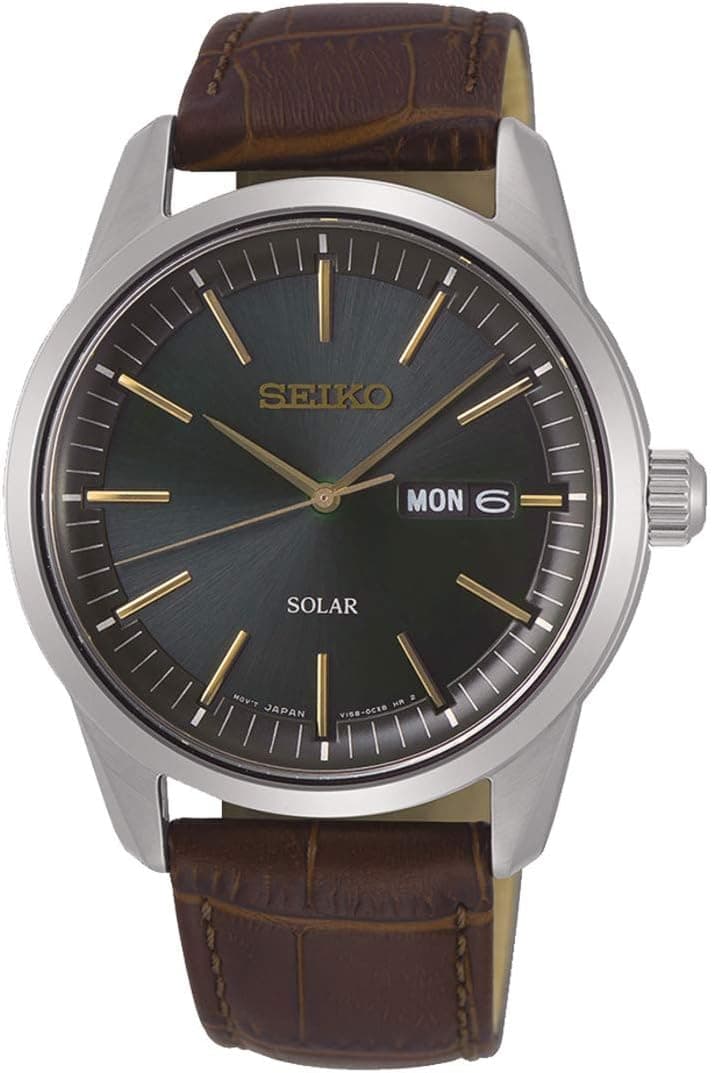
Founded in Tokyo in 1881 by Kintaro Hattori, Seiko is a vertically integrated Japanese manufacture that makes its own movements. The Seiko 5 Sports, Prospex and Presage lines remain the smartest entry into mechanical watches on a real-world budget.
Seiko's story begins in 1881, when 21-year-old Kintaro Hattori opened a watch repair and retail shop in Tokyo. The Seikosha workshop he founded in 1892 is the true production root of the brand. Seiko introduced the first Japanese wristwatch, the Laurel, in 1913, and in 1969 it stunned the industry with the Quartz-Astron, the world's first commercial quartz wristwatch. Today Seiko is one of the few watchmakers that designs and builds both case and movement under one roof, and that vertical integration is exactly why it can offer dependable mechanical watches at honest prices.
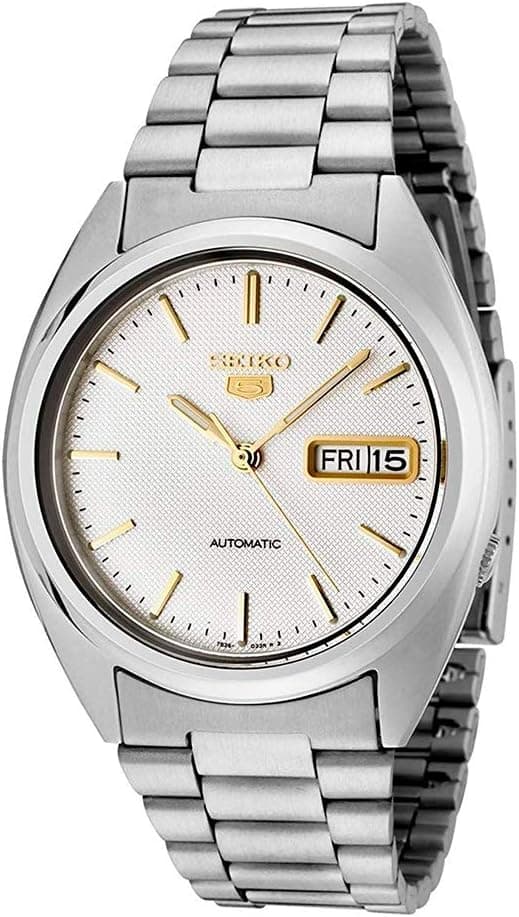
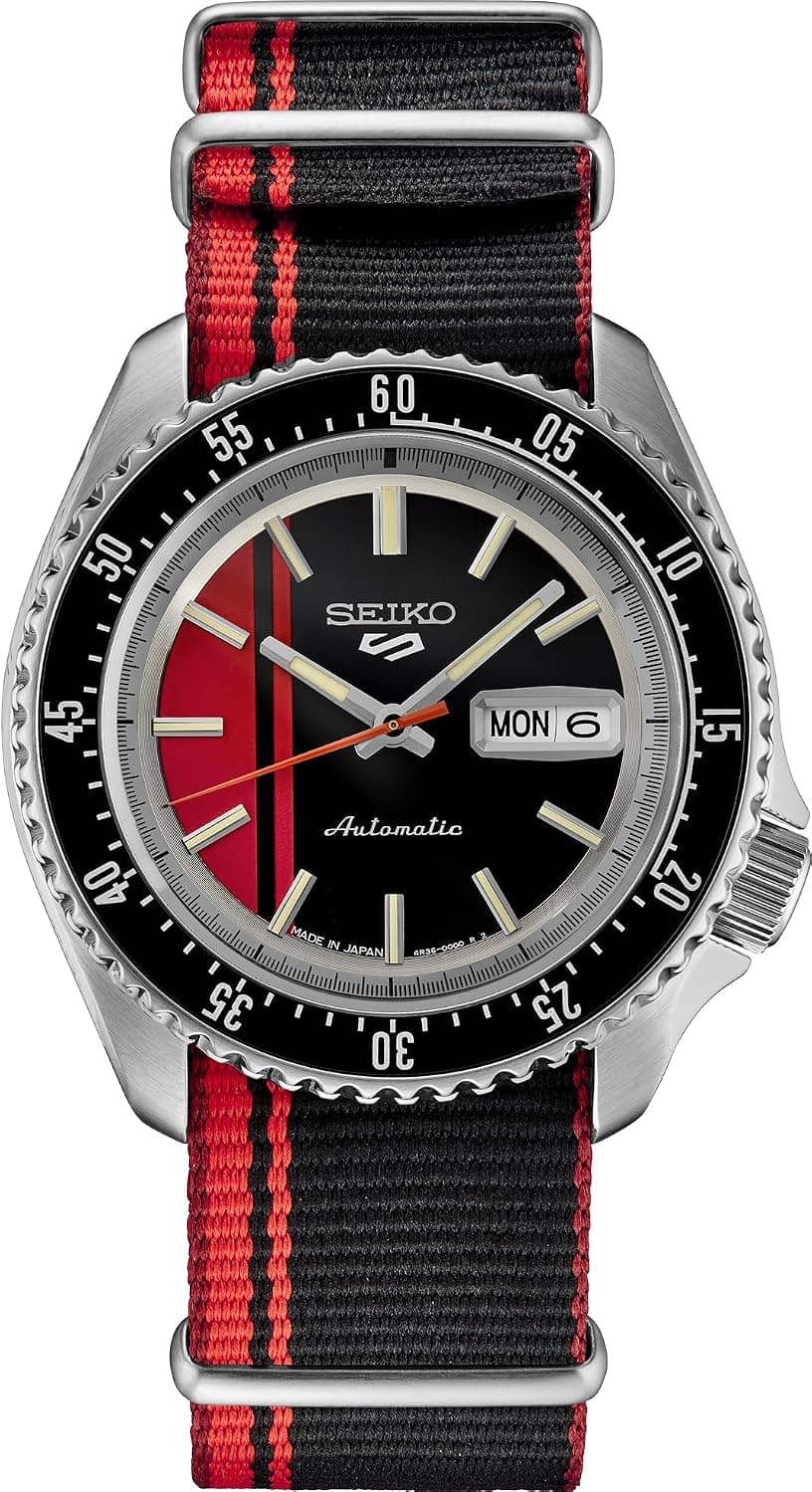
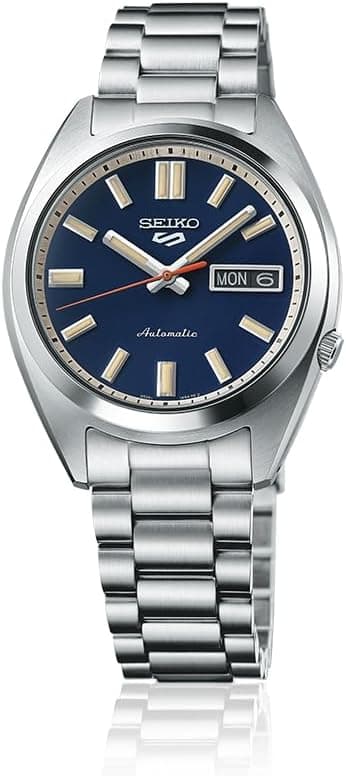
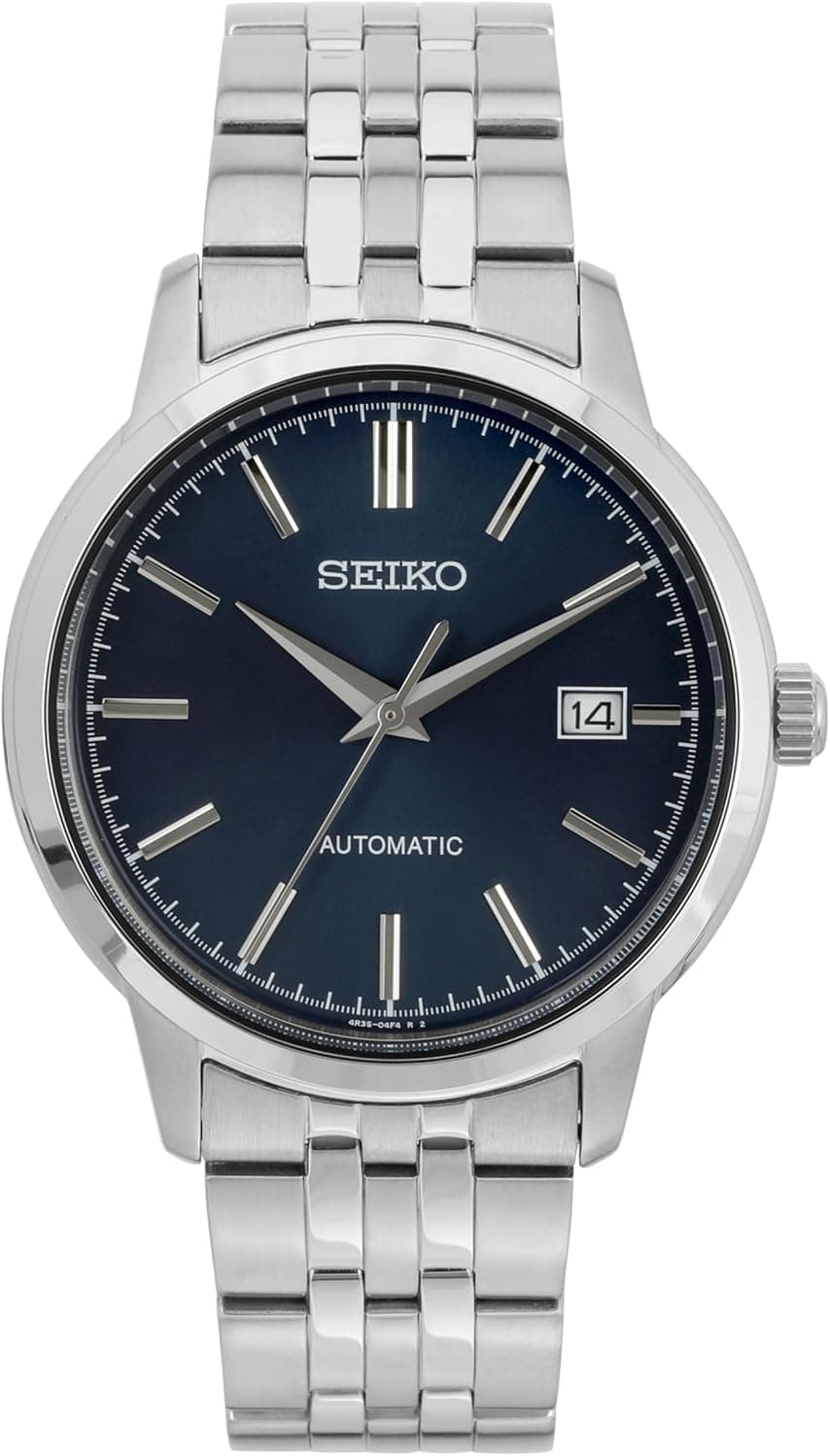
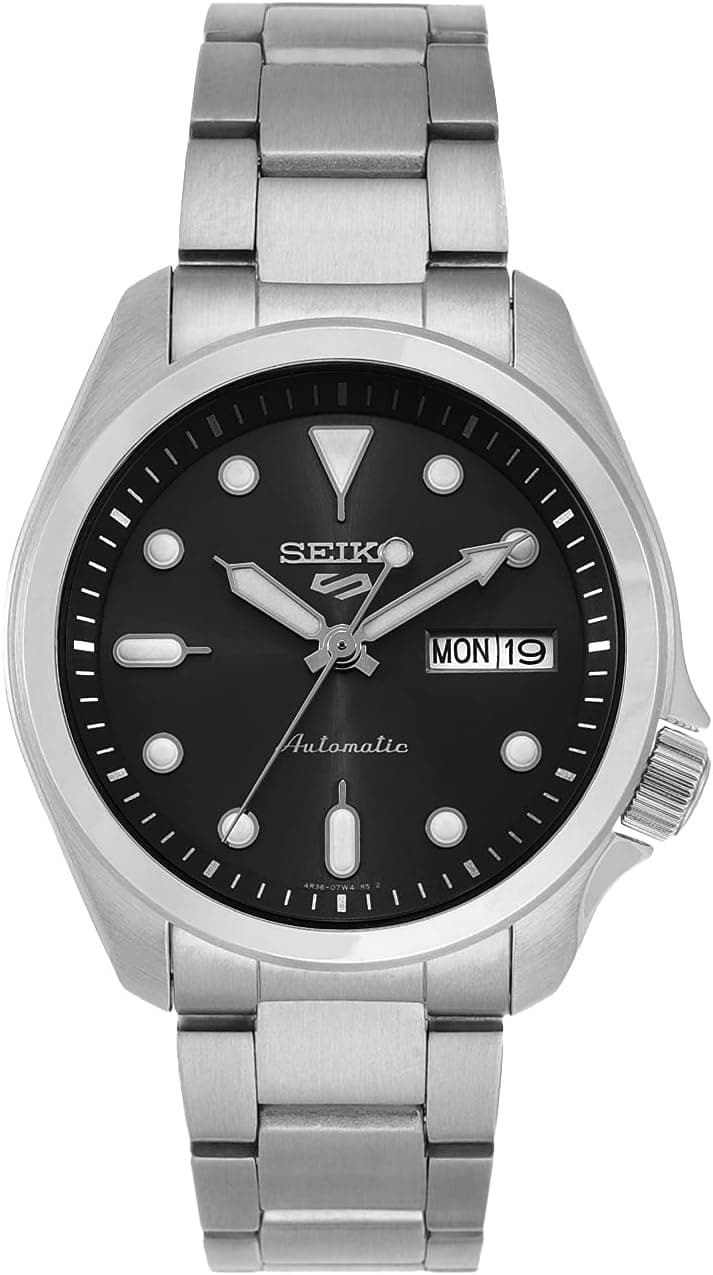
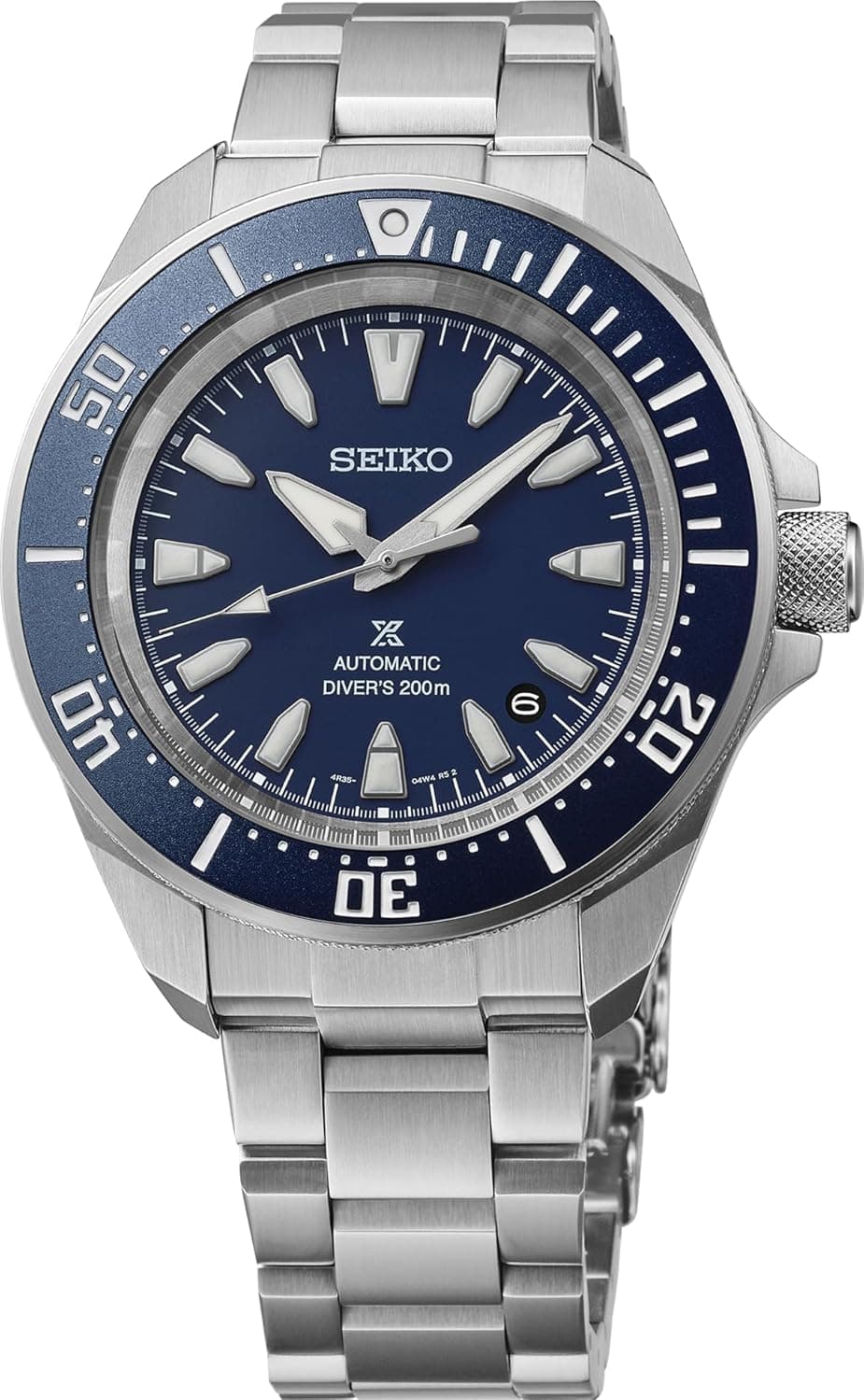
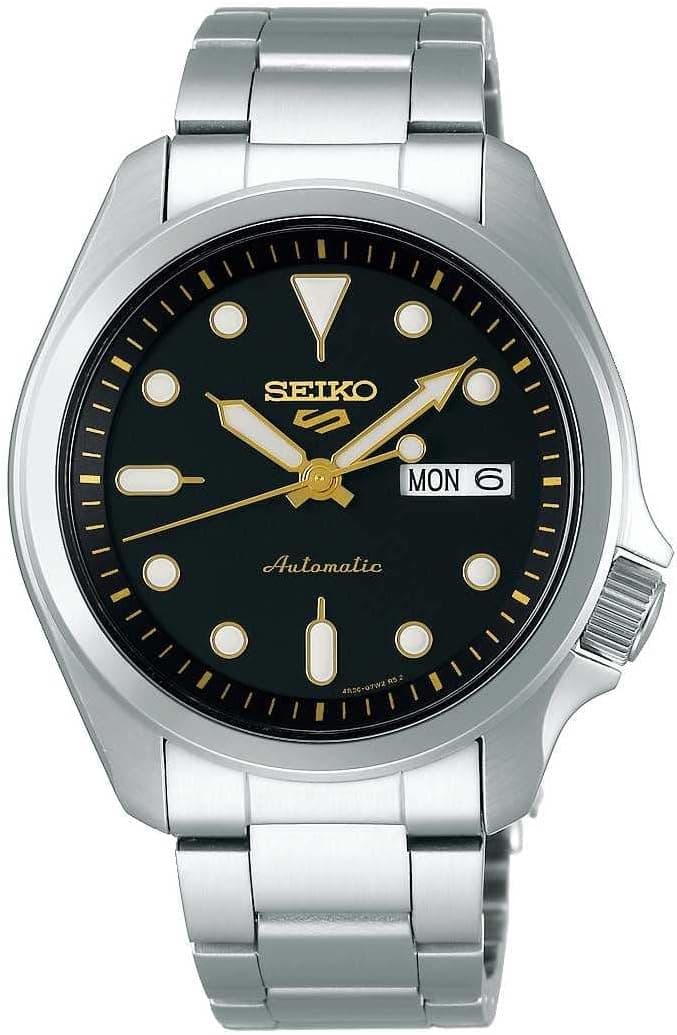
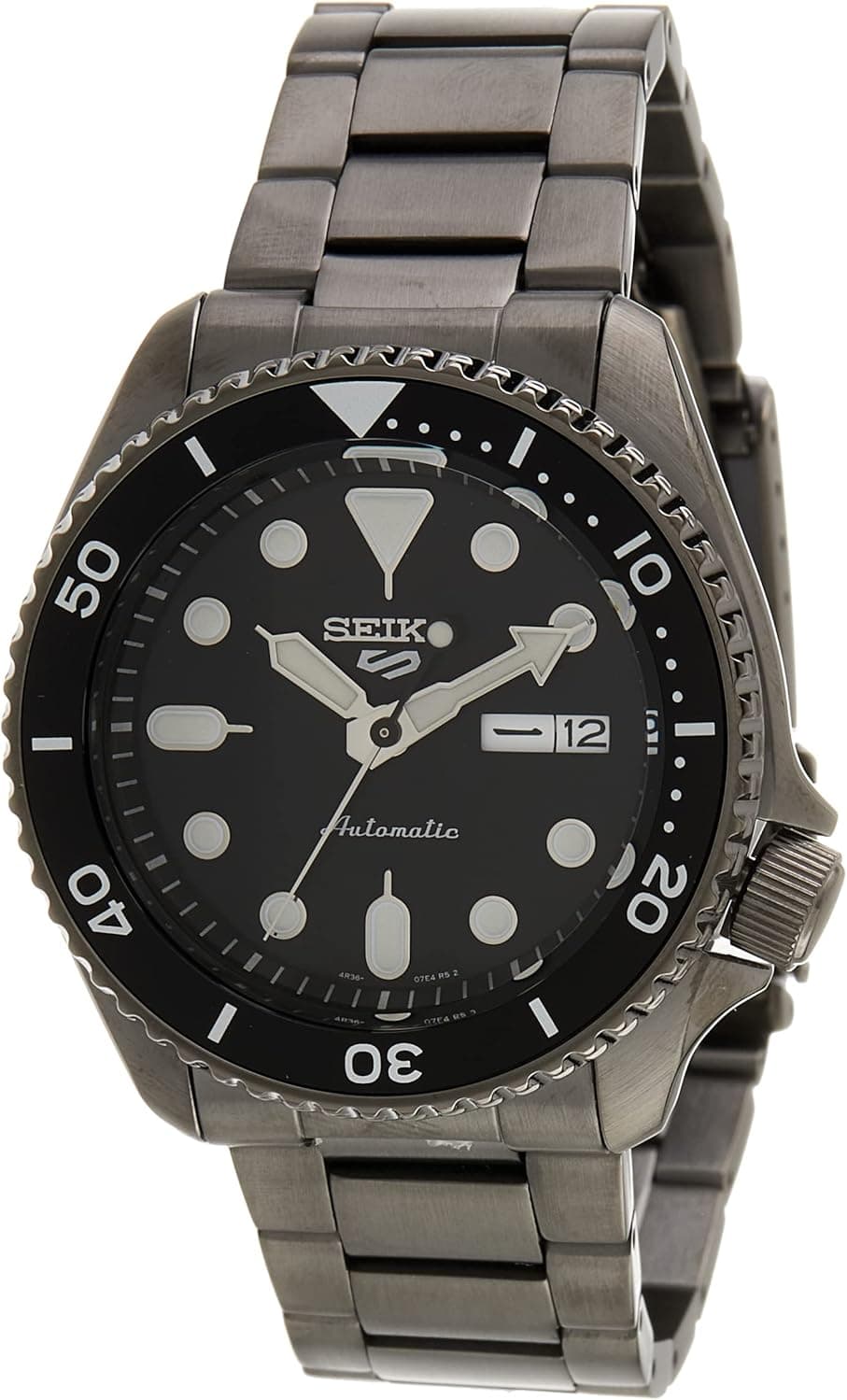
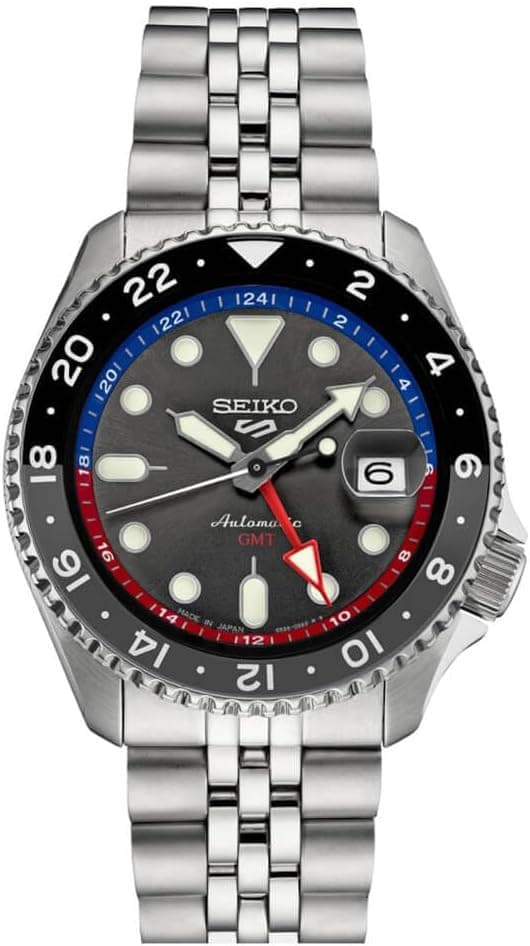
The current catalogue follows a clear logic. At the entry point sit the Seiko 5 Sports: references like the SRPD55 run the in-house calibre 4R36, with 24 jewels, roughly 41 hours of power reserve, a 42.5mm case and 100m of water resistance, with the line priced around £235 to £360. On the dive side, the Prospex Turtle SRPE93 uses the same 4R36 in a 45mm case rated to 200m, with a retail tag near £420. For dress duty, the Presage Cocktail Time SRPB41 pairs the 4R35 calibre with a 40.5mm case at roughly £380. Step up and the Prospex Alpinist, in its current generation, brings the 6R55 with a 72-hour power reserve from about £720, while the SPB383 GMT diver runs the 6R54 with a 72-hour reserve from around £1,200.
From a buyer's chair, Seiko's biggest advantage is availability. Models are easy to find at authorised dealers and major online platforms, there are no waitlists, and street prices routinely land below retail. On the secondary market, the Prospex divers and limited editions hold value best, while the everyday 4R-series pieces are bought for enjoyment rather than return. Buying used, check that the movement runs smoothly, that the day and date click over cleanly, and inspect the case edges and bezel for wear and the lume for brightness. The 4R calibres are tough, and parts are plentiful.
On service, Seiko recommends maintenance every two to three years, though the 4R movements happily run far longer in practice. A full service on the 6Rxx movements costs around £225 in the UK, which keeps the cost of ownership low. If this is your first Seiko, my advice is simple: start with a Seiko 5 Sports or a Prospex Turtle for an everyday watch, or reach for a current 6R55-powered Alpinist if you want a more refined feel and a longer reserve. All of them deliver a remarkable amount of watch for the money.
Seiko watches


Frequently asked questions
Which Seiko should I buy first?
For an everyday watch, start with a Seiko 5 Sports SRPD55 or a Prospex Turtle SRPE93; both run the tough 4R36 calibre. If you want a more refined feel and a 72-hour power reserve, the current 6R55-powered Prospex Alpinist is the logical next step up.
Do Seiko watches hold their value?
Most everyday Seiko 5 and 4R-series pieces do not fully hold value; they are bought for enjoyment, not investment. On the secondary market, the Prospex divers and limited editions hold up best. Keep expectations realistic: Seiko gives you a lot of watch for the money.
How often does a Seiko automatic need service, and what does it cost?
Seiko recommends maintenance every two to three years, though the 4R movements run far longer in practice. A full service on the 6Rxx movements costs around £225 in the UK. Since parts are plentiful, a trusted independent watchmaker can often service them for less.
What is the difference between the 4R36 and 6R55 calibres?
The 4R36 is the entry calibre: 24 jewels, roughly 41 hours of power reserve, with day and date. The current Alpinist's 6R55 is more refined, offering a 72-hour reserve. The latter keeps running if you set it down for a long weekend.
Where should I buy a Seiko, and are there waitlists?
No, there are no waitlists. Seiko models are easy to find at authorised dealers and major online platforms, and street prices routinely land below retail. Buy from an authorised dealer for warranty and authenticity; if buying used, always check the movement and case condition first.