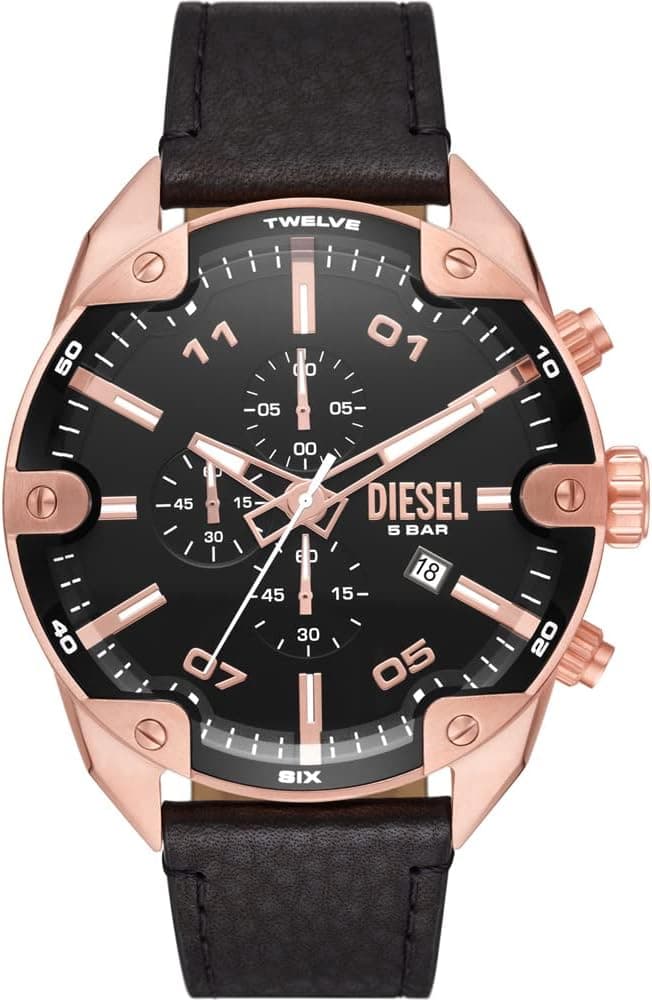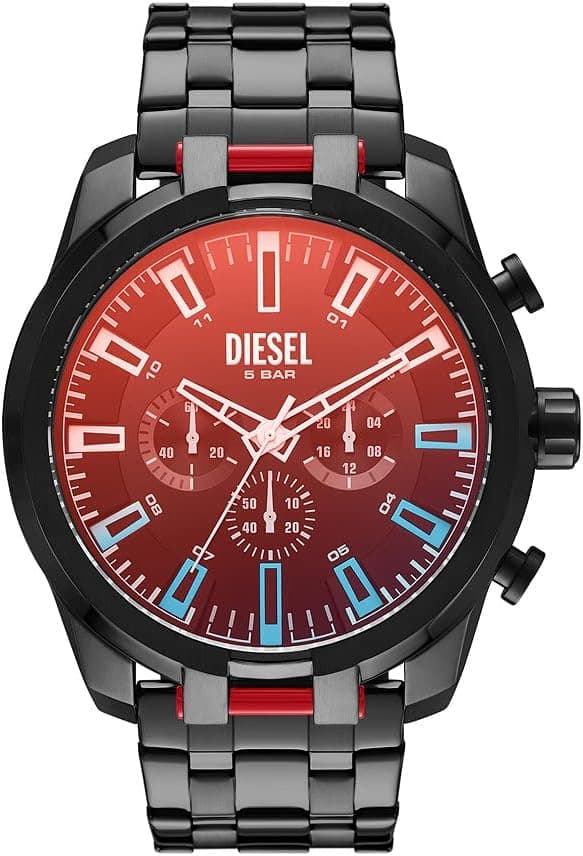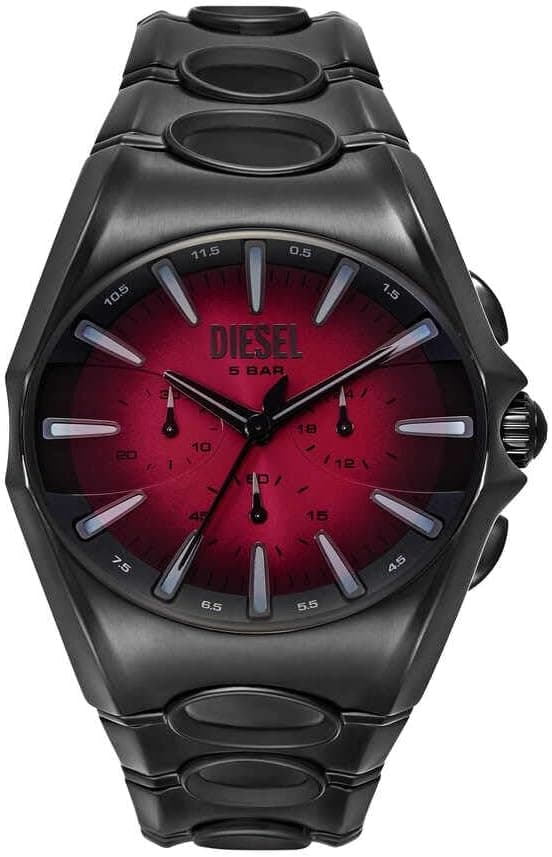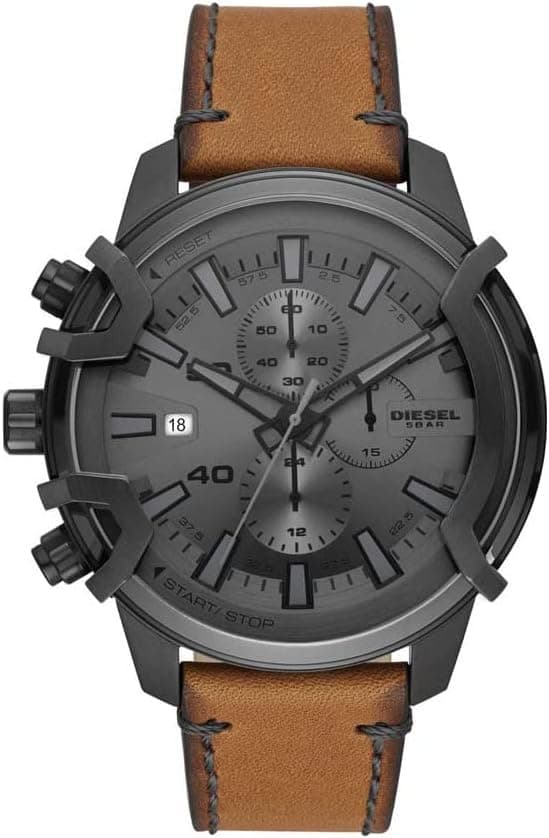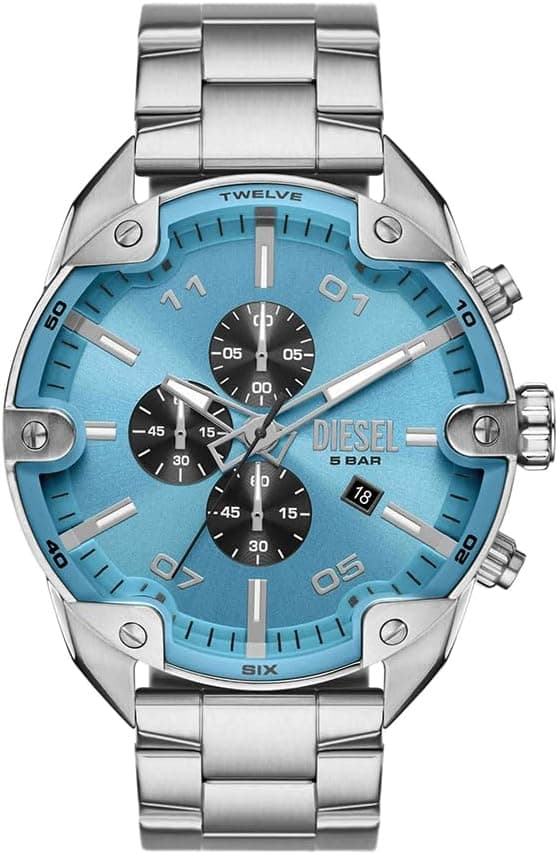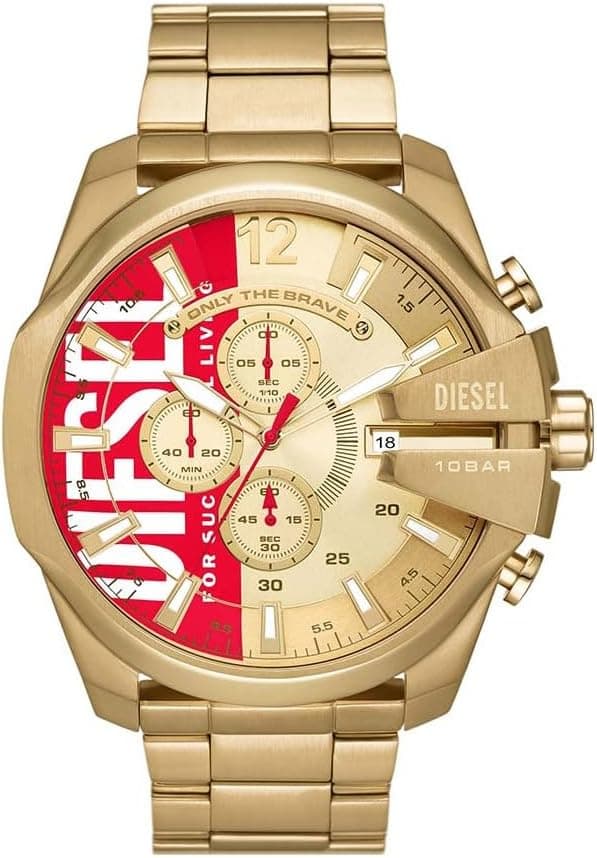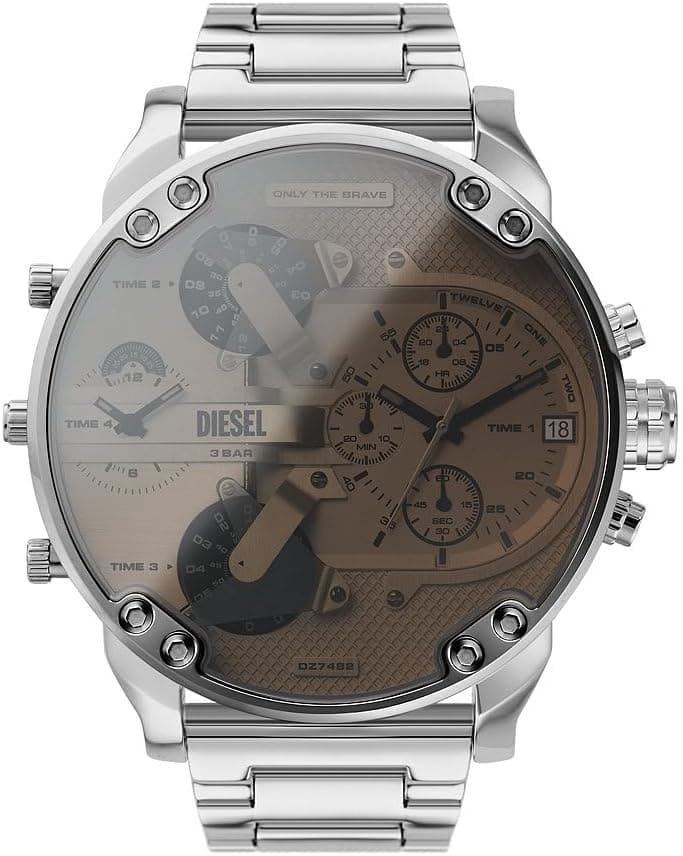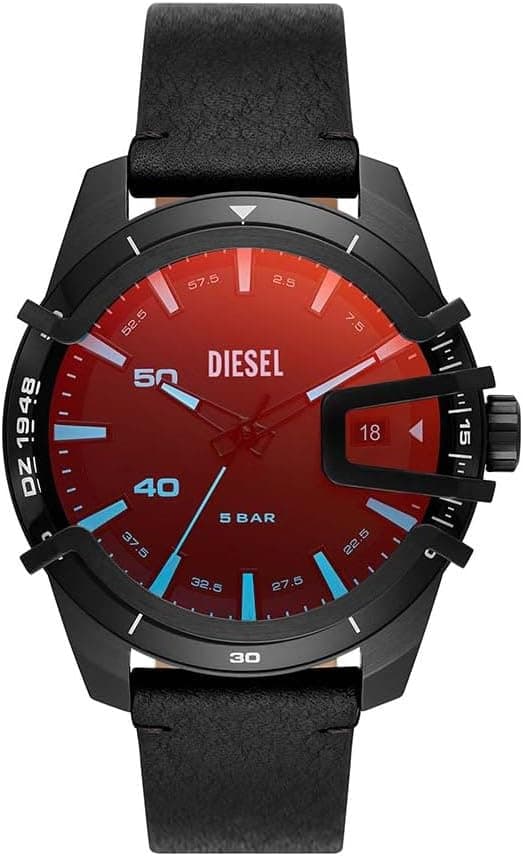
A quartz watch sends current from a small battery through a quartz crystal cut into a tuning-fork shape, which vibrates 32,768 times per second. A circuit counts those vibrations and feeds a stepping motor that drives the hands, which is exactly where that familiar once-a-second tick comes from. The first of its kind was Seiko's Quartz Astron 35SQ, released on 25 December 1969: at roughly +/-5 seconds per month it ran about a hundred times more accurately than the mechanical watches of its day. What followed reshaped everything. Between 1970 and 1983 the number of Swiss watchmakers fell from 1,600 to 600, a collapse the trade still calls the quartz crisis.
Today quartz spans an enormous range. At the entry end, ETA-based pieces like the 35mm Tissot PRX start around £335, and a standard quartz calibre keeps time to roughly 15 to 20 seconds a month. At the top sits high-accuracy quartz. Grand Seiko's Calibre 9F, introduced in 1993, uses crystals grown and individually regulated in-house to reach +/-10 seconds a year; 9F-equipped models generally run between £2,100 and £3,100. Breitling's thermocompensated SuperQuartz is COSC certified and accurate to +/-15 seconds a year, found in the Aerospace and Endurance Pro. Citizen's Eco-Drive Calibre 0100 goes further still, hitting +/-1 second a year while charging on light alone with no routine battery change; the super-titanium version sits around £5,900.
Before buying quartz, weigh two things: accuracy class and the quality of the movement. For most people a standard quartz is more than enough, and it asks far less than a mechanical watch, with a battery swap every few years being the only routine. It suits anyone who rotates watches constantly, dislikes winding, or wants a tough daily beater that is simply correct when they glance down. The trade-off is real, though: quartz gives you none of the rotor sweep or the living finishing behind a display caseback, which is why a slice of collectors keep their distance.
There are meaningful sub-types worth knowing. Solar systems like Eco-Drive and Casio's Tough Solar charge a rechargeable cell from light and skip the routine battery change, while thermocompensated quartz corrects for temperature swings and sharply improves accuracy. A classic like the Cartier Tank Must can be had in quartz around the £2,400 mark, well below its mechanical sibling, proof that quartz is not merely the cheap option but a deliberate choice for accuracy and low upkeep.