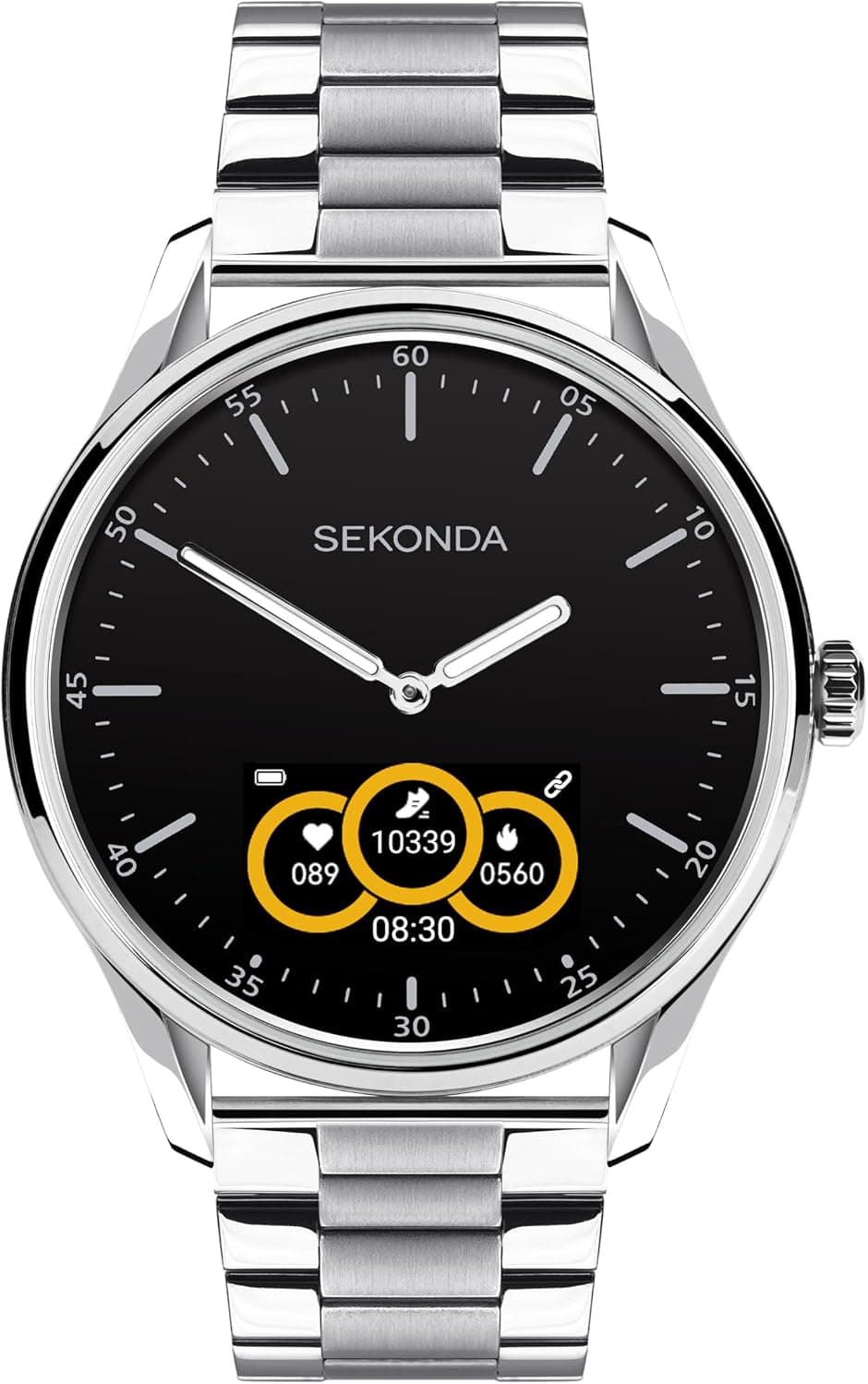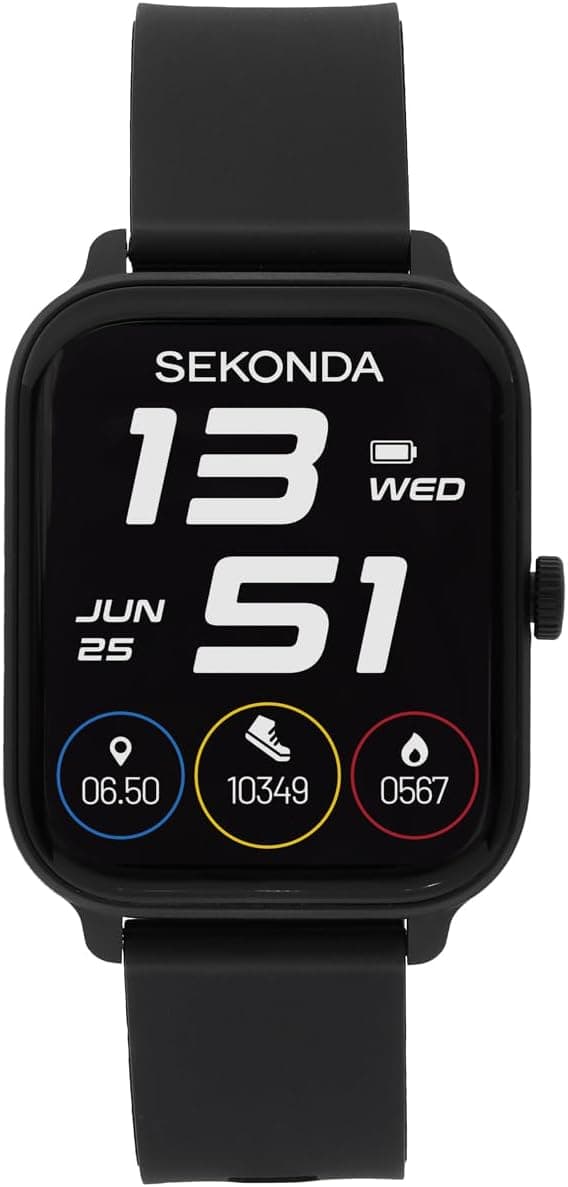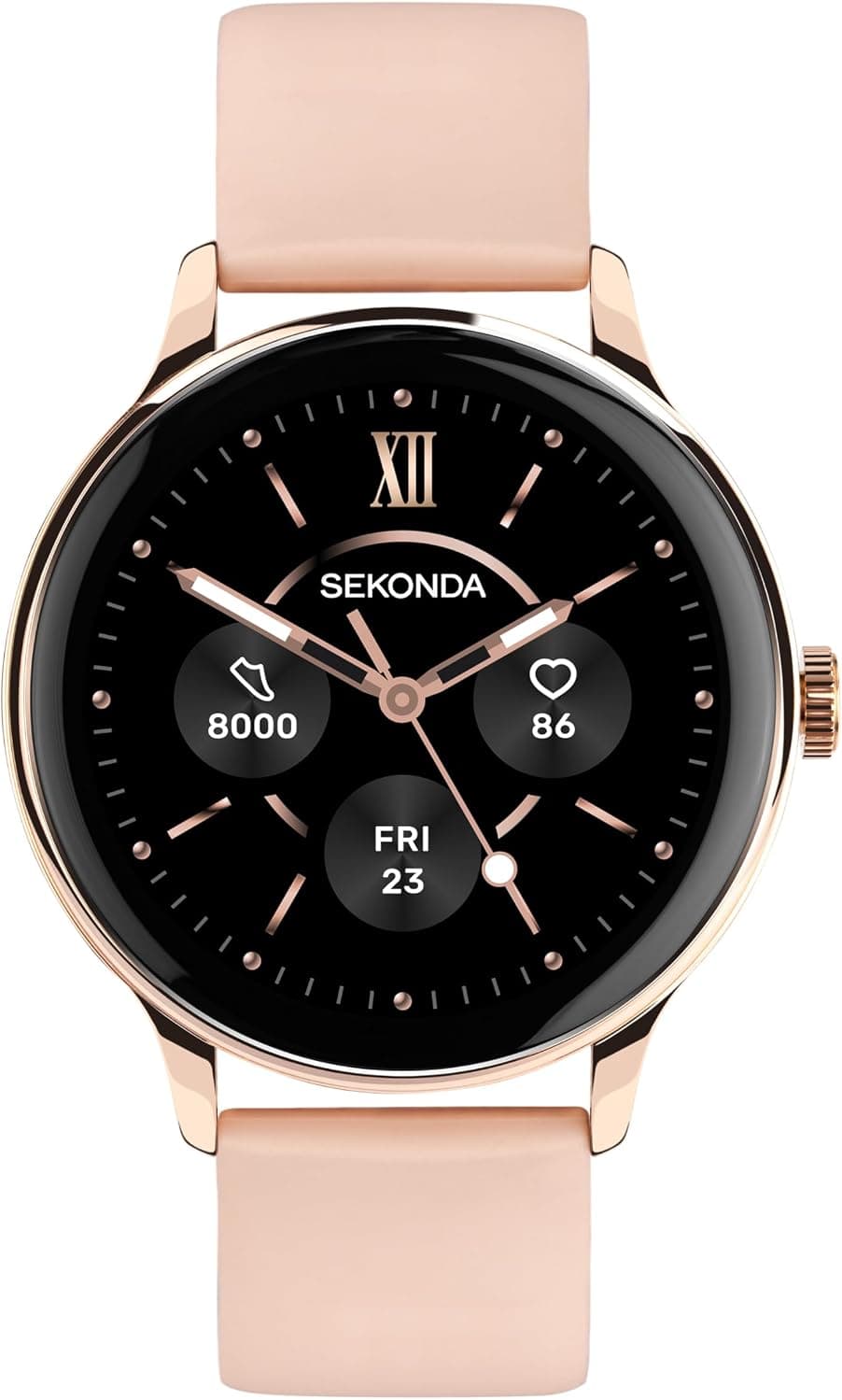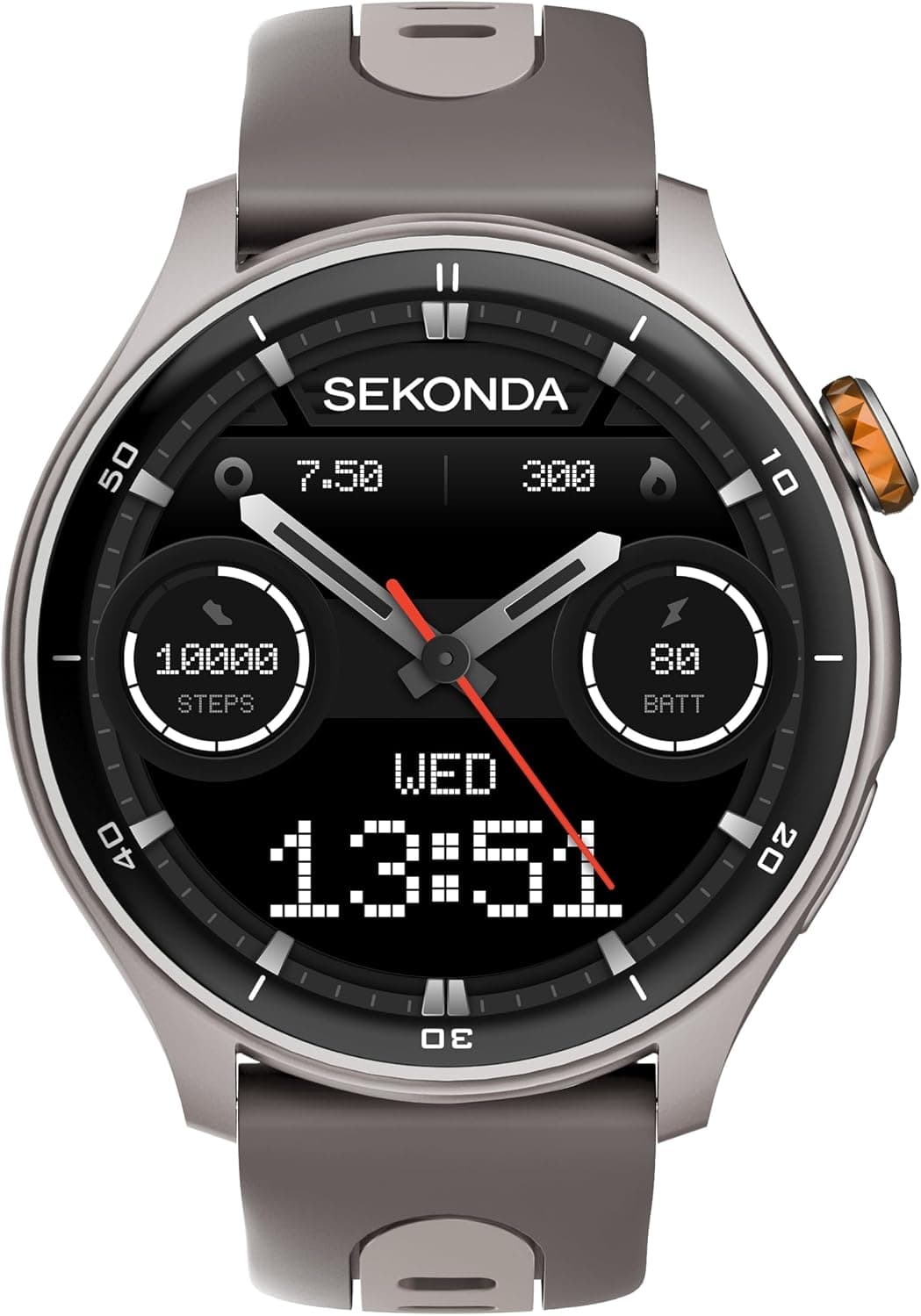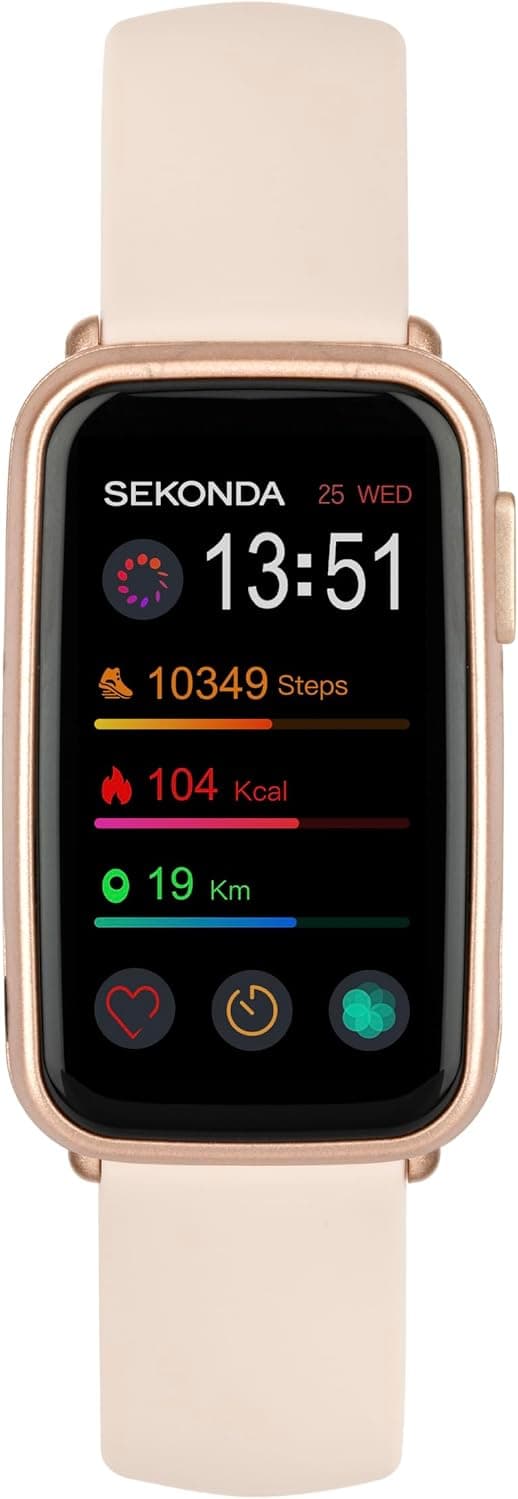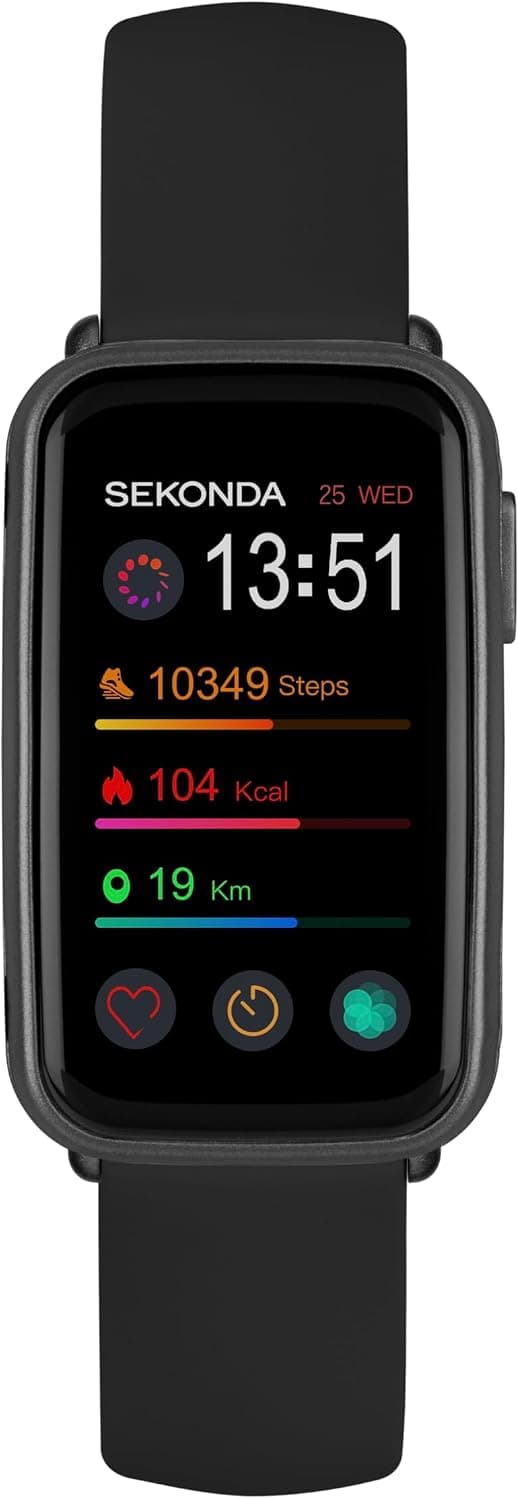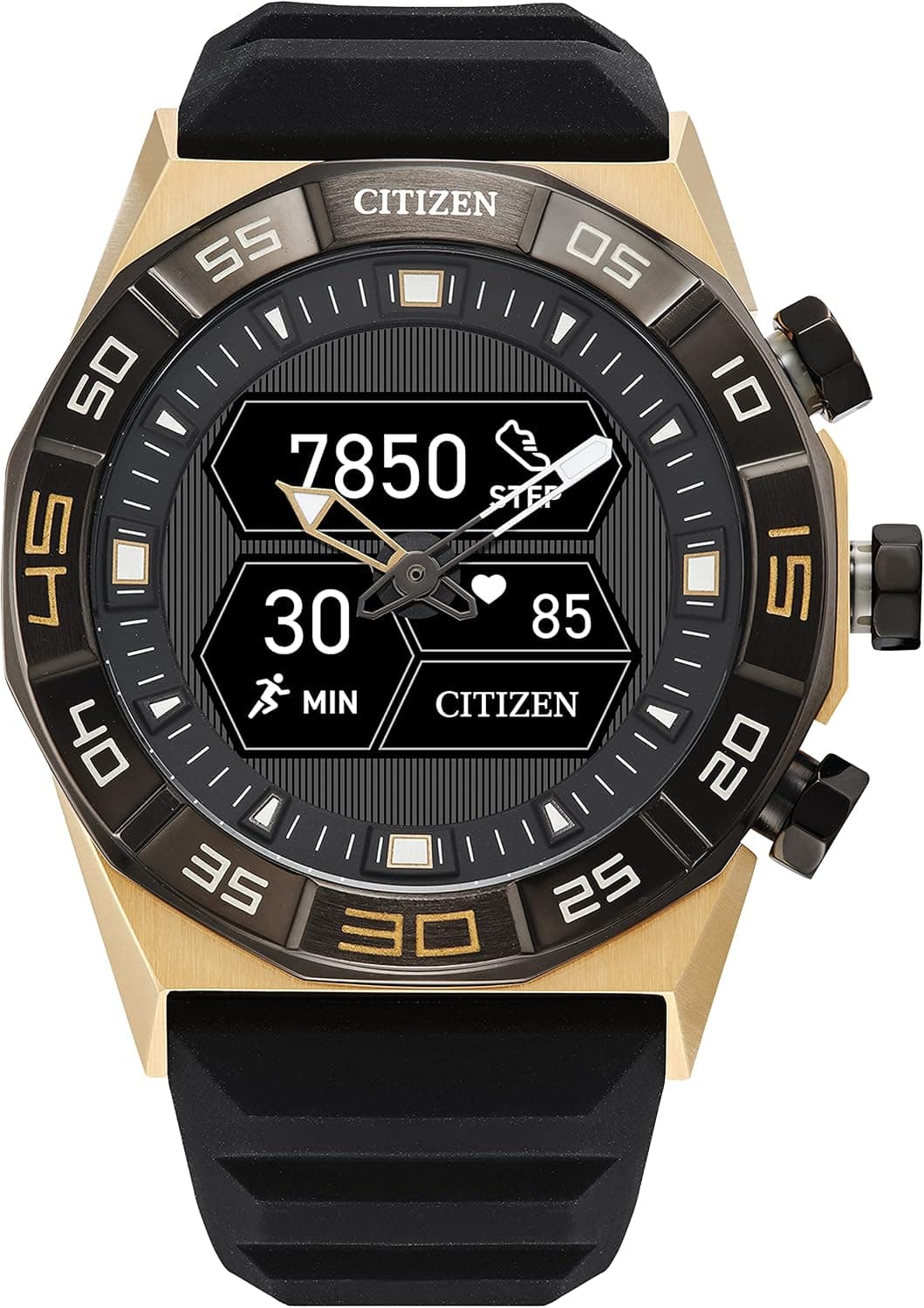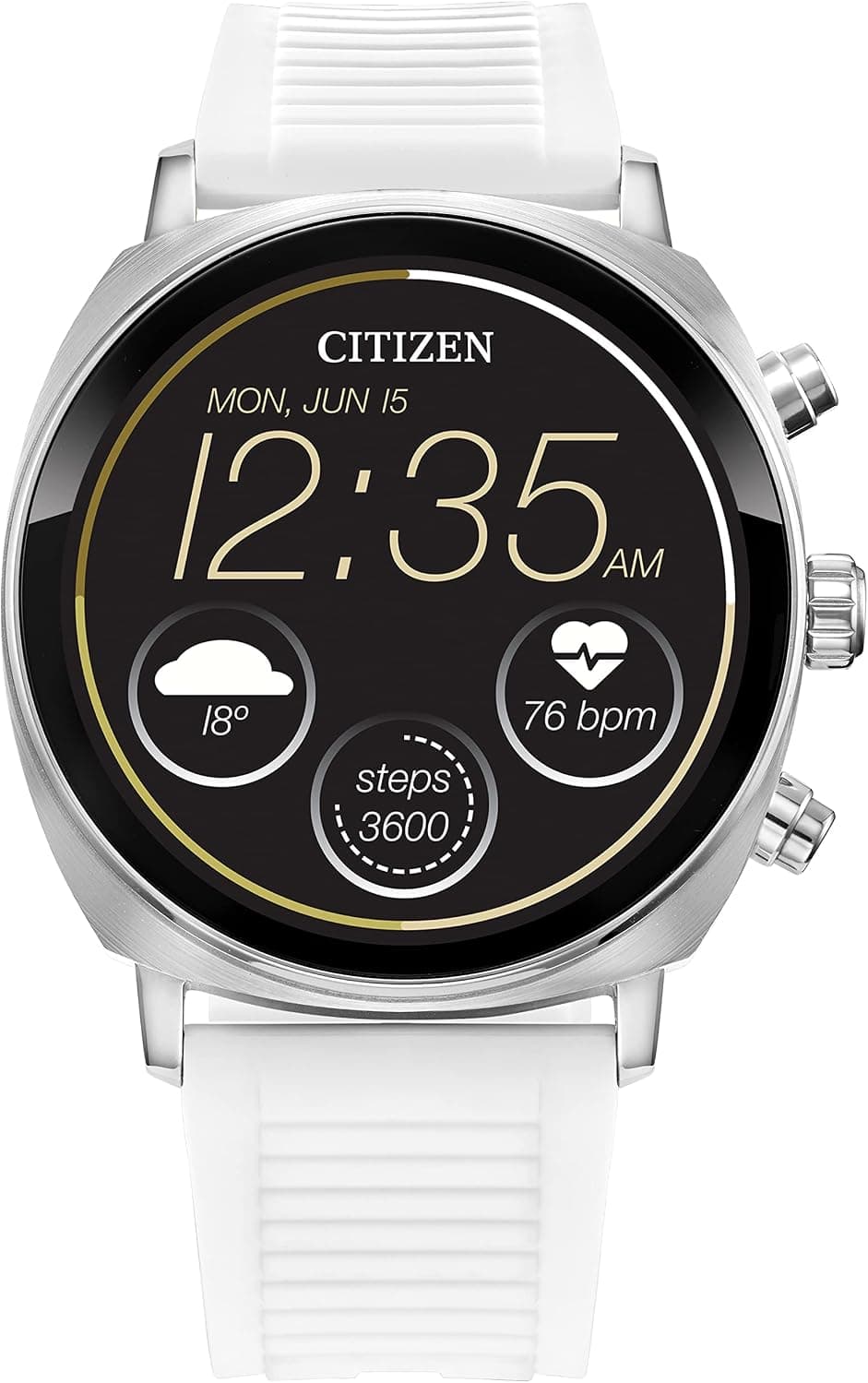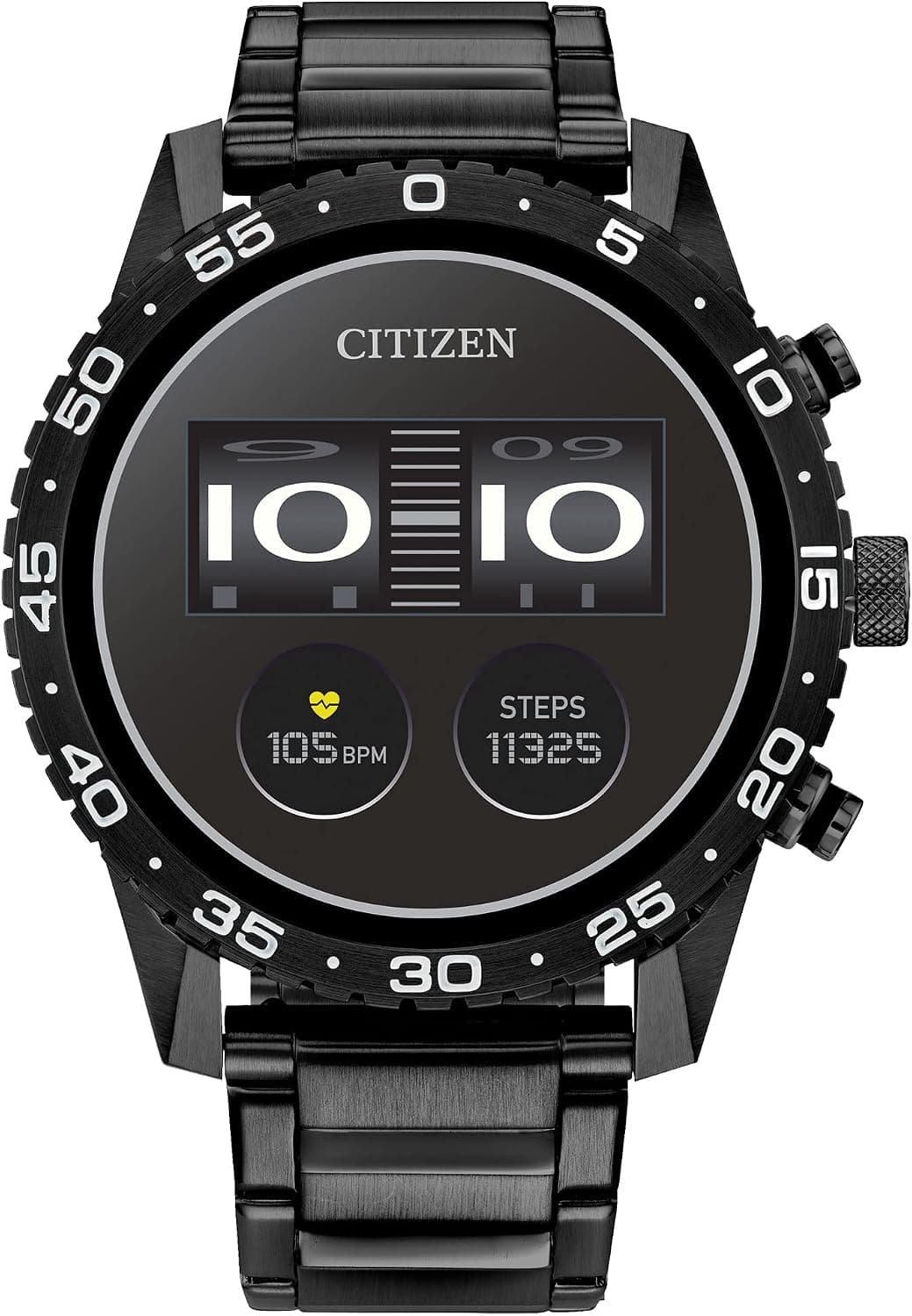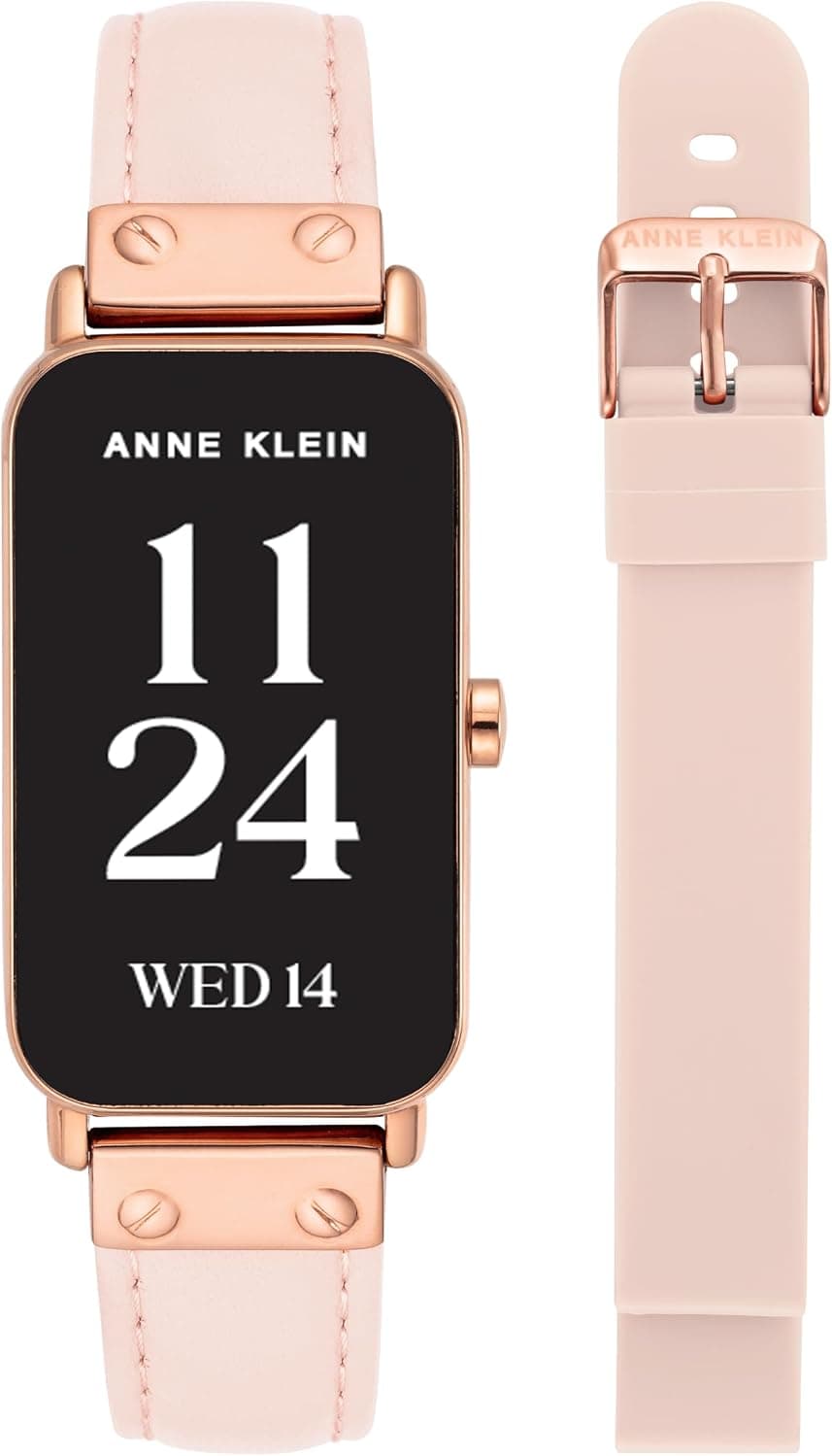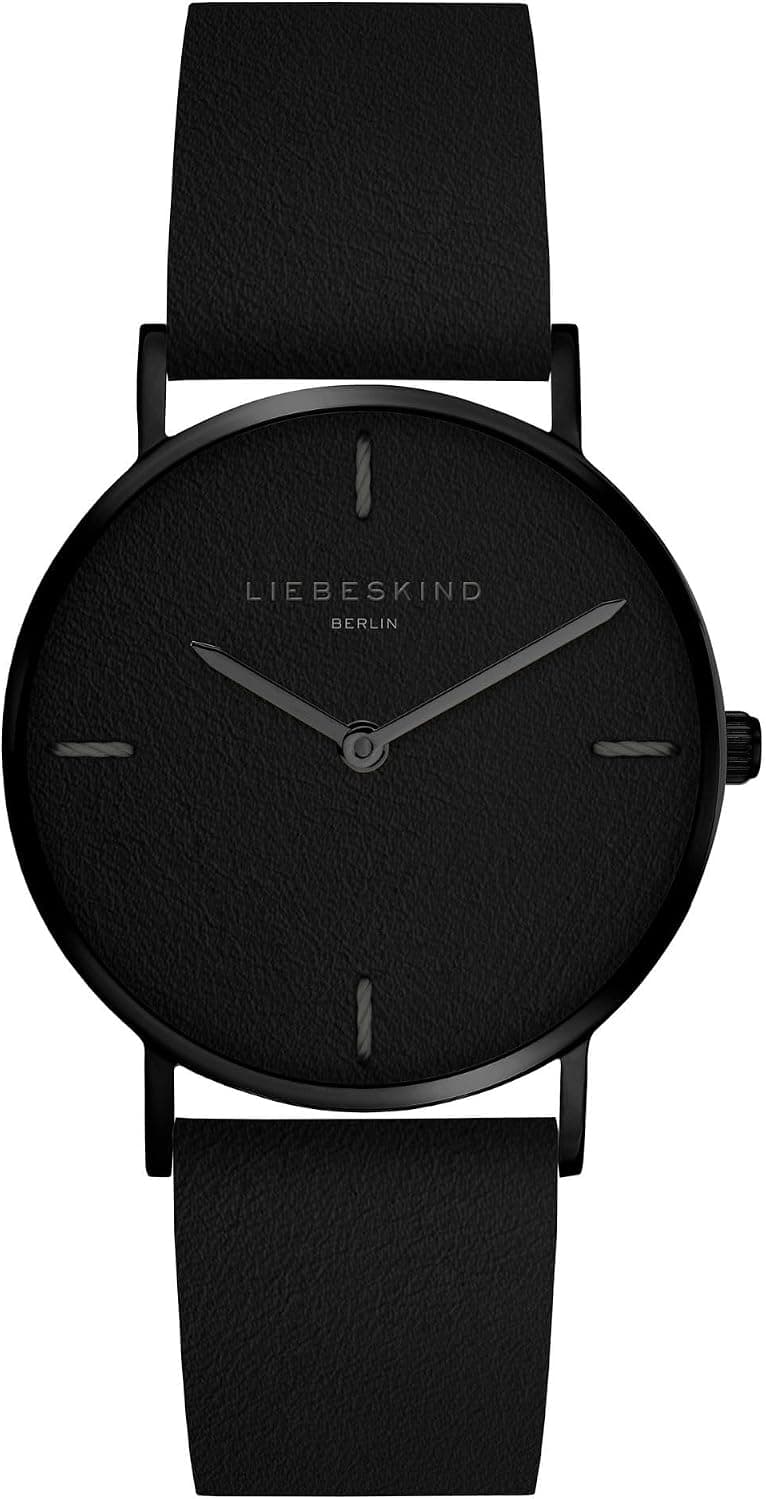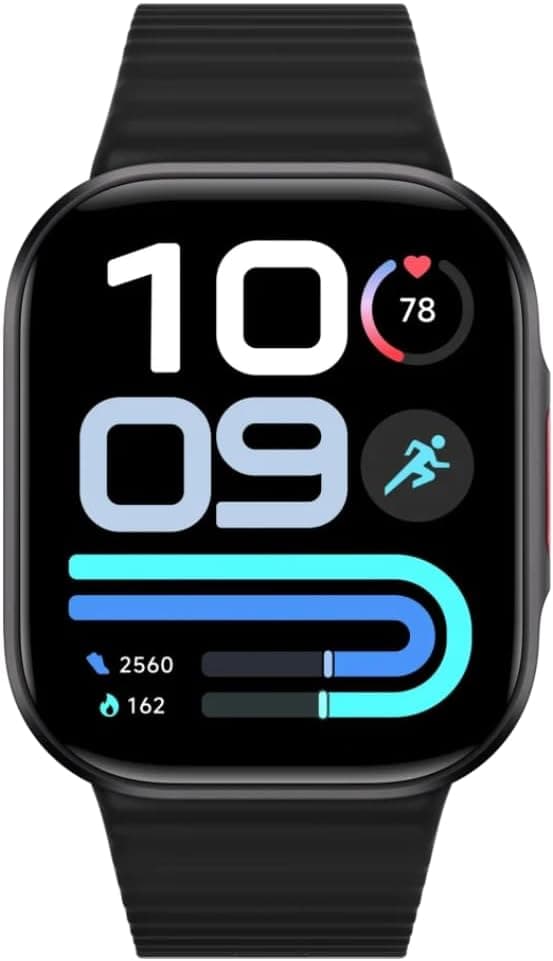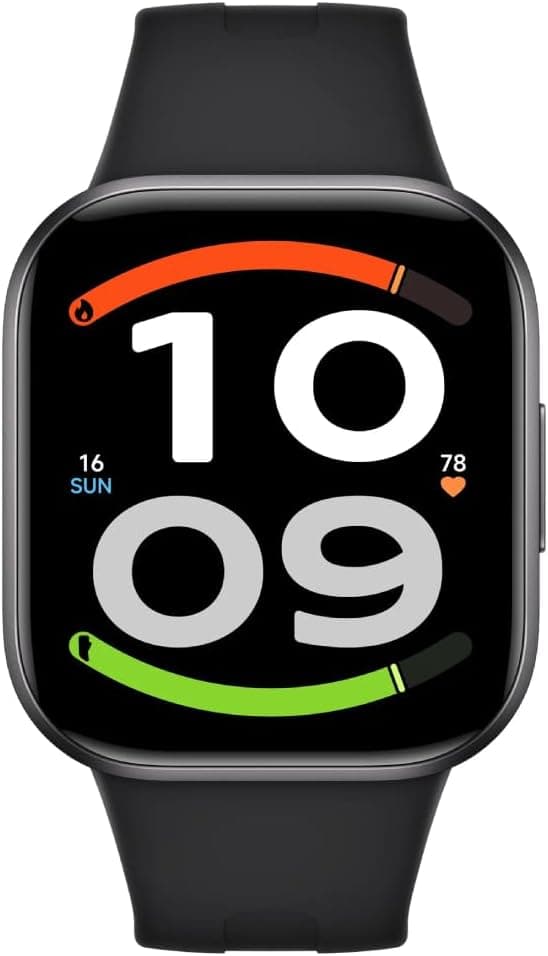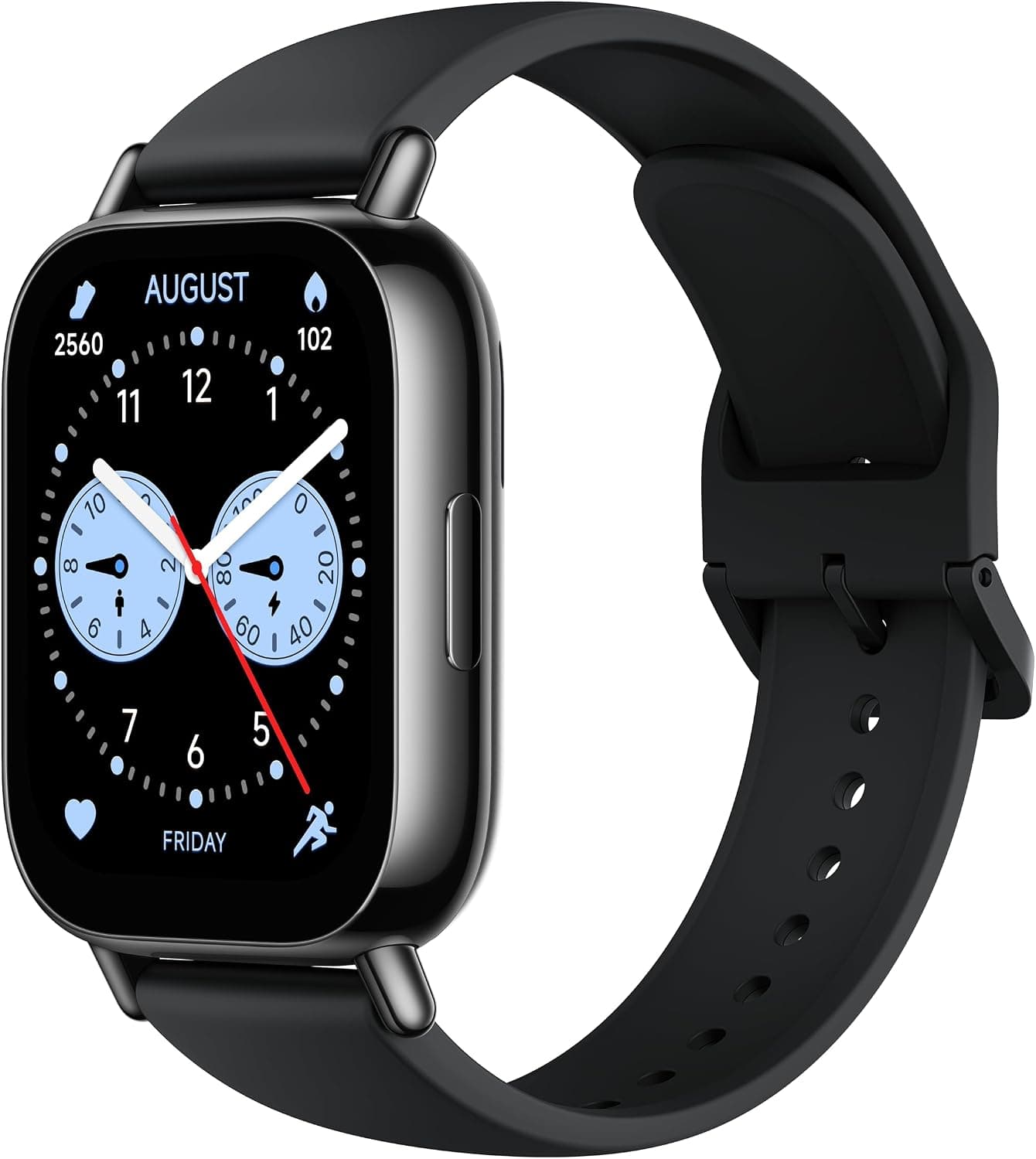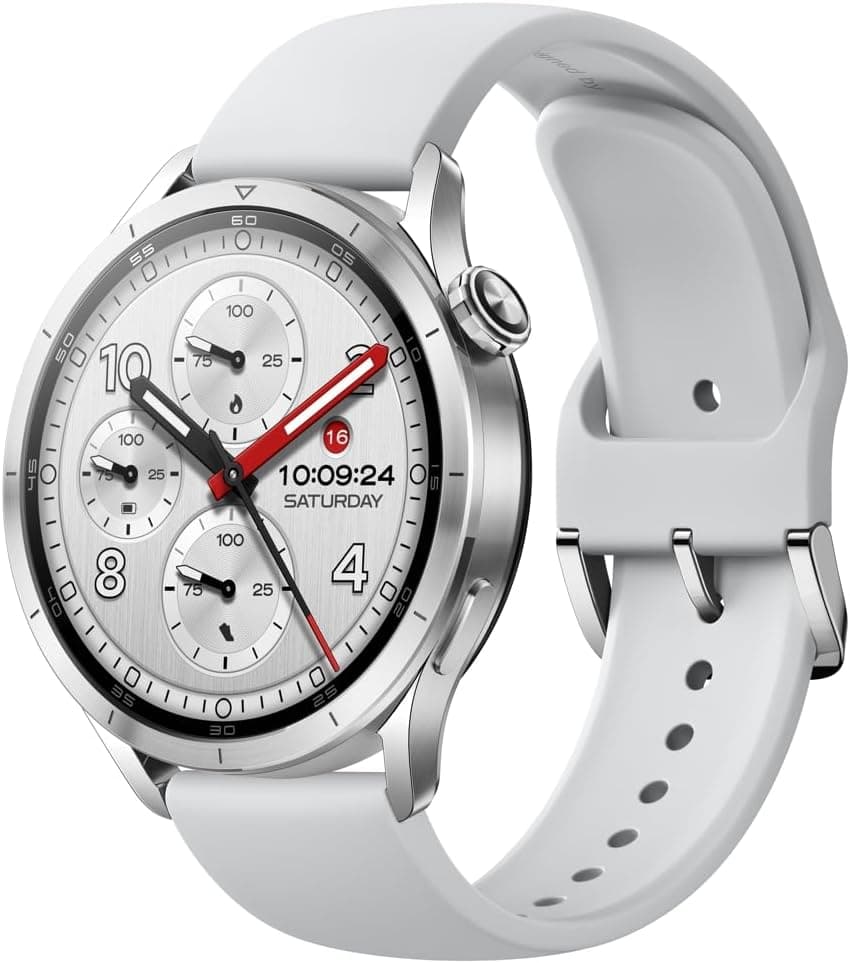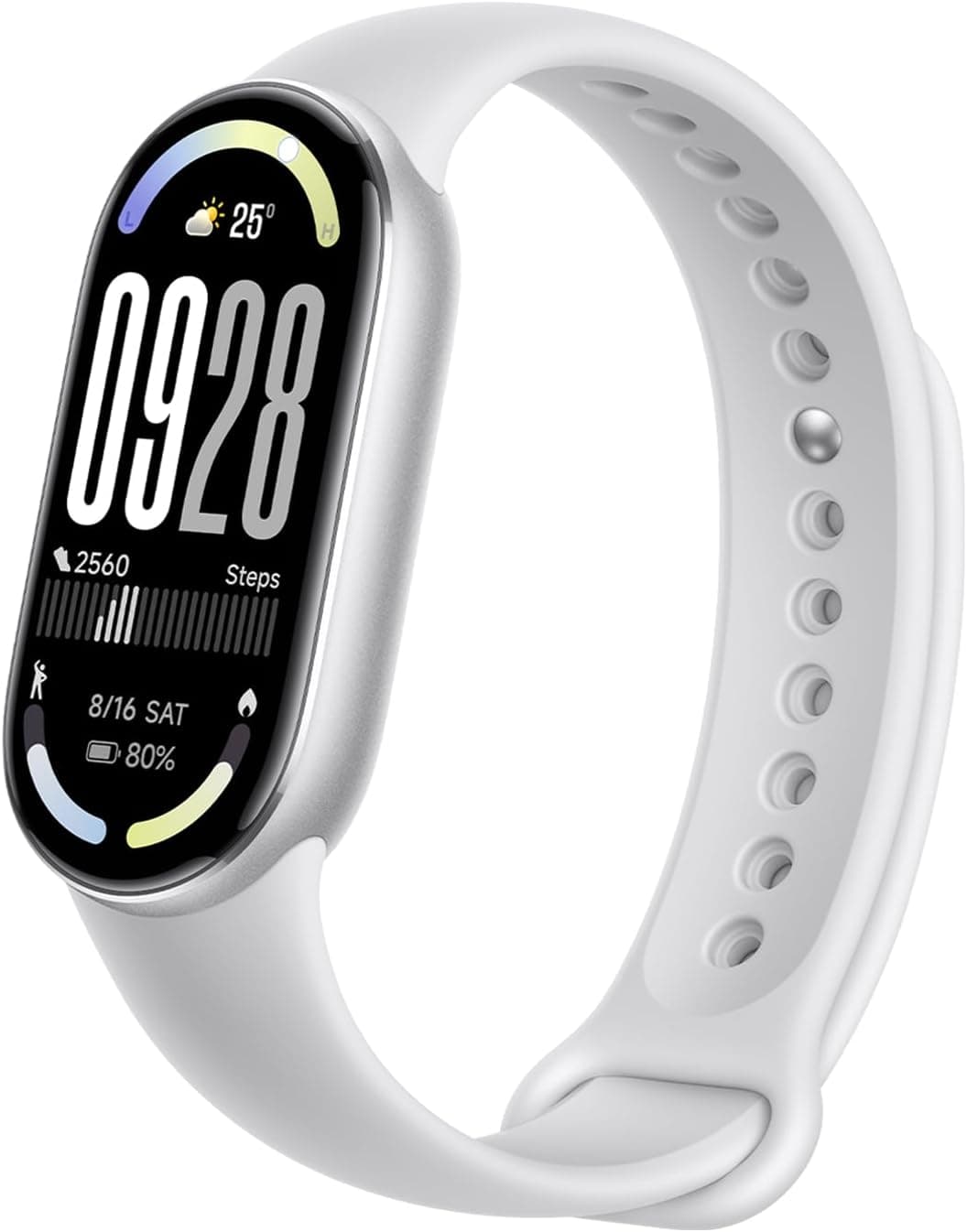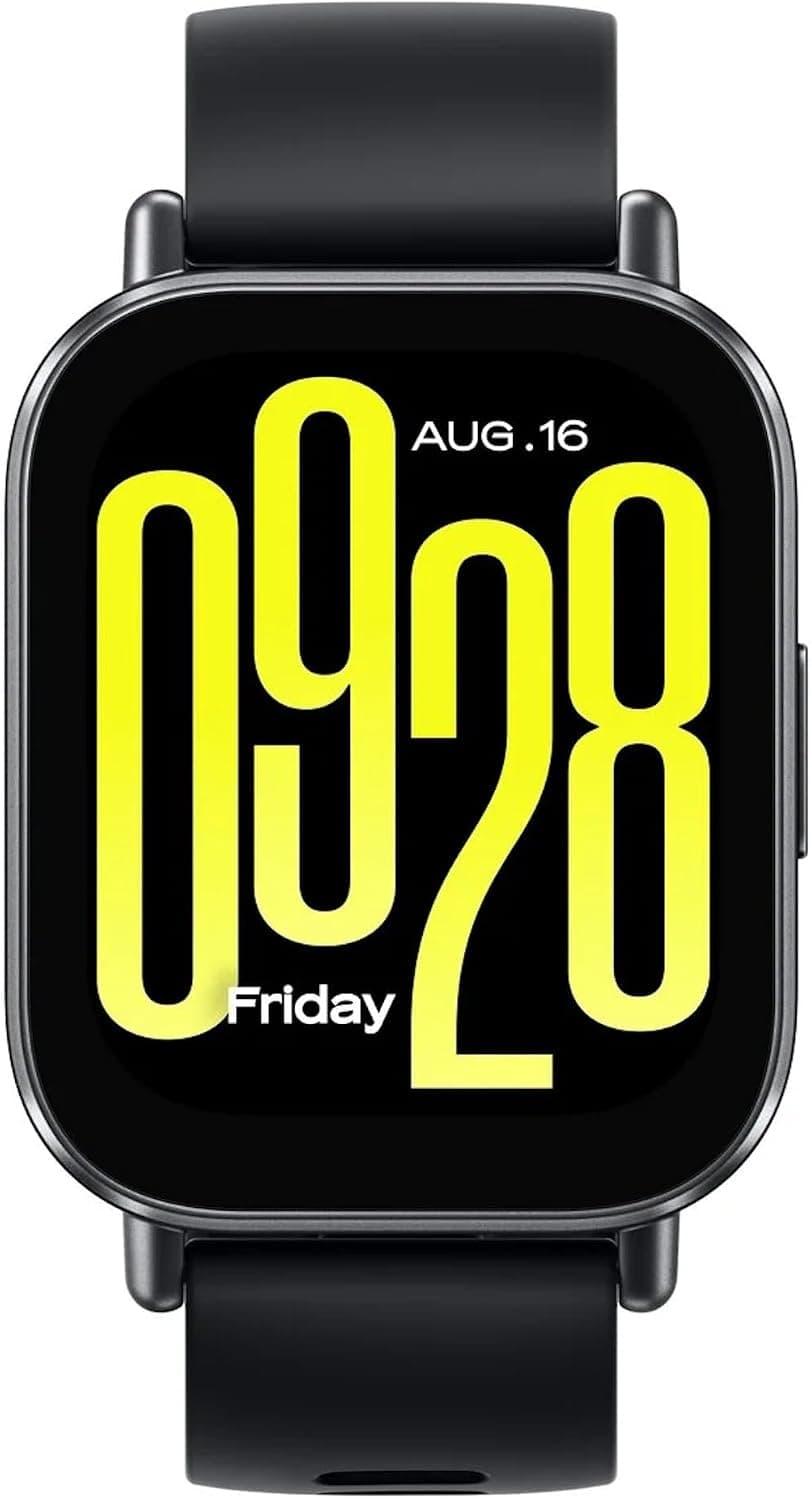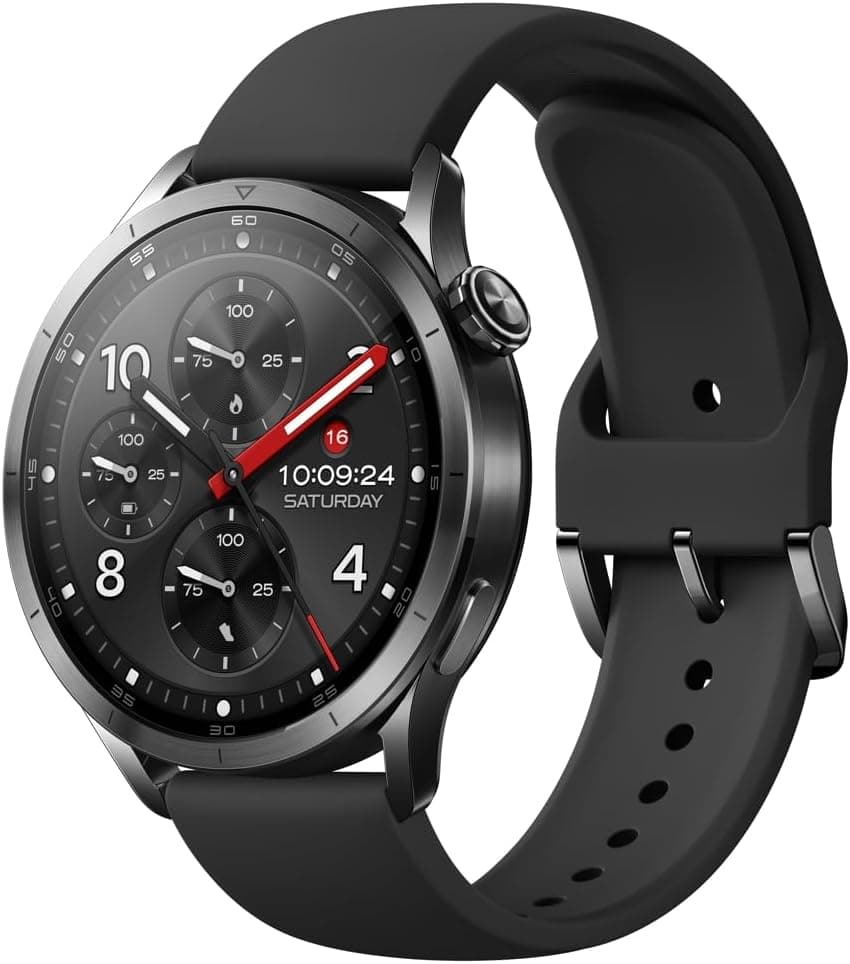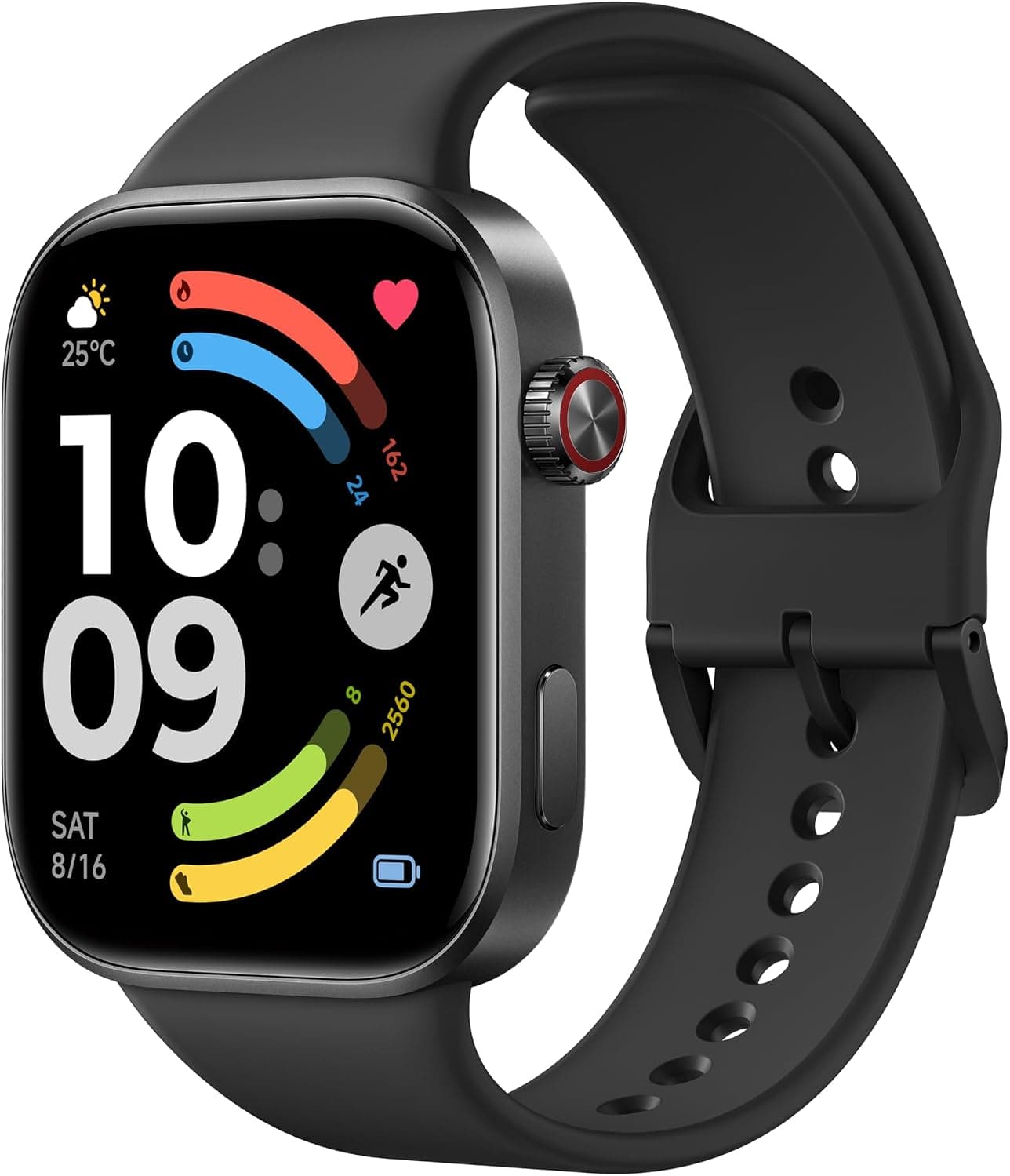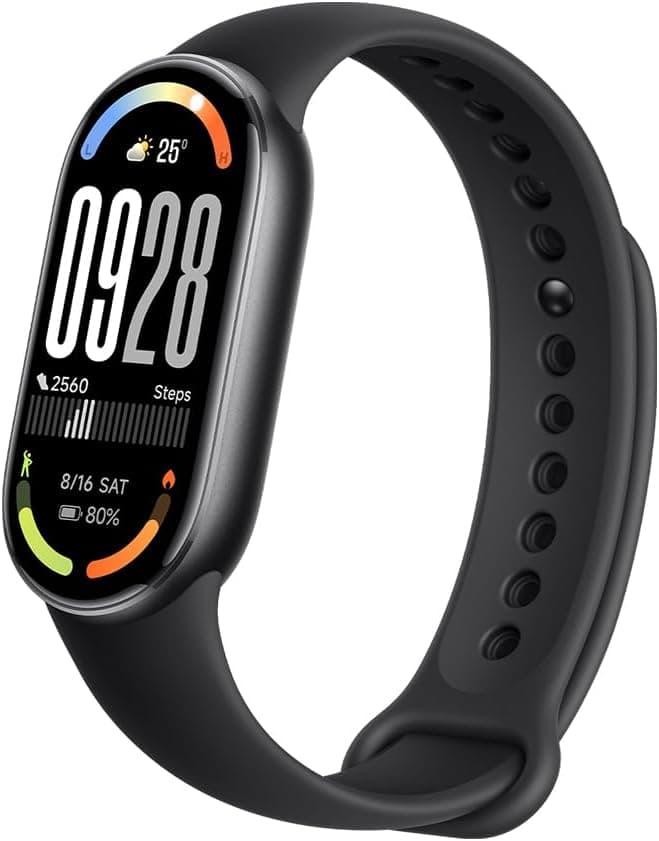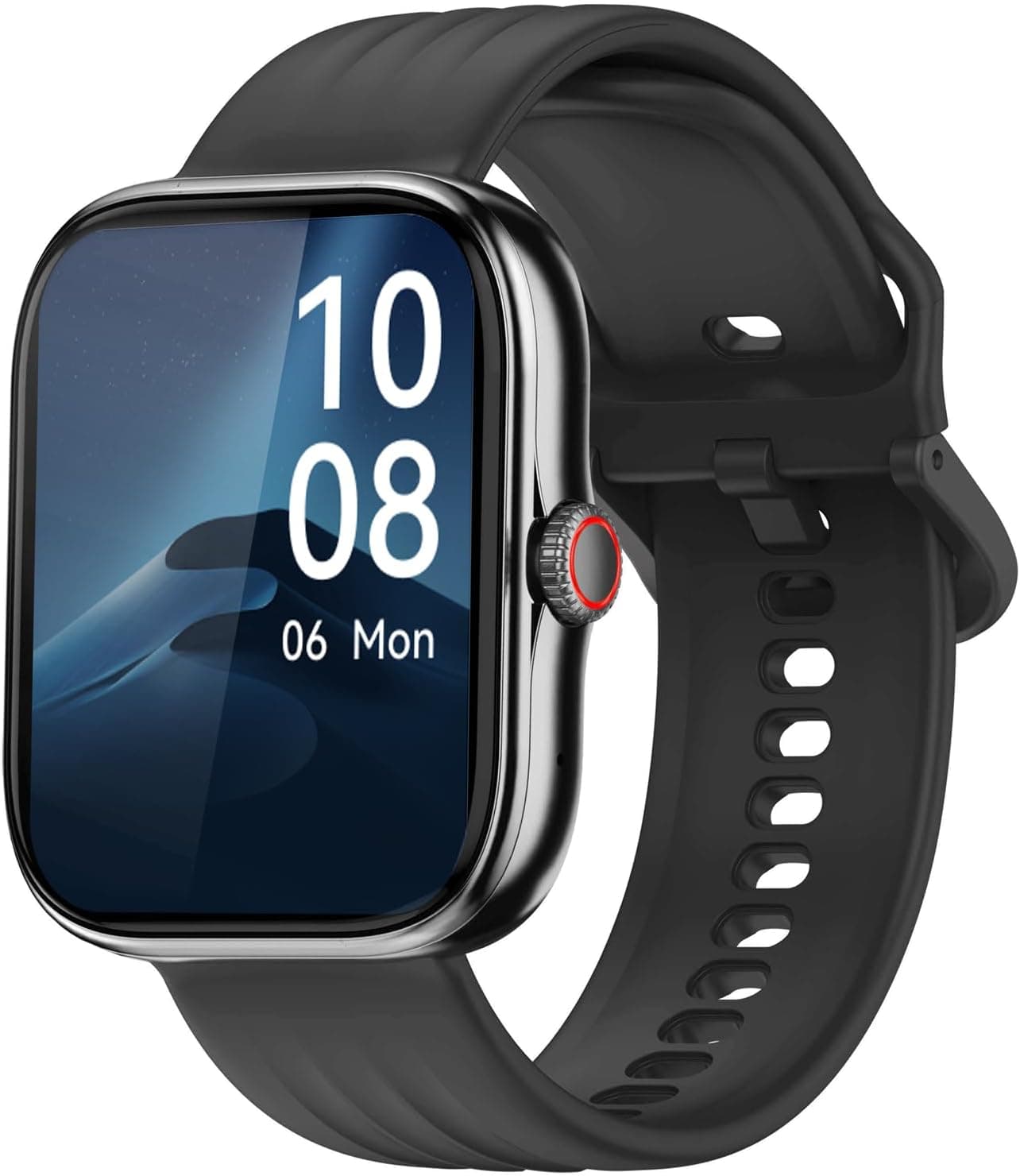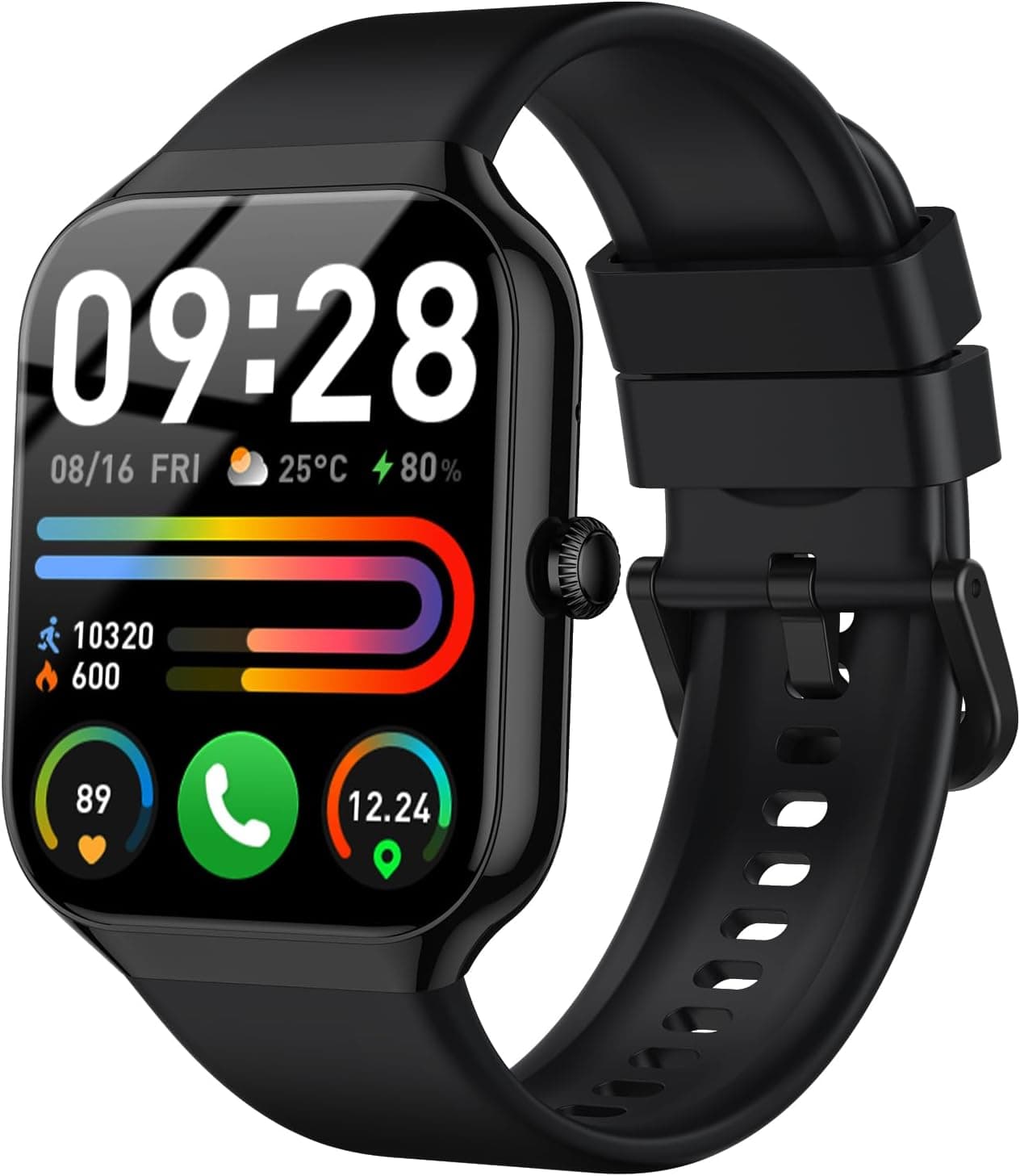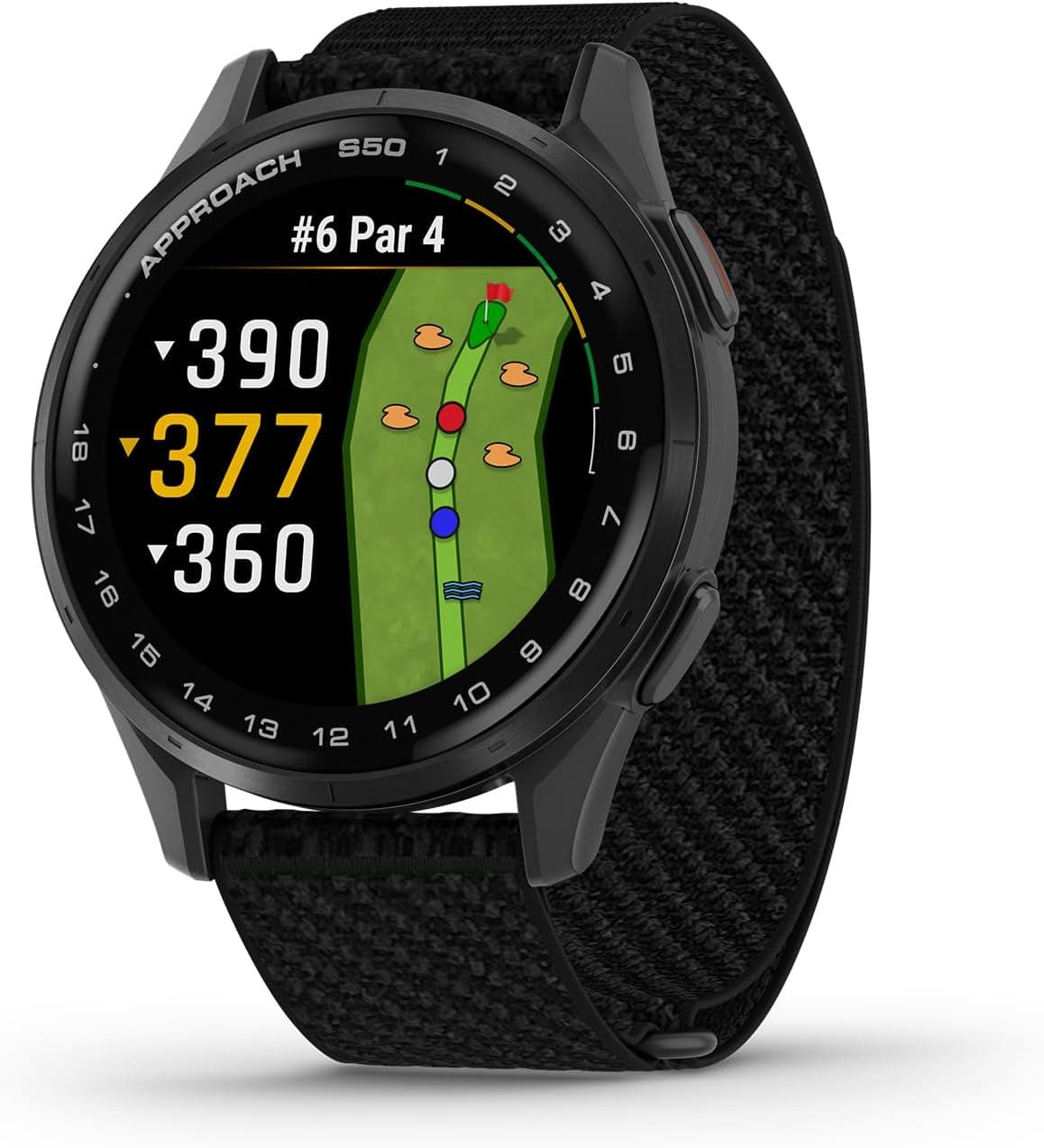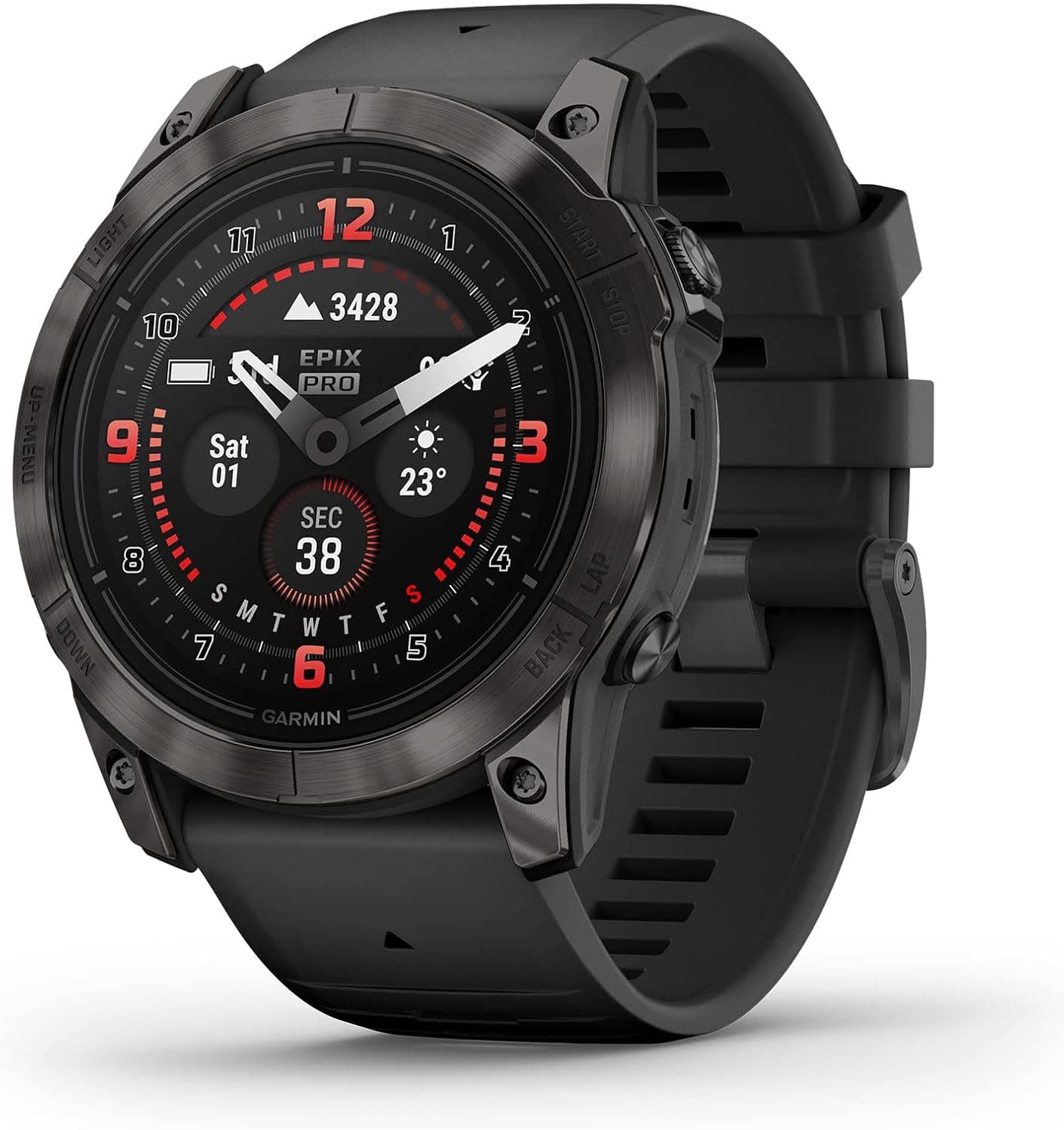
Smartwatches replace the mechanical calibre with a processor, an OLED or AMOLED display, and a stack of sensors. What sets them apart from a traditional watch is everything they do beyond telling time: heart rate, blood oxygen, sleep, GPS routes and phone notifications, plus downloadable apps. The modern category took shape with the first Apple Watch in 2015, and today three things define any smartwatch worth considering: display quality, the depth of its health sensors, and which phone ecosystem it locks into. That last point matters most. Apple Watch works only with iPhone, while Samsung's and Google's Wear OS watches work only with Android.
The real examples fall into clean price tiers. Announced in September 2025, the Apple Watch SE 3 starts at £219, the Series 11 at £369 (titanium with cellular around £749), and the Ultra 3 at £749 with satellite connectivity and 5G; the Series 11 and Ultra 3 added hypertension notifications. On Android, the Google Pixel Watch 4 is around £269 in 41mm and £329 in 45mm, while the Samsung Galaxy Watch 8 Classic is £499 in 46mm. For sport, the dive-rated Garmin Fenix 8 AMOLED opens near £700 and the Forerunner 165 around £249. At the luxury end, the TAG Heuer Connected Calibre E4 came in steel, titanium and ceramic, succeeded by the Calibre E5 in 2025.
The first question when buying is which phone you carry, because ecosystem compatibility is not negotiable. iPhone owners should look at Apple Watch; Android owners at the Pixel Watch or Galaxy Watch. The second question is purpose. For everyday notifications and health tracking, an Apple or Samsung watch is plenty. For trail running, triathlon or multi-day hiking, Garmin's training tools and battery that stretches toward 34 days pull ahead. The one-day charge cycle of app-heavy watches is the central trade-off against that endurance.
A few sub-types are worth separating. Full smartwatches (Apple, Samsung, Pixel) offer an app store and cellular calling; sport watches (Garmin Forerunner, Fenix) prioritise metrics and battery; and connected luxury pieces like the TAG Heuer marry traditional watchmaking design with a touchscreen. Which one suits you comes down to whether you want a small computer on your wrist or a coach.