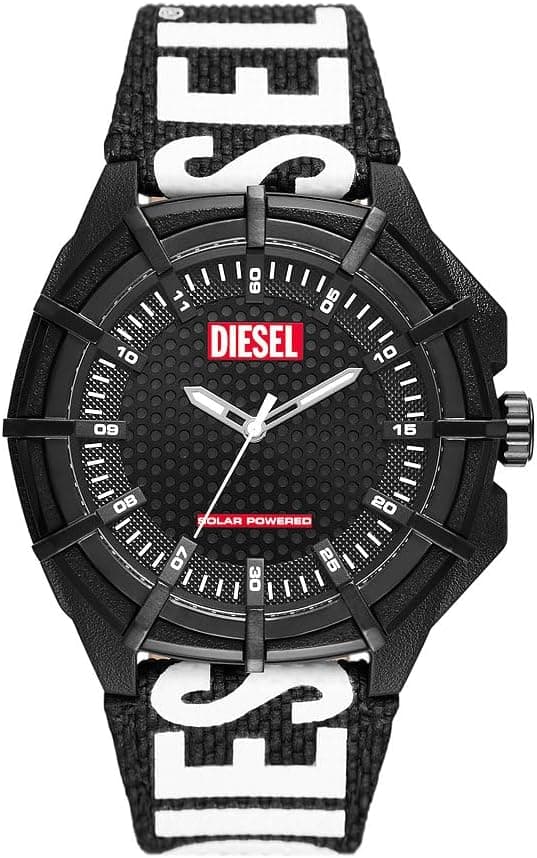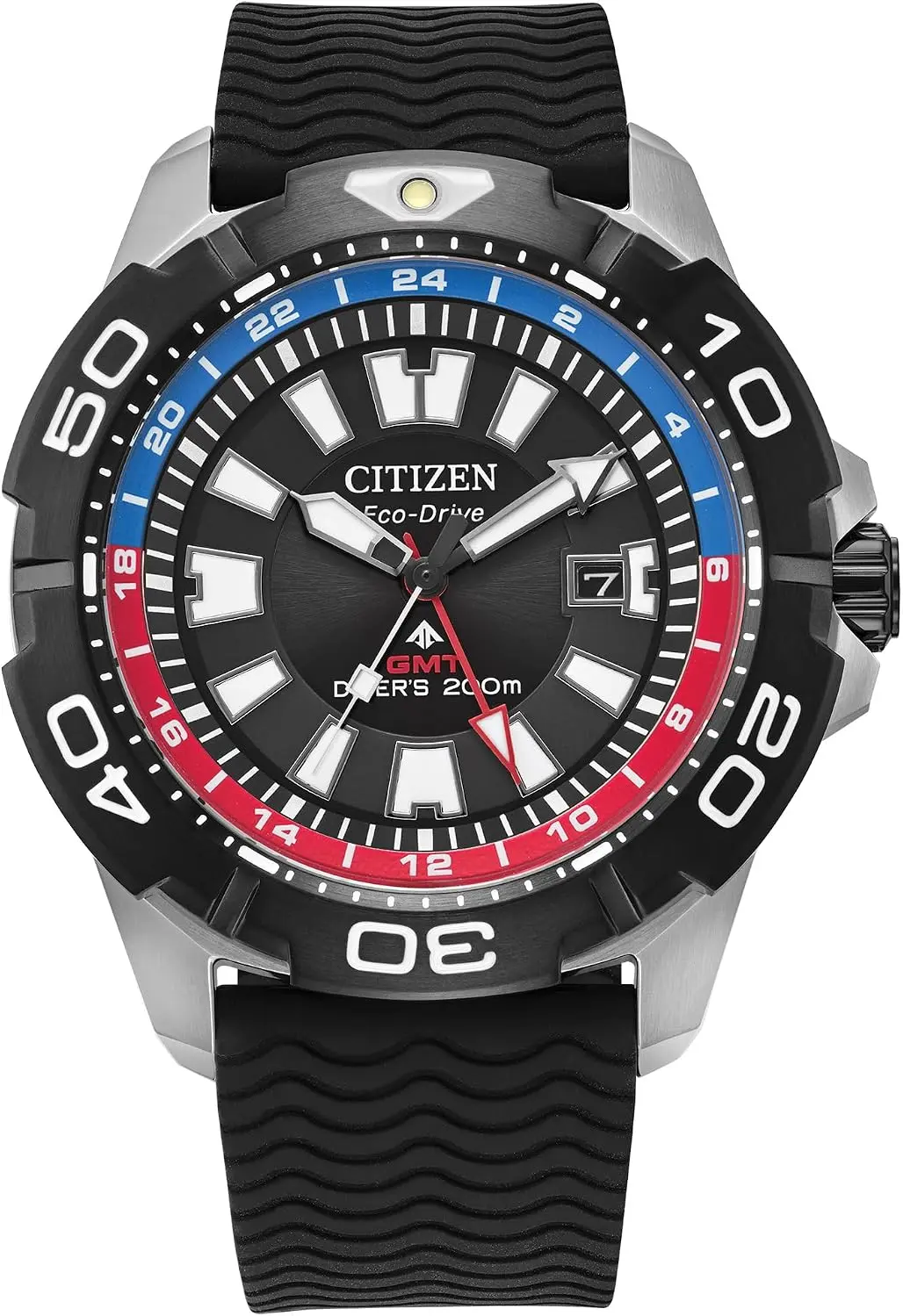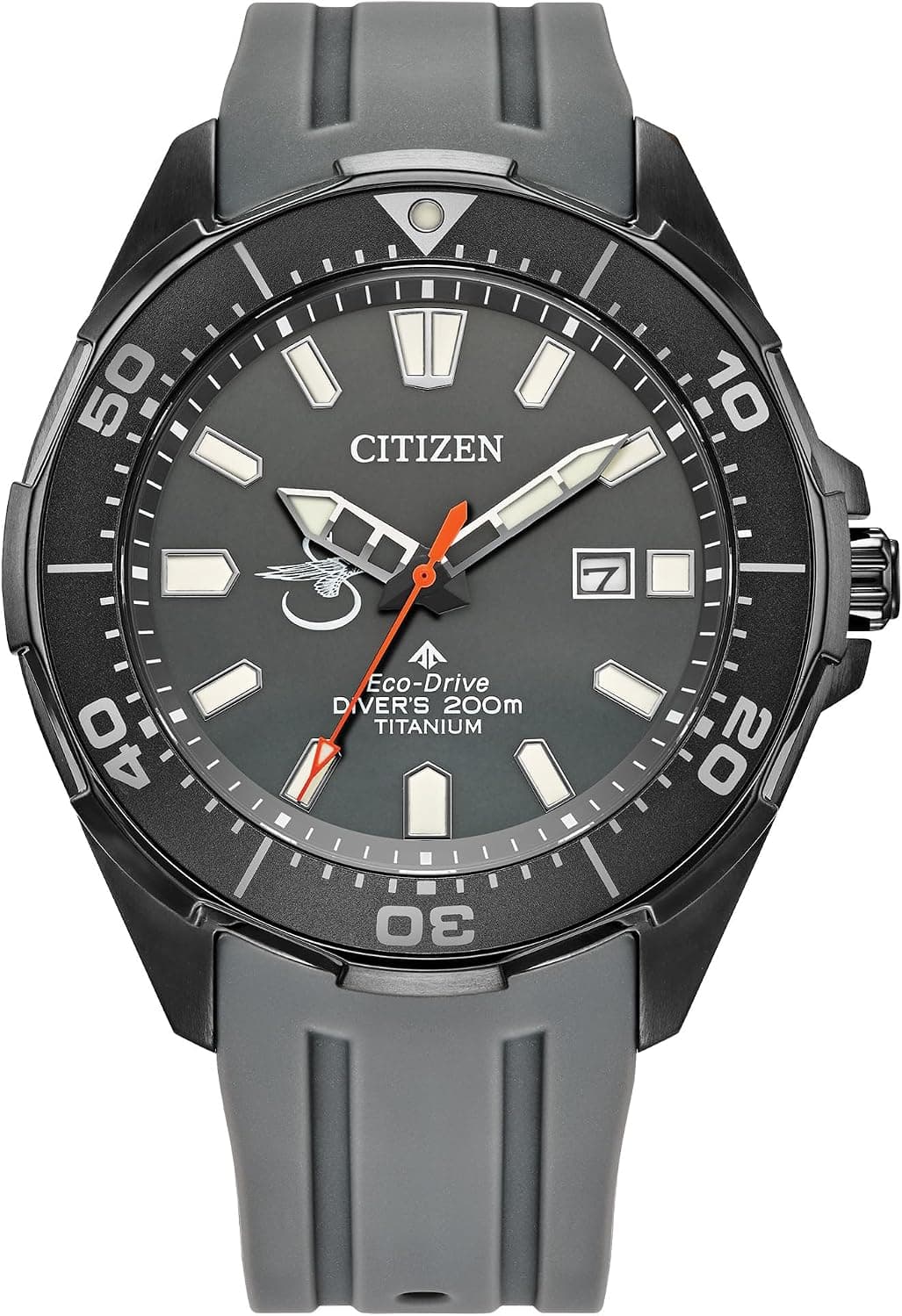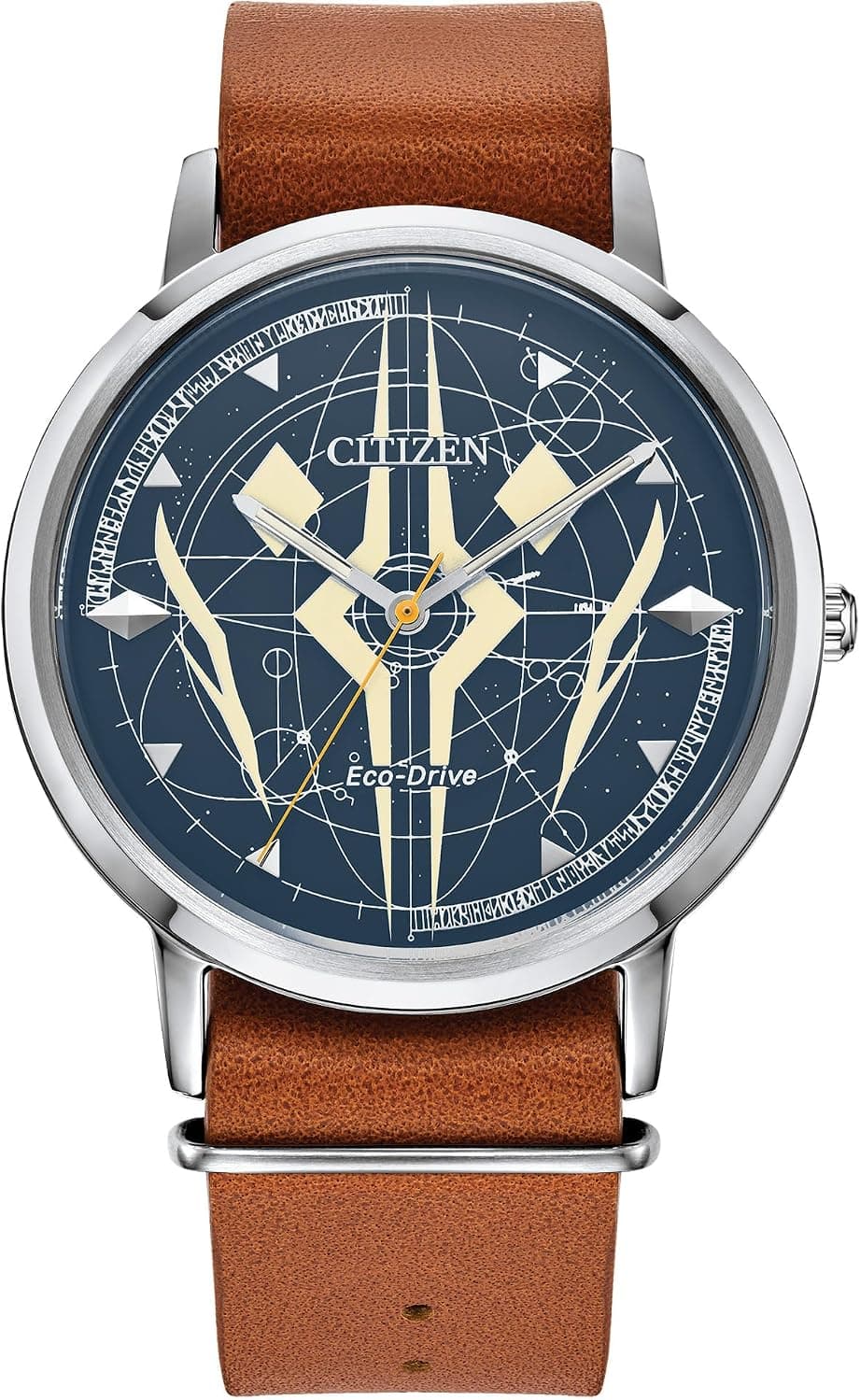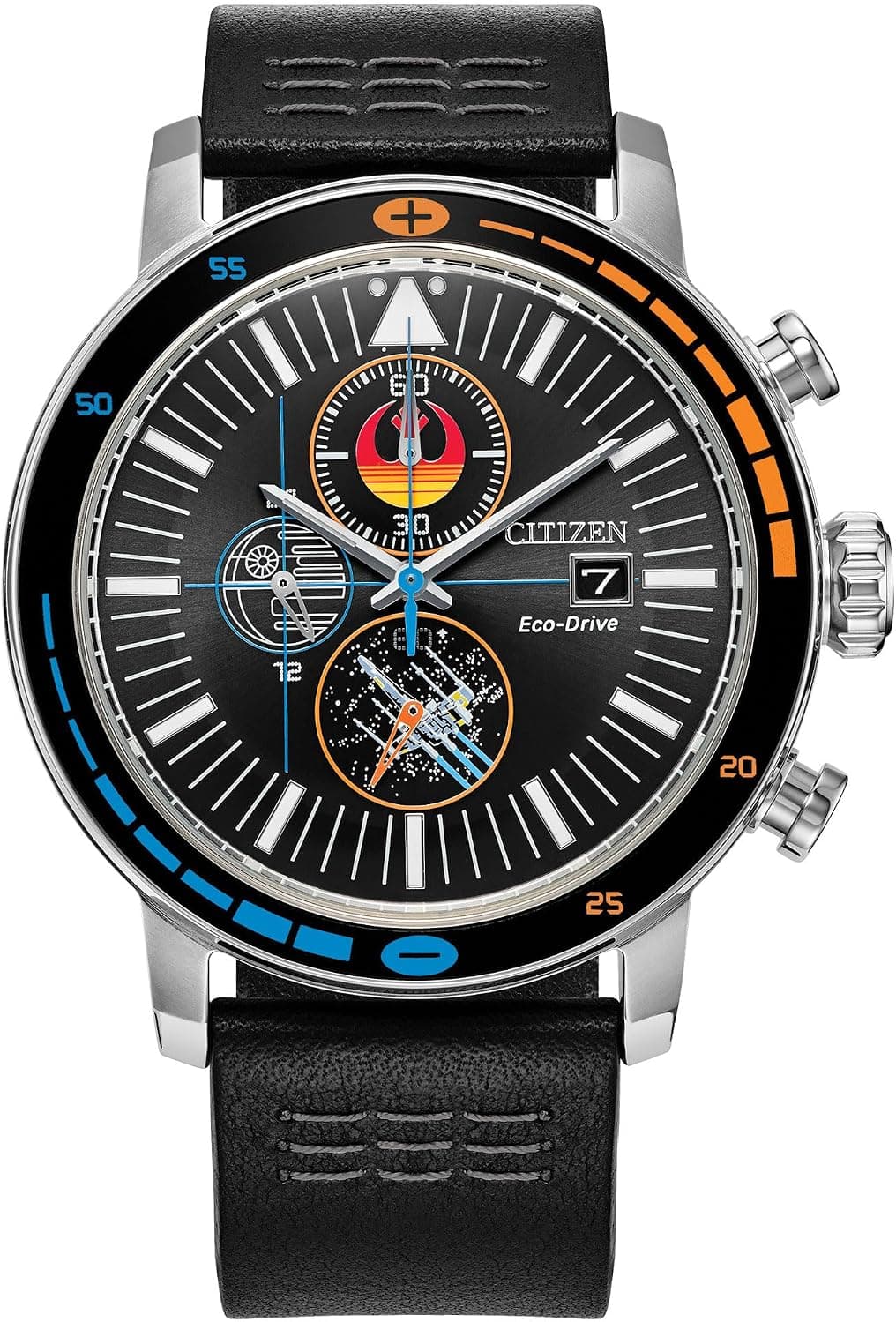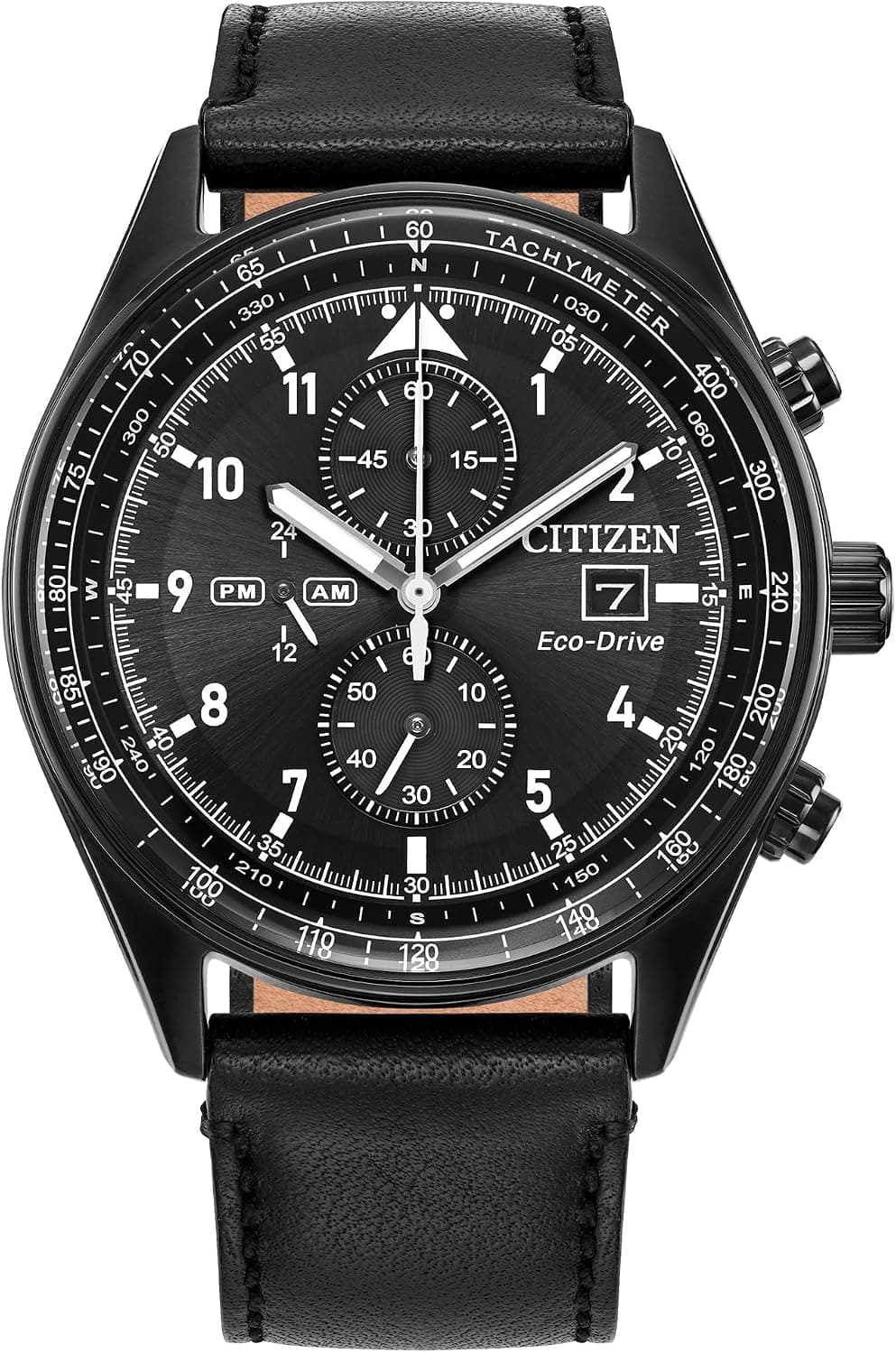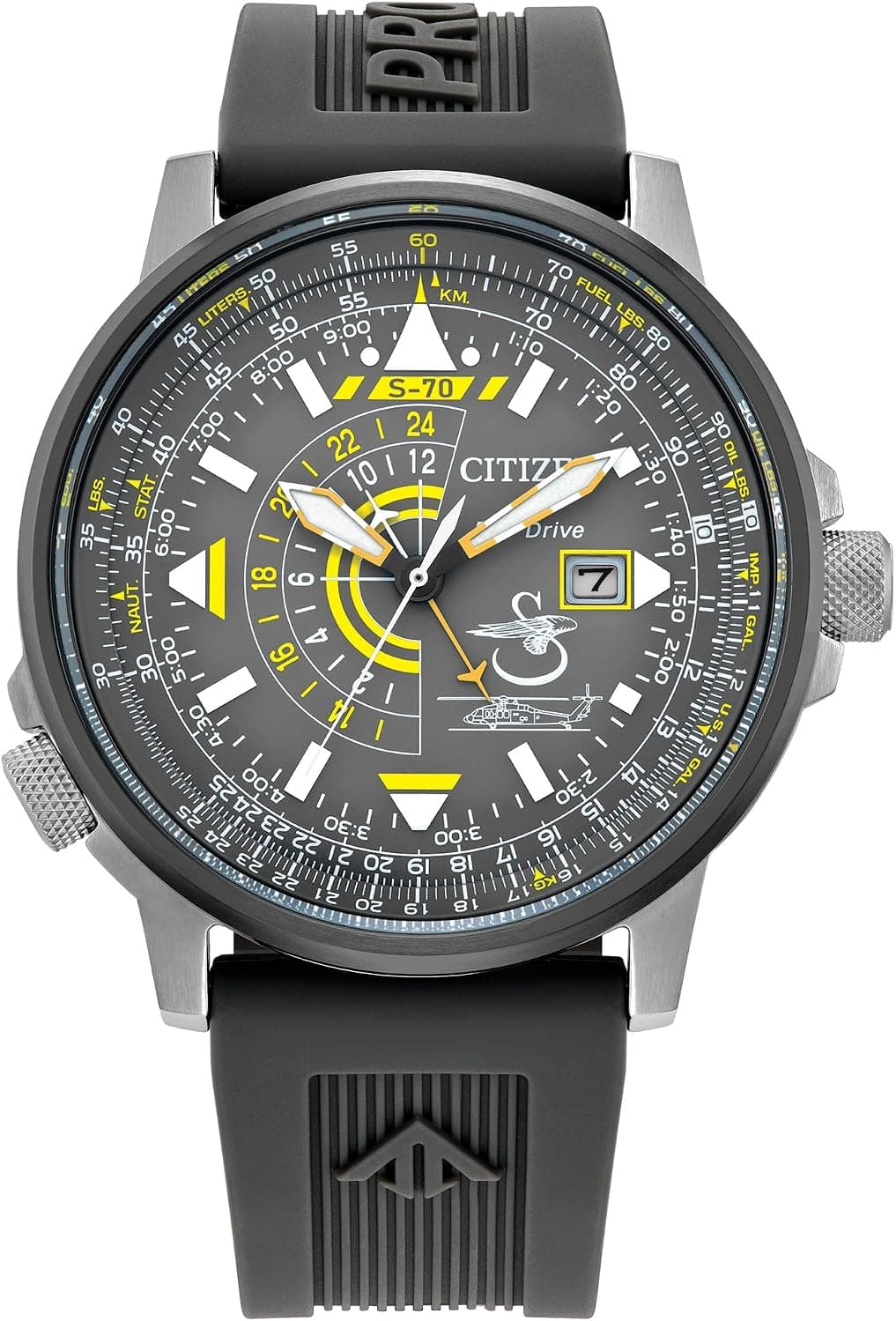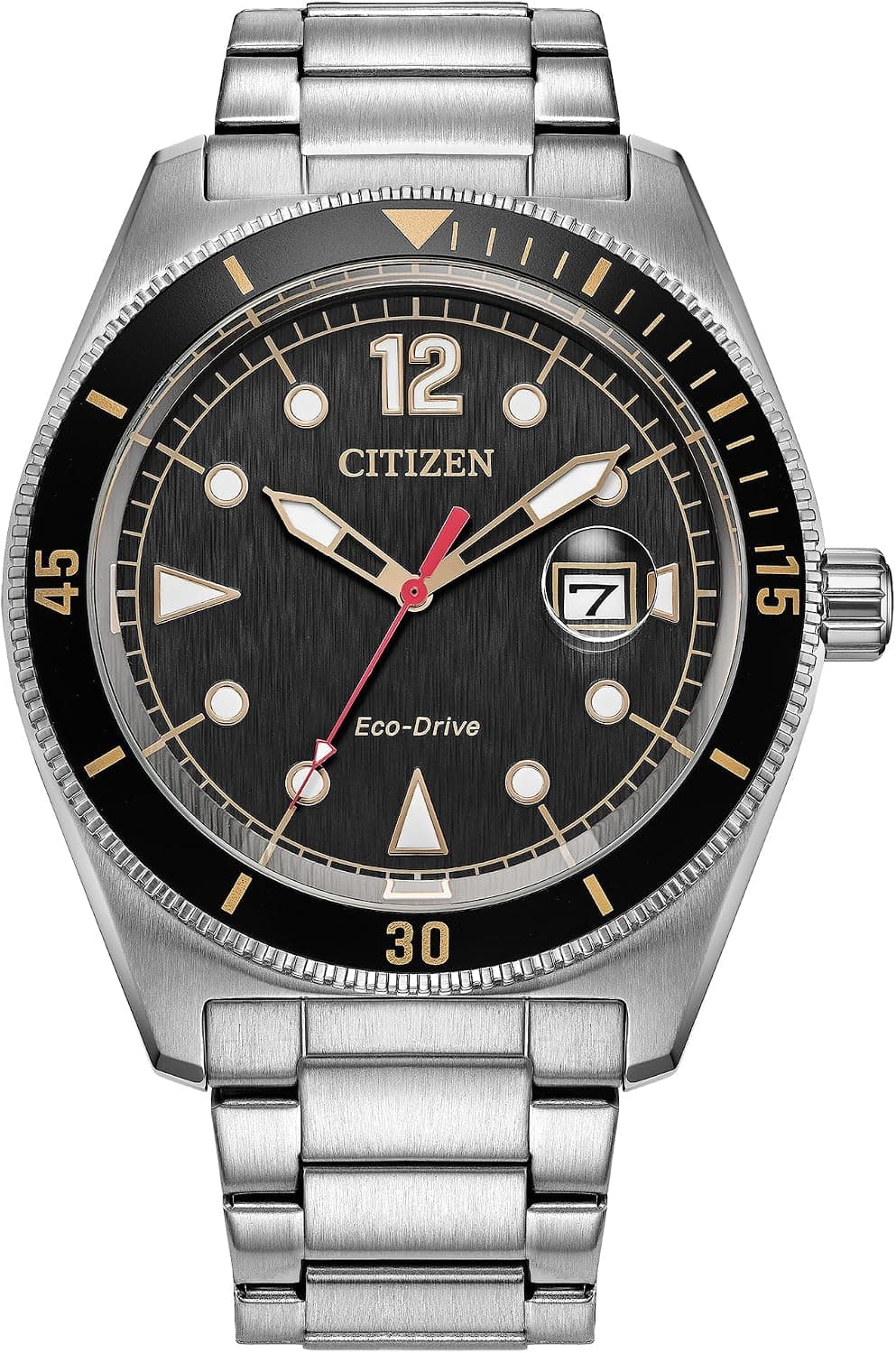
Solar Charging is a quartz technology that uses a photovoltaic cell beneath the dial to convert light into electricity, storing it in a rechargeable titanium lithium-ion secondary cell. The story starts in 1976 with Citizen's Crystron Solar Cell, the world's first analog solar watch, which wore its cells openly on the dial. In 1995 Citizen hid the cell under a translucent dial, and suddenly the technology worked with conventional, attractive dial designs. Direct sunlight charges fastest, but these systems also sip from a desk lamp, and a full charge runs most models around six months in the dark.
Three Japanese makers own this space. On the Citizen side, the entry-level Promaster Diver BN0150-28E runs about $250, while the new Promaster Eco-Drive Professional Diver 300m, built on the E365 movement with a helium escape valve and a 46mm case, sits near $675 to $695 and holds close to a full year on one charge. Seiko introduced a 41mm Prospex Solar Diver in 2024, and its solar divers offer roughly a ten-month reserve. The Seiko Speedtimer SFJ001 is a handsome solar quartz chronograph on the 8A50 movement. Casio's Tough Solar G-Shock GW-M5610, with Multi-Band 6 atomic timekeeping and 200m resistance, comes in around $150.
When buying, weigh three things: power reserve, intended use, and your light habits. If you work at a desk, Citizen Eco-Drive's ability to top up in weak indoor light is a real edge; if a watch sits in a drawer between wears, a long-reserve movement like the E365 makes sense. For diving, target an ISO 6425 piece such as a Prospex Solar or a Promaster Diver. The one trade-off is that the secondary cell loses capacity over years, typically 10 to 20, but it does not need swapping every few years like an ordinary battery.
Solar Charging blends the practicality of quartz with the wear-and-forget ease most people want: no winding, no fiddling, no dead battery on a Monday morning. For a first serious watch, a frequent traveler, or anyone who wants a sports watch they never think about, it is the lowest-maintenance option going. Its limit is sentimental, since it lacks the romance of a mechanical caliber, but for daily reliability nothing touches it.