How to Change a Watch Strap
 Serdar D.Watch Editor
To change a watch strap at home, all you need is a spring-bar tool. First measure the lug width in millimetres, then compress the old strap's spring bar to free it and seat the new one. Quick-release straps need no tool at all. Below I cover every step without scratching the lugs.
Key takeaways
- The one essential tool is a spring-bar tool; the forked end compresses the spring bar to free it.
- Measure the lug width in millimetres before buying a strap; typical values are 18, 20 and 22 mm.
- Quick-release straps come off with no tool, using a small lever on top of the spring bar.
- Keep the tool parallel to the lug and never press toward the case to avoid scratches.
- A NATO threads under the watch with no bar removal; leather reads dressier; a bracelet is most durable but needs sizing.
The only tool you really need
Changing a strap is a far simpler job than it looks, and you do almost all of it with one tool: a spring-bar tool. It has two ends. The forked end slips onto the shoulder of the spring bar and compresses it; the pointed pin end works on watches that have drilled holes through the side of the lugs. Lay a soft cloth underneath so the watch doesn't slide and the case doesn't pick up scratches.
What you need, in short:
- A spring-bar tool with both a forked and a pin end
- A soft cloth or microfibre to protect the case
- A loupe and good light if you have them
- A clean, light-coloured surface so dropped spring bars don't vanish
Measure the lug width correctly
Before you buy a new strap, the one number you must know is the lug width. This is the distance in millimetres between the two lugs, where the strap seats. Measure it with a ruler, or check the back of your current strap, since most are stamped with their width. Typical values are even numbers like 18, 20 and 22 mm. Get the width wrong and the strap will either leave gaps or simply won't fit.
If you're thinking about case size and proportion as well, the guide to sizing a watch walks through the logic, and it carries straight over to choosing strap width.
Standard spring bars versus quick-release
There are two kinds of fitting. The classic spring bar is a small metal bar with a sprung tip at each end; you compress it with the tool to fit it. A quick-release strap carries a tiny lever on top of the spring bar; pull that lever with a fingernail and the bar retracts, so the strap comes off with no tool at all. Most modern leather and NATO straps now ship with quick-release.
- Standard: cheap, sturdy, on every watch; needs the tool
- Quick-release: tool-free, swaps in seconds; costs a little more
The step-by-step swap
Turn the watch face-down on the cloth. Slide the forked end of the tool into the gap between the strap and the lug, catch the shoulder of the bar, and press gently inward. Once one end frees, tilt the strap slightly and lift it out, then release the other end. To fit the new strap, seat one tip of the bar in its hole, compress the other tip with the tool, slide it into the lug, and let go. You'll hear a faint click when it seats. Tug gently on both ends to confirm it has locked.
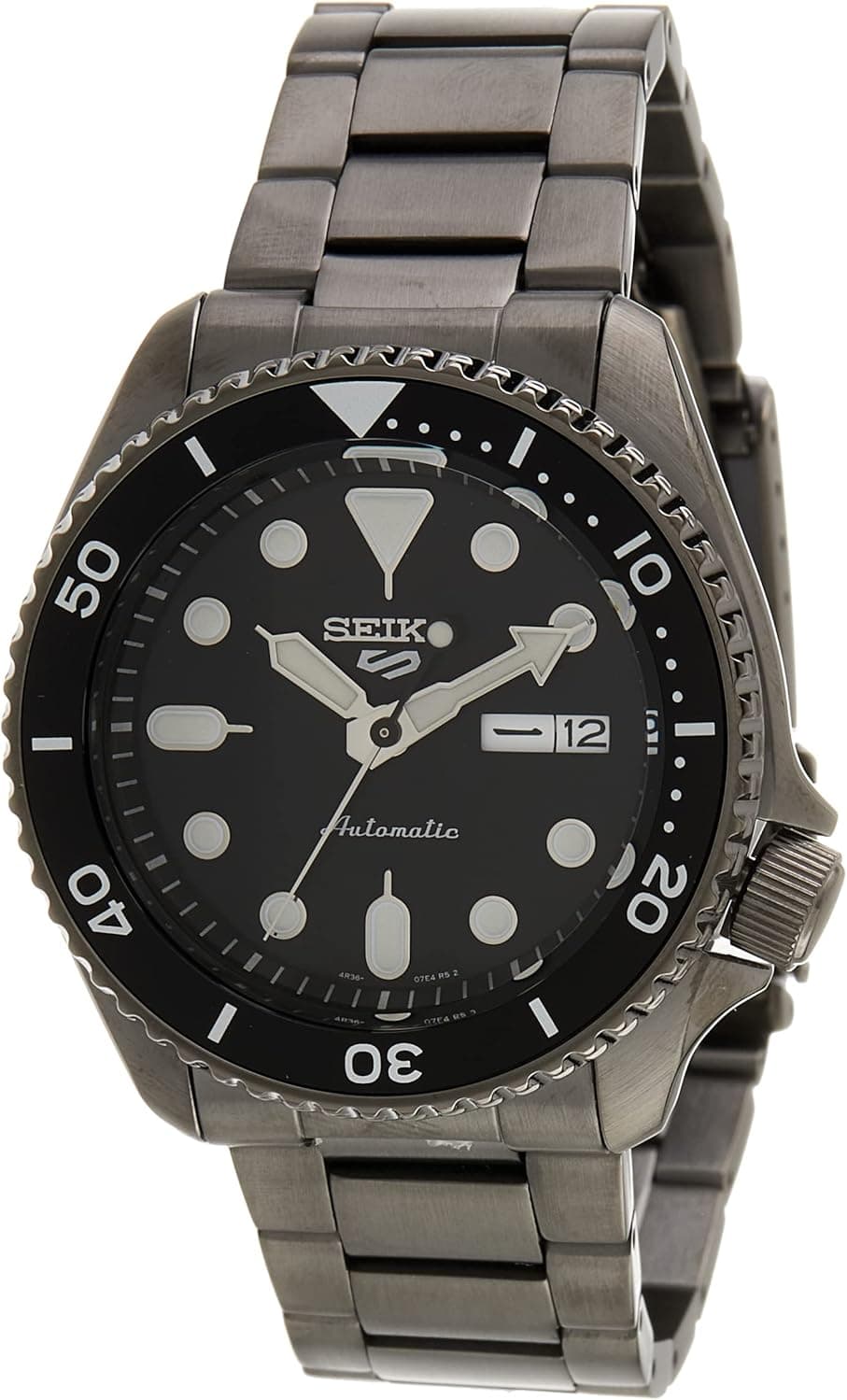
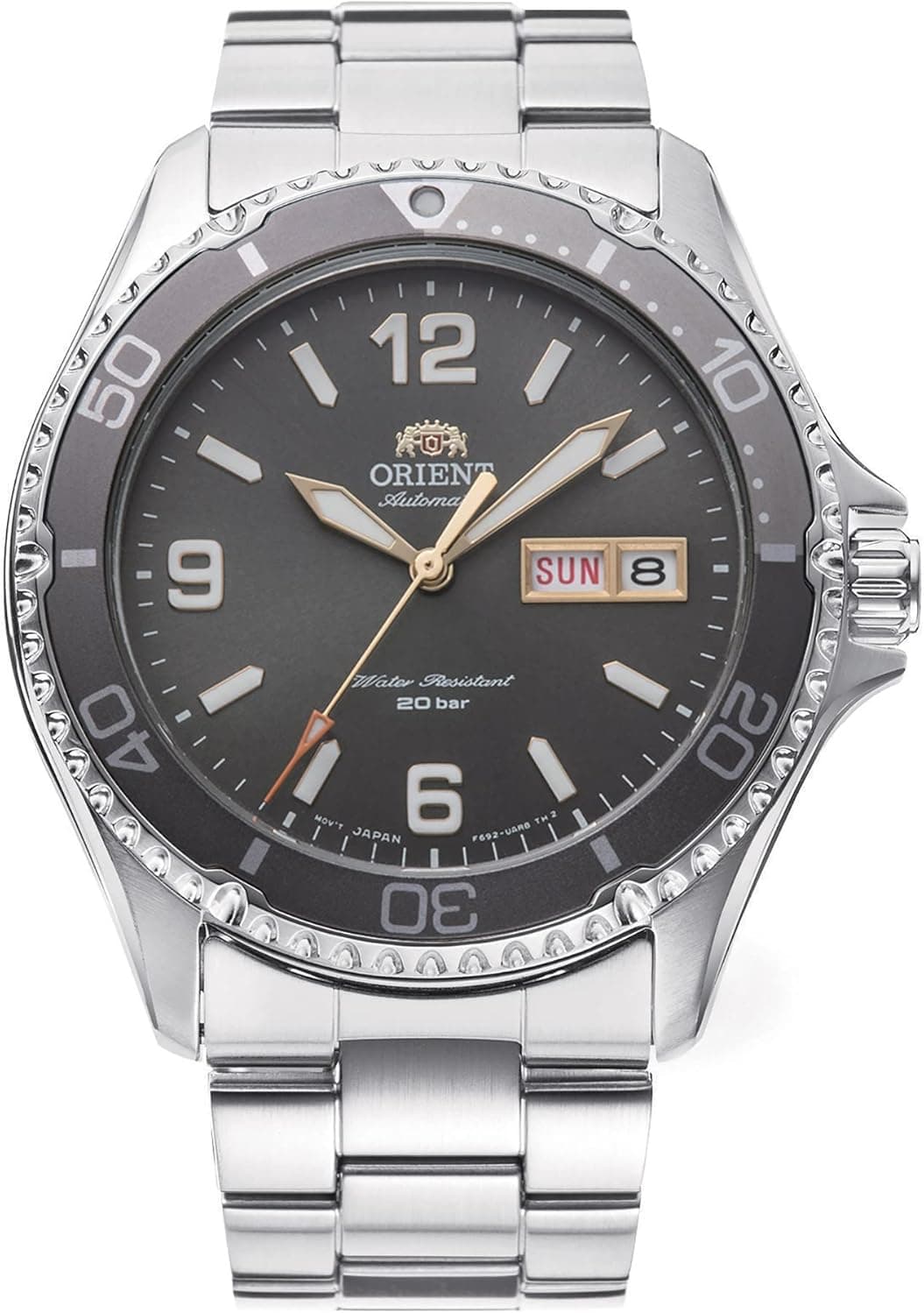
This same method works on a bracelet diver like the Orient Mako 3 and on a strap-friendly everyday watch like the Seiko 5 Sports.
Work without scratching the lugs
The most common mistake is the fine scratch left when the tool's pointed tip touches the case. To avoid it, always keep the tool parallel to the inner face of the lug, and never press toward the case itself. If the forked end slips, stop and reposition; forcing it leaves a mark. If you need to size a bracelet and it isn't quick-release, push the link pins in the direction of the arrows.
Choosing between NATO, leather and a bracelet
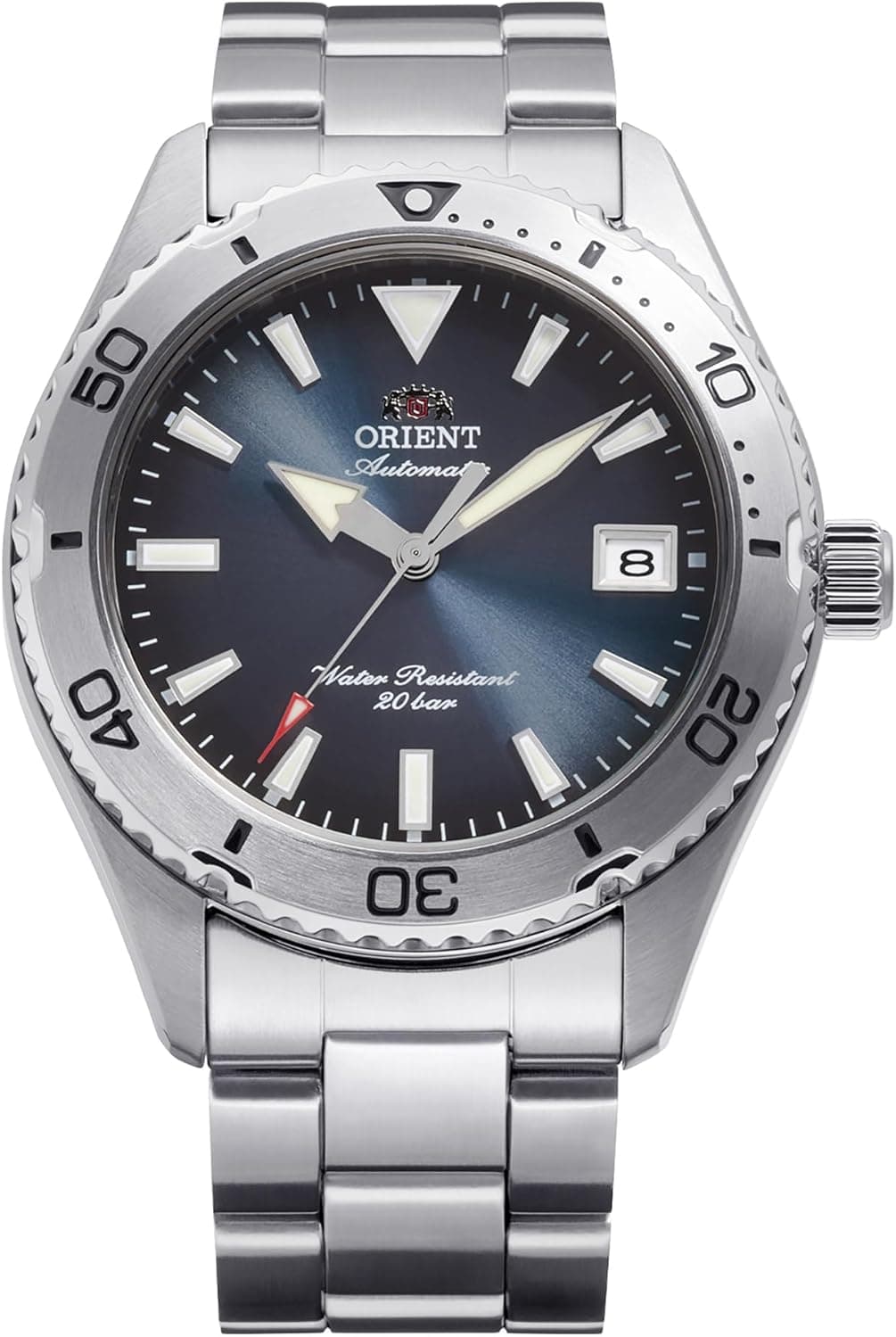
There are three main routes. A NATO is a single-piece woven NATO strap; it threads under the watch, so you never remove the spring bars, and it reads sporty. Leather gives a classic, dressier look, and it's the natural match for a dress watch like the Orient Bambino. A bracelet is the most durable and the easiest to rinse and wipe clean, but it needs sizing. For regular swimming or diving a rubber or NATO strap is the better choice, since metal bracelets hold moisture between the links and dry slowly.
If you're unsure which watch to start with, see the guide to watches for beginners and the best Japanese watches piece; both feature affordable models that are open to the strap game.
Specifications
| Specification | Value |
|---|---|
| Tool needed | Spring-bar tool (forked and pin ends) |
| Measurement to take | Lug width, in millimetres |
| Typical widths | 18, 20, 22 mm |
| Strap types | NATO, leather, bracelet |
Pros
- Done with one inexpensive tool, no workshop needed
- Quick-release straps swap in seconds
- You get many different looks from the same watch
Cons
- A slipped pointed tip can scratch the lug
- Standard spring bars take some practice and patience
- Sizing a bracelet is a separate, fiddlier job
Verdict
With a spring-bar tool and the right lug-width figure, anyone can change a strap at home. If you buy one thing, get a good forked spring-bar tool; quick-release leather or NATO straps then make the swap easy enough to need no tool at all.
Watches we recommend
Frequently asked questions
What tool do I need to change a watch strap?
All you really need is a spring-bar tool. The forked end compresses and frees the spring bar, while the pin end works on watches with holes drilled through the lugs. A soft cloth to protect the case is enough alongside it.
How do I find the right strap width?
Measure the lug width, the distance in millimetres between the watch's two lugs. You can use a ruler or read the value stamped on the back of most straps. Typical figures are even numbers like 18, 20 and 22 mm.
What is the difference between a quick-release strap and a standard spring bar?
A quick-release strap has a small lever on top of the spring bar; pull it with a fingernail and the bar retracts, so the strap comes off with no tool. A standard spring bar requires you to compress it with the tool to remove it.

About the author
Serdar D.Watch Editor
View profileSerdar D. is the editor at BraveryWatch. He believes a good watch should be not just expensive but right. He gets deep into the details, then turns them into something that is genuinely a pleasure to read. He gives relaxed, useful advice through the eyes of someone who truly cares about watches.