How to Size a Watch
 Serdar D.Watch Editor
Whether a watch suits your wrist is decided by lug-to-lug length, not diameter. Measure your wrist with a tape first, then weigh case diameter, case thickness and lug width together. The simple rule is that the lugs should never overhang the flat part of your wrist. Below I break each figure down.
Key takeaways
- Measure your wrist with a tape first: 14 to 16 cm slim, 16 to 18 cm medium, above 18 cm large.
- Diameter is the most overrated figure; two watches at the same diameter can wear very differently.
- Lug-to-lug is the real fit metric and should not overhang the flat part of your wrist.
- Case thickness drives daily comfort: dress watches run thin, sports watches can run thick.
- Know your lug width before swapping straps, usually 18, 20 or 22 mm.
Measure your wrist first
Everything starts with one number: your wrist circumference. Wrap a flexible tailor's tape just above the wrist bone, where the watch sits, and read it in millimetres. No tape? Use a length of string, then measure it against a ruler. As a rough map, 14 to 16 cm is a slim wrist, 16 to 18 cm is medium, and above 18 cm is large. Learn this number once, because every decision below builds on it. For more, see the wrist size entry.
Case diameter: the most overrated figure
Most people shop almost entirely by case diameter, yet that figure on its own is misleading. Diameter is the horizontal width of the case, excluding the crown, and on modern watches it usually runs between 36 and 42 mm. On a slim wrist, 38 to 40 mm is the safe zone; on a medium wrist, 40 to 42 mm sits comfortably. But two watches at the same diameter can wear completely differently, because the real driver is not diameter, it is the lugs.
Lug-to-lug: the real fit metric
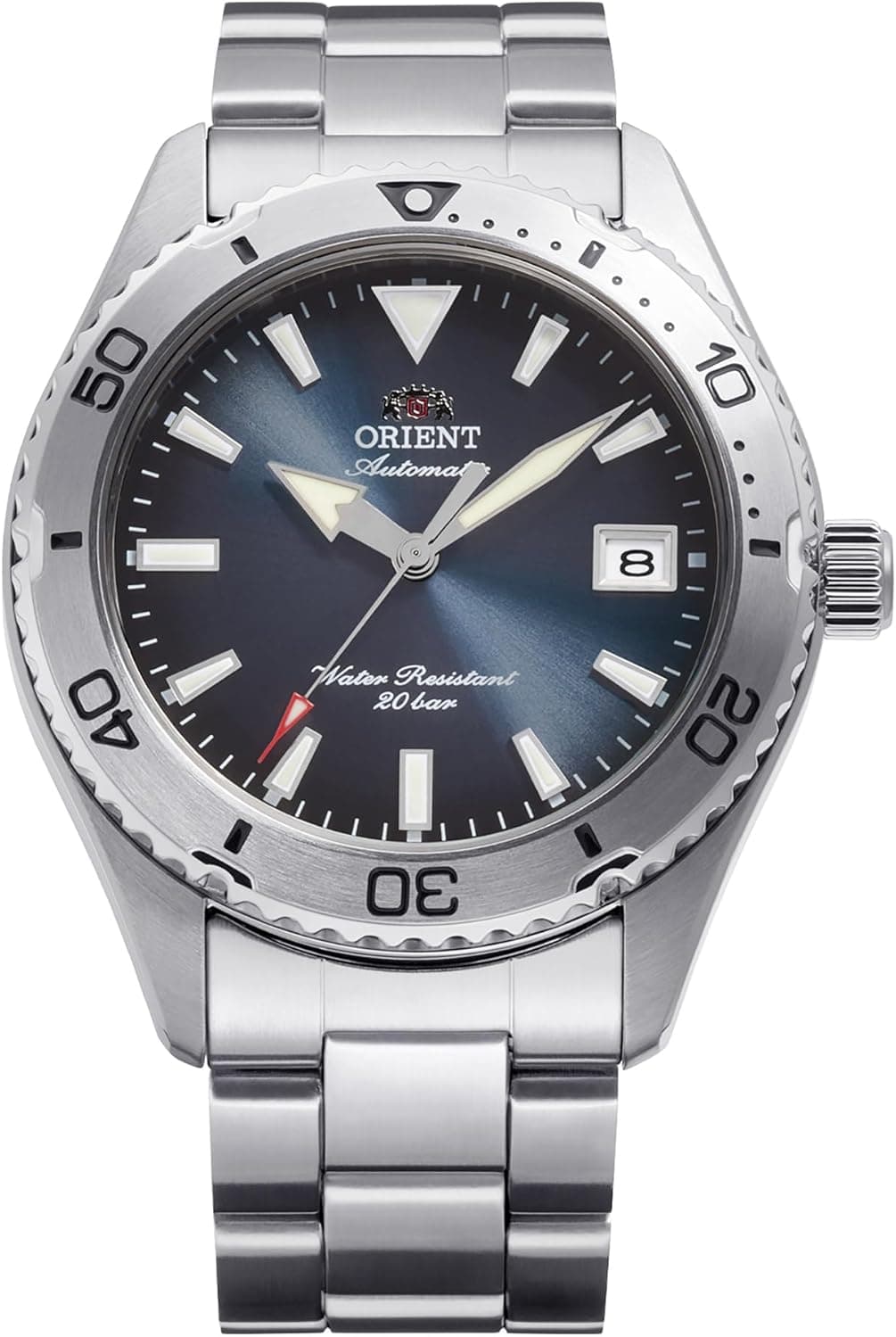
The single most important figure for whether a watch suits you is lug-to-lug length. That is the vertical distance from the tip of the top lug to the tip of the bottom lug. If that span overhangs the flat top of your wrist, the watch will perch and slide no matter how handsome it looks. The rule of thumb: lug-to-lug should stay shorter than the flat part of your wrist. A 40 mm watch with short, curved lugs can sit smaller than a 38 mm watch with long, straight ones. With its balanced proportions, the Orient Mako-3 is a good example: a modern diver with lugs kept in check.
Case thickness: will it slip under a cuff
Case thickness is the figure people forget, but it drives daily comfort. A slim dress watch runs around 7 to 9 mm and slides under a shirt cuff cleanly. A diver can be 12 to 14 mm and catch on the cuff. If you want a dressy fit, a slim case helps, which is part of why the Orient Bambino Version 2 reads as a dress watch; its case is closer to 12.5 mm than the 7 to 9 mm range above, but the domed crystal lets it wear slimmer than the spec suggests. If you want a sportier feel, some height is natural.
Strap and lug width
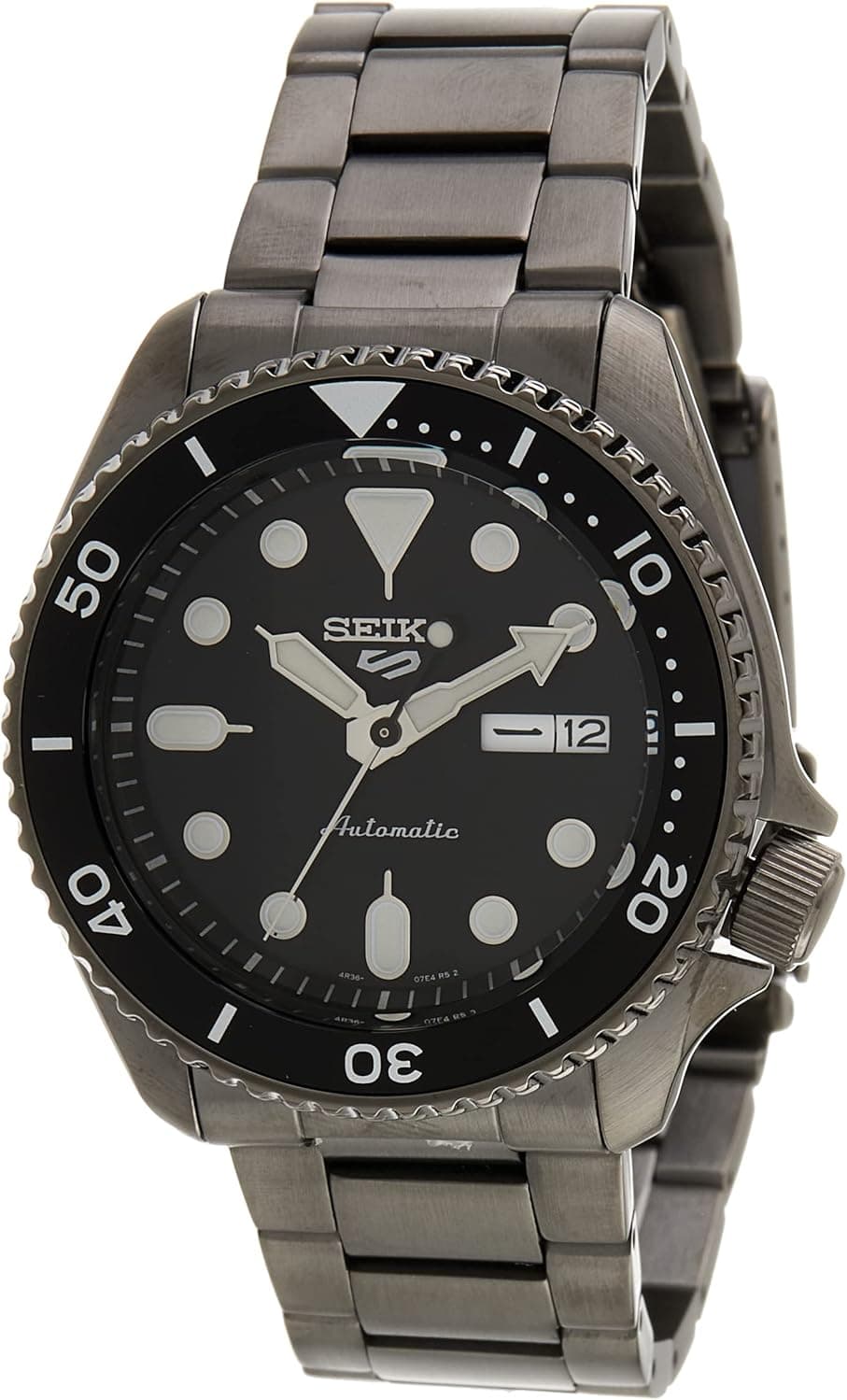
Finally, lug width: the gap between the lugs where the strap attaches. This figure is critical when you swap straps, because you cannot fit a 22 mm strap into a 20 mm gap. Proportion matters too, since a strap that is too narrow for the case makes a watch look top-heavy. Sports watches typically run 20 to 22 mm; the versatile Seiko 5 Sports offers that strap flexibility.
Quick rules
- Lug-to-lug first, diameter second. Diameter is what you see, but fit lives in the lugs.
- Slim wrist: 36 to 40 mm diameter, under 47 mm lug-to-lug, under 10 mm thick.
- Dress watches run thin, sports watches can run thick. A watch meant to slip under a cuff should stay under 9 mm.
- Know your lug width before buying straps. Usually 18, 20 or 22 mm.
If you want to go deeper, read best watches for small wrists and best watches for beginners.
Specifications
| Specification | Value |
|---|---|
| Slim wrist range | 14 to 16 cm circumference |
| Safe diameter (most wrists) | 36 to 42 mm |
| Dress watch thickness | 7 to 9 mm |
| Typical lug width | 18, 20 or 22 mm |
Pros
- Measuring your wrist once simplifies every future buying decision.
- The lug-to-lug rule prevents disappointment when shopping online.
- Knowing case thickness tells you in advance whether a watch slips under a cuff.
Cons
- Lug-to-lug is not always listed on product pages, so you sometimes have to dig for it.
- Wrist size alone does not settle taste or proportion preference.
- For buyers used to diameter, thinking in lugs is not intuitive at first.
Verdict
If you remember one figure, make it lug-to-lug: as long as it does not overhang the flat part of your wrist, diameter mostly takes care of itself. For a safe starting point on average to medium wrists, the well-proportioned Orient Mako-3 suits most people; on a genuinely slim wrist its 12.8 mm height runs a touch tall.
Watches we recommend
Frequently asked questions
Which measurement decides whether a watch suits my wrist?
Lug-to-lug length decides it, not diameter. That is the distance from the tip of the top lug to the tip of the bottom lug, and it should not overhang the flat part of your wrist. If it does, the watch perches and slides however good it looks.
What case diameter suits a slim wrist?
On a slim wrist, 36 to 40 mm is the safe zone, but do not trust diameter alone. Keep lug-to-lug under 47 mm and thickness under 10 mm; that combination matters far more than diameter on a slim wrist.
Which measurement do I need to know to change a strap?
You need the lug width, the gap between the lugs. It is usually 18, 20 or 22 mm, and the strap must match it exactly; a 22 mm strap will not fit a 20 mm gap. A width in proportion to the case keeps the watch looking balanced.

About the author
Serdar D.Watch Editor
View profileSerdar D. is the editor at BraveryWatch. He believes a good watch should be not just expensive but right. He gets deep into the details, then turns them into something that is genuinely a pleasure to read. He gives relaxed, useful advice through the eyes of someone who truly cares about watches.