


GarminPremium
GPS company founded by Gary Burrell and Min Kao in Kansas in 1989; the Fenix 8 (multi-band GNSS), Forerunner 970 (AMOLED) and Venu 3 lines cover mountaineering, running and everyday smartwatches.
Garmin is the Kansas engineering company, founded in 1989, that turned GPS hardware into a serious sports-watch ecosystem. Its fenix, Forerunner and MARQ lines run a proprietary OS built around battery life and honest training data.
Garmin was founded in 1989 in Lenexa, Kansas by Gary Burrell and Min H. Kao, two electrical engineers who first called the company ProNav before settling on a name fused from GARy and MIN. The roots are in marine and aviation GPS, and that engineering pedigree still runs through the watches. Corporate headquarters moved to Olathe, Kansas in 1996. Unlike Apple or Samsung, Garmin does not run Wear OS; it builds its own GarminOS, with apps delivered through the Connect IQ store and pairing, sync and dashboards handled by the Garmin Connect phone app.
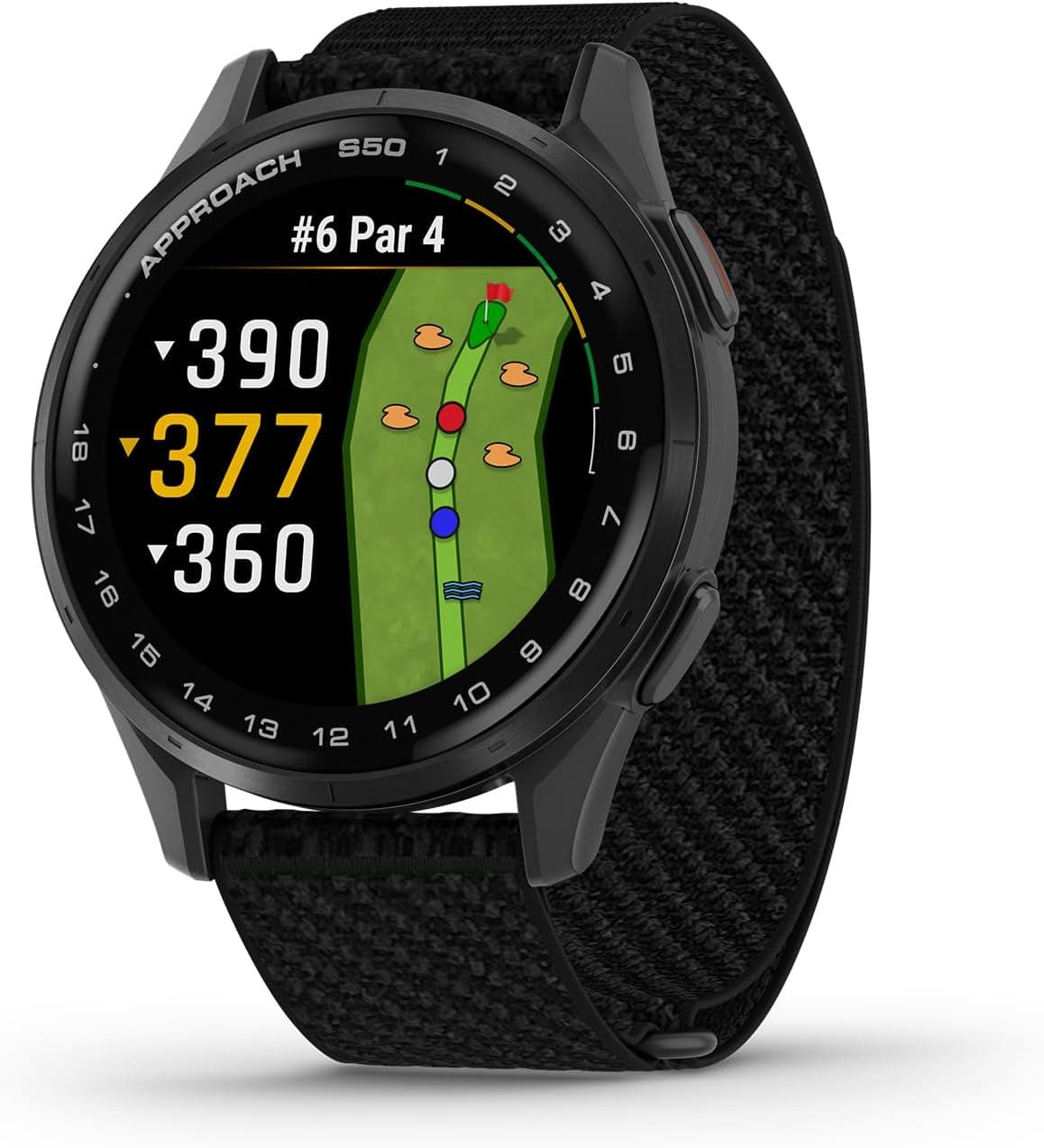
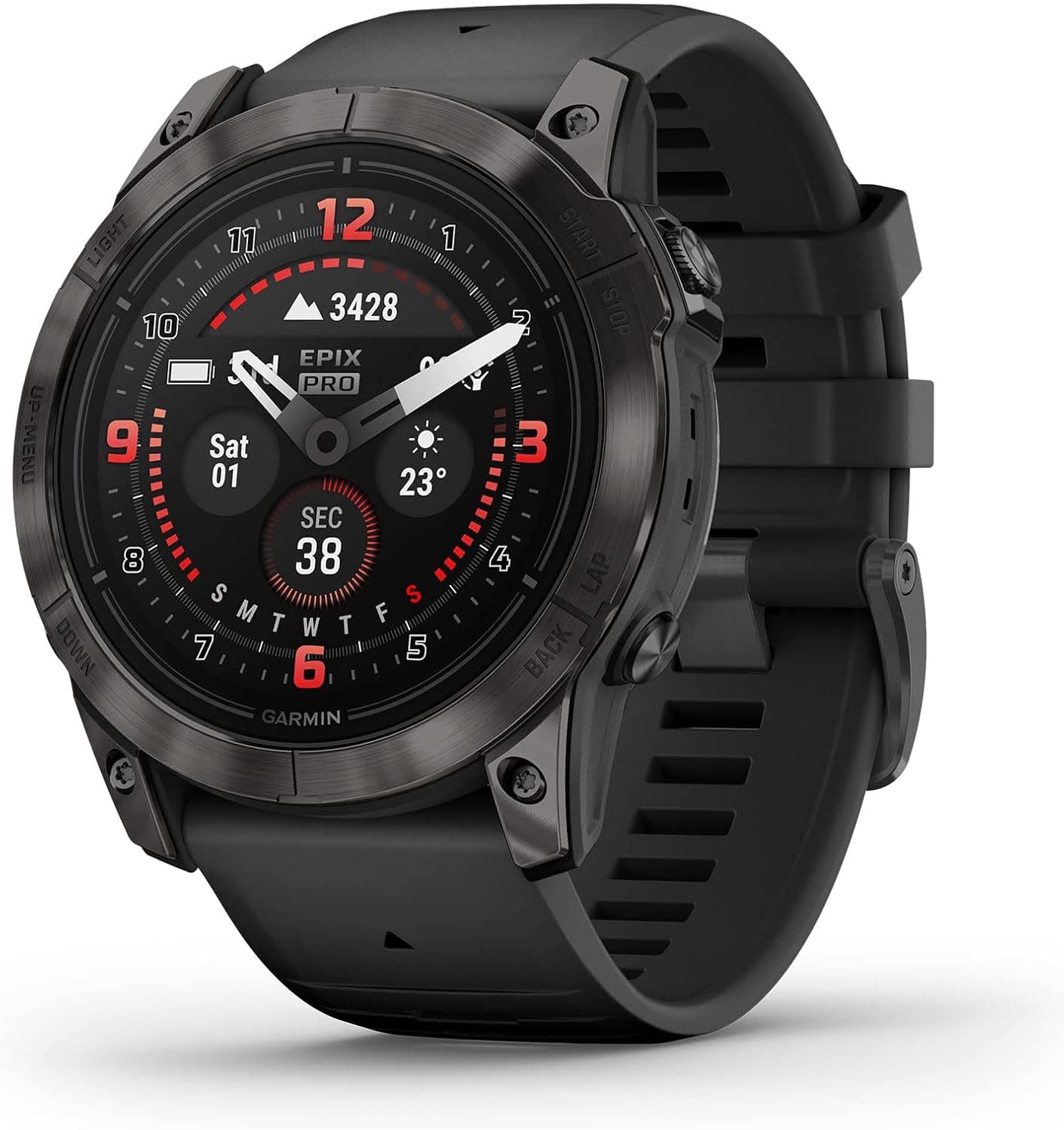
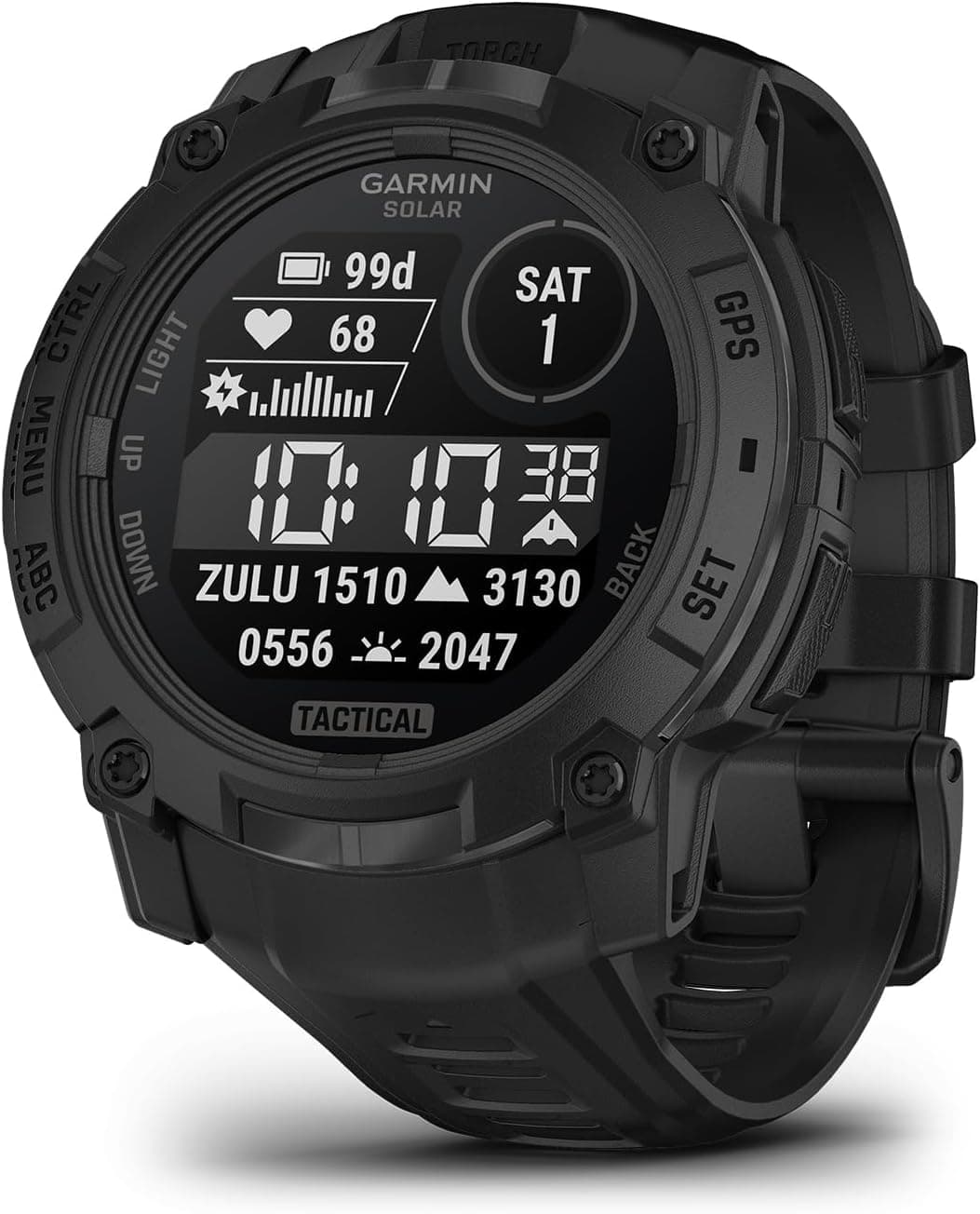
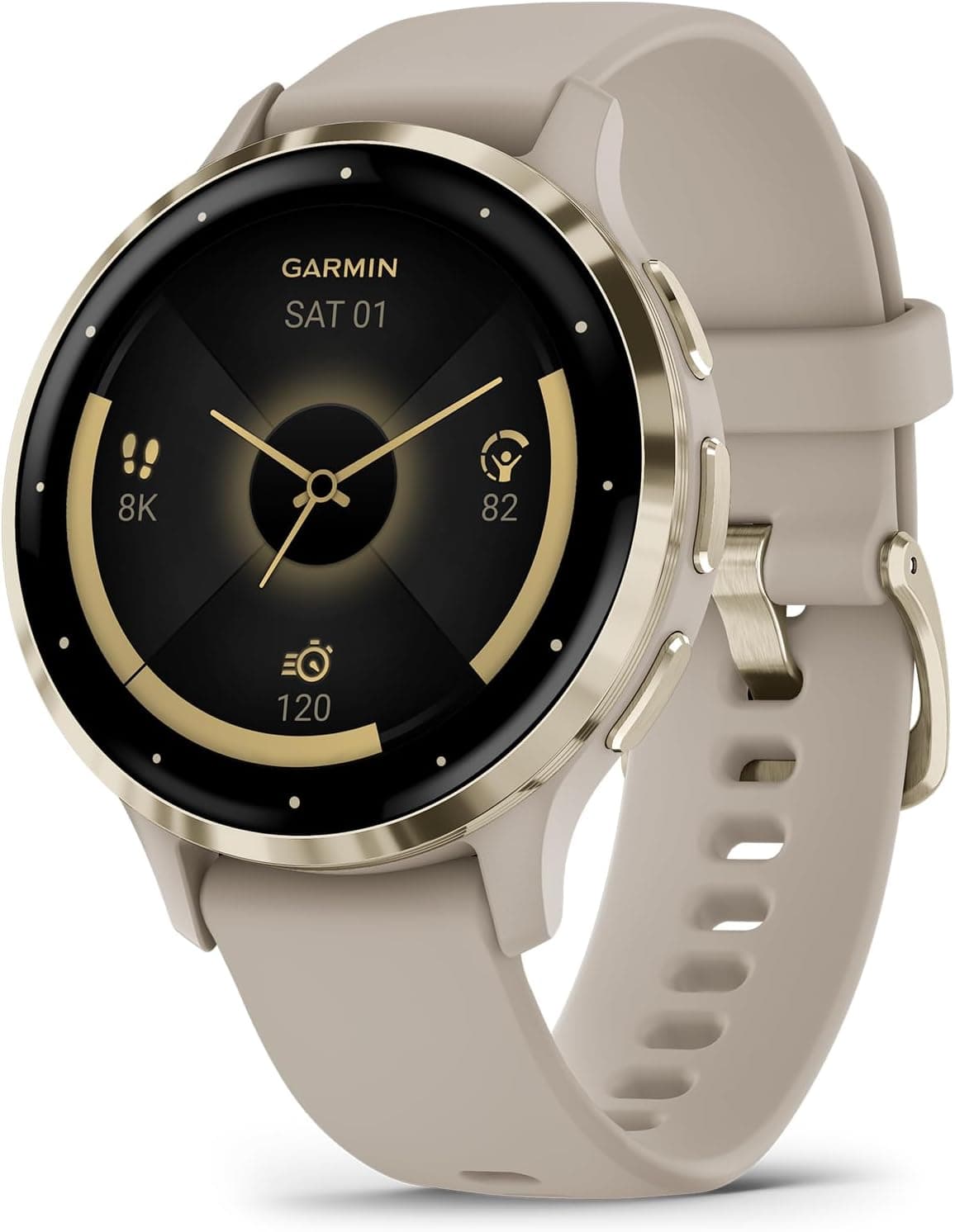
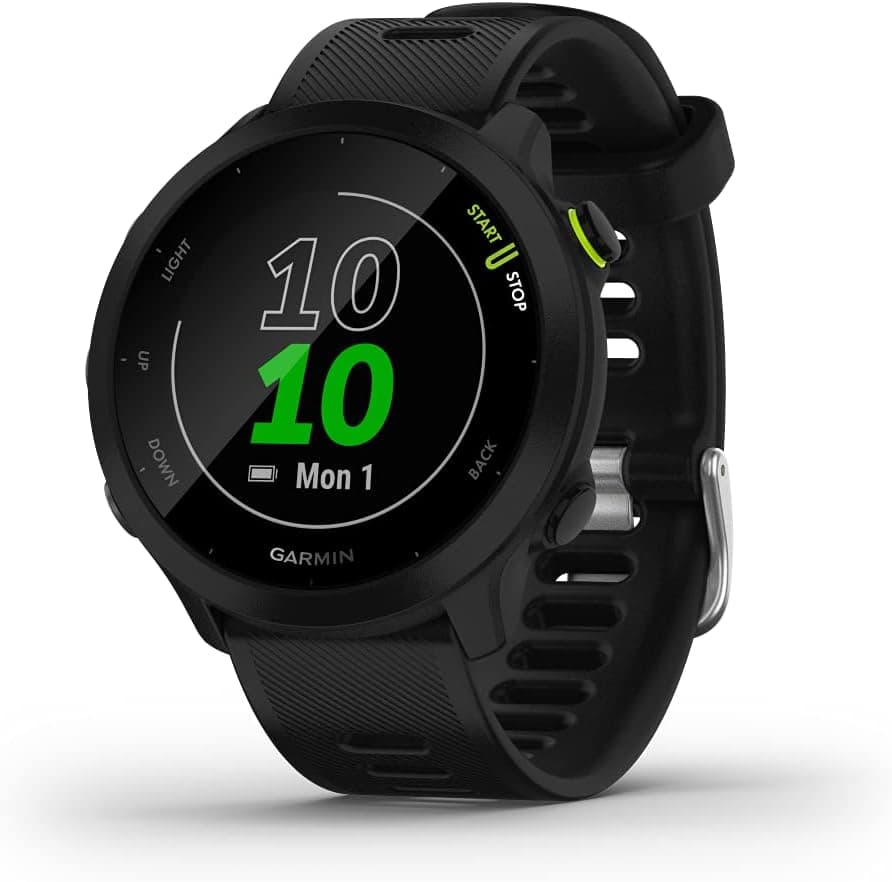
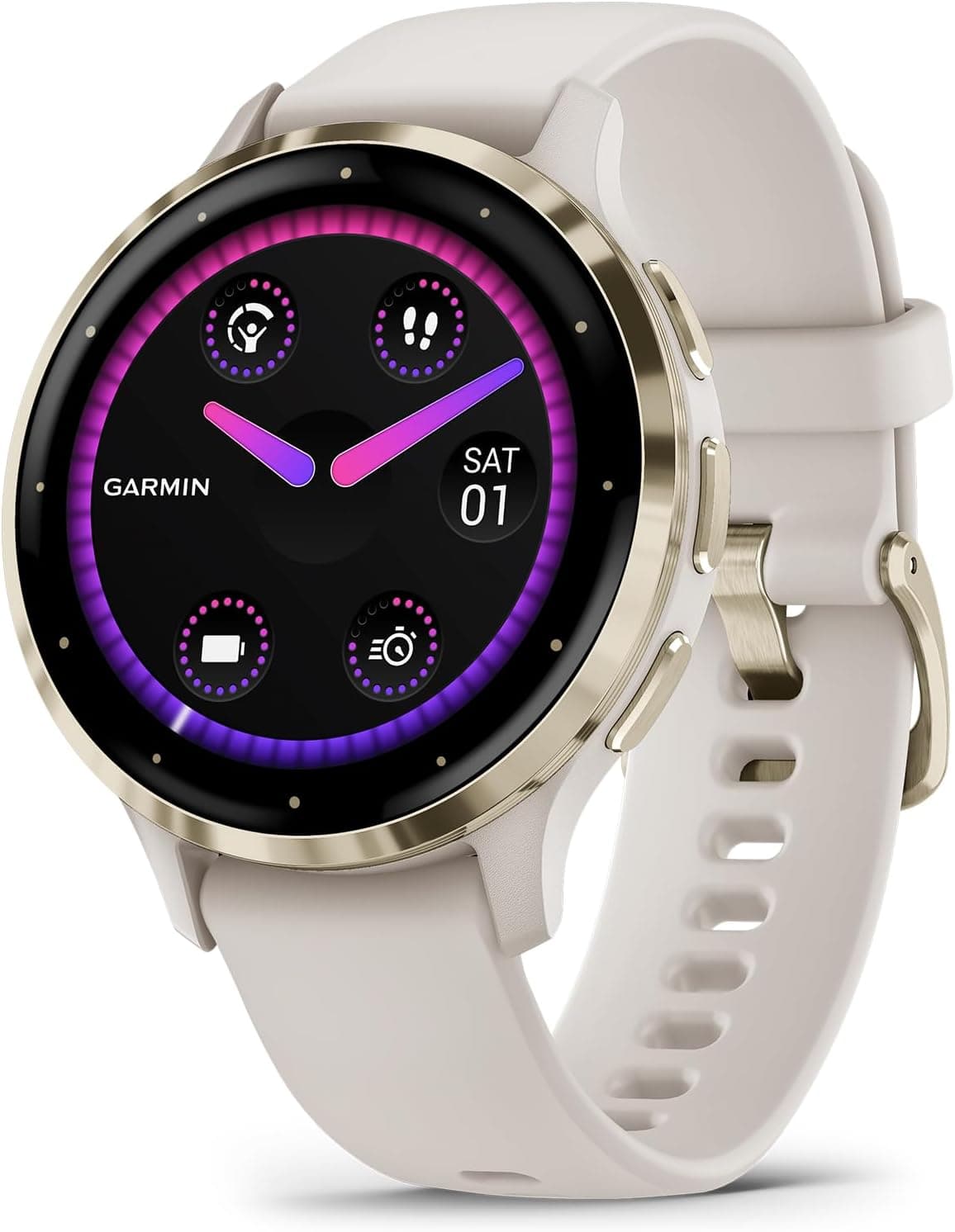
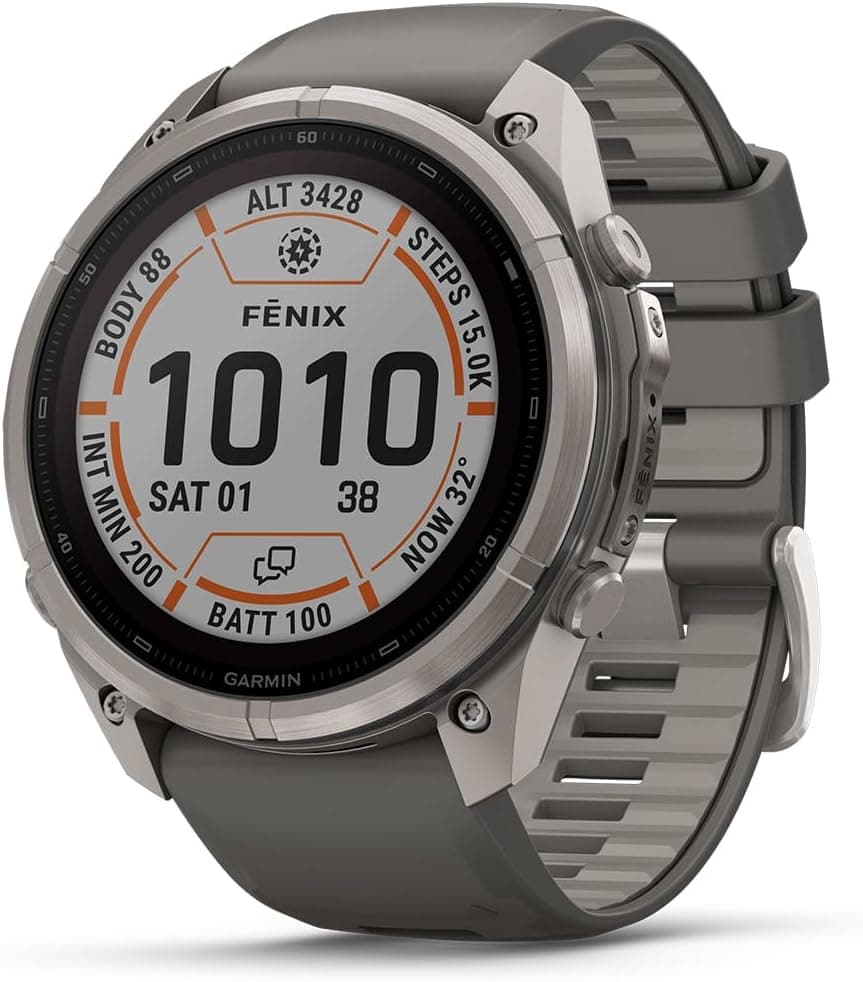
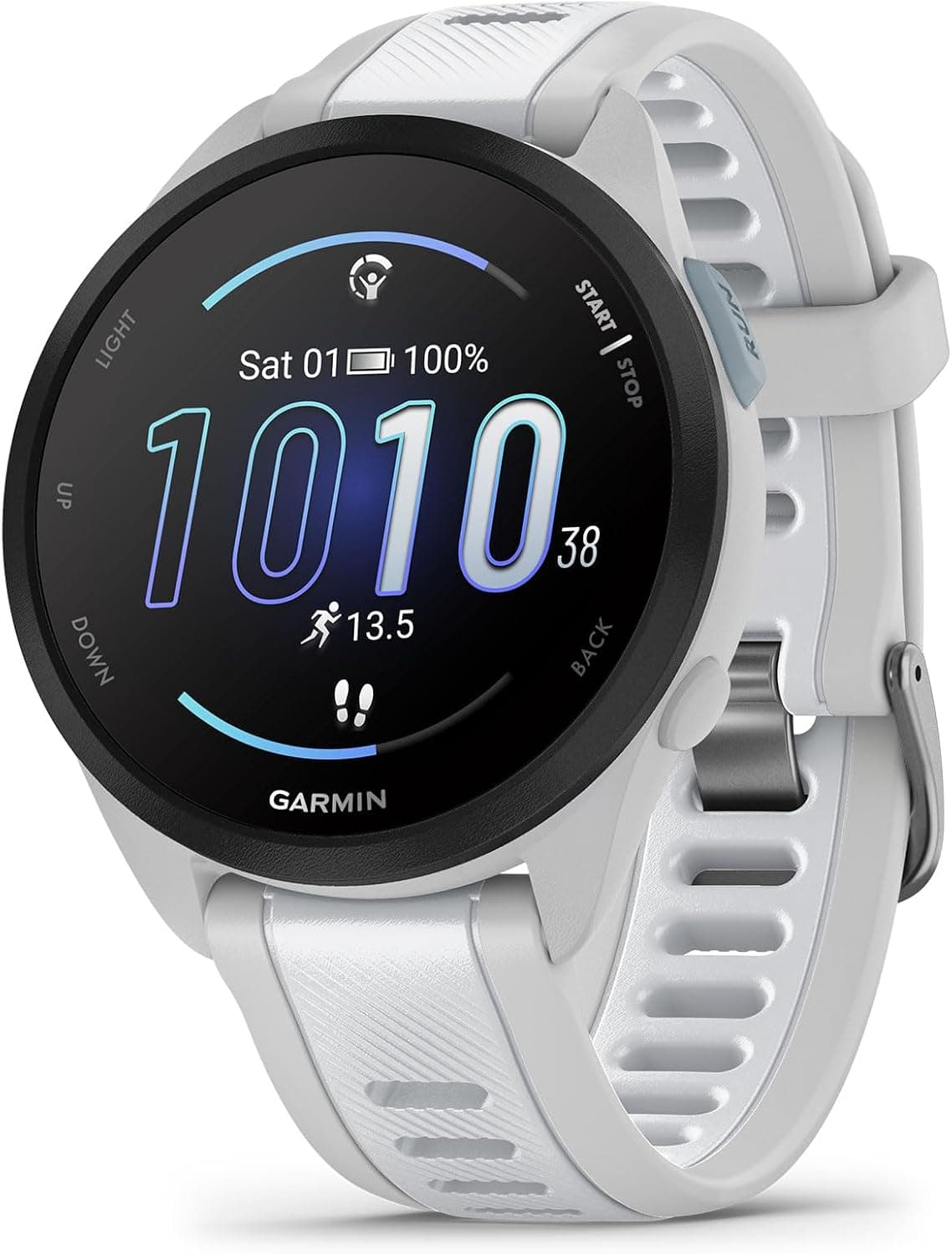
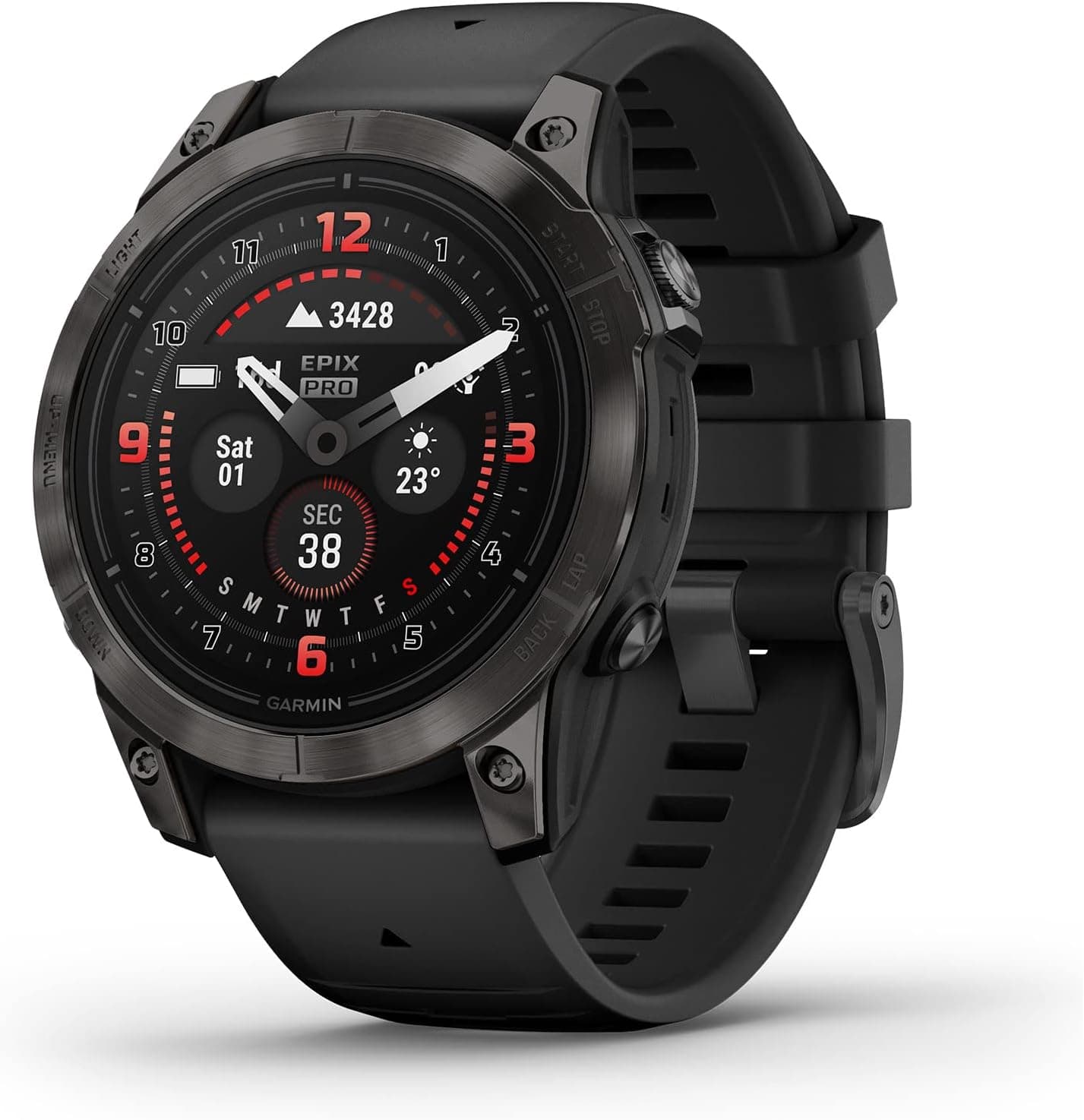
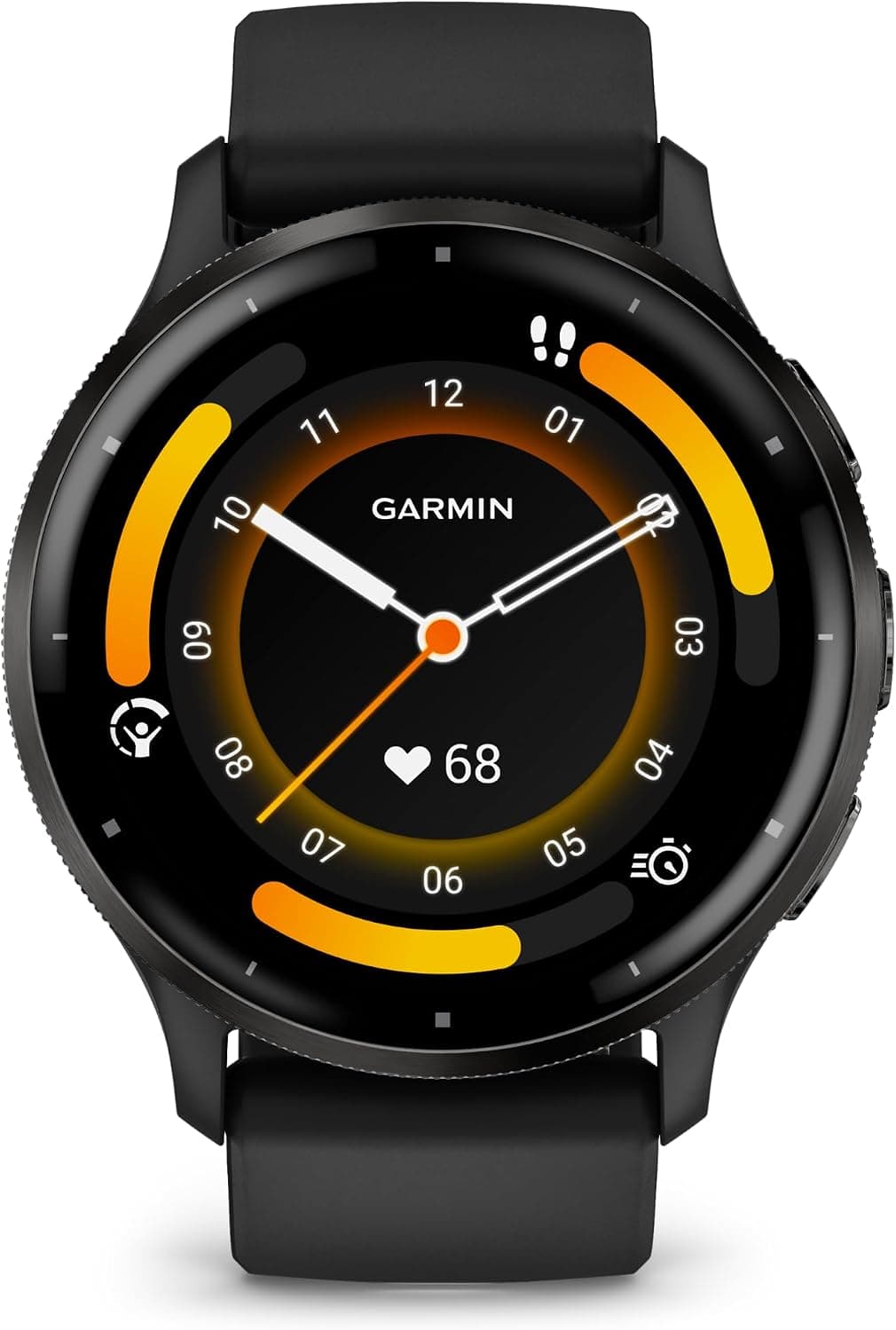
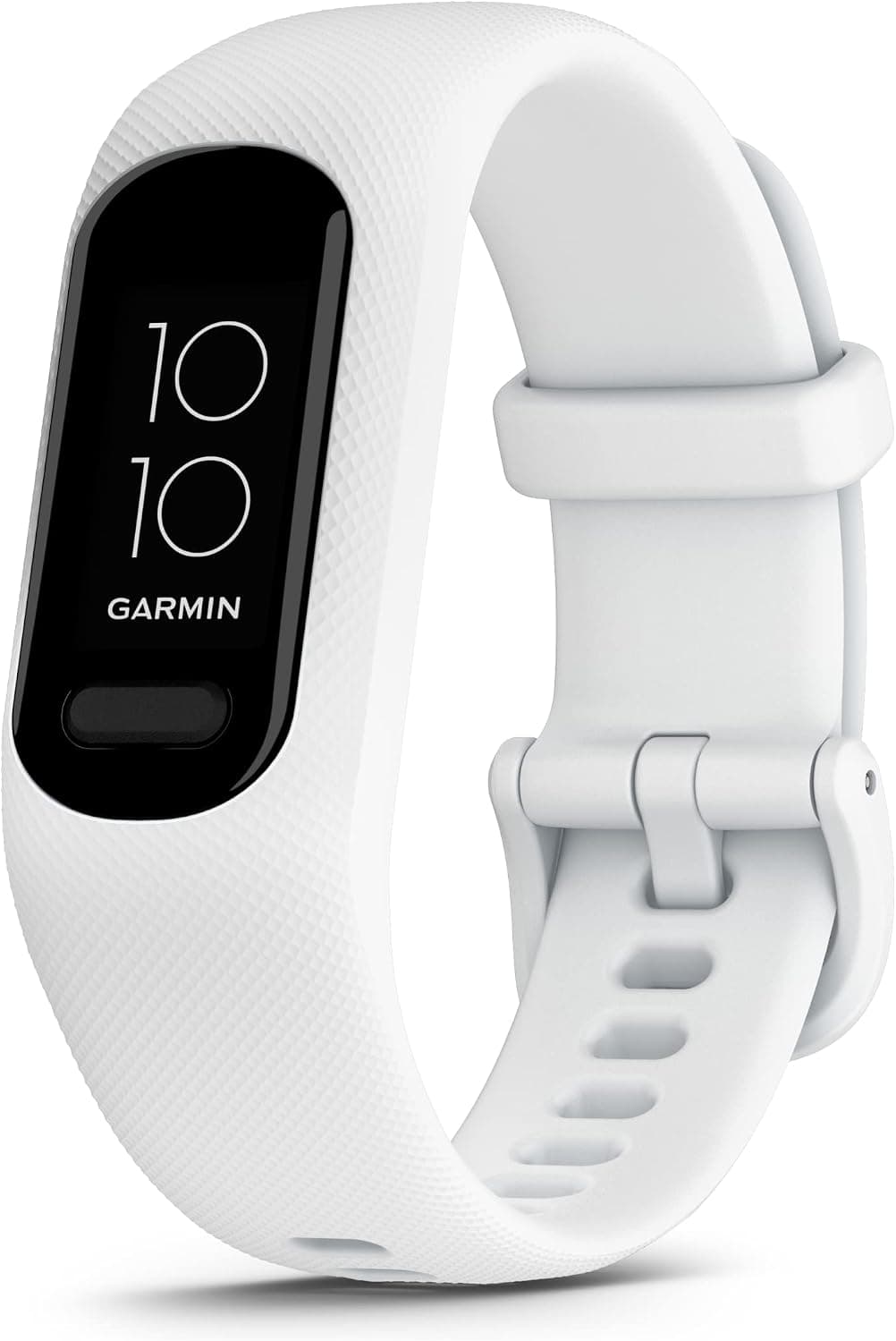
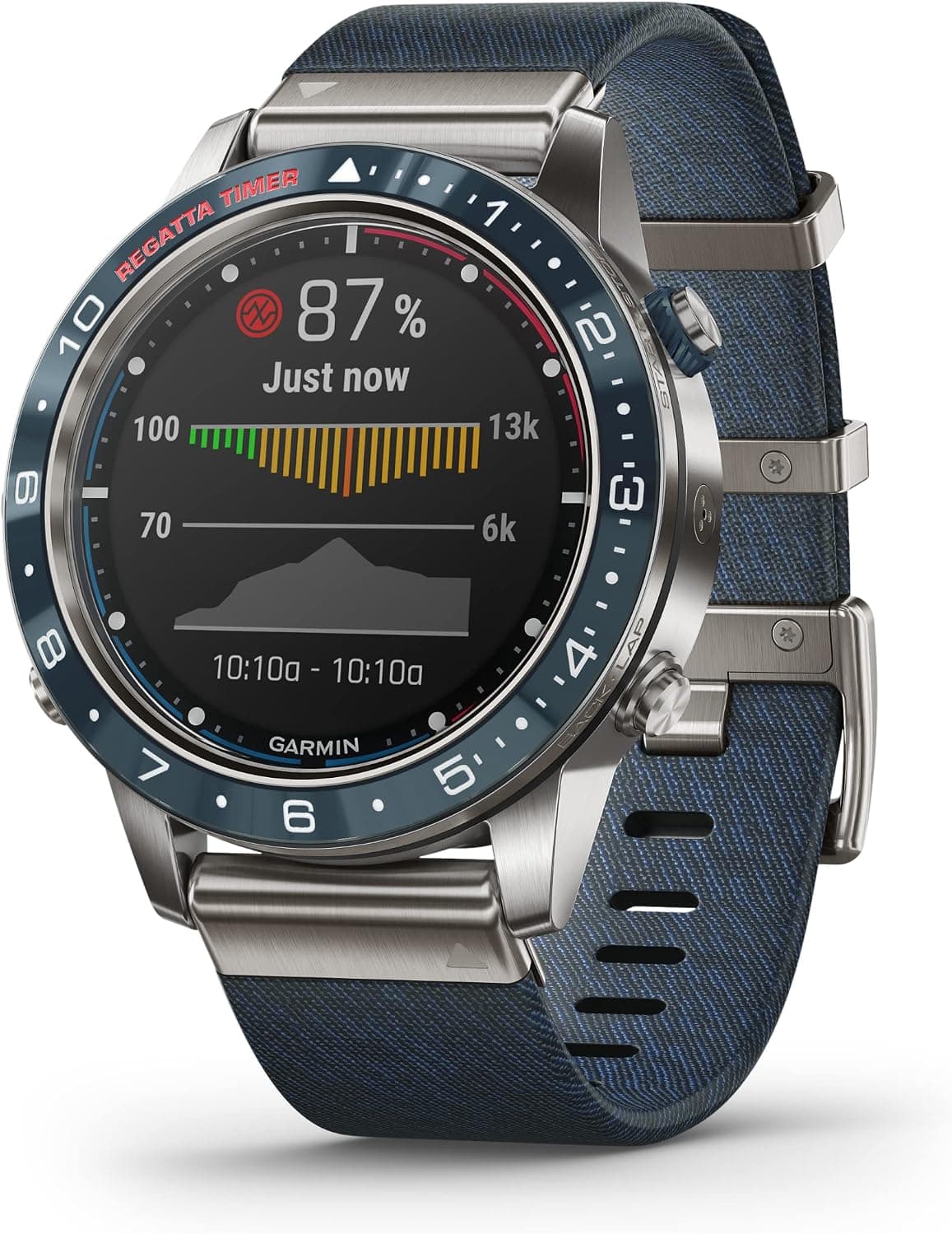
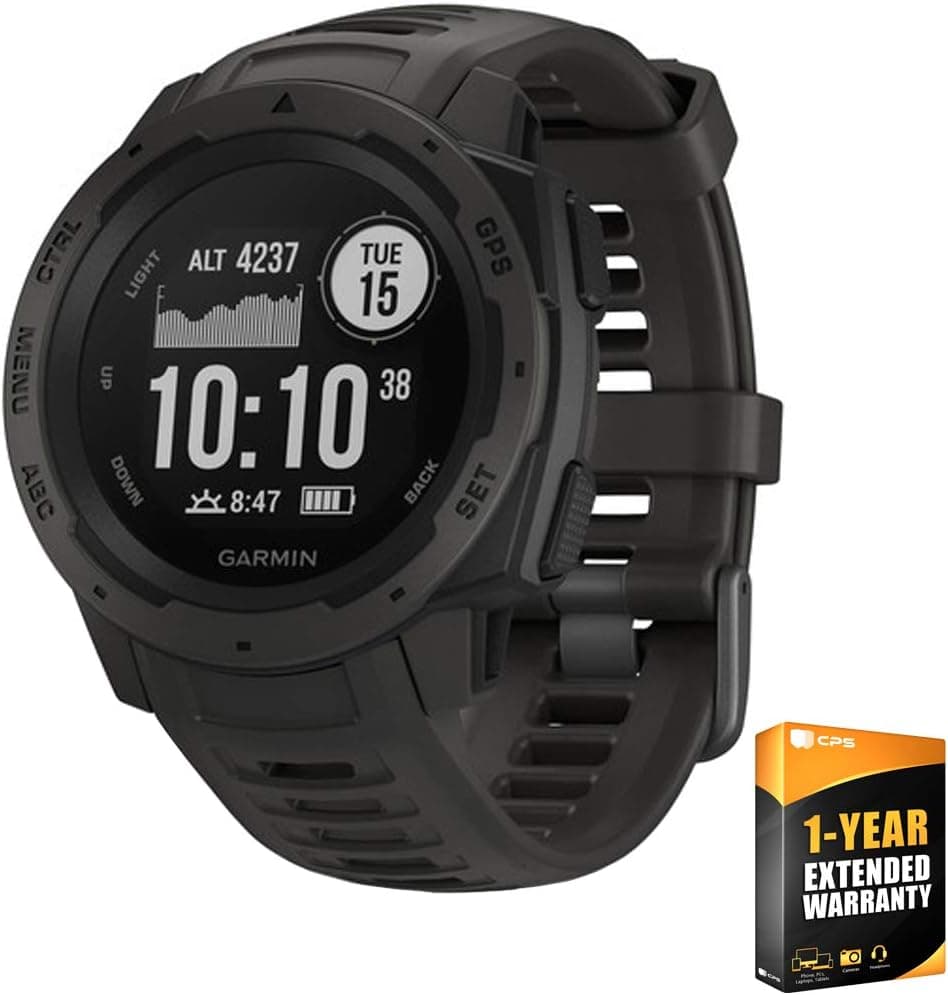
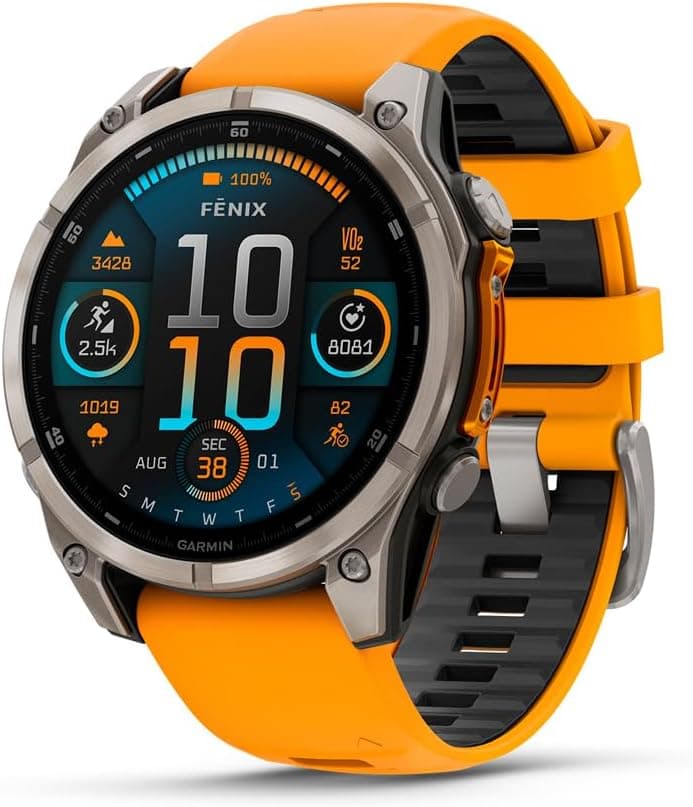
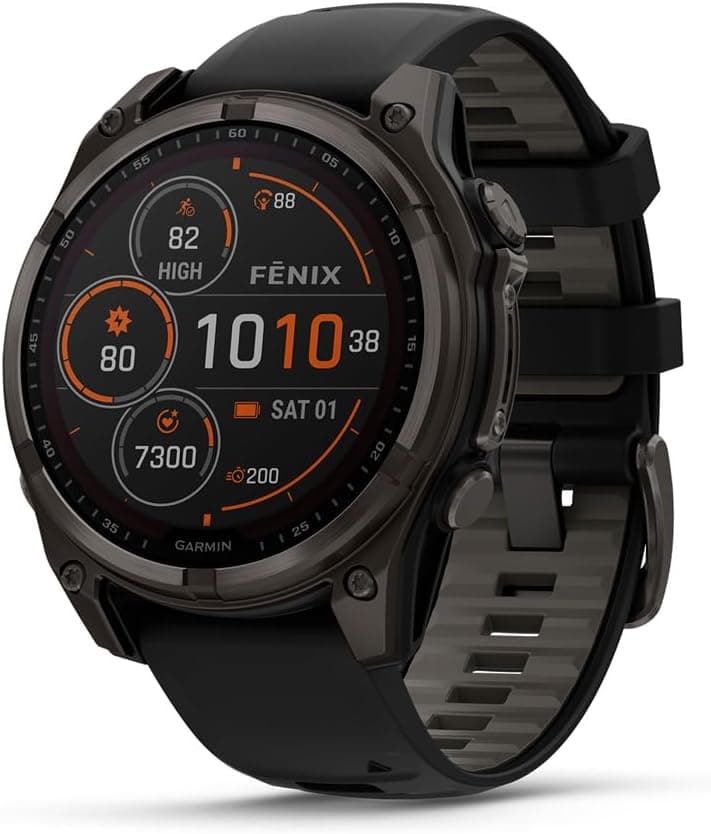
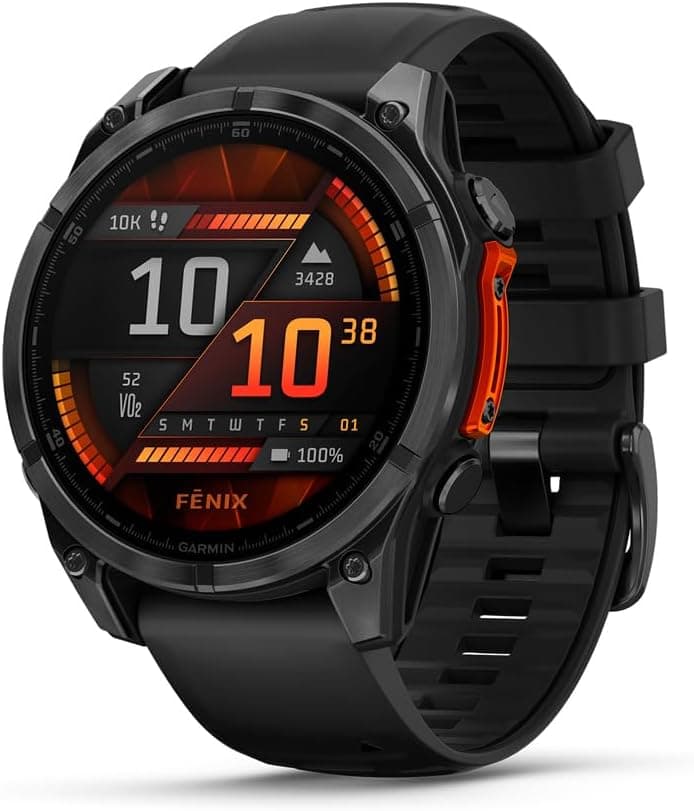
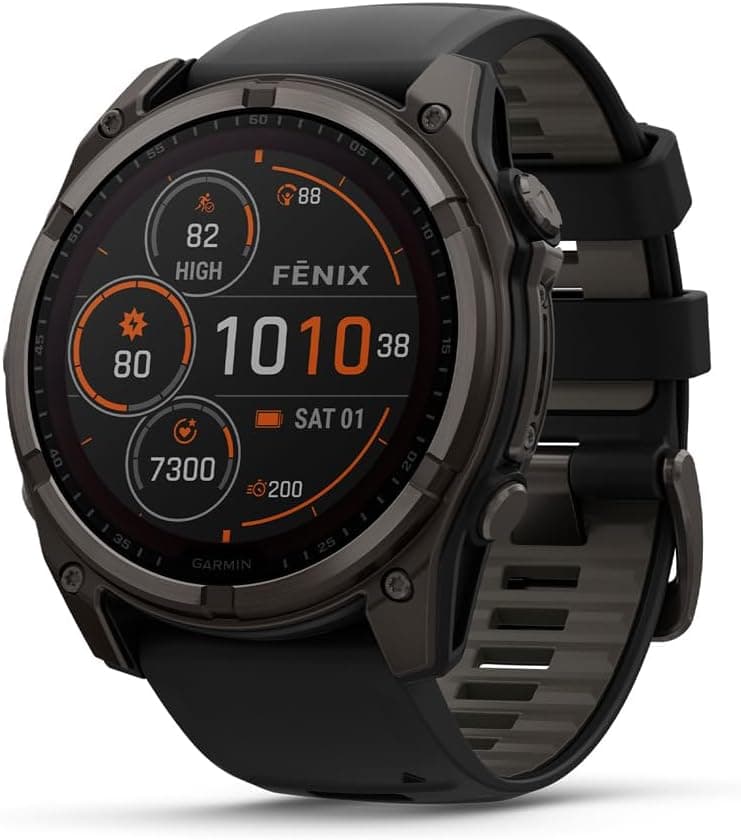
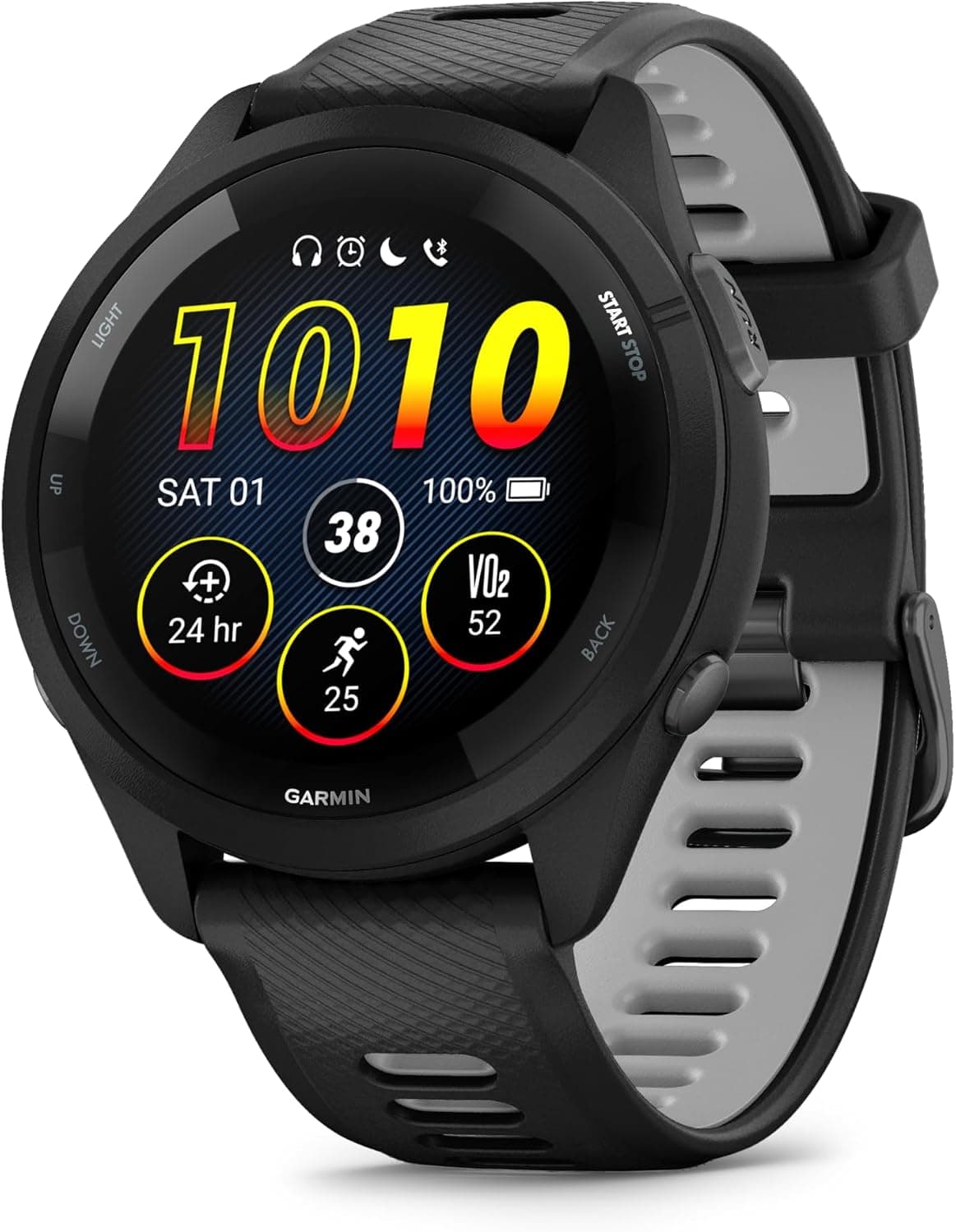
The lineup splits cleanly by purpose. The fenix 8 is the outdoor flagship, offered in 43, 47 and 51mm AMOLED and 47 and 51mm Solar (MIP) versions; the 47mm Solar sits around £880, with the 51mm running roughly £80 more. It adds a speaker and microphone, an offline voice assistant and a depth gauge for diving, and the 51mm Solar can stretch to 149 hours in GPS-only mode. Runners should look at the Forerunner 970 around £630, which brings a sapphire crystal, titanium bezel, the Elevate Gen 5 sensor and a medically certified ECG, though the roughly £520 Forerunner 965 remains the smart-money pick. For daily health, the Venu 3 (about £360) comes in 41 and 45mm AMOLED, while the rugged Instinct 3 starts near £360 in AMOLED and £320 in Solar. At the top sits the Grade 5 titanium MARQ Gen 2 collection, priced from roughly £1,600 to £2,600.
From a buyer's seat, Garmin's real strengths are battery life and trustworthy training metrics; its weak spots are software fluidity and an app ecosystem that is thinner than a phone-maker's watch. When you buy, settle the display question first: AMOLED is brighter and more modern, while MIP/Solar means daylight legibility and weeks of battery. Sensors like ECG and skin temperature live only on the Gen 5 models, so the gap between a 965 and a 970 is more than just the screen. Garmin Connect and Connect IQ are free; the Connect+ tier that arrived in March 2025 is an optional monthly fee, not a requirement.
Do not buy a Garmin expecting it to behave like a mechanical watch on the secondary market. These are electronics, and they depreciate as electronics do. That argues for putting your budget toward a current-generation model so you collect a few more years of firmware support. The MARQ's titanium case and finishing are genuinely impressive, but the silicon inside is the same as a fenix; what you pay extra for is material and design, not capability. If you are a calm, data-honest buyer who lives in sport and the outdoors, Garmin is one of the most sensible choices in the category.
Garmin watches




Frequently asked questions
Which Garmin should I buy first?
For most people the Forerunner 965 (around £520) or Venu 3 (about £360) is the most balanced entry. Choose Instinct 3 for simple outdoor use and the fenix 8 if you want serious training and mapping. Spend toward the current generation for longer firmware support.
Do Garmin watches hold their value?
No. Garmin watches are electronics, not mechanical watches, so they depreciate over time rather than appreciate. Older generations fall in price quickly on the secondary market. Treat your watch as a tool you will use for a few years, not as an investment that retains value.
What is the difference between the fenix 8 and Forerunner 970?
Both share the Elevate Gen 5 sensor, ECG, speaker and microphone. The fenix 8 adds a tougher case, a dive depth gauge and broader outdoor focus, while the Forerunner 970 (around £630) is lighter and concentrated on running metrics. Your choice depends mostly on how you train.
Do I need a monthly subscription to use a Garmin?
No. Garmin Connect and the Connect IQ store are free, and all core health and training features work without paying. The Connect+ tier introduced in March 2025 is an optional monthly fee. You never have to subscribe just to see your data on the watch or app.
Should I choose an AMOLED or Solar (MIP) display?
AMOLED is brighter, sharper and more modern, but it drains the battery faster. The Solar (MIP) display is far easier to read in direct sun and runs for weeks, with the Instinct 3 Solar reaching near-unlimited life in good conditions. Decide between screen quality and battery life.