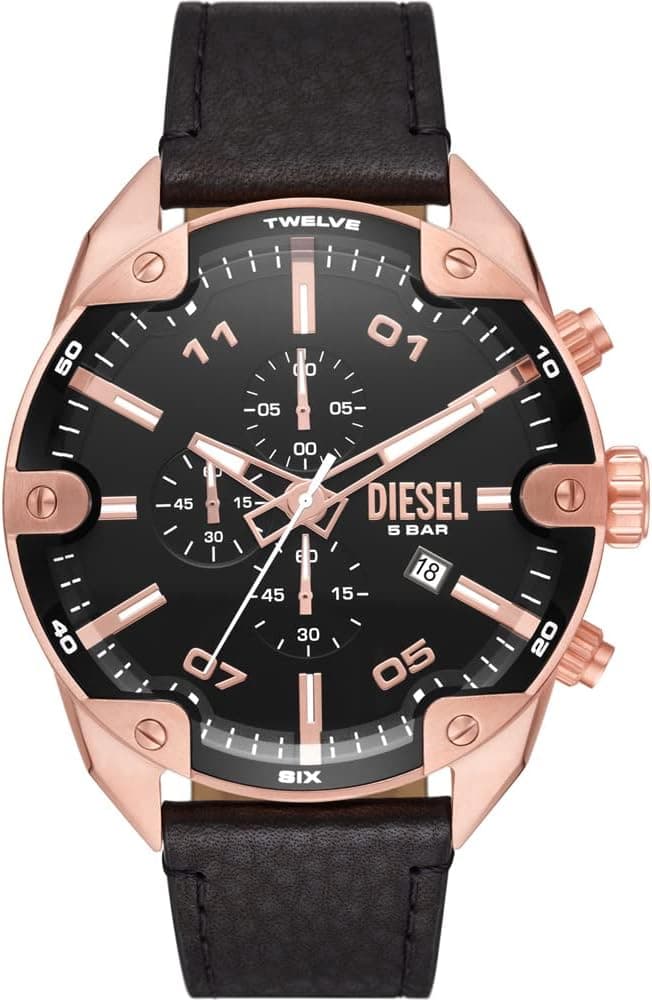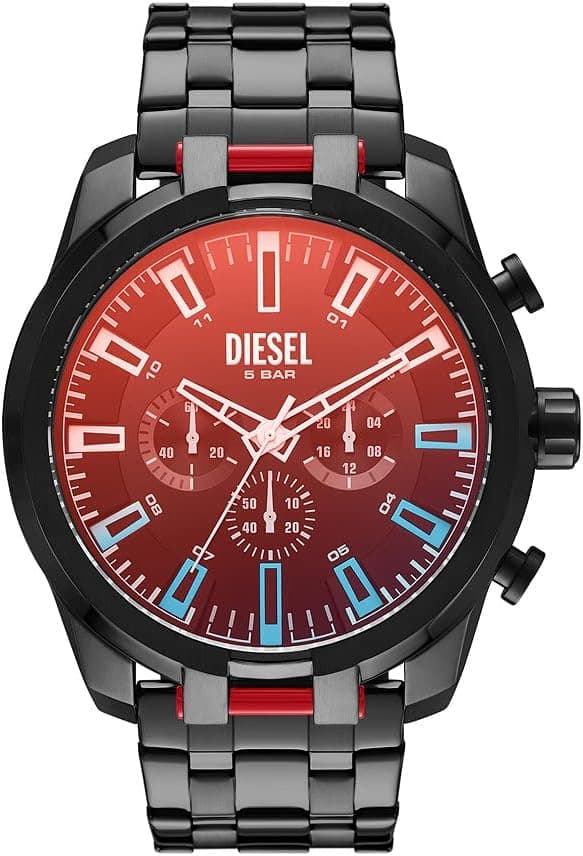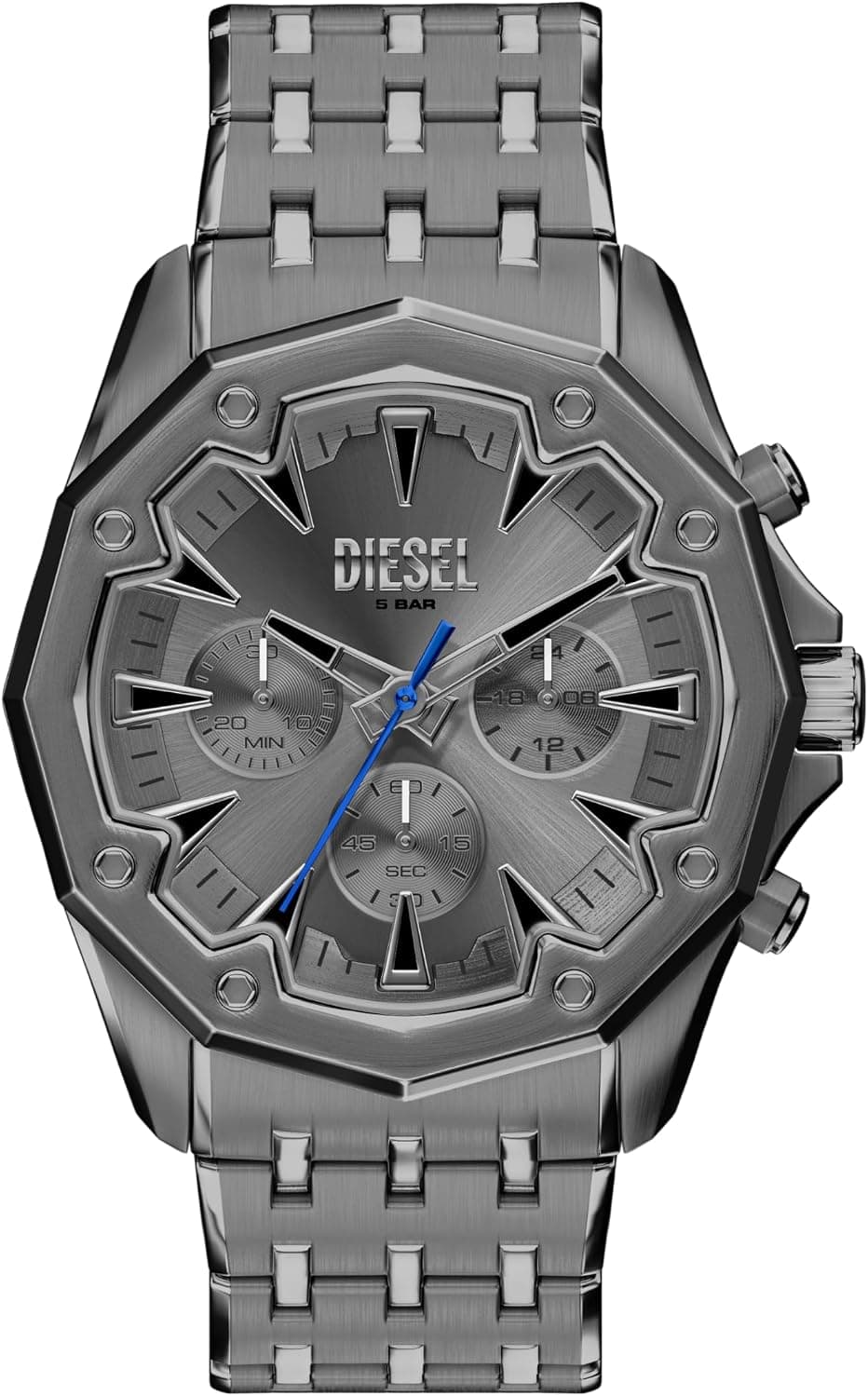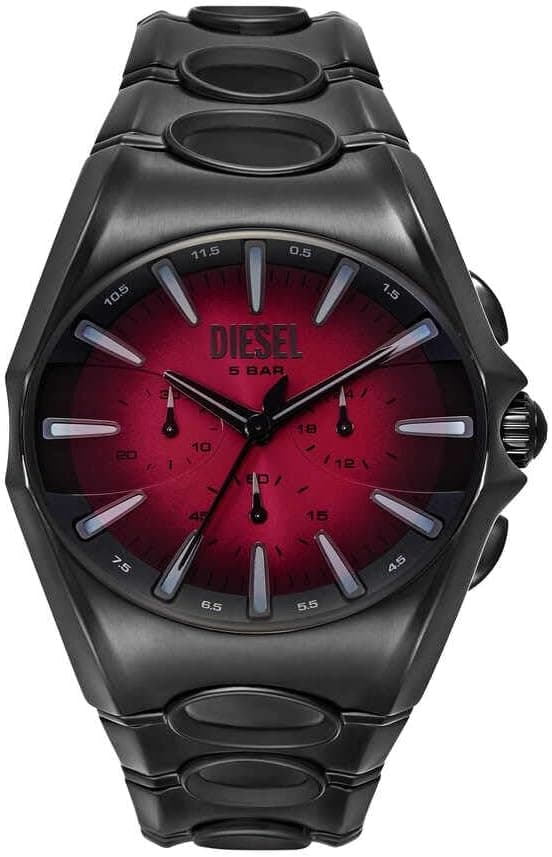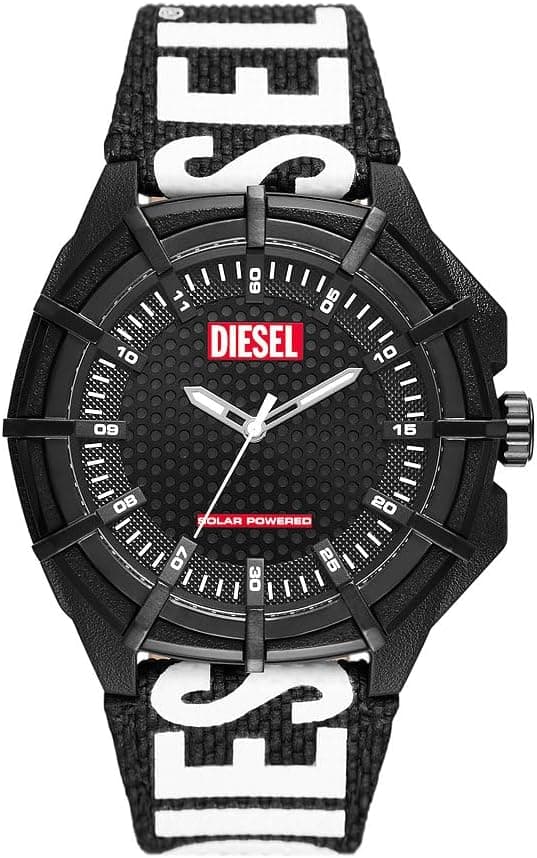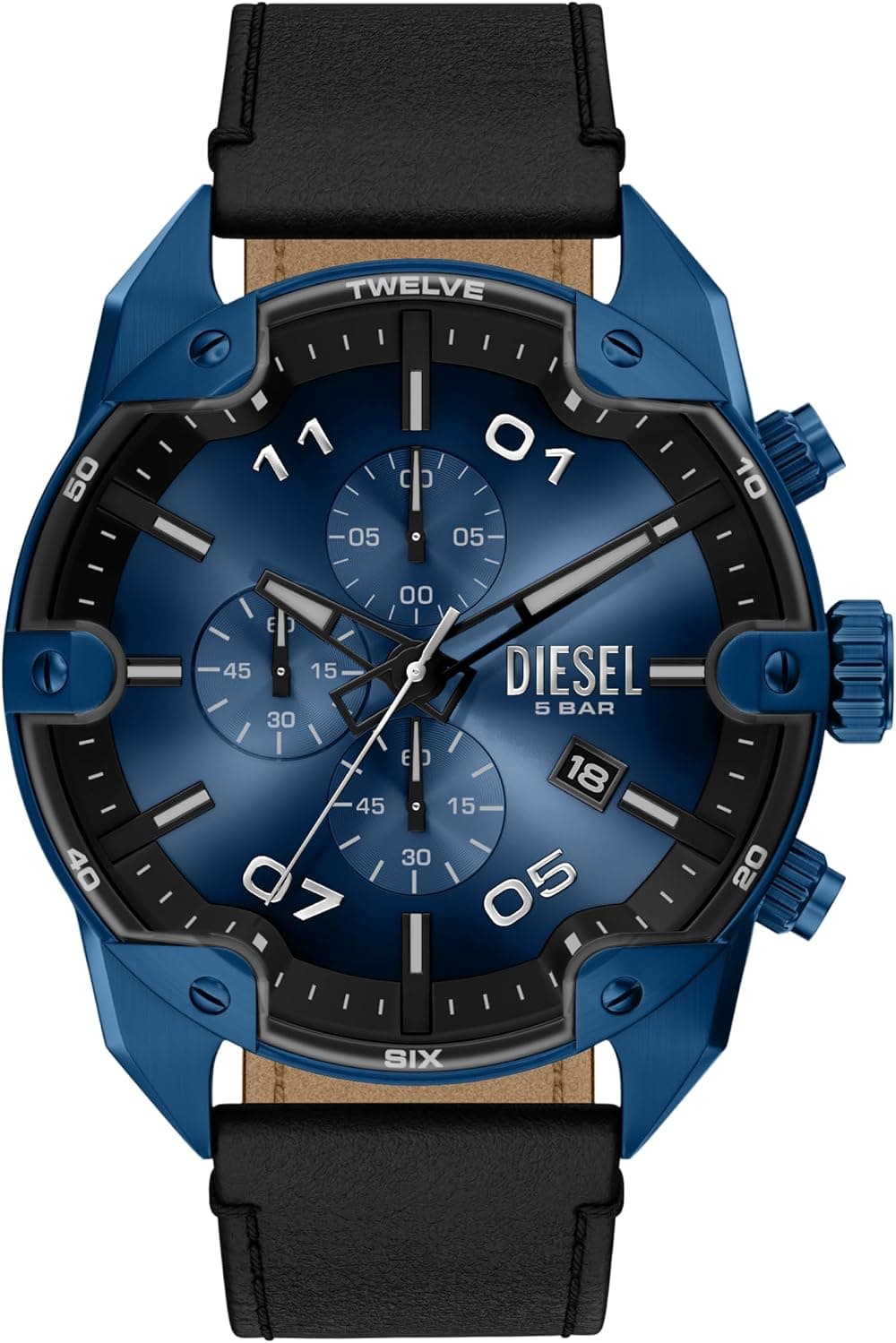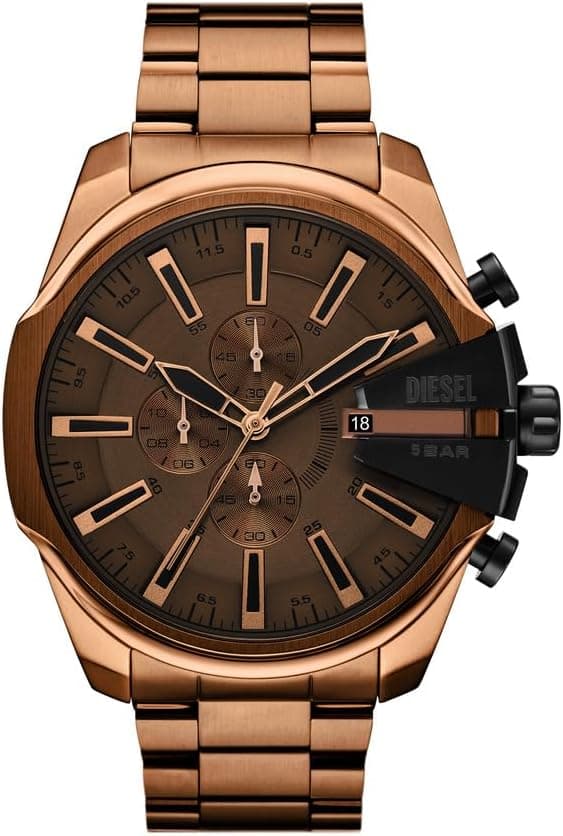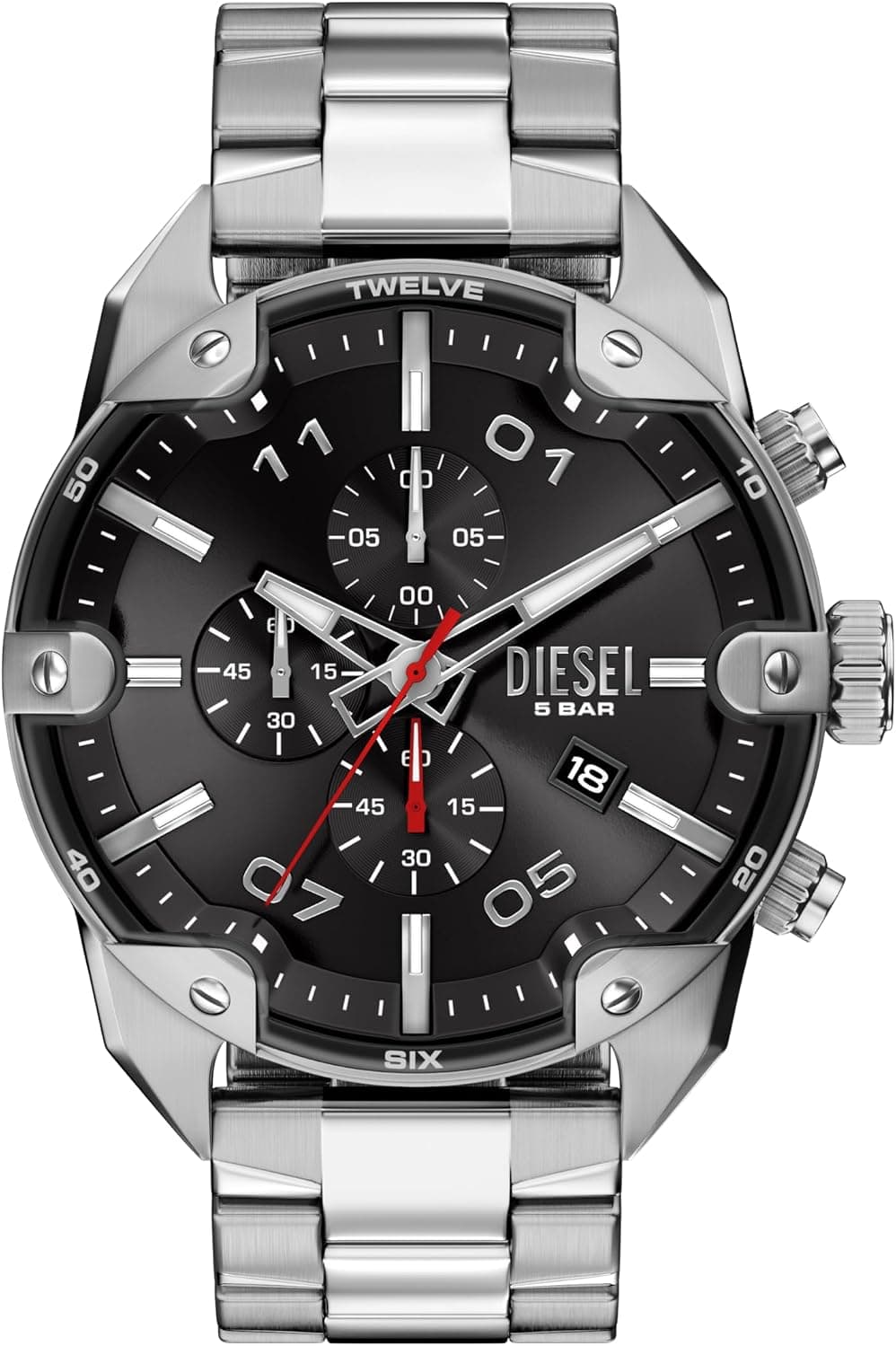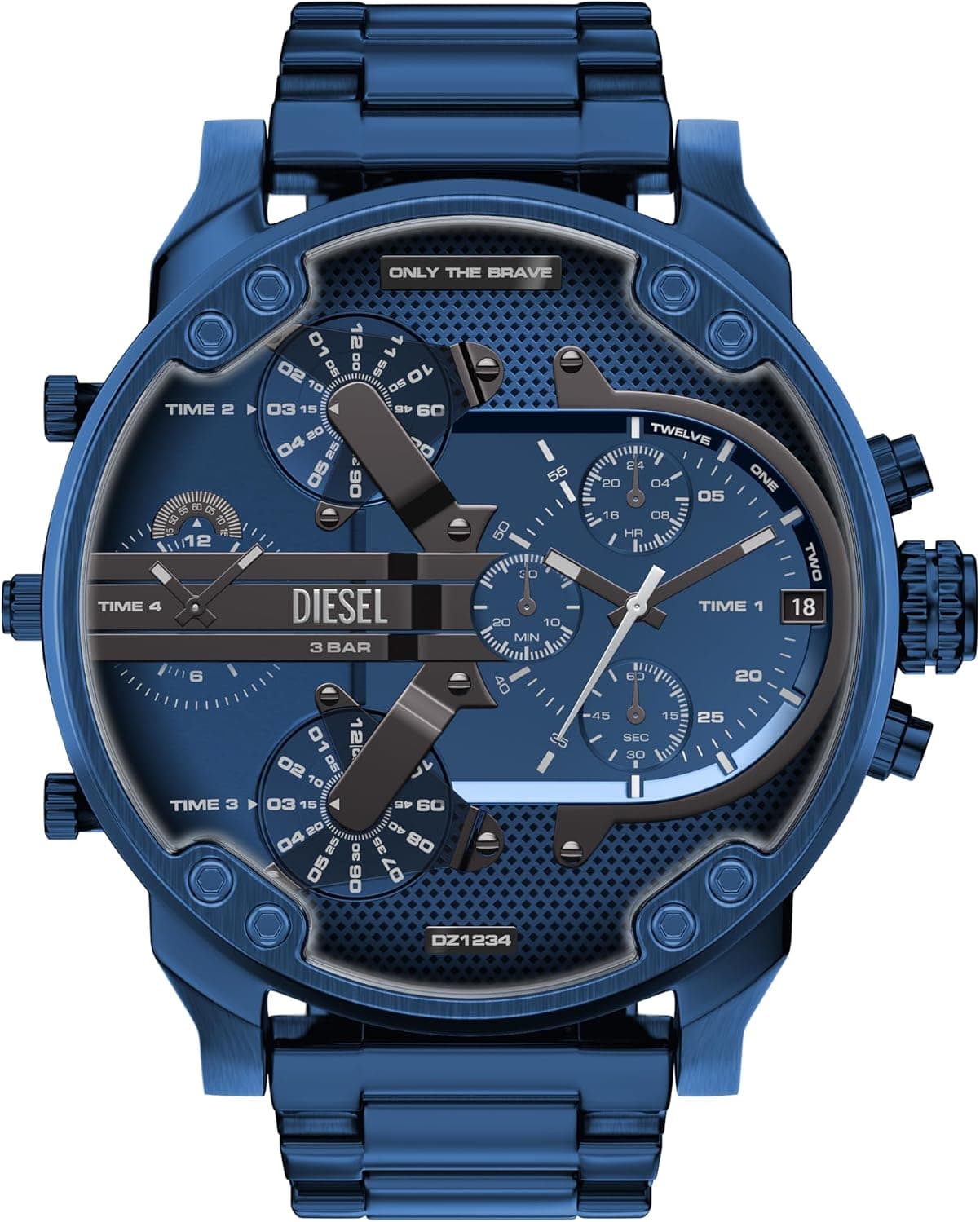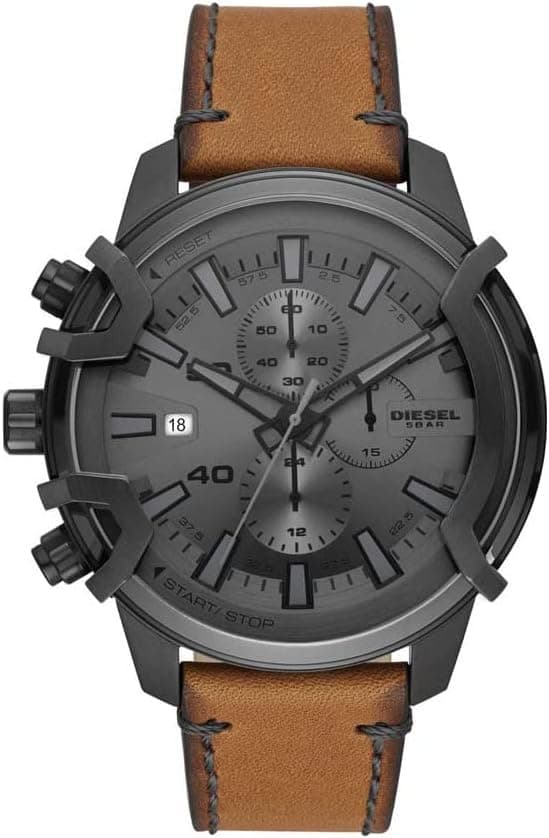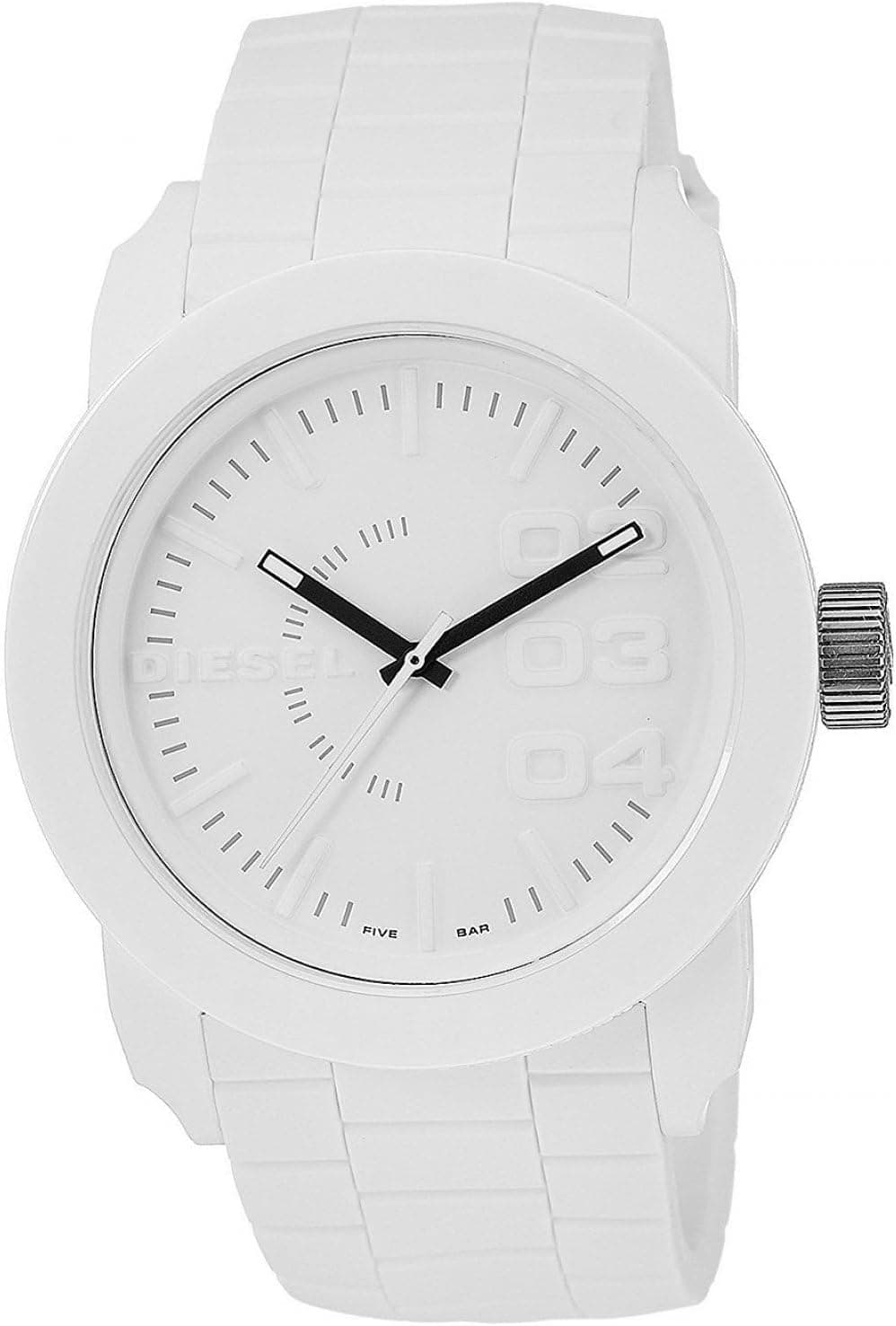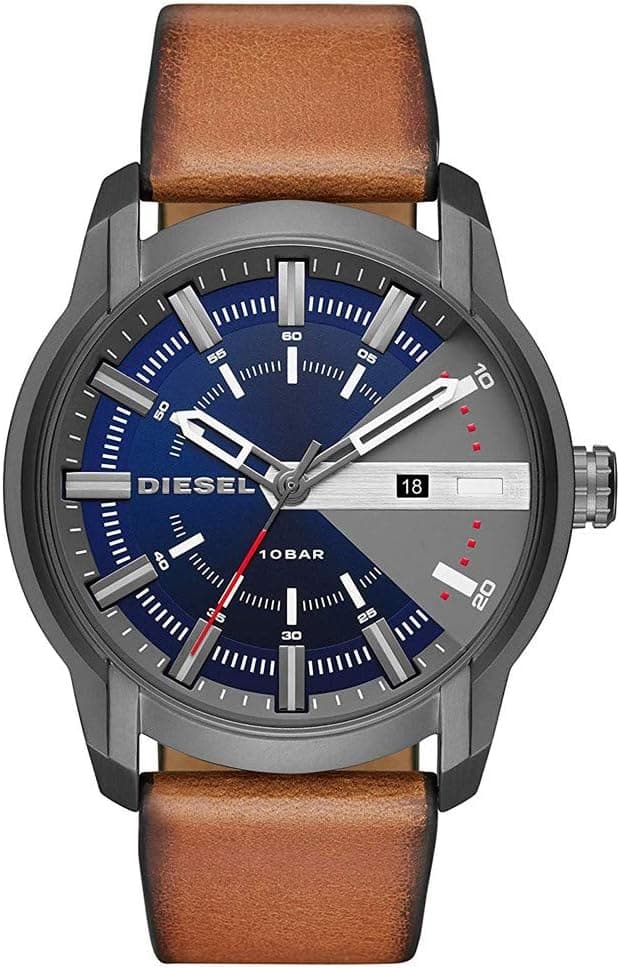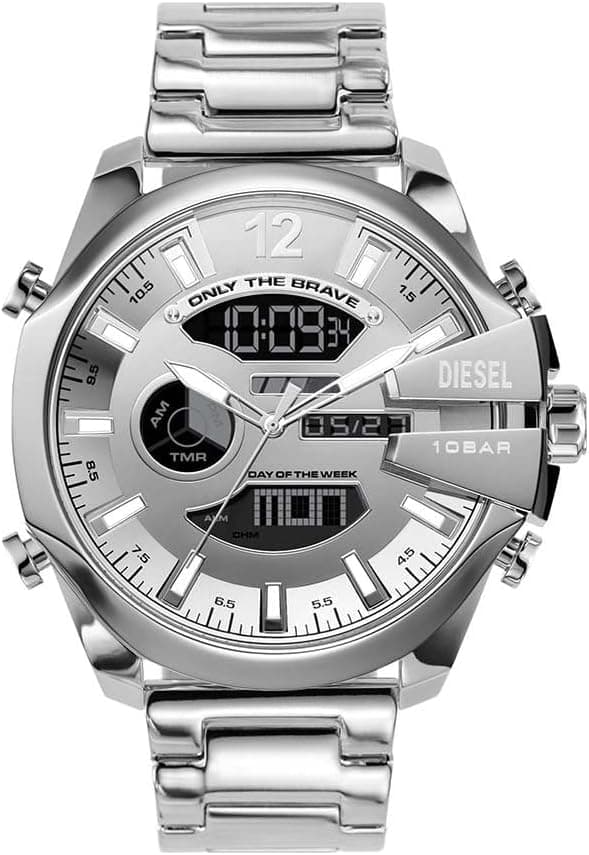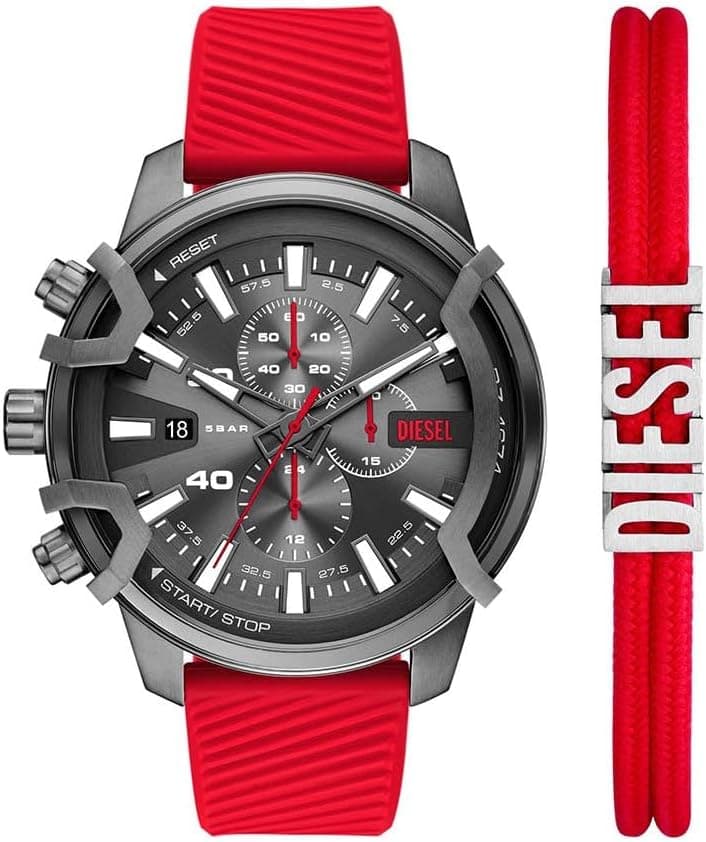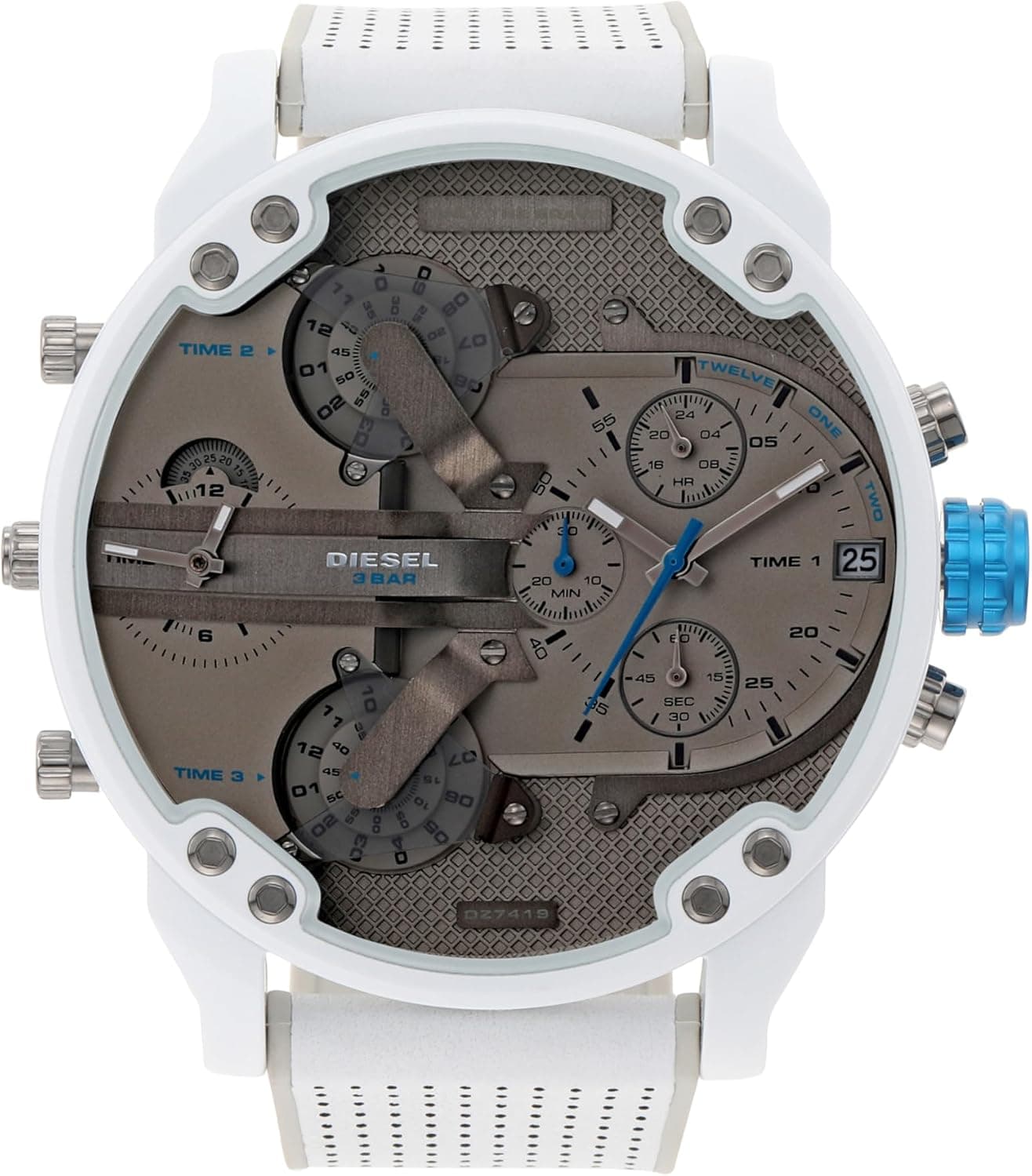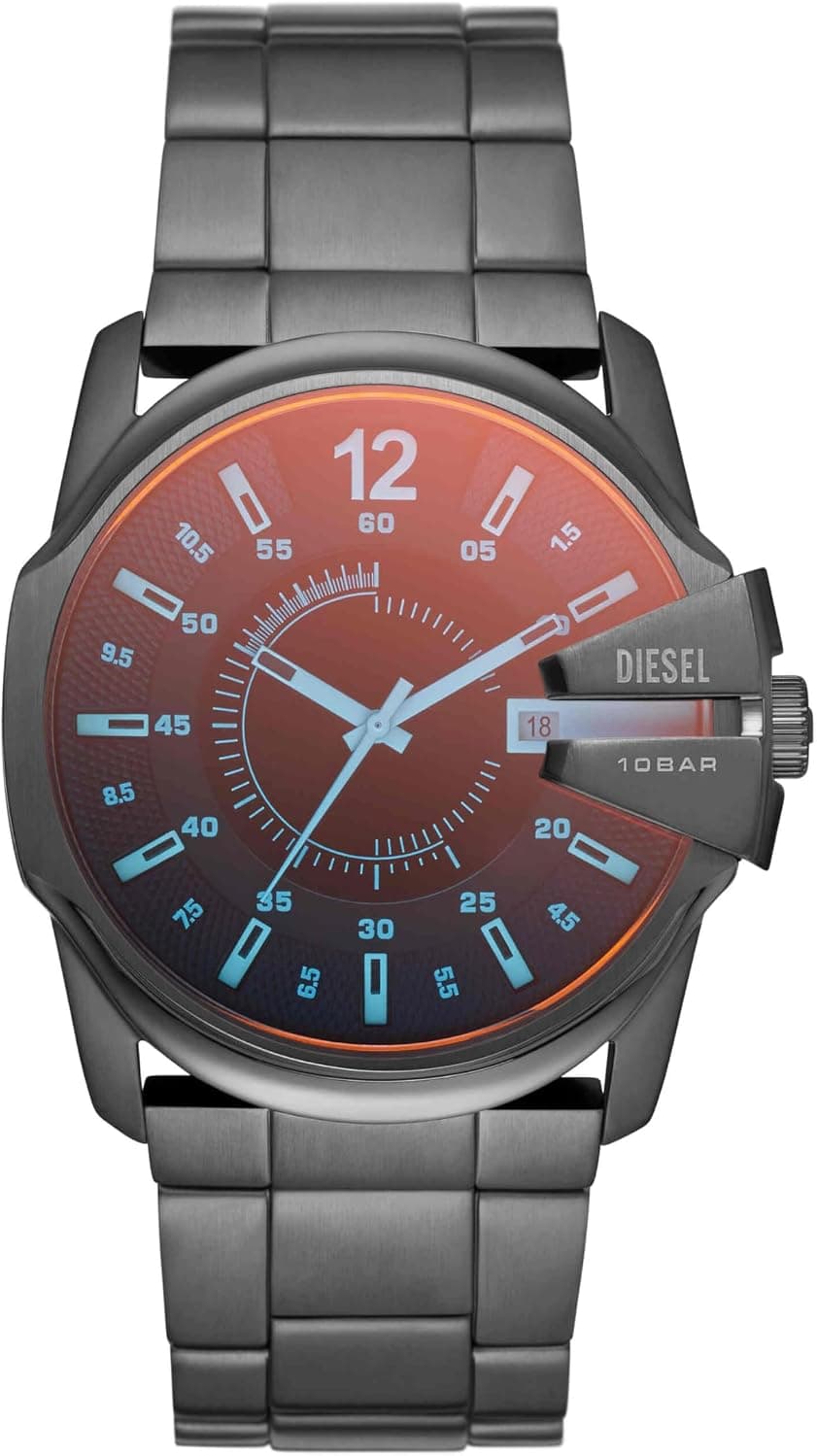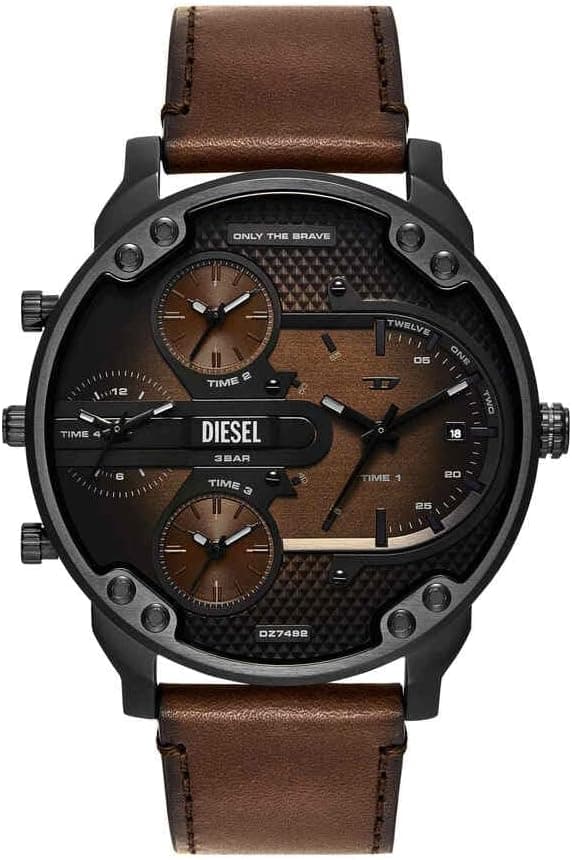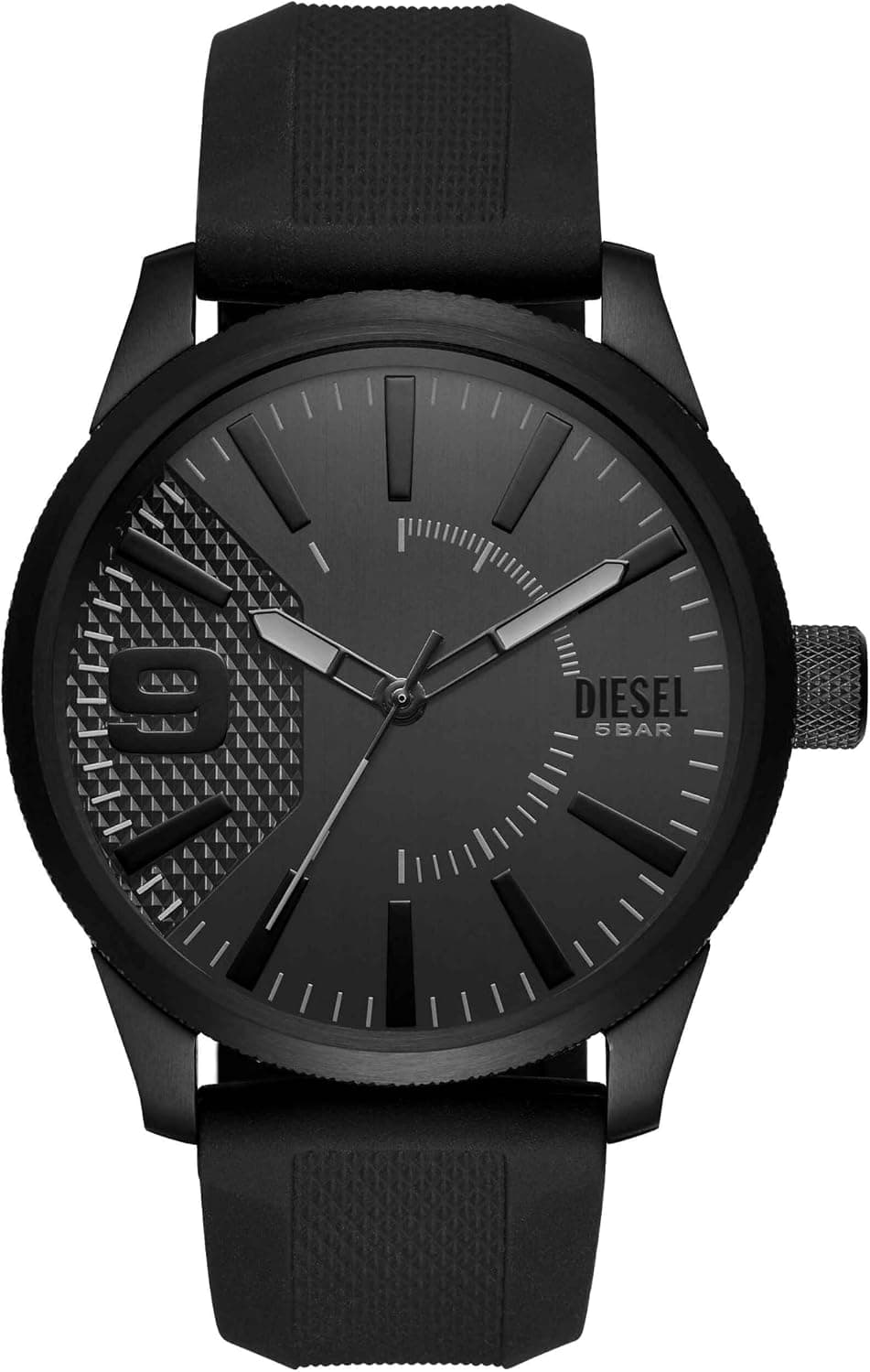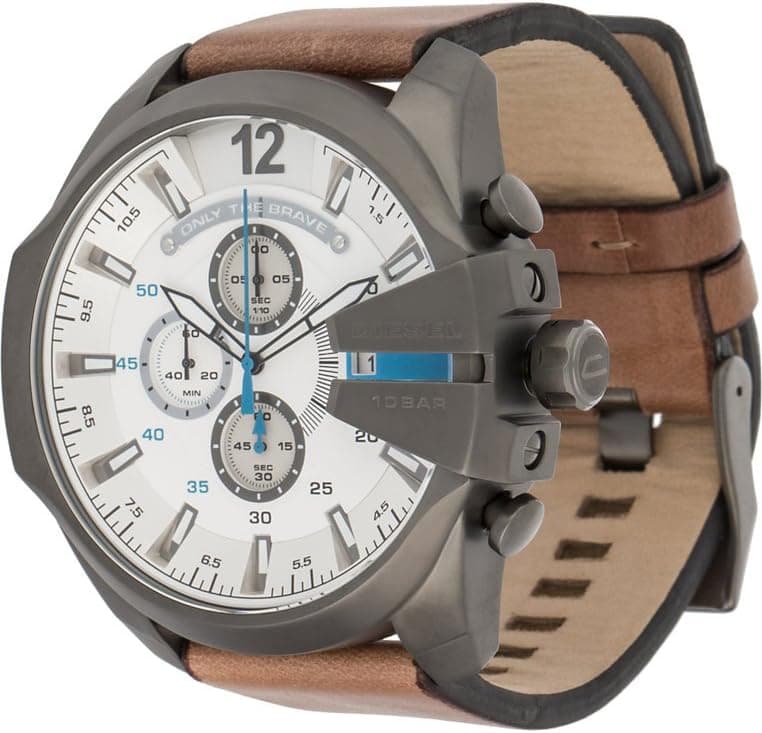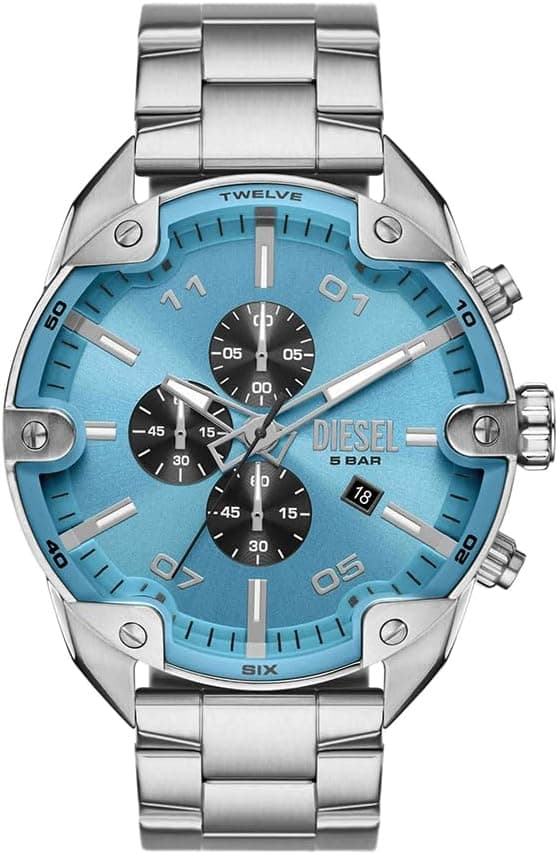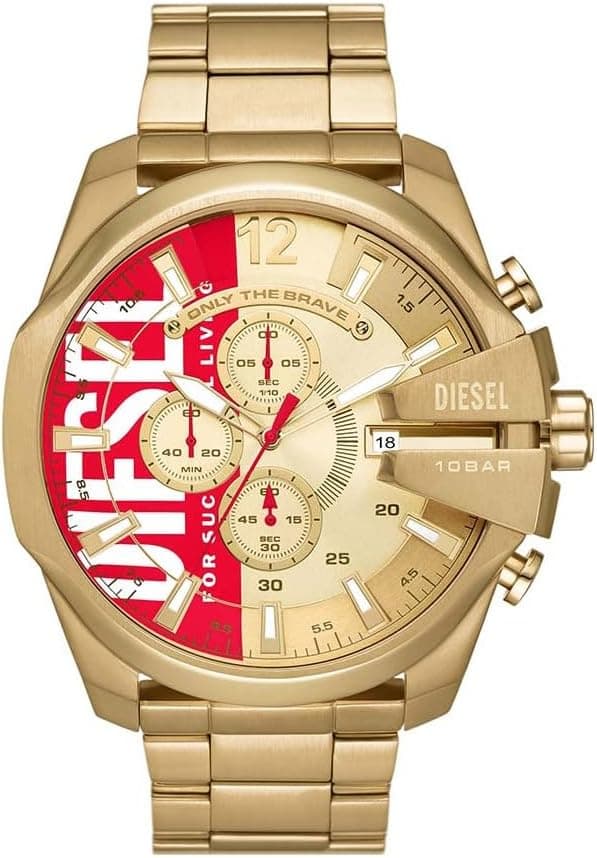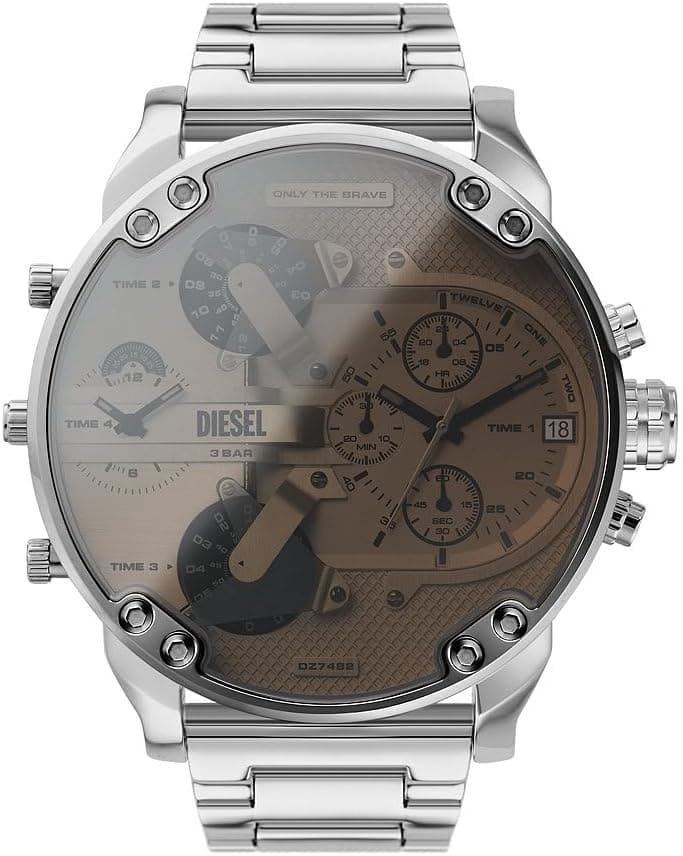
The XL (>44mm) category covers watches whose case diameter pushes past 44 millimetres. Where 44mm once counted as large, it is now mainstream, so true XL territory starts around 45mm and climbs through 47-48mm and beyond. The size is functional, not vanity: deep diving, aviation instruments and big complications all want a wide dial and a thick case. The look gained traction in the early 2000s as Panerai and Hublot rose, defined by chunky bezels, prominent crowns and numerals legible at arm's length.
Real examples map the territory. A Panerai Luminor Submersible in steel at 44mm starts near £6,500, with Carbotech and composite Submersibles reaching 47mm. The IWC Big Pilot's Watch 46mm (Ref. IW501001) brings a conical crown, a 7-day power reserve and a soft-iron inner case for anti-magnetism at roughly £10,500. The Breitling Navitimer 46mm pairs its slide-rule bezel with the in-house Breitling 01 calibre in the £7,000-£9,500 range. Rolex's Sea-Dweller Deepsea 44mm (Ref. 136660) in Oystersteel, with its helium escape valve, runs about £11,500, while Hublot's Big Bang Unico 44mm in titanium opens around £16,000, with ceramic and special editions higher.
When buying XL, look past the headline diameter. Lug-to-lug length and case thickness decide how a watch actually sits; wrists over 7.5 to 8 inches carry these sizes comfortably, while slimmer wrists risk lugs overhanging and a top-heavy feel. Curved lugs, a short lug-to-lug and light titanium can tame a big diameter. The category suits buyers who want a bold profile, strong legibility and proper tool-watch character; the trade-offs are cuff clearance and all-day weight.
There are nuances within. The 44-46mm band is the sweet spot for divers and pilots; 47mm pieces from Panerai and U-Boat sit firmly in statement territory; and the U-Boat U-1942, with its 65mm titanium case, marks the far extreme. Two watches at the same diameter can wear very differently, so where you can, try before you buy rather than trusting the spec sheet.