The Best Field Watches
 Serdar D.Watch Editor
Buying a legible, rugged, military-derived field watch is genuinely easy and friendly to any budget. The best mechanical pick is the Seiko 5 field style, its gold-tone sibling for a warmer look, a tough analog Casio for zero fuss, and a digital utility Casio for function. Below I lay out what to choose and why.
Key takeaways
- A field watch rests on three conditions: high-contrast legibility, ruggedness that ignores shock, and strong lume you can read in the dark. No decoration, no chronograph clutter.
- On the mechanical side, the starting point is the Seiko 5 field style: automatic caliber, day-date, exhibition caseback; the gold-accented sibling for a warmer tone.
- For zero maintenance and a watch you can soak, the Casio tough analog is ideal; for digital function, the utility Casio.
- A NATO strap is the field watch's natural partner: it holds the watch even if a spring bar fails, dries fast, and swaps in seconds.
- These are not dive watches; the water resistance is everyday-grade, so keep them out of deep water.
What makes a watch a field watch
The field watch was born for military use, and it asks for function over decoration. It meets three conditions. First, legibility: a high-contrast dial, bold numerals, and a clean layout that tells the time at a glance. Second, ruggedness: a case that shrugs off shock and vibration, a crown that is easy to grip, and a dependable strap. Third, strong lume you can read in the dark or without your glasses. A field watch trades flash for trust; no gemstones, no chronograph clutter, just the correct time and durability.
The best mechanical pick
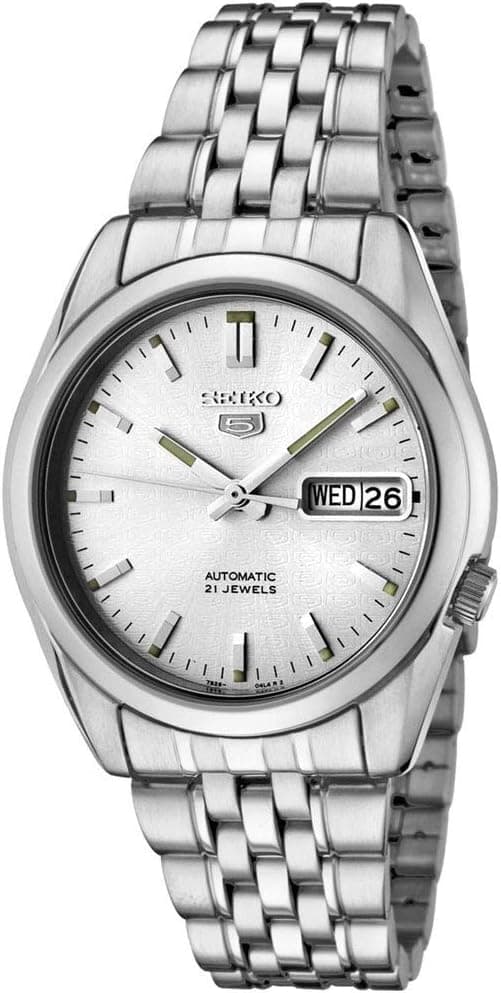
On the mechanical side, the starting point is clear: the Seiko 5. An automatic caliber, a day-date window, a clean dial, and an exhibition caseback. It's the right answer for anyone who wants that no-fuss daily look and a watch that winds itself as the wrist moves. The water resistance is everyday-grade, not for diving, so keep that in mind.
The Seiko 5 is the centerpiece of this list. A silver sunburst dial, black and silver markers, and a largely polished case make it a versatile, slightly dress-leaning automatic rather than a hard-edged military piece. It's the right start for anyone who loves the mechanical feel, the small ritual of winding, and that sense of connection, and it slides easily from desk to weekend.
See the Seiko 5 on its product page
For a warmer tone from the same family, there's the gold-toned sibling. It's the fuller gold-tone dress variant, with the same automatic logic in a more formal look.
View the gold-tone Seiko 5 model
A mechanical watch like this runs on Seiko's 7S26, rated roughly minus 20 to plus 40 seconds a day, so in practice expect around 15 to 30 seconds of drift a day and a service every three to five years. In return, you have no battery to worry about and a watch that can run for a lifetime.
The toughest quartz option
For the person who doesn't want mechanical and would rather wear it and forget it, tough quartz steps in. The battery lasts for years, the drift is measured in months rather than days, and you won't flinch when it takes a knock.
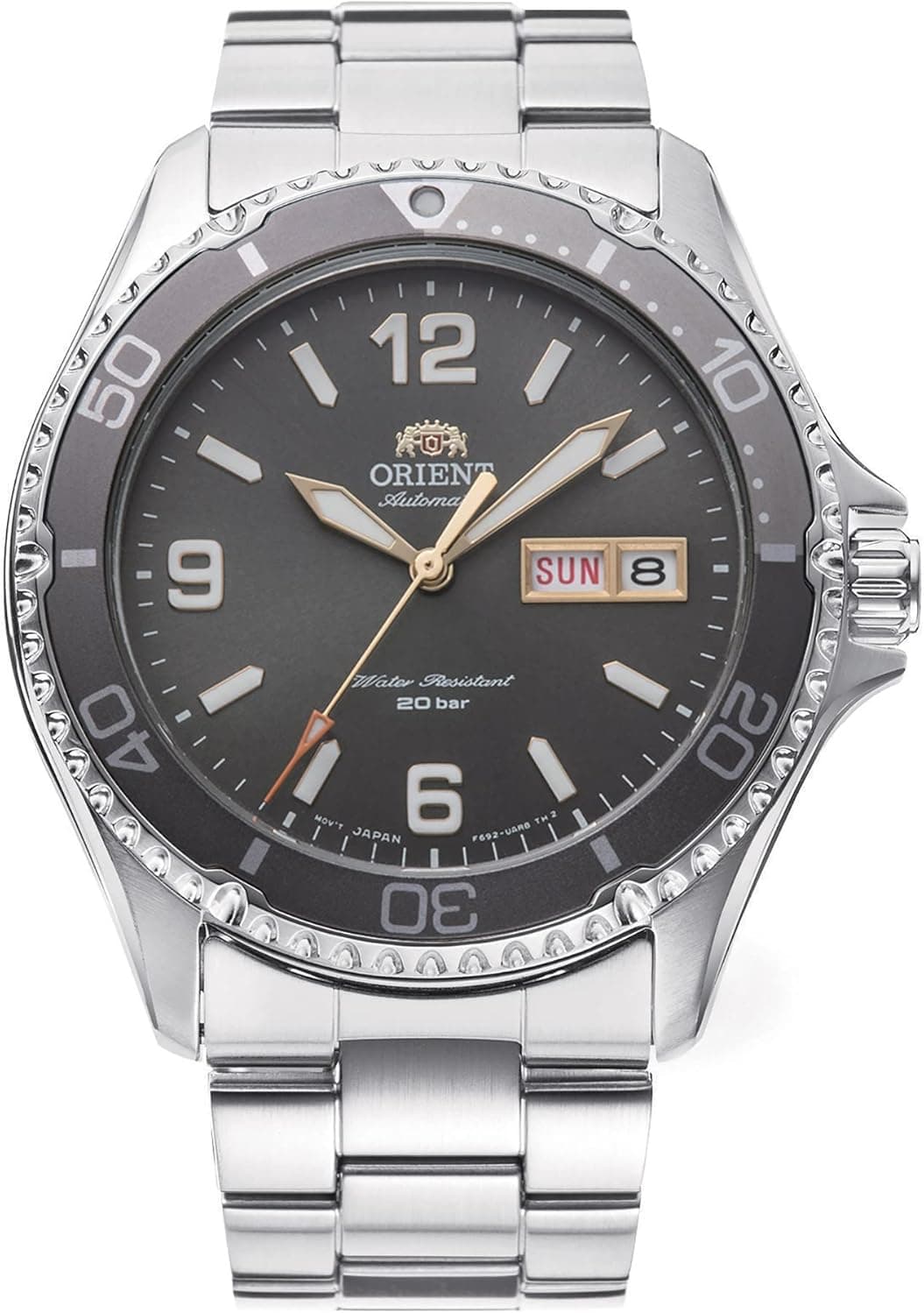
The Casio analog quartz pairs quartz reliability with a rugged, go-anywhere build. It's actually a diver-styled piece, with a rotating bezel, a screw-down crown and caseback, and a 100m rating, set in a stainless steel case on a durable resin band, all at a friendly price. That makes it a dependable rough-and-tumble companion you can soak, take into the field, and never think about. The water resistance and rotating bezel are real, but it is not an ISO 6425 certified diver, so treat it as a tough everyday watch rather than serious dive gear.
See the Casio 100m analog model
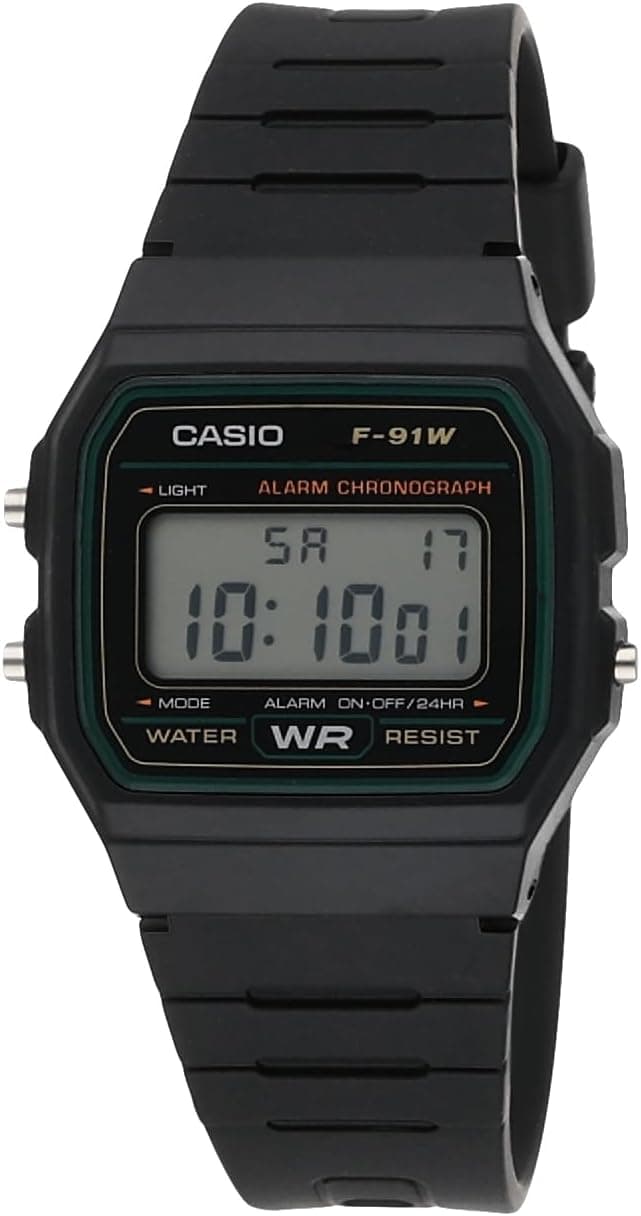
For digital function, there's the utility side: stopwatch, alarm, countdown, and a readable display. It's for people who want to time things in the field, set an alarm, and ignore the weather.
View the Casio digital utility model
The best one on a NATO
The field watch's natural partner is a NATO strap. One-piece woven nylon keeps the watch on your wrist even if a spring bar fails, dries fast when it gets wet, and swaps out in seconds. Putting a clean-dialed Seiko 5 on a green, khaki, or navy NATO is the cheapest and fastest way to capture the classic field look. Moving from a steel bracelet to a NATO changes the whole character of the watch.
Who each one suits
The choice really comes down to what you want. If you're after the mechanical feel, the ritual of winding, and an exhibition caseback, start with the Seiko 5. If you want a warmer, more formal tone, choose the gold-tone sibling. If you want zero maintenance and a watch you can soak, go with the Casio analog quartz. If you want a stopwatch and alarm in the field, the Casio digital utility. All of them are clean, legible, and rugged; the only wrong move is mistaking any of them for a true diver and taking it into deep water.
For a wider Japanese selection, see my best Japanese watches guide, and to trim the budget further, read the best watches under $200. For the current price, always check the product page.
Specifications
| Specification | Value |
|---|---|
| Type | Field watch (military-derived) |
| Movement | Automatic mechanical or quartz |
| Dial | High-contrast, lumed |
| Strap | Steel bracelet or NATO |
Pros
- A clean, high-contrast dial reads at a glance
- The Seiko 5 offers a mechanical feel and an exhibition caseback
- The Casio options give zero maintenance at a low price
- A NATO strap changes the character in seconds
Cons
- The water resistance is everyday-grade, not for diving
- The Seiko 5 mechanism drifts a few seconds a day and needs servicing
- The plain design may feel too modest for those who want flash
- The quartz models offer no mechanical connection or winding ritual
Verdict
If you'll pick one watch, the Seiko 5 field style is the most balanced field watch: an automatic caliber, a clean legible dial, and an exhibition caseback deliver the mechanical feel at the friendliest price. Anyone wanting zero maintenance and total trust should step sideways to the Casio tough analog; a NATO strap takes either one to a full field identity.
Watches we recommend
Frequently asked questions
What is the difference between a field watch and a dive watch?
A field watch is military-derived and built around clean, high-contrast legibility, with everyday-grade water resistance. A dive watch needs at least 200 meters, a screw-down crown, and a rotating bezel. Keep a field watch out of deep water.
Should I choose a mechanical or a quartz field watch?
If you want the mechanical feel, the ritual of winding, and an exhibition caseback, start with the Seiko 5 field style; a few seconds of drift a day and a service every few years are normal. If you want zero maintenance and absolute durability, the Casio tough quartz is the right call.
Why is a NATO strap recommended for a field watch?
A NATO strap is made of one-piece woven nylon; it keeps the watch on your wrist even if a spring bar fails, dries fast when wet, and swaps out in seconds. It is the fastest and cheapest way to take a clean-dialed Seiko 5 to a classic field look.

About the author
Serdar D.Watch Editor
View profileSerdar D. is the editor at BraveryWatch. He believes a good watch should be not just expensive but right. He gets deep into the details, then turns them into something that is genuinely a pleasure to read. He gives relaxed, useful advice through the eyes of someone who truly cares about watches.