How to Remove Moisture From a Watch
 Serdar D.Watch Editor
Move the watch somewhere dry and gently warm right away, pull the crown to its open position, and seal it in a container with silica gel packets to draw the moisture out. Light fog usually clears within a day or two. Skip rice, hair dryers, and ovens, and show any lasting fog to a watchmaker.
Key takeaways
- Fog inside the crystal means moisture reached the case, usually from a tired gasket or a sudden temperature change.
- The safe method: move the watch somewhere dry and warm, open the crown, seal it with silica gel, and wait a day or two.
- Avoid rice, hair dryers, heat guns, ovens, and radiators; they damage the watch.
- See a watchmaker if the fog lingers or you see droplets; a gasket change should always be followed by a pressure test.
- Pushing the crown fully home and checking the seals every few years is the best protection.
Why fog appears
Fog on the inside of the crystal tells you one thing: humid air has reached the inside of the case, and the water vapor it carries condensed when it met the cold glass. Two causes are typical.
- A tired gasket. The rubber seals that close the case, the gaskets, harden and crack over time. When they do, the watch's water resistance exists only on paper.
- A sudden temperature change. Going from a hot shower into a cool room, or leaving the crown open with damp hands, is enough for a small amount of moisture to slip inside and condense on the glass.
The distinction that matters: a faint fog that clears quickly is usually harmless, while fog that stays put or turns into droplets is a sign of water collecting inside.
The safe steps at home
Work through this calmly, in order.
- Take the watch off and move it somewhere dry and gently warm. Gently warm means body temperature, not hot.
- Pull the crown out. If it is a screw-down model, unscrew it first; this relieves pressure on the screw-down crown gasket and is a sensible step, though the stem seal keeps the case sealed until a watchmaker opens the caseback.
- Place the watch in a small, sealed container with a few silica gel packets. Silica gel pulls moisture out slowly and safely.
- Wait a day or two. On a screw-down automatic diver like the Orient Mako 3, this clears light fog more often than not.
A sunny windowsill works too, but do not leave the watch under harsh direct sun for hours.
What not to do
A few popular "quick fixes" do more harm than good.
- Burying it in rice. Rice does not draw moisture from the air; it just packs starch dust and grit into the case. It is a myth.
- A hair dryer or heat gun. Concentrated heat melts gaskets, can crack the crystal and dial, and thins the oils.
- An oven or radiator. Off limits for the same reason; uncontrolled heat can push a watch past the point of repair.
Stay dry, steady, and patient. Even a rugged watch like the Casio G-Shock responds to gentle drying, not to extreme heat.
When to see a watchmaker
Some cases call for a professional rather than another day on the windowsill.
- The fog has not cleared in two days, or you can see actual droplets behind the glass.
- The watch stopped, sweated, or stained the dial after contact with water.
- You suspect the seals need replacing: a watchmaker renews the gaskets and then runs a pressure test to confirm the case is sealed again.
Even on a daily-wear watch like the Seiko 5 Sports, having the gaskets checked every few years is the cheapest insurance there is.
How to protect it afterward
Keeping moisture out is mostly a matter of habit. Always push the crown fully home, and screw it down if your watch has that feature. Keep the watch out of hot showers, saunas, and dishwater. If you want to understand sealing in depth, read the watch water resistance guide; for the long life of a mechanical watch, the mechanical watch care guide helps too. If you are thinking about a new diver, the best dive watches under $500 list is a safe starting point.
Specifications
| Specification | Value |
|---|---|
| Primary method | Drying in a sealed container with silica gel |
| Wait time | Usually one to two days |
| What to avoid | Rice, hair dryer, heat gun, oven |
| Sign to see a watchmaker | Lasting fog or visible droplets |
Pros
- The silica gel method for light fog is free, low risk, and doable at home.
- The steps work the same way across any brand or model.
- Understanding the cause helps you prevent future problems.
- Clear guidance on when to involve a watchmaker lowers the chance of damaging the watch.
Cons
- The silica gel method is slow and will not fix real water already pooled inside.
- Lasting fog and gasket replacement require professional equipment and cost.
- A home fix only delays the problem if the gasket is already failing.
- Heat applied the wrong way can render the watch beyond repair.
Verdict
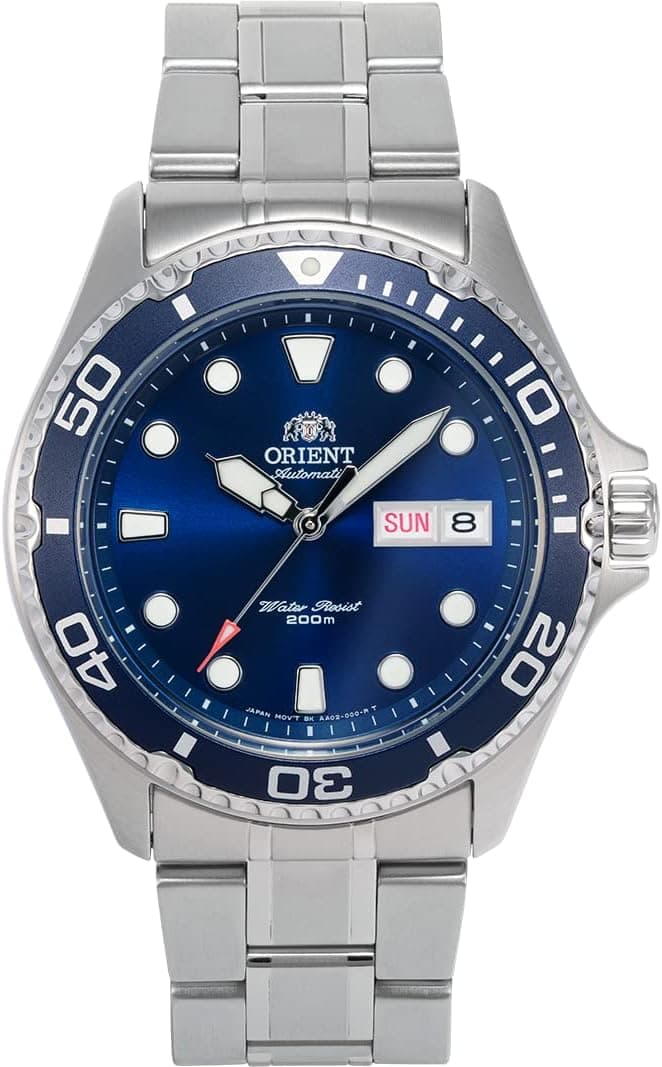
For light fog, try the silica gel method first; it is calm and low risk. On a screw-down dive-style watch like the [Orient Mako 3](/en-us/products/orient-mako-3), that approach is usually enough. If the fog does not clear in two days or you see droplets, take it to a watchmaker for new gaskets and a pressure test.
Watches we recommend
Frequently asked questions
Can I put my watch in rice to remove moisture?
No, rice does not work and carries risk. It does not meaningfully draw moisture from the air, and it can leave starch dust and grit in the case. Instead, seal the watch in a container with silica gel packets, which pull moisture out safely.
How long does it take for moisture inside a watch to clear?
Light fog usually clears within a day or two when the watch sits in a sealed container with silica gel in a gently warm spot. If fog remains after two days or you see actual droplets, water has collected inside and you should take the watch to a watchmaker.
Is a pressure test needed after a watch gasket is replaced?
Yes, it is. After replacing the gasket, a watchmaker runs a pressure test to confirm the case is sealed again. Without it there is no way to know the watch is truly water resistant, so the test is an essential part of the service.

About the author
Serdar D.Watch Editor
View profileSerdar D. is the editor at BraveryWatch. He believes a good watch should be not just expensive but right. He gets deep into the details, then turns them into something that is genuinely a pleasure to read. He gives relaxed, useful advice through the eyes of someone who truly cares about watches.