

How to Spot a Fake Watch
 Serdar D.Watch Editor
Price and seller give a fake away first. The details come after: it weighs too little, the seconds hand stutters instead of sweeping, the dial print sits crooked, the caseback looks sloppy, and the serial is missing. Below is a watchmaker's checklist, step by step, for telling the real thing from a copy.
Key takeaways
- The biggest tell is the price and the seller. A figure far below market from a no-name seller should put you on guard before you look at anything else.
- On an automatic the seconds hand sweeps; a cheap copy ticks once a second. The sweep and the sound are the first and fastest test.
- A real watch sits heavy in the hand and never feels hollow. The dial printing is sharp, aligned, and even.
- The caseback engraving, the serial number, and the box and papers all have to agree. If one is missing, get suspicious.
- When in doubt, buy from an authorized dealer or a trusted channel. A few dollars saved is not worth the risk of a fake.
First, accept that copies are not what they used to be
Ten years ago you could spot a fake from across the room. Not anymore. The so-called super clones now mimic the right weight, a turning bezel, even an automatic movement. So do not lean on any single tell. Watchmakers do not judge by one detail either; they run down a checklist. When several of the signs below line up at once, what you are holding is most likely not real.
Price and seller, the strongest tell
Before you get into the details, two questions settle most of it. Does the price make sense, and who is the seller? A new watch offered well under market, with no box, no papers, and a seller you cannot name, looks too good to be true because it usually is. An authorized dealer, a brick-and-mortar shop, or a trusted resale platform at least gives you a chain that protects you. If you are buying off the street, through a DM, or from an account opened last week, you have already taken the biggest risk there is.
Weight and how it sits in the hand
A real watch has weight to it. A steel case and bracelet carry real heft, with none of that hollow, almost-plastic feel you get from a cheap copy. Turn the crown. On the real thing you feel a clean, smooth resistance, while a fake usually feels loose or catches. Shake the bracelet and the links should sound metallic and tight, not rattly.
The dial, the printing, and the date window
The dial is where copies get caught most often. The brand logo, the text, and the indices should be sharp and aligned, with no ink bleeding past the edges. Look at the date window. Is the numeral centered in the aperture, is the font right, and does it snap over cleanly at midnight or crawl across for an hour? Lume on a real watch is applied evenly, while on a fake it tends to be patchy or weak. On models with a cyclops, like a Rolex, the date magnifies under a real lens, while a fake's flat crystal usually gives it away.
The movement, the sweep, and the sound
This is the fastest test there is. On an automatic the seconds hand glides in a sweep, taking several tiny steps each second. A cheap quartz copy ticks, plainly, once a second. Hold the watch to your ear. A genuine automatic is nearly silent, while a fake movement is usually louder and uneven. On models with a display caseback, look at how the movement is finished inside. Real calibers have a signed rotor and clean machining.
The caseback, the serial number, and the papers
The engraving on the caseback should be deep and crisp, not shallow like it was rubbed onto the surface. Check the serial and reference numbers against the brand's real format. You can often verify them through the maker or an authorized service center. The box, the warranty card, and the manual should all match the watch. Poor print quality on the papers, numbers that do not match the watch, or no papers at all, none of these is proof on its own, but each is a strong warning.
The bracelet, the clasp, and the small details
Real makers do not cut corners in the places that are easy to overlook. The engraving on the clasp should be clean, the spring bars solid, the bracelet end-links smooth. Copies usually slip up right here, at the clasp and the connection points, where they figure nobody is looking.
Where Japanese brands stand, Seiko and Orient get faked a lot
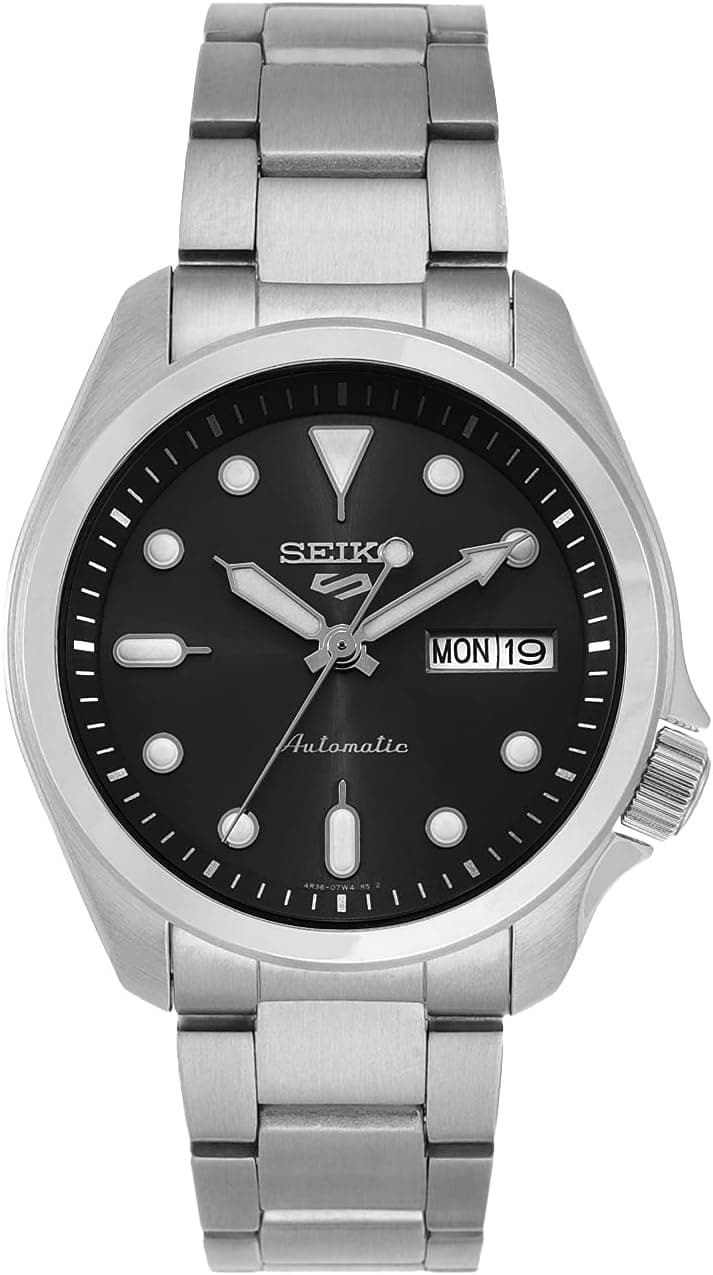
Because they are affordable and well loved, Seiko and Orient are among the most copied brands out there. The good news is that the real versions are already easy on the wallet, so paying a premium for a fake makes no sense at all. If you want to buy the real thing with confidence, stick to an authorized channel.
Seiko 5 Sports SRPE55K1, 40mm, Black Dial, Silver Stainless Steel Bracelet
View product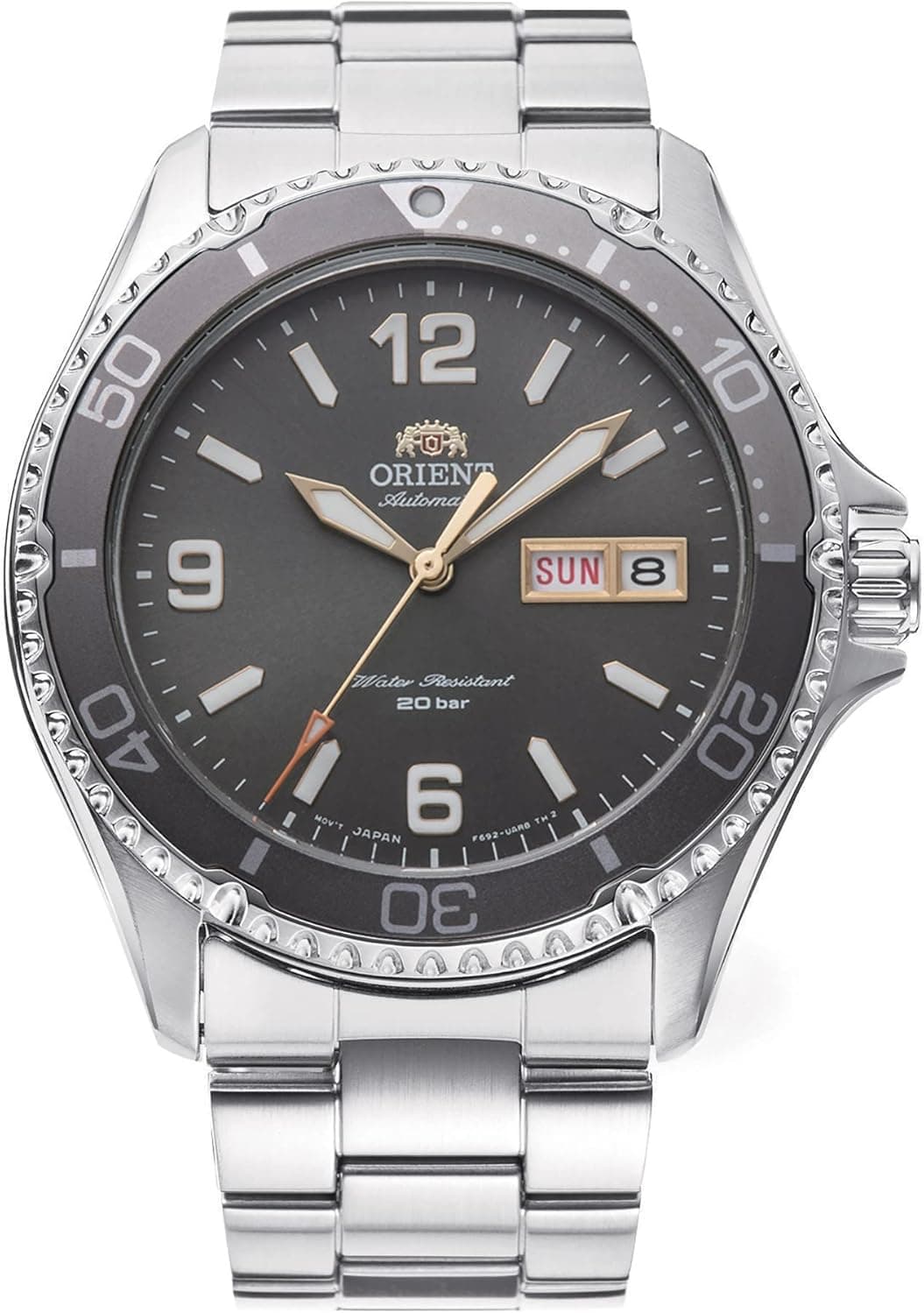
Orient Mako-3 RA-AA0819N39B, 42mm, Gray Dial, Stainless Steel Bracelet
View productWhat to do if you realize you bought a fake
Do not panic. Document it. Take photos, and save the listing and the messages. If you paid with a credit card or a secure payment platform, you may have the right to dispute the charge. If you bought through a marketplace, report the seller and open a return. And take the lesson with you. Next time, paying a few dollars more to buy from a trusted channel works out cheaper than all this hassle.
Watches we recommend
Frequently asked questions
What is the fastest way to spot a fake watch?
Look at two things, the price and the hand. A figure far below market is the first warning. Then watch the seconds hand. On an automatic it sweeps; on a cheap copy it ticks plainly once a second. Those two tests catch most fakes before you ever get into the details.
Does a heavy watch mean it is real?
Not on its own. Weight is a good clue, but good copies can now mimic the right heft. Weigh it against the other signs, the dial printing, the seconds-hand sweep, the serial number, and the seller, before you decide.
Do fake watches have serial numbers too?
Yes. Copies print serial numbers, and some even clone the number off a real watch. That is why you check the number against the brand's real format and, when you can, verify it through the maker or an authorized service center.
Does a display caseback give a fake away?
It often helps. Real automatic calibers have a signed rotor and clean machining, and the movement looks tidy. On copies the mechanism inside is usually rough and unsigned. To be sure, read it alongside the other signs.
What should I do if I buy a fake watch by mistake?
Document everything, and save the listing and the messages. If you used a secure payment method, open a dispute or a return. If you bought through a marketplace, report the seller. And make your next purchase from an authorized or trusted channel.

About the author
Serdar D.Watch Editor
View profileSerdar D. is the editor at BraveryWatch. He believes a good watch should be not just expensive but right. He gets deep into the details, then turns them into something that is genuinely a pleasure to read. He gives relaxed, useful advice through the eyes of someone who truly cares about watches.