Sapphire vs Mineral Crystal
 Serdar D.Watch Editor
For most people the right answer is sapphire: it almost never scratches and stays clear for years of daily wear. Mineral is cheaper but collects hazy scratches over time, while acrylic is the softest, marks easily, yet polishes out with paste. Below I lay out where each one wins and where it loses.
Editor's verdict
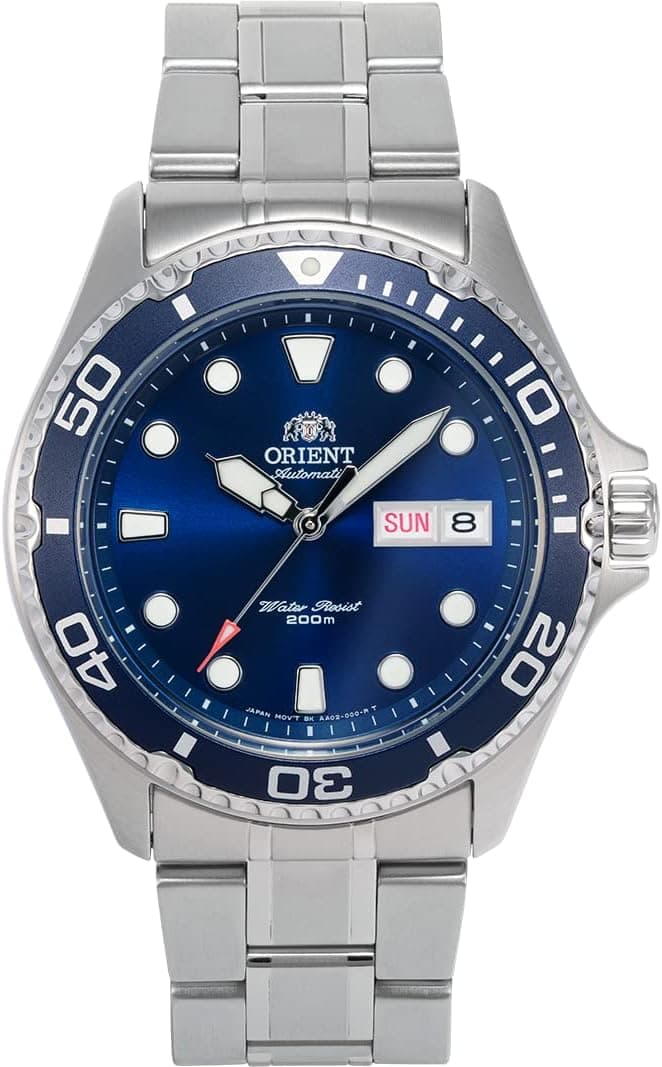
For most people the right pick is sapphire, and the cleanest example is the Orient Kamasu: the same caliber and the same 200 meters as the older mineral-crystal Ray II, but with glass that won't scratch. If you wear the watch every day and knock it around, the small price gap pays for itself over time. On a tighter budget, or if you don't mind babying the crystal, the mineral Mako 3 and the slimmer-wristed Mako 40 are still excellent; acrylic only makes sense if you're chasing vintage character.
Key takeaways
- Sapphire sits at 9 on the Mohs scale and resists almost every everyday source of scratches; it is the most sensible upgrade for a watch you wear daily.
- Mineral crystal is 5 to 6, cheaper but collects hazy scratches over time; acrylic is the softest (around 3) and marks easily.
- Repair logic flips: acrylic polishes out at home with paste, mineral is usually replaced, and sapphire almost never scratches but cannot be polished if it cracks.
- Sapphire is naturally very reflective; for clarity choose one with an anti-reflective coating, since uncoated sapphire flares like a mirror in sun.
- If a model family offers both sapphire (Kamasu, Mako 3, Mako 40) and mineral (the older Ray II), buy sapphire for daily wear despite the small price gap.
The three crystal types in brief
The clear panel protecting a watch dial is called the crystal, and it comes in three core materials. Acrylic (plexiglass) is the oldest and softest: cheap, easy to shape, shatter-resistant, but quick to scratch. Mineral crystal is the standard on most affordable watches: heat-treated hardened glass, far tougher than acrylic but softer than sapphire. Sapphire crystal is grown from synthetic sapphire, hits jewel-grade hardness, and is one of the hardest everyday materials short of diamond. All three do the same job; the difference shows up in durability, clarity, and how you repair them.
Scratch resistance and the Mohs scale
Scratch resistance is measured on the Mohs hardness scale. Acrylic sits around 3, mineral crystal at 5 to 6, and sapphire at 9, with diamond at 10. The things that scratch a watch in daily life, sand, concrete dust, the steel edge of a doorframe, mostly land around 7. That is the critical threshold: anything below 7 takes a mark from that grit, anything above 7 shrugs it off. This is why mineral builds up a hazy web of fine scratches over time while sapphire stays clear after years. A sapphire crystal is therefore the most sensible upgrade on a dive watch or any watch you wear every day. You can see the same logic play out across the Mako family in my dive watch guide.
Glare and clarity
Here it gets subtle. Sapphire is naturally very reflective, so good sapphire carries an anti-reflective coating underneath (or on both faces); an uncoated sapphire flares like a mirror in sunlight. Mineral reflects less but is also less clear. Acrylic gives the warmest, softest image, and on vintage watches that nostalgic distortion of a domed acrylic is still loved. For pure optical clarity, well-coated sapphire wins, but a good mineral reads more easily than a cheap uncoated sapphire.
Cost and repair
The cost order is clear: acrylic cheapest, mineral in the middle, sapphire dearest. But the repair logic flips. Acrylic can be buffed back to life at home with an abrasive paste (such as Polywatch) when it scratches, which is a real advantage. Mineral is usually replaced rather than polished, but the part itself is cheap. Sapphire almost never scratches, yet if a hard knock on the edge ever cracks it, you cannot polish it out and a new one is expensive. So sapphire is "won't scratch but can crack," while acrylic is "will scratch but can be repaired."
Which one should you buy
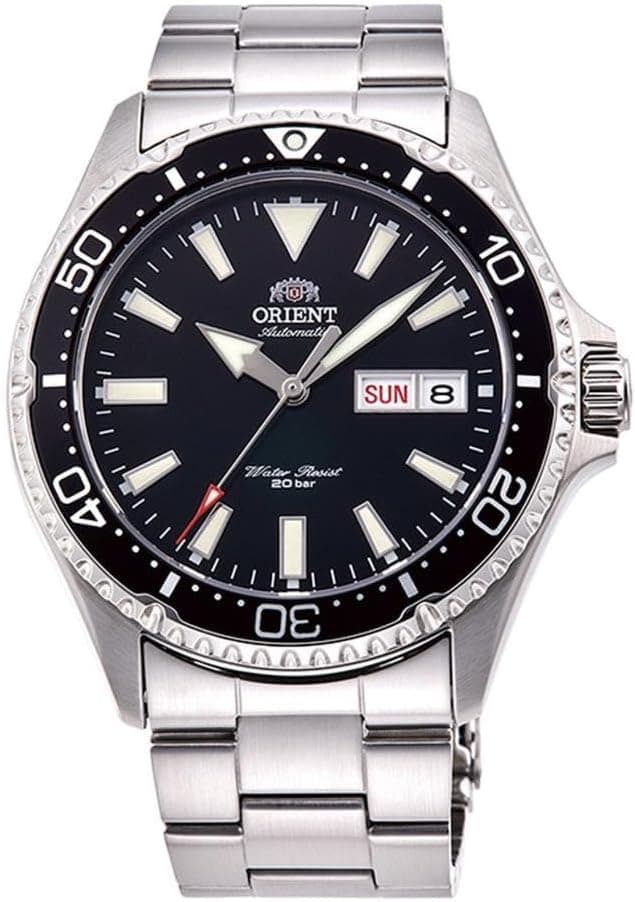
The call depends on how you wear it. If you put the watch on every day and knock the case and bezel around, sapphire is the clear choice; the small price difference pays for itself over time. The best example is the sapphire Orient Kamasu: the same caliber and the same 200 meters as Orient's older mineral-crystal Orient Ray II, but glass that won't scratch. The Orient Mako 3 and the slimmer-wristed Orient Mako 40 run sapphire too, so whichever of these divers you pick, the crystal is already the upgraded one. If you're worried about the cheap, scratch-prone crystals common on counterfeits, my guide on how to spot a fake watch is worth a read.
Specifications
| Specification | Value |
|---|---|
| Hero pick | Orient Kamasu |
| Crystal | Sapphire |
| Movement | Automatic F6922 |
| Water resistance | 200 m |
Pros
- At Mohs 9 it almost never scratches in daily wear and stays clear for years.
- When well coated it is the clearest material, so the dial reads cleanly.
- Protects resale value and the long-term look of the watch.
- Despite a small price premium it is the smartest investment in a daily-wear watch.
Cons
- It is the dearest of the three materials and raises the price over a mineral version of the same watch.
- Very hard but brittle; a sharp knock on the edge can crack it.
- A cracked sapphire cannot be polished and must be fully replaced, which is expensive.
- Uncoated sapphire flares like a mirror in sun, so a good anti-reflective coating is essential.
Verdict
For most people the right pick is sapphire, and the cleanest example is the Orient Kamasu: the same caliber and the same 200 meters as the older mineral-crystal Ray II, but with glass that won't scratch. If you wear the watch every day and knock it around, the small price gap pays for itself over time. On a tighter budget, or if you don't mind babying the crystal, the mineral Mako 3 and the slimmer-wristed Mako 40 are still excellent; acrylic only makes sense if you're chasing vintage character.
Watches we recommend
Frequently asked questions
Does sapphire crystal really never scratch?
In practice it almost never scratches in daily life. Sapphire is 9 on the Mohs scale, while the sand and grit that mark a watch mostly land around 7, so they leave no mark. Only diamond or another sapphire-tipped object can scratch it, though a hard knock can crack it.
Can a mineral crystal be polished when it scratches?
Usually no. Unlike acrylic, mineral does not buff out at home with paste; when it takes a deep scratch it is typically replaced rather than polished. The good news is that a mineral crystal itself is cheap, so a swap is usually an affordable job. Acrylic, by contrast, polishes out easily.
If a watch comes in both sapphire and mineral, which should I buy?
If you'll wear it every day, buy the sapphire version. The Orient Kamasu and the older Ray II are exactly this case: same caliber, same 200 meters, the main difference is the crystal. The small price gap pays for itself over years of glass that stays clear. Check the product page for the current price.

About the author
Serdar D.Watch Editor
View profileSerdar D. is the editor at BraveryWatch. He believes a good watch should be not just expensive but right. He gets deep into the details, then turns them into something that is genuinely a pleasure to read. He gives relaxed, useful advice through the eyes of someone who truly cares about watches.