Watch Bracelet Types From Jubilee to Mesh
 Serdar D.Watch Editor
The main watch bracelet types are three-link (the style of Rolex's Oyster), five-link (the style of Rolex's Jubilee), the rounded President, steel mesh or Milanese, the slip-on expansion band and the integrated bracelet. They differ in how many links run across the band and in how you adjust the length, by removing links or by moving a sliding clasp.
Key takeaways
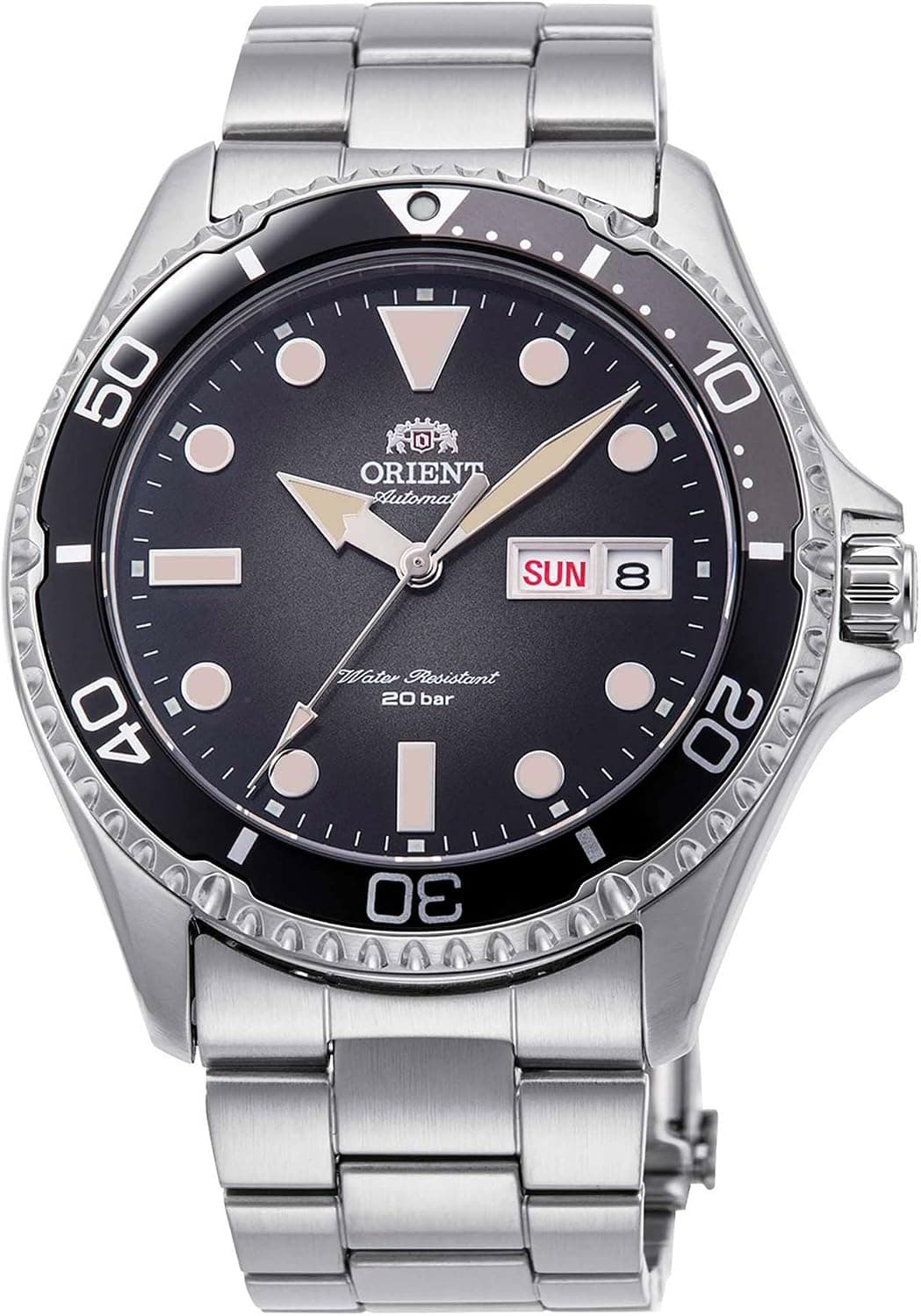
- Oyster, Jubilee and President are Rolex's names for its own three-link, five-link and rounded three-link bracelets; other makers describe similar layouts in their own words, such as Seiko's five-row bracelet on the 5 Sports SKX GMT.
- Listings rarely name the type: of the 1,064 watches on a metal bracelet with a fresh US price on Bravery Watch, only 53 listing titles say which kind of bracelet it is.
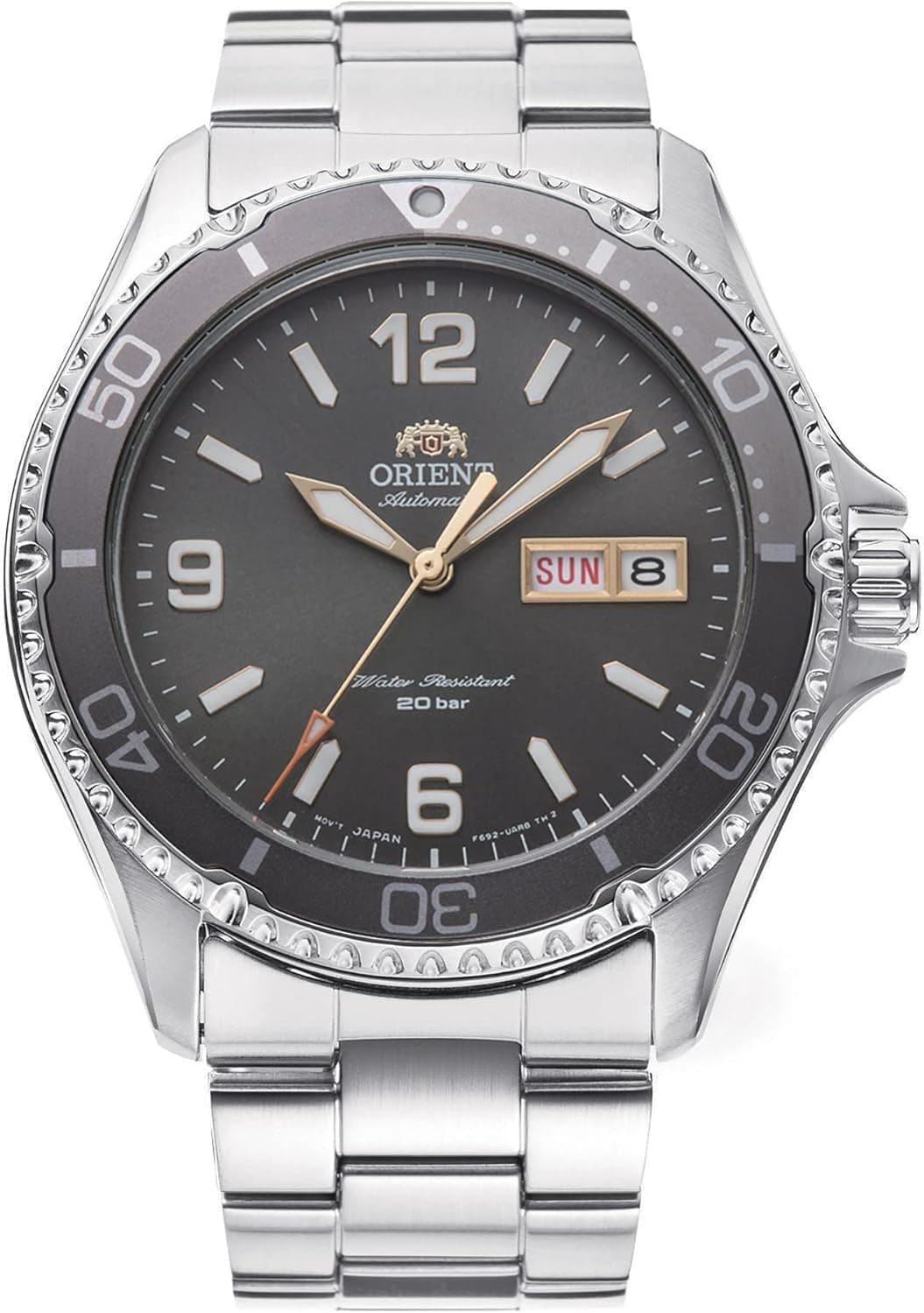
- End links decide whether a bracelet fits another watch. Orient warns that the bracelet it made for the Kamasu may not fit other models because of the curvature of its end links.
What are the main types of watch bracelets?
Metal watch bracelets come in six main types: three-link, five-link, the rounded President, steel mesh (often sold as Milanese), the slip-on expansion band and the integrated bracelet that flows straight out of the case. Oyster, Jubilee and President are Rolex's names for its own three-link, five-link and rounded bracelets, which is why you see them used as shorthand for the styles. Beads of rice is another link pattern with a name of its own. A NATO strap belongs to another family altogether, since it is woven nylon rather than metal.
Rolex itself shows the split. The Submariner diver comes on the three-link Oyster, while the Datejust is offered on either, and the five-link Jubilee was designed for it in 1945. For daily life the bigger difference is how you adjust the length: links come out of most bracelets, while mesh usually moves on a sliding clasp.
There is a catch when you shop. Listings rarely say which kind of bracelet you are looking at. On Bravery Watch, 1,064 of the 2,218 watches with a fresh US price sit on a metal bracelet, and only 53 of those listing titles name the bracelet type at all, nearly all of them mesh or expansion bands. So for each example I go by what the maker's own page calls the bracelet, not by the listing.
| Bracelet type | How it is built | Where the name comes from | Example on Bravery Watch |
|---|---|---|---|
| Three-link (Oyster style) | Three solid links across | Rolex lists its Oyster bracelet with "three-piece solid links" | None in our catalogue |
| Five-link (Jubilee style) | Five links across | Rolex designed the Jubilee for the launch of the Datejust in 1945 | Seiko 5 Sports SKX GMT SSK019, Daniel Wellington Quadro 5-Link |
| President | Three semi-circular links across | Rolex created it in 1956 for the Day-Date, only in precious metals | None in our catalogue |
| Mesh or Milanese | Steel mesh instead of separate links | Junghans says "Milanaise", Bulova says "mesh" | Junghans max bill Automatic, Bulova Goddess of Time |
| Expansion band | A link band that slips on over the hand | Timex calls it an expansion band | Timex Easy Reader 25mm |
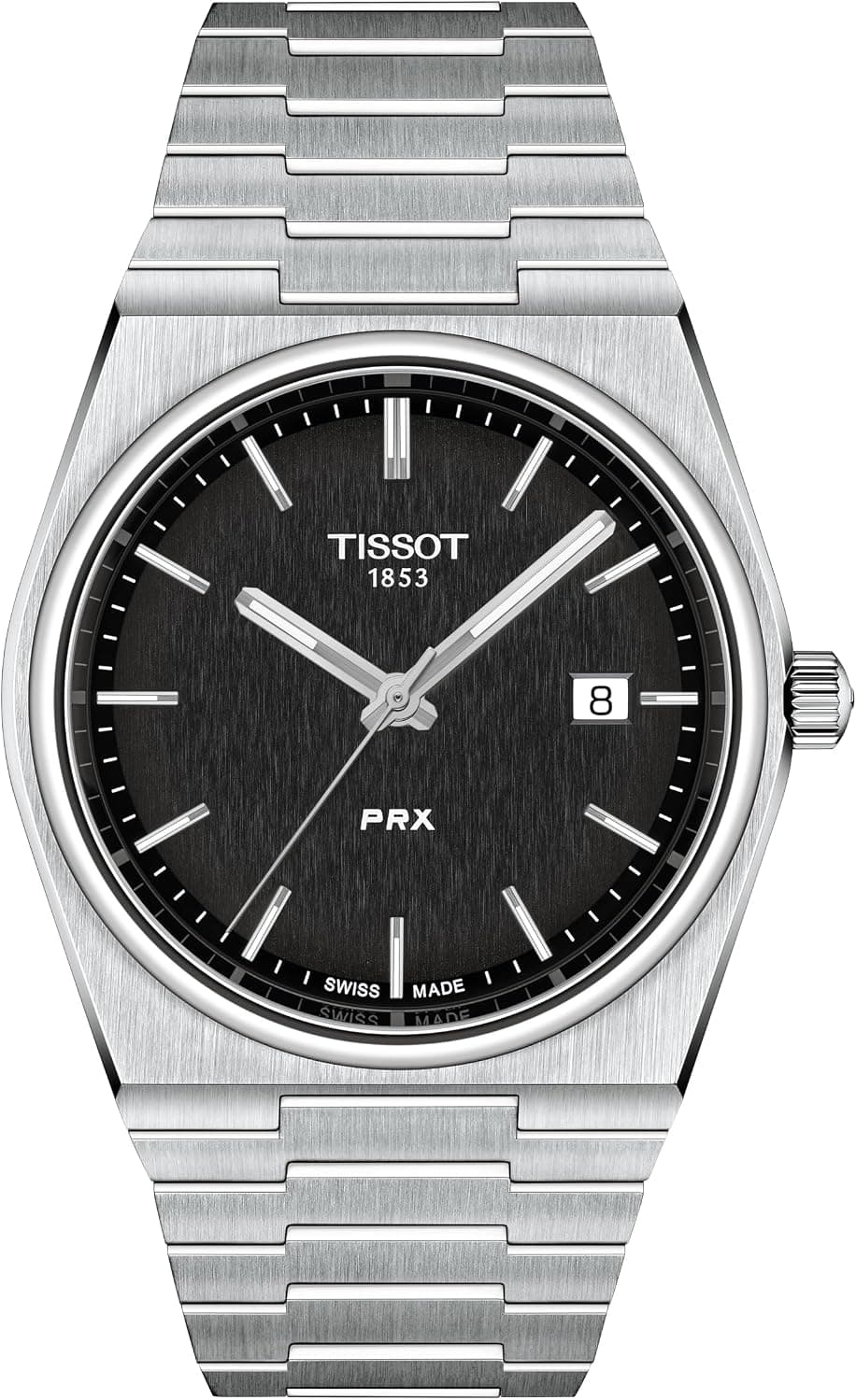
| Integrated | The case flows into the first link | Tissot describes the lugs of the 1978 model behind the PRX as integrated into the case | Tissot PRX 40mm |
What is a Jubilee bracelet?
A Jubilee bracelet is a five-link metal bracelet, and the name is Rolex's own. Rolex describes the Jubilee bracelet as "a supple and comfortable five-piece link metal bracelet" that it "designed and made especially for the launch of the Oyster Perpetual Datejust in 1945". Other makers build a similar five-row bracelet and give it their own name. So when I write Jubilee here I mean that five-link look; the bracelet sold under the name comes only from Rolex.
Search suggestions for "jubilee bracelet" include "for seiko 5", and Seiko already fits something close to one of its own watches. The Seiko USA page for the Seiko 5 Sports SKX GMT SSK019 lists a "Stainless steel stylized five-row bracelet" with a 22 mm lug width.
Daniel Wellington goes the other way, onto a much smaller case. Its Quadro 5-Link DW00100622 is a 20 x 26 mm rectangular watch that, in the company's words, comes "with a 5-link bracelet". Daniel Wellington gives the strap width as 10 mm and the strap connector as spring bars, which matters later if you want to swap it.
What is the difference between Oyster and Jubilee bracelets?
The difference is the number of links across the bracelet. Rolex builds the Oyster bracelet from "three-piece solid links" and the Jubilee from "five-piece links", so the Oyster shows three rows across and the Jubilee five. On the Submariner, Rolex pairs the Oyster with a safety clasp and an extension system for wearing the watch over a diving suit. The Jubilee was made for the Datejust, which Rolex also offers on an Oyster bracelet.
The President is the third Rolex name you will run into. Rolex says it was "created in 1956 for the launch of the Oyster Perpetual Day-Date", uses "semi-circular three piece links" and "is always made of carefully selected precious metals". So it has three rows like the Oyster, but rounded ones, and you will not find a steel President from Rolex at all.
What is a mesh or Milanese watch bracelet?
A mesh bracelet is a band of steel mesh rather than rows of separate links. Junghans calls its version Milanaise: the Junghans max bill Automatic 27/4002.46 comes on a "Milanaise bracelet", and Junghans sells the same bracelet separately in a 20 mm width.
Bulova uses the plain word mesh. Its Goddess of Time 96L343 has, in Bulova's words, "a textured mesh bracelet with a sliding clasp closure", on a case 17 mm wide with a 12 mm lug width. You set the length by moving the clasp along the mesh, with no links to take out.
What is an expansion watch band?
An expansion band is a metal band made to slip on and off over your hand. Timex sells one under the name Perfect Fit and says that design lets you "easily slip the expansion band on and off". Its Easy Reader 25mm TW2W46500 comes on a "Stainless Steel Expansion Band" with a 12 mm lug width, and Timex adds that "Removable links let you customize the fit so your watch sits exactly where you want it and slips off with ease." So this expansion band, too, is shortened by taking links out.
What is an integrated bracelet?
An integrated bracelet joins the case directly instead of sitting between ordinary lugs, so case and bracelet read as one shape. Tissot describes the 1978 model that the PRX goes back to this way: "Its wide horizontal lugs, typical of the time, were perfectly integrated into the flat tonneau-shaped case." The current Tissot PRX 40mm keeps that look and lists an "Interchangeable quick release bracelet" and a 12.00 mm case lug width.
That 12 mm figure is far narrower than the 40 mm case. If you ever want a strap instead, go by the list of fitting straps on Tissot's own page rather than by case size.
What other watch bracelet link types are there?
Beads of rice is the other link pattern with a name of its own: five rows, with three small center links between two outer ones. Nivada Grenchen, which sells one for its own watches, writes that "Its nickname comes from the shape of the 3 most inner links" and that their polished look "contrasts with the two outer links". Its bracelet tapers from 20 mm at the lug to 16 mm at the buckle. I found no watch in our catalogue whose maker names this pattern, so it has no example here.
What types of clasps do watch bracelets have?
Most metal bracelets close with a folding clasp, and each maker names it its own way. Rolex fits a "Folding Oysterclasp" to the Datejust and a "Folding Oysterlock safety clasp" to the Submariner, while Orient lists a "Foldover Clasp with Safety" on the bracelet it made for the Kamasu. In our data, 684 of the 997 metal bracelets with a recorded clasp type use a folding or deployant style, roughly two in three.
What matters more than the name is how the clasp lets you set the length. A sliding clasp on mesh moves along the band, as on the Bulova above. Some folding clasps carry a small extension: Rolex fits an "Easylink 5 mm comfort extension link" to the Datejust, and on the Submariner its Glidelock system allows "fine adjustments of the bracelet without using any tools". Where a maker's page names neither, look at the clasp in the product photos before you count on fine adjustment.
How do you size or change a watch bracelet?
Link bracelets are shortened by taking out links, and the step-by-step part lives in our guide on how to remove links from a watch bracelet. Measure your wrist before you take anything out; the watch band size chart helps with that.
Swapping a bracelet for a strap is a separate job. Many bracelets attach with spring bars, as Daniel Wellington lists for the Quadro, and if you have not done it before, how to change a watch strap walks through it.
The end links are where bracelets stop being interchangeable.
Orient says of the stainless steel bracelet it made for the Orient Kamasu: "Due to the curvature of the end links, this bracelet may not fit properly on any other models!" A bracelet in the right lug width can still fail on a different case, so before you buy one, check that its maker names your watch's reference.
How we looked
The catalogue numbers come from Bravery Watch's own database, read on 20 November 2026 at 10:04 UTC, for the 2,218 listed watches that were in stock at Amazon US with a price fetched in the previous seven days. A watch counts as being on a metal bracelet when its listing's spec table names a metal band material or bracelet type; fields filled by AI were left out. Bracelet types were counted in the listing titles only, so a bracelet whose title does not name its type counts as unnamed. The clasp share counts only entries that name a clasp type, so values such as "No Clasp Type" or "Other" were left out. Every bracelet description and value in the text comes from the maker's own page, read on 20 November 2026 or from an archived copy of that page where the live one blocked automated reading. Prices are left out because they change daily.
Sources
- Rolex, Datejust 36 reference 126234 product page (archived 18 September 2026)
- Rolex, Datejust 36 reference 126200 and Datejust 41 reference 126300 product pages (archived 15 January 2026 and 14 April 2026)
- Rolex, Submariner reference 124060 product page (archived 21 June 2025)
- Rolex, Day-Date 40 reference 228238 product page (archived 5 June 2024)
- Seiko USA, Seiko 5 Sports SKX GMT SSK019 product page (read 20 November 2026; archived 9 September 2026)
- Daniel Wellington, Quadro 5-Link Evergold product page, SKU DW00100622 (archived 21 October 2026)
- Junghans, max bill Automatic 27/4002.46 product page and Milanaise bracelet 420504994 (read 20 November 2026)
- Bulova, Goddess of Time 96L343 product page (read 20 November 2026)
- Timex, Easy Reader 25mm Stainless Steel Expansion Band Watch TW2W46500 product page, and Timex blog, How to Adjust Your Timex Perfect Fit Expansion Band, 22 March 2022 (read 20 November 2026)
- Tissot, PRX 40mm T137.410.11.051.00 and PRX Gold 40mm product pages (read 20 November 2026)
- Orient Watch USA, Kamasu Bracelet (22 mm) UM025113J0 (archived 10 May 2026)
- Nivada Grenchen, Beads of Rice Bracelet Depthmaster ND04DB1 product page (read 20 November 2026)
Watches we recommend
Frequently asked questions
What is a Jubilee bracelet?
A Jubilee bracelet is a metal watch bracelet with five links across. Rolex, whose name it is, says it designed the Jubilee for the launch of the Oyster Perpetual Datejust in 1945. Other makers sell similar five-link bracelets under their own descriptions, such as Seiko's five-row bracelet.
What is the difference between a Jubilee and an Oyster bracelet?
An Oyster bracelet has three links across and a Jubilee bracelet has five. Rolex builds the Oyster from three-piece solid links and fits it to the Submariner, while the Jubilee, with five-piece links, was designed for the Datejust in 1945. Rolex also offers the Datejust on an Oyster. Both names are Rolex's own.
Is there a Jubilee-style bracelet on a Seiko 5?
Seiko does not use the Jubilee name, but its US page for the Seiko 5 Sports SKX GMT SSK019 lists a stainless steel stylized five-row bracelet with a 22 mm lug width. Five-row is Seiko's own wording, and the layout has five links across, like the Jubilee style.
What is a Milanese mesh watch bracelet?
A Milanese or mesh bracelet is a band of steel mesh instead of rows of separate links. Junghans calls it Milanaise and fits one to the max bill Automatic 27/4002.46. Some, such as Bulova's Goddess of Time, use a sliding clasp, so the length is set by moving the clasp rather than by removing links.
What is an expansion watch band?
An expansion band is a metal link band built to slip on and off over the hand. Timex fits one to the Easy Reader 25mm TW2W46500 with a 12 mm lug width and removable links, so if that band is too long, you shorten it by taking links out.
What types of clasps do watch bracelets have?
Most metal watch bracelets close with a folding clasp, often with push buttons or a safety catch. Rolex calls its version the Oysterclasp, and Orient lists a foldover clasp with safety for the Kamasu bracelet. Some mesh bracelets use a sliding clasp instead, and some folding clasps add a small comfort extension link.
Is a NATO strap a bracelet?
No. A NATO strap is a one-piece woven nylon strap that threads under the watch case, while a bracelet is made of metal links or mesh. Both attach between the lugs, but a NATO only needs spring bars of the right width, while a bracelet also needs end links that match the case.
Can I put any bracelet on my watch?
Not always. A bracelet needs the right lug width, and its end links must match the curve of the case. Orient warns that the bracelet it made for the Kamasu may not fit other models for that reason. Before you buy one, check that the bracelet's maker names your watch's reference.

About the author
Serdar D.Watch Editor
View profileSerdar D. is the editor at BraveryWatch. He believes a good watch should be not just expensive but right. He gets deep into the details, then turns them into something that is genuinely a pleasure to read. He gives relaxed, useful advice through the eyes of someone who truly cares about watches.