


OrientMidrange
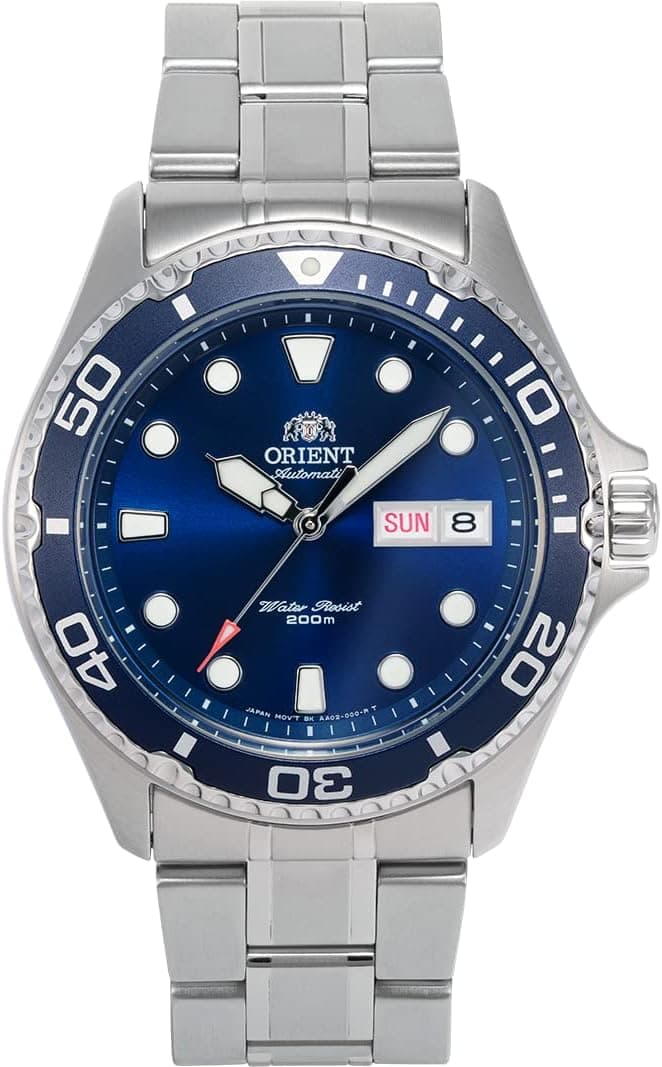
Japanese maker founded in Tokyo in 1950; the Mako (2004) and Kamasu automatic dive watches with the F6922 caliber define the budget-friendly Japanese diver category.
Orient is a Japanese watchmaker founded in 1950 and now owned by Seiko Epson. It builds its own in-house calibers, which makes its Bambino, Mako and Orient Star lines some of the most honest value in mechanical watchmaking.
Orient's roots reach back to Shogoro Yoshida's 1901 watch shop in Ueno, Tokyo, but the brand as we know it begins in 1950, when the company was incorporated as Tama Keiki Co. and built the 'New Orient' wristwatch. A year later it became Orient Watch Co., Ltd., and the upmarket Orient Star sub-brand was introduced. Today Orient is a watch brand within Seiko Epson, fully part of the Epson Group, and crucially it still makes its own movements. That is what sets it apart in this price class: where most rivals buy stock calibers, Orient runs its own in-house manufacture.
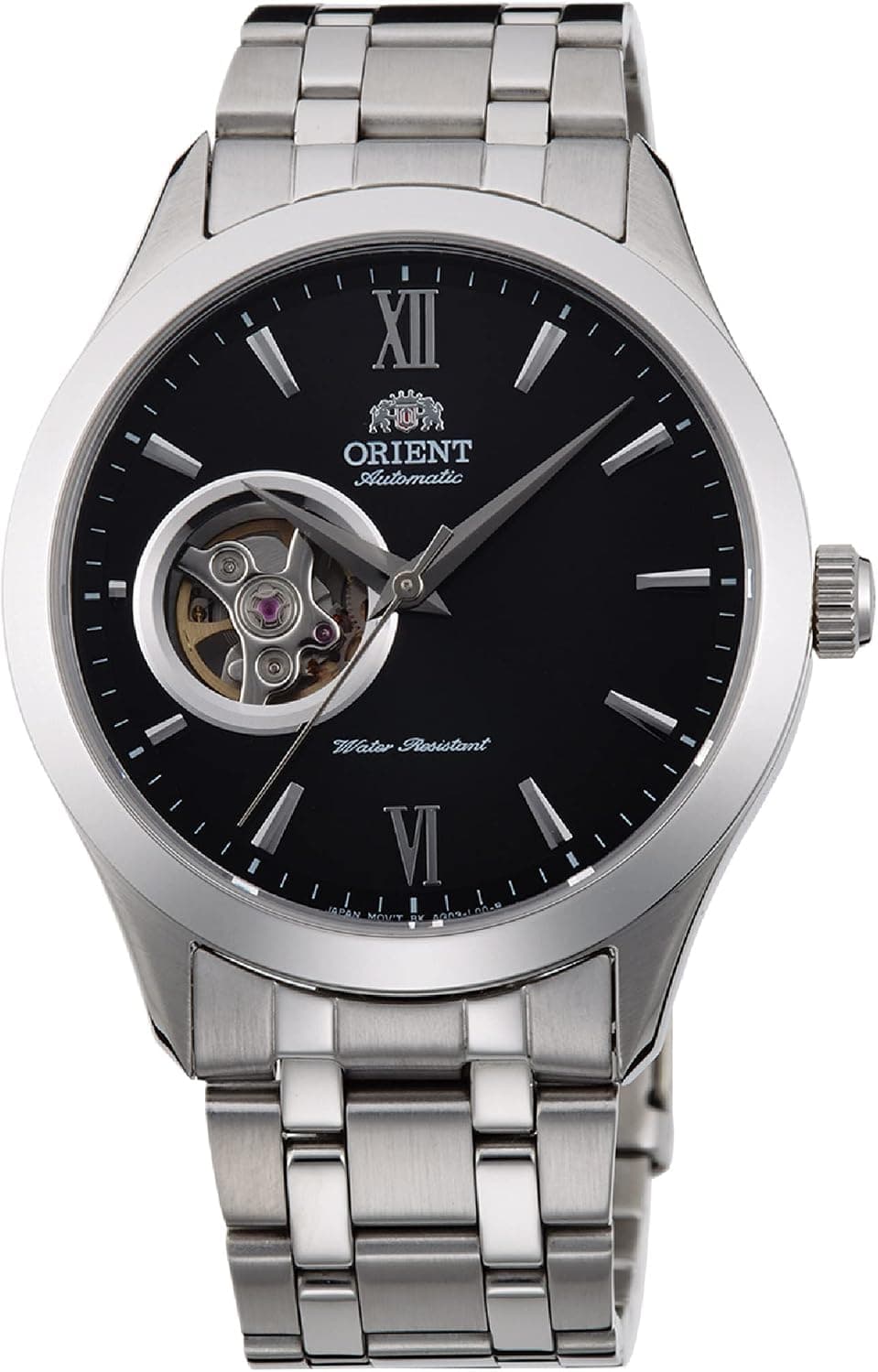
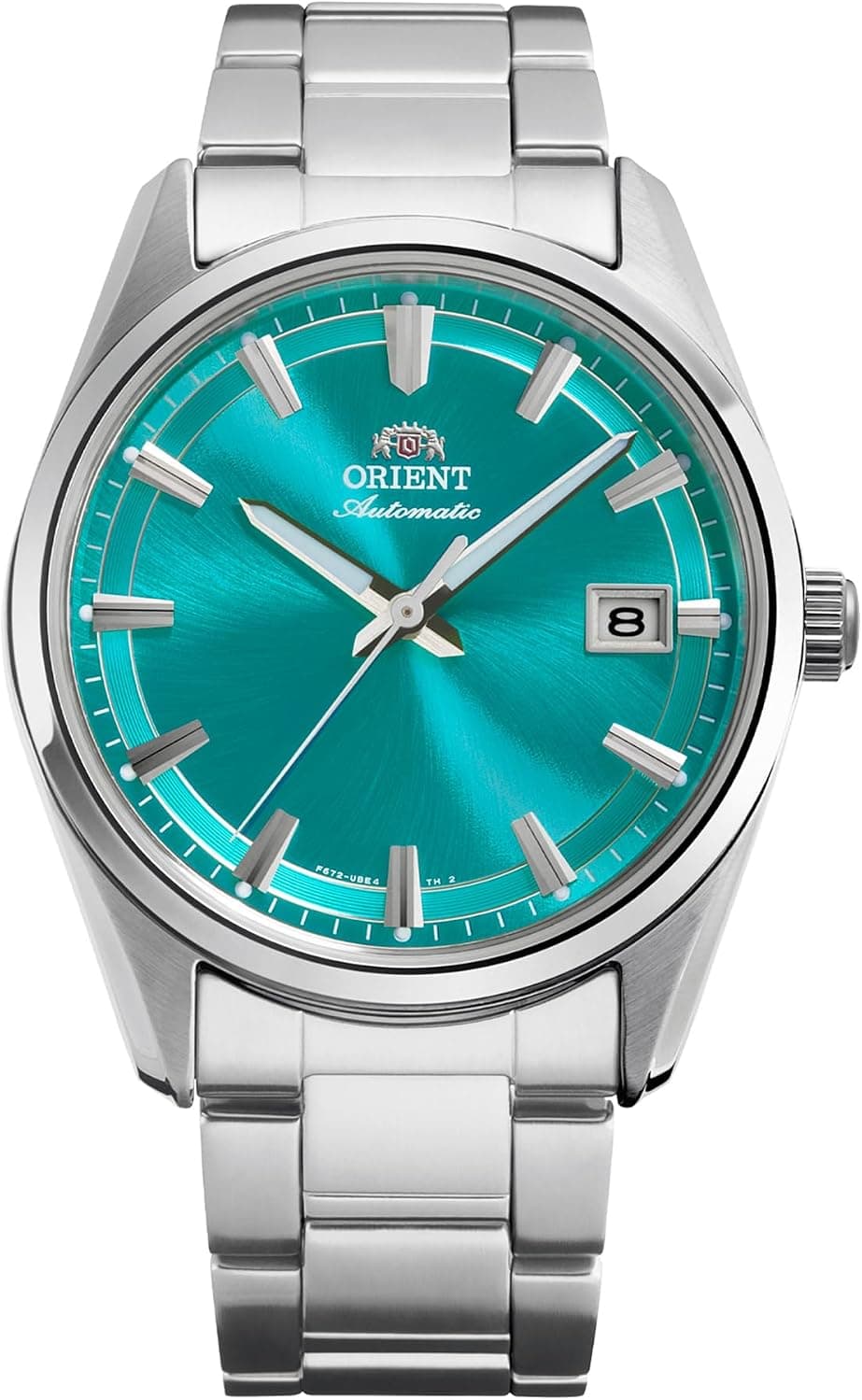
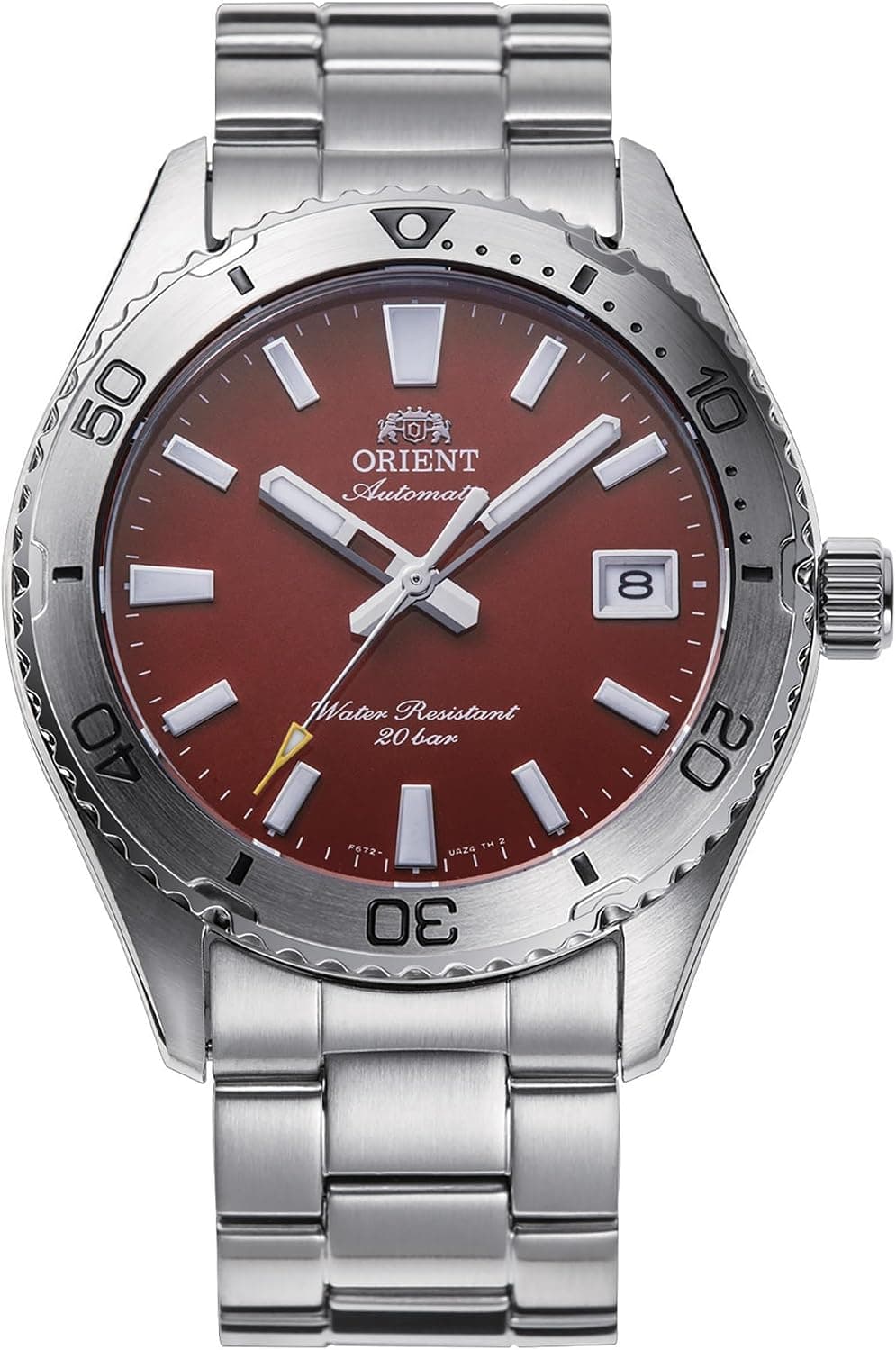
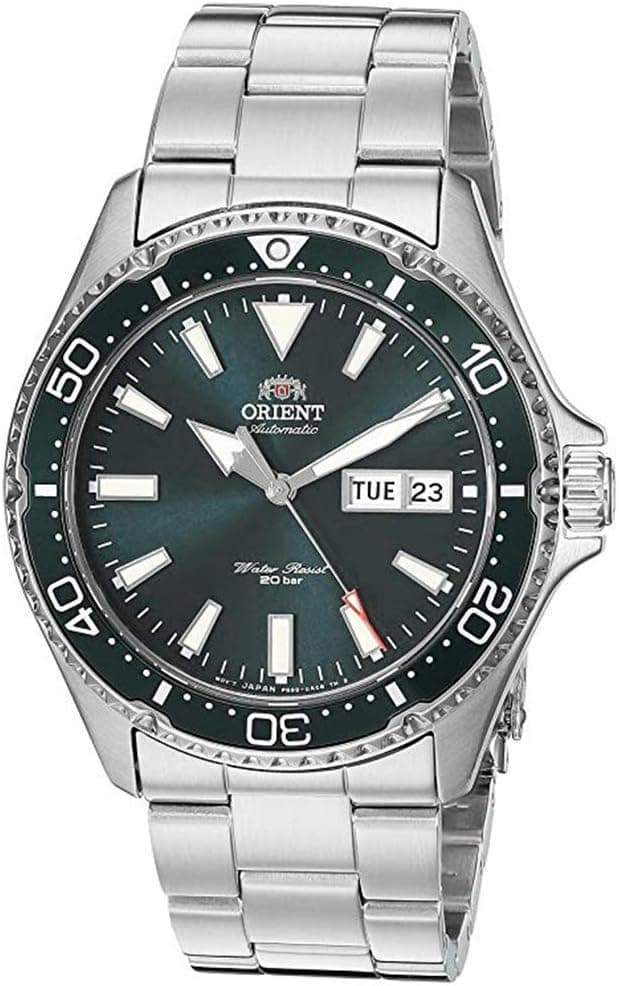
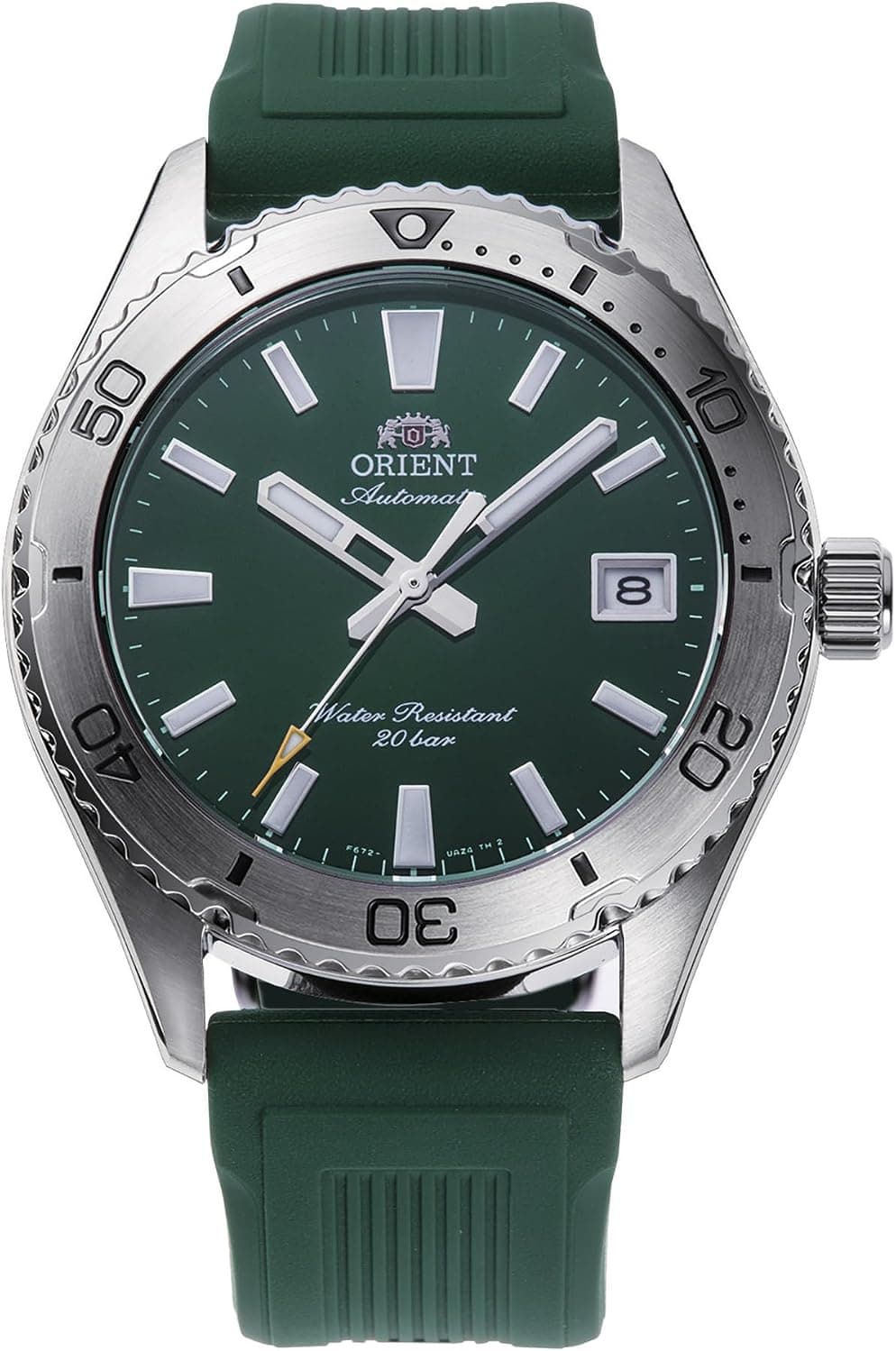
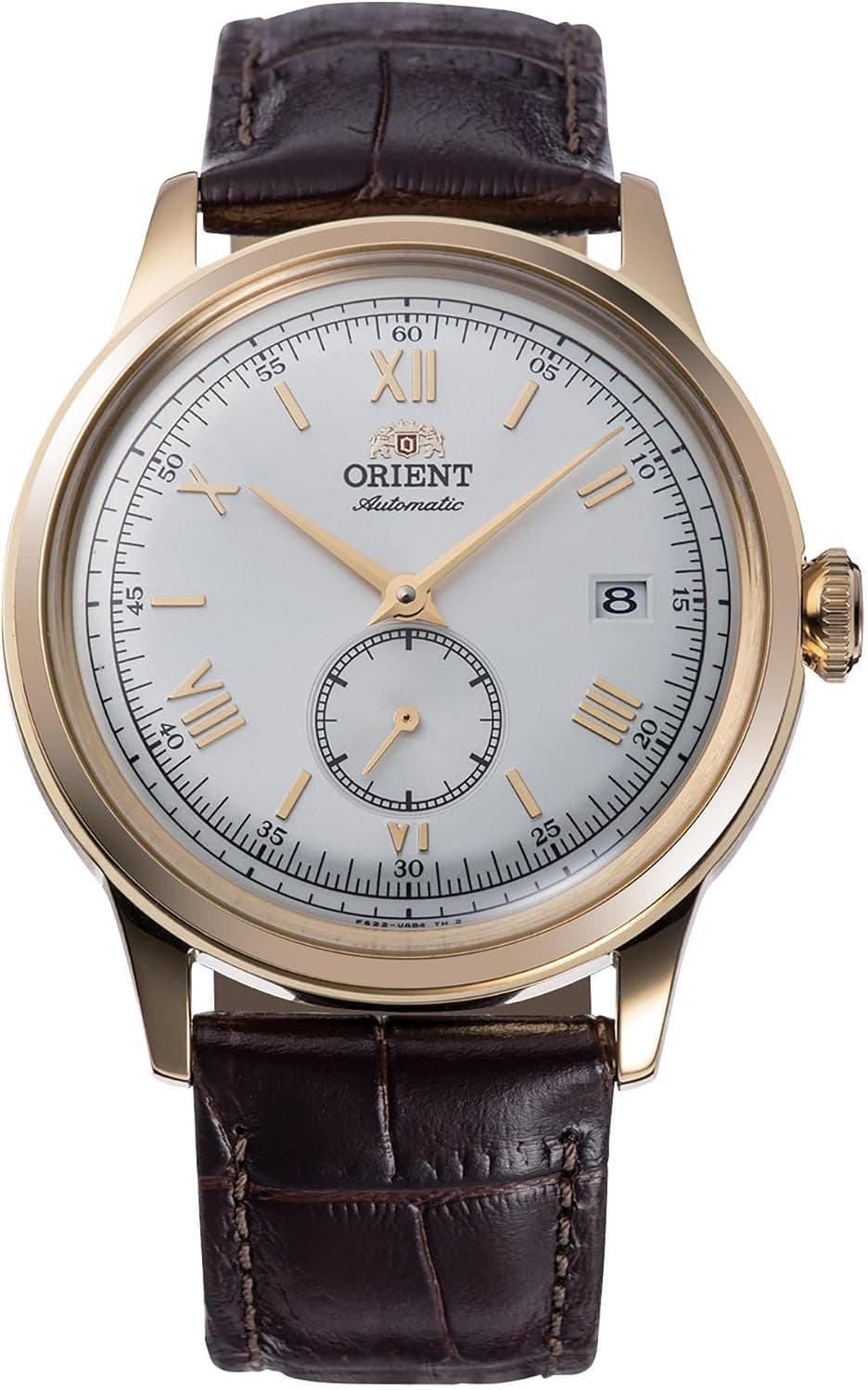
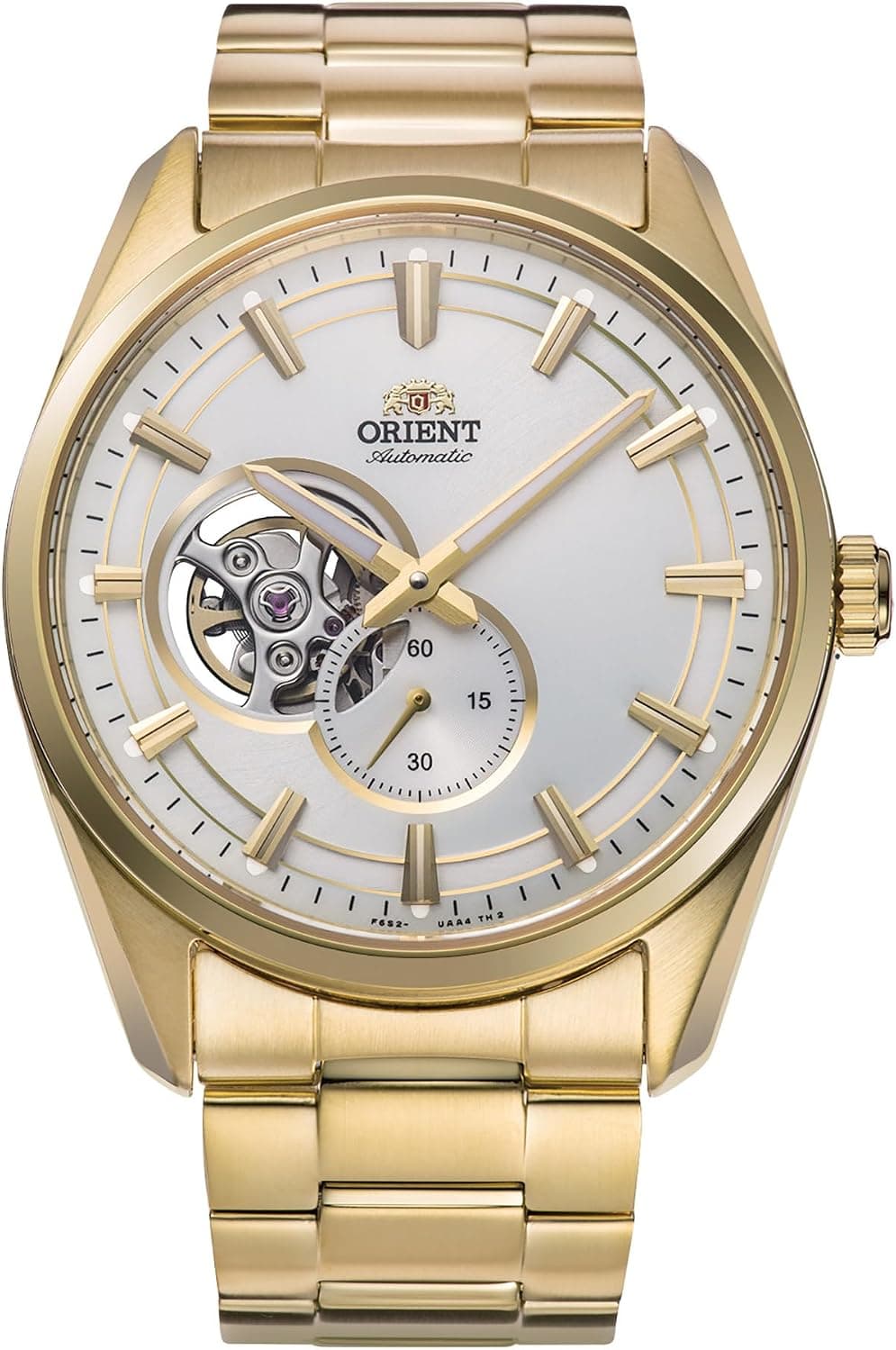
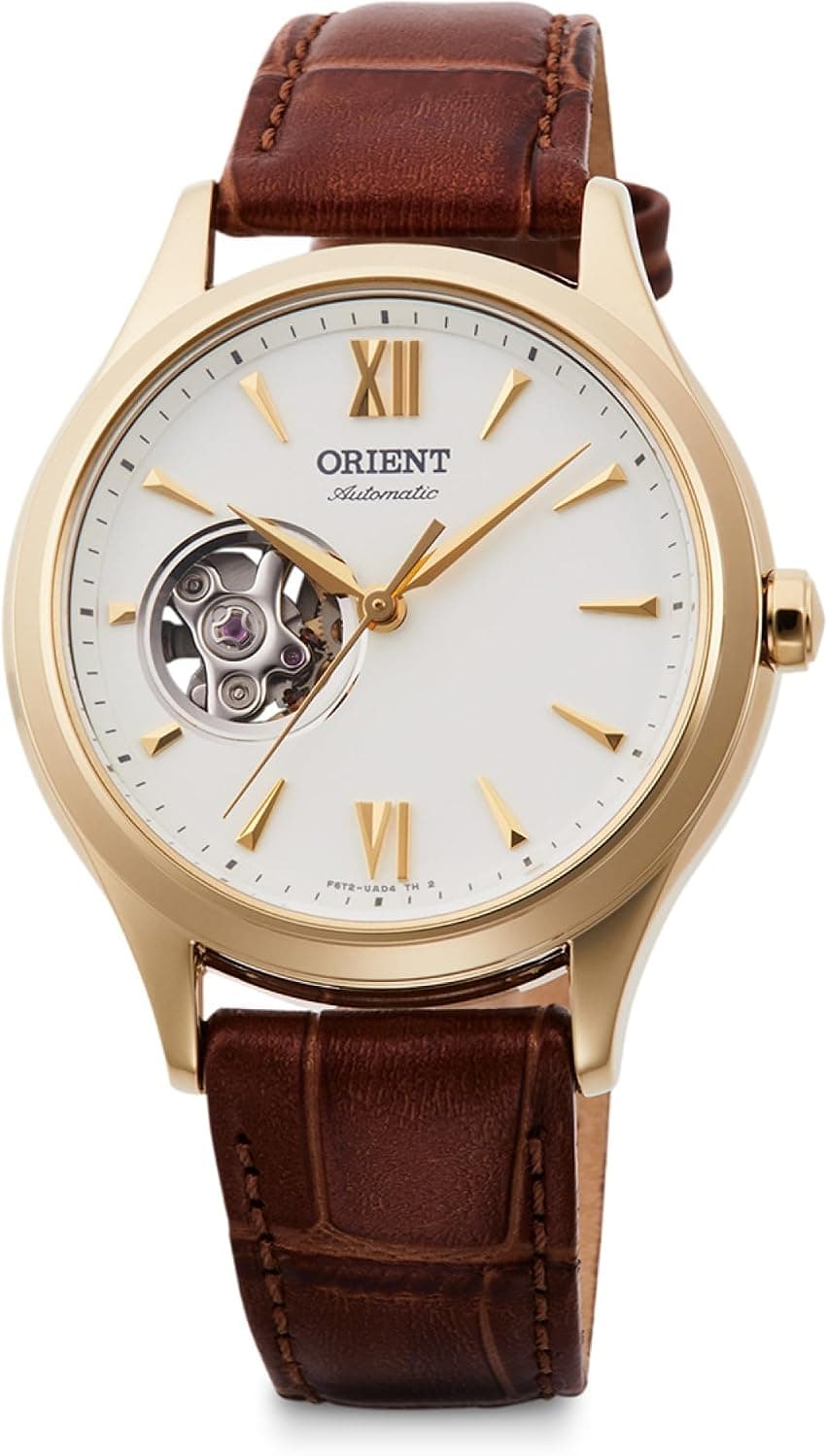
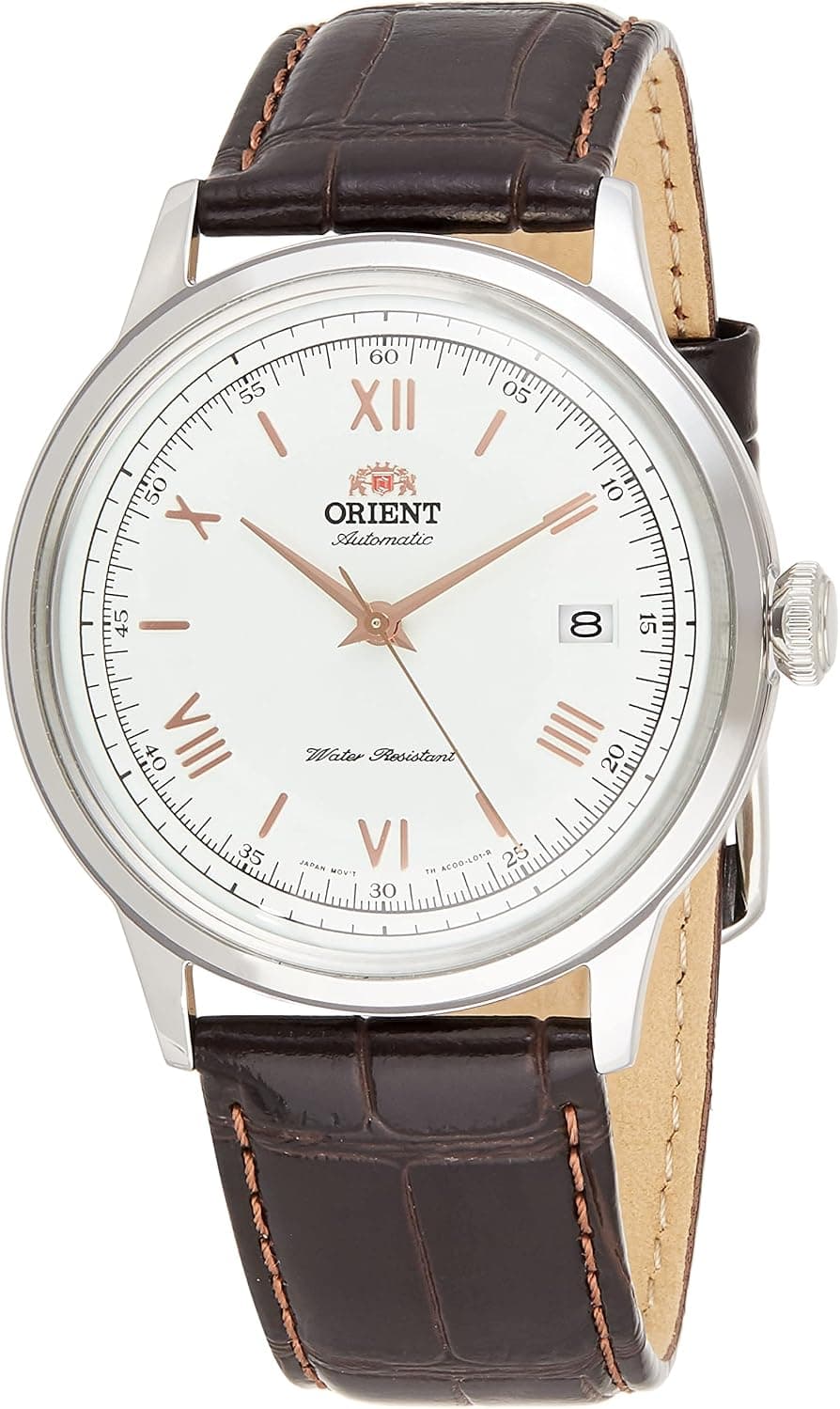
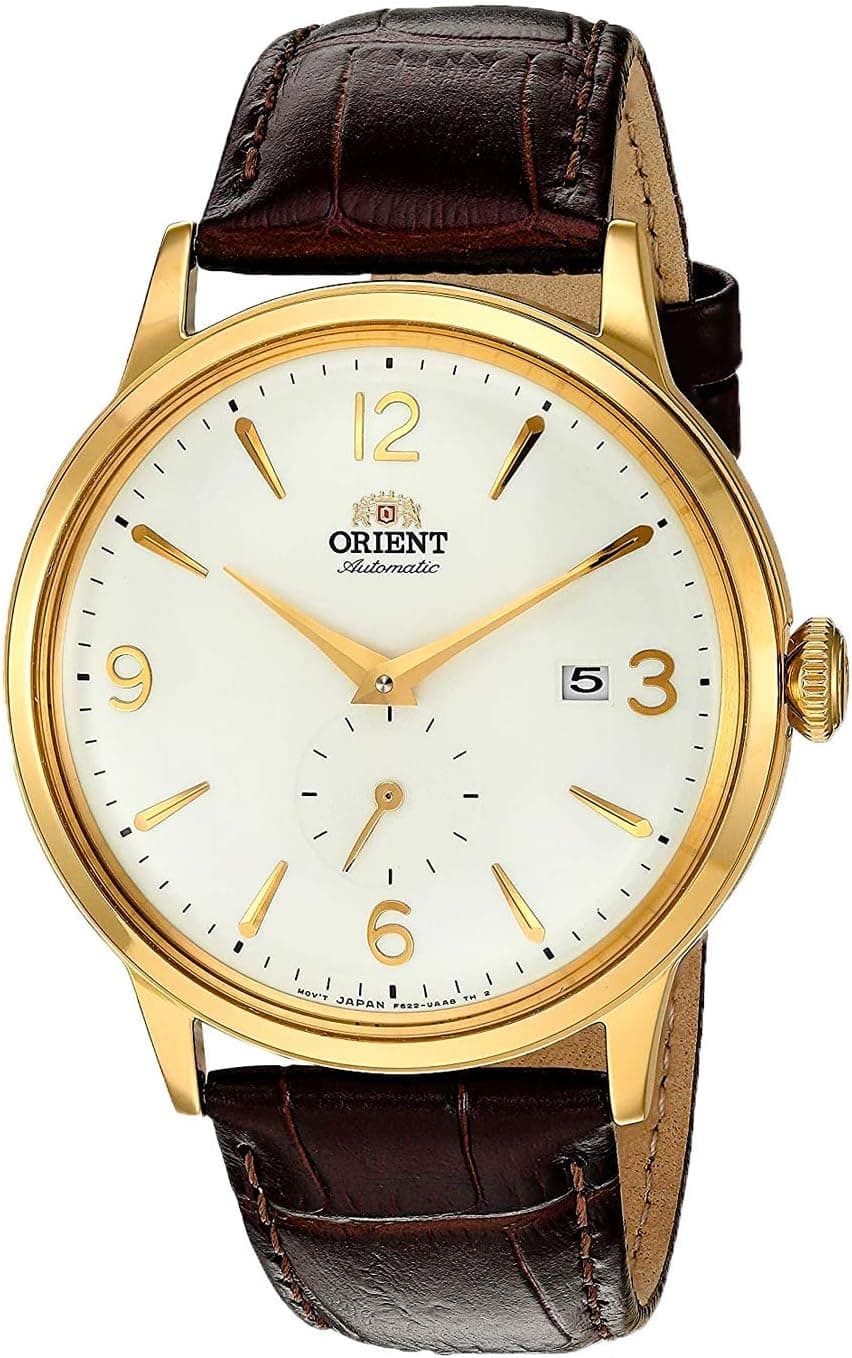
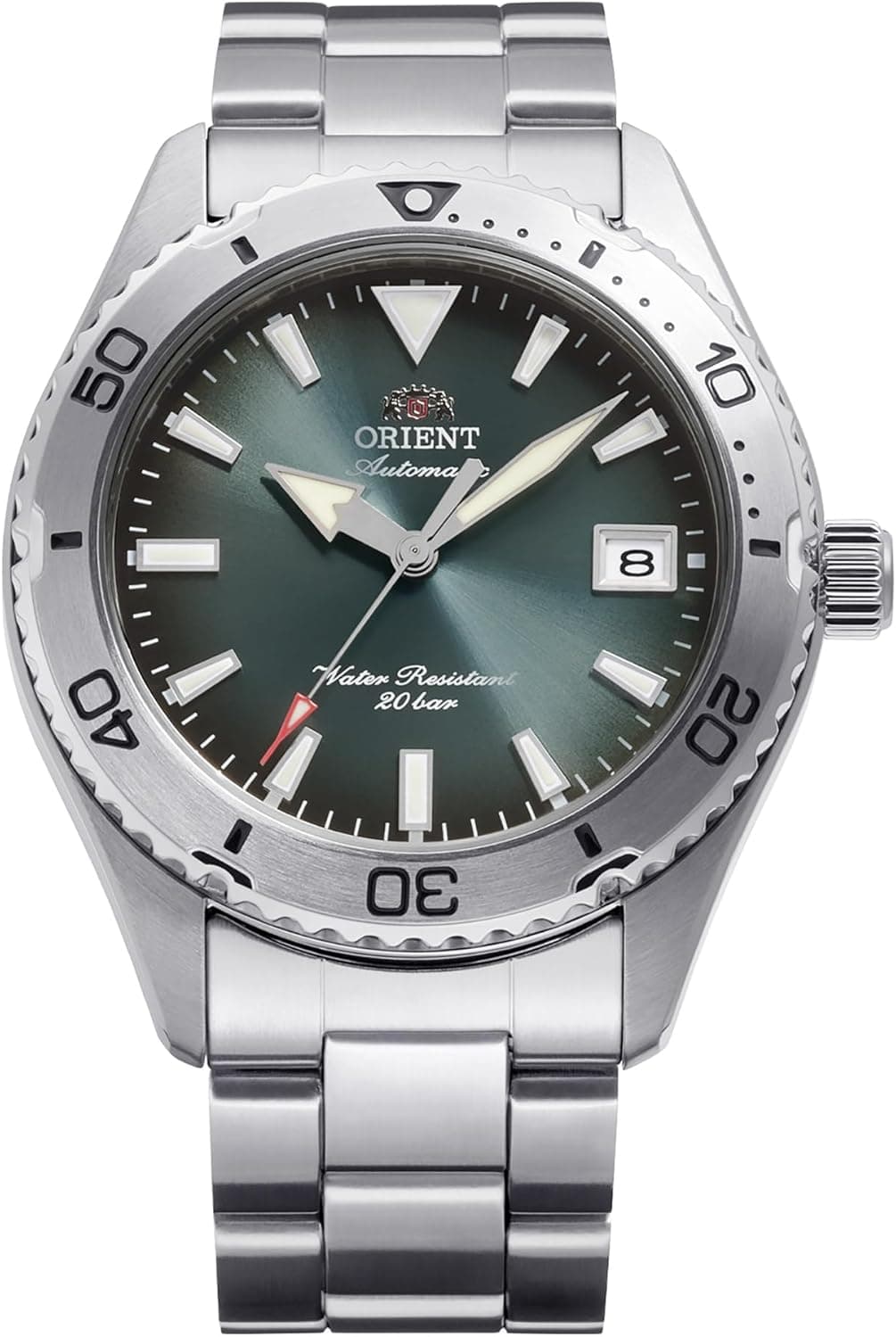
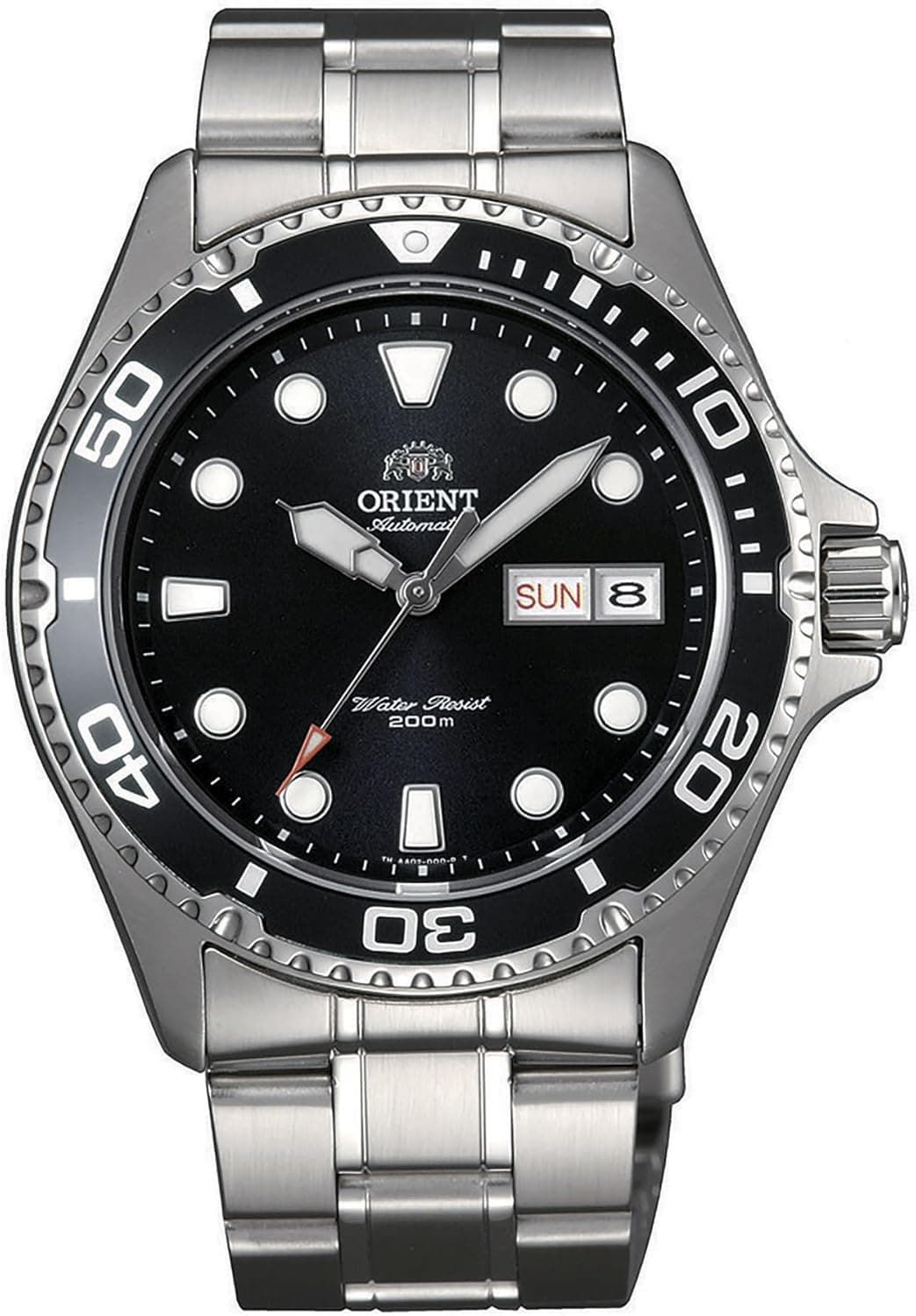
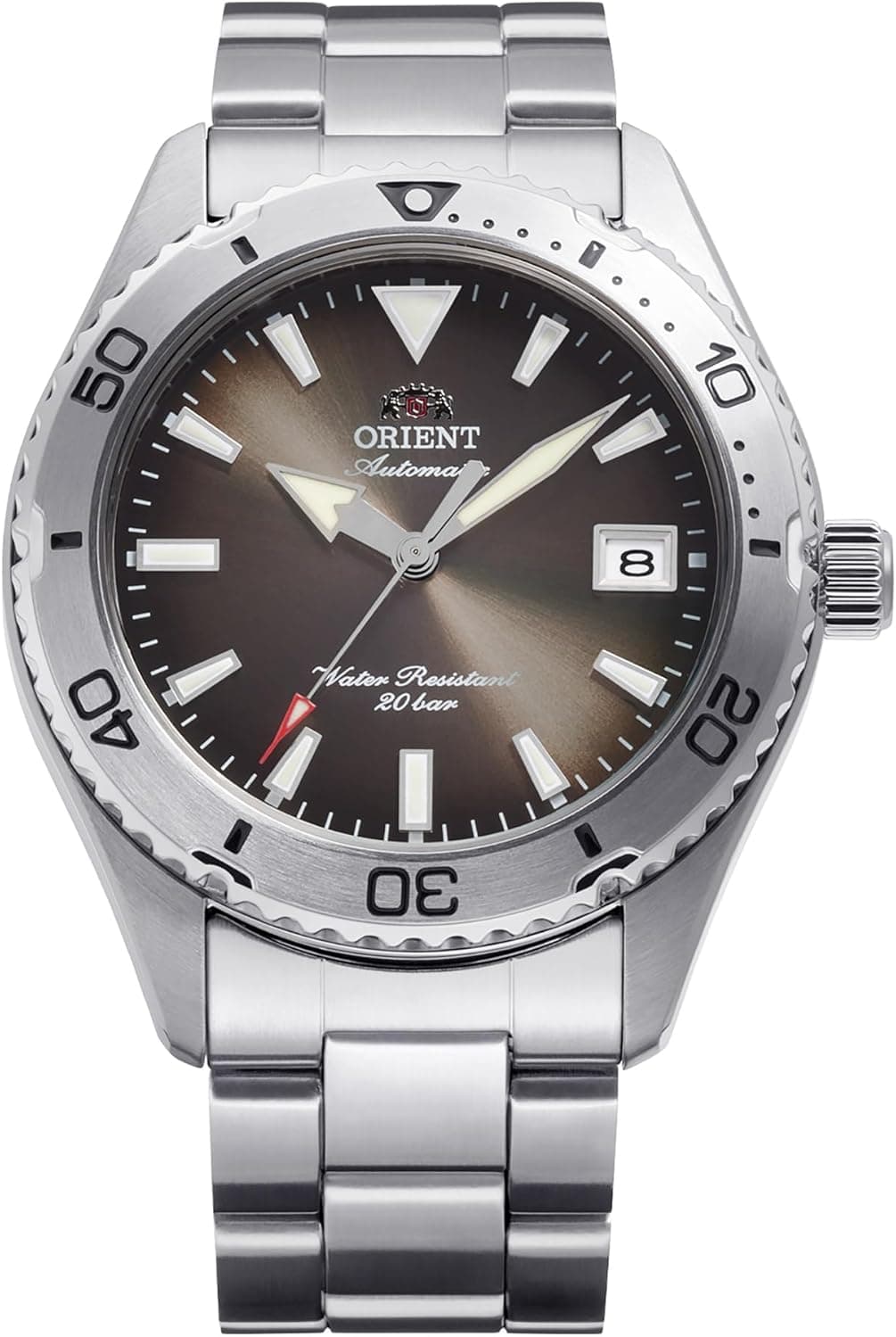
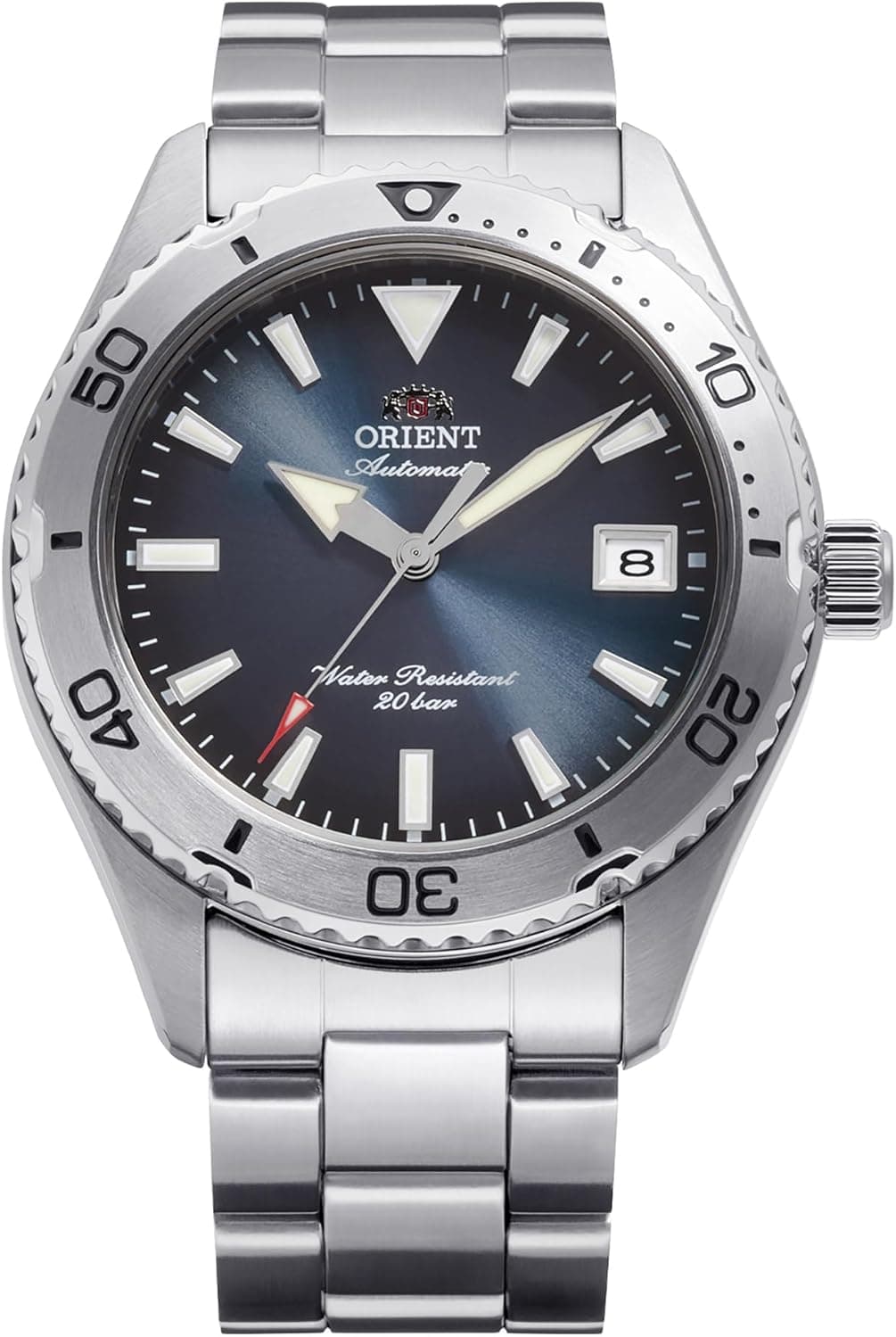
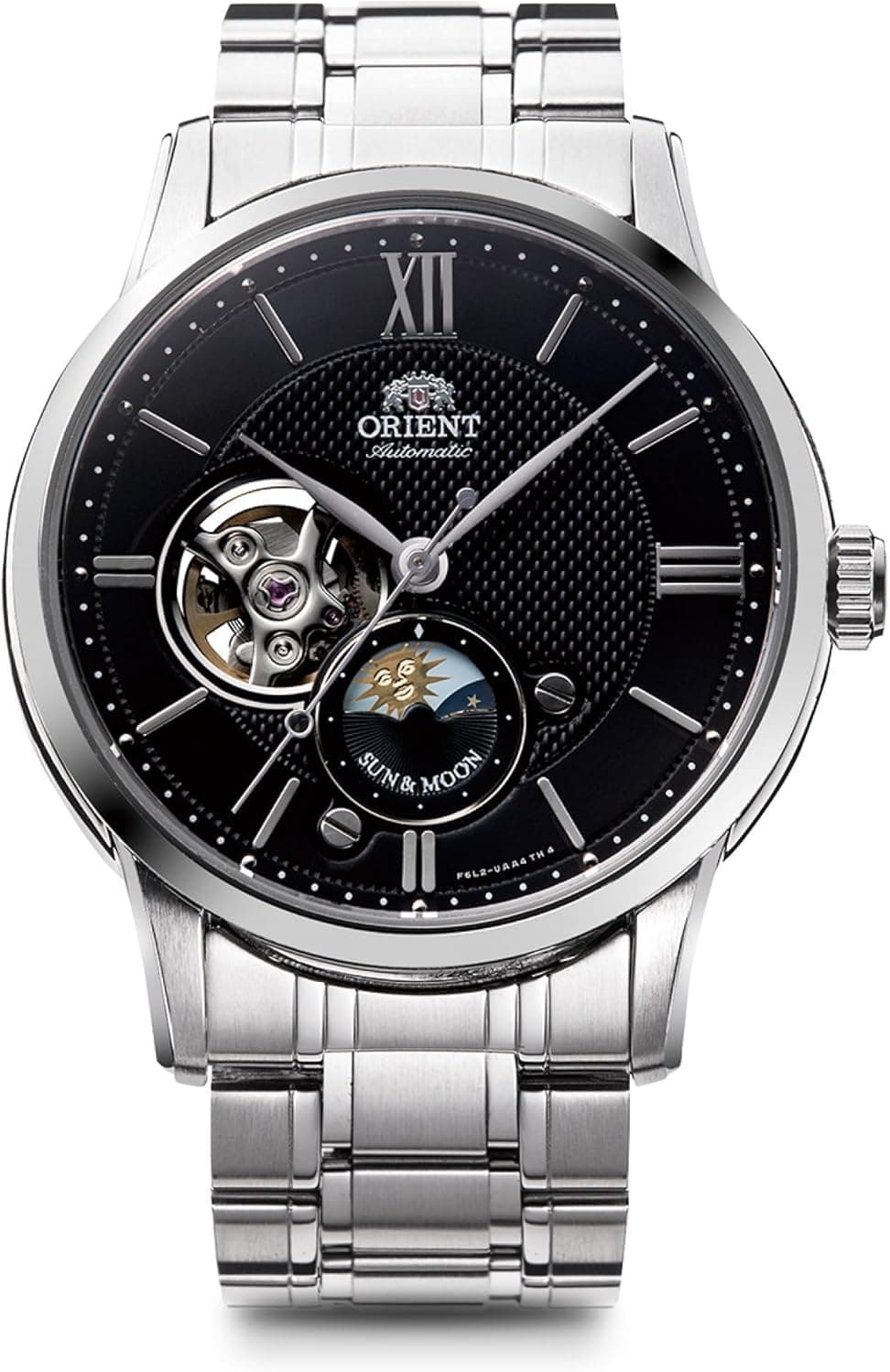
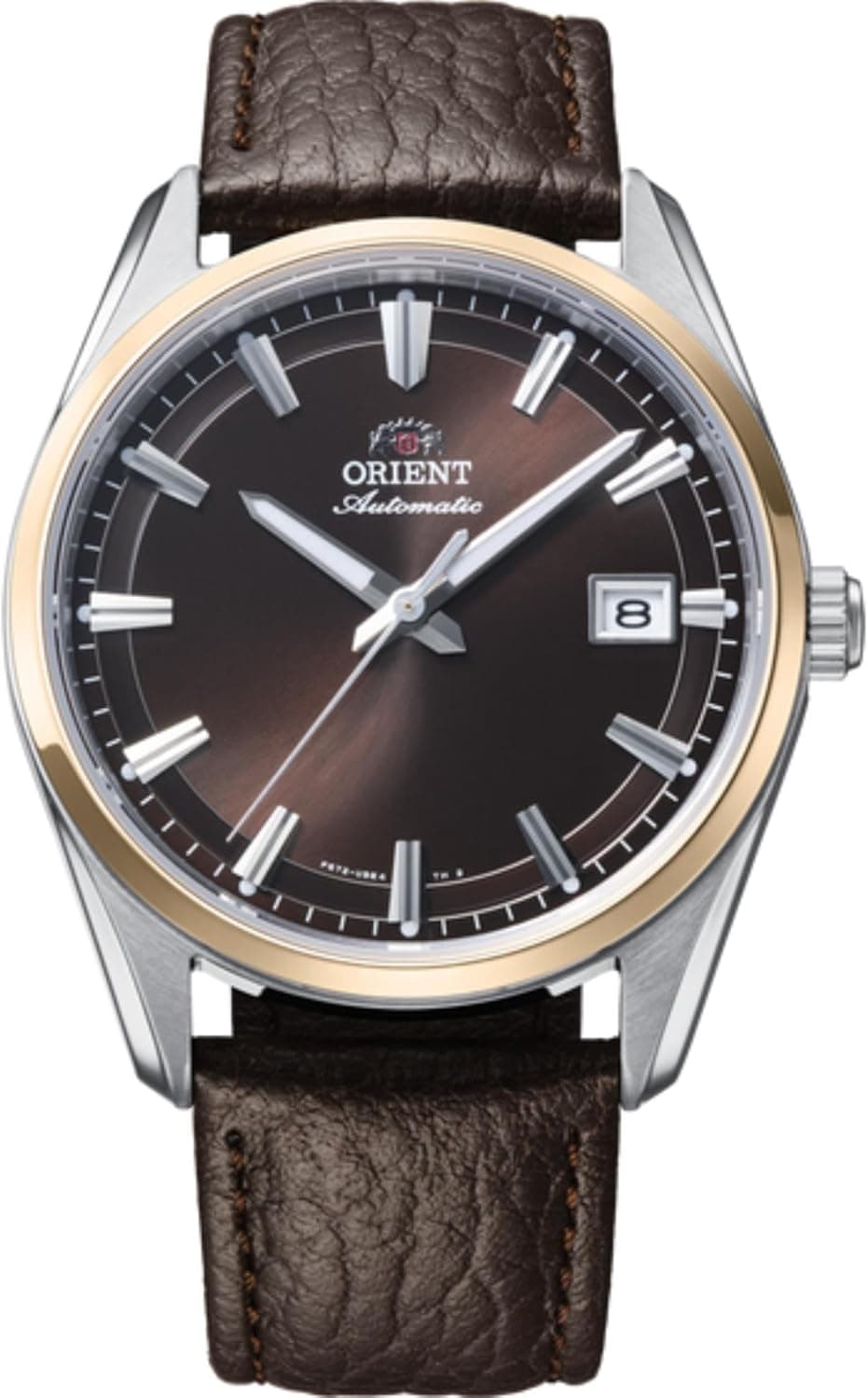
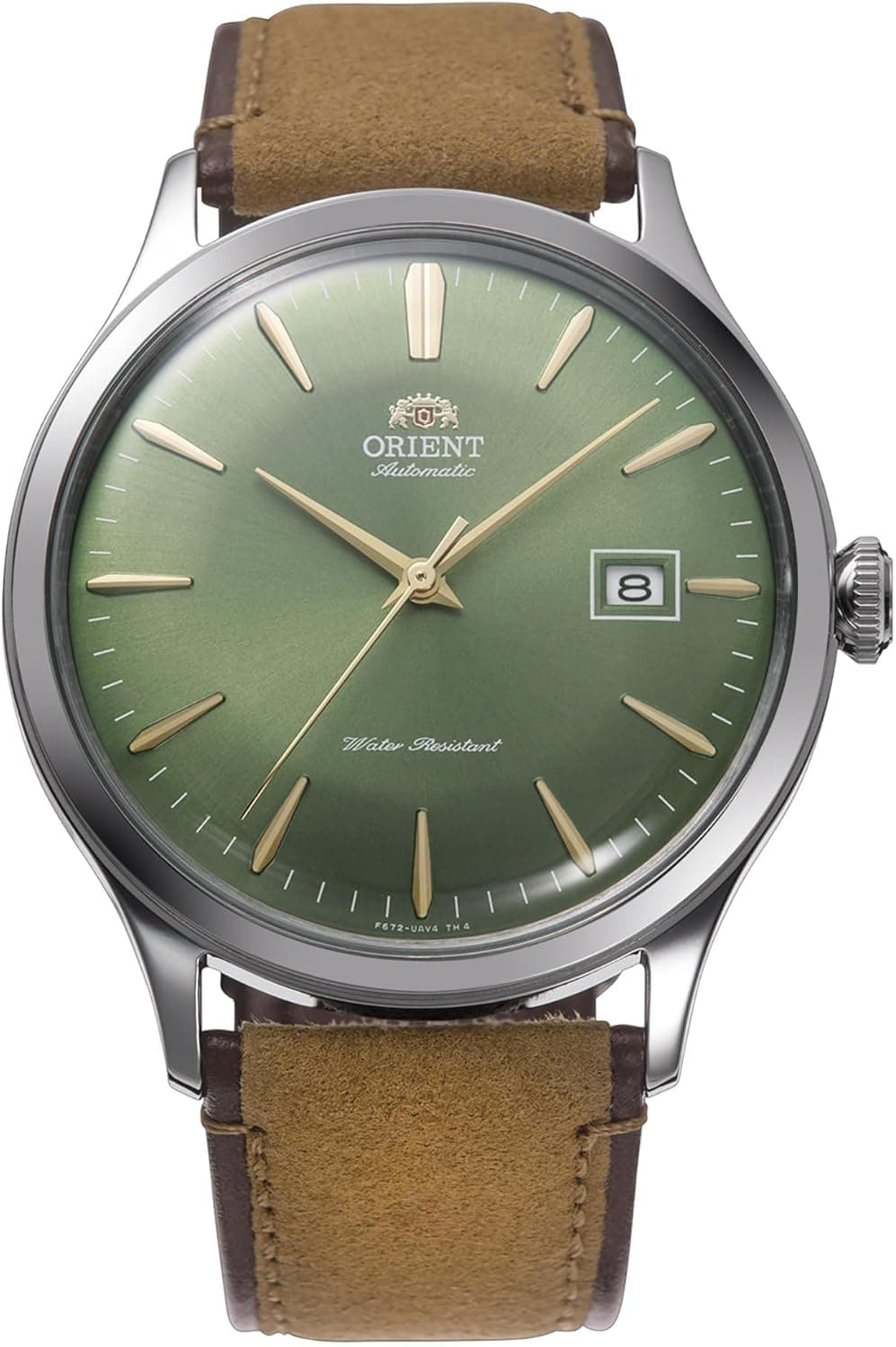
The catalog rests on three pillars. The Bambino is the classic dress piece, driven by the F6724 caliber, with a domed crystal and clean dial; it typically sells between $130 and $220, with the newer Version 7 references (the RA-AC0M family) sitting a touch higher. The Mako, and its more refined sibling the Kamasu, are 200-meter divers powered by the F6922 caliber, a 22-jewel automatic with roughly 40 hours of reserve, generally found between $230 and $340. Above them sits Orient Star: the F6N47 caliber adds a 50-hour reserve and a power reserve indicator, with Contemporary models in the $600 to $700 range. At the top is the F8 family, whose 70-hour M45 moonphase pieces started around $3,040 in 2025.
From a buyer's seat, Orient's real strength is that the money went into the movement, not the case. These watches do not command a secondary-market premium, so you buy one to wear, not to flip, and that makes a clean used Mako or Bambino both easy to find and cheap. When buying, check dial-to-crystal alignment, the click feel of the diver bezel, and that the case carries a genuine Orient reference. Service is helped by the Seiko Epson backbone, though at this price point most owners simply replace rather than commission a full overhaul.
In 2025 Orient marked its 75th anniversary with limited Mako editions; pieces like the Mako 40 launched around €399, while the Orient Star Diver 1964 landed near €1,350. If this is your first Orient, my advice is simple: Bambino for daily dress wear, Mako for an active life, Orient Star if you want a little more watch for the money. All three share the same unpretentious engineering.
Orient watches


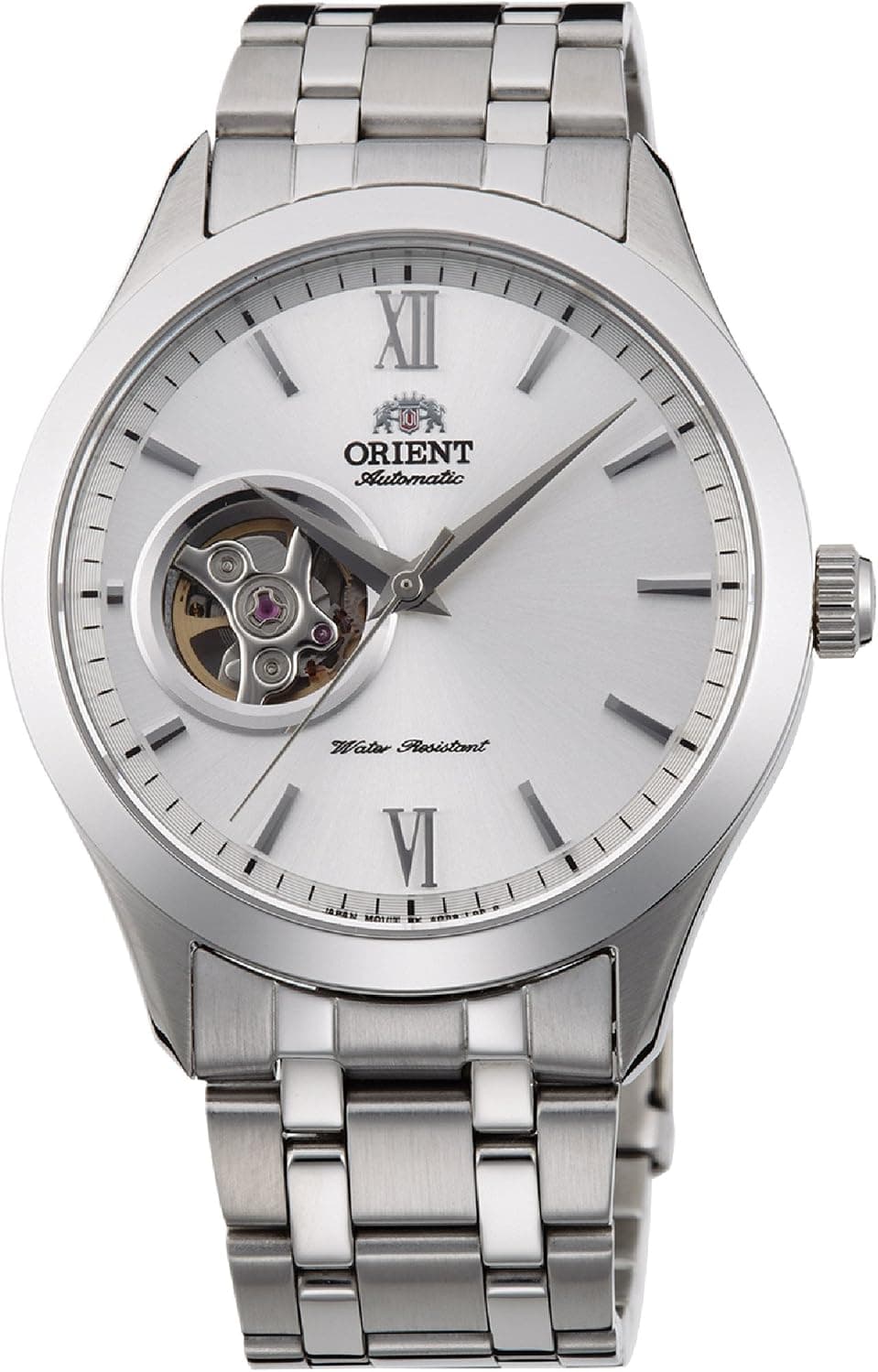
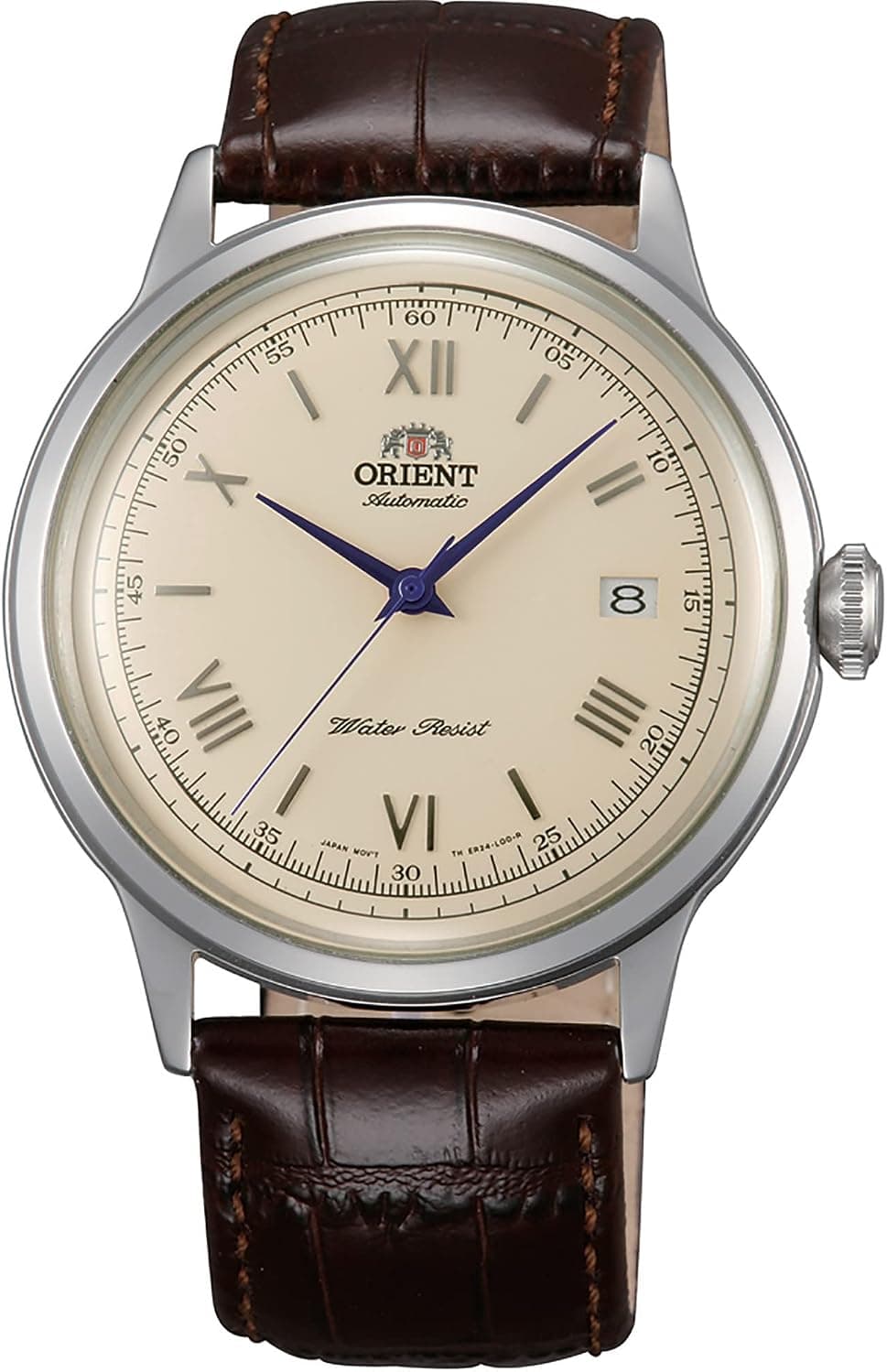
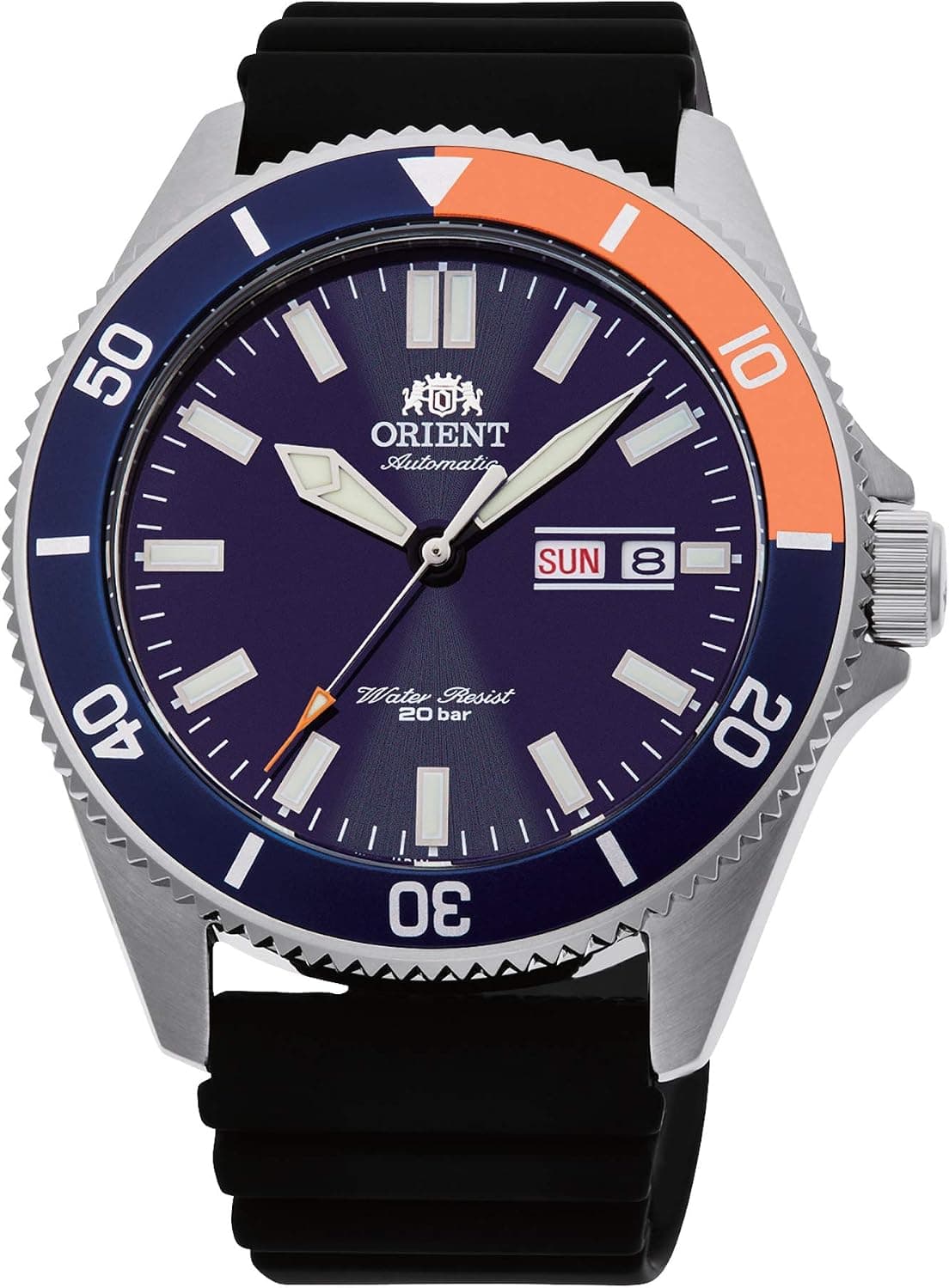
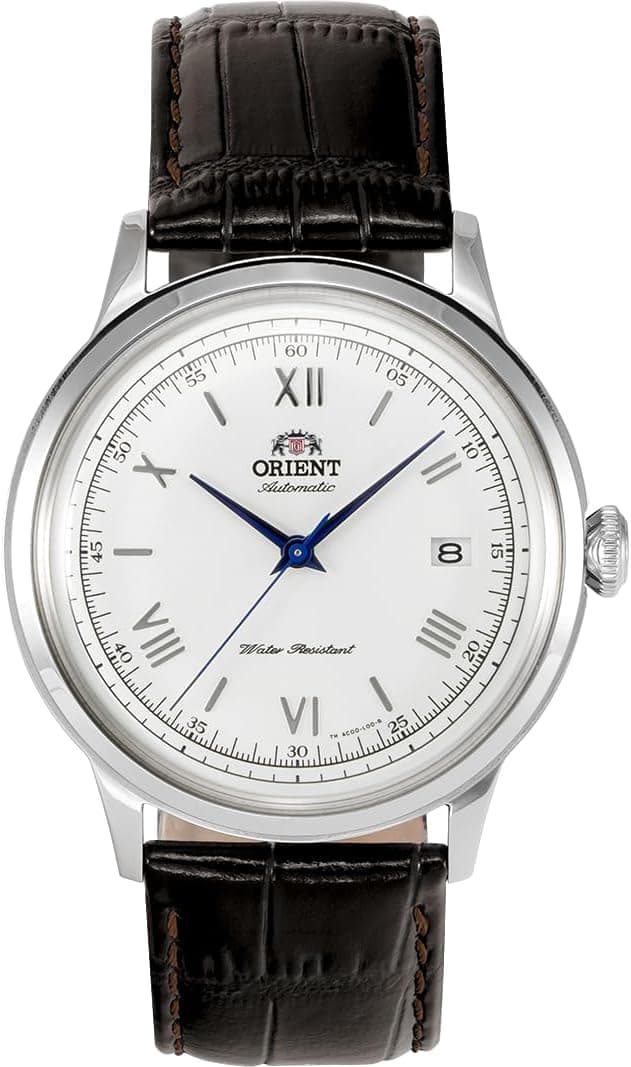
Frequently asked questions
Do Orient watches hold their value?
No, Orient watches do not command a secondary-market premium; you buy one to wear, not to flip. The upside is that a clean used Mako or Bambino is easy to find and very cheap, so set your expectations around enjoyment rather than resale.
Which Orient should I buy first?
For daily smart wear, the Bambino with its F6724 caliber is the answer. For an active life or diving, the 200-meter Mako or Kamasu makes sense. If you want a little more watch, look at the Orient Star Contemporary with its power reserve indicator.
Does Orient make its own movements?
Yes. Under Seiko Epson, Orient produces its own in-house calibers in Japan: the F6724 in the Bambino, the F6922 in the Mako and Kamasu, and the F6N47 with a 50-hour reserve in Orient Star. In-house manufacture is rare at this price.
What is the difference between the Mako and Kamasu?
Both are 200-meter divers running the F6922 caliber. The Kamasu is the more refined version, with a sapphire crystal, a cleaner dial and generally tidier finishing. The Mako is the classic, more budget-friendly option with a similar feature set.
Why does Orient Star cost more than regular Orient?
Orient Star is the brand's upmarket sub-line, offering better-finished cases, sapphire crystals, power reserve indicators and movements like the F6N47. Contemporary models run roughly $600 to $700, while the F8-family moonphase pieces climb above $3,000.