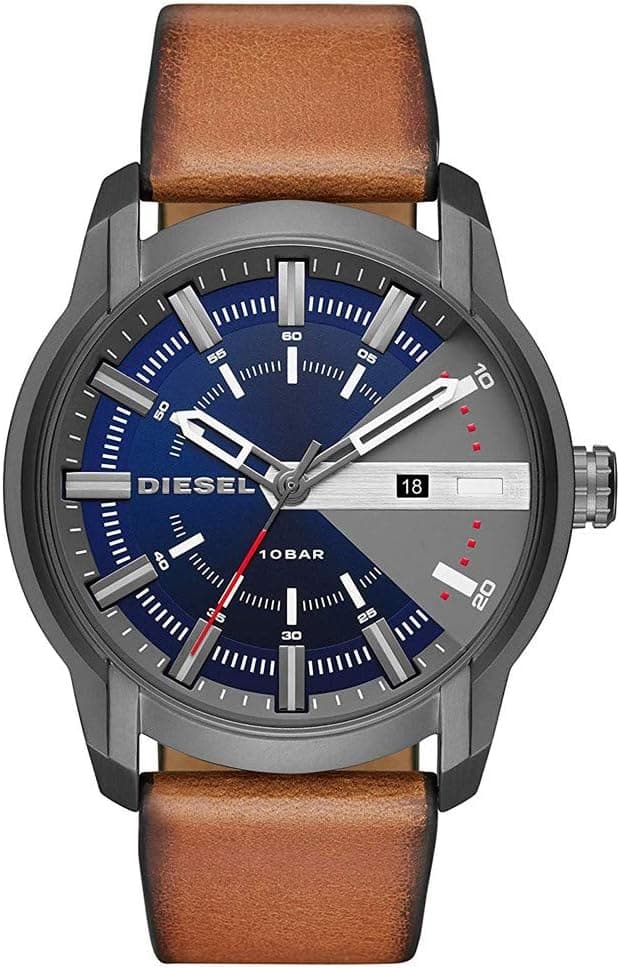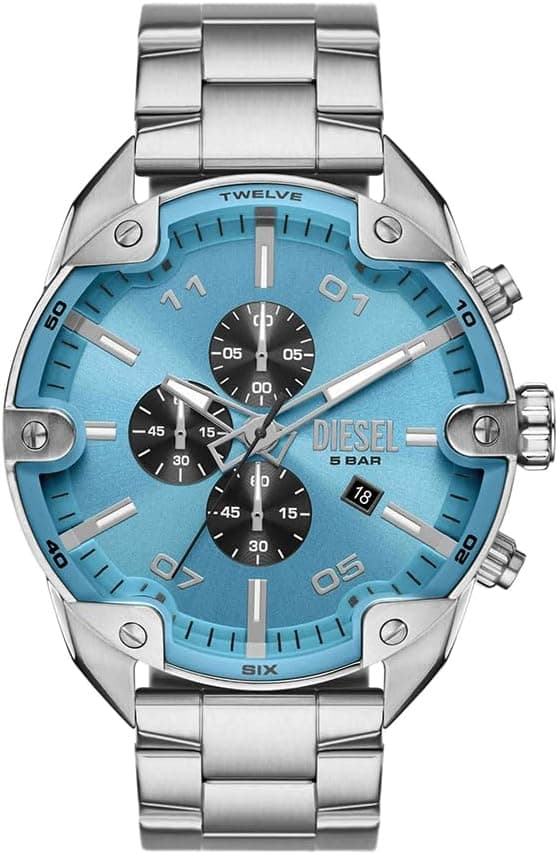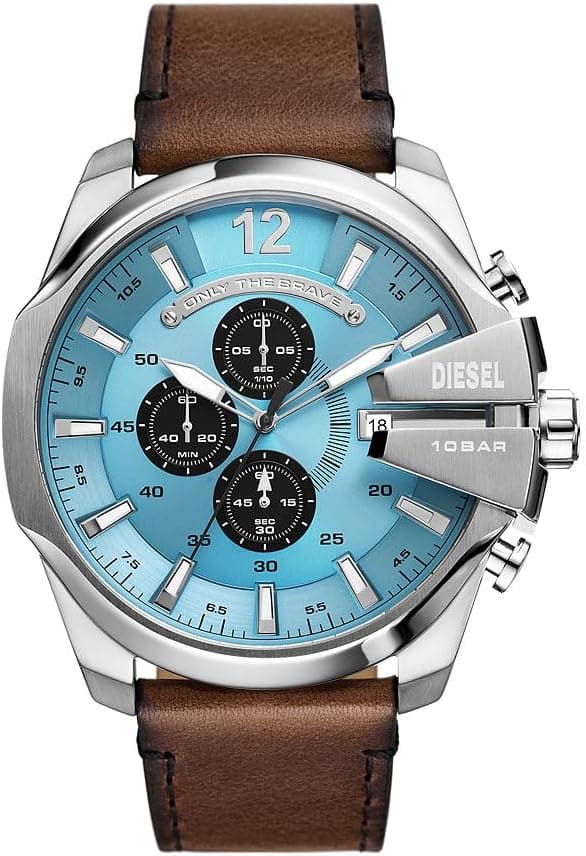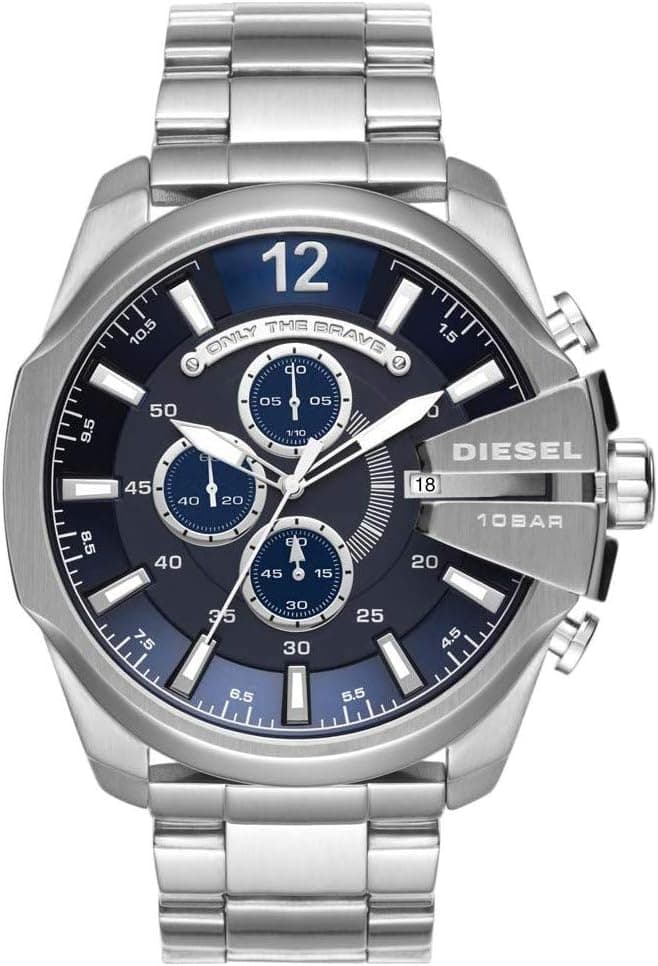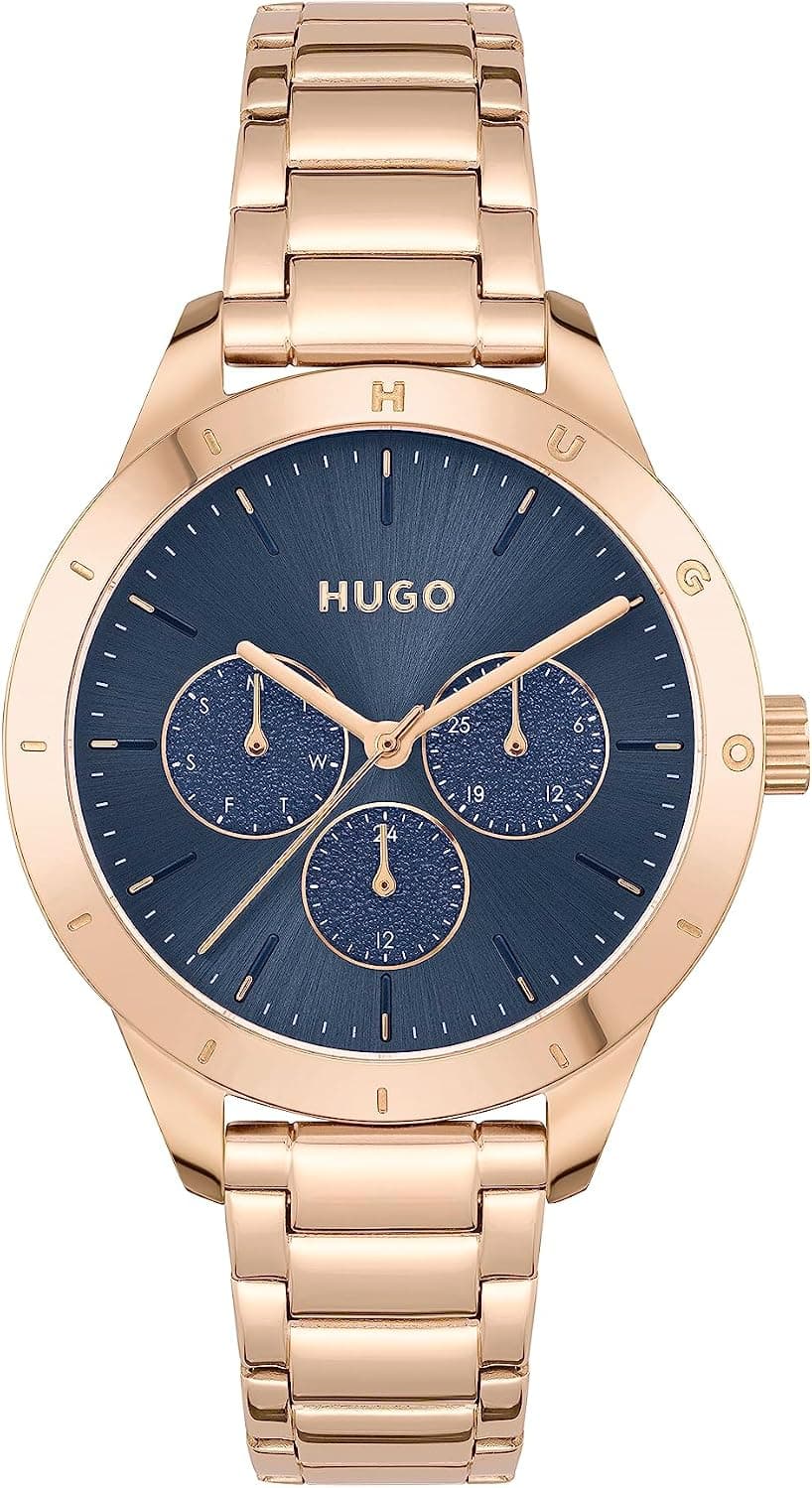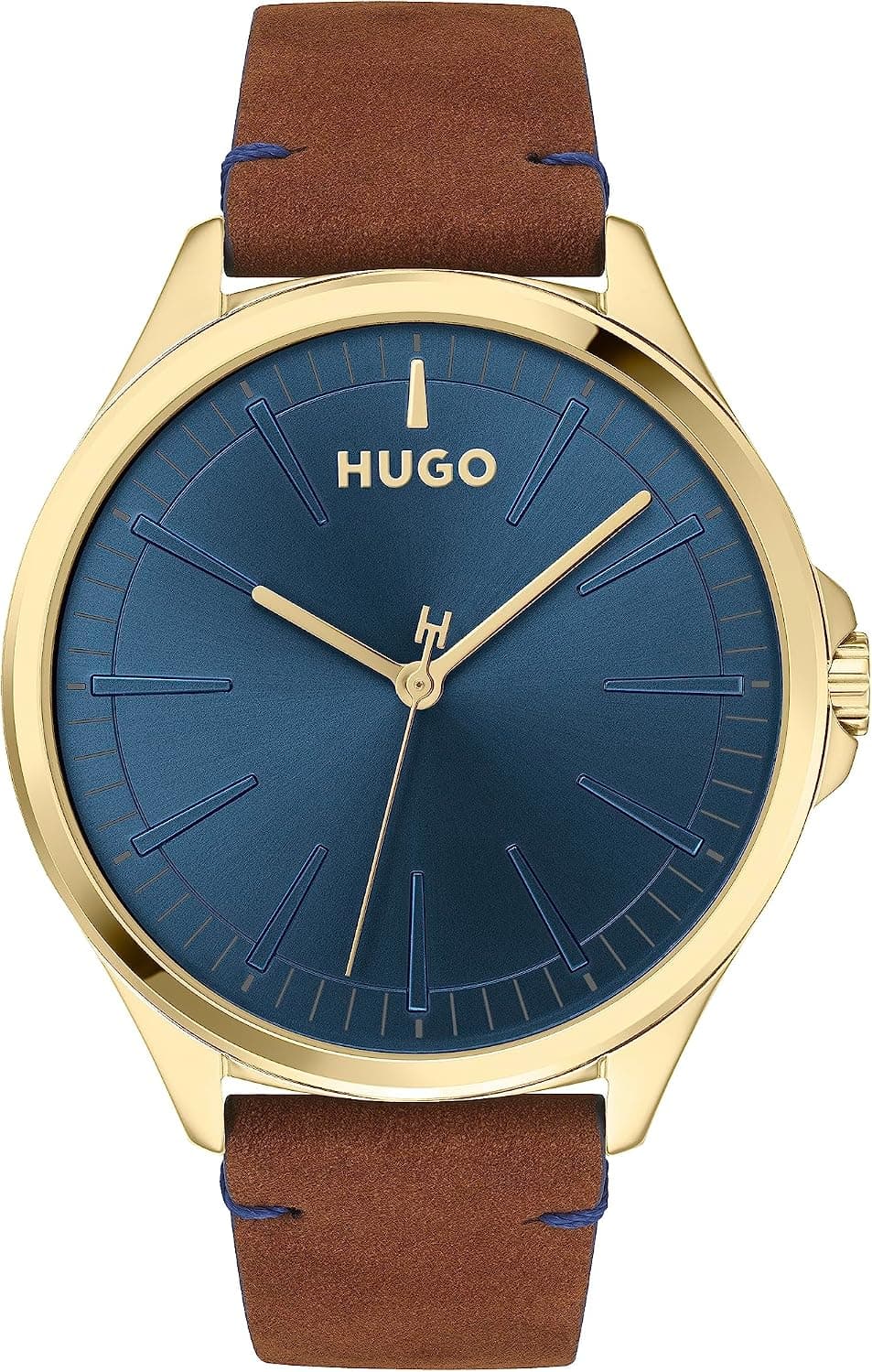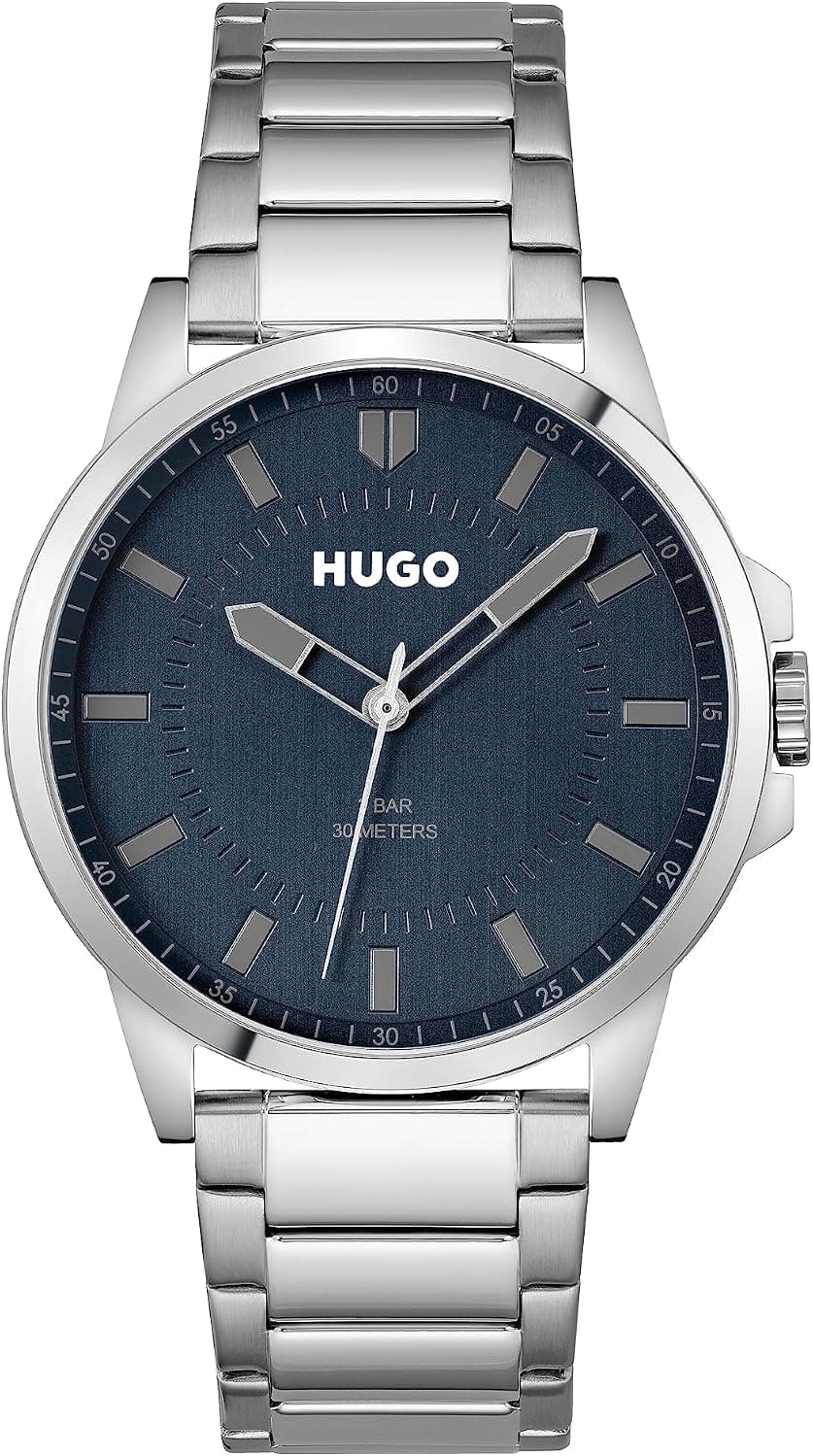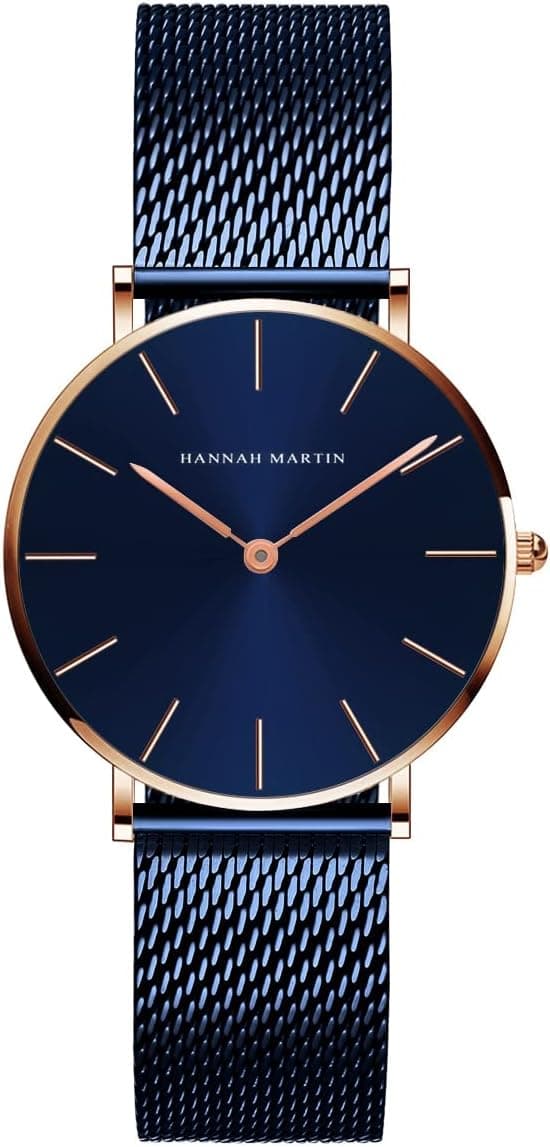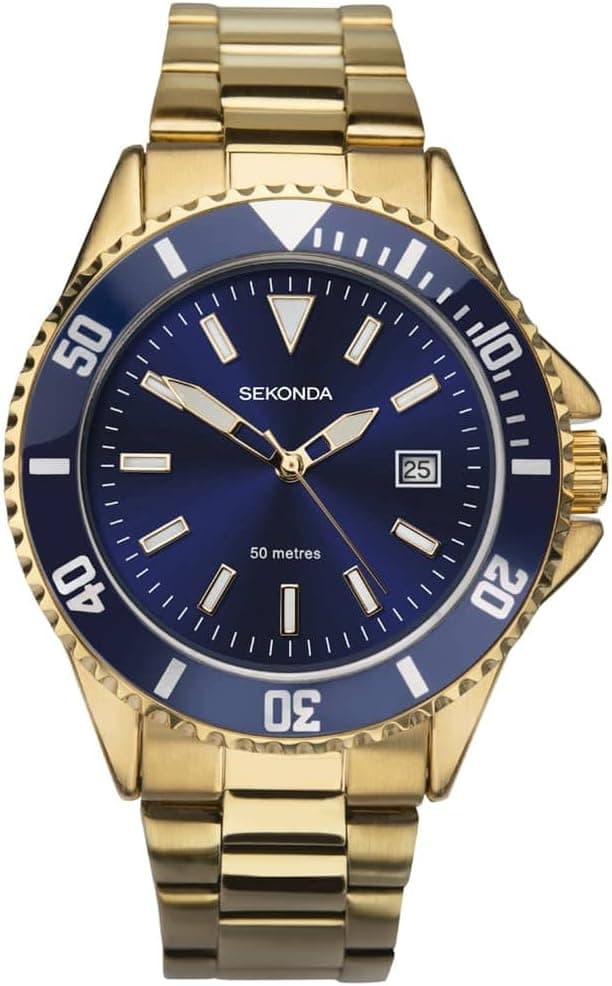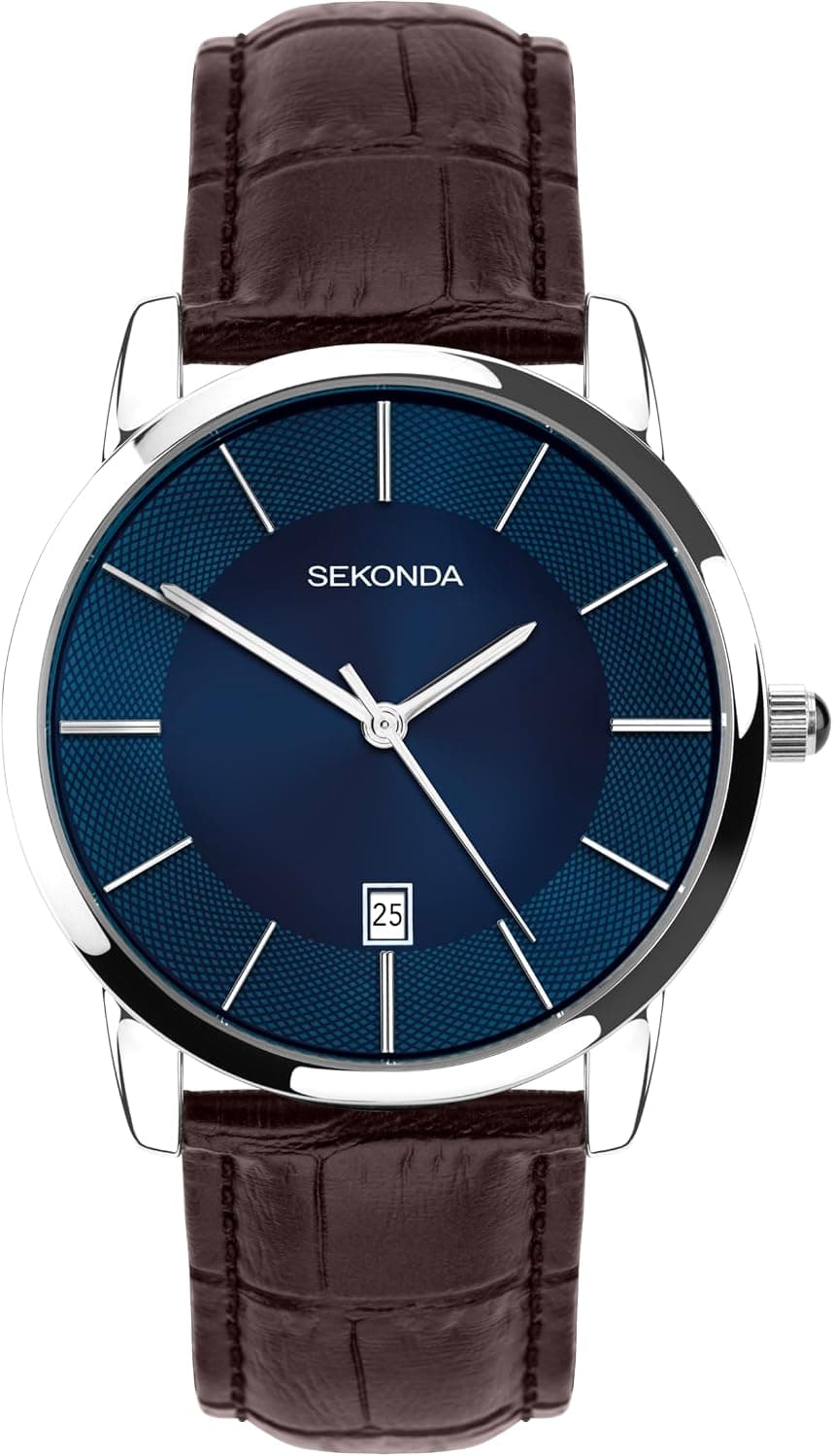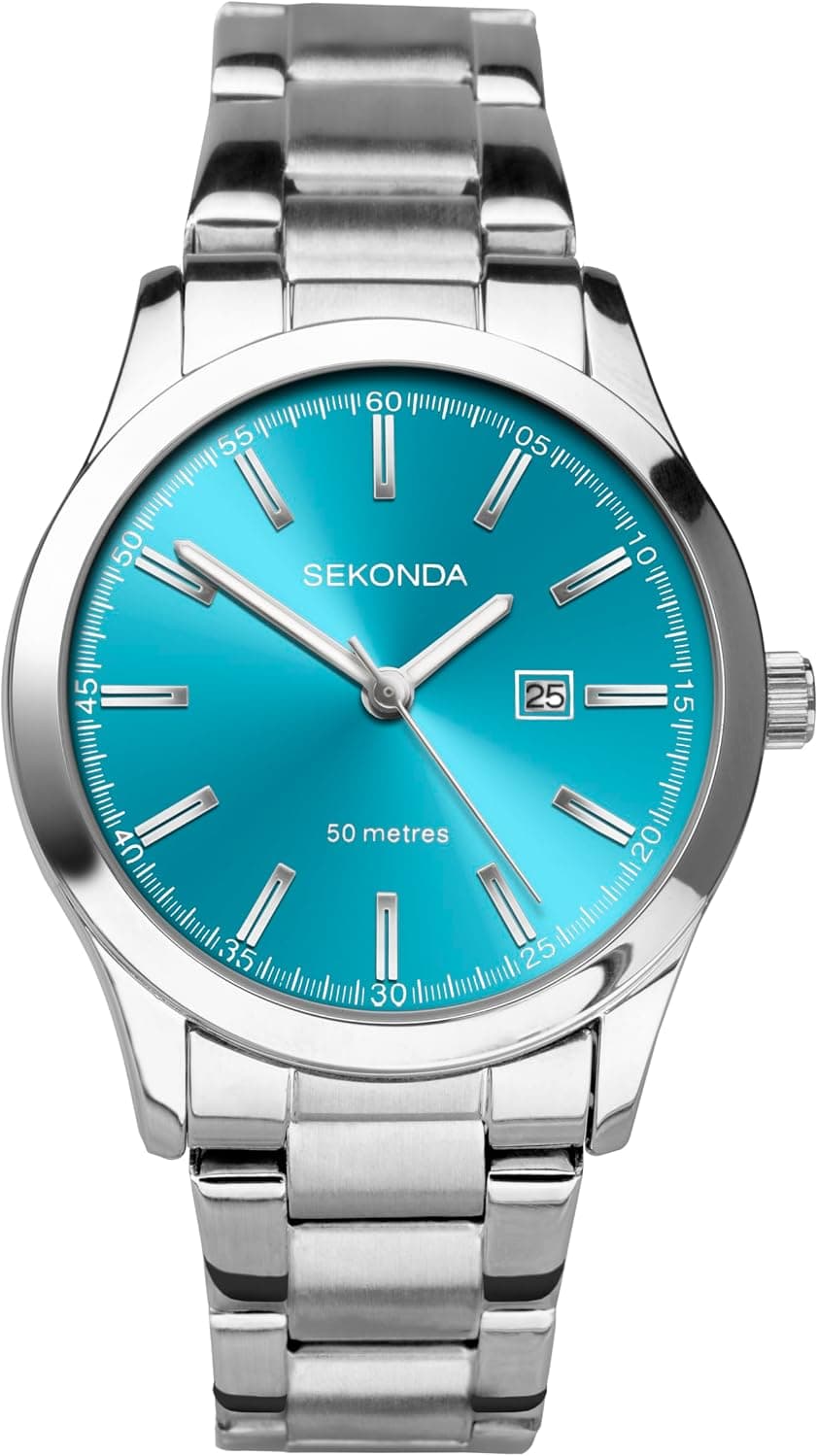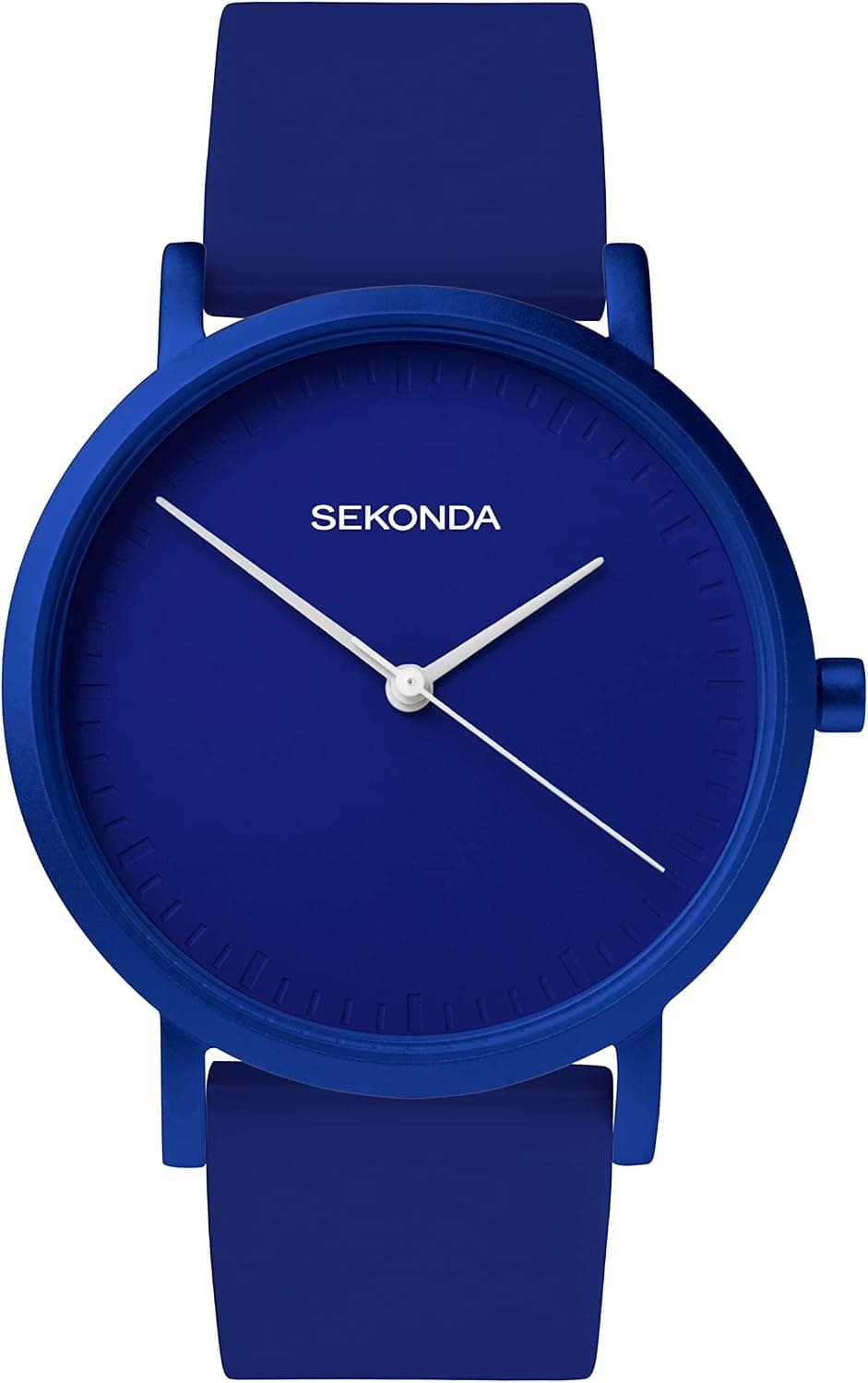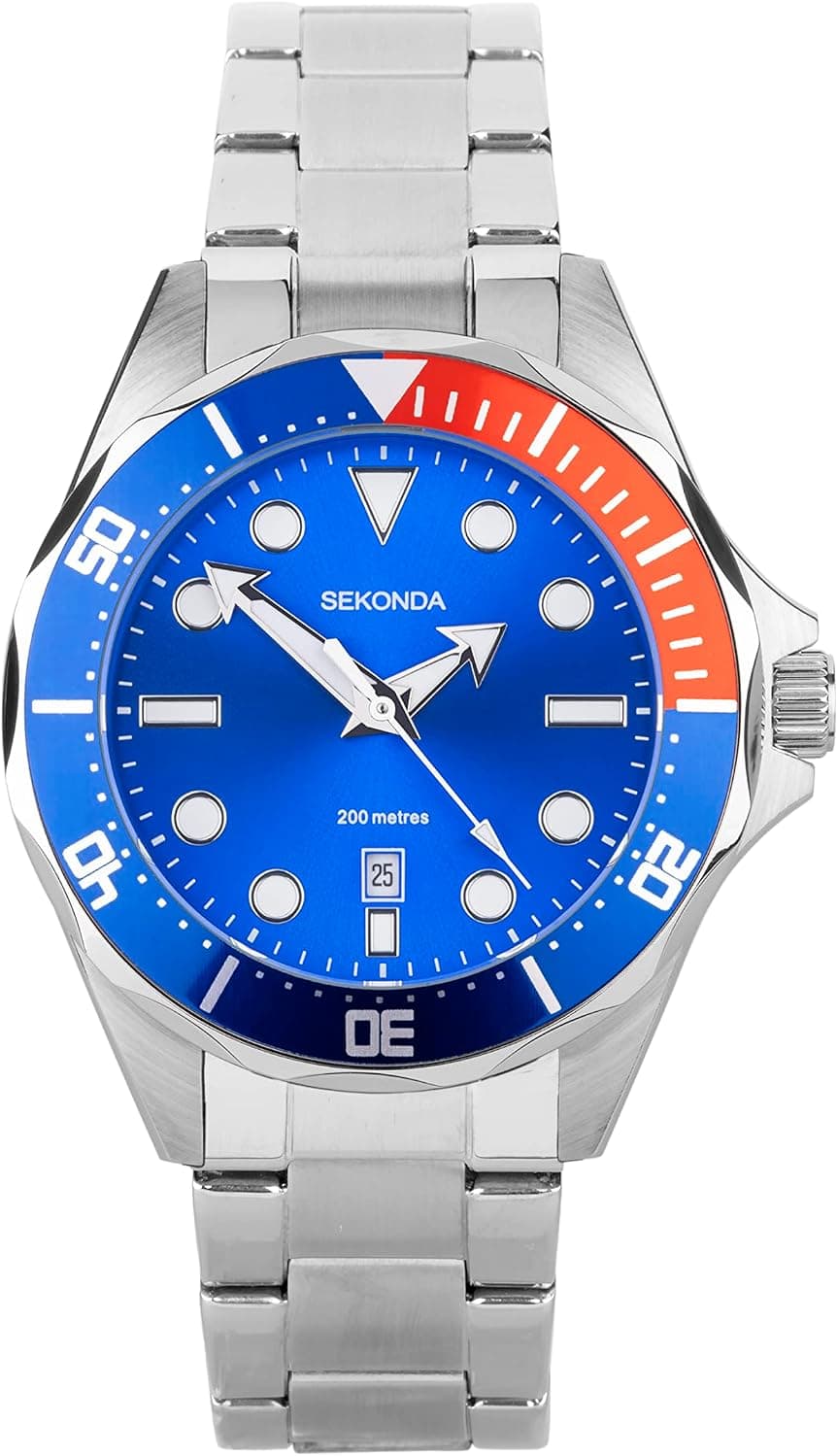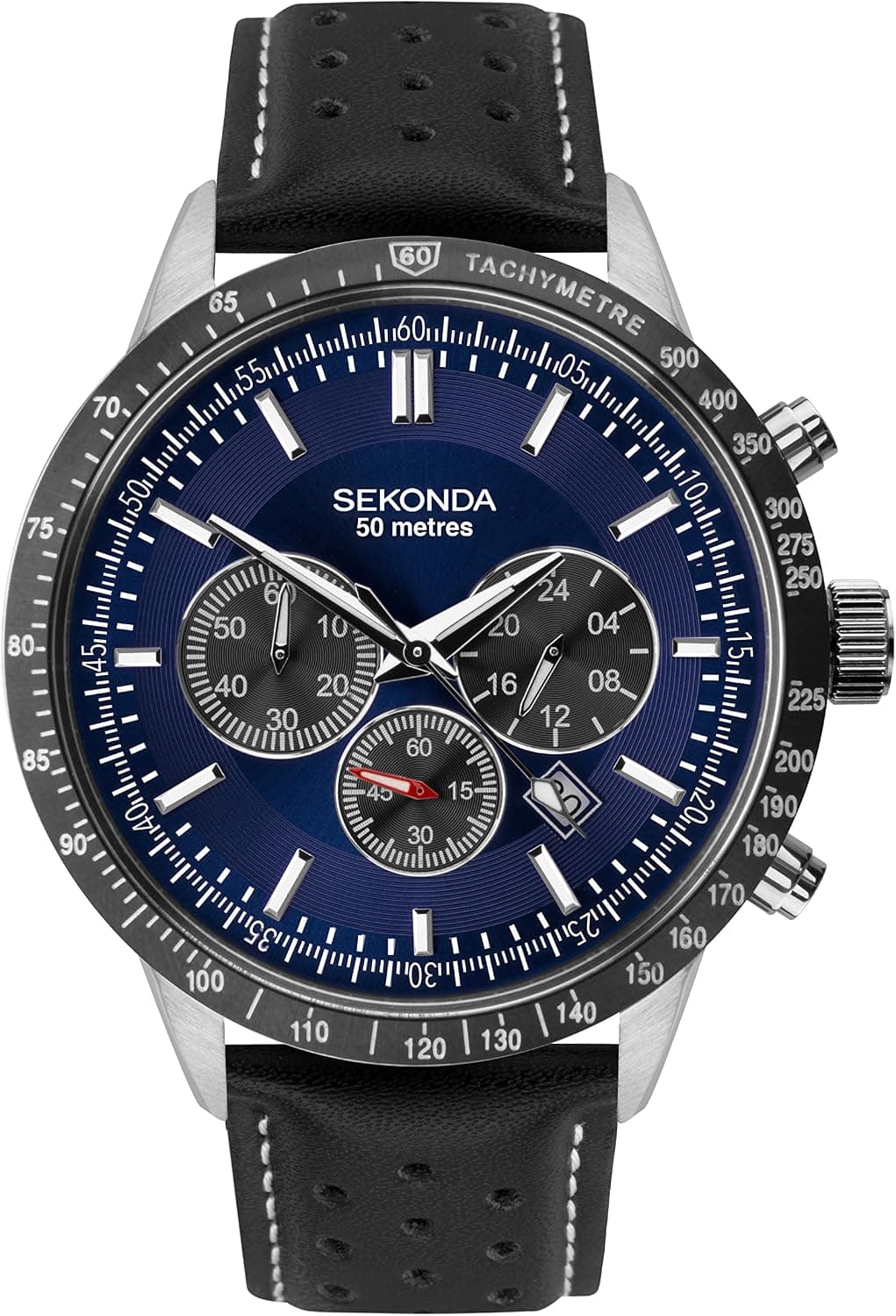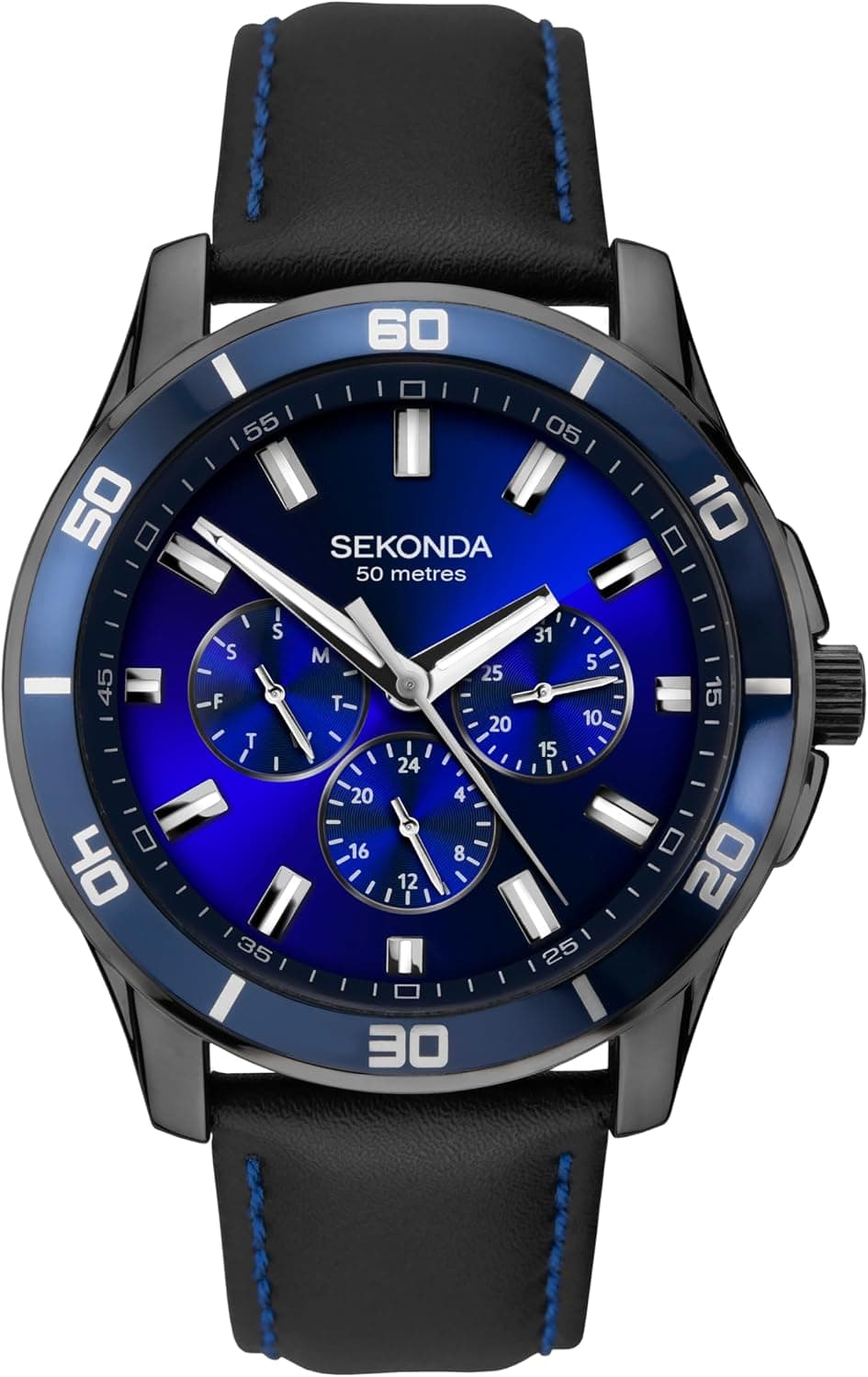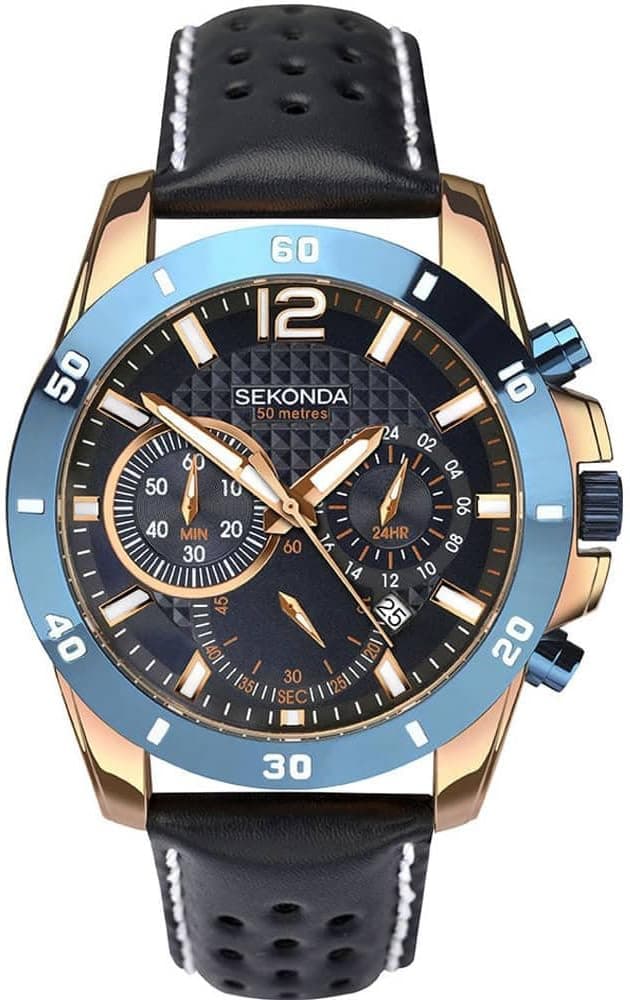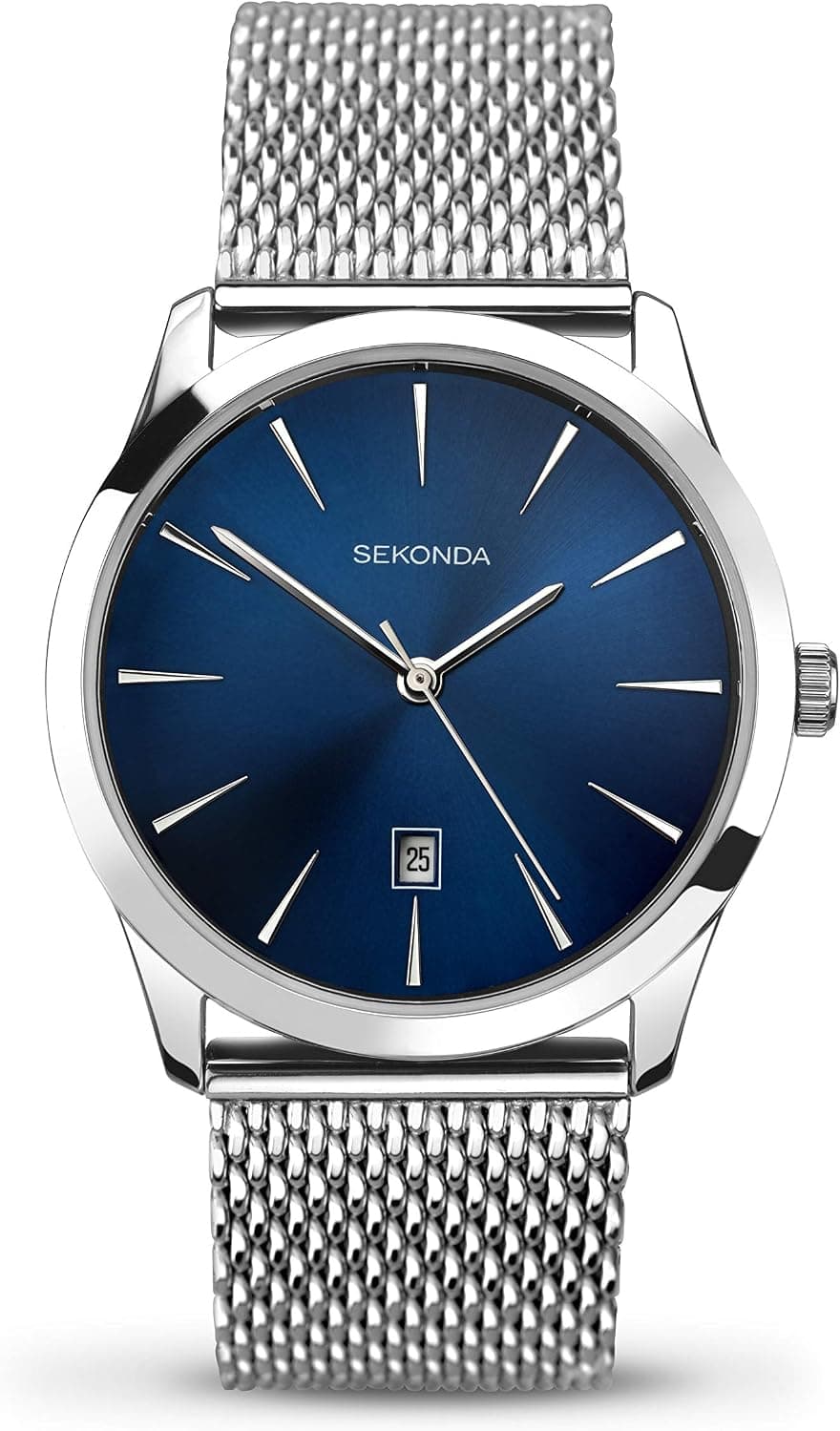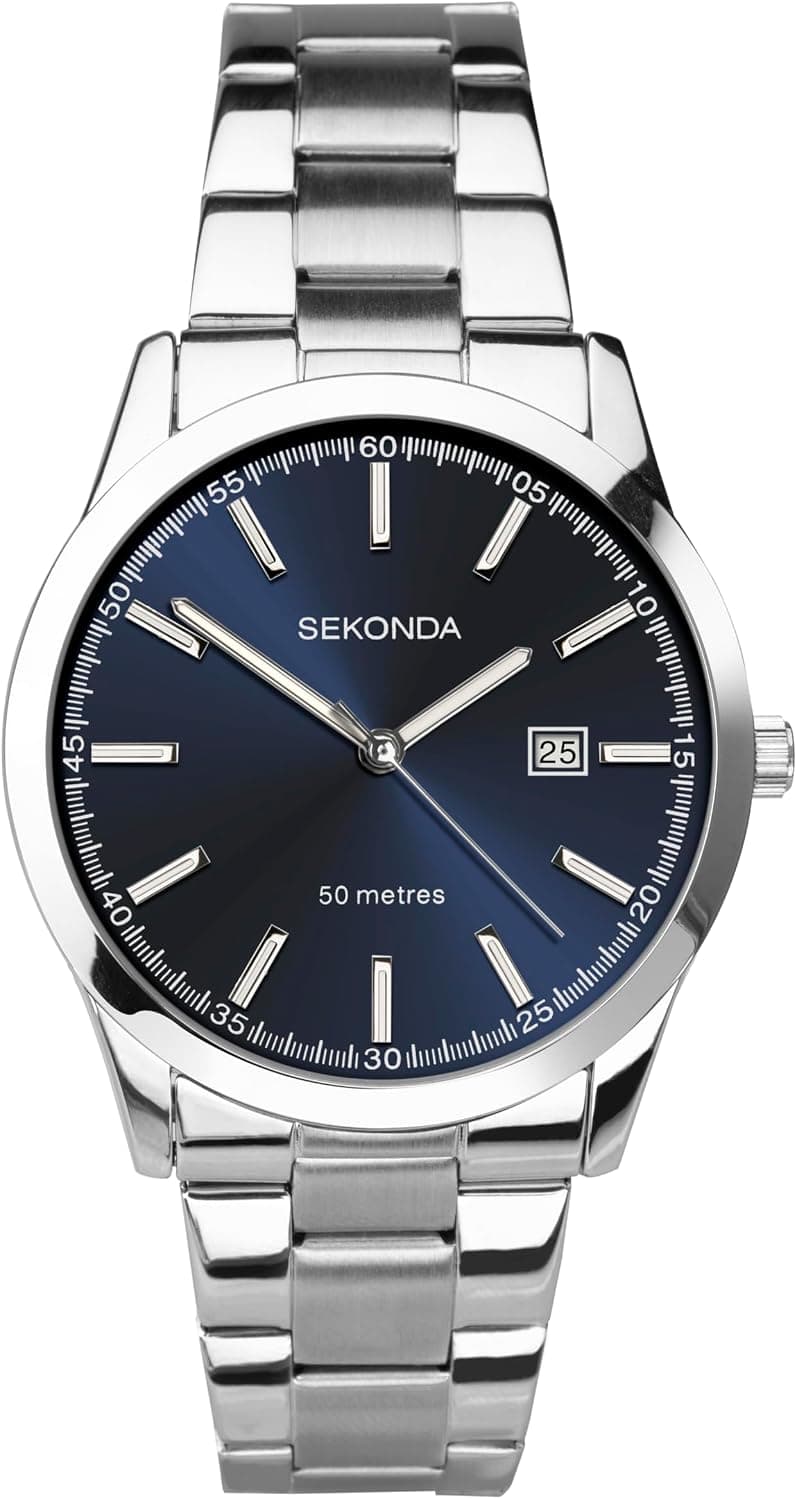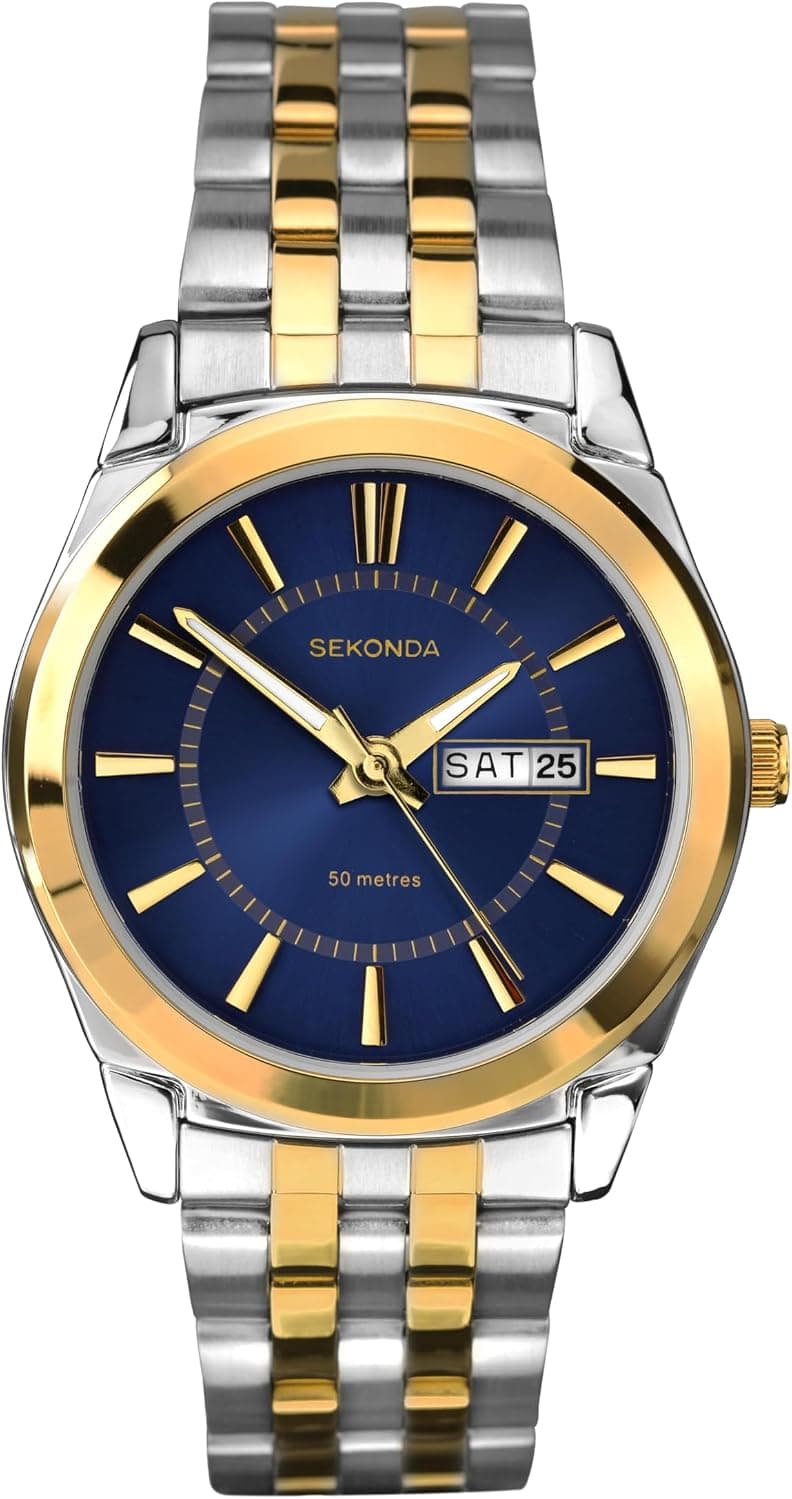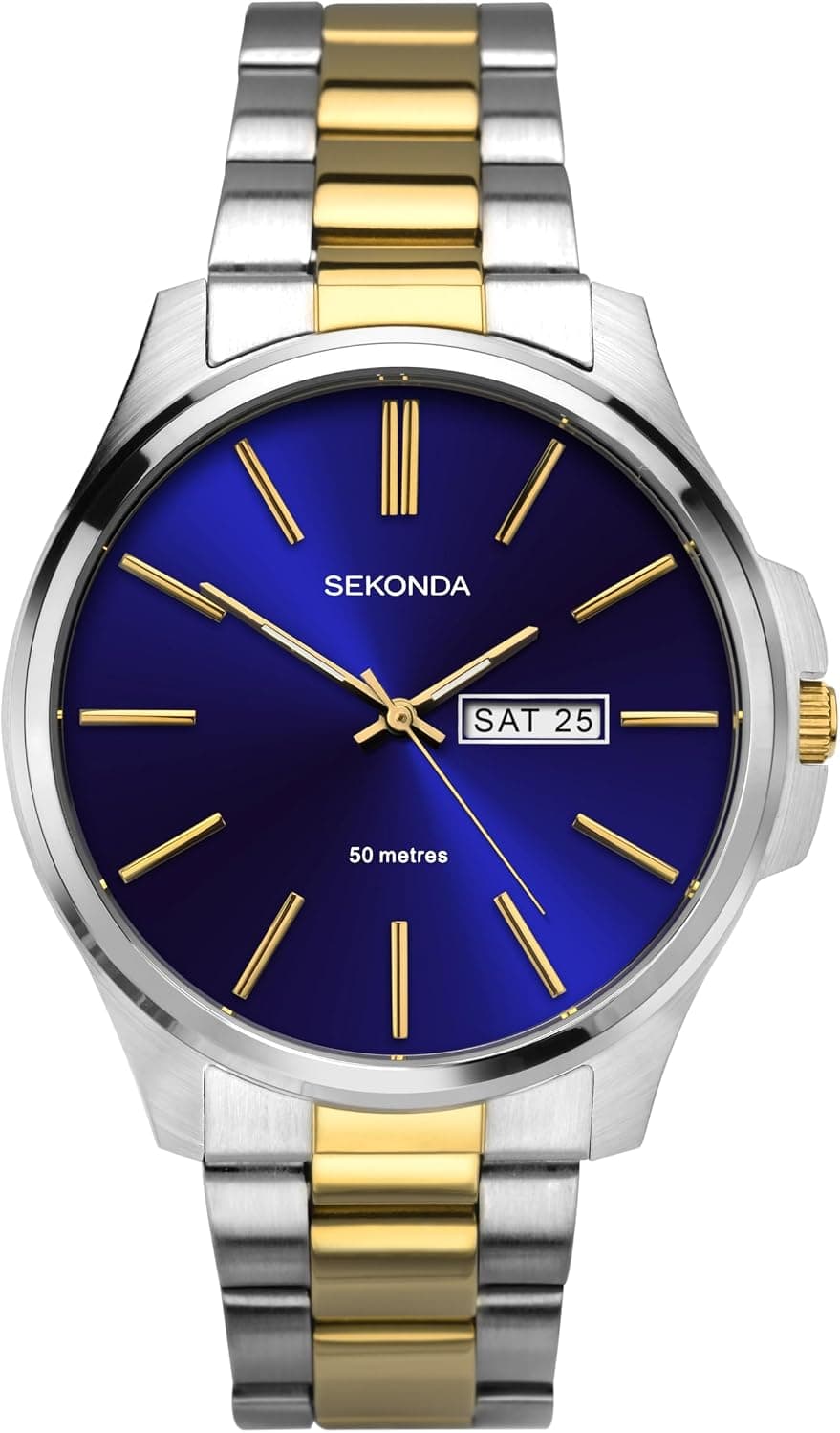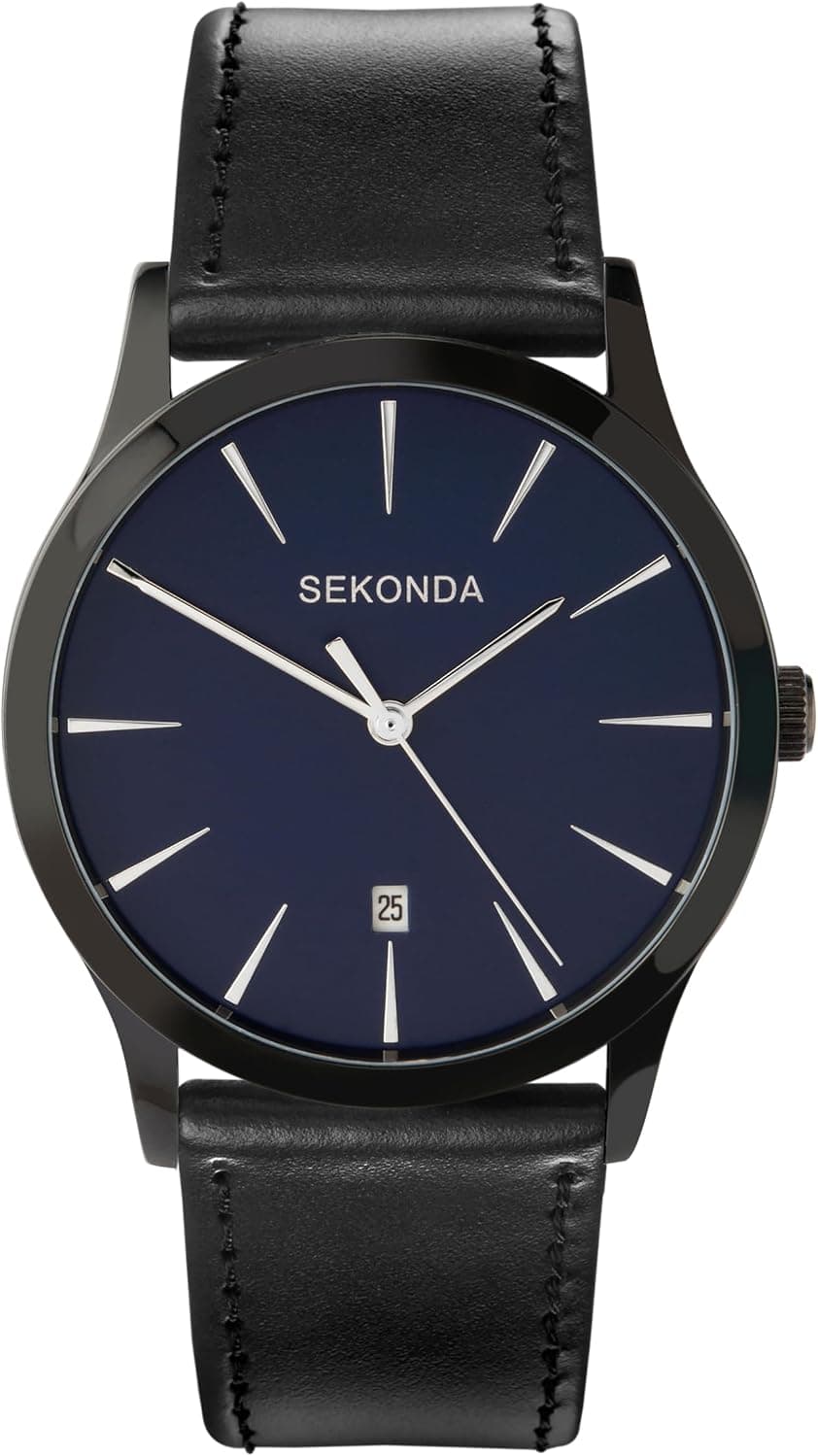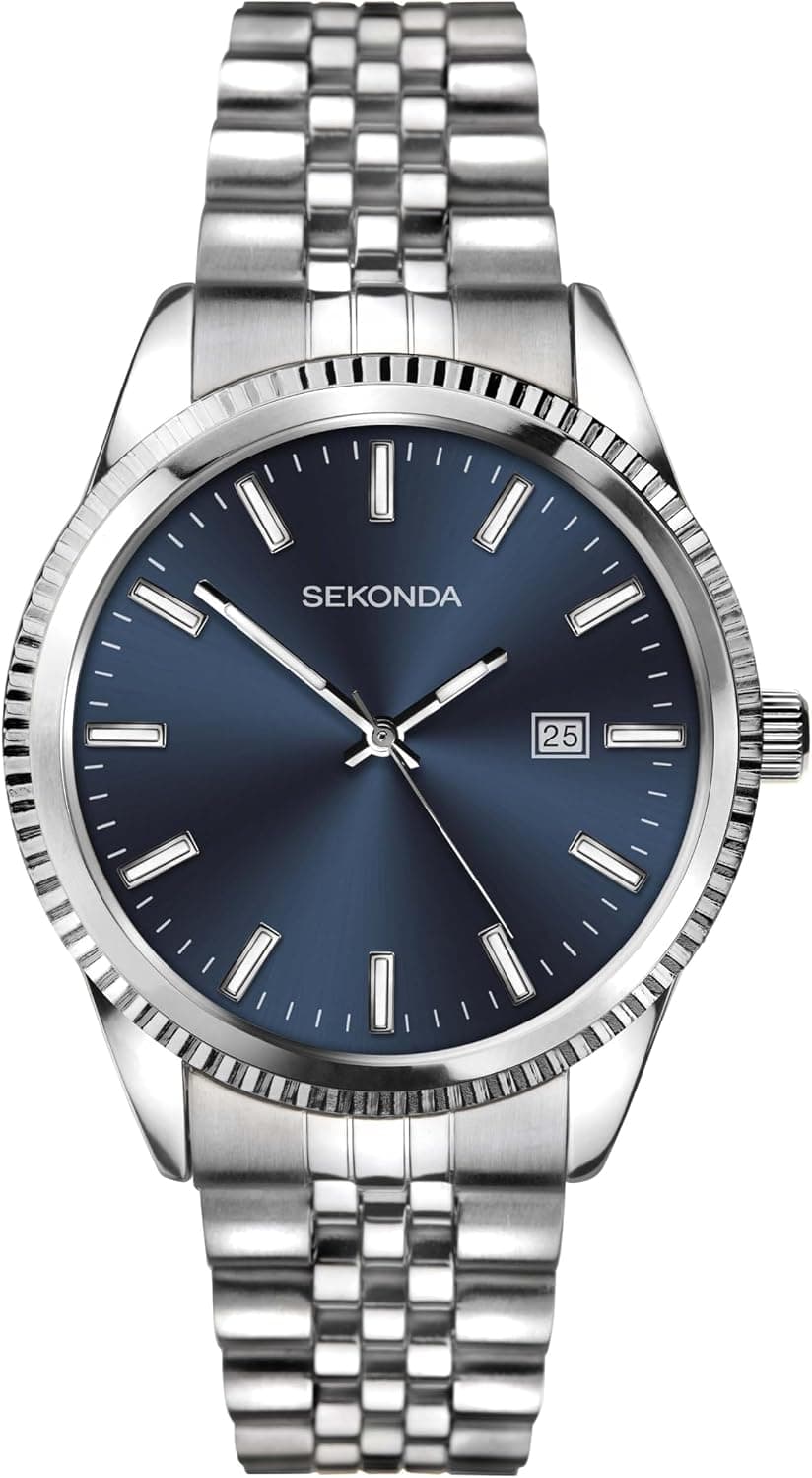
A blue dial is one of the most consequential color choices a watch can make, and there is no single blue. Deep navy, bright royal blue, gray-toned fumé and the cool ice blue reserved for platinum all read very differently on the wrist. Finish matters as much as hue. A sunburst, or sunray, dial uses fine radial brushing that catches light from the center outward, so the watch comes alive as you turn your wrist. A lacquered dial gives a single flat, saturated tone, while a fumé or smoked dial darkens from center to rim for added depth. Blue's rise is not new: Tudor made blue a signature with its Submariner dials in the late 1960s, and today blue makes up a large share of new releases across the industry.
Real examples exist at every level. At the top, the Rolex Submariner 'Smurf' (ref. 116619LB) pairs a glossy lacquered blue dial with a matching Cerachrom bezel, while the gold-and-steel 'Bluesy' uses a sunburst that shifts from electric blue in sunlight to navy indoors; the ice-blue dial is kept exclusively for platinum Day-Date and Daytona models. The Patek Philippe Nautilus 5711 in steel, with its horizontally embossed blue sunburst dial, now trades around $90,000 and up on the secondary market, having cooled significantly from its 2022 peak. In the middle, the Tudor Black Bay Fifty-Eight Navy Blue (ref. M79030B) runs roughly $3,900 to $4,100, and the Omega Seamaster Diver 300M, with its laser-engraved wave-pattern blue dial, sits near $5,490. More accessibly, the Tissot PRX Powermatic 80 offers a sunray blue around $825, and the Seiko Presage Cocktail Time delivers an ice-blue sunray near $425.
When choosing, decide which blue you actually want first. Navy and gray-blue tones work neutrally from suiting to weekend wear, while bright royal blue is showier and feels most at home on a sport watch. Sunburst dials can look flat in photos but reward you in person, whereas lacquered dials stay calm and consistent in any light. Consider the metal too: blue pairs cleanly with steel, makes a warm contrast against yellow gold as on the 'Bluesy,' and turns cooler and quieter against white gold or platinum. On a budget, a sunray finish gives you the most depth for the money without looking flashy.
It helps to think in sub-types. Ice blue is the discreet tell of a platinum case, offering quiet exclusivity in daily wear. Fumé blue suits collectors drawn to vintage aesthetics. Royal and teak blue, as on Omega, belong to a sporty identity, while deep navy leans dressy. Whichever you pick, blue's real advantage is flexibility: one watch that can look formal or relaxed depending on what you wear with it.