


AmazfitBudget
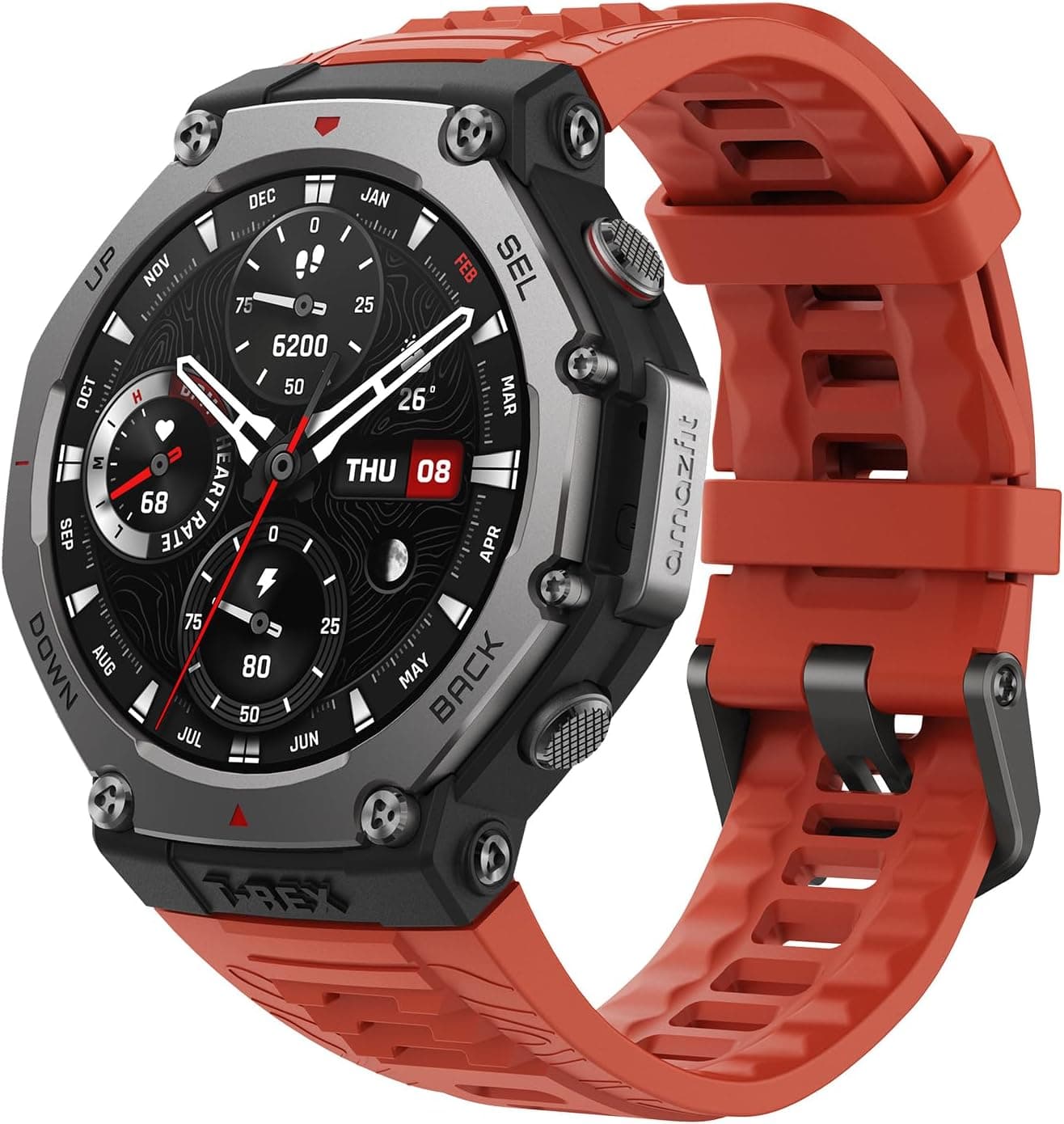
Founded in Beijing in 2015 by Wang Huang under Huami (later Zepp Health); the T-Rex Pro outdoor smartwatch and GTR 4 AMOLED operate in the $100-300 price band.
Amazfit is the budget smartwatch brand born in 2015 under Zepp Health. It built its reputation on long battery life, dual-band GPS and subscription-free health tracking at prices that undercut Garmin and Apple by a wide margin.
Amazfit began as the consumer brand that Chinese wearables maker Huami launched in 2015, with the first Amazfit smartwatch arriving in August 2016. The company traces back to 2013, when Wang Huang founded Anhui Huami, originally a Xiaomi-backed spinoff; Huami renamed itself Zepp Health Corporation in February 2021. The brand now sells in more than 90 countries, and the group has shipped over 200 million units. Everything runs on Zepp OS, the company's proprietary operating system, paired with the Zepp Flow voice assistant, the Zepp companion app and a BioTracker PPG sensor that carries across the entire catalogue.
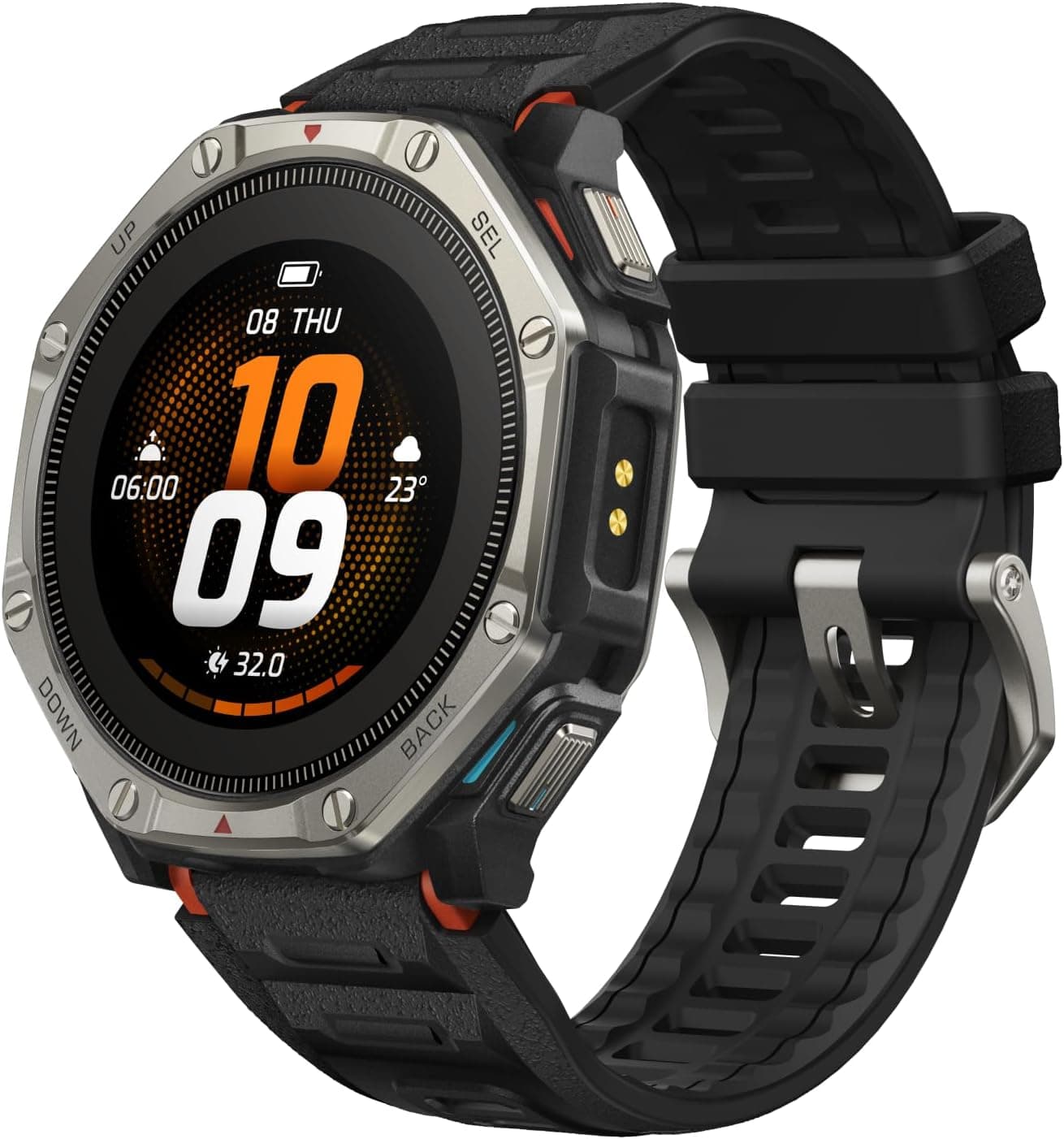
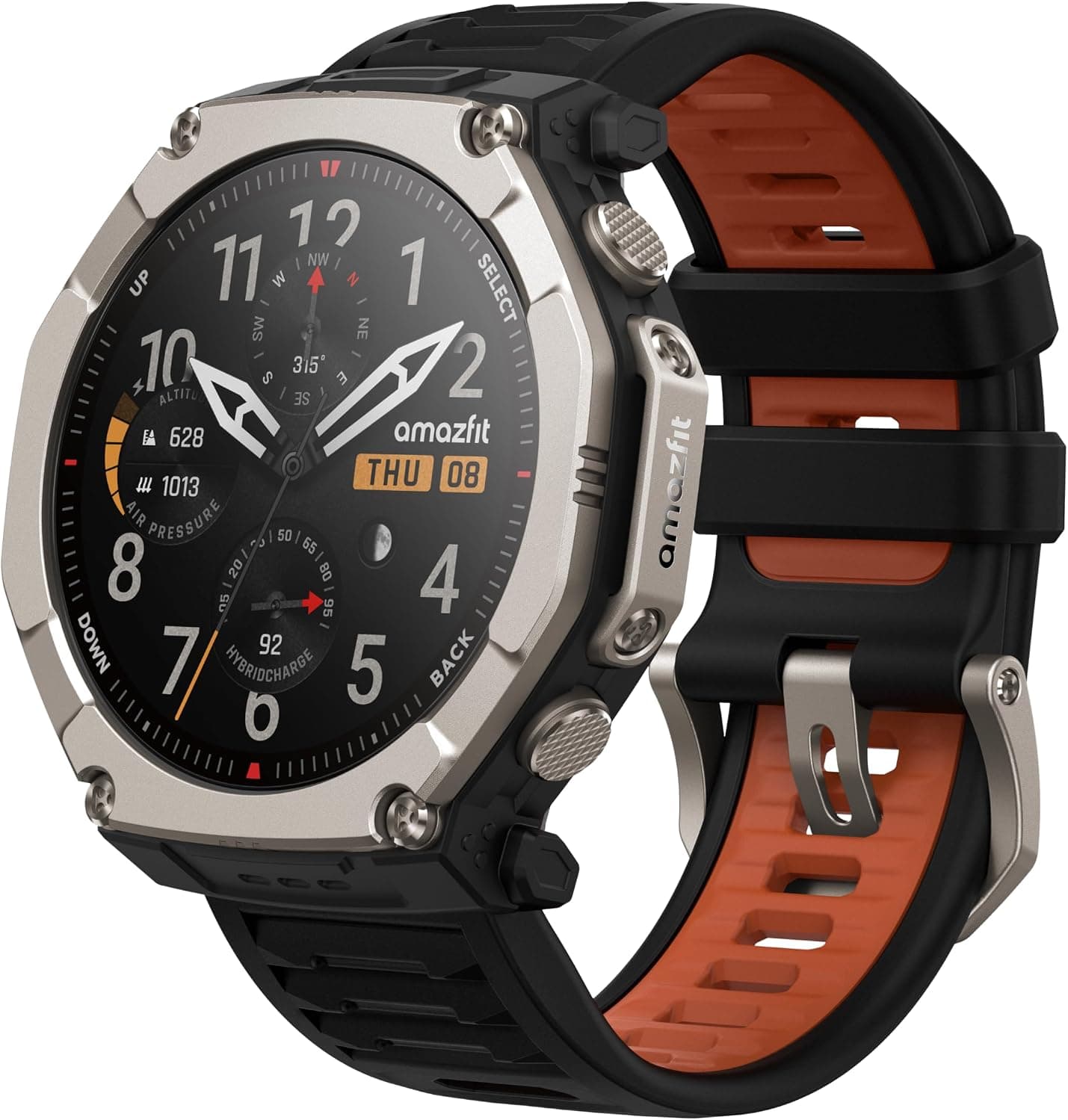
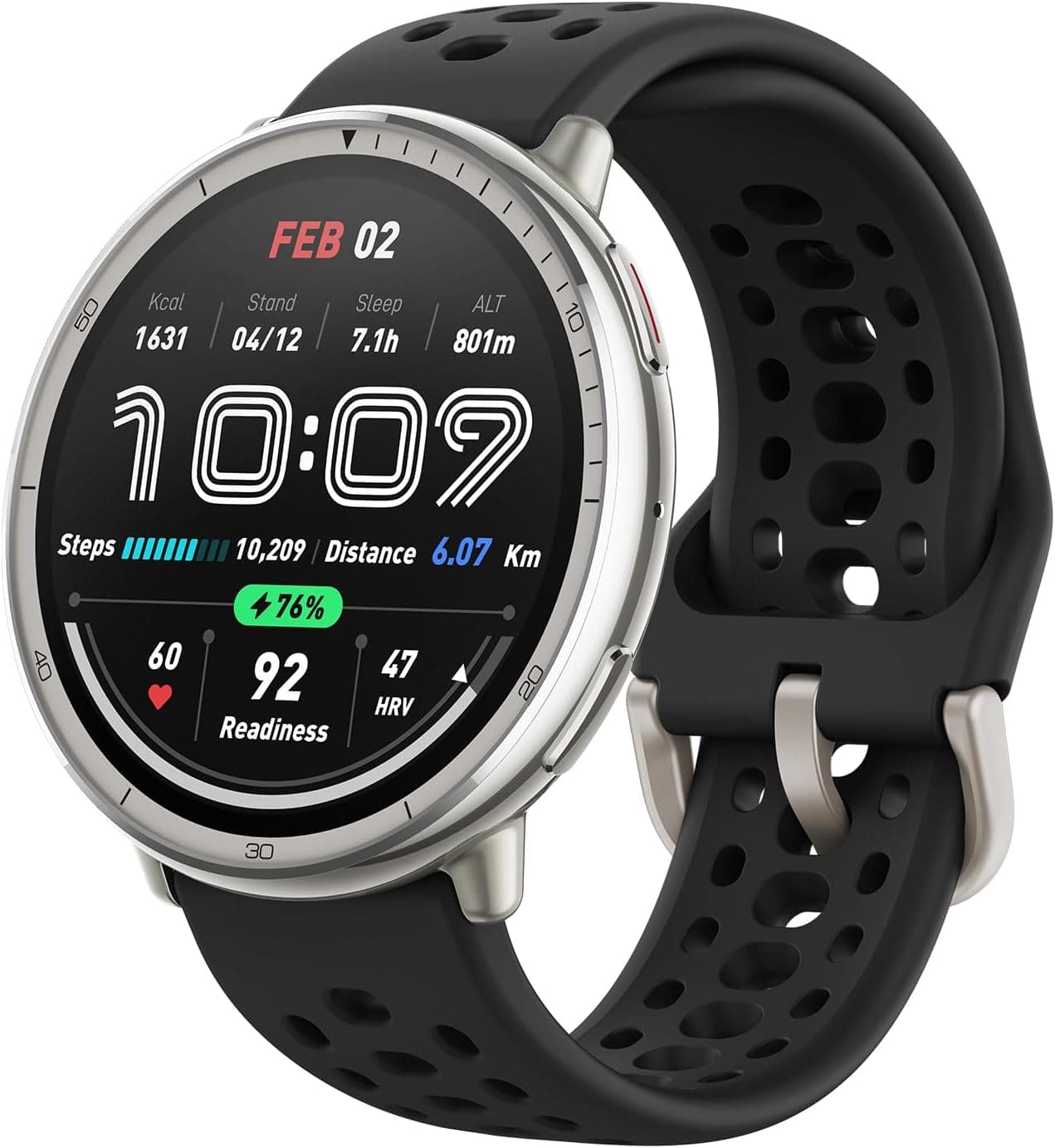
The range is a genuine price ladder, and that is the point. At the entry level sits the Bip 6 at around £70: a 46mm case, a 1.97-inch AMOLED, built-in GPS across five satellite systems, up to 14 days of battery and Bluetooth calling. The Active 2 starts near £100 in a 44mm stainless case on Zepp OS 4.5, with a sapphire-and-leather premium version close to £120. Higher up, the Balance 2 is the one I steer most buyers toward at roughly £250: 47mm, sapphire crystal, an aluminium body, 10 ATM and a 45m dive rating, dual-band L1+L5 GPS, offline maps, a 658 mAh cell good for up to 21 days, and FDA-cleared ECG in some markets. For the outdoors there is the T-Rex 3 Pro from about £320, with a 48mm titanium bezel, MIL-STD-810H toughness, a 3000-nit display, a built-in flashlight and up to 25 days of runtime. The T-Rex Ultra 2 pushes the brand into a roughly £440 bracket.
What makes Amazfit compelling to a buyer is how much hardware lands for the money. Finding sapphire glass, dual-band GPS and a dive rating in one sub-£250 package is rare in this segment. There are things to check before buying: certain health features, ECG in particular, can be region-locked, so confirm what is actually active in your market. The core tracking needs no subscription; only the Zepp Aura AI layer carries an extra fee, roughly £60 a year. Resale value in this tier is effectively nil, so buy an Amazfit to wear and use, not to hold value.
On positioning, Amazfit is clearly reaching upmarket in 2026. Zepp Health is chasing the performance category that Garmin has long led, with pricier models and smarter training tools. Even so, the brand's heart stays at the accessible end, and that is where it earns its keep: for a first-time smartwatch buyer who wants weeks of battery and no ecosystem lock-in, Amazfit remains one of the smartest starting points on the market.
Amazfit watches




Frequently asked questions
Which Amazfit should I buy as my first smartwatch?
On a tight budget, the Bip 6 at around £70 is a smart start: AMOLED screen, GPS and 14-day battery. If you want more, the Balance 2 at roughly £250 is the most balanced pick in the catalogue, with sapphire crystal, dual-band GPS and a dive rating.
Do Amazfit watches require a monthly subscription?
No. Core tracking, heart rate, sleep, SpO2 and GPS, is fully free and needs no subscription in the Zepp app. Only the Zepp Aura AI layer carries an extra fee, roughly £60 a year, and it is entirely optional. You lose nothing essential by skipping it.
What's the difference between the Balance 2 and the T-Rex 3 Pro?
The Balance 2 (around £250) is built for everyday wear and looks good with a suit. The T-Rex 3 Pro (about £320) is the rugged outdoor choice: titanium bezel, MIL-STD-810H toughness, a built-in flashlight and up to 25 days of battery. Pick the T-Rex for trail and adventure use.
Do Amazfit watches hold their value on the used market?
No. In the budget tier, resale value is effectively nil, so don't expect to recover much. Buy an Amazfit to wear and use for its long battery and daily health tracking, not as an investment. New models arrive quickly, which pushes older device prices down fast.
Does the Balance 2 ECG work in every country?
No, ECG is region-dependent. The FDA-cleared ECG was enabled in North America through a firmware update, but it can be locked in other markets, including parts of Europe. Before you buy, confirm which health features are actually active where you live, since region locks vary.