

What Watch Servicing Costs
 Serdar D.Watch Editor
No single number sets the cost of a watch service. Whether the movement is mechanical or quartz, the brand, the parts required, and your local watchmaker's rates all shape it. A mechanical watch wants a full service every few years, while a modern Eco-Drive needs almost none. What matters is cost relative to the watch's value.
Key takeaways
- A full service is not just oil: it covers teardown, cleaning, lubrication, reassembly, regulation, and usually new gaskets with a pressure test.
- Four factors set the cost: mechanical versus quartz, the brand and caliber, the parts required, and your local watchmaker's rates.
- Mechanical watches want a service every few years; an Eco-Drive like the Citizen Classic Corso needs almost none for years.
- With no symptoms (drift, stopping, fogging), sending a watch in just because the calendar says so is often unnecessary.
- On valuable mechanical watches, keeping service invoices, the box, and papers protects resale value.
What a service actually includes
Most people picture a drop of oil when they hear "service," but a full service is far more than that. A watchmaker strips the watch down completely, cleans every part of the movement, removes the old lubricant, re-oils, and reassembles it. The watch is then regulated for accuracy across several positions. The gaskets that protect water resistance are usually replaced, and the watch is pressure tested. Most of the cost, then, is not parts but the watchmaker's hours of skilled labor.
What drives the cost
Four factors shape the price.
- Mechanical versus quartz. A mechanical watch needs dozens of tiny parts hand-serviced, which is the most expensive work. Quartz is far simpler and therefore cheaper.
- Brand and caliber. A brand's own service center usually prices higher than an independent watchmaker, and movements with rare or proprietary parts cost more to maintain.
- Parts required. A worn mainspring, a cracked crystal, or new water resistance gaskets all push the bill up.
- Region and watchmaker. Rates vary widely from city to city and shop to shop, which is exactly why quoting a fixed number is misleading. Always get a couple of estimates.
How often it's needed
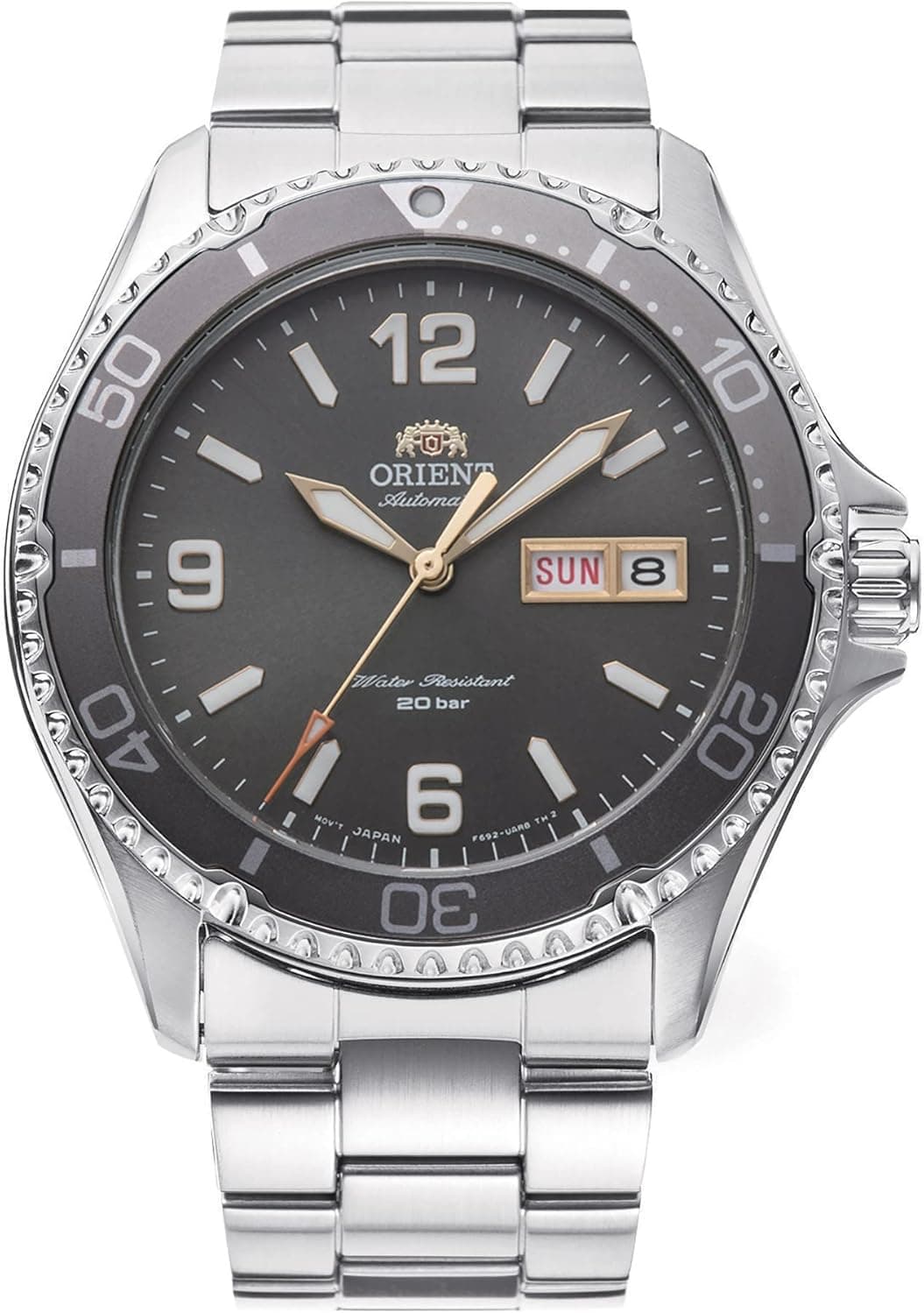
The old rule is a full service every few years for a mechanical watch, but modern lubricants have stretched that interval. An automatic like the Orient Mako 3 or the Seiko 5 Sports can wait until its performance visibly drops, meaning more drift or a shorter power reserve. The same logic applies to a classic automatic dress watch like the Orient Bambino. By contrast, an Eco-Drive such as the Citizen Classic Corso needs no battery change and almost no maintenance for years.
When to skip it
If the watch runs well, never goes in water, and is low in value, sending it in just because the calendar says "it's due" is often unnecessary. Watch the watch instead: noticeable drift, stopping, fogging, or a stiff crown are the real signals. On a cheap quartz piece, a full service often costs more than the watch is worth, so a battery change and continued wear makes more sense. With no symptoms, the calendar alone is not a reason.
How to protect resale
On a valuable mechanical watch, service history is priceless.
- Keep the invoice and report from every service; buyers trust a maintained history.
- Keep the box, papers, and any spare links complete.
- Work with a certified or brand-recognized watchmaker, since unqualified work lowers value.
- For watches that get wet, don't neglect the gaskets; water that gets inside is the most expensive damage of all.
If you want to go deeper on mechanical upkeep, see my guide to caring for a mechanical watch; for affordable, robust Japanese options, my best Japanese watches piece is a good place to start.
Specifications
| Specification | Value |
|---|---|
| Biggest cost driver | Mechanical caliber, hand labor |
| Lowest maintenance | Eco-Drive (Citizen Classic Corso) |
| Mechanical service interval | Every few years |
| What the price covers | Teardown, cleaning, oiling, gaskets, pressure test |
Pros
- Well-timed servicing meaningfully extends a mechanical watch's life.
- Gasket renewal and pressure testing prevent costly moisture damage.
- A documented service history protects resale value.
- Low-maintenance watches like an Eco-Drive cut yearly cost to almost nothing.
Cons
- Brand servicing can cost noticeably more than an independent watchmaker.
- Prices vary so widely by region and shop that budgeting precisely is hard.
- On a cheap quartz watch, a service can cost more than the watch is worth.
- Rare or proprietary parts raise both the wait time and the cost.
Verdict
For most people who want to minimize servicing cost, the smartest move is to buy a low-maintenance watch from the start. The Citizen Classic Corso, an Eco-Drive, largely removes the battery and service worry. If you want the mechanical feel, the Orient Mako 3 is a sturdy, easy-to-service starting point, and a well-timed service will keep it running for decades.
Watches we recommend
Frequently asked questions
Why does watch servicing cost vary so much?
Because no single line item sets it. Four factors do: whether the caliber is mechanical or quartz, the brand and service type, the parts required, and your local watchmaker's hourly rate. That is why getting a couple of estimates beats trusting one fixed number.
How often should I send my watch in for service?
For a mechanical watch the classic interval is every few years, but modern lubricants have stretched it. It is better to watch the watch than the calendar: more drift, stopping, or fogging mean it is due. Low-maintenance models like an Eco-Drive can wait years.
Is it worth servicing a cheap quartz watch?
Often not. On a cheap quartz watch, a full service can cost more than the watch is worth, so a battery change and continued wear makes more sense. A full service really earns its keep on valuable mechanical watches instead.

About the author
Serdar D.Watch Editor
View profileSerdar D. is the editor at BraveryWatch. He believes a good watch should be not just expensive but right. He gets deep into the details, then turns them into something that is genuinely a pleasure to read. He gives relaxed, useful advice through the eyes of someone who truly cares about watches.