What to Look For When Buying a Watch
 Serdar D.Watch Editor
When buying a watch, weigh six things: the movement (automatic or quartz), case size and how it fits, water resistance, the crystal, the strap and overall build quality. Once you understand these six, you read the craftsmanship rather than the price tag, and you choose the right watch for your wrist and your life.
Key takeaways
- The first decision is the movement: automatic gives mechanical feel but wants maintenance, while quartz means precision and near-zero fuss.
- On case size, read lug-to-lug rather than diameter; that span must not overhang the flat part of your wrist.
- Water resistance is a test pressure, not a dive depth: 100 m for everyday swimming, 200 m and a screw-down crown for serious water.
- On a daily-wear watch, a sapphire crystal is the upgrade that pays for itself most easily over time.
- Real value lives in the craftsmanship, strap and build for the money, not in the brand badge.
Decide first: what is the watch for
A good choice starts not with a brand name but with six core decisions: movement, case size, water resistance, crystal, strap and build quality. Once you understand these six, the shop stops being confusing and you pick the right watch for your wrist and your daily life. Below I take each one in turn, with real examples.
Movement: automatic or quartz
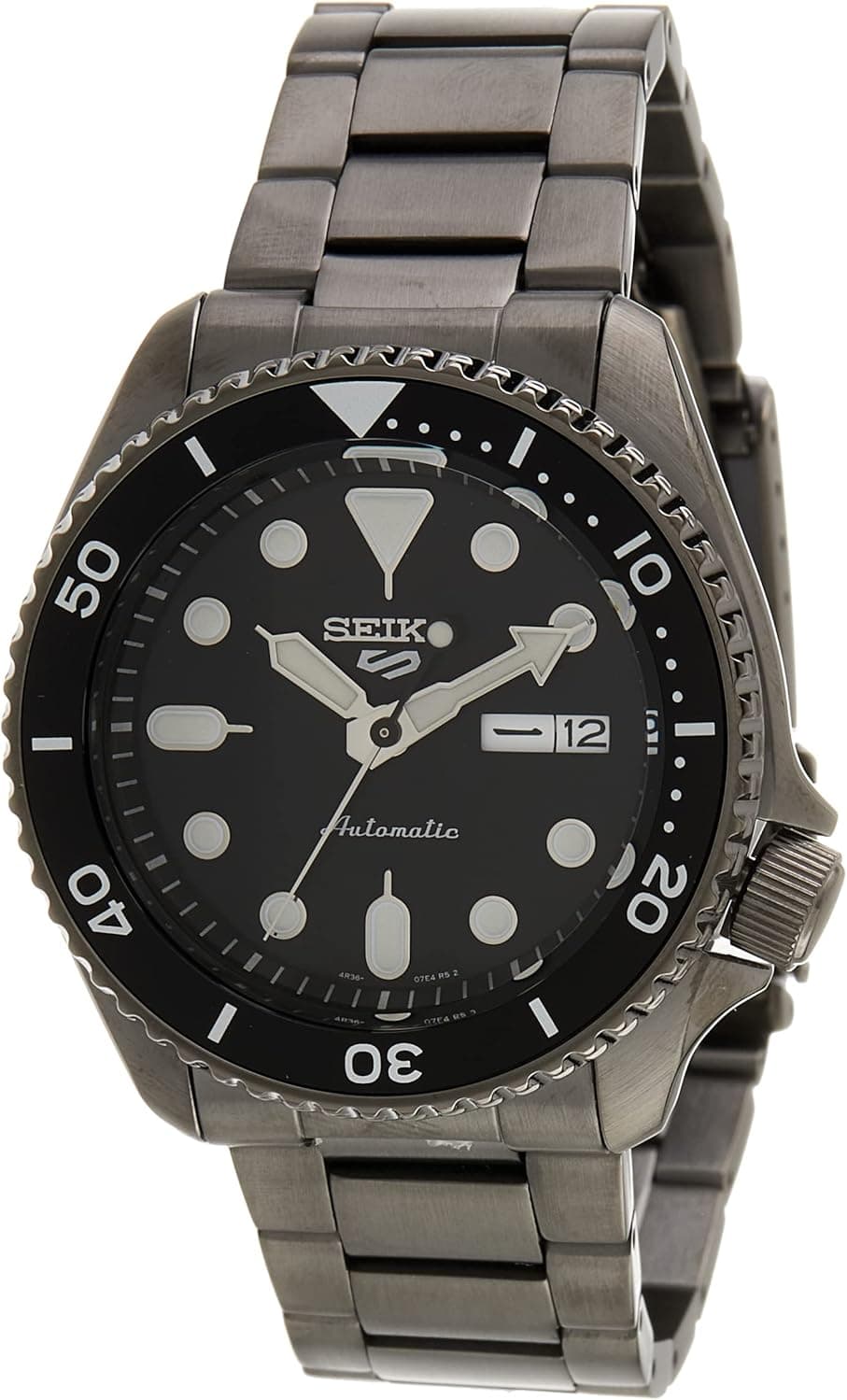
This is the first and biggest fork. An automatic watch winds itself from the motion of your wrist, needs no battery and carries a living mechanical heart; in return it drifts a few seconds a day and wants a service every few years. For a first mechanical watch, the Seiko 5 Sports is the most sensible entry to that world: a display caseback shows the movement, and you simply wear it and forget it.
A quartz watch runs on a battery or light, keeps time to seconds a month and asks almost nothing of you. If you never want to think about it and durability is the priority, the Casio G-Shock is the emblem of that side. And for someone who does not even want battery changes, the Citizen Eco-Drive Classic Corso charges from light, so years pass without a single battery.
Case size and how it fits
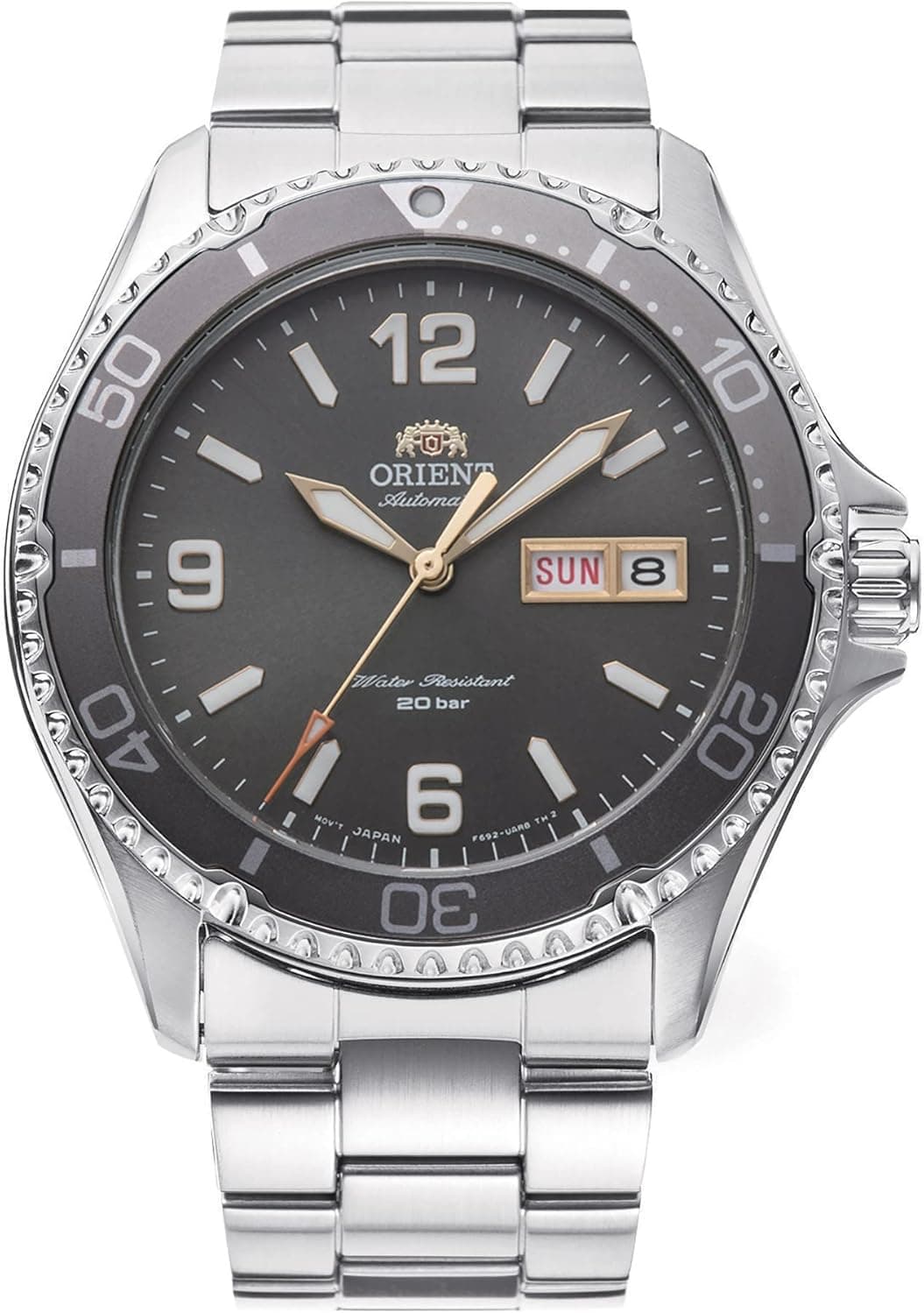
The place people go wrong most is fixating on the millimeter diameter. The measurement that really counts is lug-to-lug: the span between the lug tips must not overhang the flat part of your wrist. A case diameter of 38 to 42 mm fits most wrists, but on a slimmer wrist thickness matters as much as width. A diver runs thick by nature, which is exactly why the Orient Mako 40 is a useful reference: it is a real tool watch yet sits well in a reasonable case.
Water resistance: what the number means
The meters on the dial are a test pressure, not a diving depth. In practice:
- 30 m (3 ATM): survives rain and hand-washing, not swimming.
- 50 m: fine for splashes and a brief shallow swim, not for regular swimming.
- 100 m: the safe floor for everyday swimming and snorkeling.
- 200 m and up: genuine water resistance and dive class, and it comes with a screw-down crown.
For daily wear, 100 meters is a comfortable choice; if you are serious about water, look for 200 meters and a screw-down crown.
Crystal: how long it lasts
The most abused surface on a watch is its crystal. You will see three kinds: acrylic (cheap, scratches but polishes out), mineral (mid, harder) and sapphire (hardest, scratched only by diamond in practice). On a watch you wear daily, sapphire is the upgrade that pays for itself most easily over the long run.
Strap, build and real value
The strap sets both comfort and character: a steel bracelet is solid and smart, leather is classic but dislikes water, rubber is sporty and durable. On the build, look at the crispness of the polished and brushed surfaces, the feel of the crown threads and how the caseback seats. Real value lives not in the badge but in the craftsmanship for the money. If you do not know where to start, my best watches for beginners guide is a good map, and if you want brands that put an in-house caliber at this price, see my best Japanese watches guide.
Specifications
| Specification | Value |
|---|---|
| Decision criteria | 6 (movement, case, water resistance, crystal, strap, build) |
| Movement options | Automatic mechanical or quartz (battery/solar) |
| Everyday water resistance | 100 m for swimming, 200 m for serious water |
| Recommended crystal | Sapphire for daily wear |
Pros
- Teaches you to choose by six clear criteria rather than chasing a brand
- Links to glossary terms and unpacks the jargon step by step
- Pairs every criterion with a real example watch, so nothing stays abstract
- An evergreen guide that serves both beginners and more advanced buyers
Cons
- Explains a decision framework rather than a single model, which may frustrate readers wanting a ready-made list
- Points you to the product page for the current price and any deal
- Focuses on the sensible-budget buyer, not the luxury or jewellery segment
Verdict
The goal here is not to sell you one watch but to make you a buyer who decides well. Still, if I must point: for most people buying a first watch, the most balanced start is the Seiko 5 Sports, because it strikes the truest balance of movement, case size, water resistance and build for the money. If zero maintenance and toughness are your priority, the Casio G-Shock, and if you do not even want a battery, the Citizen Eco-Drive Classic Corso will not steer you wrong.
Watches we recommend
Frequently asked questions
Should I buy an automatic or a quartz watch?
Buy automatic if you want a mechanical feel, the ritual of winding and a battery-free heart; a few seconds of drift a day and a service every few years are normal. Choose quartz if precision, zero maintenance and durability come first. They answer different needs, and your use decides which is wrong for you.
What case size fits my wrist?
Read lug-to-lug, not just diameter: the span between the lug tips must not overhang the flat part of your wrist. A diameter of 38 to 42 mm fits most wrists, but on a slimmer wrist thickness matters as much as width. If you can, try it on and check the profile in a mirror.
How many metres of water resistance is enough?
For daily wear and swimming, 100 metres is a comfortable floor; 30 to 50 metres covers hand-washing and rain but not swimming. If you will really be in the water or dive, look for 200 metres and a screw-down crown. The metres on the dial are a test pressure, not a diving depth.

About the author
Serdar D.Watch Editor
View profileSerdar D. is the editor at BraveryWatch. He believes a good watch should be not just expensive but right. He gets deep into the details, then turns them into something that is genuinely a pleasure to read. He gives relaxed, useful advice through the eyes of someone who truly cares about watches.