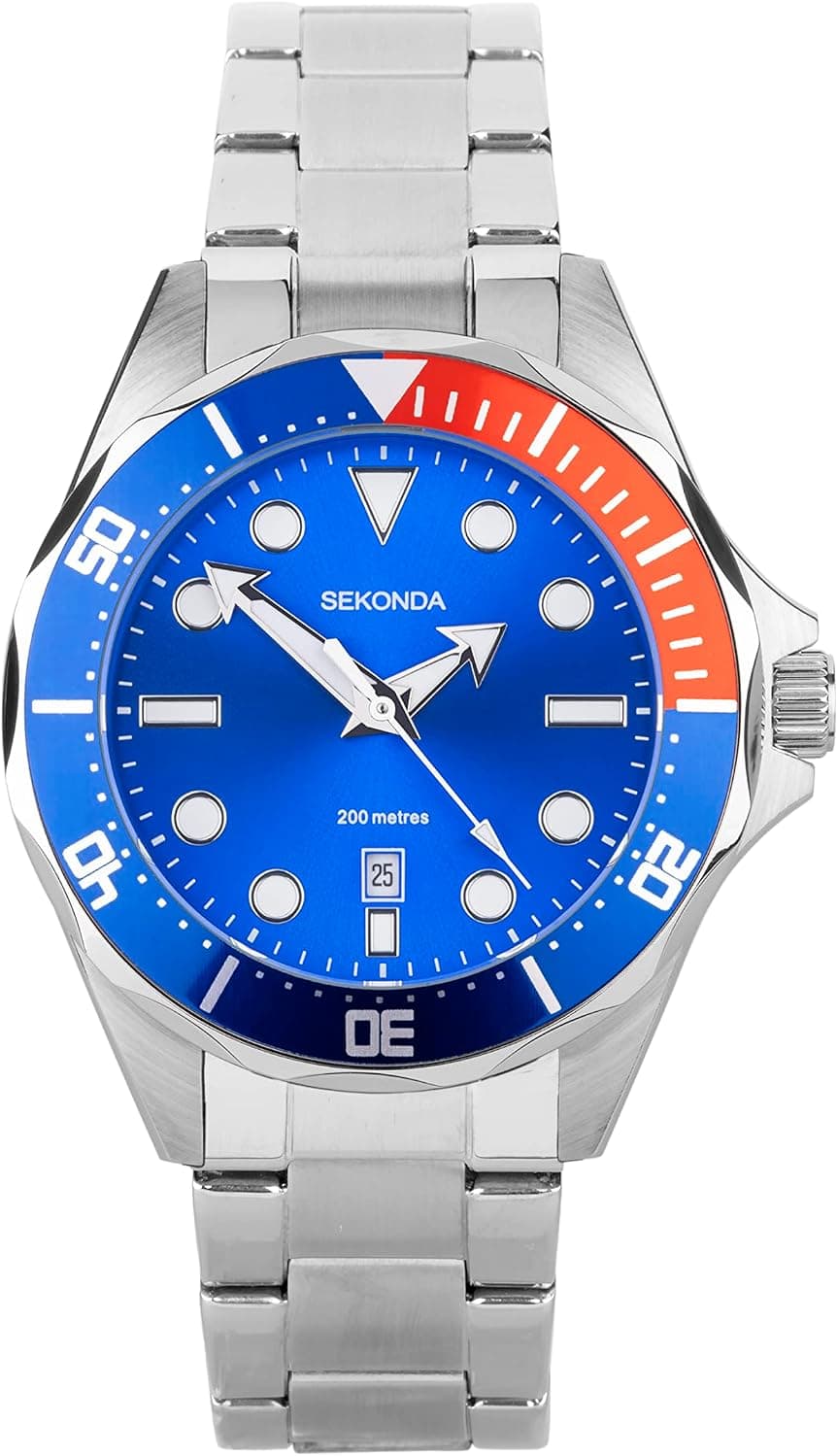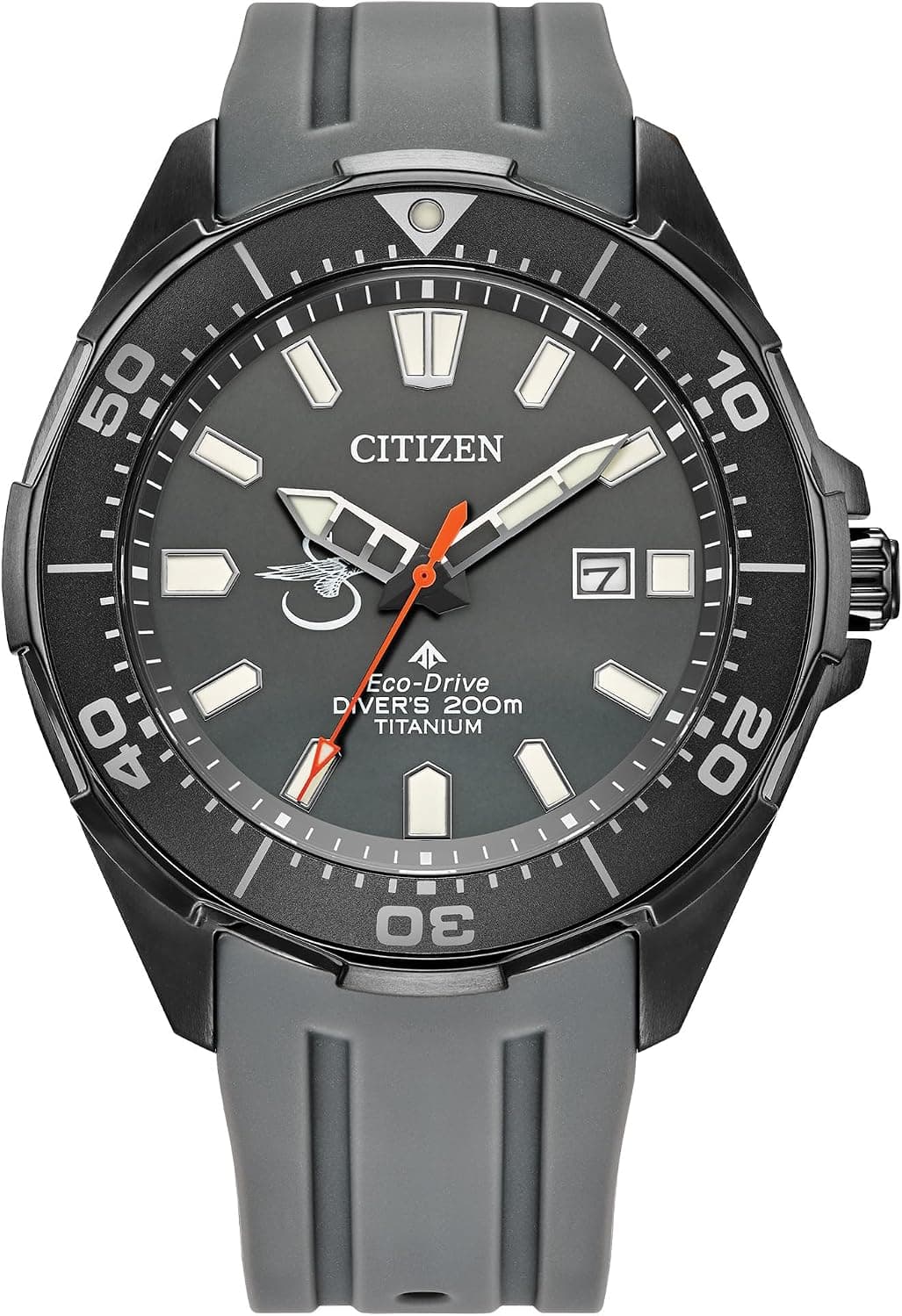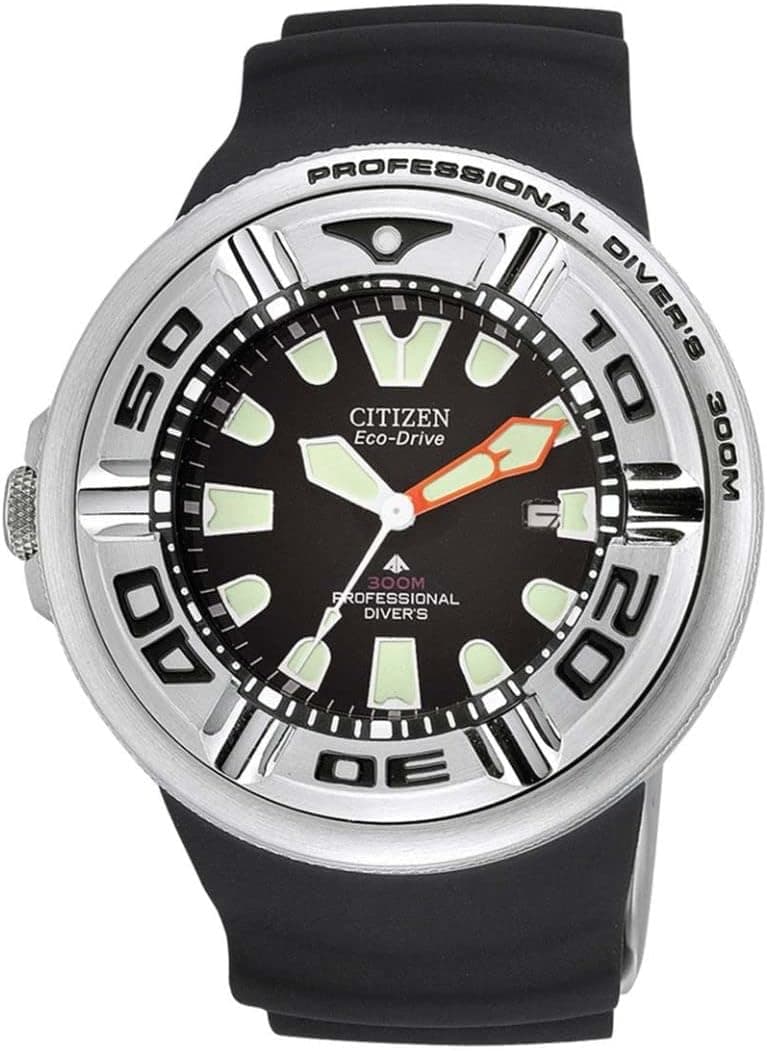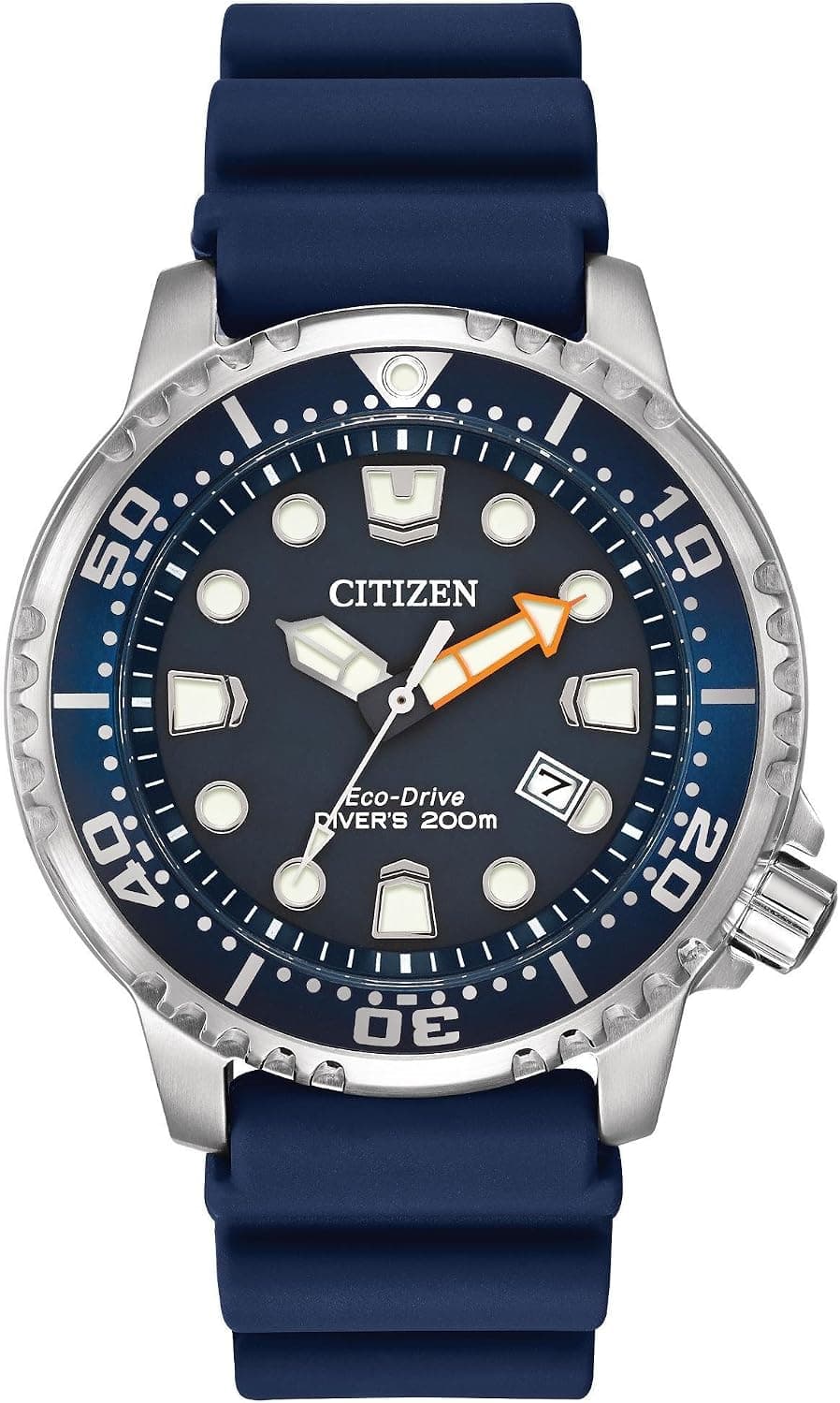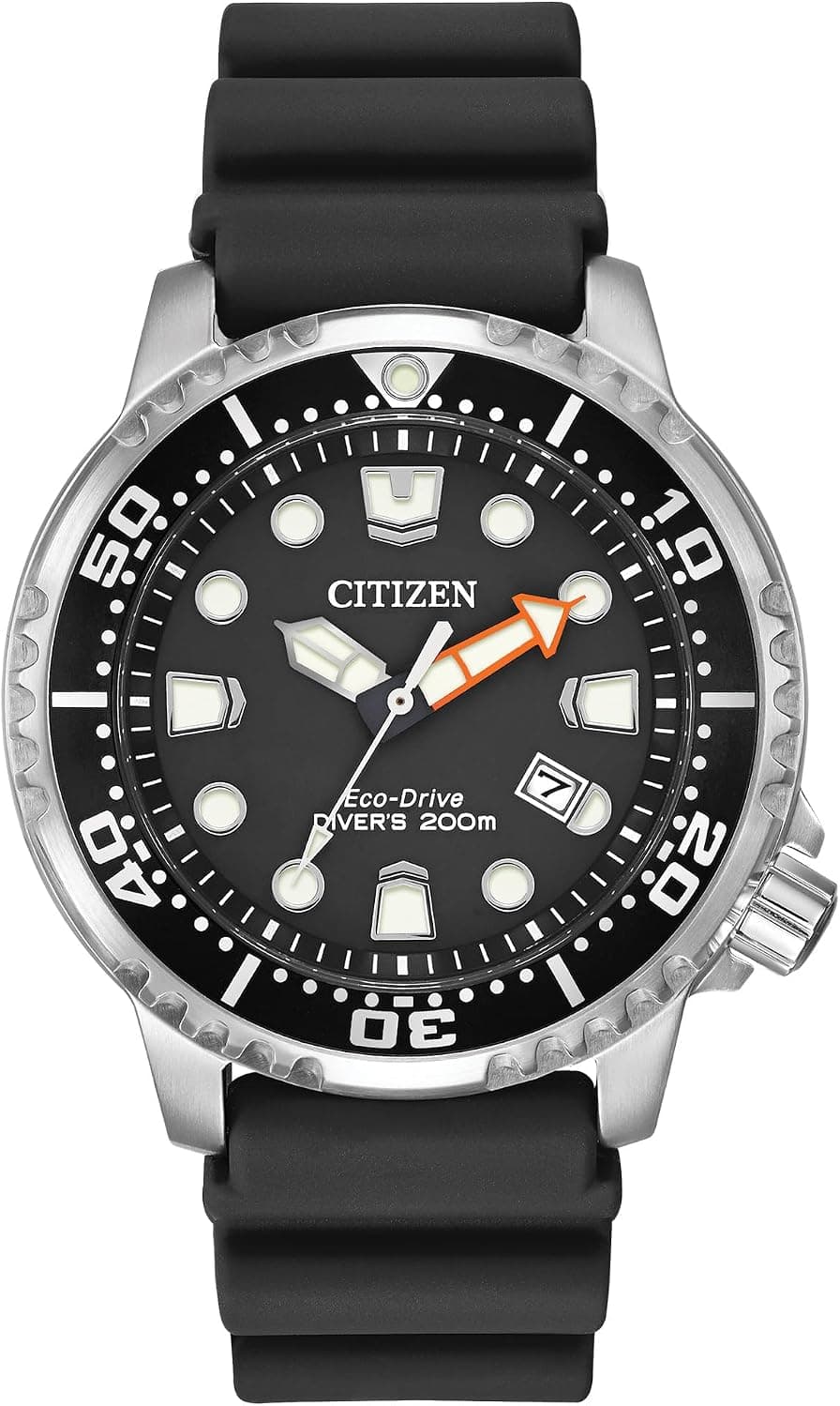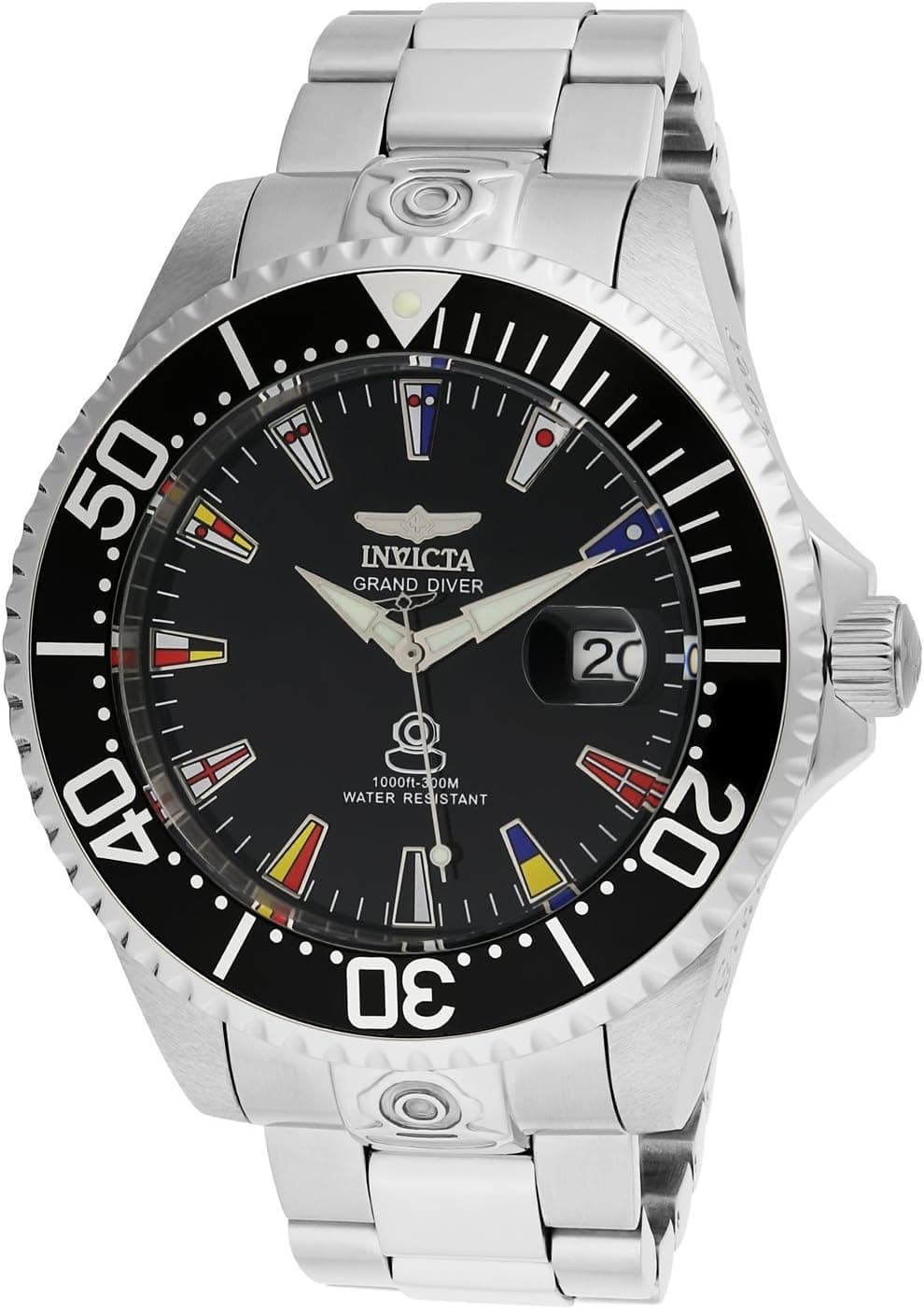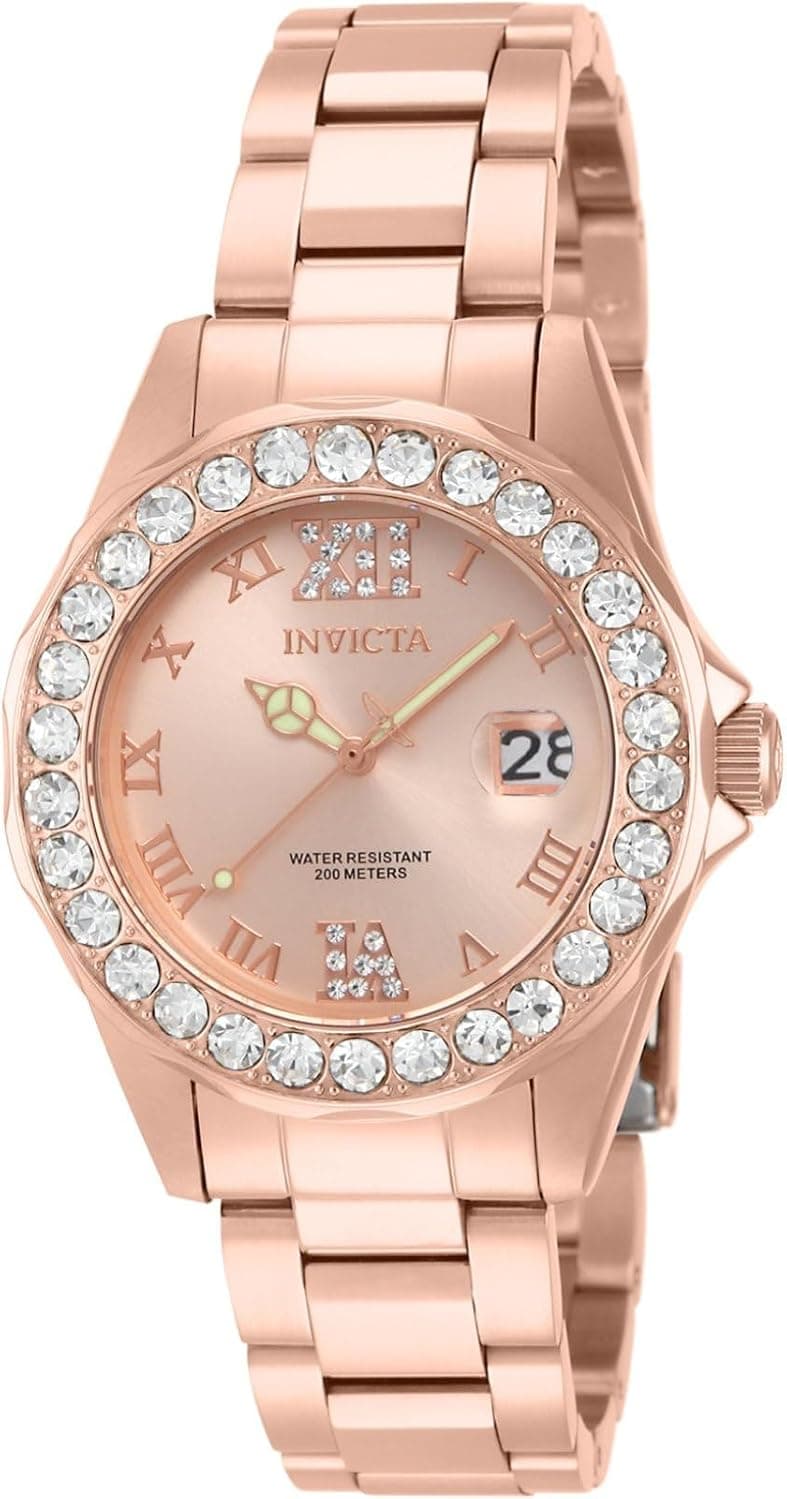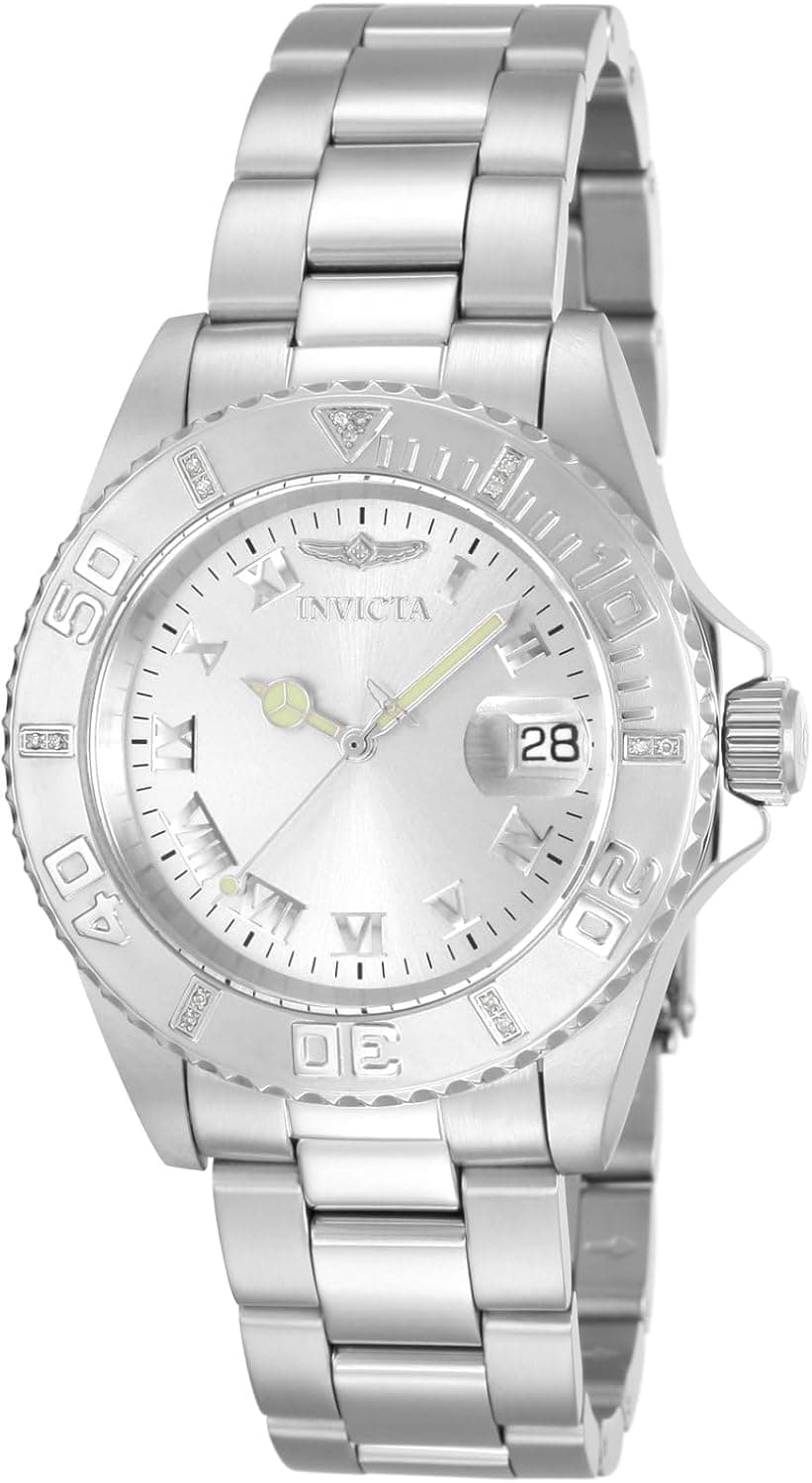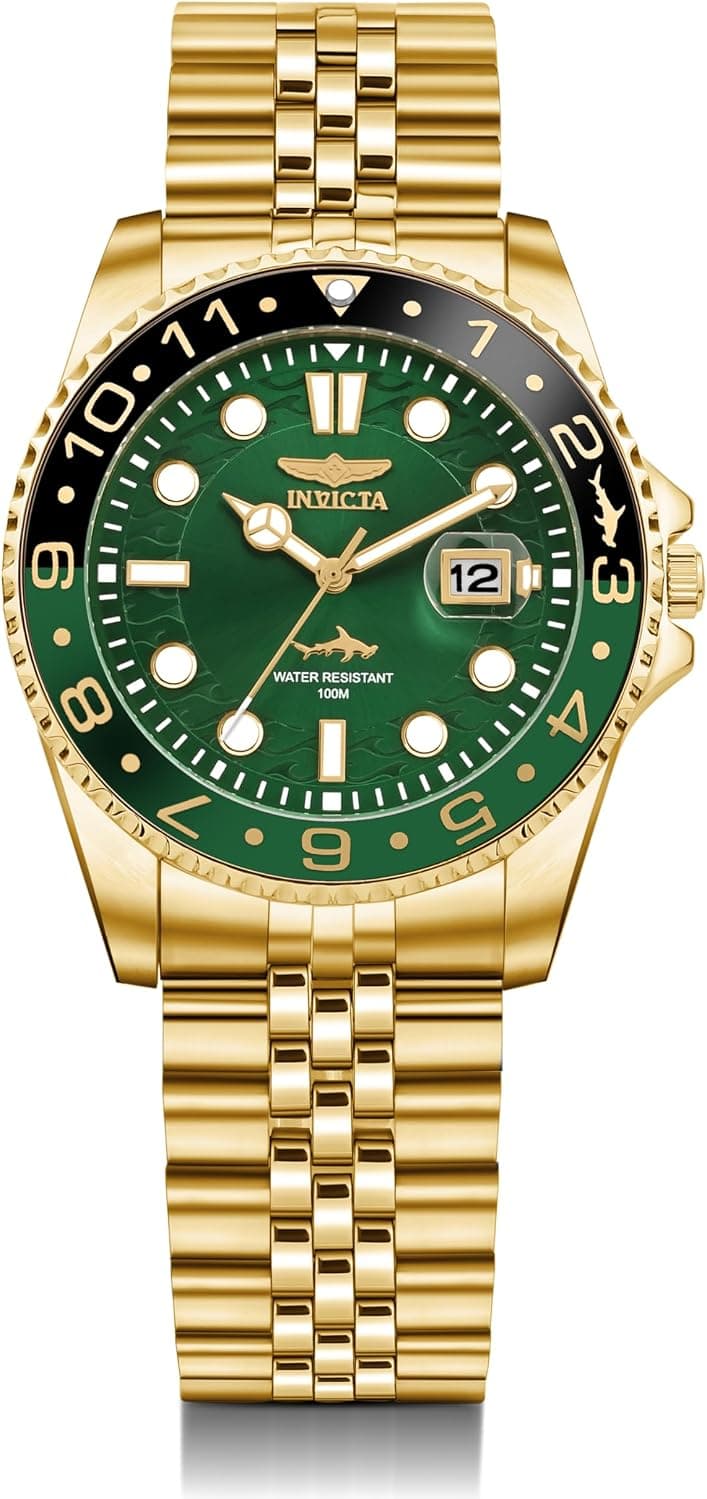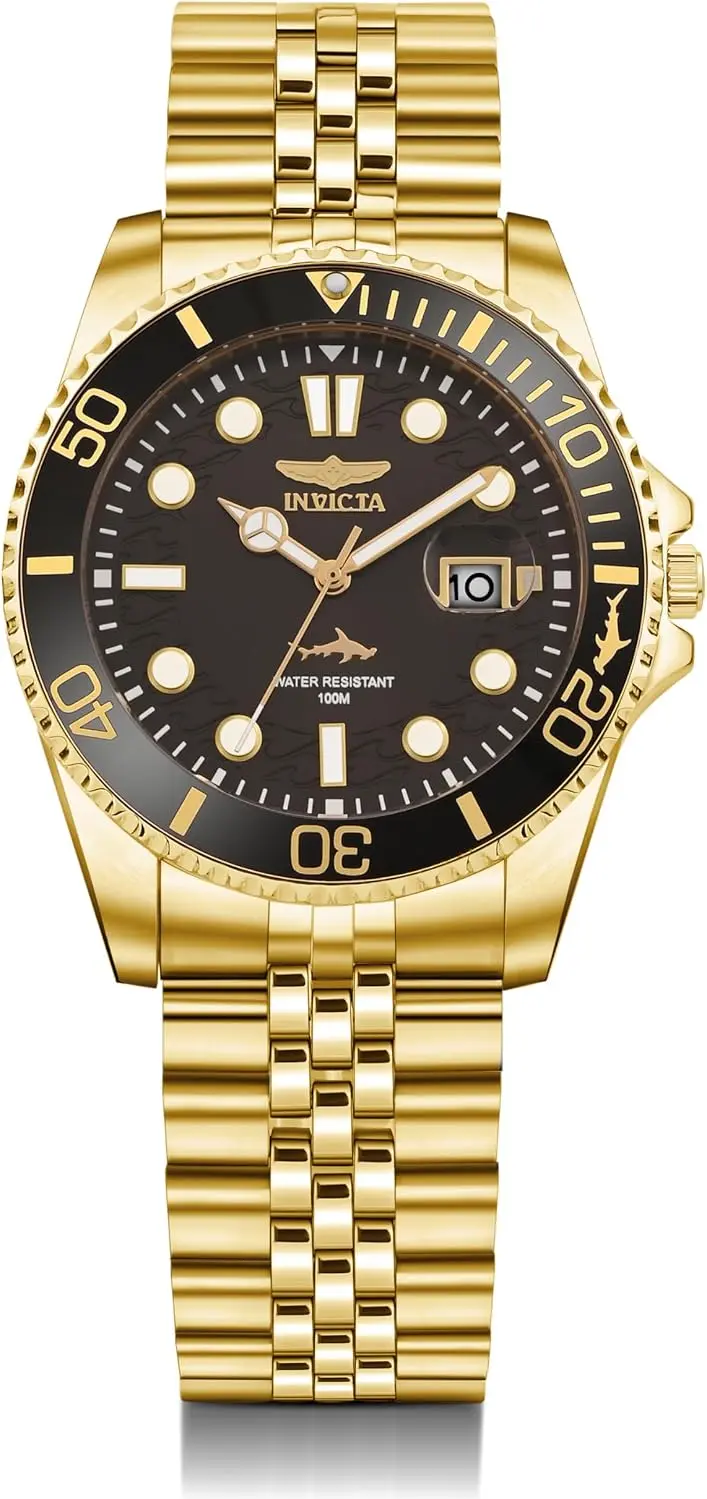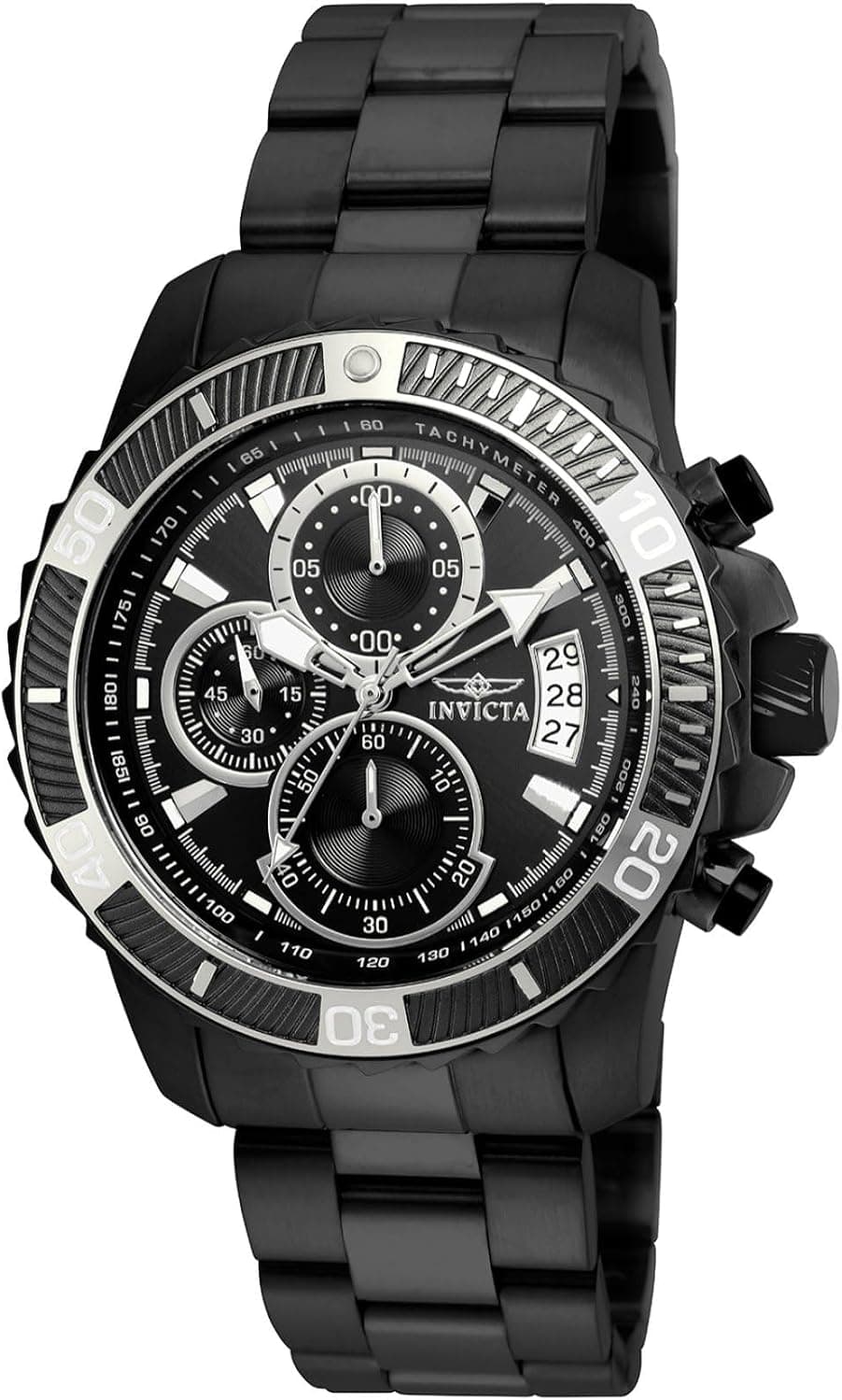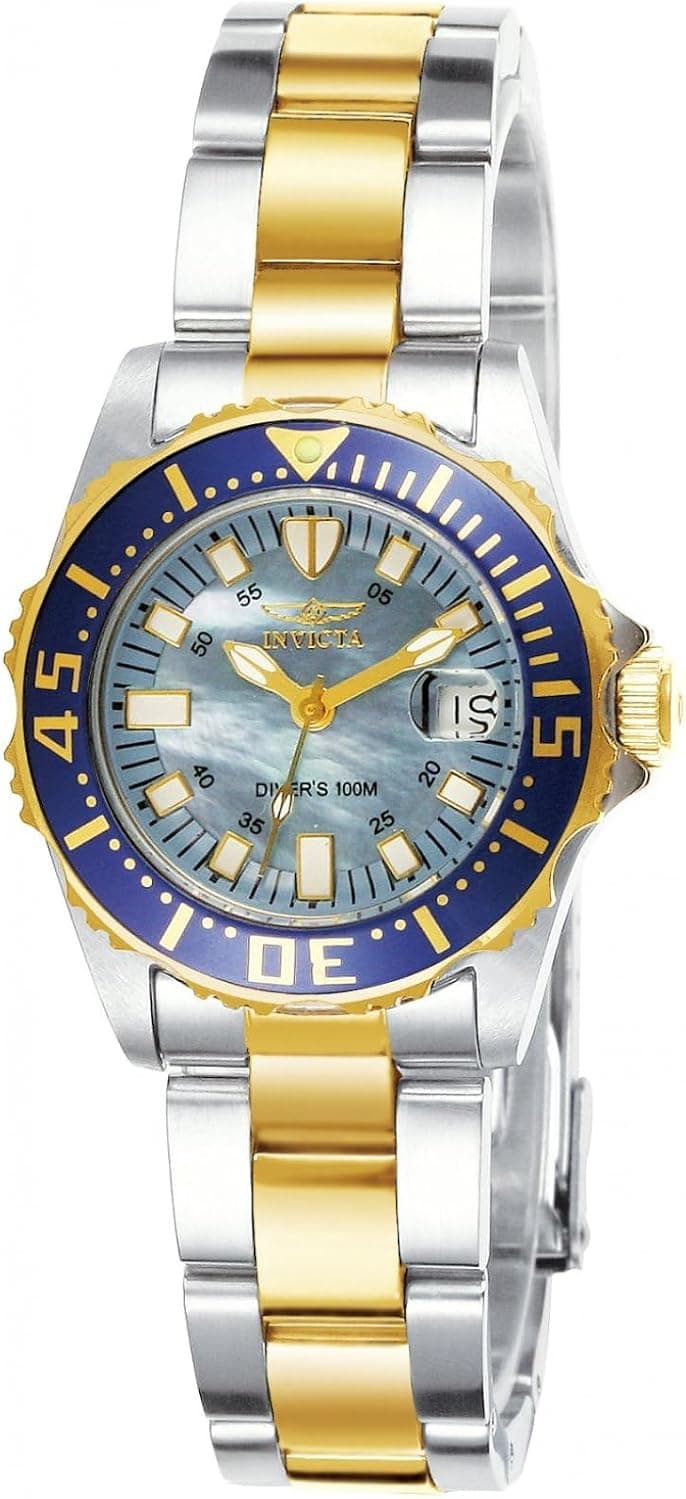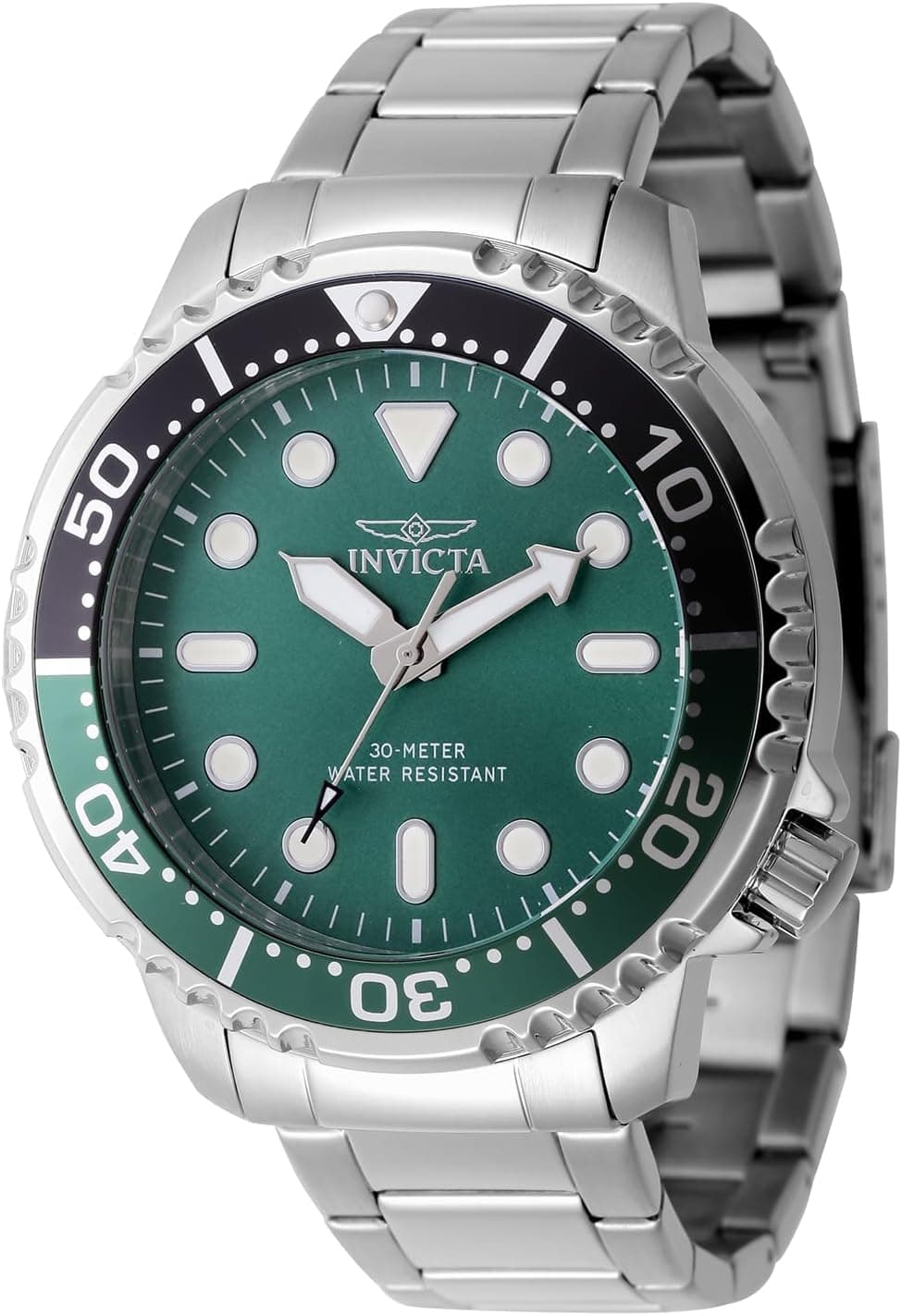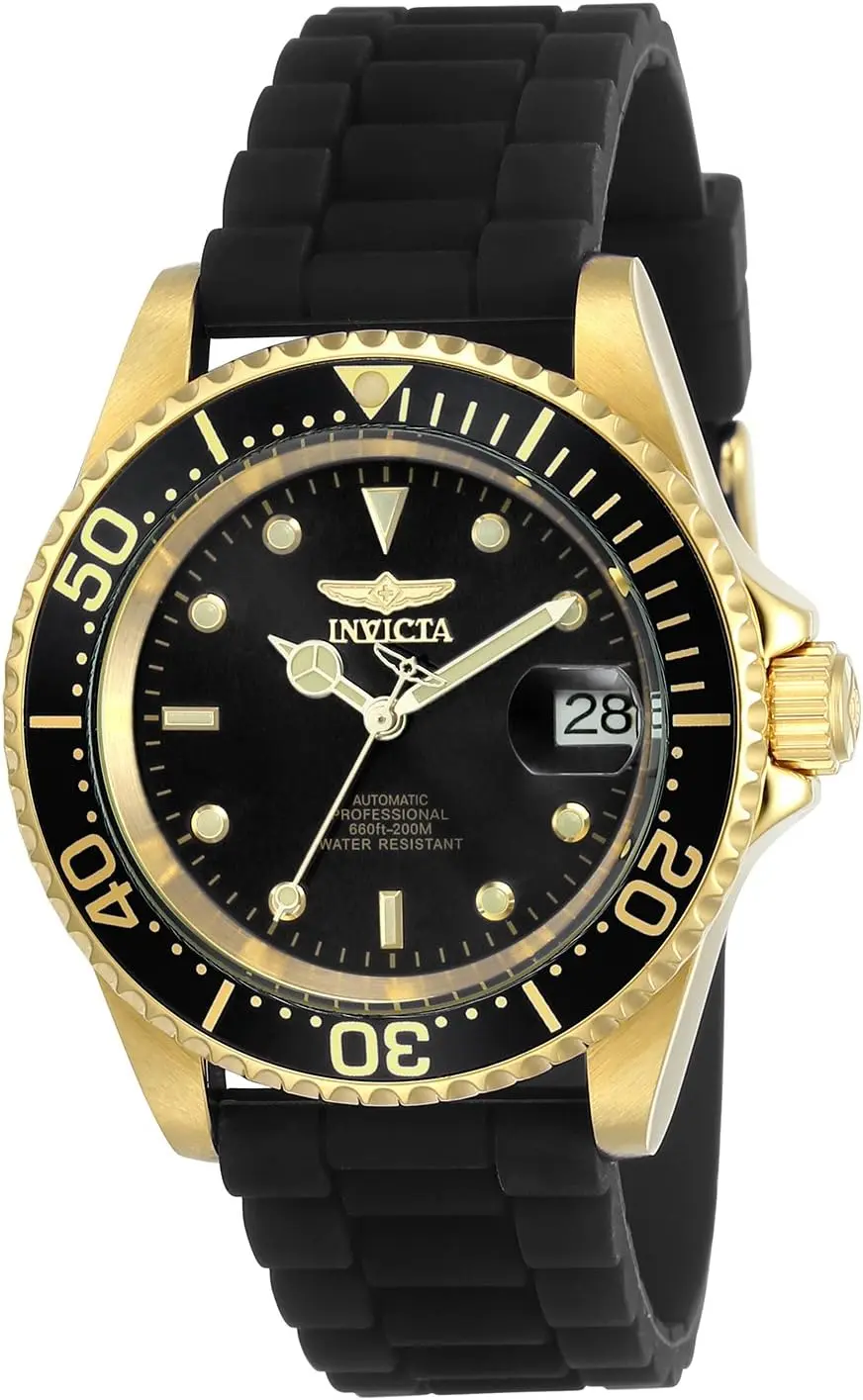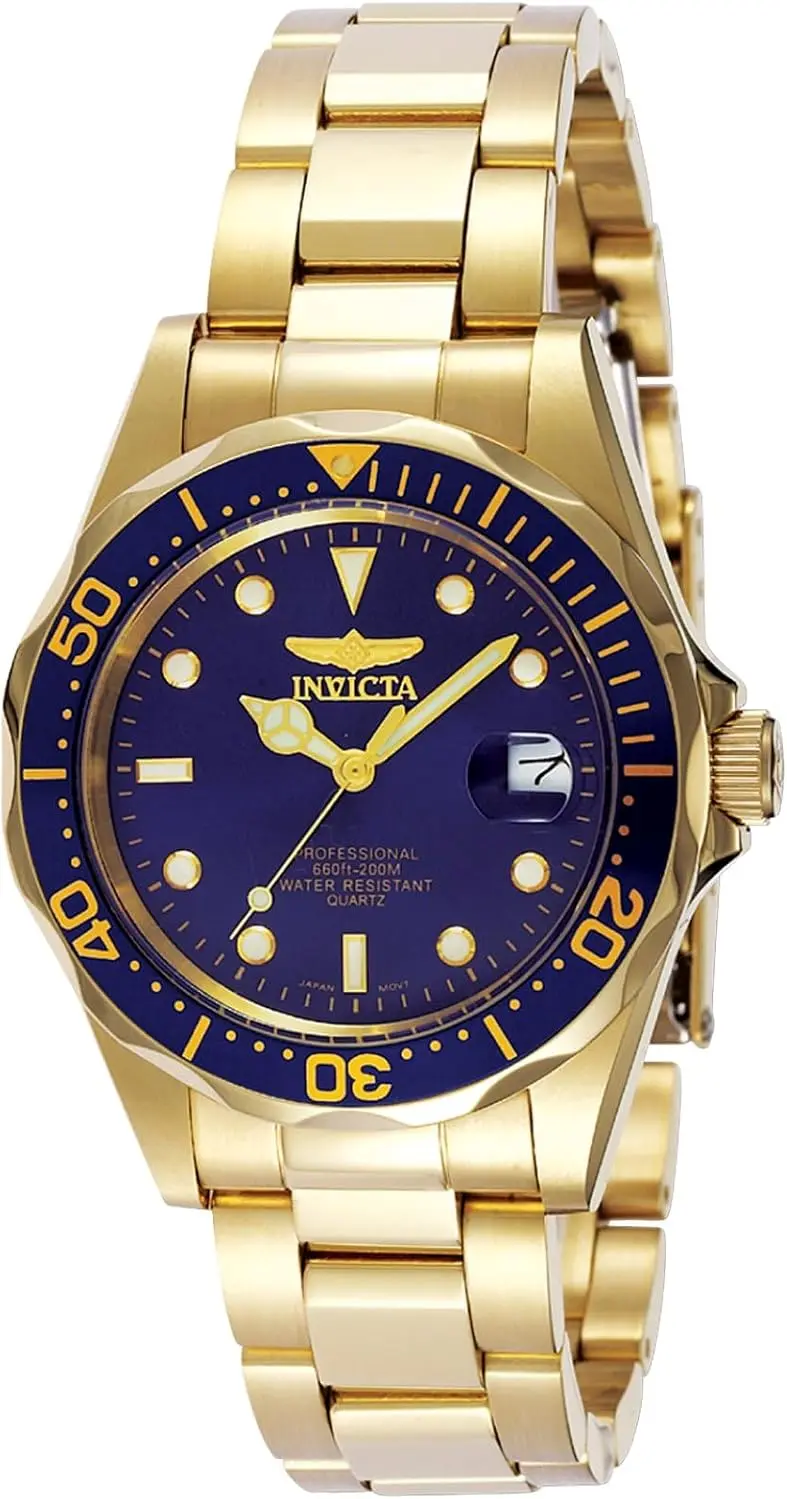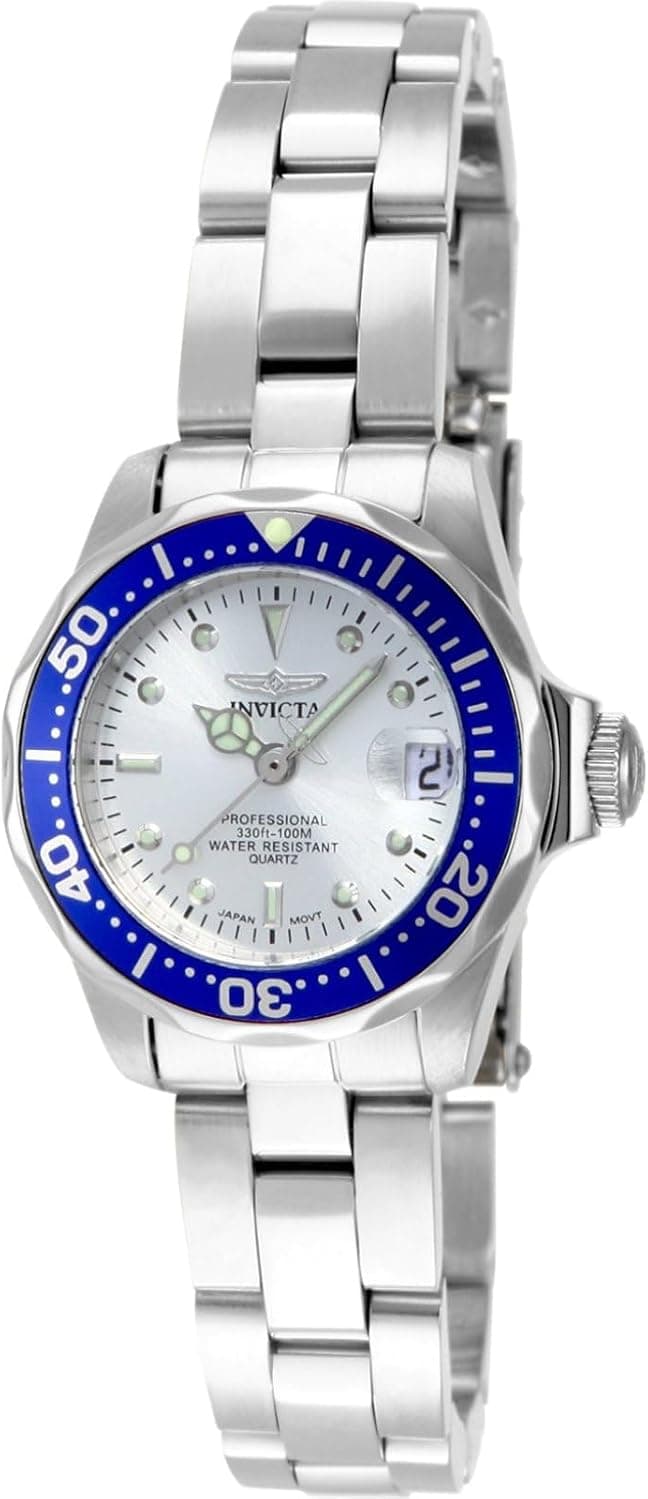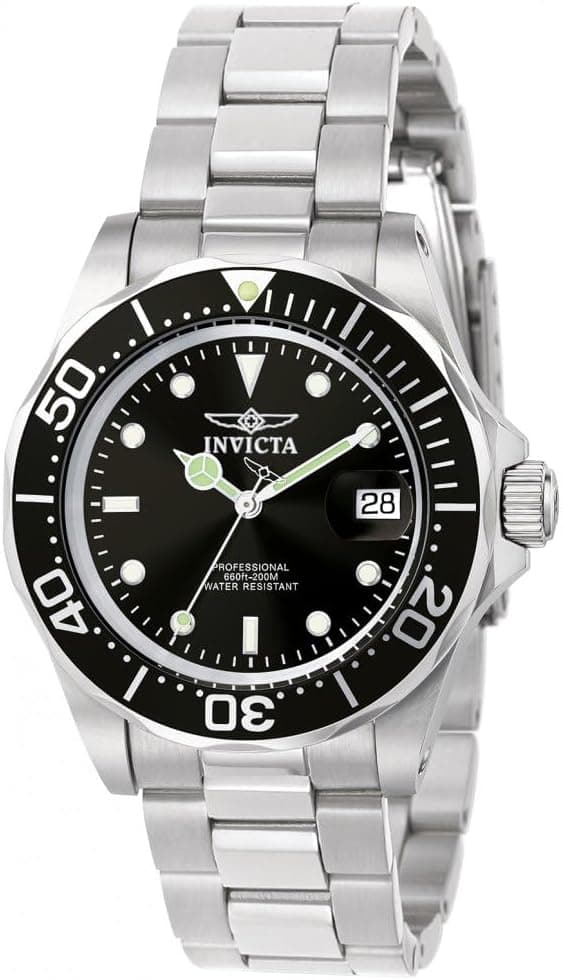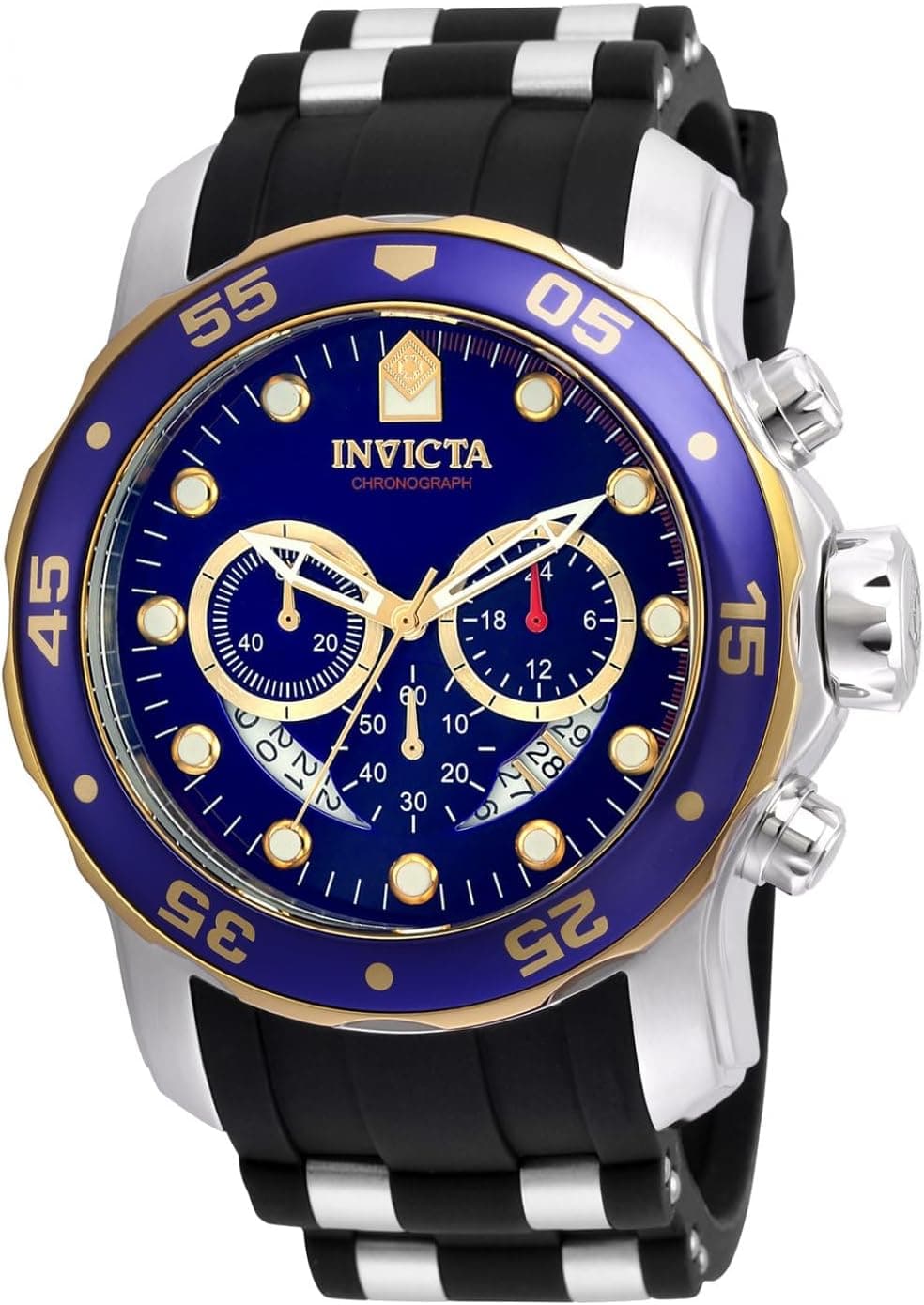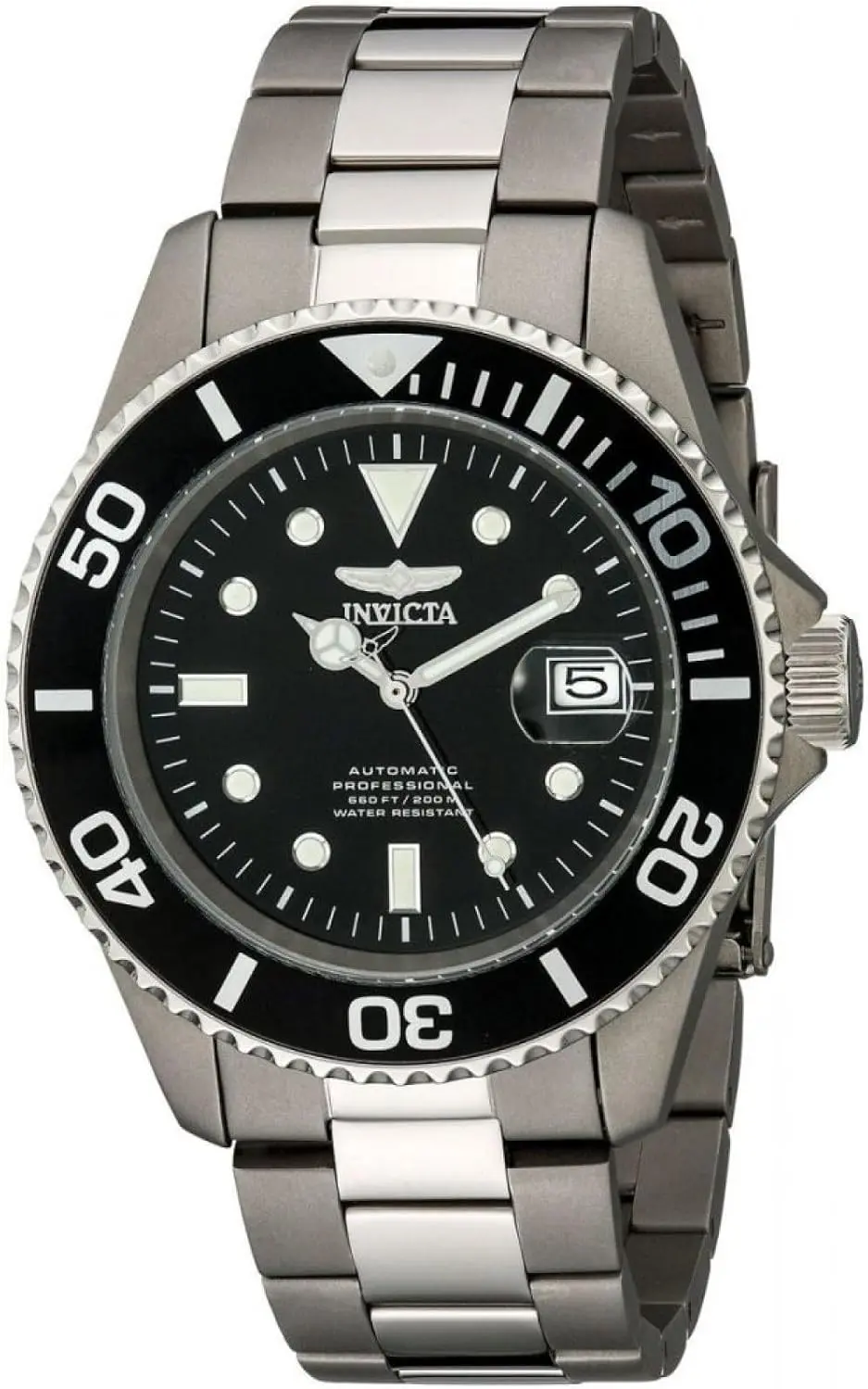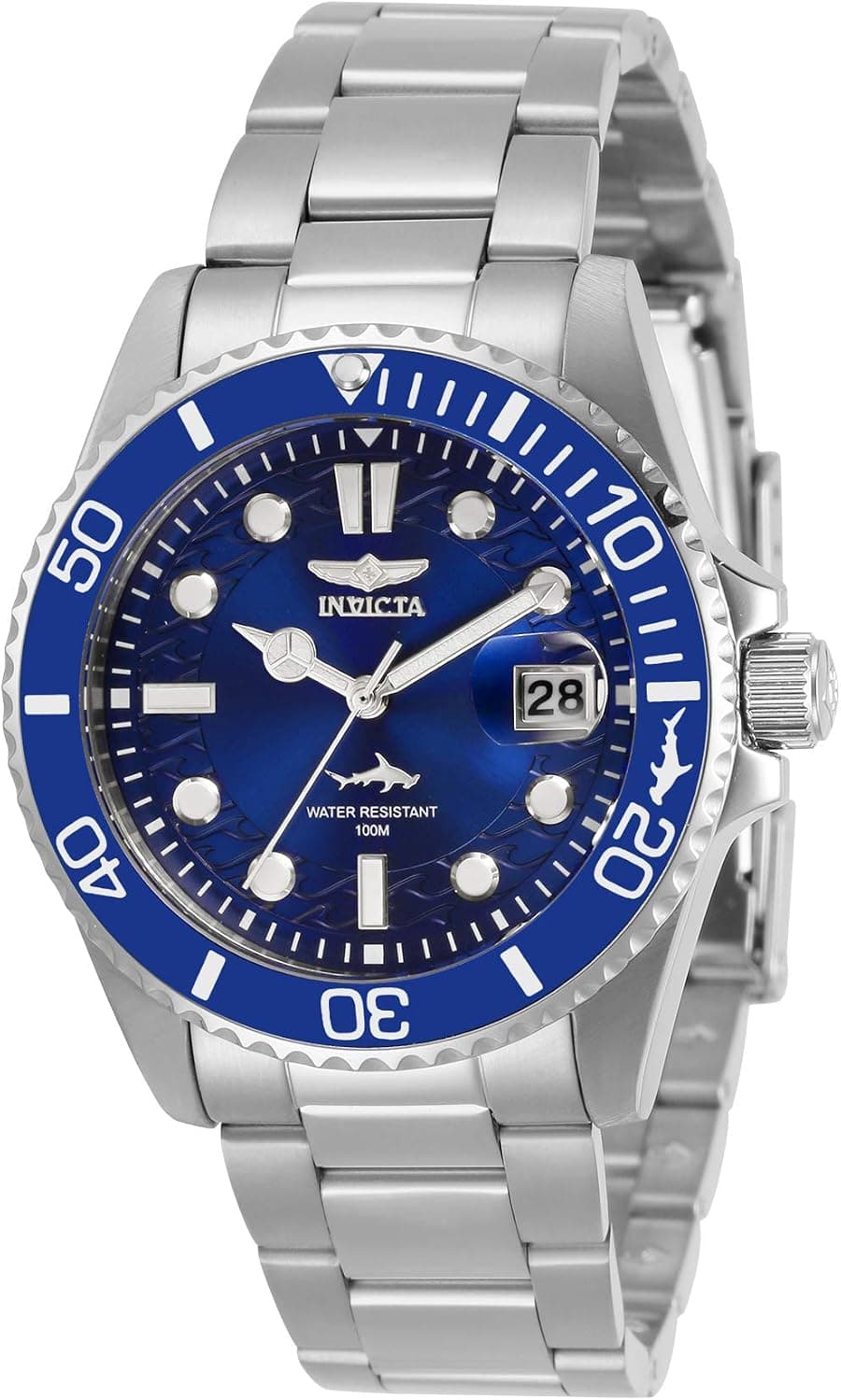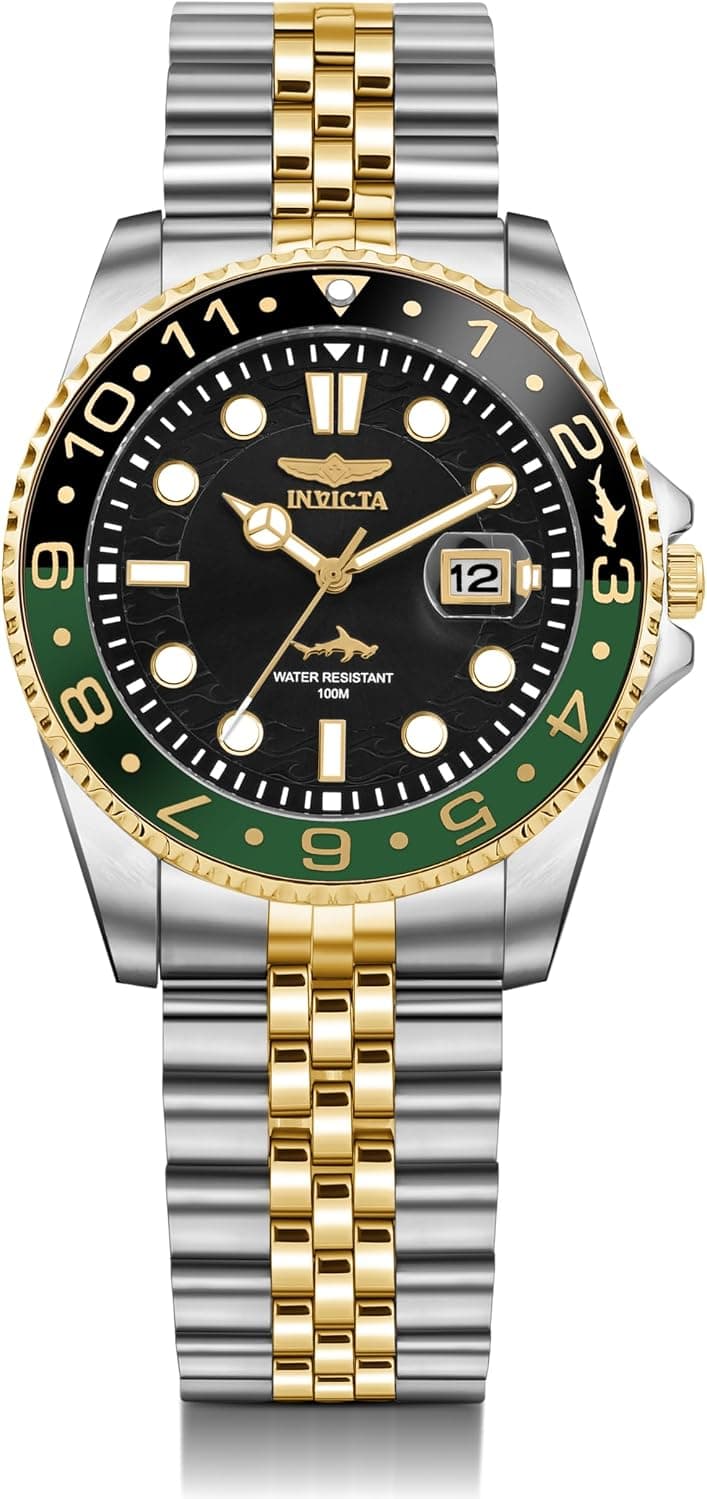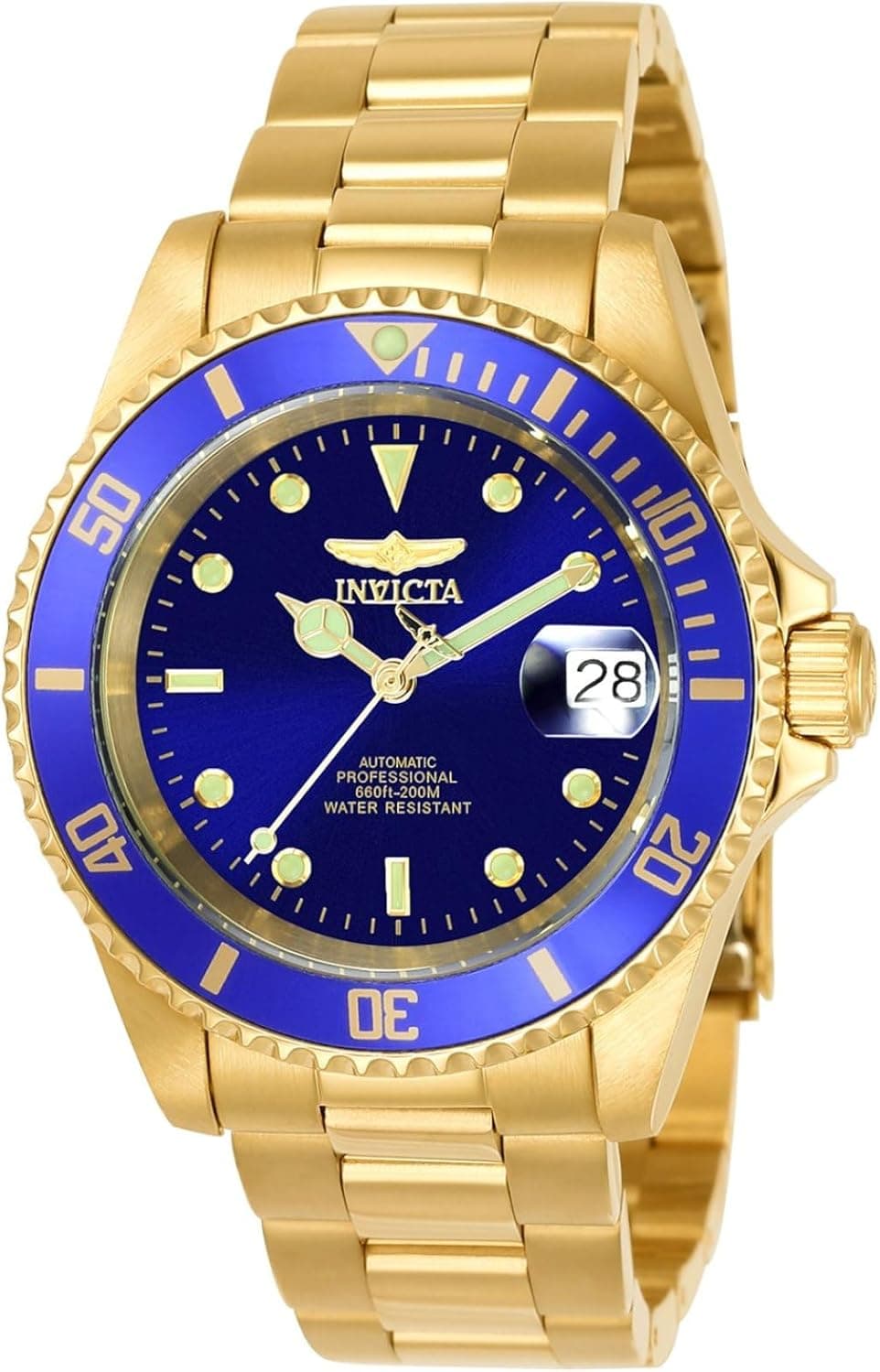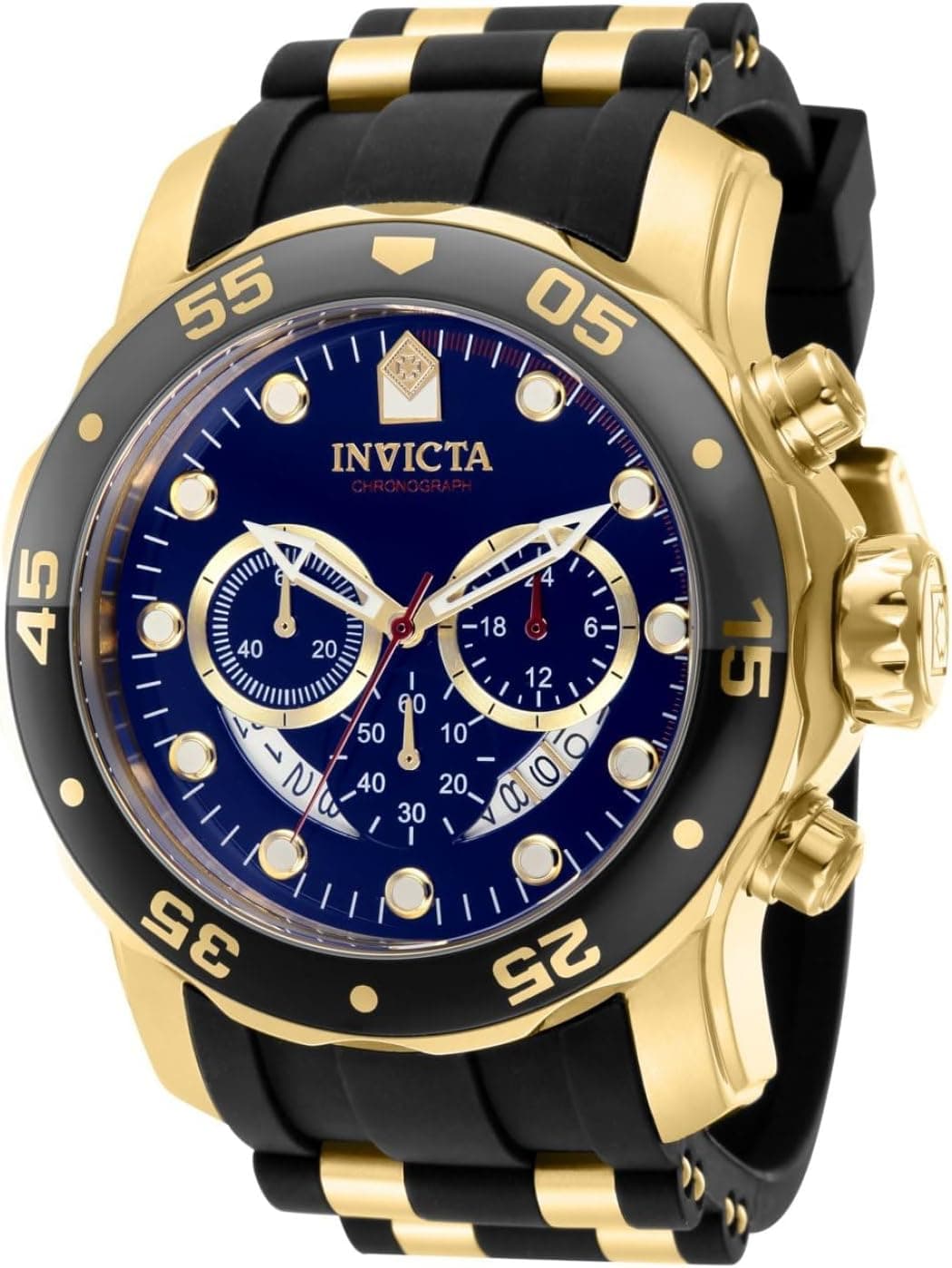
Diver Watches are rugged, highly legible tools designed to time a dive and survive the pressure of doing it. The defining traits are consistent: at least 100 meters of water resistance, a unidirectional rotating bezel that tracks elapsed time, strong lume that stays readable in the dark, and clear legibility at 25 cm. Most of these criteria are codified in ISO 6425, currently the ISO 6425:2018 edition, and watches that meet it may carry a DIVER'S marking on the dial. The genre dates to 1953, when the Blancpain Fifty Fathoms was developed for French Navy combat divers Maloubier and Riffaud by Jean-Jacques Fiechter, with the Rolex Submariner arriving at almost exactly the same moment under board member and diver Rene-Paul Jeanneret.
The category is defined today by a handful of real references. The Rolex Submariner is the reference point: a 41mm case, ceramic bezel and 300 meters of resistance, with the Date version listing around $10,250 and the no-date around $9,100. The Omega Seamaster Diver 300M starts near $6,500 and brings a METAS-certified Co-Axial Master Chronometer movement that resists magnetic fields to 15,000 gauss. The Tudor Black Bay 58, trimmed to 39mm and upgraded to Master Chronometer status in 2025, is the sweet spot for many buyers, running about $4,400 on rubber and roughly $4,625 on a bracelet. If you want something more technical, the Tudor Pelagos Ultra delivers grade 5 titanium, a helium escape valve and 1,000 meters of resistance for around $6,425. At the entry end, Seiko Prospex divers like the Turtle and Samurai typically land between $400 and $800 with in-house movements and real value.
A few things matter when you buy. If you actually dive, insist on a screw-down crown, a screw-down caseback and a crisp unidirectional bezel; if you are buying for style, 100 to 200 meters is plenty for daily life. Case diameter and thickness punish small wrists quickly, so try one on if you can. Lume quality, bezel action and bracelet finishing are where the price tiers genuinely separate. If this will also be your everyday watch, prioritize a slimmer case and a comfortable bracelet over headline depth ratings.
There are sub-types worth knowing. Saturation divers add a helium escape valve so the helium a saturation diver breathes can vent safely from the case; Doxa offered the first commercial example in the Sub 300T, and the Omega Ploprof pushed to 600 meters in 1970. On the vintage side, historic pieces like the Seiko 62MAS from 1965 draw serious collector interest. For most owners a diver rarely gets wet, and the real appeal is how it pairs toughness with quiet elegance on the wrist.