

The Best Dive Watches Under $500
 Serdar D.Watch Editor
Buying a real dive watch under $500 is genuinely easy now, and most of these are true 200-metre divers rather than the dress-up sort. The best all-rounder is the Orient Mako-3, the Kamasu if you want harder glass, the Seiko Prospex for proper ISO-class diving, and Casio if you simply want one that never breaks.
Key takeaways
- A real dive watch means at least 200 metres of water resistance, a screw-down crown, a unidirectional rotating bezel and strong lume. Watches that merely look like divers but rate 30 to 50 metres are not on this list.
- On the mechanical side, Orient is the value king, with its own automatic calibre from around $258. If you want harder sapphire glass, step up to the Kamasu.
- For true ISO 6425 class and more serious diving, go one rung up to the Seiko Prospex at around $450.
- If you want zero maintenance, a watch you can soak and knock about without a second thought, the Casio tough-solar is effectively unbreakable.
- Mind the case size: 39 to 42 mm suits most wrists, but the figure that really matters is the lug-to-lug distance.
- These ratings are for 200 metres, so if you genuinely dive, do not skip periodic pressure testing of the seals.
What actually makes a dive watch
The word "diver" on a dial does not make a watch one. A real dive watch has to meet four conditions. First, water resistance of at least 100 metres, and ideally 200. Second, a screw-down crown that locks into the case and keeps water out. Third, a unidirectional rotating bezel, so that when you are timing a dive it cannot turn the wrong way and mislead you. Fourth, lume strong enough to read in the dark. For professional diving there is also the ISO 6425 standard; watches that meet it carry the word "diver's" on the dial and have passed pressure, magnetism and shock testing. Everything on the list below is a genuine 200-metre watch, not a 30 to 50 metre model dressed up to look the part.
Get your budget and case size right
The good news is that plenty of watches under $500 tick all of these boxes. The real decision is case size. For most wrists, 39 to 42 mm is the safe zone; dive watches are thick by nature, so rather than fixate on diameter, look at the lug-to-lug measurement, the distance that must not overhang the flat part of your wrist. A slimmer wrist suits the 39 to 40 mm Orient Mako 40, while a fuller wrist wears the 42 mm Kamasu better.
The best picks
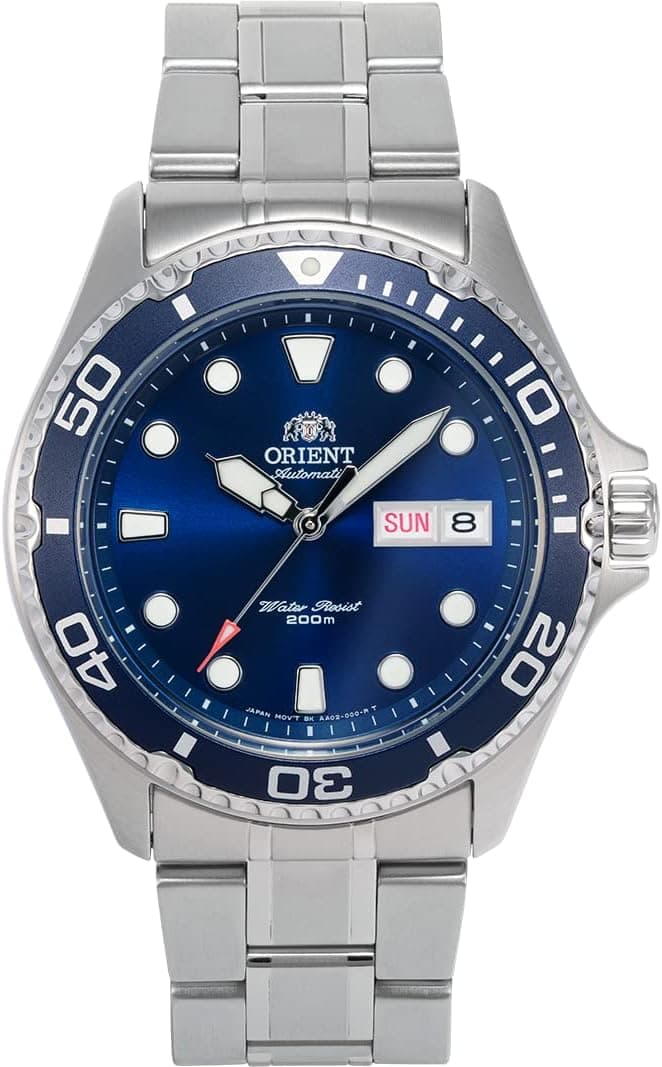
Orient Mako-3, the mechanical value king
This is the heart of the list. For around $258, Orient gives you its own automatic calibre: the F6922, 22 jewels, 21,600 beats per hour, roughly 40 hours of power reserve, with both hand-winding and hacking. A genuine 200 metres, a 41.8 mm case and a screw-down crown. The only shortfalls are mineral glass rather than sapphire and lume that is not as bright as Seiko's. But finding another diver at this money with its own in-house calibre is close to impossible.
Orient Mako-3 RA-AA0819N39B, 42mm, Grey Dial, Stainless Steel Bracelet
View productFor the full hands-on, see our Orient Mako-3 review.
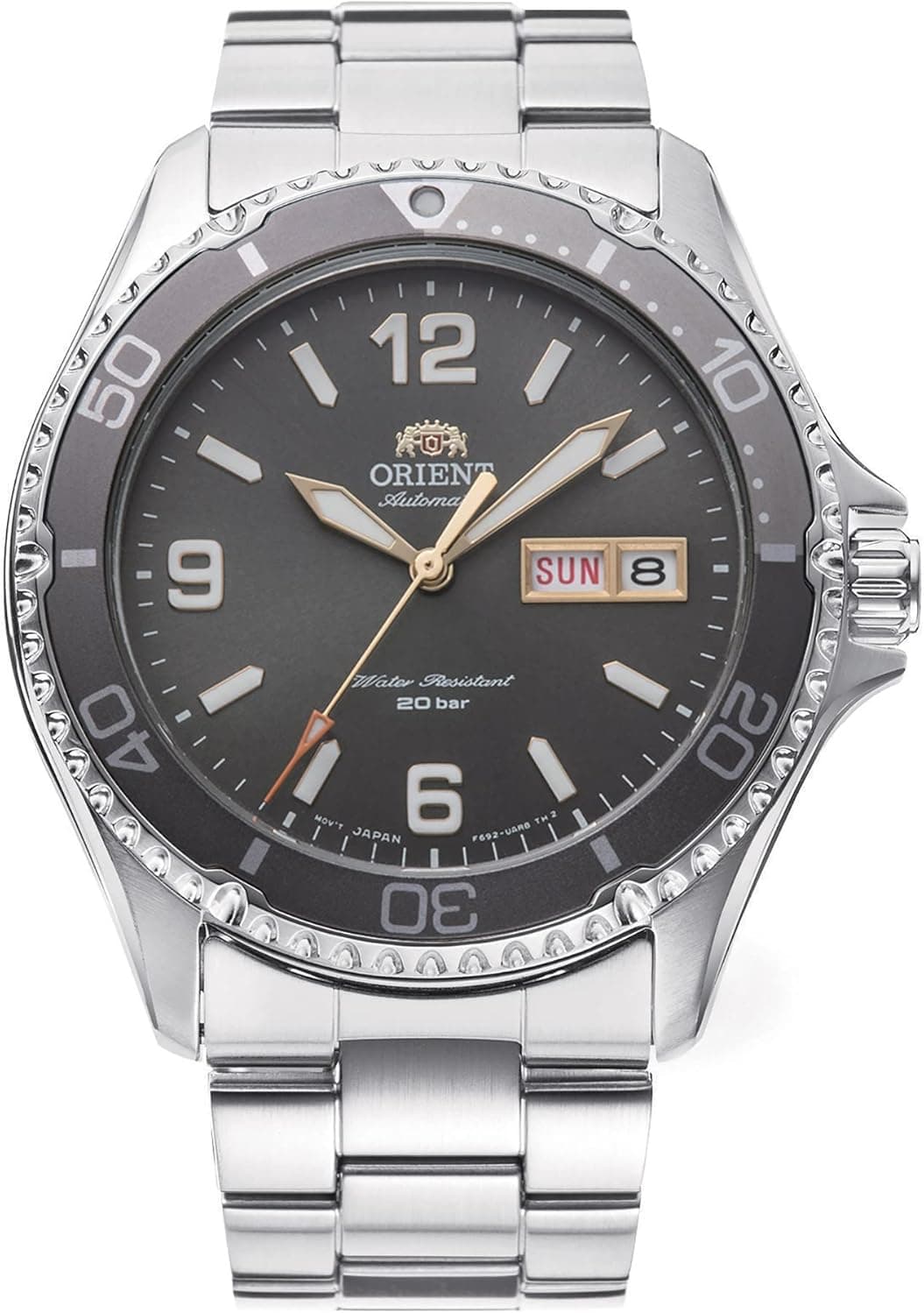
Orient Kamasu, the sapphire-glass sibling
The Kamasu is really a member of the Mako family, but it arrives with one important upgrade: far more scratch-resistant sapphire glass, and usually better lume. The same F6922 calibre, the same genuine 200 metres, around $283. If you are going to wear it daily and knock it about, the few extra dollars for sapphire are the most sensible money you can spend over the long run.
Orient Kamasu RA-AA0001B19B, 42mm, Black Dial, Grey Stainless Steel Bracelet
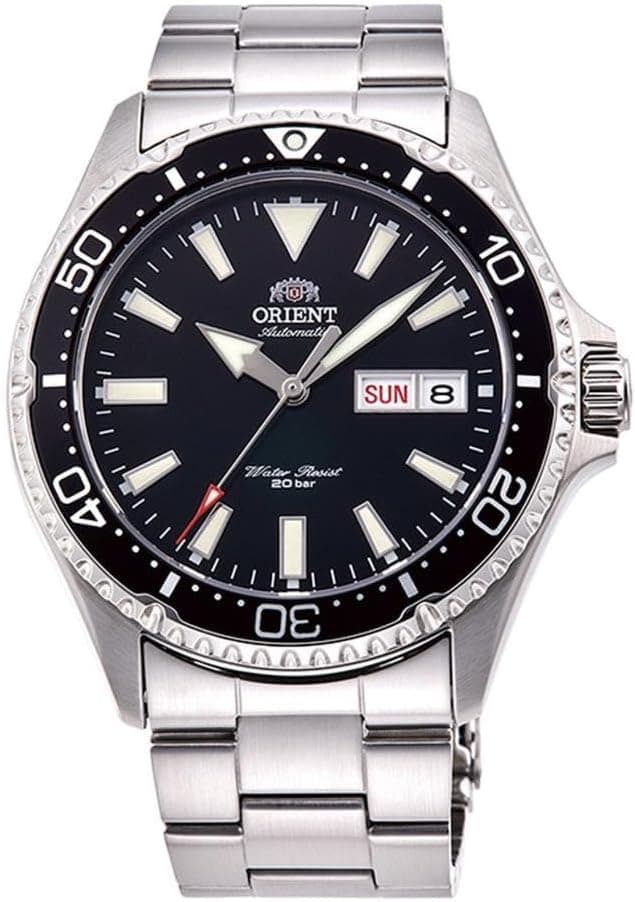
View productOrient Ray II, the classic silhouette
The Ray is the plainer, dot-index sibling of the Mako. The same automatic calibre family, 41.5 mm, a genuine 200 metres, around $269. It is the right choice if you find the Mako's sharp indices a bit much and want a more classic diver's face.
Orient Ray II TAA02005D9, 42mm, Blue Dial, Silver Stainless Steel Bracelet
View productOrient Mako 40, for slimmer wrists
The 39 mm version of the Mako. For anyone who finds 41 to 42 mm too big, it is the same 200-metre diver in a smaller, more comfortable case, around $260. It is one of the rare options that solves the problem of dive watches not sitting well on a slim wrist.
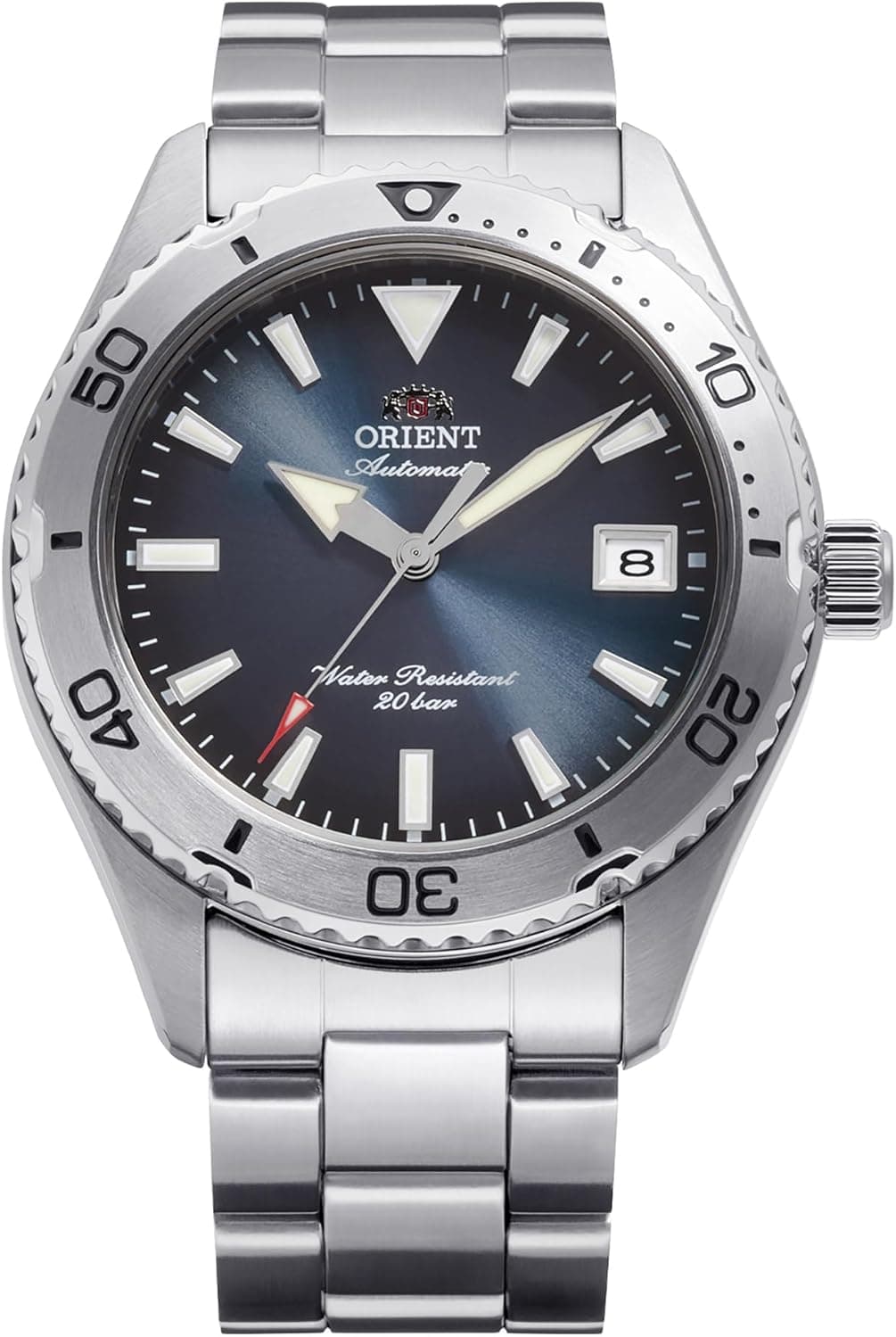
Orient Mako 40 RA-AC0Q14L, 40mm, Blue Dial, Silver Stainless Steel Bracelet
View productSeiko Prospex, the step up to true ISO class
Look here if you want to move up a level. The Prospex is Seiko's serious dive line; for around $450 you get a fully credentialled 200 metres, tighter tolerances and Seiko's renowned LumiBrite glow. The Orients lead on value, but the Prospex edges ahead on night legibility and dive-class finish. If you are genuinely going to dive, or you simply want the best lume, the extra outlay is worth it here.
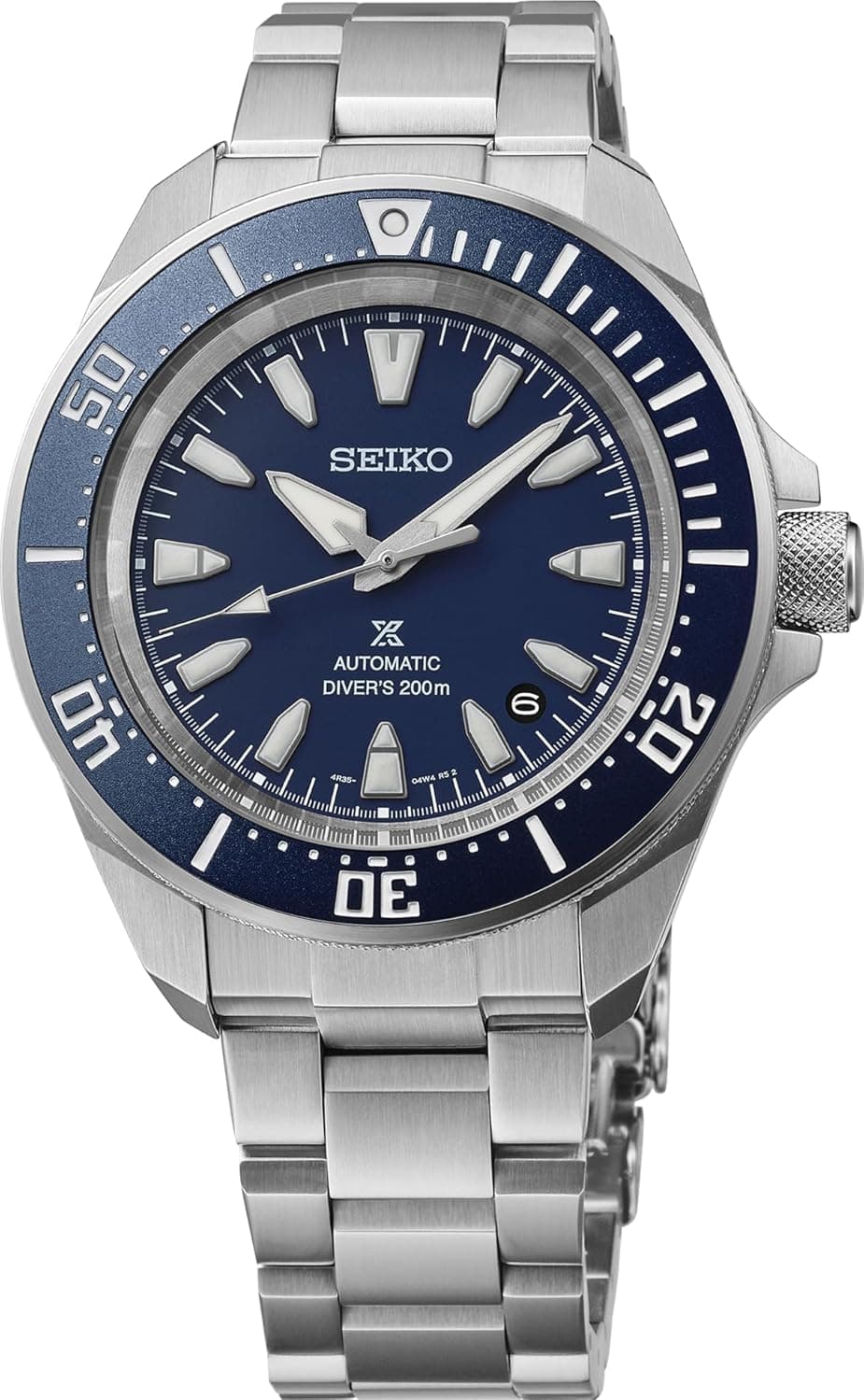
Seiko Prospex SRPL51, Blue Dial, Silver Stainless Steel Bracelet
View productCasio tough-solar, the unbreakable choice
If you do not want a mechanical movement, and you want a watch you can soak, take into the field and never give a second thought, Casio's square tough-solar model steps in. It charges by light, so there are no battery changes, sets itself by radio signal, takes 200 metres and is effectively unbreakable. Around $129. It will not give you the looks you expect from a diver, but it gives you absolute reliability.
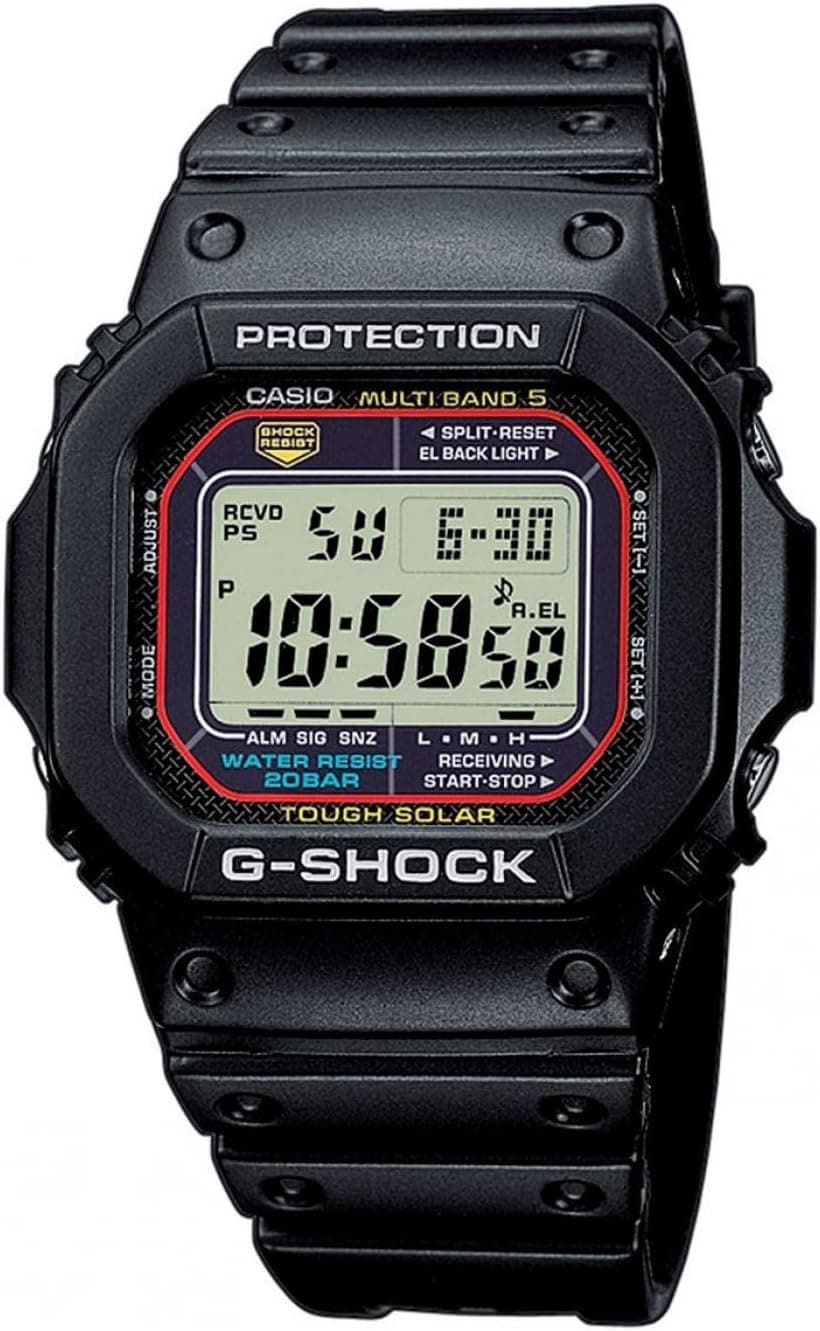
Casio GWM5610U-1ER, 43mm, Black Dial, Black Plastic Strap
View productAt a glance
| Model | Movement | Case | Glass | Water resistance | Price (2026, ~) |
|---|---|---|---|---|---|
| Orient Mako-3 | Automatic F6922 | 41.8 mm | Mineral | 200 m | $258 |
| Orient Kamasu | Automatic F6922 | 42 mm | Sapphire | 200 m | $283 |
| Orient Ray II | Automatic F6922 | 41.5 mm | Mineral | 200 m | $269 |
| Orient Mako 40 | Automatic F6922 | 39 mm | Mineral | 200 m | $260 |
| Seiko Prospex | Automatic | Diver | Hard mineral | 200 m | $450 |
| Casio tough-solar | Solar quartz | 35 mm | Mineral | 200 m | $129 |
Prices are as of June 2026 and can change; check the product page for the current figure.
Mechanical or tough quartz
The choice really comes down to what you want from the watch. An automatic diver (Orient, Seiko) gives you the pleasure of winding and a mechanical connection; in return you accept a few seconds of drift a day and a service every few years. Casio tough-solar means zero maintenance and zero worry: no battery, no setting, nothing to break. If you are after the mechanical feel, start with Orient; if you want to use it like a tool and forget about it, the Casio will not let you down.
Care, what a dive watch needs
Unless you are buying a diver only to wear in the shower, the guaranteed water resistance depends on the integrity of the seals, and seals tire over time. If you are genuinely going to dive, have a periodic pressure (water resistance) test done; for swimming and everyday wear alone, you can go years without worrying. Make sure the crown is always screwed down and closed, because going into the water with an open crown is the most common mistake people make with these watches.
Which one should you buy
| Need | Watch |
|---|---|
| Best mechanical value | Orient Mako-3 |
| Sapphire glass, everyday durability | Orient Kamasu |
| Classic diver's face | Orient Ray II |
| Slimmer wrist | Orient Mako 40 |
| True ISO class, best lume | Seiko Prospex |
| Zero maintenance, unbreakable | Casio tough-solar |
Every one of these is a genuine 200-metre diver, and every one is a right answer. The only wrong move is to mistake a 30-metre watch for a diver and take it into the water.
Watches we recommend
Frequently asked questions
Will a dive watch under $500 really hold up in water?
Yes. Every watch on this list is a genuine 200-metre diver with a screw-down crown. Do not confuse them with models that look like divers but rate only 30 to 50 metres; the number and the screw-down crown make the difference. For real diving, do not skip periodic testing of the seals.
Should I buy the Orient Mako or the Seiko Prospex?
If you want value and an in-house automatic calibre, choose the Orient Mako-3 (around $258). If you want a tighter dive class, better lume and a step up in finish, choose the Seiko Prospex (around $450). Both are genuine 200 metres; the difference comes down to your expectations and budget.
Should I choose mineral glass or sapphire glass?
Sapphire glass (Orient Kamasu) is far more scratch-resistant and pays off over the long run if the watch takes daily knocks. Mineral glass (Mako-3, Ray II) is cheaper but can scratch over time. The few dollars between them are usually worth spending on sapphire.
An automatic diver or a quartz one like the Casio?
If you want the mechanical feel and the pleasure of winding, go automatic (Orient, Seiko); a few seconds of drift a day and a service every few years are normal. If you want zero maintenance, no battery changes and absolute durability, choose the Casio tough-solar. They answer two different needs.
Which dive watch suits a slimmer wrist?
The 39 mm Orient Mako 40 is the best choice for a slimmer wrist; it gives you the same genuine 200-metre diver in a smaller, more comfortable case. Look at the lug-to-lug distance rather than the diameter, as that measurement should not overhang the flat part of your wrist.
Can I swim and shower with these watches?
200 metres of water resistance is more than enough for swimming, snorkelling and free diving. Watchmakers do not recommend the shower, because hot water and soap can wear the seals over time. Before you get in the water, make sure the crown is screwed down and closed.

About the author
Serdar D.Watch Editor
View profileSerdar D. is the editor at BraveryWatch. He believes a good watch should be not just expensive but right. He gets deep into the details, then turns them into something that is genuinely a pleasure to read. He gives relaxed, useful advice through the eyes of someone who truly cares about watches.