Why Your Automatic Watch Runs Fast or Slow
 Serdar D.Watch Editor
An automatic watch gaining or losing a few seconds a day is expected behaviour, not a fault. If you expect quartz-grade timekeeping you will be disappointed. The most common reason a deviation suddenly grows is magnetism, and the second is which position your watch rests in overnight.
Key takeaways
- A deviation of -10 to +20 seconds a day is normal for an automatic, so do not expect quartz precision.
- The most common cause of a sudden large deviation is magnetism, fixed in seconds by demagnetizing.
- Which position the watch rests in overnight changes the daily rate noticeably, so use it as a free tune.
- If it is not magnetism or position, take it to a watchmaker for regulation.
- A deviation that keeps growing, a short reserve, or a sudden loss after a knock all point to a full service.
What normal accuracy actually means
It is unfair to ask a mechanical heart to keep pace with a quartz one. An automatic watch keeps time with a balance and hairspring, an oscillator that is sensitive to temperature, position, and how fully the mainspring is wound.
For a modern automatic worn daily, a reasonable range looks like this:
- -10 to +20 seconds a day is typical for most Japanese and entry Swiss calibers
- -4 to +6 seconds a day is the target for a COSC chronometer
- A deviation that keeps growing in one direction and passes 30 seconds a day is a sign of trouble
The only honest way to track it is to compare against a reference at the same time of day across several days. A single day tells you almost nothing about real accuracy deviation.
The most common cause is magnetism
If your watch was fine yesterday and is suddenly gaining a minute a day, the first suspect is almost always magnetism. When the steel hairspring meets a magnetic field its coils cling together, the effective length shortens, and the watch speeds up.
The danger sits close to hand: speakers, laptop lids, the magnetic flaps on tablet cases, and fridge magnets. Unless a watch is marked antimagnetic, those fields will reach it.
The fix is easy. An inexpensive demagnetizing tool resets the watch in seconds, and many watchmakers will do it for free or for a token charge.
Positions and rest
Once magnetism is ruled out, position is the next variable. The balance wheel swings at slightly different rates flat versus upright, so a watch can run fast dial up and slow crown down.
You can turn this to your advantage. If your watch loses four seconds a day on the wrist, try resting it overnight in a few different positions and keep the one that best corrects the morning reading. It is a zero-cost tune.
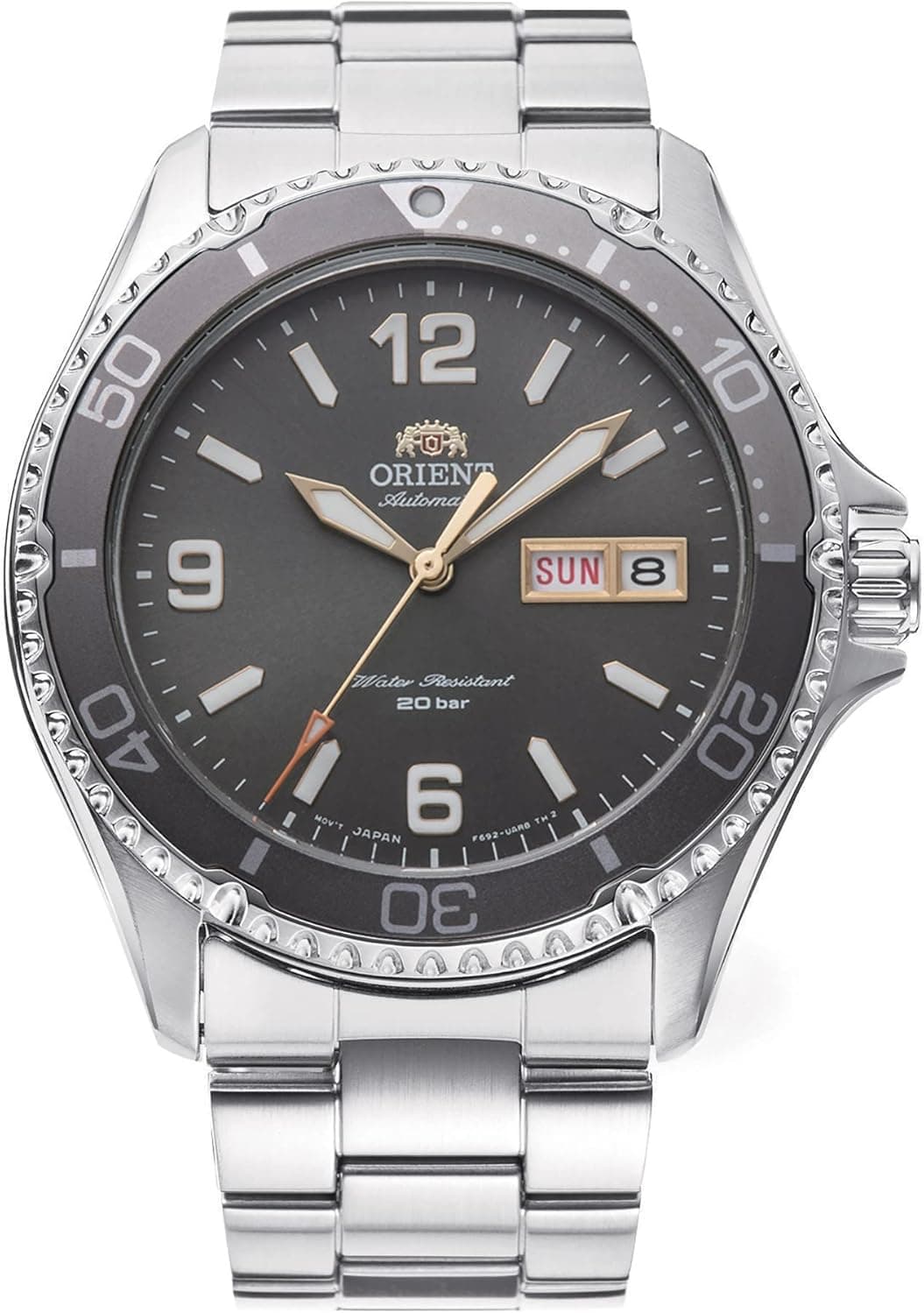
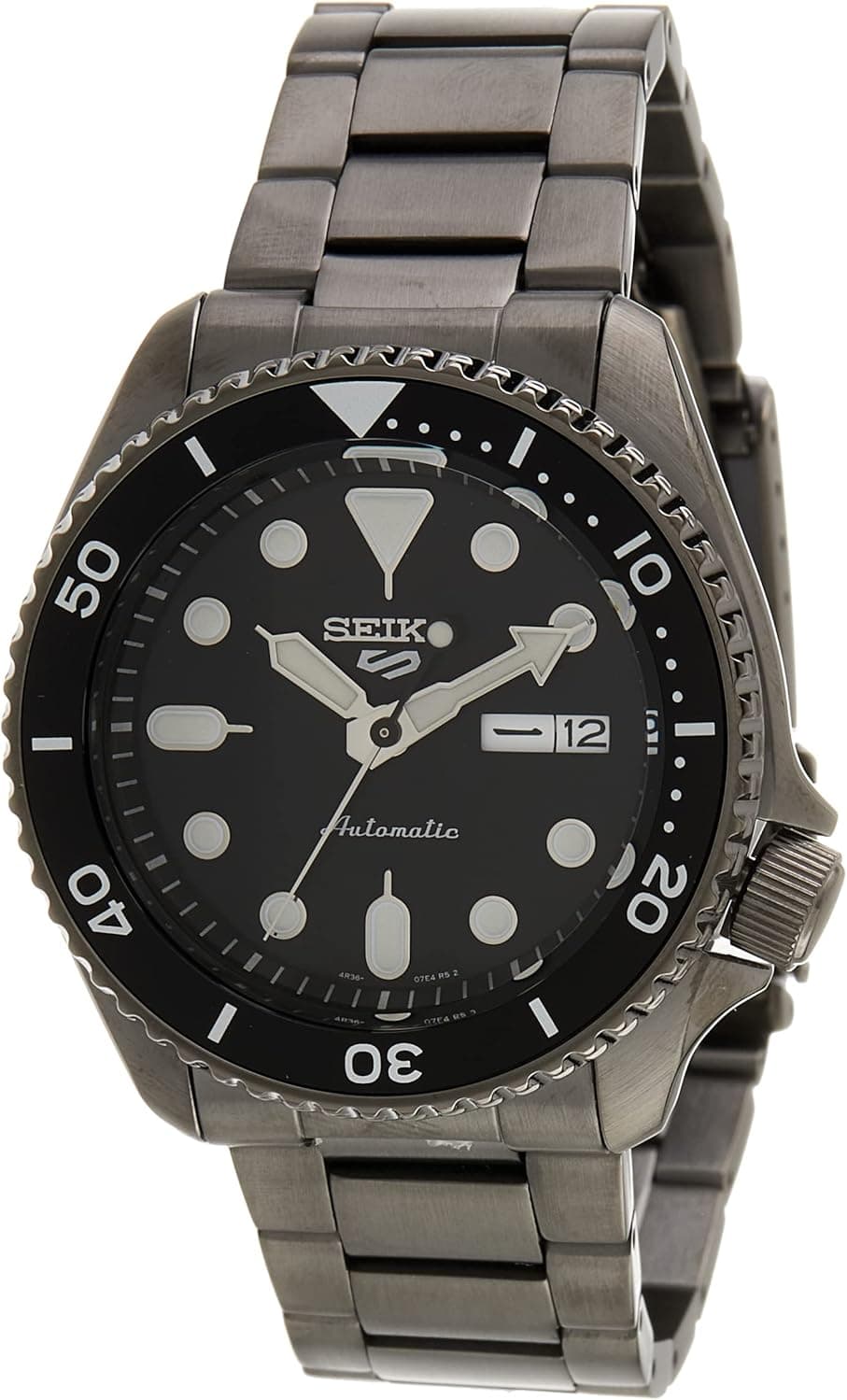
Sturdy Japanese automatics like the Seiko 5 Sports and the Orient Mako 3 are ideal for this kind of experiment, because their movements are forgiving and built to be worn hard.
When regulation is needed
If there is no magnetism and position tricks will not pull the deviation into an acceptable band, the next step is regulation. A watchmaker moves the regulator arm on the balance to adjust the effective hairspring length and correct the daily rate. It is a routine job of a few minutes, usually done alongside a service.
When to take it in for service
These symptoms will not resolve at home:
- The deviation keeps growing day over day and demagnetizing does nothing
- The watch gives a short power reserve despite being fully wound
- There is a sudden loss of accuracy after a drop or knock
At that point you are looking at a full service to refresh the oils. If you are still learning how the automatic works, my guides to watches for beginners and the best Japanese watches are a good place to start.
Specifications
| Specification | Value |
|---|---|
| Normal daily deviation | -10 to +20 seconds |
| Chronometer target | -4 to +6 seconds |
| Most common cause | Magnetism |
| Service signal | Steadily growing deviation |
Pros
- Most issues can be diagnosed at home for free or very little
- Magnetism reverses with a few seconds of demagnetizing
- The position test is a real tune that needs no tools
- Forgiving calibers like the Seiko 5 Sports and Orient Mako 3 are ideal to experiment on
Cons
- An automatic will never reach quartz precision
- Accurate measurement requires patient comparison over days
- Regulation and service need a competent watchmaker
- Magnetism can recur daily unless you keep the watch away from the source
Verdict
Demagnetize first, then try the overnight position, and if neither fixes it take it in for regulation. If you want a forgiving caliber to learn this on, the sturdy and daily-wearable Seiko 5 Sports is the safest place to start.
Watches we recommend
Frequently asked questions
Is it normal for my automatic watch to gain 15 seconds a day?
Yes, -10 to +20 seconds a day is normal for most Japanese and entry Swiss calibers. If the deviation grew suddenly, demagnetize the watch first, because magnetism is the most likely cause.
Why did my watch get magnetized and how do I fix it?
Everyday magnetic fields from speakers, laptop lids, tablet cases, or fridge magnets affect the hairspring. The fix is simple: an inexpensive demagnetizing tool or a watchmaker resets the watch in seconds.
When should I take my watch in for service?
If the deviation keeps growing daily despite demagnetizing, the watch gives a short power reserve when fully wound, or you see a sudden loss of accuracy after a knock, take it in for a full service to refresh the oils.

About the author
Serdar D.Watch Editor
View profileSerdar D. is the editor at BraveryWatch. He believes a good watch should be not just expensive but right. He gets deep into the details, then turns them into something that is genuinely a pleasure to read. He gives relaxed, useful advice through the eyes of someone who truly cares about watches.