How to Use a Dive Watch Bezel
 Serdar D.Watch Editor
To use the rotating bezel, line the zero marker up with the tip of the minute hand, then read elapsed minutes straight off the bezel as the hand sweeps past the numbers. Because the bezel only turns one way, an accidental knock makes it show more elapsed time than has really passed, so you surface early rather than overstay your planned bottom time. It also helps with parking and cooking.
Key takeaways
- Align the zero marker to the tip of the minute hand, not the hour hand.
- Read elapsed minutes straight off the bezel as the minute hand sweeps the numbers.
- A unidirectional bezel only turns anticlockwise, so an accidental knock makes it show more elapsed time, never less.
- The same tool works for parking, cooking and timing breaks.
What the rotating bezel is actually for
A dive watch bezel is not decoration. It is a simple elapsed-time counter. Around its edge you get a 60-minute scale, denser markings across the first fifteen minutes, and a triangle or pip that stands for zero. The whole idea fits in one sentence: you align that zero with the minute hand, then read how many minutes have passed as the hand sweeps over the numbers. That makes the rotating bezel the most-used yet least-understood part of a dive watch.
Most people instinctively read it against the hour hand. Timing is done with the minute hand, because you want to follow a 60-minute window minute by minute.
Step by step
- Align zero. Turn the bezel until the triangle marker sits on the tip of the minute hand. That is your start point.
- Watch the hand. As the minute hand moves, it sweeps across the bezel numbers. Whatever number the hand points to is the total elapsed minutes.
- Read it straight off. When the hand reaches the bezel's 20, exactly twenty minutes have passed. No mental arithmetic.
- Reset when done. For a fresh timing, simply turn the bezel back to zero.
The whole action is silent, battery-free and one-handed. It beats hunting for the two pushers on a chronograph.
Why it only turns one way
A proper dive bezel turns anticlockwise only, clicking as it goes. That is a unidirectional bezel, and it is a deliberate safety choice. If you knock the bezel underwater, the ring can only shift towards showing more elapsed time. In other words, the watch tells you that more time has passed than really has, so you surface early rather than overstay your planned bottom time. A bezel that turned both ways could be nudged into granting a diver dangerous extra minutes.
Think of this alongside water resistance. Both are what make a dive watch a tool rather than jewellery. If you want to go deeper, read the water resistance guide.
Everyday uses beyond diving
I use the bezel constantly without ever getting wet. A few examples:
- Parking. I set zero when I feed a two-hour meter; when the hand hits 60 I know one hour is gone.
- Cooking and brewing. Timing pasta or steeping tea happens without touching a phone. A three-minute brew reads right off the bezel's opening markers.
- Meetings and breaks. Tracking a fifteen-minute break is a single glance.
That practicality is a big reason a bezel watch stays in rotation for years.
Which watch to learn on
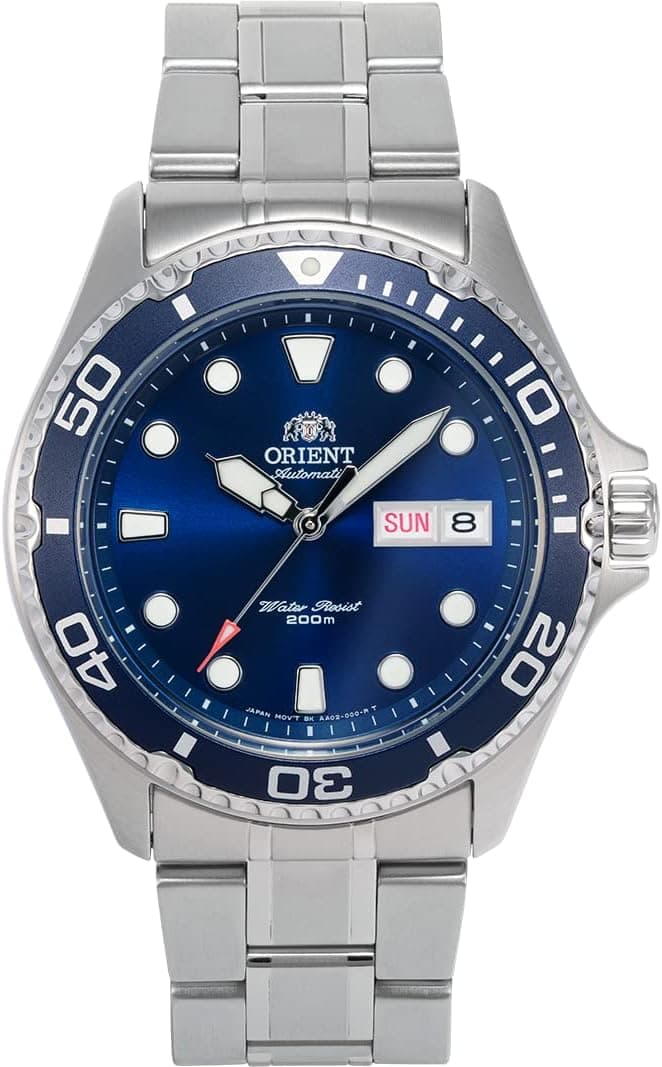
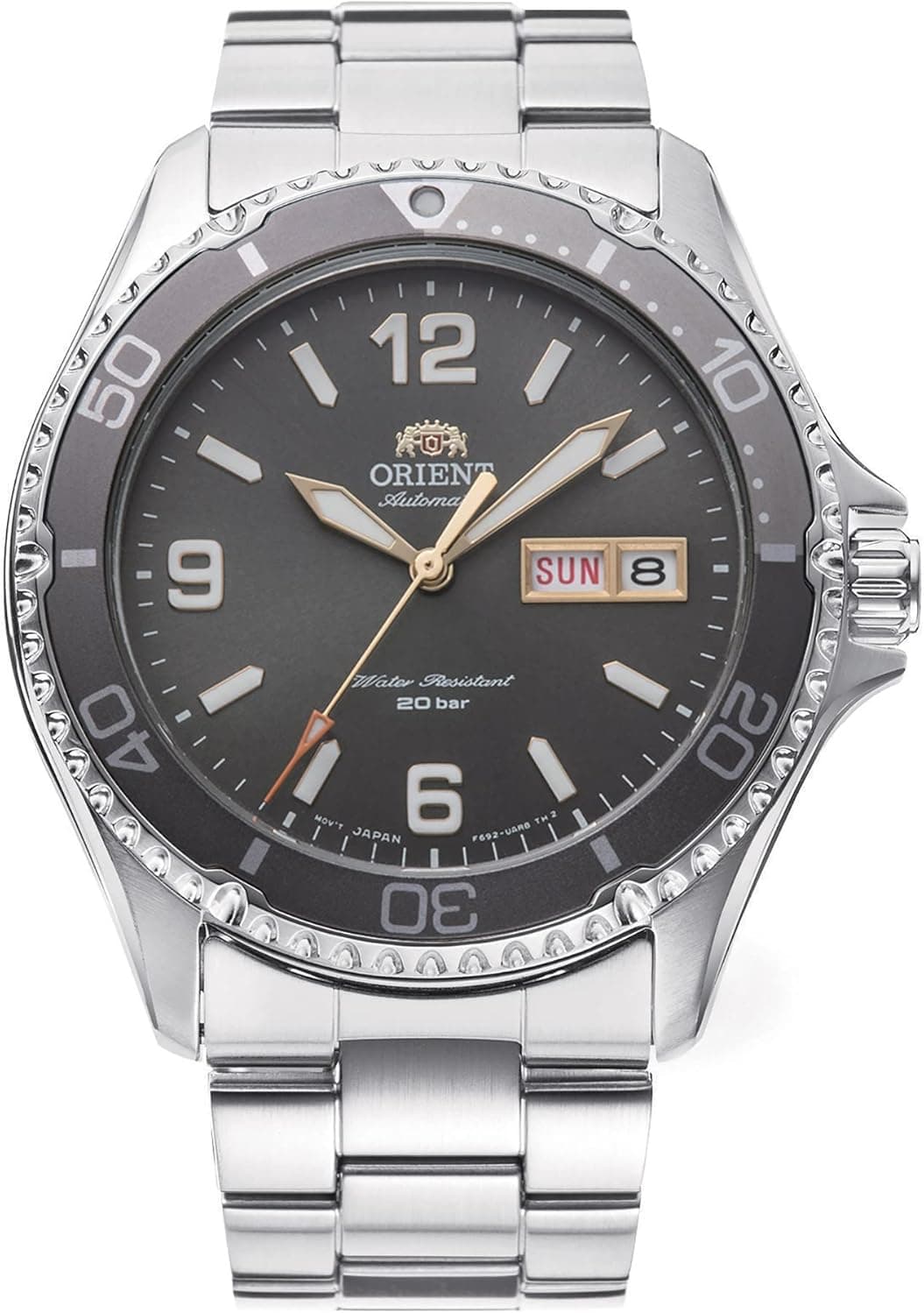
To learn the move you want a solid, genuine rotating bezel. The Orient Mako 3 is a classic starting point, with clear numerals, a clicking one-way bezel and a sapphire crystal. If you prefer a bolder dial and a different handset, the Orient Kamasu shares the same case and the same sapphire crystal, with larger indices and an arrow-style hour hand. For slimmer wrists, the Orient Mako 40 is a very legible alternative.
To see all three next to other options, browse the best dive watches under £500 or read the full Orient Mako 3 review.
Specifications
| Specification | Value |
|---|---|
| Bezel type | Unidirectional rotating |
| Scale | 60-minute elapsed time |
| Alignment reference | Tip of the minute hand |
| Power | None, mechanical ring |
Pros
- A simple elapsed-time counter that is battery-free, silent and one-handed.
- The one-way design errs on the safe side if knocked.
- Everyday utility for parking, cooking and breaks, not just diving.
- Takes seconds to learn, then becomes reflex.
Cons
- Only counts up to 60 minutes.
- A loose or shallow-clicking bezel can shift accidentally.
- No memory, so you must look at the watch to reset zero.
- Reading against the hour hand instead of the minute hand is a common beginner mistake.
Verdict
The rotating bezel is one of the easiest yet most useful watch functions to learn: align zero to the minute hand, read the elapsed minutes, and let the one-way design handle safety. For practice, the Orient Mako 3 is an ideal starter with its clear numerals and clicking bezel.
Watches we recommend
Frequently asked questions
Do you read a dive watch bezel against the hour hand or the minute hand?
Against the minute hand. You align the zero marker to the tip of the minute hand, and as the hand sweeps over the bezel numbers, the figure it points to is the total elapsed minutes. The hour hand is not used for timing.
Why does a dive watch bezel only turn one way?
For safety. Because a unidirectional bezel only turns anticlockwise, an accidental knock underwater can only make it show more elapsed time. That way the watch tells you that more time has passed than really has, so you surface early rather than overstay your planned bottom time.
Can I use a dive watch bezel in everyday life without diving?
Yes. Since the bezel is just an elapsed-time counter, it is ideal for tracking parking time, cooking or brewing in the kitchen, and breaks. You set zero to the minute hand and read elapsed minutes at a glance.

About the author
Serdar D.Watch Editor
View profileSerdar D. is the editor at BraveryWatch. He believes a good watch should be not just expensive but right. He gets deep into the details, then turns them into something that is genuinely a pleasure to read. He gives relaxed, useful advice through the eyes of someone who truly cares about watches.