


SekondaBudget
Launched in 1966 by Time Products as the UK distributor name for Poljot watches; today producing Chinese quartz watches that hold the UK's best-selling watch brand position.
Sekonda is a British budget brand that has sold affordable watches since 1966. Owned by Time Products, it builds dependable Japanese quartz pieces, most under £100, aimed squarely at entry-level buyers.
Sekonda's story starts in London in 1966, when Alexander Margulies began importing watches made in the Soviet Union, at the First Moscow Watch Factory and the Petrodvorets factory in Leningrad, and rebranding them as Sekonda, the Russian word for second. The pitch was simple and honest: a reliable movement at a fair price, sold under the tagline 'Beware of expensive imitations.' By 1988 Sekonda was the best-selling watch brand in the UK. After the Soviet Union broke up, production shifted to Hong Kong from 1993 and the brand moved fully to quartz. Today Sekonda sits alongside Accurist under Time Products.
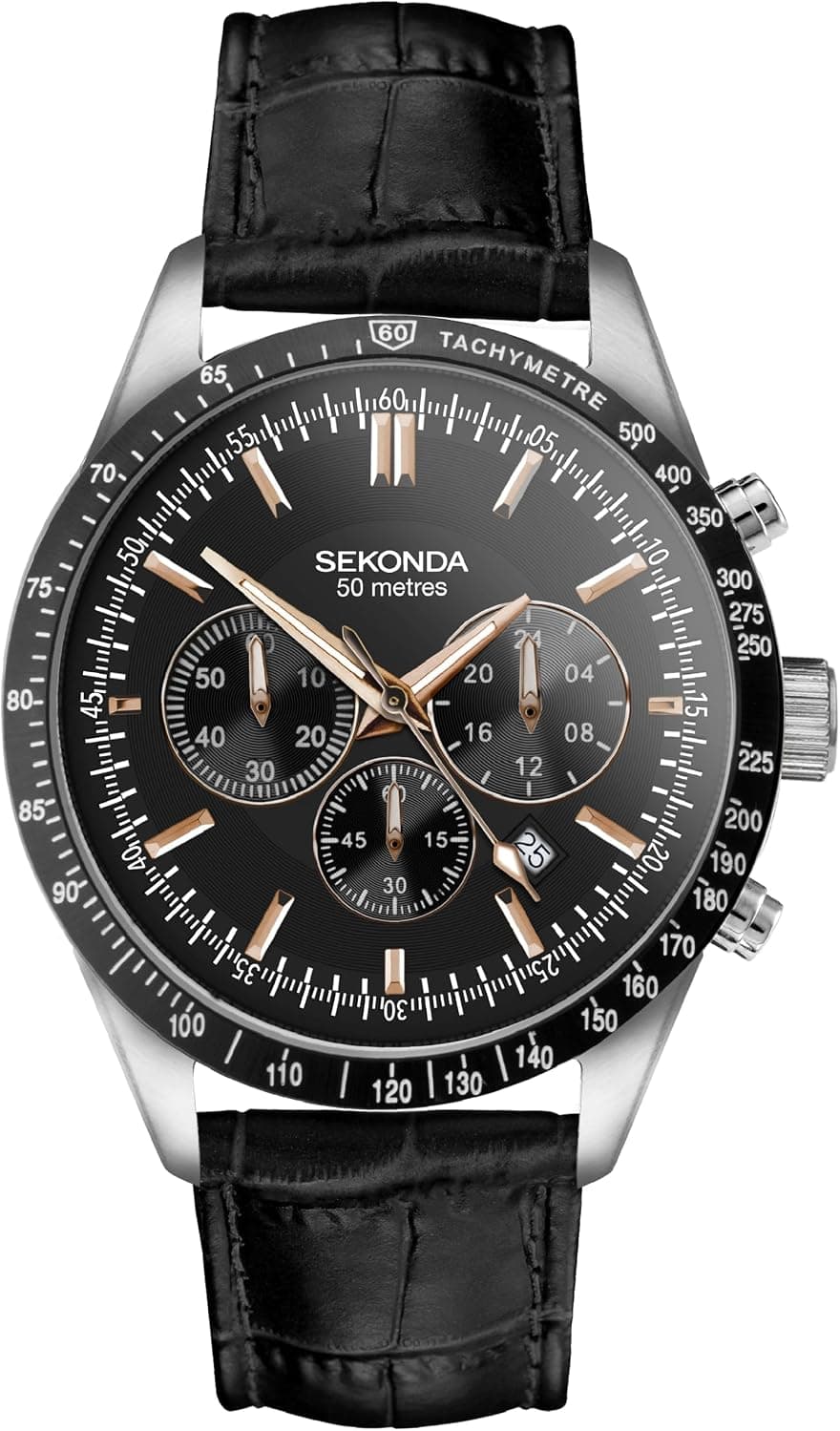
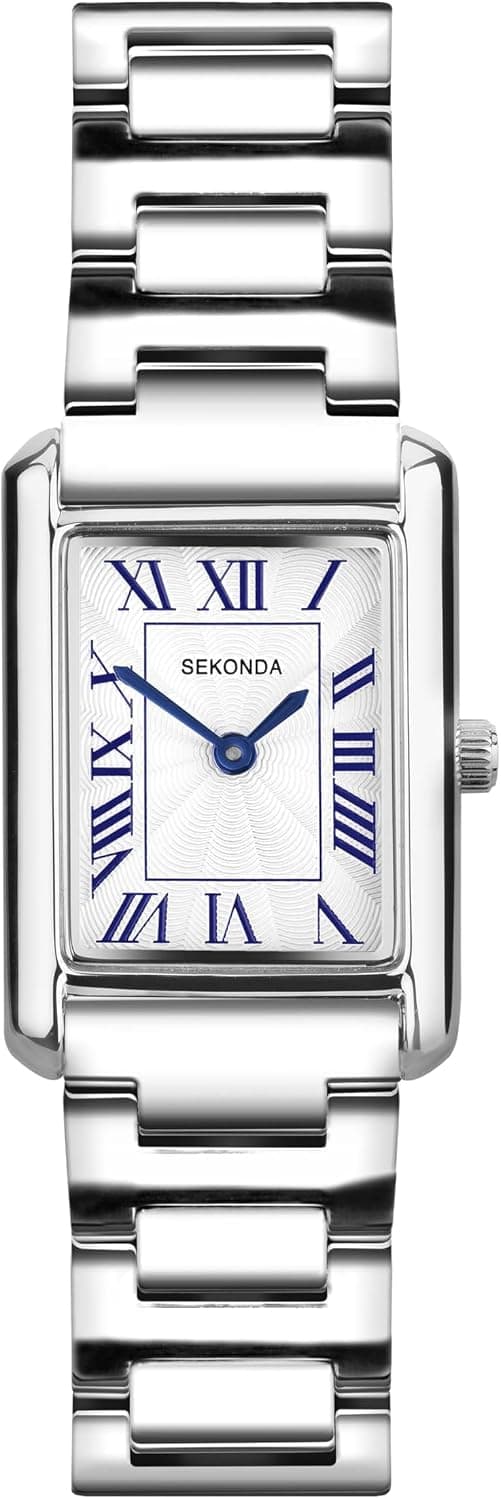
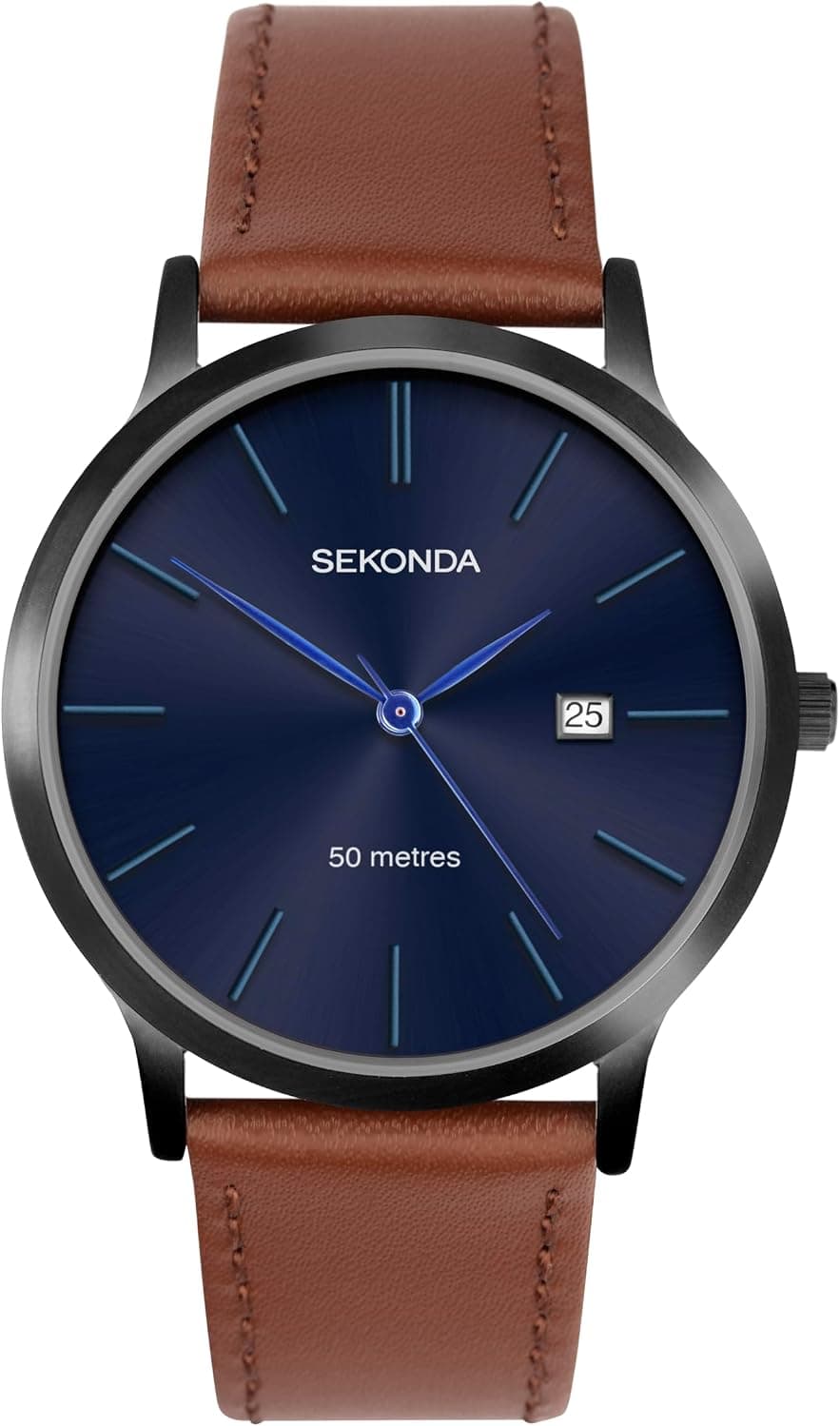
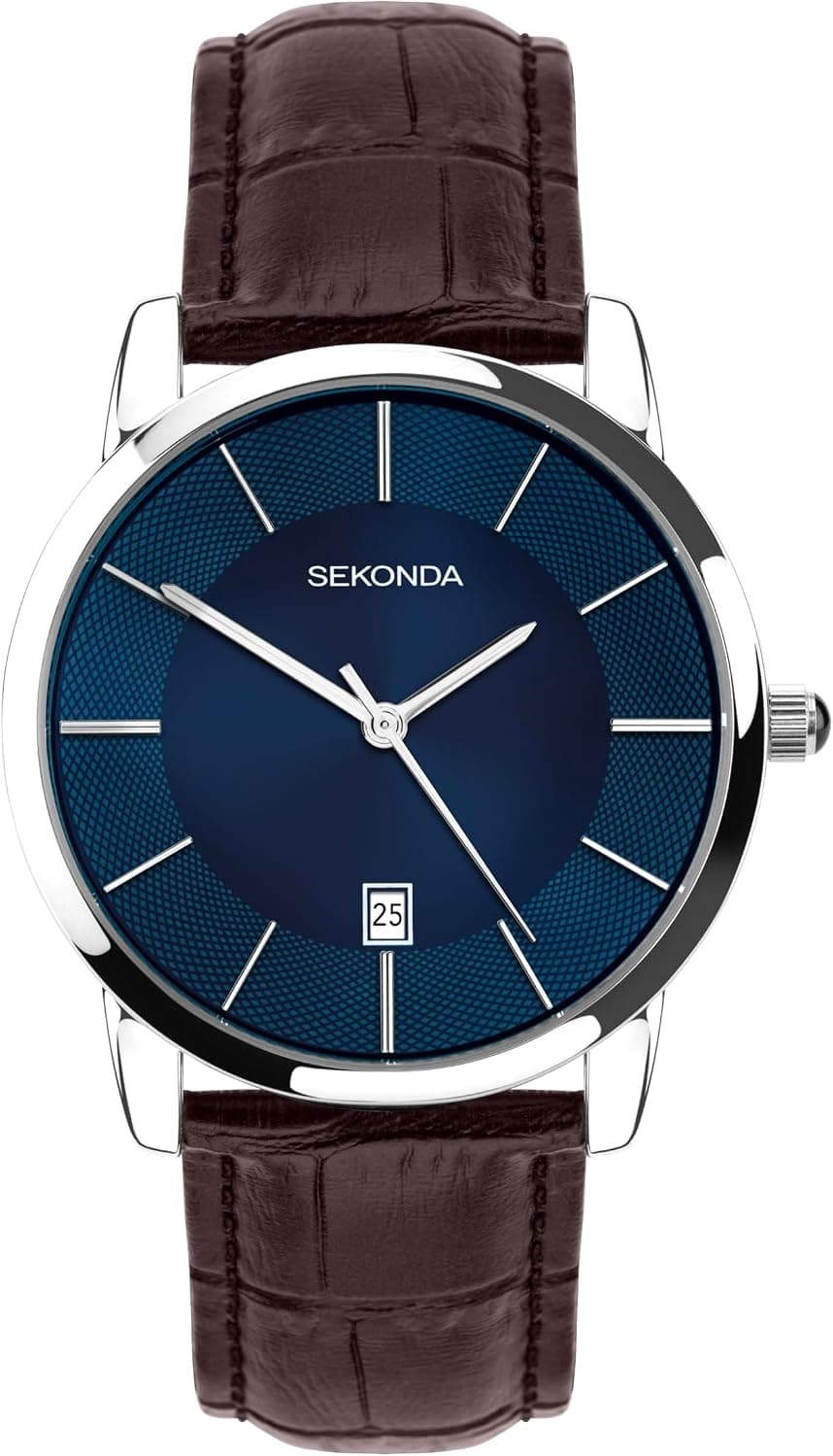
The collections tell you exactly what Sekonda is about: legible, unfussy, everyday watches. The Taylor line is the entry point, with prices starting around £27.99 and a typical model at about £54.99. The Armstrong moon phase comes in around £84.99, while the Archer chronograph (ref 30235), part of the Heritage range, lands at £79.99 with an ion-plated case, a sunray dial, a 24-hour readout and an interchangeable strap. The Velocity and Airborne chronographs top the range near £99.99, and the minimalist Nordic pieces (refs 1939, 30070) sit lower. Most run a Japanese Citizen-Miyota quartz movement, carry 50m of water resistance and a two-year guarantee.
Approached the right way, a Sekonda makes sense, provided you frame it honestly: this is a tool, not an investment. It will not hold value on the used market, and since the watches are cheap new, there is little reason to chase a second-hand one. When buying, check the obvious things: a clean-running quartz movement, the quality of the strap and clasp, and crisp dial printing. When the battery dies, any high-street jeweller can swap it, and a service almost always costs less than the watch itself.
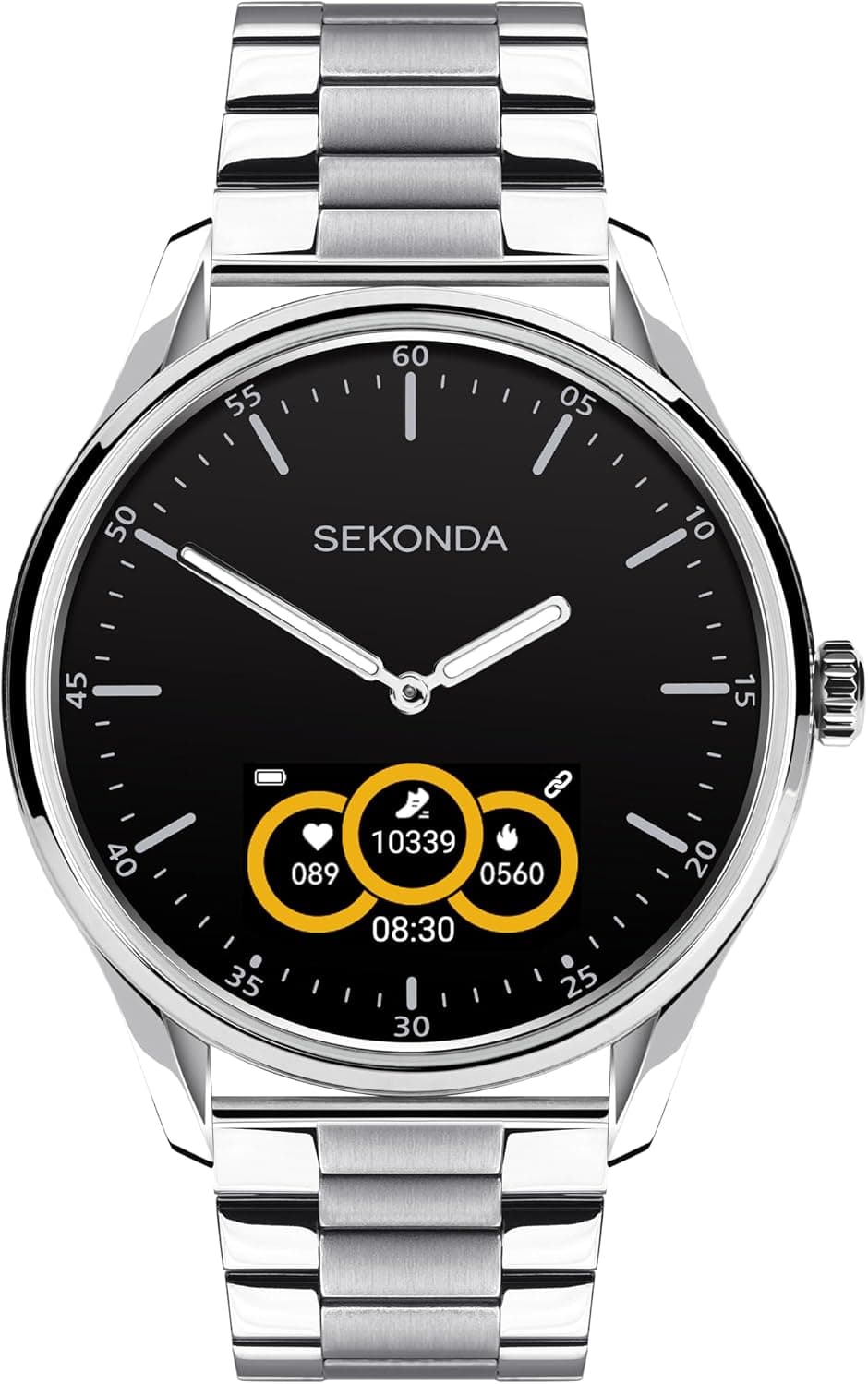
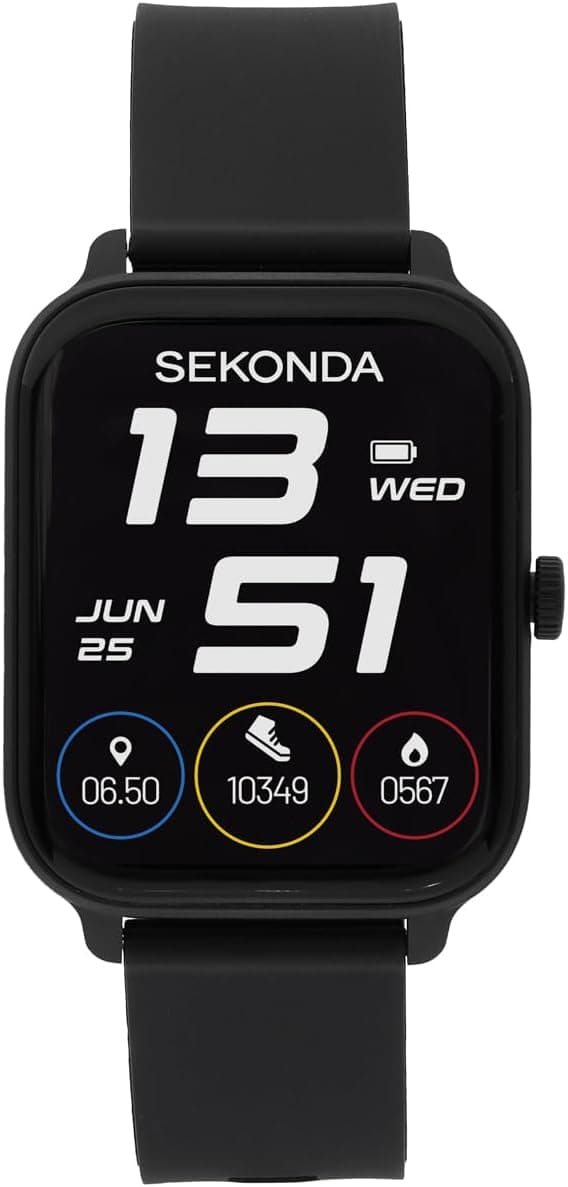
In the modern era Sekonda has stretched its quartz catalogue into smartwatches. The Active Plus (refs 30177, 30178) offers heart-rate tracking and phone notifications, is IP68 splash-resistant and runs up to ten days per charge, while the flagship Active Pro (ref 30239, around £119.99) adds built-in GPS and an AMOLED display for buyers who want basic health tracking without committing to the Apple or Samsung ecosystem. For a first watch, a sturdy piece for a child, or a tidy budget option under a suit cuff, Sekonda remains a sensible place to start.
Sekonda watches
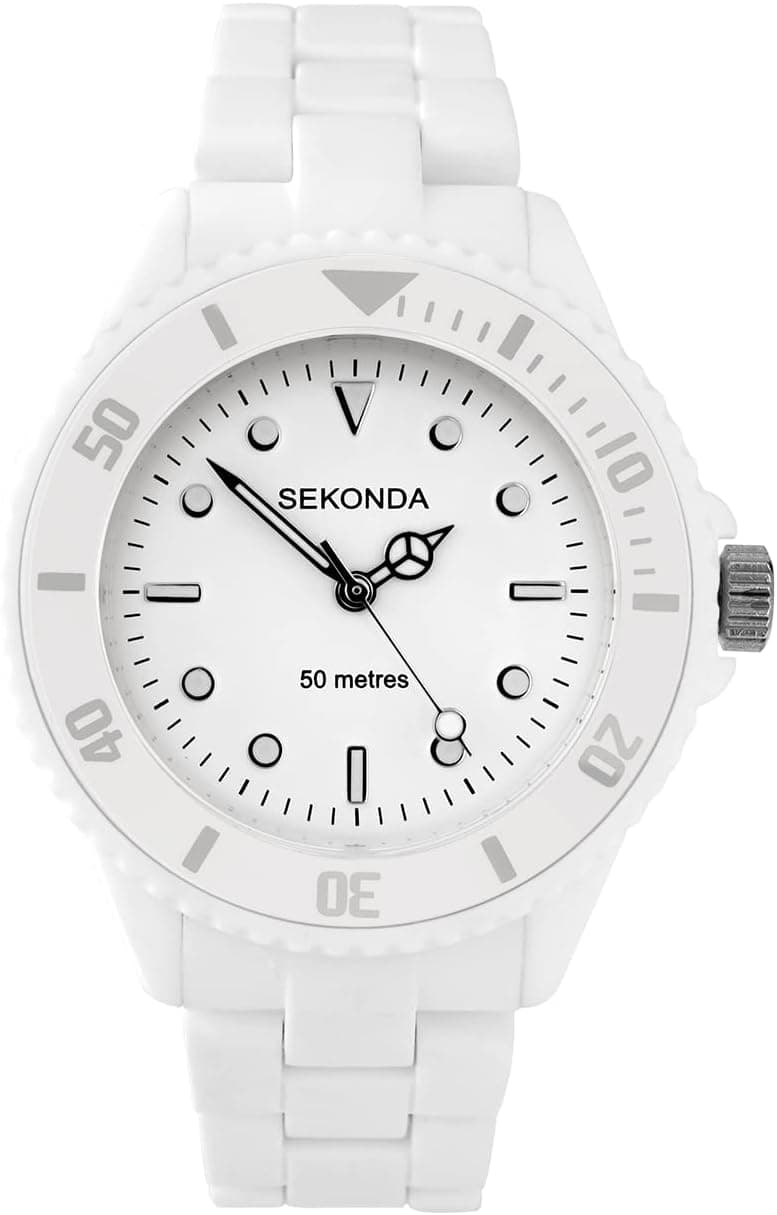


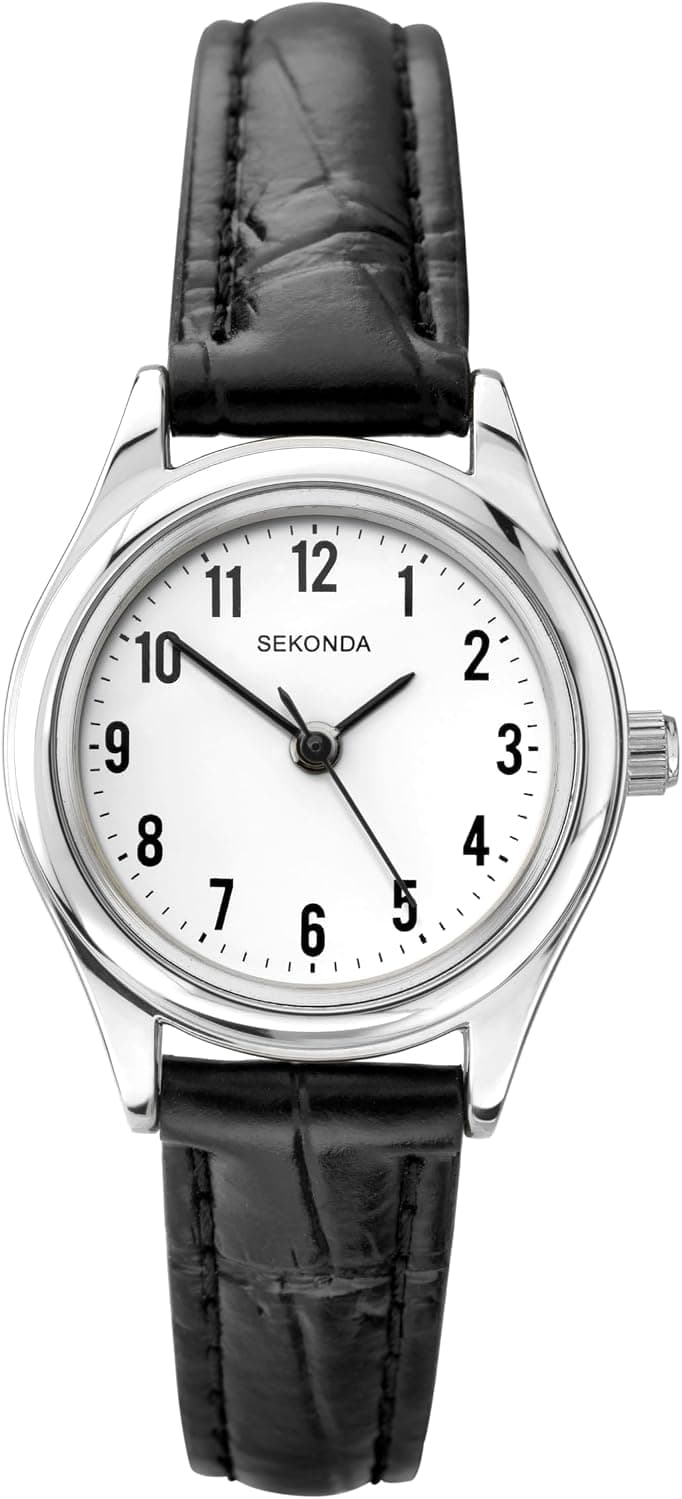
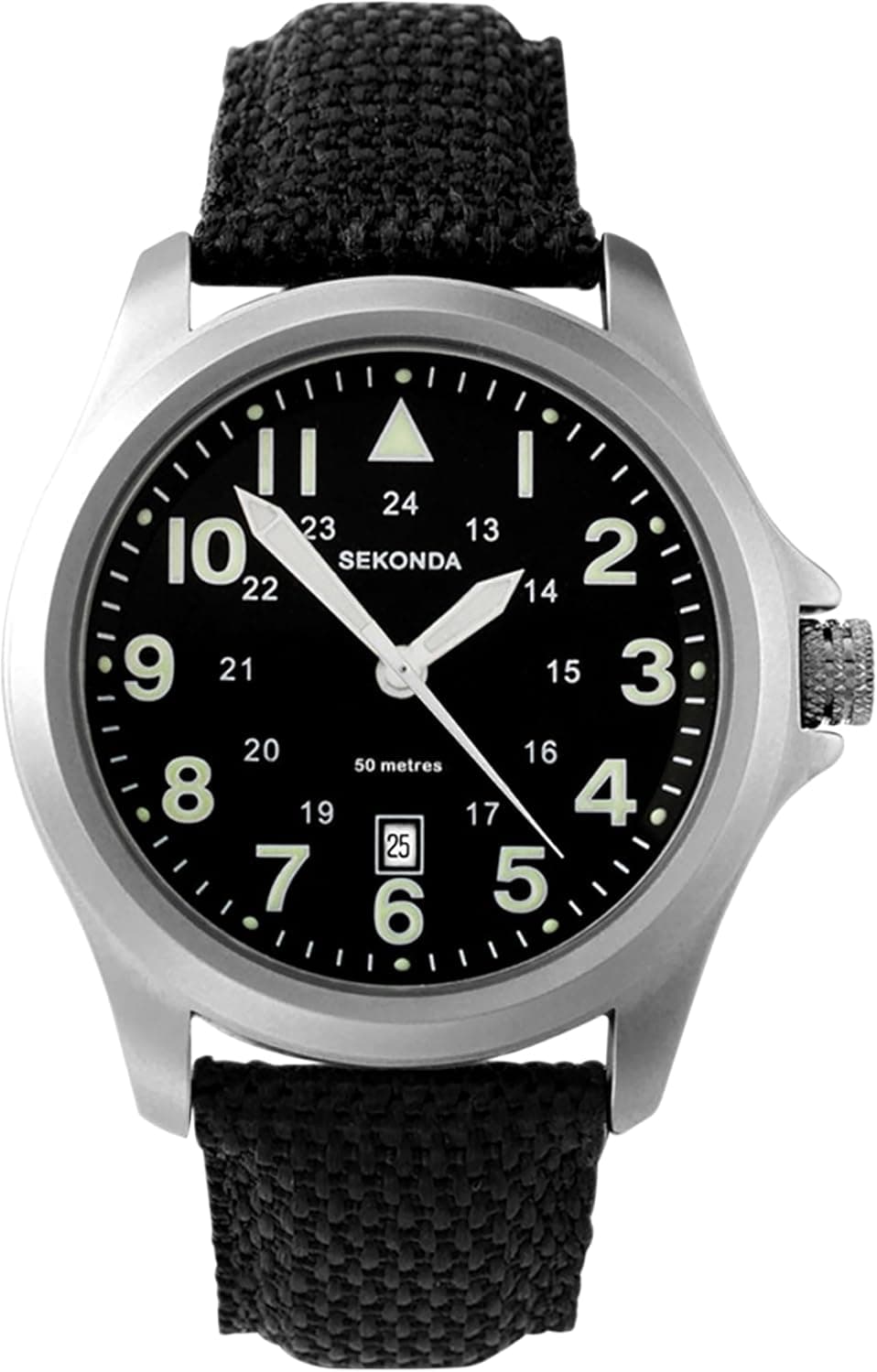
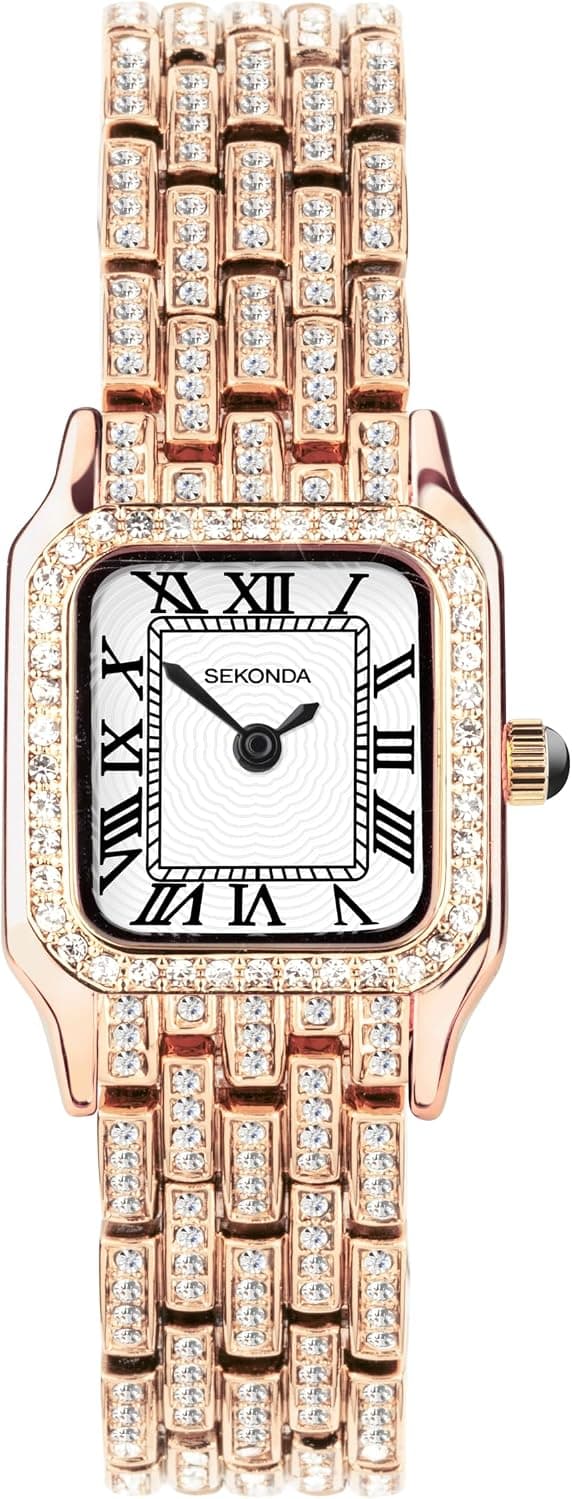
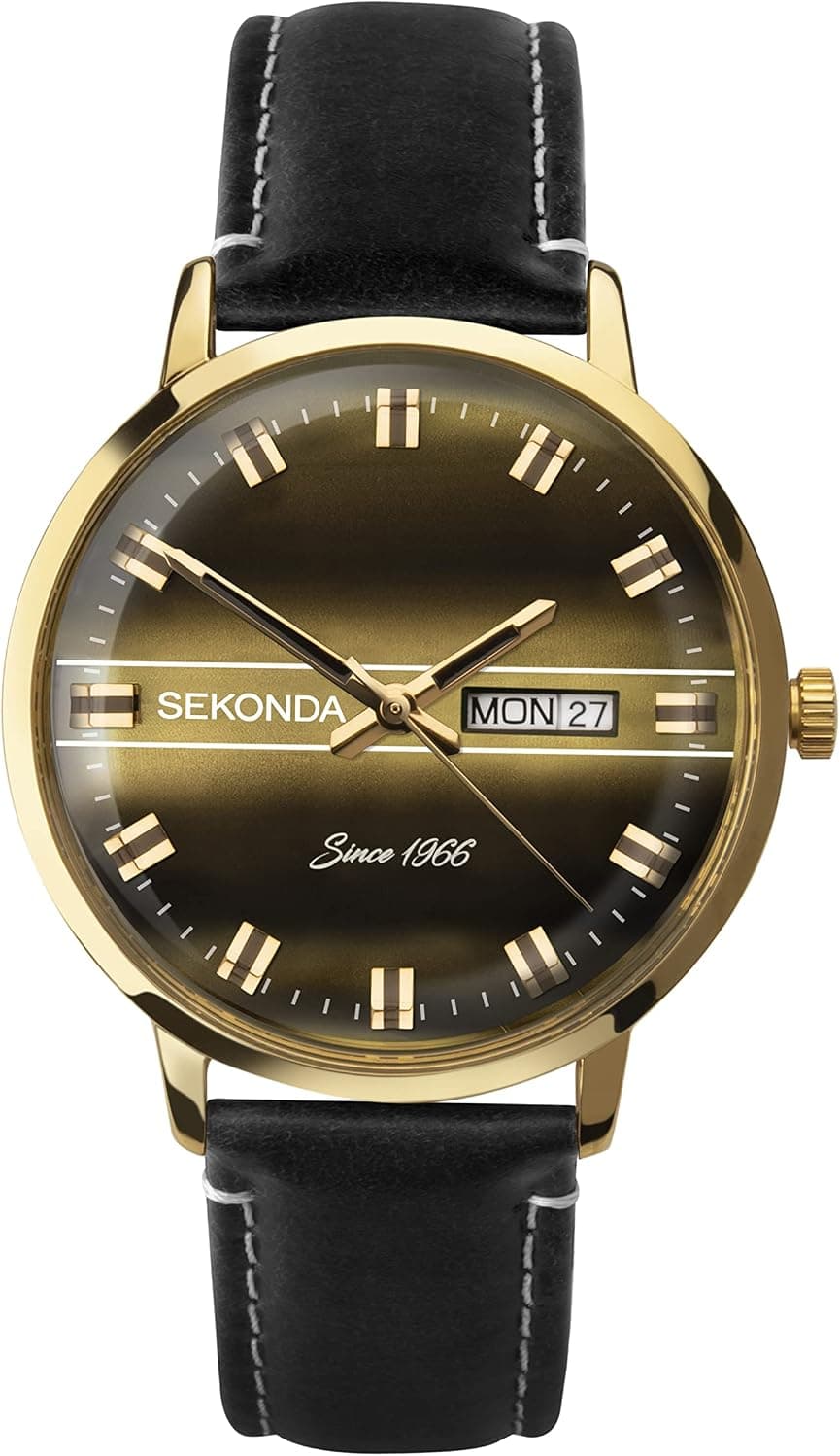
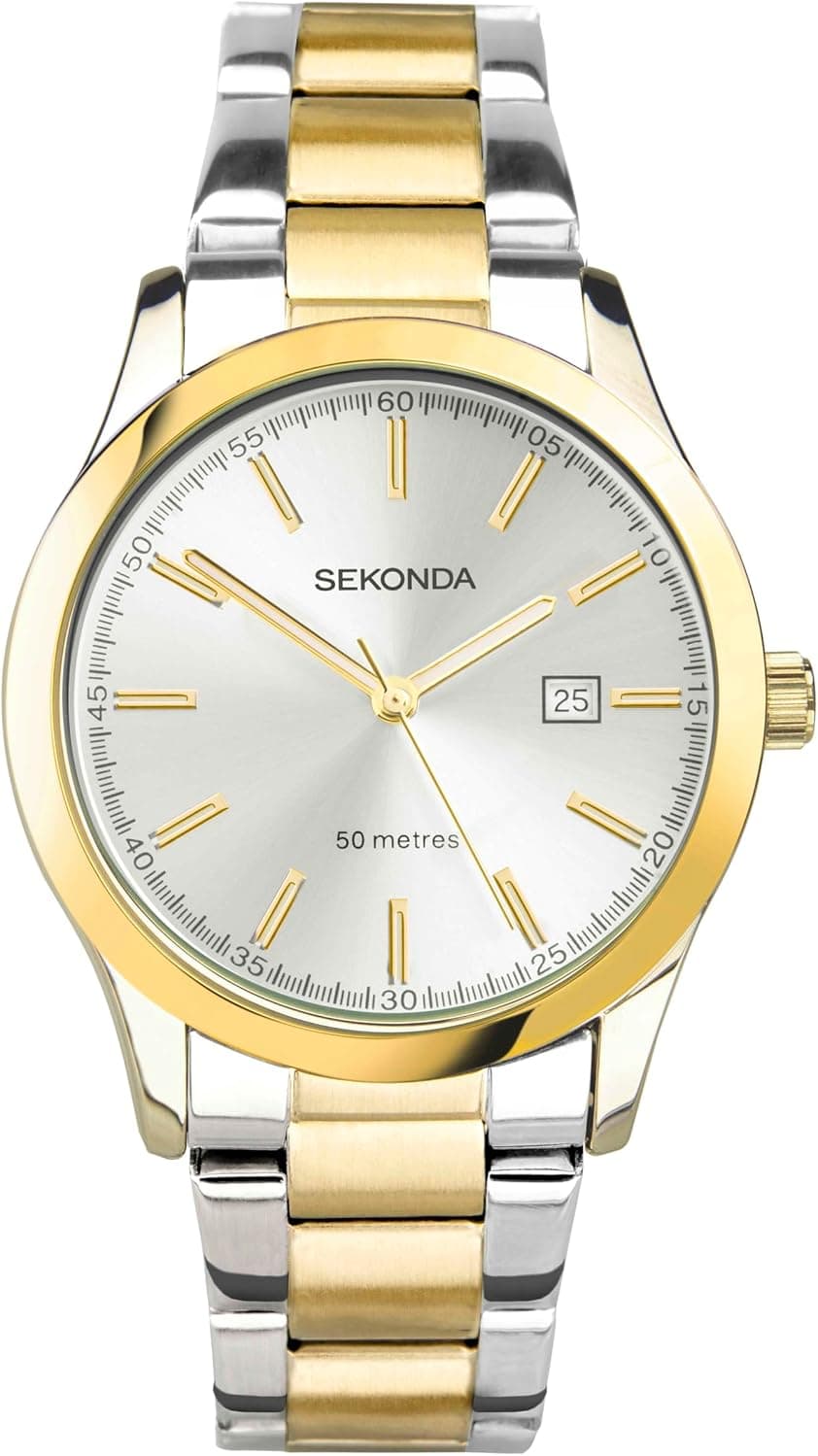
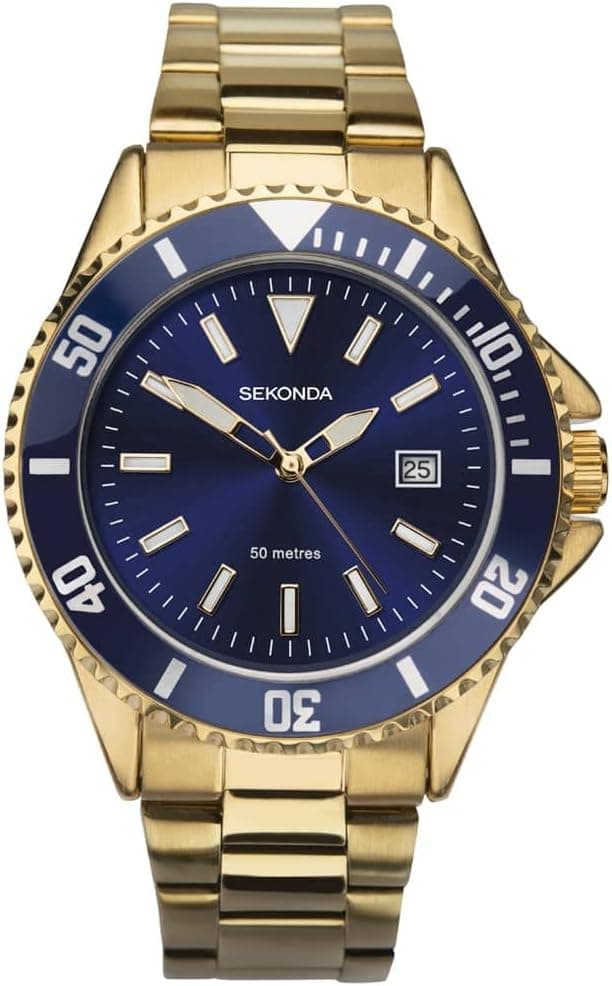
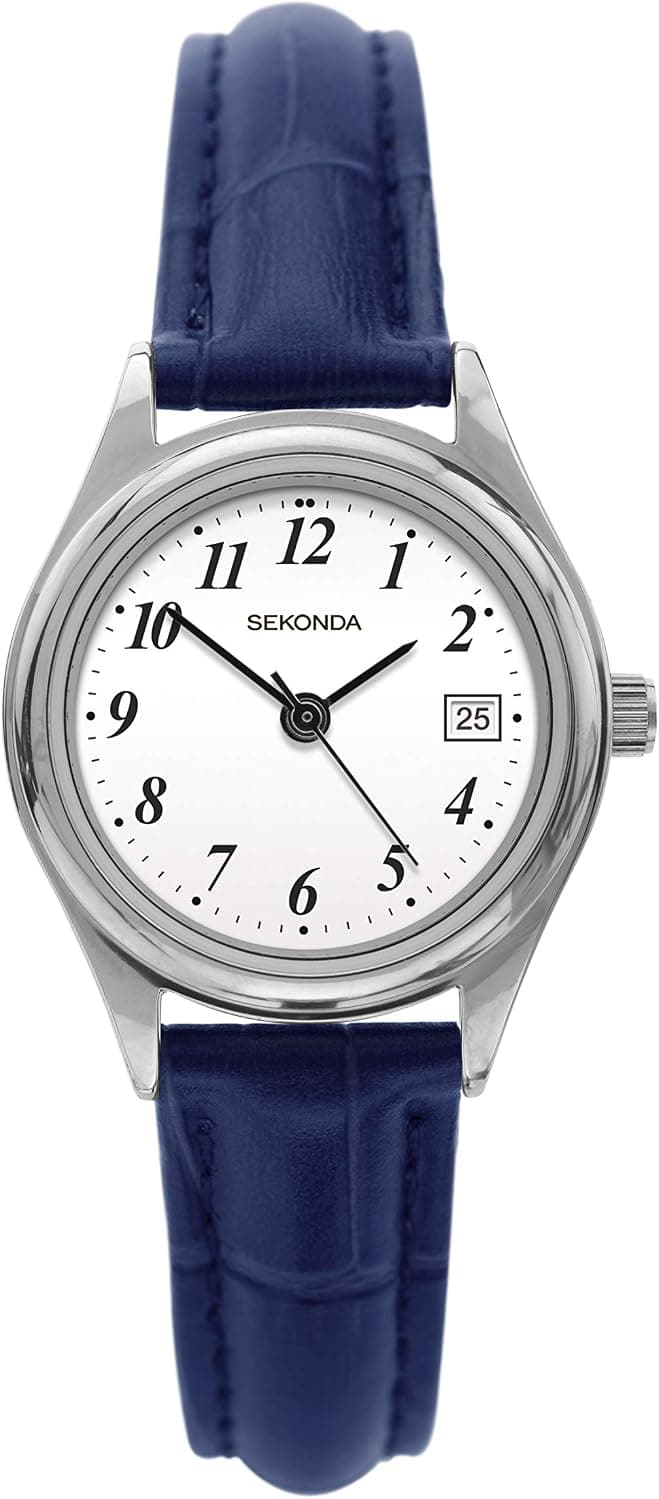
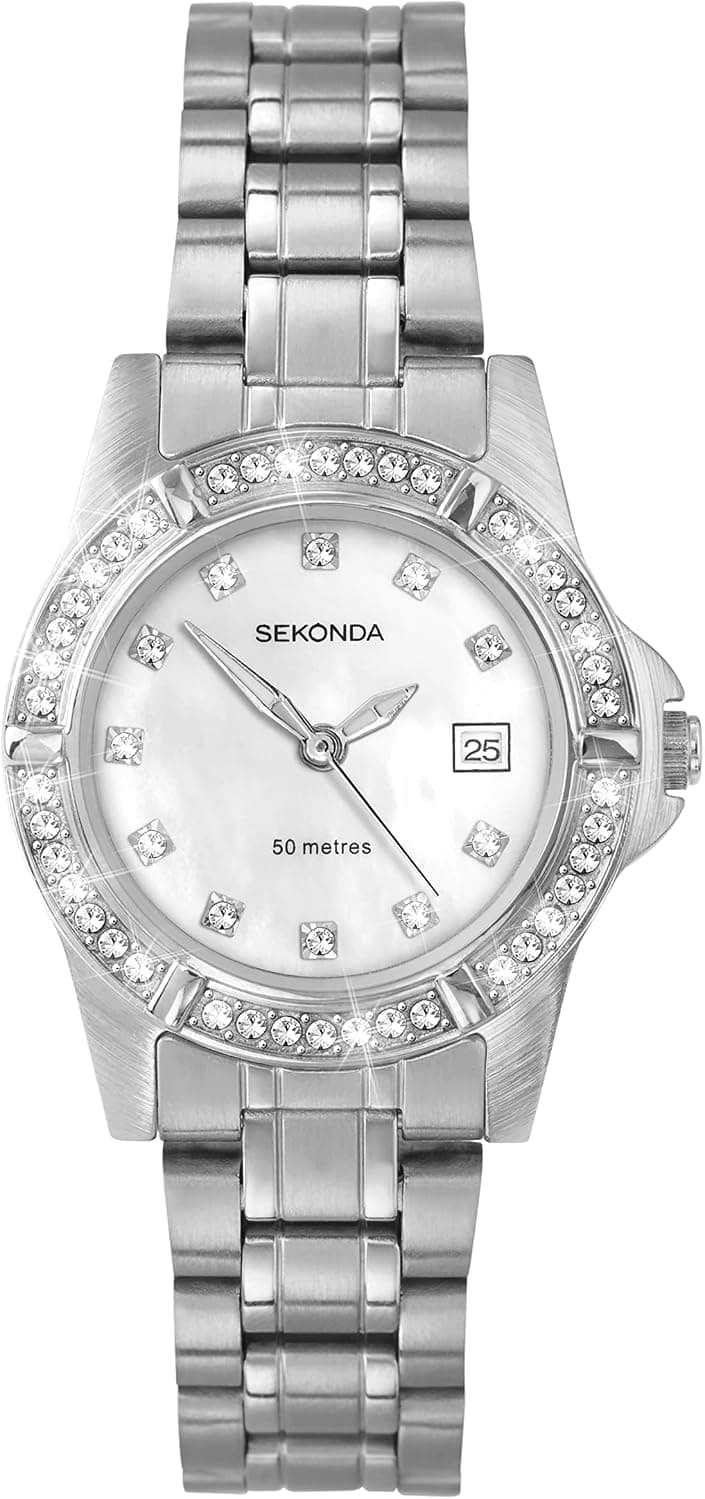
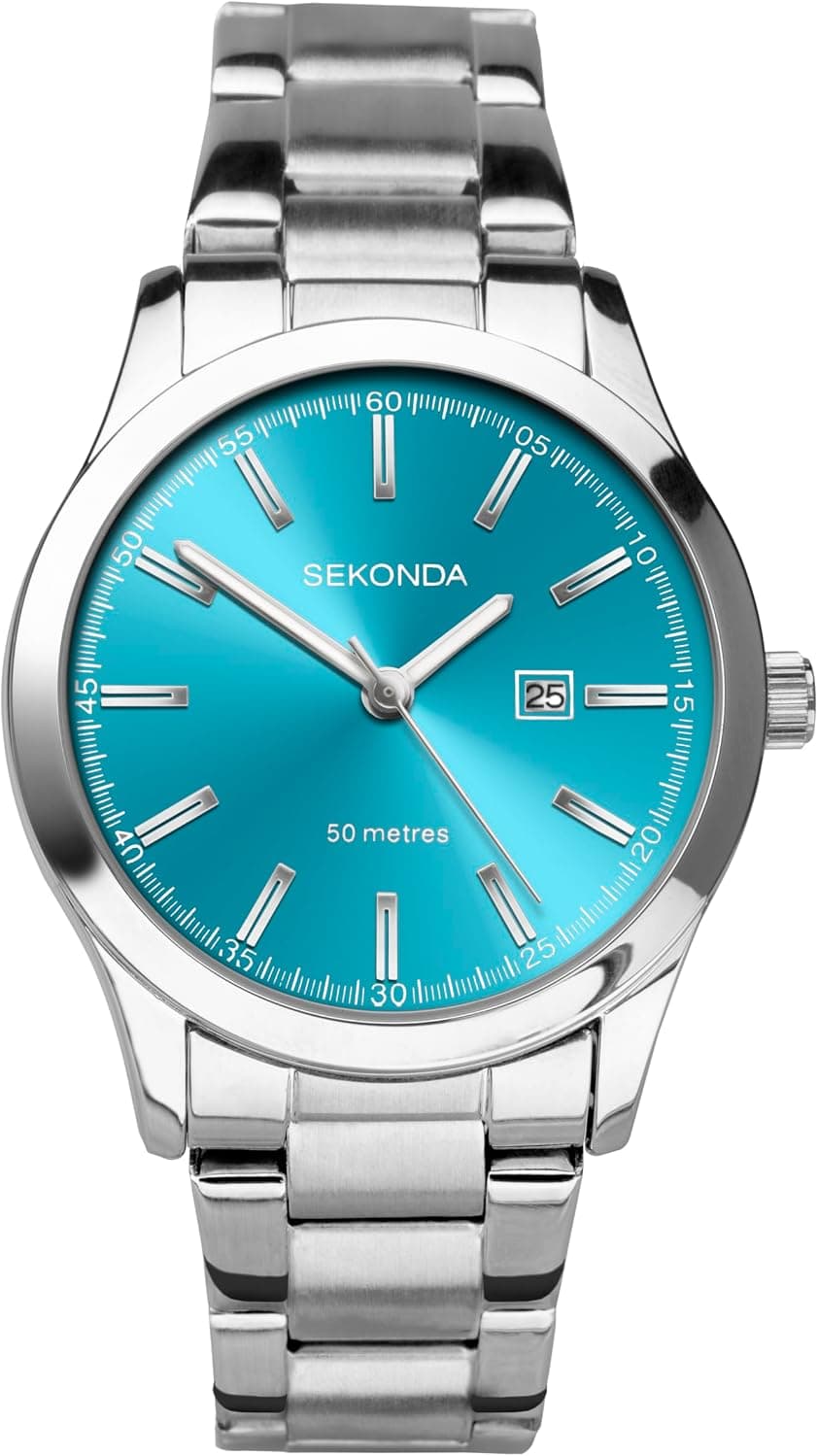
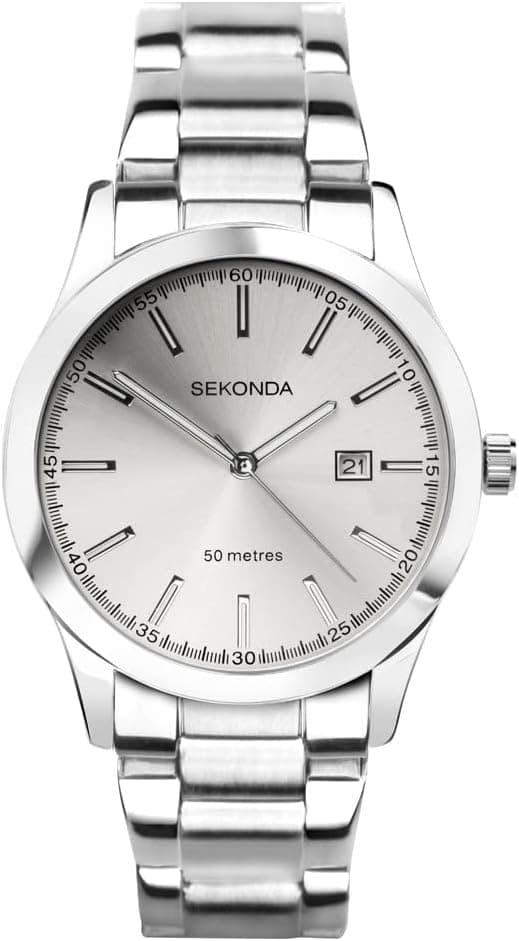
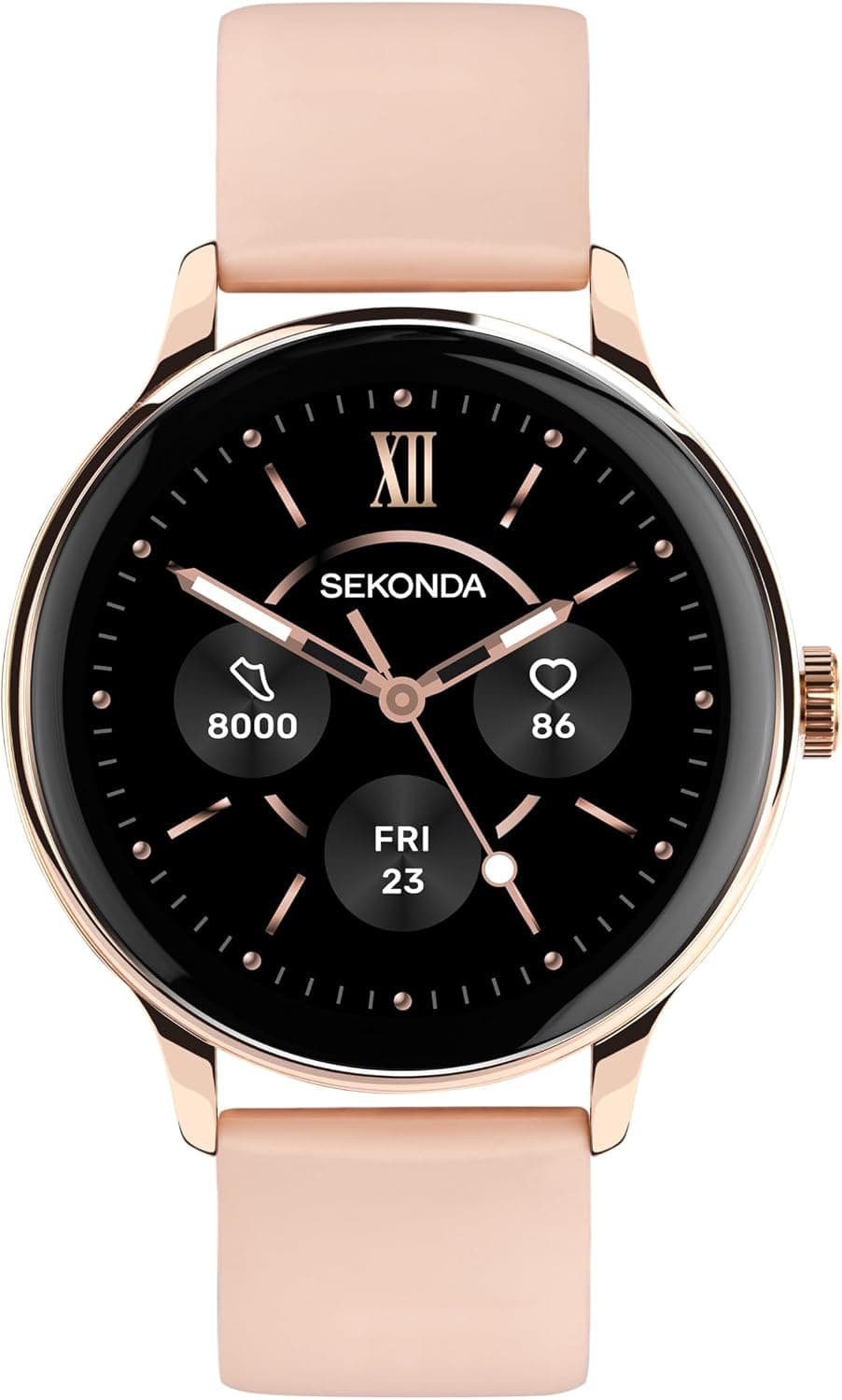
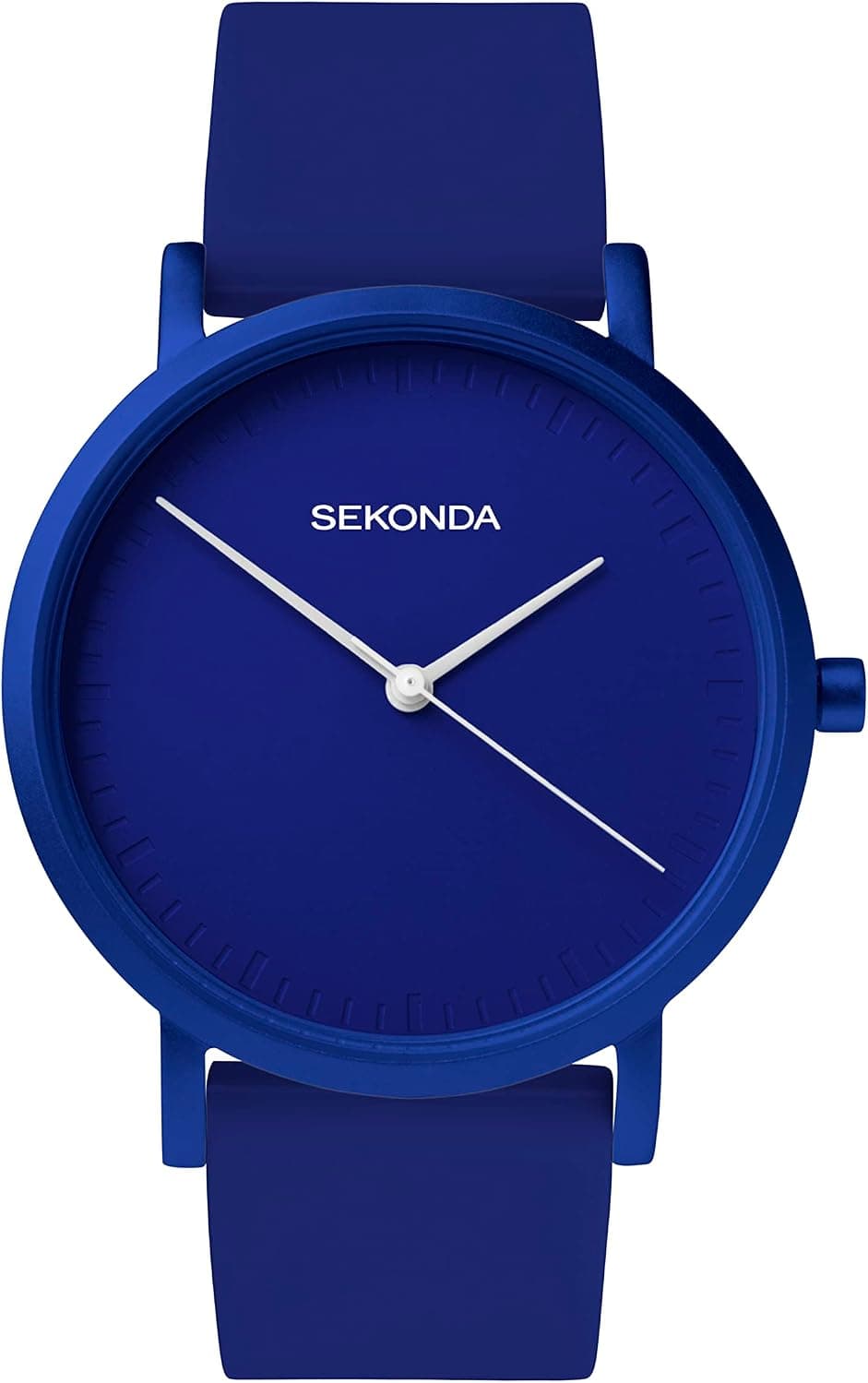
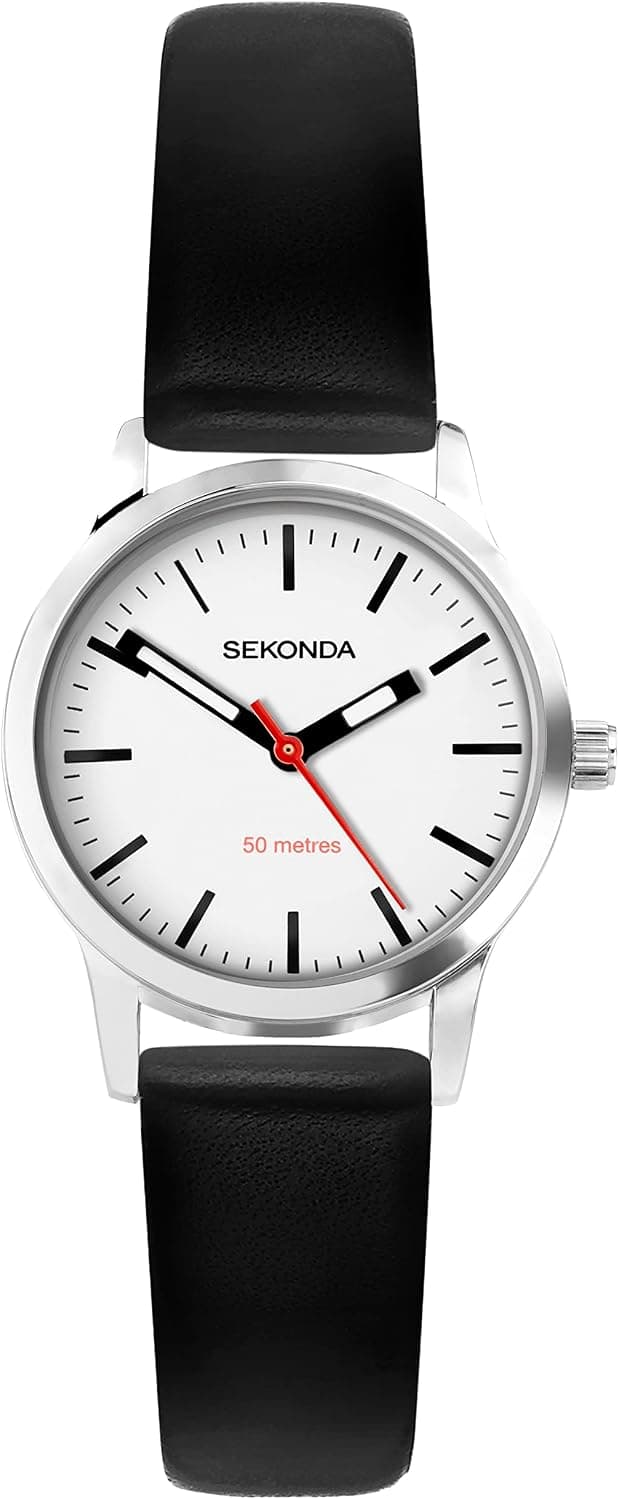
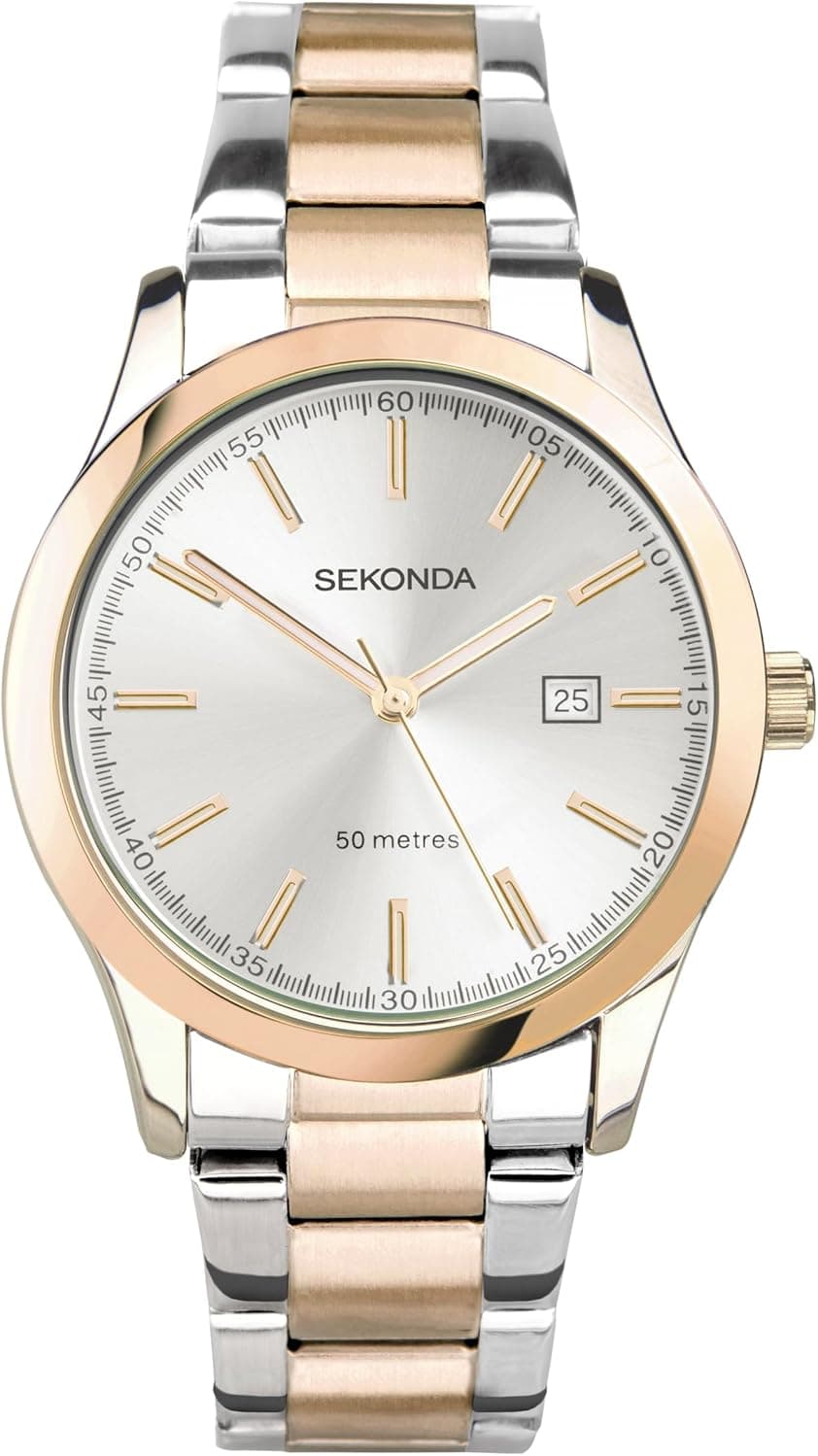
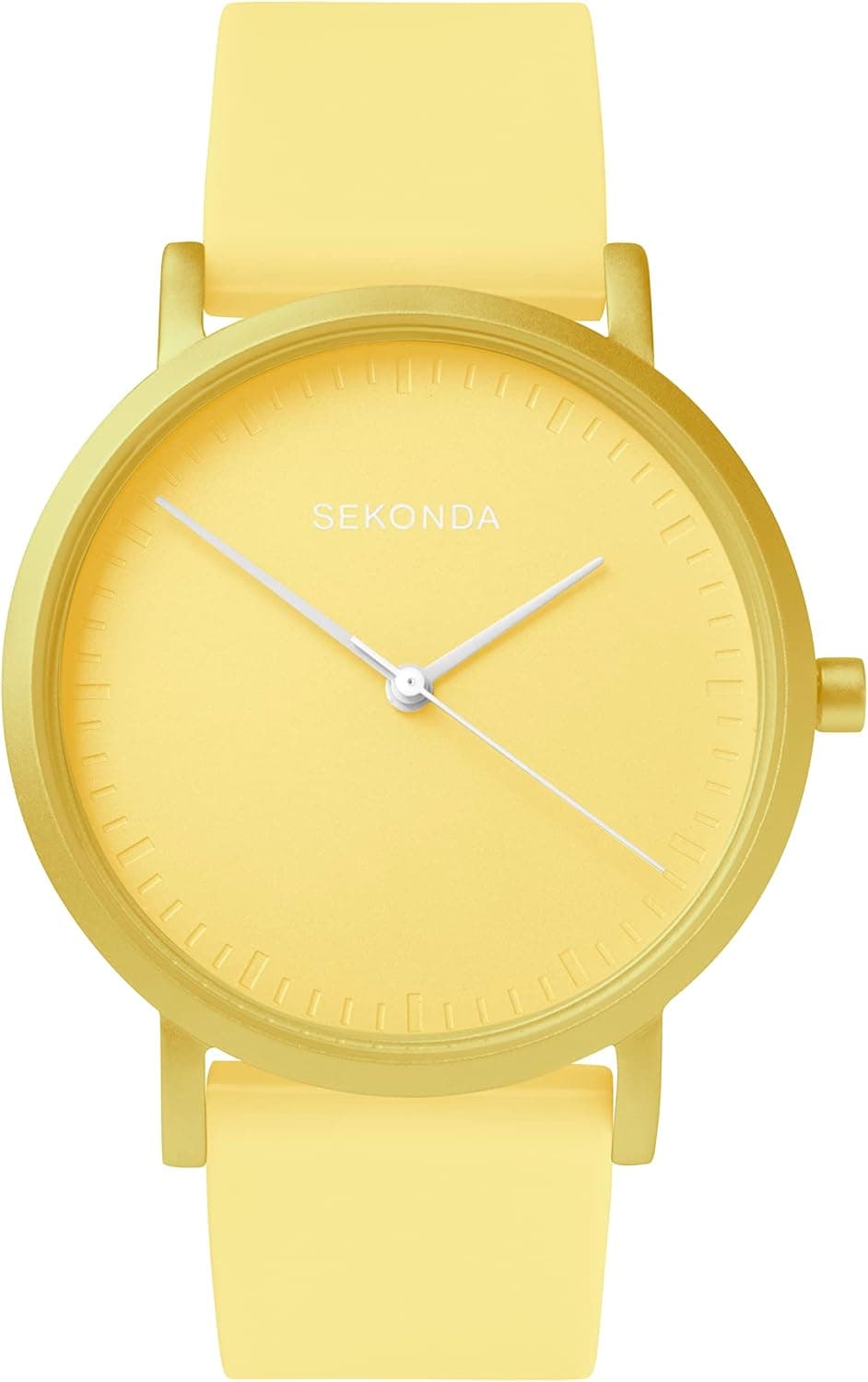
How big are Sekonda watches?
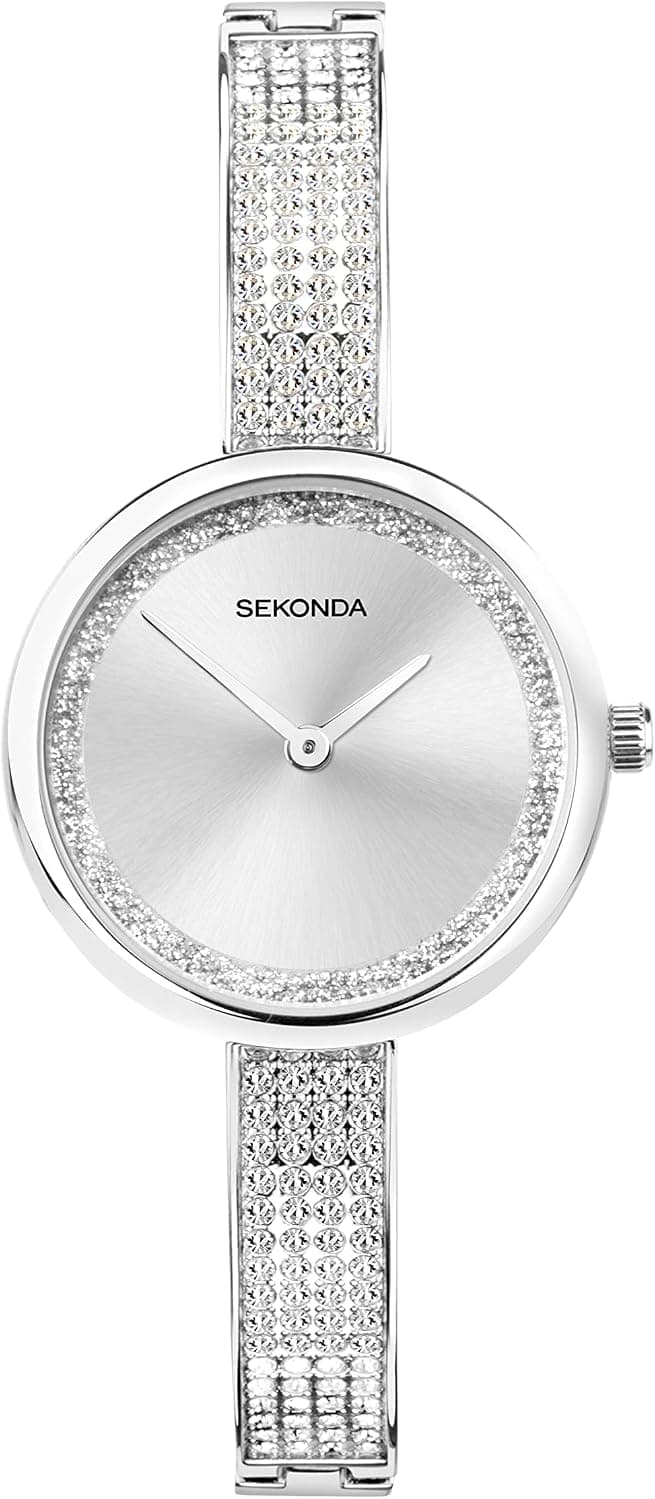
46% of Sekonda men's watches are 40 mm or smaller
- Junghans70%
- Hamilton62%
- Timex51%
- Sekonda46%
- Casio40%
- Orient29%
- Ravel29%
- Bulova26%
- Rado26%
- Longines25%
- Oupinke22%
- Citizen20%
- Invicta13%
- Stuhrling Original9%
- Guess7%
- Tommy Hilfiger5%
- Diesel0%
A typical men's watch from this brand is 41.5 mm (46 models). The chart shows brands with at least 20 men's models.
Measure your wrist and see what fitsFrequently asked questions
Is Sekonda a good brand?
For the money, yes. Sekonda is a long-established British brand dating to 1966, and most models use a dependable Japanese Citizen-Miyota quartz movement. Do not expect luxury, but if you want a tidy, honestly priced everyday watch that simply works, it is a sound choice.
Where are Sekonda watches made?
The brand was founded in the UK in 1966, and its earliest watches were produced in the Soviet Union. After the Soviet Union broke up, production moved to Hong Kong from 1993. Design and brand management remain in Britain, under the Time Products group alongside Accurist.
How much does a Sekonda cost?
Most Sekonda watches fall between £30 and £100. The Taylor line starts around £27.99, the Archer chronograph is £79.99, and the Velocity and Airborne chronographs sit near £99.99. The Active Pro smartwatch is priced a little higher, around £119.99.
Which Sekonda should I buy first?
For a clean, classic look, the Taylor or Nordic is a sensible start. If you like a chronograph, the Archer strikes a good balance. If you want phone notifications and heart-rate tracking, look at the Active Plus instead. Pick by need; all of them are affordable.
Is servicing a Sekonda expensive?
No. These are quartz watches, so when the battery dies any high-street jeweller can replace it, usually for a modest fee. A service almost always costs less than the watch itself, and there is no costly mechanical overhaul to budget for down the line.